In Marvdasht, within reach of the Persepolis ruins and the agricultural plains of Fars Province, Pasargad Restaurant occupies a position that reflects the region's deep relationship with land and produce. Iranian dining in this part of the country draws on centuries of farming tradition, and Pasargad sits within that local context as a reference point for visitors and residents seeking food rooted in the province's ingredients and cooking heritage.
 Discover on Pearl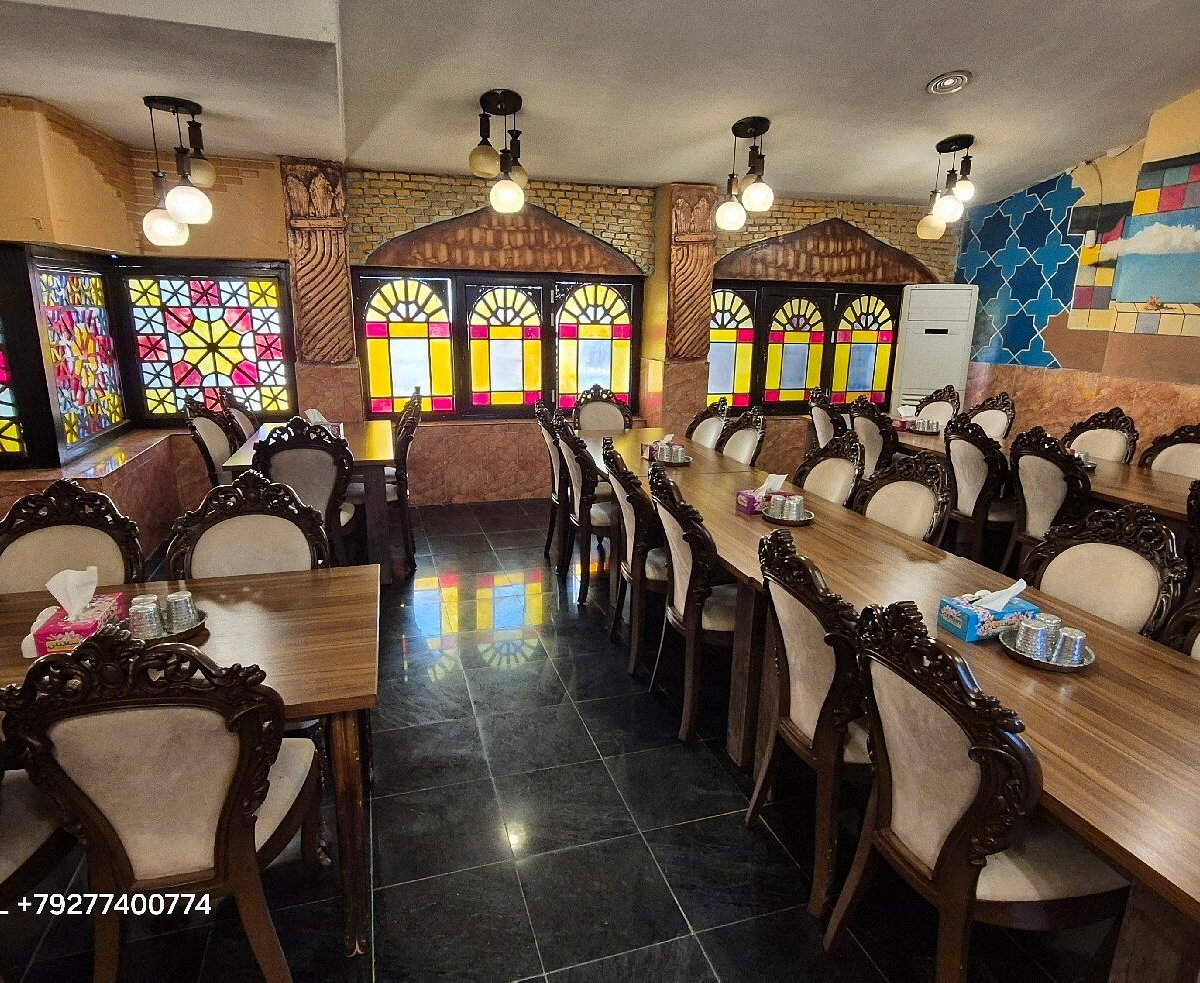
Eating in the Shadow of Persepolis: What Marvdasht's Dining Scene Tells You
Marvdasht sits in Fars Province, a stretch of southwestern Iran where the flatlands between Shiraz and the Persepolis ruins have supported agriculture for millennia. The Marvdasht plain is one of Iran's most productive wheat and grain zones, and the broader Fars region supplies a significant share of the country's stone fruits, legumes, and lamb. Restaurants operating here do not need to import the idea of ingredient provenance — it is built into the geography. The produce arrives from the surrounding land, and cooking traditions in this part of Iran reflect that closeness to source in ways that differ noticeably from Tehran's more cosmopolitan dining circuit.
Pasargad Restaurant (رستوران پاسارگاد) takes its name from the ancient Achaemenid capital located roughly 90 kilometres northeast of the city, a site that predates even Persepolis. That naming choice places the restaurant inside a local identity defined by historical depth and regional pride — both of which shape how Fars Province cooking is understood by those who live and eat here.
The shortlist, unlocked.
Hard-to-book tables, cellar releases, and concierge-planned trips.
Get Exclusive Access →The Regional Ingredient Logic Behind Fars Province Cooking
Iranian cuisine in Fars Province operates from a different set of base ingredients than what visitors typically encounter in hotel restaurants in Tehran or the tourist-facing establishments of Isfahan. Lamb from the surrounding highlands, dried herbs specific to the province, and the particular quality of wheat grown on the Marvdasht plain form the foundation. Stews built from local pulses and slow-cooked meat appear in a form that is less adjusted for outside palates than versions served in larger cities.
The sourcing logic matters here because Fars Province has historically fed much of the country. Saffron cultivation concentrates to the northeast in Khorasan, but the supply chain for dried spices, rice, and fresh produce runs through this region's markets. A restaurant in Marvdasht drawing on that supply network is working with ingredients at a proximity that larger urban venues cannot match. For visitors coming from Shiraz , approximately 45 kilometres to the south , or from the Persepolis archaeological site a short drive away, this translates into food that carries a clearer sense of where it comes from. You can find other strong regional expressions of Iranian cooking across the country, from Baastan Restaurant | رستوران سنتی باستان in Isfahan to Koohpayeh Restaurant (رستوران کوهپایه) in تهران, but the Fars Province idiom operates with its own distinct ingredient vocabulary.
Where Pasargad Sits in Marvdasht's Dining Options
Marvdasht is not a large city, and its restaurant offering reflects that. The dining options here are limited compared to Shiraz, and venues that draw both local regulars and the steady flow of visitors passing through toward Persepolis or the Pasargadae ruins occupy a particular role. They need to serve food that works for both audiences , familiar enough for locals, accessible enough for travellers who may have come from considerable distances and are eating between archaeological sites.
Laneh Tavoos Restaurant (رستوران لانه طاووس) in Marv Dasht represents another point of reference within the same city, which gives visitors a basis for comparison. In a market this size, the restaurants that persist tend to do so through reliability and local trust rather than novelty or concept-led positioning. Pasargad's name recognition within the region suggests it functions in that mode , a place known to the people who live here, not just those passing through.
For broader context on how Iranian restaurants across different cities approach regional cooking, see our full مرو دشت restaurants guide, which maps the local dining options against what the province offers.
The Physical Setting and What It Signals
Arriving in Marvdasht from Shiraz, the road passes through a wide agricultural plain before the city's low-rise outline appears. The setting is not metropolitan , the pace is slower, the built environment more functional , and restaurants here tend to reflect that register. In Iranian provincial cities, dining spaces often prioritise capacity and comfort over design language, and the social function of the restaurant carries weight: these are places where families eat together at length, where the table stays occupied across multiple courses and considerable time.
That format shapes what eating at Pasargad is likely to involve: a meal taken without particular urgency, in a setting oriented toward groups, with food that follows the rhythm of Iranian hospitality rather than a timed service model. Visitors accustomed to the format of international dining rooms will find a different logic here, and that difference is part of what makes eating in provincial Iran worth doing. The contrast with technically ambitious venues like Le Bernardin in New York City or Atomix in New York City is not a gap in quality so much as a difference in what food is being asked to do.
Planning Your Visit: Practical Orientation
Marvdasht is most commonly visited as part of a circuit that includes Persepolis and the Pasargadae site, both of which draw significant visitor numbers year-round. The cooler months between October and April are generally more comfortable for travel in Fars Province, with summer temperatures in the plain reaching levels that make midday movement difficult. Restaurants in this region typically operate on Iranian meal timing, with lunch running later than European convention and dinner extending well into the evening.
Because specific booking details, hours, and contact information for Pasargad Restaurant are not available through our current data, visitors should confirm arrangements locally or through accommodation in Shiraz, which serves as the regional base for most international travellers. Shiraz offers a wider range of dining options, from seafood-focused venues comparable to Khorsand Seafood in Bandar Abbas to regional Iranian cooking across different price registers, and the Marvdasht restaurants are typically visited as part of day trips rather than standalone destinations. Across Iran more broadly, comparable approaches to regional dining can be found at places like Eghbali Restaurant (رستوران اقبالی) in قزوین and Bozorgi Restaurant in قم, each operating within a similar logic of city-specific ingredient traditions and family-oriented formats.
Frequently Asked Questions
- Is Pasargad Restaurant suitable for children?
- In Iranian provincial cities at Marvdasht's price and demographic profile, family dining is the norm rather than the exception. Restaurants operating in this register tend to be oriented toward groups that include children, with informal service and meal formats that accommodate different ages without special arrangements. If the city context and broadly accessible price positioning are reliable indicators, Pasargad functions as a family-friendly environment as a matter of course rather than as a specific offering.
- What is the overall feel of Pasargad Restaurant?
- Based on its city context and position within Marvdasht's limited dining market, Pasargad is likely to read as a direct provincial Iranian restaurant: functional, comfortable, and oriented toward the long, sociable meal that is standard in Fars Province dining culture. It does not carry formal awards or internationally recognised credentials in our current data, which places it in the category of locally trusted venues rather than destination restaurants. The atmosphere will be defined more by who is in the room than by designed elements.
- What should I eat at Pasargad Restaurant?
- Specific menu details and signature dishes are not available in our current data for Pasargad Restaurant. However, Fars Province restaurants in this category typically anchor their menus around regional kebabs, slow-cooked stews built from local lamb and legumes, and rice dishes prepared in the Persian tradition. Ordering according to what the kitchen describes as locally sourced or prepared that day is generally the most reliable approach in this type of provincial venue.
- Is Pasargad Restaurant a good choice for visitors coming directly from the Persepolis or Pasargadae archaeological sites?
- Geographically, Marvdasht sits between Shiraz and both major Achaemenid sites, which makes restaurants in the city a practical stop for visitors on that circuit. Pasargad Restaurant's name directly references the ancient capital northeast of the city, which suggests it positions itself within the region's archaeological and historical identity. As a locally established venue in a city with limited dining options, it serves the practical function of providing a meal stop in an area where alternatives are sparse , a concrete anchor for travellers who do not want to wait until returning to Shiraz for a substantial meal.
How It Stacks Up
These are the closest comparables we have in our database for quick context.
Need a table?
Our members enjoy priority alerts and concierge-led booking support for the world's most difficult tables.
Get Exclusive AccessThe shortlist, unlocked.
Hard-to-book tables, cellar releases, and concierge-planned trips.
Get Exclusive Access →