Our verdict
On Qeshm Island, where the Persian Gulf sets the terms for what ends up on a plate, Jijian Classic Kabab works within a grilling tradition that stretches across Iran's southern coastal provinces. The kabab format here draws on ingredients shaped by the island's geography and trade routes, placing it inside a dining culture that is practical, direct, and worth understanding before you arrive.

Pearl is the En Primeur Club membership app — saves, bookings, and concierge access live there. Same editors, same standards.
The menu
What to order
- Kabab Bzghaleh
- Kahareh Kabab
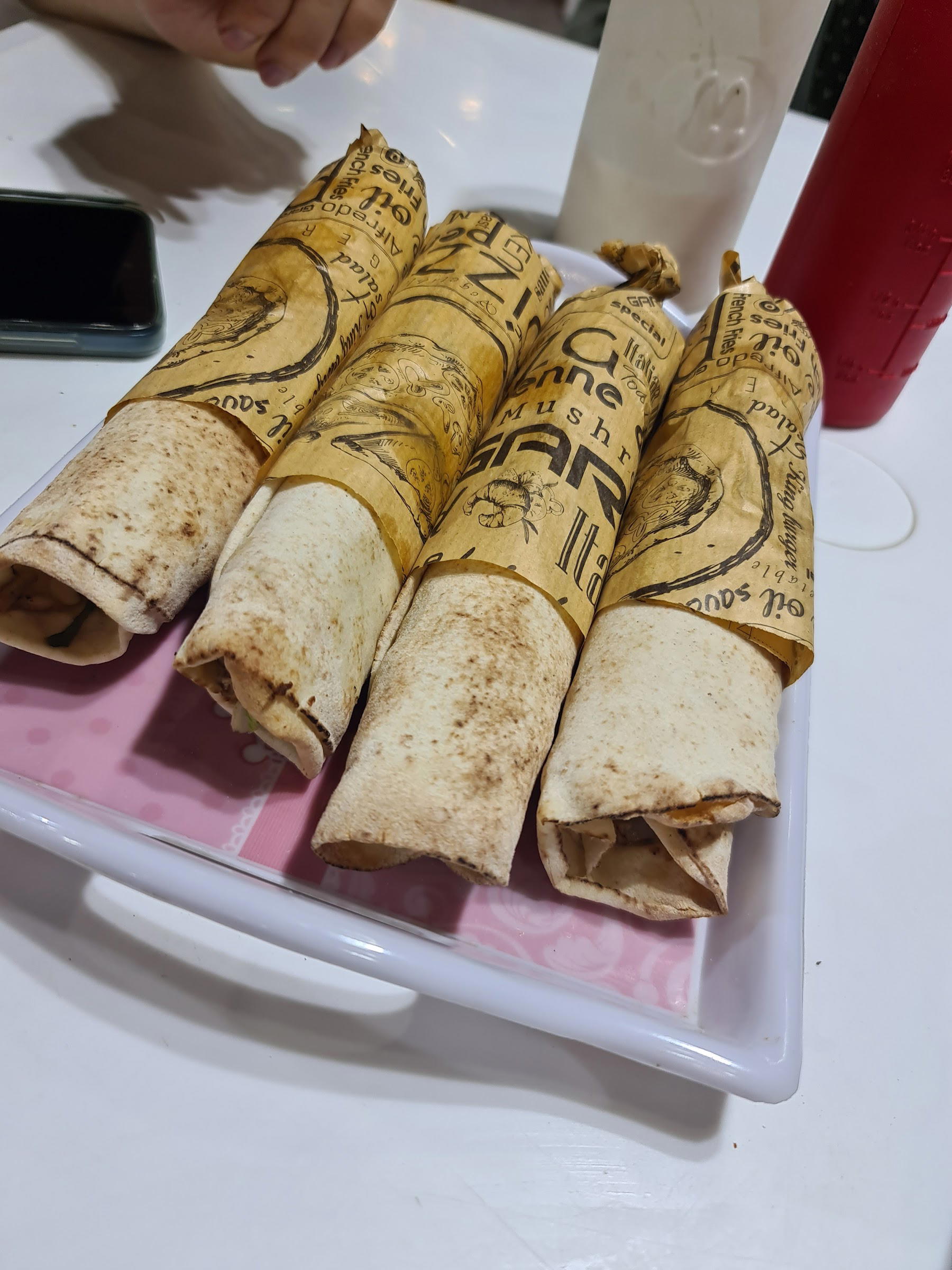
- Camel Kebab
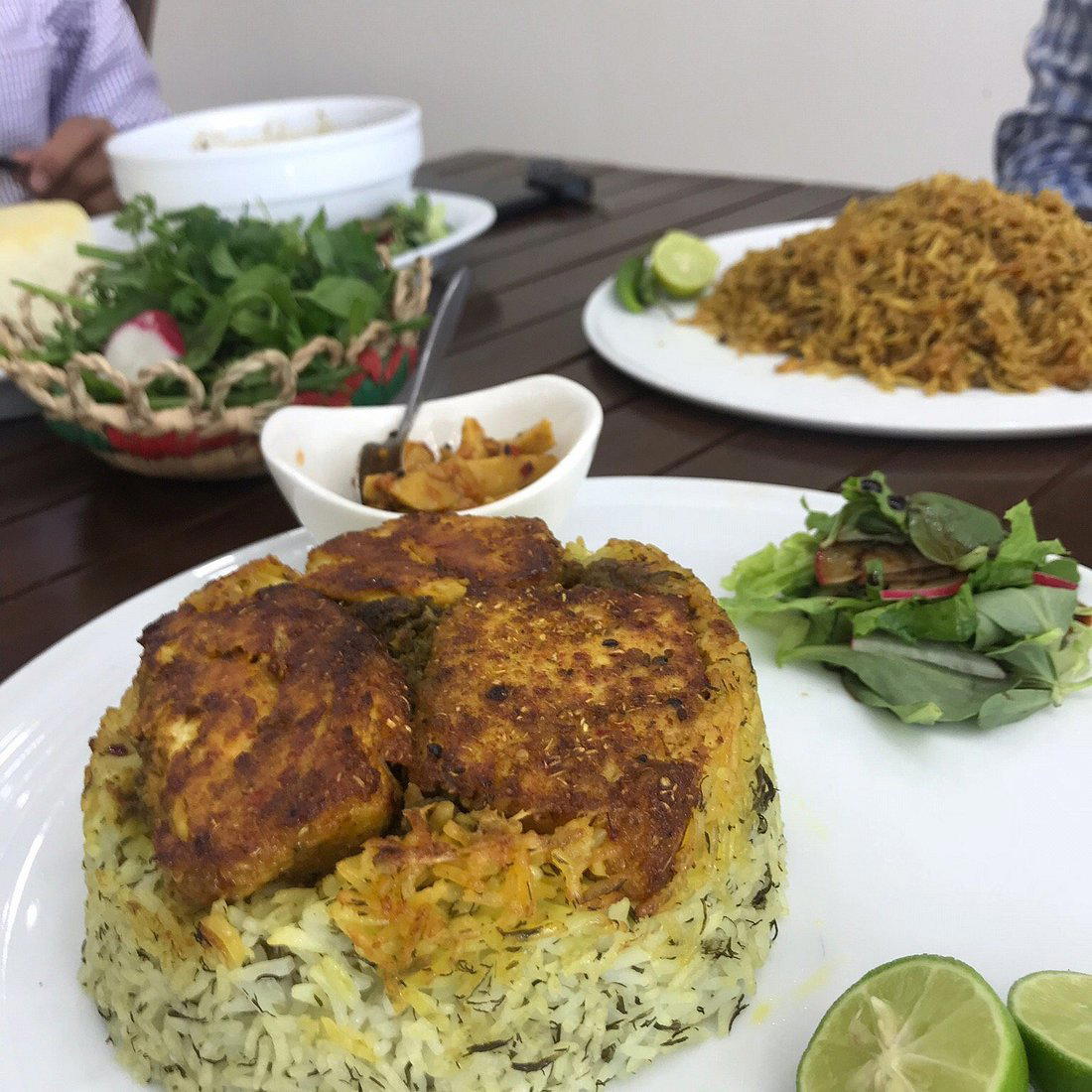
- Shark Kebab
Where the Persian Gulf Meets the Grill
Qeshm Island sits in the Strait of Hormuz, separated from Bandar Abbas by a narrow channel and governed by its own free-trade zone status that has long made it a crossroads of goods, people, and, consequently, food. The island's cuisine reflects that position: Persian grilling traditions meet Gulf Arab spice habits, and the proximity to open water means that protein sources shift depending on the season and the catch. Jijian Classic Kabab operates within this layered local food culture, where the kabab format is not the simplified skewer of Tehran's fast-casual strip but something rooted in the specific agricultural and maritime supply chains of Hormozgan Province.
The address places it within Qeshm's urban core, in a part of the island where local eating tends toward the functional and the honest rather than the theatrical. Approaching the area, the sensory cues are consistent with working Persian Gulf towns: salt air carrying traces of grilled meat from open-fronted kitchens, the particular sound of charcoal shifting in metal beds, and a clientele that skews heavily local. These are signals worth reading. In Iran's southern provinces, the restaurants that draw the island's own residents tend to be far more calibrated to the actual food than those angled toward mainland tourists passing through.
The Sourcing Logic Behind Qeshm's Kabab Tradition
Iran's kabab culture is often discussed as a single unified tradition, but the ingredients feeding it vary considerably by region, and those differences matter at the plate. In Tehran or Isfahan, the dominant protein is lamb from the highland plateaus, with fat content and breed selected for the classic koobideh structure. In the south, and particularly on Qeshm, the supply picture shifts. Local access to Gulf seafood means that fish kababs appear on menus where they would be secondary or absent further inland. The island also sits close to date palm cultivation areas across Hormozgan, which influences the spice and marinade approaches used in this coastal kabab tradition: warmer, sometimes sweeter, with turmeric and dried limes appearing as structural elements rather than as garnish.
For a venue identified by its classic kabab positioning, the sourcing geography is the frame through which the food should be understood. Qeshm's free-trade zone has historically meant that spice variety here exceeds what you find in more isolated inland towns. Indian Ocean trade routes deposited cardamom, black lime, and saffron into the island's cooking long before they became commodities in Tehran's northern suburbs. The result is a kabab tradition with a distinctive spice architecture that separates southern Iranian grilling from its central and northern counterparts, and Jijian Classic Kabab sits within that tradition. For comparison, Khorsand Seafood in Bandar Abbas represents the Gulf coast's seafood-forward approach just across the channel, while venues like Baastan Restaurant in Isfahan illustrate how differently the traditional format reads when the sourcing geography is the Iranian plateau rather than the coast.
Qeshm's Dining Scene in Context
The island's restaurant sector divides into a few recognizable tiers. At the leading sit the hotel dining rooms attached to Qeshm's larger resort properties, which tend toward generic regional menus designed for mainland visitors on short-stay packages. Below that is a middle tier of sit-down local restaurants where the cooking is more directly tied to what the island actually produces and catches. Jijian Classic Kabab occupies this middle tier, which is where the more considered eating on Qeshm tends to happen. The free-trade zone's relative prosperity has meant that local restaurants face a population with both the means and the expectation of decent food, which creates a competitive standard that keeps quality honest.
Across Iran, the restaurants worth attention in this category share certain characteristics: they are not trying to translate something foreign, they are not performing their own heritage for outsiders, and the menu logic connects directly to what can be sourced within a reasonable radius. Venues like Croll in Qeshm show that the island's dining options are diversifying, but the kabab tradition remains the backbone of local daily eating. For broader context on how Iranian regional cuisine varies at this tier, the Koohpayeh Restaurant in Tehran and Laneh Tavoos Restaurant in Marv Dasht offer useful comparison points from different provincial contexts. The Anar Caravanserai in Anar represents how Iran's interior provincial restaurant culture handles traditional formats, which contrasts sharply with the coastal register at Jijian.
Planning a Visit
Qeshm is accessible by short ferry crossing from Bandar Abbas or by direct flight into Qeshm International Airport, which receives domestic connections from Tehran and several other Iranian cities. The island operates on Iran Standard Time (IRST, UTC+3:30), and the climate is significant for timing: the Gulf summer from June through August brings intense humidity and heat that concentrates peak local dining into the cooler evening hours, while the October-to-March window is far more comfortable for any outdoor or open-fronted eating environment. Jijian Classic Kabab's specific address places it in the X73F+7RX area of Qeshm, a format consistent with the Plus Code system used across Hormozgan Province where street addressing is inconsistent. Navigation by Google Maps using the Plus Code is the standard approach for finding venues in this part of the island. Phone and booking details are not published, which is consistent with the walk-in culture that dominates Qeshm's local restaurant tier. Our full Qeshm restaurants guide covers the broader island dining picture and is a useful reference for building an itinerary. For those also passing through the mainland, Mr Fish in Bandar Abbas handles the Gulf seafood format in the port city context, and Eghbali Restaurant in Qazvin offers a reference point for how the kabab tradition reads in northwestern Iran.
Frequently asked questions
Is Jijian Classic Kabab good for families?
Kabab restaurants on Qeshm Island generally operate as informal, communal spaces where family groups are the norm rather than the exception. Jijian's address in Qeshm places it within a culturally family-oriented dining context, and the format of a classic kabab house — shared grilled meats, flatbread, rice — suits groups of mixed ages.
What should I expect atmosphere-wise at Jijian Classic Kabab?
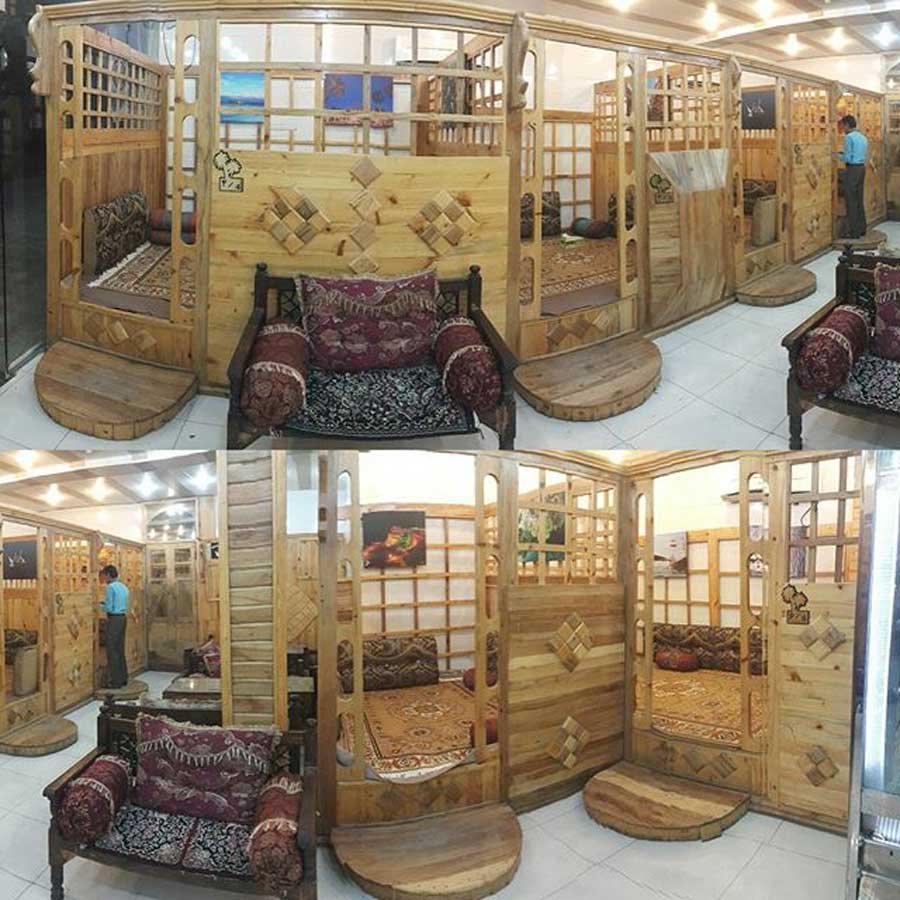
Qeshm's mid-tier kabab houses tend toward the functional and direct: tiled surfaces, open grills, and the kind of smoke-and-charcoal smell that signals the cooking is done over real heat. Jijian Classic Kabab sits in this tradition rather than in the polished hotel dining room tier that also operates on the island. Expect a working-restaurant atmosphere calibrated around the food, not the décor.
How does Jijian Classic Kabab reflect Qeshm Island's distinct food geography?
Qeshm's free-trade zone status and its location in the Strait of Hormuz give it ingredient access that differs from mainland Hormozgan Province, including Gulf seafood and trade-route spicing influences that don't appear in Iran's inland kabab traditions. A venue calling itself a 'classic' kabab house in this setting is making a specific claim — that it draws on the island's own grilling lineage rather than importing a Tehran or Isfahan template. That regional specificity is the most important reason to seek Jijian out over a generic kabab chain when visiting Qeshm.
What should I order at Jijian Classic Kabab?
The name references the classic kabab repertoire, which in the Iranian Gulf context typically centres on ground-meat koobideh and whole cuts of lamb or chicken cooked over charcoal. Qeshm's position in the Strait of Hormuz also means seafood sourcing differs from the inland Iranian norm, so fish preparations may appear alongside the standard grill menu.
Where do I go for Jijian Classic Kabab?
Jijian Classic Kabab is located at X73F+7RX, Qeshm, Hormozgan Province, Iran, Qeshm.
Can I walk in to Jijian Classic Kabab?
No reservations system or booking contact is publicly documented for Jijian Classic Kabab in Qeshm, which suggests walk-in is the standard mode of entry. Kabab houses in this category on the island typically operate on a first-come basis, though peak meal times — particularly Friday lunch, a culturally significant dining occasion in Iran — can draw queues. Arriving slightly before the local lunch rush is a practical hedge.
Comparison Snapshot
Comparable venues nearby, for context on price, style, and recognition.
| Venue | Cuisine | Price | Notes |
|---|---|---|---|
| Jijian Classic KababThis venue — the venue you are viewing | Traditional Iranian Kebab | Not listed | Not listed |
| Beach Sandwiches And Shawarma ساندویچ و شاورما ساحل | Beach Sandwiches and Shawarma | $1–10 | Qeshm |
| Croll (سی رول) | Southern Seafood | Not listed | خیابان دانش |
| Polo Restaurant (رستوران پلو) | رستوران سنتی ایرانی | Not listed | خرمشهر / معلم |
| ras tooran | رس توران | Persian | Not listed | Timsar Fallahi |
| Shahrzad Restaurant (رستوران شهرزاد) | رستوران سنتی ایرانی | Not listed | چهارباغ عباسی |
Continue exploring
More in Qeshm
Details
- Classic
- Cozy
- Rustic
- Casual Hangout
- Family
- Historic Building
- A La Carte
Current opening hours
- Monday
- 7:30 PM–1:30 AM
- Tuesday
- 7:30 PM–1:30 AM
- Wednesday
- 7:30 PM–1:30 AM
- Thursday
- 7:30 PM–1:30 AM
- Friday
- 7:30 PM–1:30 AM
- Saturday
- 7:30 PM–1:30 AM
- Sunday
- 7:30 PM–1:30 AM
Hours can change for holidays and private events. Last verified .
Traditional room-like seating (hajreh) creating a peaceful and pleasant atmosphere.