Döner Garden sits on Fakhar Moghadam Street in Shahrak Gharb, one of Tehran's more settled residential districts in the west of the city. The format is built around döner, a format that has found a durable foothold in Iranian fast-casual dining. For those moving through the Dadman Boulevard corridor, it represents a practical, neighbourhood-rooted stop.
 Discover on Pearl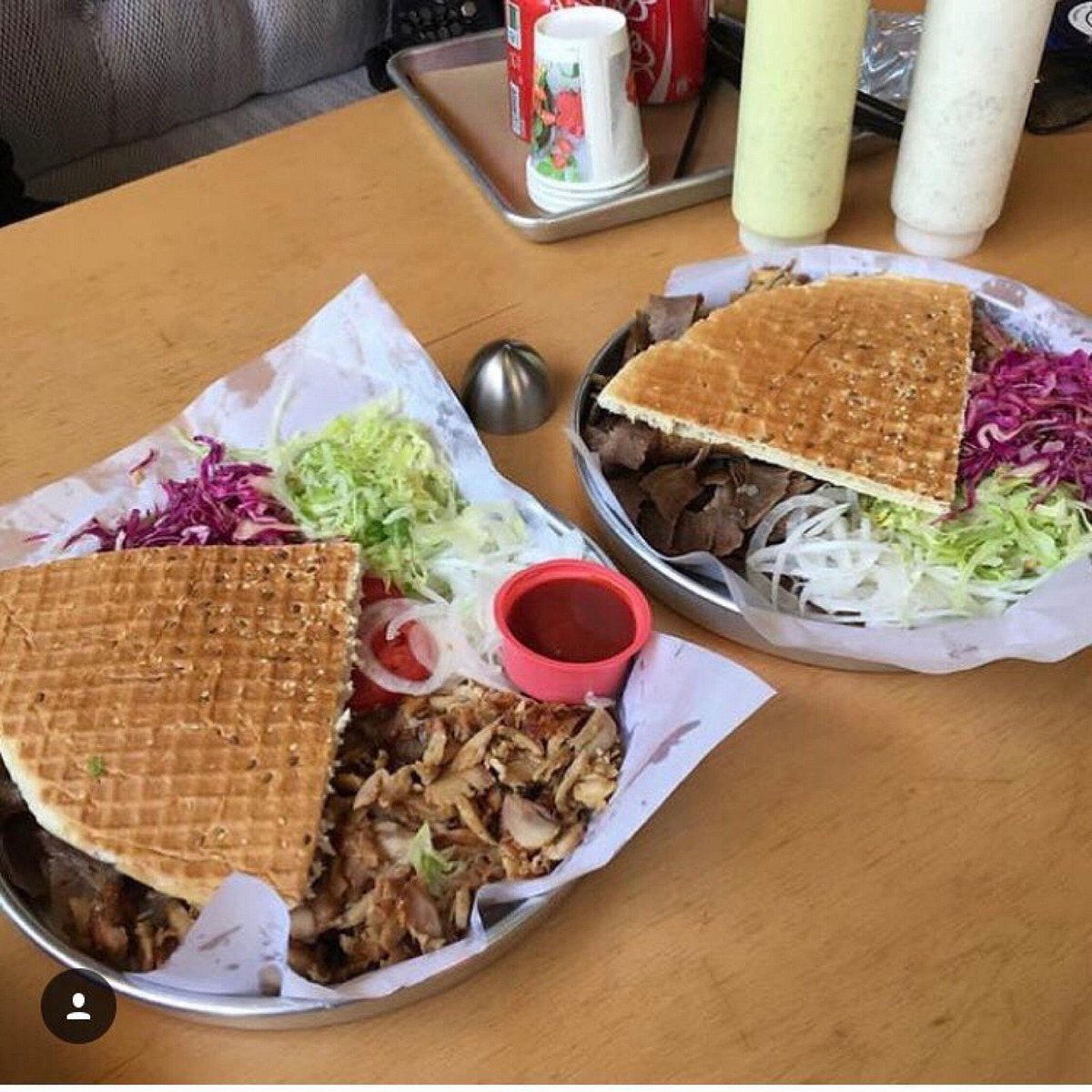
Shahrak Gharb and the Döner Foothold in Tehran's West
Tehran's western districts have developed a dining character distinct from the high-density restaurant corridors of Jordan or Vanak. Shahrak Gharb, the planned residential neighbourhood that grew steadily through the 1980s and 1990s, now supports a layer of neighbourhood-facing restaurants that serve residents rather than destination diners. The streets off Dadman Boulevard, including Fakhar Moghadam, carry a mix of bakeries, fast-casual spots, and sit-down family restaurants that reflect what the district actually eats on an ordinary evening. Döner Garden sits within that pattern, occupying a position on a street where the foot traffic is local and the expectations are practical.
The döner format itself arrived in Iran through a combination of Turkish cultural proximity and the global spread of the vertical rotisserie. In a city where kebab is a foundational culinary category, the döner occupies an adjacent but distinct space: the meat is typically lamb or chicken, turned slowly against a heat source and shaved to order, then served in flatbread with fresh vegetables and sauces. The sourcing logic behind a well-run döner operation is tighter than it might appear. The quality of the meat column matters more than any single preparation decision, because the rotisserie process concentrates whatever is in the cut. Operations that source lean, properly seasoned meat from reliable suppliers produce a product that holds together across a full service; those that cut corners on sourcing produce a drier, less cohesive result by the second half of the day.
The shortlist, unlocked.
Hard-to-book tables, cellar releases, and concierge-planned trips.
Get Exclusive Access →The Setting on Fakhar Moghadam Street
Approaching the venue along Fakhar Moghadam Street, the surrounding environment is residential in texture: low-rise apartment blocks, parked cars, the occasional small shop. Dadman Boulevard, which anchors the eastern edge of this address, is a wider arterial road, but the side streets off it are quieter and more neighbourhood-scaled. This is not a dining strip in the conventional sense; restaurants here are placed for proximity to residents rather than for visibility or passing tourist traffic. The physical environment that surrounds Döner Garden is accordingly low-key, which shapes what kind of meal it is suited to deliver.
Tehran's döner venues generally fall into two operational modes: fast-counter formats where the transaction is quick and seating is minimal, and slightly more settled spaces where families and groups can take a table for an extended meal. Without confirmed seating or format data for Döner Garden specifically, the neighbourhood context suggests a venue oriented toward local regulars rather than walk-in tourists. The western districts of Tehran, including Shahrak Gharb, have a higher concentration of middle-class residential density than areas closer to the city centre, and the restaurants that operate there tend to calibrate accordingly. For comparable neighbourhood-rooted dining across Tehran, the full Tehran restaurants guide maps the city's dining spread across districts.
Sourcing and the Döner Standard
Across Tehran's fast-casual sector, the gap between döner operations is most visible in sourcing decisions. The vertical rotisserie format is unforgiving in one specific respect: the meat is on display and in motion for hours at a time, and the quality of the raw column is apparent in the finished product. Spice penetration, fat distribution, and the freshness of the flatbread all compound from there. In the better operations across the city, the bread is made or delivered fresh within the day and the vegetable accompaniments, typically tomato, onion, and fresh herbs, are sourced locally and refreshed through the service.
This sourcing-first logic is not unique to Tehran; it drives quality distinctions in döner across Istanbul, Berlin, and every city where the format has taken root. But in Tehran's context, where the supply chain for restaurant-quality meat has its own specificities and where customer expectations for freshness are shaped by proximity to strong traditions in Iranian kebab, the standard that a neighbourhood döner spot is measured against is not a casual one. Venues like Kenzo and Koohpayeh Restaurant operate in different culinary registers, but the underlying expectation of ingredient quality that Tehran diners carry travels across formats. Even within the fast-casual bracket, the döner is compared implicitly against the standard of the city's kebab tradition.
For visitors crossing formats and contexts, it is worth noting how Tehran's dining scene handles the relationship between international formats and local expectation. Soo Korean Restaurant and 哈三秘制脆皮烤鸭餐厅 德黑兰店 represent international formats that have adapted to the Tehran market; döner, given its Turkish and wider Middle Eastern proximity, arguably sits closer to local culinary logic than either.
Planning Your Visit
Döner Garden is located on Fakhar Moghadam Street off Dadman Boulevard in Shahrak Gharb, accessible from the western reaches of the city. Shahrak Gharb is reachable by private car or taxi from central Tehran in roughly 20 to 30 minutes depending on traffic, which in Tehran's western corridors can extend significantly during peak hours (roughly 7–9am and 4–7pm on weekdays). The neighbourhood is well-established with good on-street orientation. Phone and website details are not currently listed, so confirming hours directly before visiting is advisable. Price range and booking details are not on record; the neighbourhood context suggests a walk-in format at accessible price points consistent with fast-casual dining in Tehran's residential west.
For those building a broader itinerary across Iran's dining scene, the EP Club catalogue covers a range of formats and cities: Bozorgi Restaurant in Qom, Eghbali Restaurant in Qazvin, Polo Restaurant in Zanjan, and Caesar Italian Restaurant in Yazd each reflect the regional spread of Iran's restaurant sector. On the coast, Khorsand Seafood in Bandar Abbas and Mr Fish in Bandar Abbas document a different end of the country's culinary range. In the south, Croll in Qeshm and Jijian Classic Kabab in Qeshm serve a format not far removed from the döner's fast-fire logic. Further afield, Good Fish Restaurant in Tabriz, Laneh Tavoos in Marv Dasht, and Pasargad Restaurant in Marv Dasht round out a picture of how Iran's provincial dining operates outside the capital. For reference points at the upper end of the global restaurant spectrum, Le Bernardin in New York City and Lazy Bear in San Francisco represent the kind of format-discipline and sourcing rigour that separates top-tier operations across any category.
Frequently Asked Questions
- Does Döner Garden work for a family meal?
- Shahrak Gharb is a family-oriented residential neighbourhood, and the restaurants along Dadman Boulevard and its side streets are typically set up for exactly that use. If Döner Garden follows the format common to neighbourhood döner venues in Tehran's western districts, a family meal is a reasonable expectation. Pricing in fast-casual döner venues in this part of the city tends to be accessible, making the format practical for groups. Confirming capacity and seating format directly before visiting is advisable given that specific details are not currently on record.
- What is the atmosphere like at Döner Garden?
- The address on Fakhar Moghadam Street in Shahrak Gharb places the venue firmly in residential-neighbourhood territory rather than on a high-profile dining strip. The atmosphere is shaped by that context: the surrounding streets are low-key and resident-facing, and the venue is likely calibrated for local regulars. Tehran's western districts carry a settled, middle-class residential character that tends to produce relaxed, practical dining environments rather than destination-dining theatrics. No awards or specific ratings are on record for Döner Garden.
- What's the leading thing to order at Döner Garden?
- Specific menu data is not available for Döner Garden, but the format of the venue points clearly toward the döner itself as the central product. In well-run döner operations, the quality of the meat column, the freshness of the flatbread, and the balance of accompanying vegetables and sauces are the variables that determine the result. Ordering the core döner preparation rather than peripheral items is generally the way to assess what a venue in this format does well. No chef credentials or awards are on record that would point toward a specific signature.
- Is Döner Garden part of a wider chain or group operating across Tehran?
- No group affiliation or multi-location data is on record for Döner Garden. Based on available information, it operates as a single-site venue on Fakhar Moghadam Street in Shahrak Gharb. Tehran's döner sector includes both independent neighbourhood operations and small local chains; without further data it is not possible to place Döner Garden definitively within either category. The full Tehran restaurants guide provides broader context on how the city's fast-casual sector is structured.
Quick Comparison
These are the closest comparables we have in our database for quick context.
| Venue | Cuisine | Price | Awards | Notes |
|---|---|---|---|---|
| Döner Garden (دونر گاردن) | This venue | |||
| Kenzo (كنزو) | ||||
| Koohpayeh Restaurant (رستوران کوهپایه) | ||||
| Soo Korean Restaurant | ||||
| 哈三秘制脆皮烤鸭餐厅 德黑兰店 |
Need a table?
Our members enjoy priority alerts and concierge-led booking support for the world's most difficult tables.
Get Exclusive AccessThe shortlist, unlocked.
Hard-to-book tables, cellar releases, and concierge-planned trips.
Get Exclusive Access →