
Tabelog 100 #11
Our verdict
Croix-Rousse belongs to Kyoto’s small-format bakery culture, where repeat custom matters more than dining-room theatre. The Shijo-Karasuma address, take-out format, sub-¥1,000 spend, and Tabelog Bread WEST “Tabelog 100” selections in 2020 and 2022 place it in a practical but serious tier: a bakery for people who plan their day around bread, not a café stop built for lingering.

Pearl is the En Primeur Club membership app, where members save venues, book tables and use the concierge.
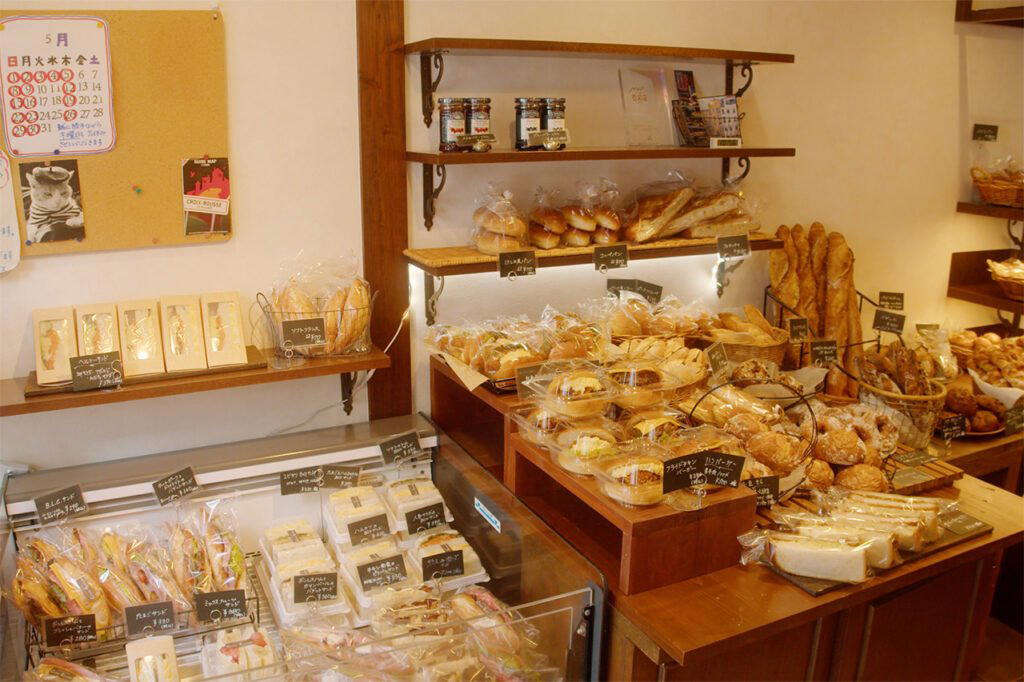
Approaching Kyoto, the city shifts from temple itinerary to working-city rhythm: office workers, errands, side streets hiding specialist counters and small food shops behind plain façades. That setting explains Croix-Rousse better than chef mythology. This is not Kyoto dining as ceremony, but daily habit: a bread and sandwich specialist earns loyalty through repeatability, timing, and regulars who know what they came for before reaching the door.
Kyoto’s bakery culture is often misunderstood by visitors looking only for formal dining, tea sweets, or noodle shops. The city has a deep appetite for bread, shaped by food halls, neighbourhood bakeries, and the lunch patterns of a compact urban core. Croix-Rousse belongs to that everyday ecosystem, not the destination tasting-menu circuit. Its Tabelog Hyakumeiten recognition in 2022 gives the address a measurable signal in a category where reputation is built loaf by loaf, not through formal service.
Why regulars treat a bakery as a serious Kyoto stop
Read this place through frequency. A specialty bread and sandwich shop has fewer theatrics than a counter restaurant, but faces a harder test: customers can return often, compare purchase to purchase, and quietly drop a shop when quality slips. Bread is bought in open daylight. No wine pairing, room design, or service choreography can soften the judgment.
That is why the recognition matters. Tabelog’s Hyakumeiten lists are not Michelin-style star systems, but in Japan they are strong public recognition within specific genres. For bread, the 2022 listing positions Croix-Rousse among shops that local diners and rating communities separate from the field. Regulars reward steadiness: the same route, counter, and expectation that the day’s purchase justifies the detour.
The price band reinforces that democratic seriousness. With spending listed under JPY 999, Croix-Rousse occupies rare Kyoto ground: recognised, specialist, and tied to ordinary daily buying. That separates it from high-formality meals and newer concept-led cafés built around design. The comparison is less with kaiseki rooms such as Ogata than with the local habit of assembling a day from precise small stops: bread here, coffee elsewhere, sweets across town, a bar later if the evening calls for it.
The Kyoto food map favours specialists over spectacle
Kyoto’s centrality matters. Across the city, food culture compresses into practical geography: commuters, shoppers, hotel guests, and residents cross the same streets, letting small specialists survive without behaving like tourist attractions. The city supports quick formats and disciplined menus, from casual Japanese meals to bakeries, curry, sweets, and compact dining rooms. Croix-Rousse fits because the format is specific and the commitment narrow.
For travellers, do not over-romanticise the stop. This is a bread and sandwich address, not a formal meal. Its value is how it punctuates a Kyoto day: before an afternoon gallery route, between hotel check-in and dinner, or as counterweight to evening reservations. Nearby dining choices point elsewhere. Other Kyoto dining rooms speak to the city’s compact casual mode, while unnamed European-leaning and contemporary formats show how Kyoto absorbs outside influences without losing neighbourhood scale.
The broader city rewards this sequencing. A visitor can read Kyoto through high ritual at one end and daily craft at the other. Traditional sweets shops anchor another mode, built around old-school habits, while portable comfort food reflects an appetite for useful, regional everyday eating. Croix-Rousse belongs in that same category of practical, repeatable food intelligence: a stop explaining how the city eats between formal meals.
How to place it within a Kyoto itinerary
Treat the bakery as part of a Kyoto circuit, not the sole anchor of a day. Its bread-and-sandwich model rewards timing and flexibility, especially for travellers already moving through the city. This is for a planned purchase rather than a grand pause. That matters in a city where visitors overbook formal restaurants and underuse small food shops locals fold into routine.
Compared with higher-spend Kyoto meals, Croix-Rousse offers a low-commitment view of another side of the city’s standards. A kaiseki booking measures seasonality and service discipline; a bakery measures consistency, product judgment, and customers’ willingness to return without ceremony. It is especially useful for repeat visitors who have covered the obvious dining categories and want daily texture rather than another long menu.
For a wider Kyoto plan, use Our full Kyoto restaurants guide to build the food side, then pair it with Our full Kyoto hotels guide for neighbourhood positioning. Evening drinking sits in Our full Kyoto bars guide, while specialist itineraries can extend through Our full Kyoto experiences guide and Our full Kyoto wineries guide. For readers mapping Japan more broadly, the contrast with unnamed small-format dining in other Japanese cities shows how everyday eating changes by place. Outside Japan, Japanese food culture abroad offers another lens, but Croix-Rousse is best understood through Kyoto’s own routines.
The editorial case for Croix-Rousse is restraint. It need not become a grand narrative. In Kyoto, a city often sold through heavy symbolism, a recognised bread shop with a loyal daily function can be the sharper read. It shows where the city’s appetite goes when the reservation book is closed and lunch is simply worth doing well.
Frequently asked questions
What's Croix-Rousse's location?
Kyoto.
What are the opening hours for Croix-Rousse?
Current opening hours are not provided in the available venue information. Check the venue directly before visiting.
What's the price range at Croix-Rousse?
Pricing at Croix-Rousse is listed as - JPY 999 - JPY 999 View spending breakdown.
What has Croix-Rousse built its reputation on?
Croix-Rousse has built its reputation on bread and sandwiches, backed by Tabelog Hyakumeiten recognition in 2022.
How does Croix-Rousse handle allergies?
Those details are not provided in the available venue information. Check the venue directly for the latest allergy guidance.
Awards and Standing
Comparable venues to place this listing in its category.
| Venue | Cuisine | Price | Awards | Notes |
|---|---|---|---|---|
| Croix-RousseThis venue (the venue you are viewing) | French-influenced bakery & sandwich shop | $1–10 | Tabelog 100 #11 | Not listed |
| Canele | French Café / Canelé Shop | Not listed | Tabelog 100 #2 | Nakagyō |
| Briant Kitayama honten | Bakery café and casual French bistro | $20–30 | Tabelog 100 #8 | Kita |
| Le Petitmec Oike ten | Traditional French bakery & café | $10–20 | Tabelog 100 #12 | Nakagyō |
| 京ゆば工房 | Kyoto Yuba Workshop | $1–10 | Not listed | Higashiyama |
| fiveran | Kyoto bakery & café | Not listed | Tabelog 100 #43 | Nakagyō |
Recognition history
Dated appearances from independent guides and award organizations, with the underlying list record or original source where available.
Tabelog 100 #11 · No. 11
Tabelog · Tabelog 100 - Bread - WEST - 2022
Continue exploring
More in Kyoto
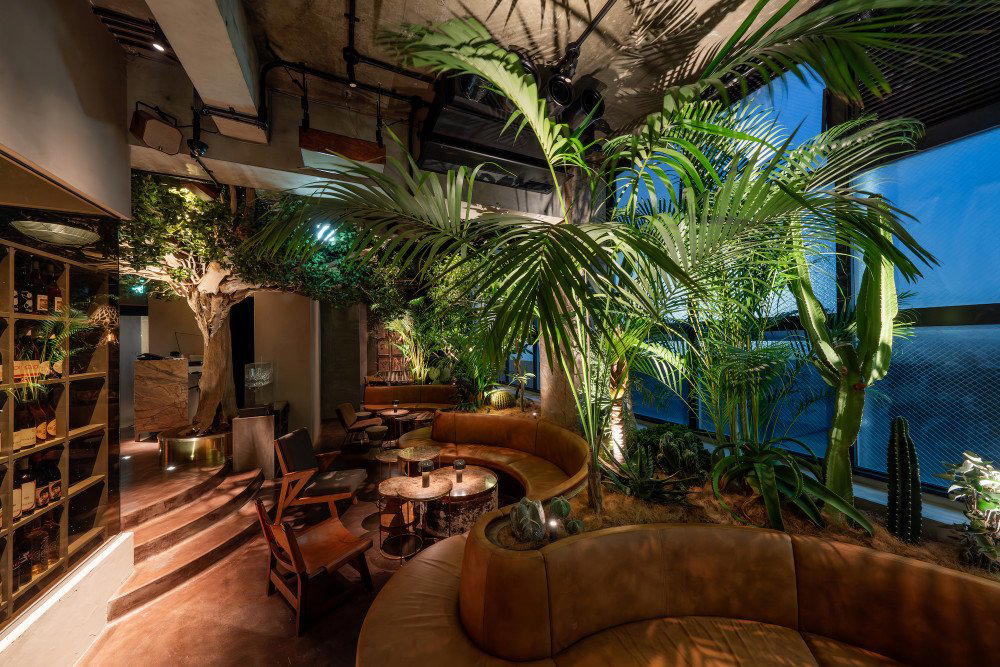
Restaurants in Kyoto
All restaurants in Kyoto →
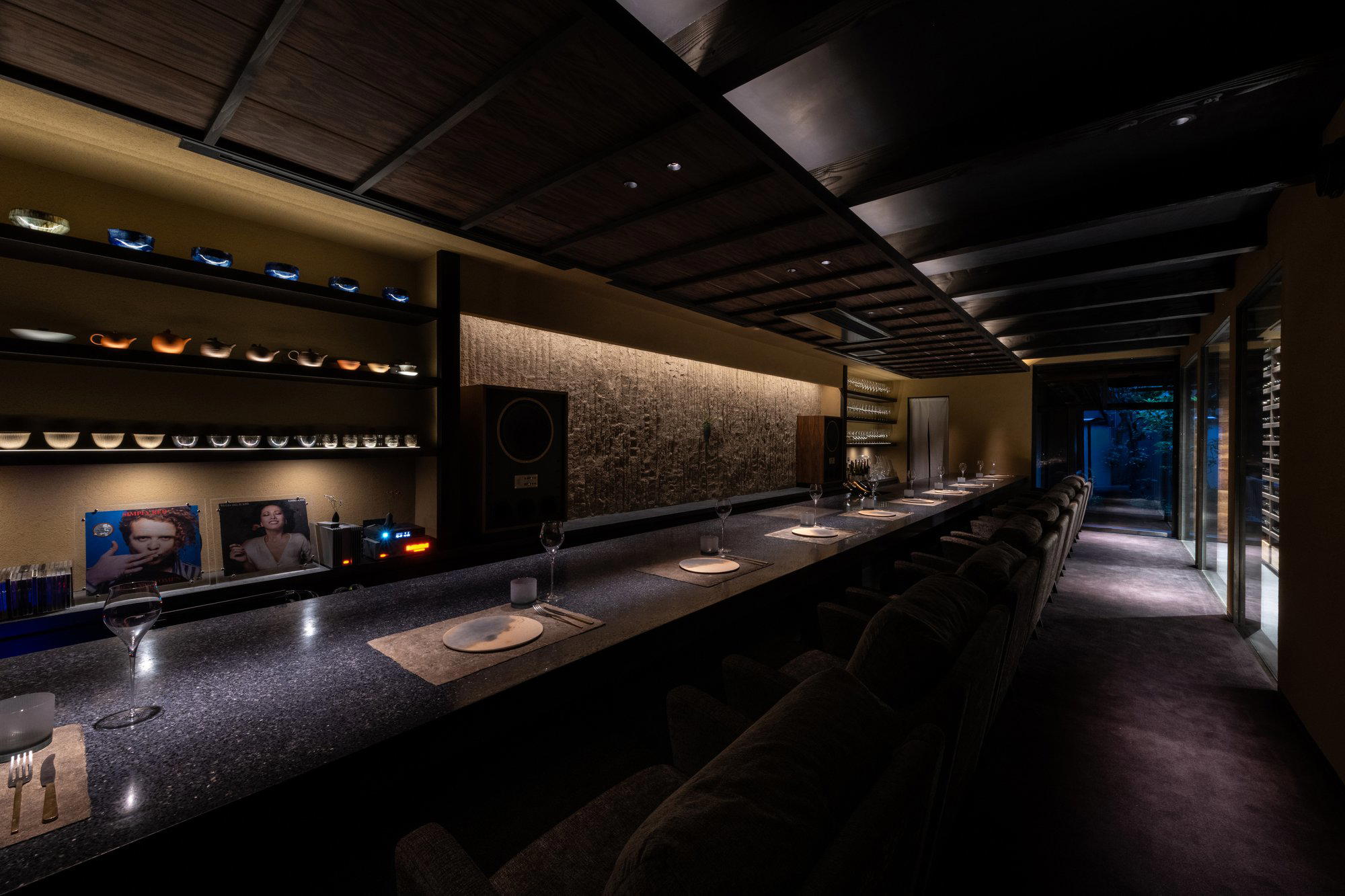
Bars in Kyoto
All bars in Kyoto →

Hotels in Kyoto
All hotels in Kyoto →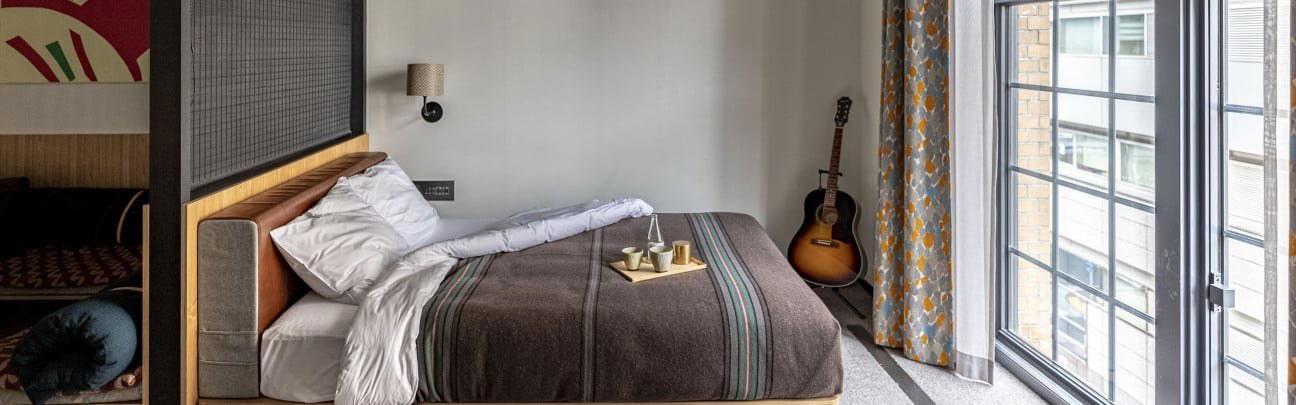
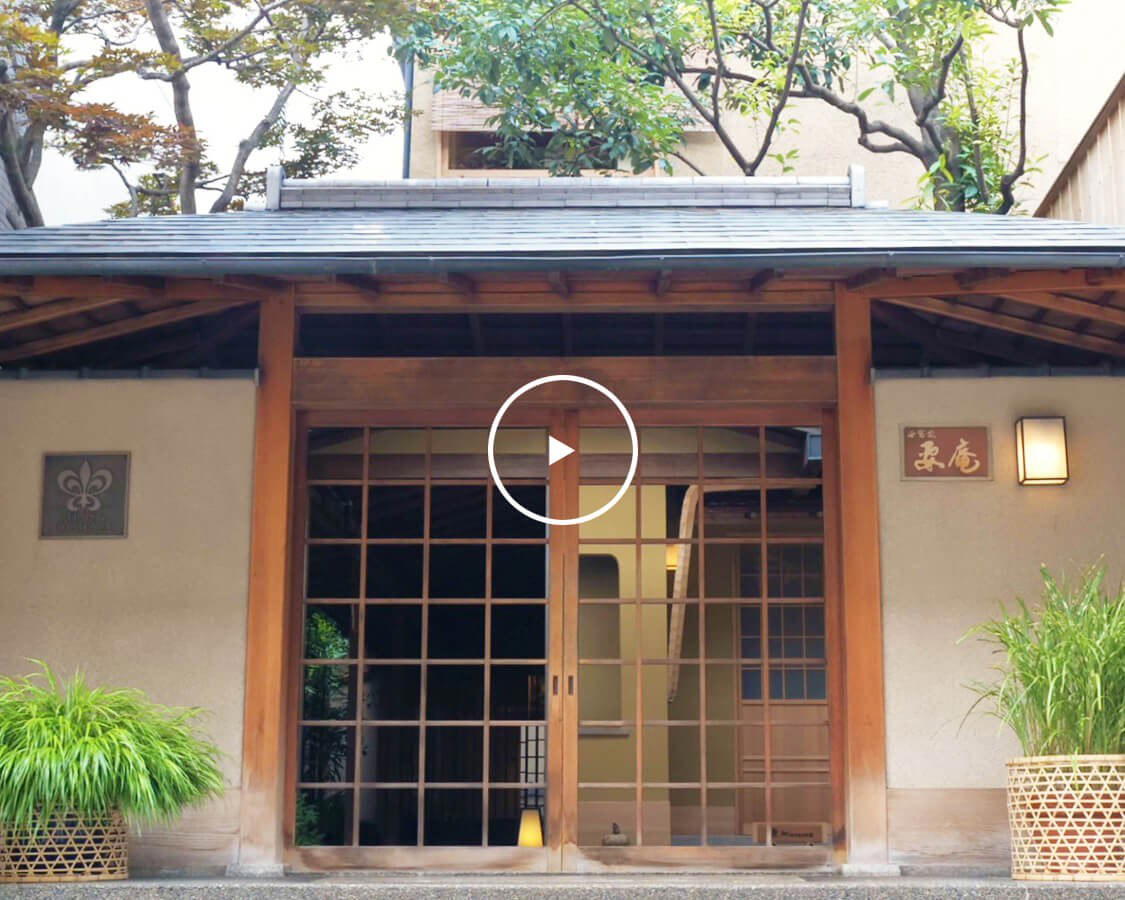
Wineries in Kyoto
Browse all →
Details
- Cozy
- Modern
- Solo
- Casual Hangout
- After Work
- Standalone
- Design Destination
- A La Carte
- Counter Dining
Current opening hours
- Monday
- Closed
- Tuesday
- 11 AM–6 PM
- Wednesday
- 11 AM–6 PM
- Thursday
- Closed
- Friday
- 11 AM–6 PM
- Saturday
- 11 AM–5 PM
- Sunday
- Closed
Hours can change for holidays and private events. Hours as of .
A compact, takeout-focused bakery with a chic red entrance and simple modern interior, giving a warm, quiet neighborhood feel more like a stylish bread boutique than a sit-down restaurant.