Our verdict
Located on Harold's Cross Road in Terenure, Craft sits within Dublin's quieter southside dining corridor, away from the city centre's busier restaurant clusters. The room and its approach reflect a broader shift in Irish dining toward considered neighbourhood venues that earn loyalty through consistency rather than spectacle. For those tracking where serious cooking is happening beyond the Michelin circuit, this address warrants attention.

Pearl is the En Primeur Club membership app — saves, bookings, and concierge access live there. Same editors, same standards.
- Address
- 208 Harold's Cross Rd, Terenure, Dublin, D6W E201, Ireland
- Phone
- +35314978632
- Hours
- Mon–Tue ClosedWed 6–9 PMThu 5:30–9 PMFri–Sat 12:30–3 PM, 5–9 PMSun 1–4 PM
- Website
- craftrestaurant.ie
- Directions
- Get directions
- Booking
- Book on the venue's website
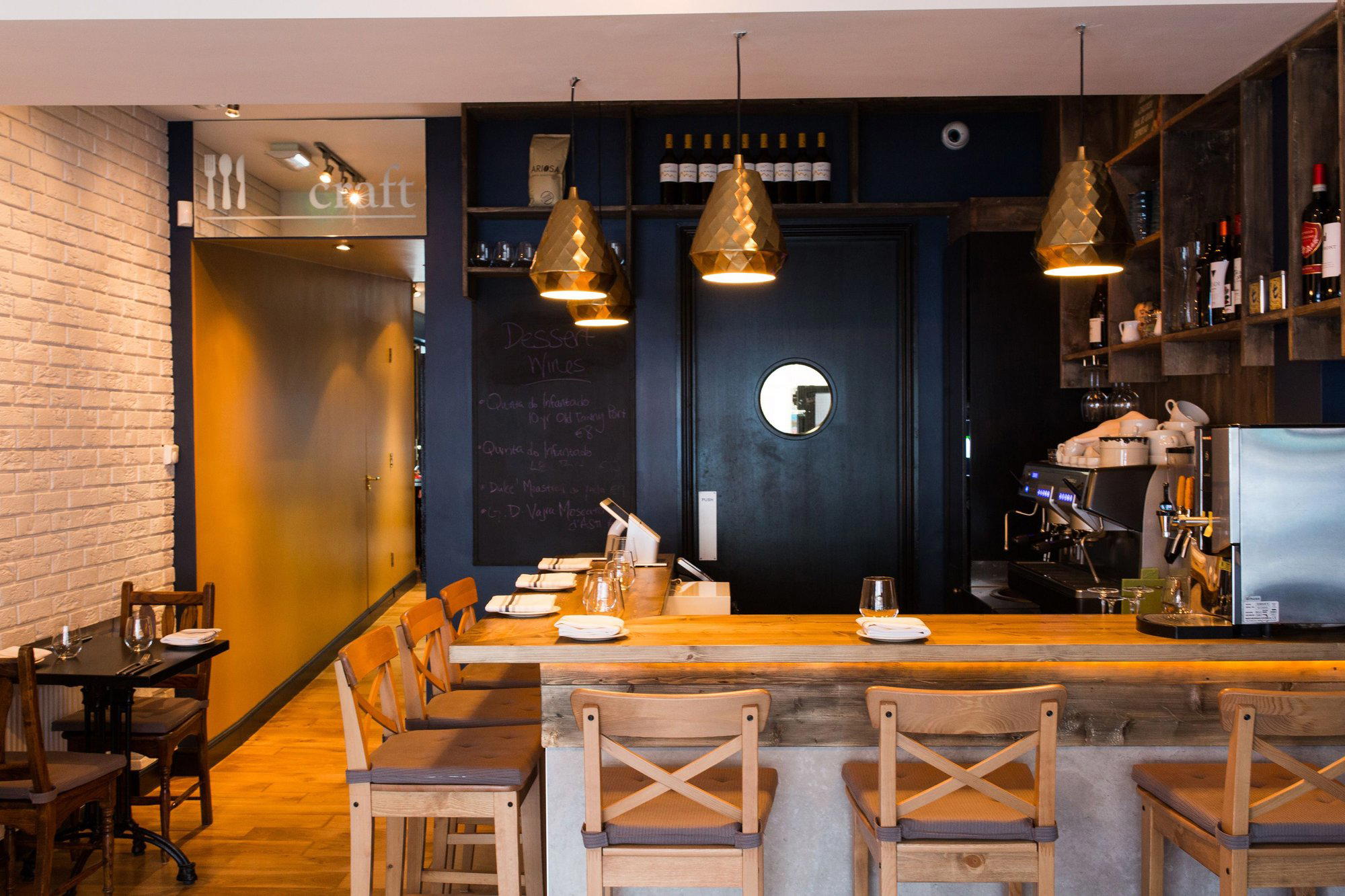
Where Harold's Cross Fits in Dublin's Southside Dining Geography
Dublin's restaurant energy has long pooled around the city centre and the canal belt, but the southside residential stretch running through Rathmines, Terenure, and Harold's Cross has developed its own dining logic over the past decade. These are not destination-engineered neighbourhoods in the way that, say, the Merrion Square corridor is. The restaurants that survive here do so on repeat local custom, which means kitchens have to earn consistency rather than ride a wave of opening-week curiosity. Craft, at 208 Harold's Cross Road, sits within that dynamic: a southside address that asks the reader to travel with purpose rather than stumble in.
This contrasts with the higher-profile end of Dublin dining, where venues like Chapter One by Mickael Viljanen and Patrick Guilbaud operate inside established fine-dining frameworks, Michelin recognition, and the kind of international visibility that draws visiting diners. Neighbourhood venues in the Harold's Cross corridor operate differently: their credentials accumulate through local word-of-mouth and return visits rather than award circuits, and the physical space tends to reflect that register, smaller, more direct, built for regular use rather than occasion theatre.
The Space as an Argument for Restraint
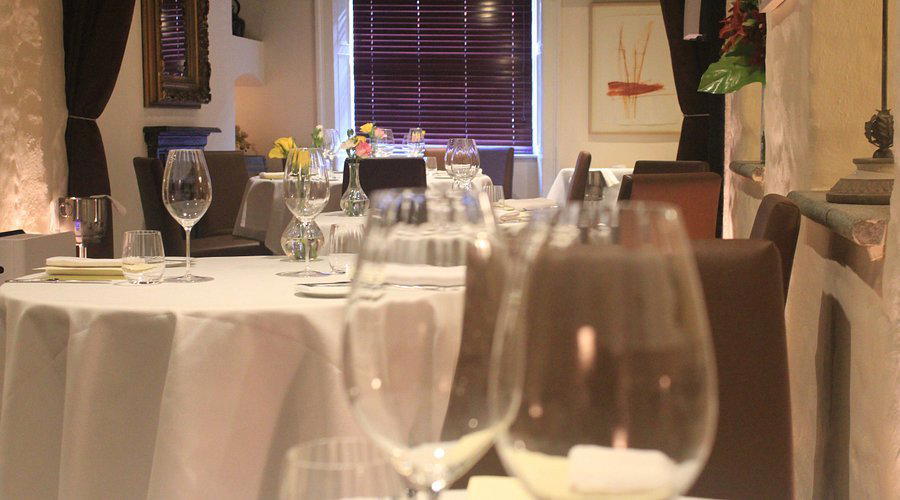
In Irish neighbourhood dining, the interior often makes the clearest editorial statement a restaurant can make. When a room strips back ornamentation, it signals a particular priority: the food, or the conversation, or both, over spectacle. Dublin's most interesting neighbourhood rooms of the last several years have tended toward this position. Think of the way Bastible on Leonard's Corner positioned its interior as functional and spare, or how D'Olier Street built its room around a kind of considered simplicity. The design language is consistent across this cohort: restrained materials, deliberate lighting, seating that prioritises comfort over theatrical arrangement.
Craft on Harold's Cross Road belongs to this architectural tradition within Dublin dining. A venue at this address, in a residential strip rather than a high-footfall commercial block, relies on the room feeling like somewhere worth returning to rather than somewhere worth photographing. The physical container is not incidental to the experience; it shapes how the cooking is received. When the space does not compete with the plate, the plate carries more weight.
This design discipline also reflects a broader European shift in how serious neighbourhood restaurants conceive their interiors. The era of maximalist dining rooms peaked in the mid-2010s; what has followed, particularly in cities like Dublin, Copenhagen, and Lyon, is a preference for rooms that age well and read as personal rather than branded. A venue designed around permanence rather than trend signals something about its ambitions and its relationship with its local community.
Positioning Within Ireland's Wider Cooking Scene
Understanding Craft requires a sense of where Harold's Cross sits relative to the wider Irish dining conversation. Ireland's most discussed restaurants in recent years have increasingly spread beyond Dublin, to Liath in Blackrock, Bastion in Kinsale, Aniar in Galway, Campagne in Kilkenny, and further afield to dede in Baltimore, Chestnut in Ballydehob, and Homestead Cottage in Doolin. This dispersal has been good for Irish dining as a whole. It has loosened the assumption that credibility is concentrated in Dublin's inner city, and it has created space for venues in residential pockets to develop distinct identities without comparison to the capital's formal restaurant hierarchy.
Within Dublin itself, the venues attracting the most critical attention beyond the obvious award recipients have tended to be those with a defined point of view about their neighbourhood, their format, and their relationship with local producers. Glovers Alley operates within a hotel context that gives it a different commercial logic. A southside neighbourhood address like Craft operates without that scaffolding, which makes the consistency question more pressing and, when answered well, more meaningful.
For context on how Ireland's restaurant culture compares internationally, Le Bernardin in New York and Lazy Bear in San Francisco both represent what happens when a neighbourhood-rooted ambition is sustained over years into recognised authority. The trajectory is not inevitable, but it is a useful frame: serious cooking in unpretentious rooms, maintained with discipline over time, tends to find its audience.
Other Irish venues worth mapping as comparators include Terre in Castlemartyr, The Oak Room in Adare, and The Morrison Room in Maynooth, each of which operates in a different geographic and commercial context but shares the characteristic of building credibility incrementally rather than through a single high-profile moment. See our full Dublin restaurants guide for a broader map of where serious cooking is happening across the city.
Know Before You Go
| Detail | Information |
|---|---|
| Address | 208 Harold's Cross Road, Terenure, Dublin, D6W E201, Ireland |
| Neighbourhood | Harold's Cross / Terenure, southside Dublin |
| Getting There | Harold's Cross Road is served by Dublin Bus routes connecting the city centre southward; the address is accessible without a car, though southside residential areas are more easily reached by taxi or rideshare in the evening |
Frequently asked questions
Where is Craft located?
Craft is located at 208 Harold's Cross Rd, Terenure, Dublin, D6W E201, Ireland.
Is Craft in Harold's Cross worth visiting if you're staying in central Dublin?
Harold's Cross Road sits roughly 3 kilometres south of Dublin city centre, accessible by bus or a short taxi from most central hotels. Craft's position within Dublin's southside dining geography means it draws a residential crowd rather than a visitor one, which is precisely what makes it worth the short detour — the room and the cooking are not calibrated for tourist expectations. For diners interested in how Dublin actually eats outside the canal belt, it is a more informative stop than many better-publicised addresses.
How Craft Dublin compares with similar nearby venues.
| Venue | Cuisine | Price | Awards |
|---|---|---|---|
| CraftThis venue — the venue you are viewing | Modern Irish Bistro | $50–100 | Not listed |
| 3fe Five Points | Modern Café Brunch | $10–20 | Not listed |
| Indian Tiffins-Rathgar | Authentic Regional Indian Tiffins | $20–30 | Not listed |
| Zero Zero Pizza, Kimmage | Authentic Neapolitan Pizza | $20–30 | Not listed |
| Lena | Modern Italian | $50–100 | Michelin Plate |
| Bethlehem Restaurant | Authentic Palestinian | $20–30 | Not listed |
Continue exploring
More in Dublin
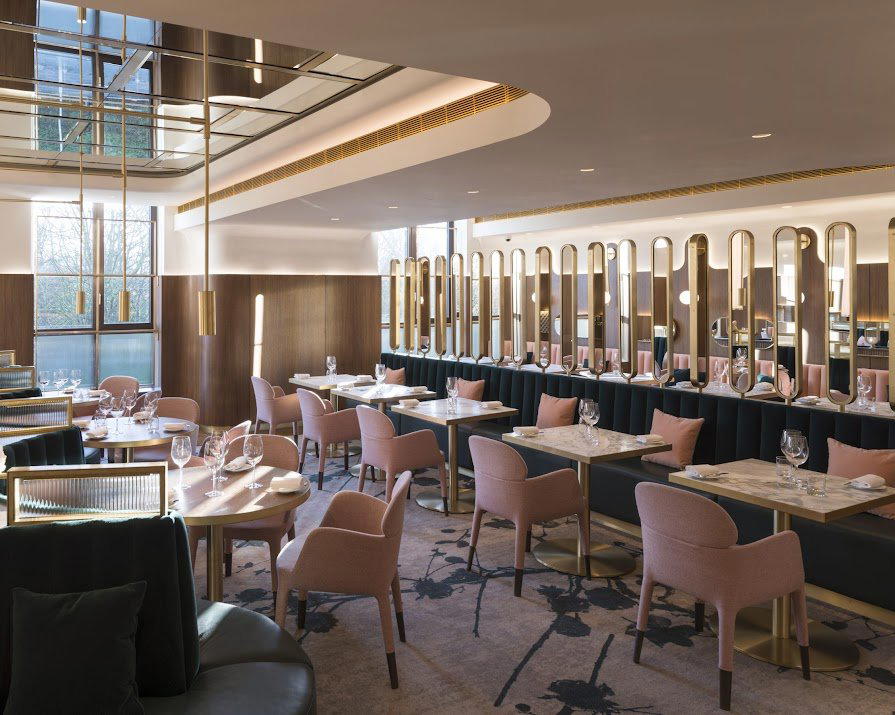
Restaurants in Dublin
Browse all →
Bars in Dublin
Browse all →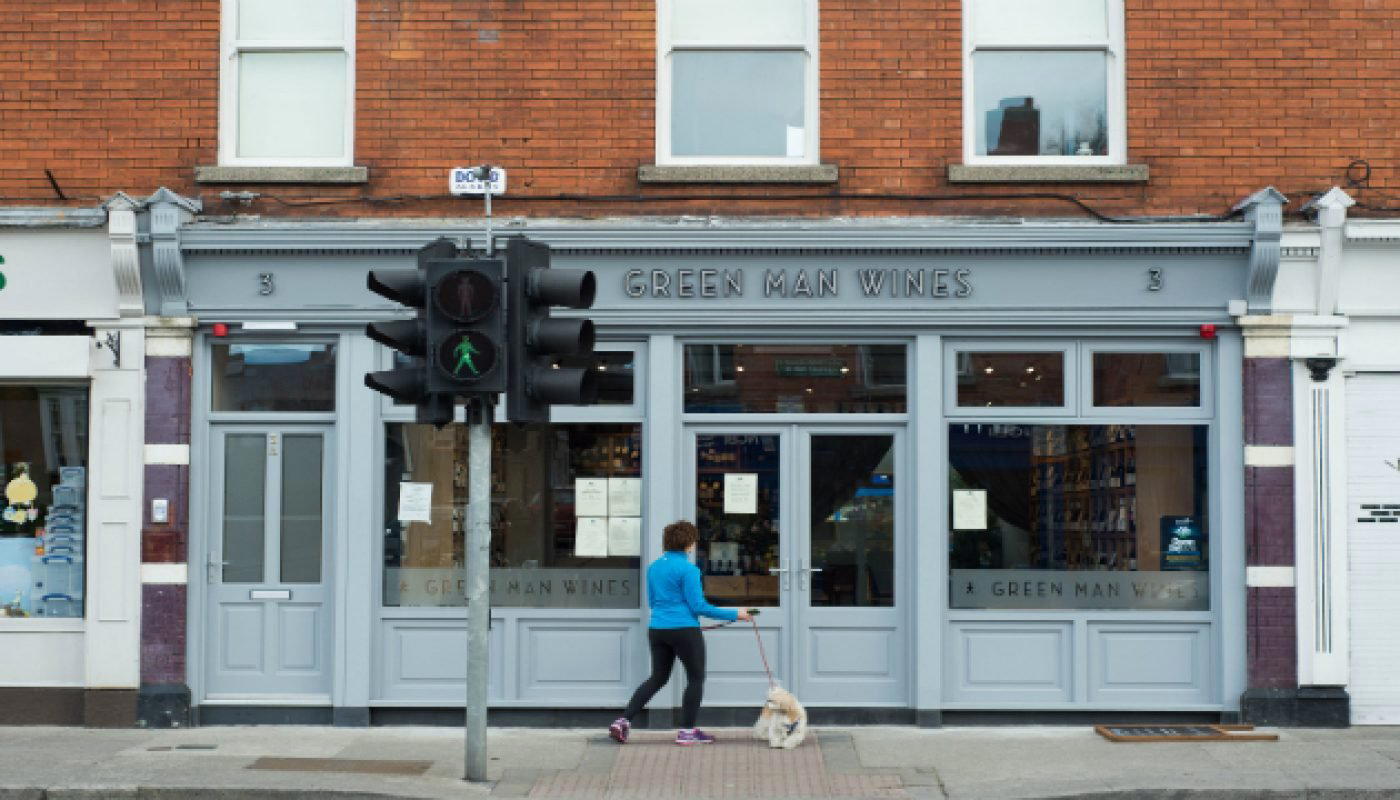
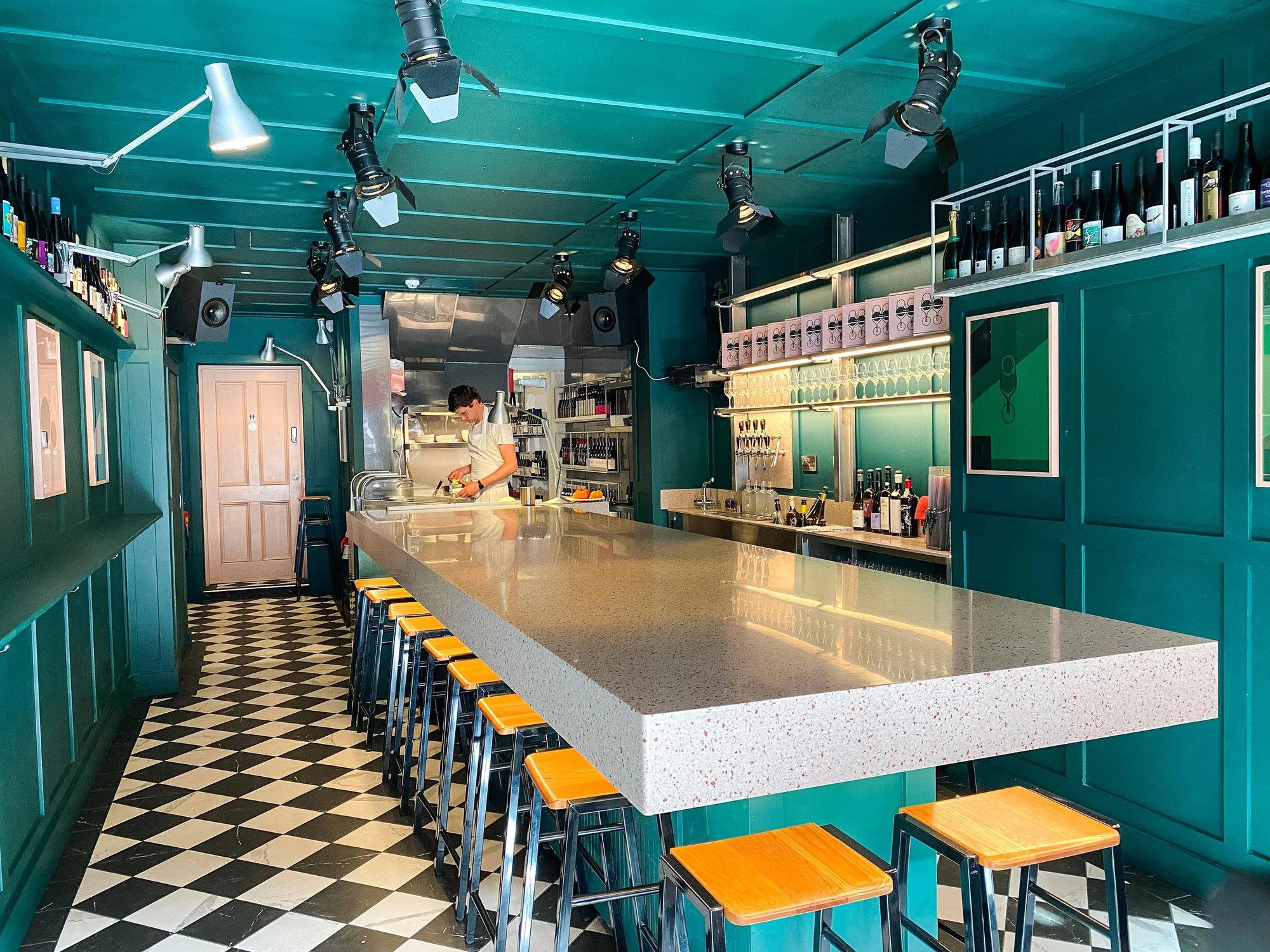
Hotels in Dublin
Browse all →
Wineries in Dublin
Browse all →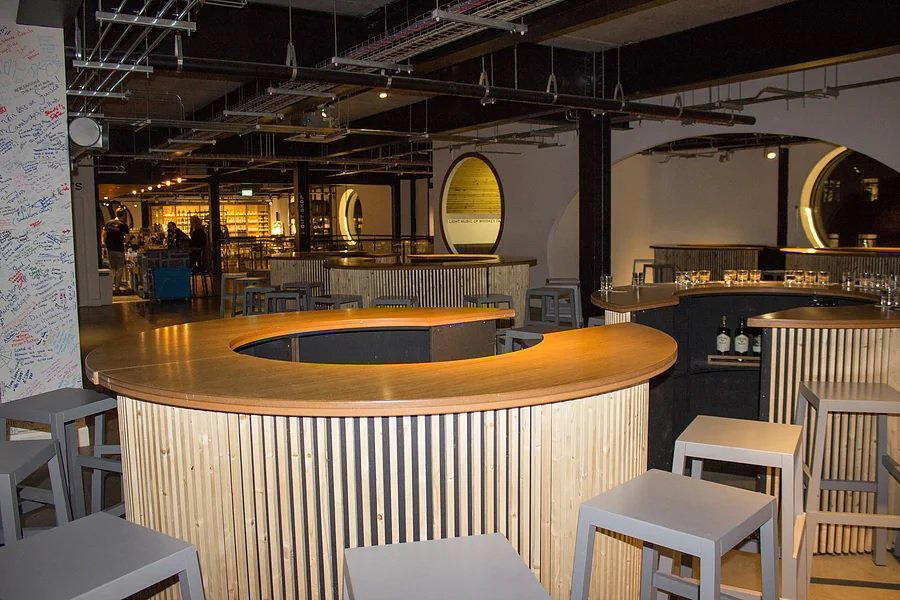
Details
- Cozy
- Elegant
- Modern
- Date Night
- Special Occasion
- Standalone
- Local Sourcing
- A La Carte
- Small Plates
- Vegetarian Friendly
- Vegan Options
- Gluten Free Options
Current opening hours
- Monday
- Closed
- Tuesday
- Closed
- Wednesday
- 6–9 PM
- Thursday
- 5:30–9 PM
- Friday
- 12:30–3 PM, 5–9 PM
- Saturday
- 12:30–3 PM, 5–9 PM
- Sunday
- 1–4 PM
Hours can change for holidays and private events. Last verified .
Relaxed and casual setting with a welcoming neighbourhood feel, praised for its comfortable atmosphere.