Coupette
Coupette on Bethnal Green Road has built a reputation as one of East London's most serious cocktail addresses, drawing drinkers who track bar programmes rather than postcodes. The format is deceptively low-key: a neighbourhood room on a working-class stretch of E2 that happens to run one of the capital's more considered drinks lists, with a particular strength in Calvados and French-inflected spirits.
 Discover on Pearl
Pearl is the En Primeur Club membership app — saves, bookings, and concierge access live there. Same editors, same standards.
- Address
- 423 Bethnal Grn Rd, London E2 0AN, United Kingdom
- Phone
- +442077299562
- Website
- coupette.co.uk
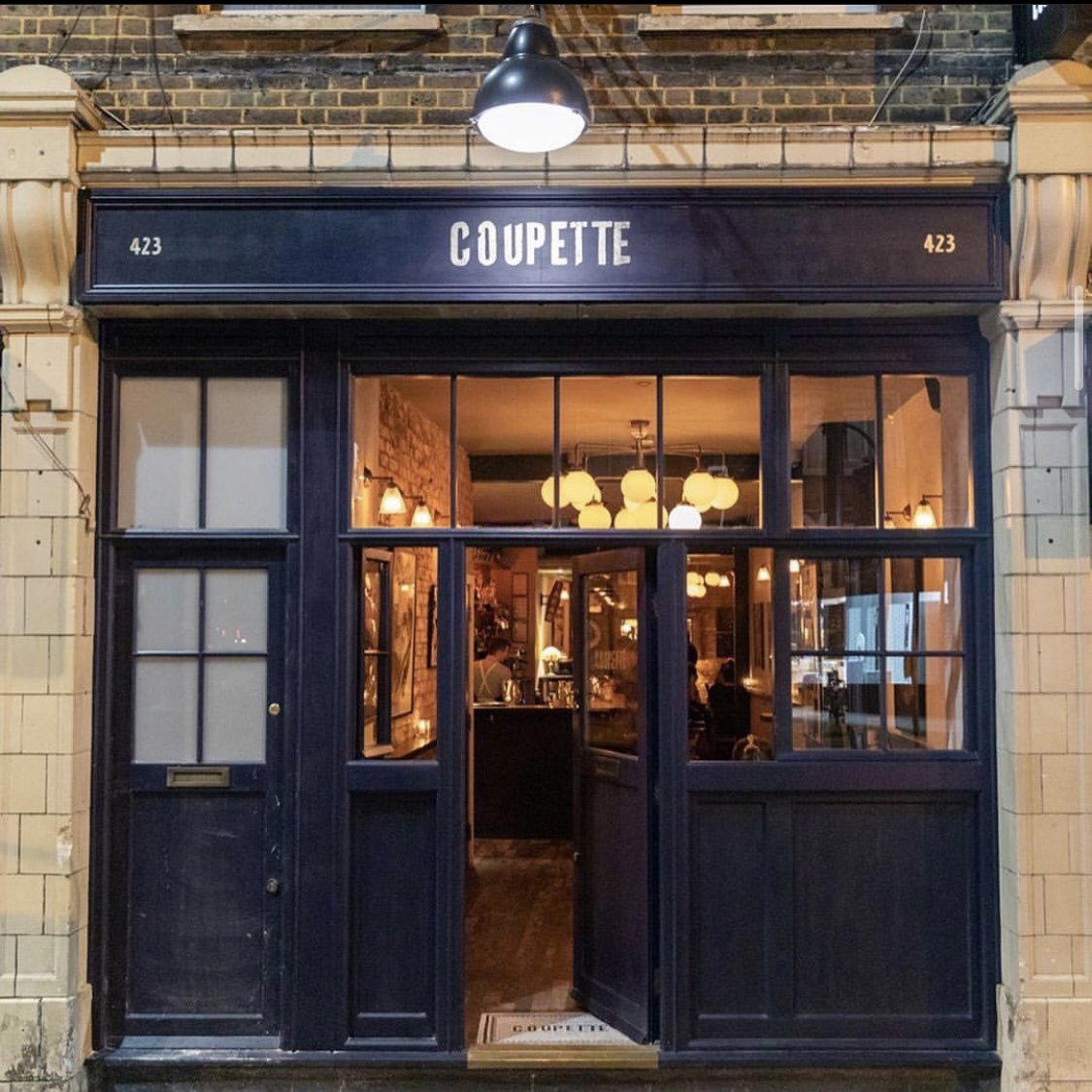
East London's Most Considered Cocktail Room
Bethnal Green Road does not read, at first pass, as a destination for serious drinking. The stretch between Cambridge Heath and Shoreditch runs through a part of East London where chicken shops and late-night off-licences still outnumber cocktail bars by a comfortable margin. Which makes the presence of Coupette, a French Cocktail Bar & Bistro in Bethnal Green, all the more telling about how London's cocktail geography has shifted in the past decade.
London's bar scene has followed a pattern visible in cities like New York and San Francisco: the most technically ambitious programmes have migrated away from hotel lobbies and Mayfair drawing rooms toward neighbourhood sites where rent is lower and the crowd self-selects. Coupette belongs to that migration. Its address on Bethnal Green Road places it in a comparable set that includes some of the more serious East and North London bars rather than the central London institutions, and that positioning is not incidental, it shapes what the bar can do and who it draws.
The Drinks Programme: French Spirits as an Editorial Position
The editorial angle at Coupette is French spirits, and specifically Calvados, the apple brandy of Normandy that has historically occupied an awkward commercial position in the UK: too regional for mainstream spirits lists, too serious for casual drinking, too little understood for most bartenders to programme it with confidence. Coupette made Calvados a point of emphasis at a time when the category was receiving almost no attention from London bars, and that early positioning has aged well as the broader market has caught up.
In bar programming terms, building around Calvados signals several things simultaneously. It implies a preference for aged, complex base spirits over vodka-led simplicity. It implies French culinary tradition, Calvados is inseparable from Norman cooking and the habit of the trou normand, the digestif pause between courses. And it implies a willingness to educate rather than simply serve, because a guest encountering Calvados for the first time needs context that a gin or rum drinker typically does not. Bars that choose this kind of specialism are making a deliberate trade-off: narrower initial appeal in exchange for a more loyal and engaged audience over time.
That commitment to French spirits extends beyond Calvados into the cocktail menu's overall orientation. The bar's approach aligns with a broader movement in European cocktail culture away from the New World spirit categories that dominated the 2010s and toward the older, more terroir-driven distillates of France, Spain, and the Alpine regions. In this respect, Coupette sits closer to the bar programmes coming out of Paris and Copenhagen than to the bourbon-heavy American-influenced menus that still dominate much of London's West End.
Format and Room: The Neighbourhood Bar as Serious Venue
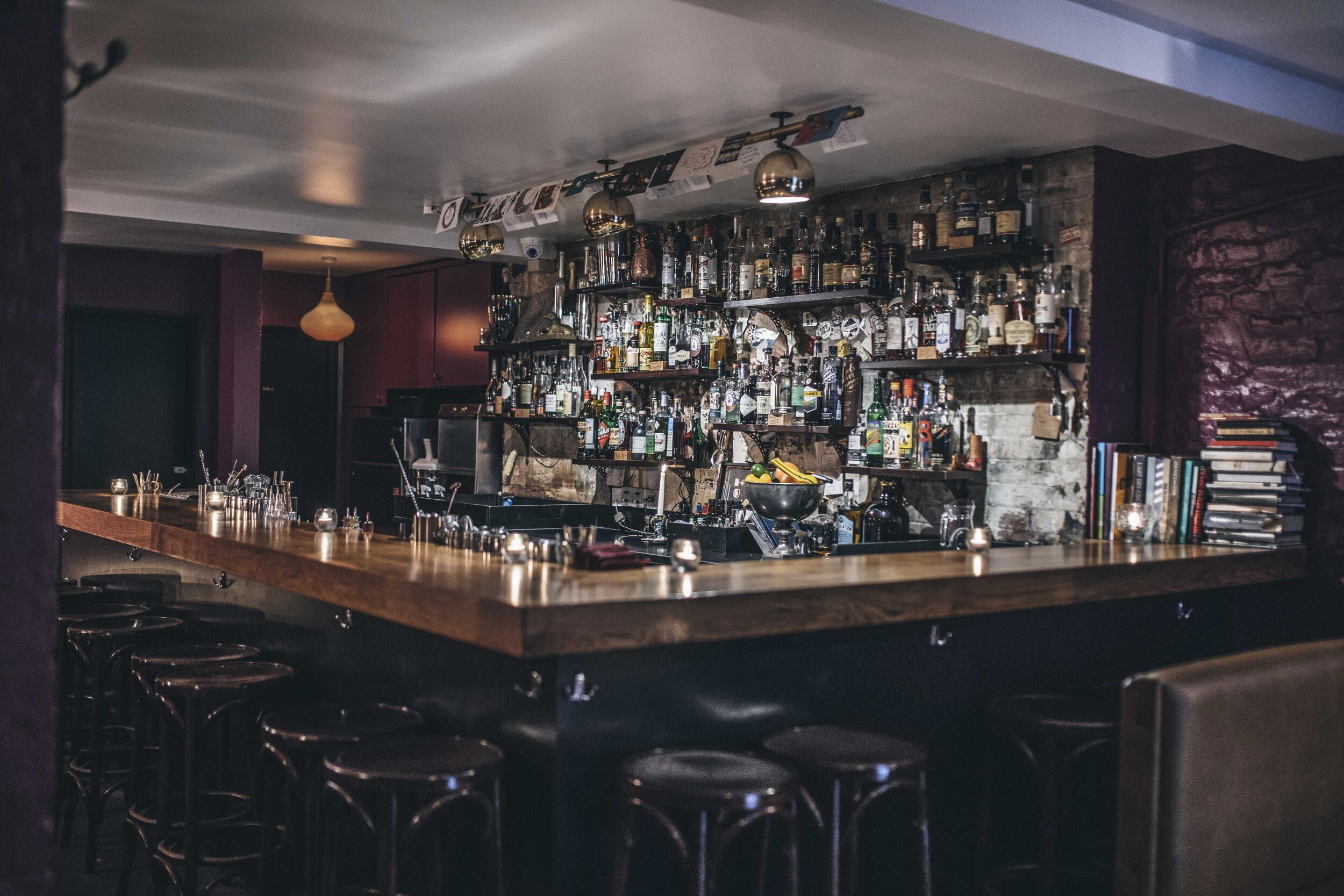
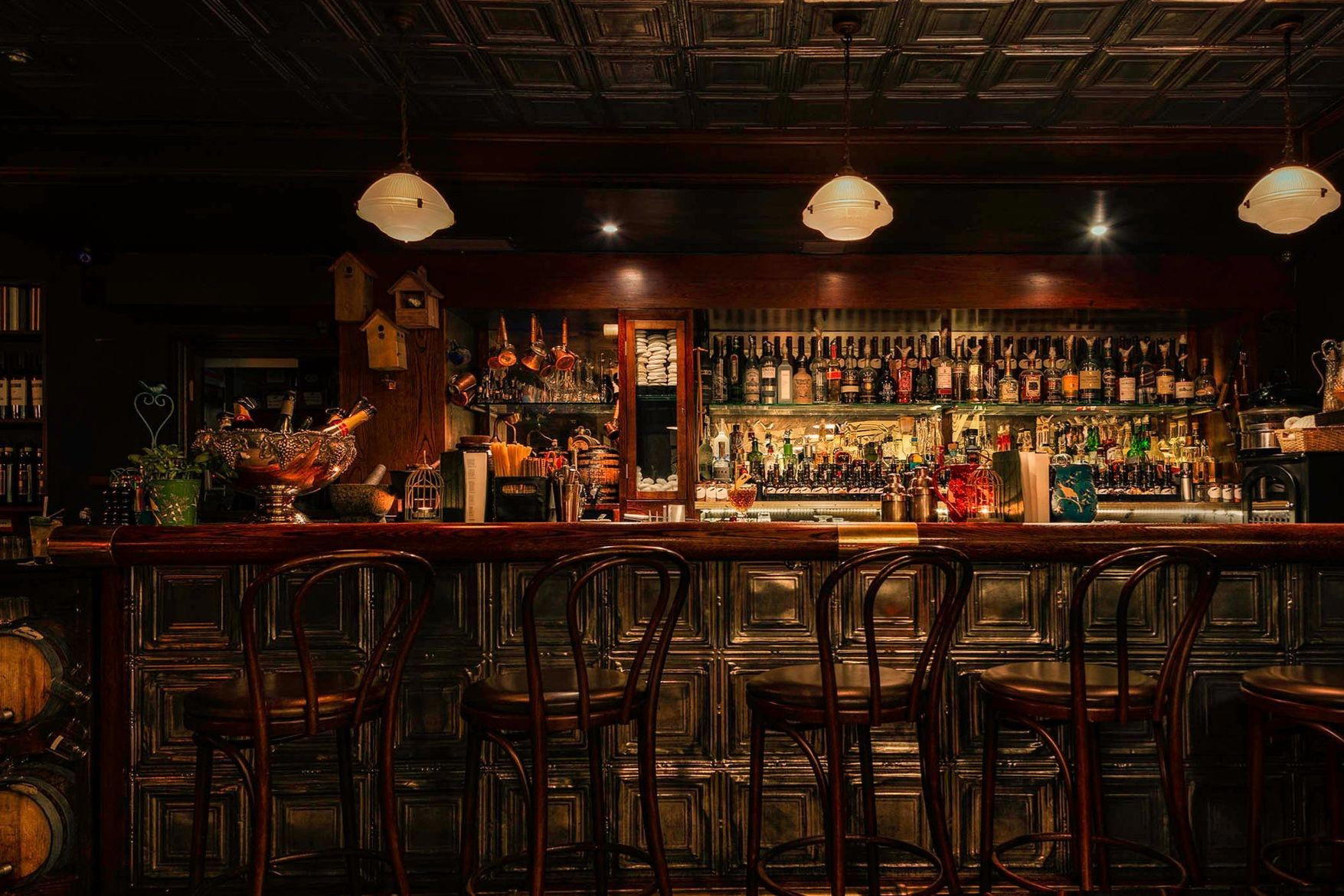
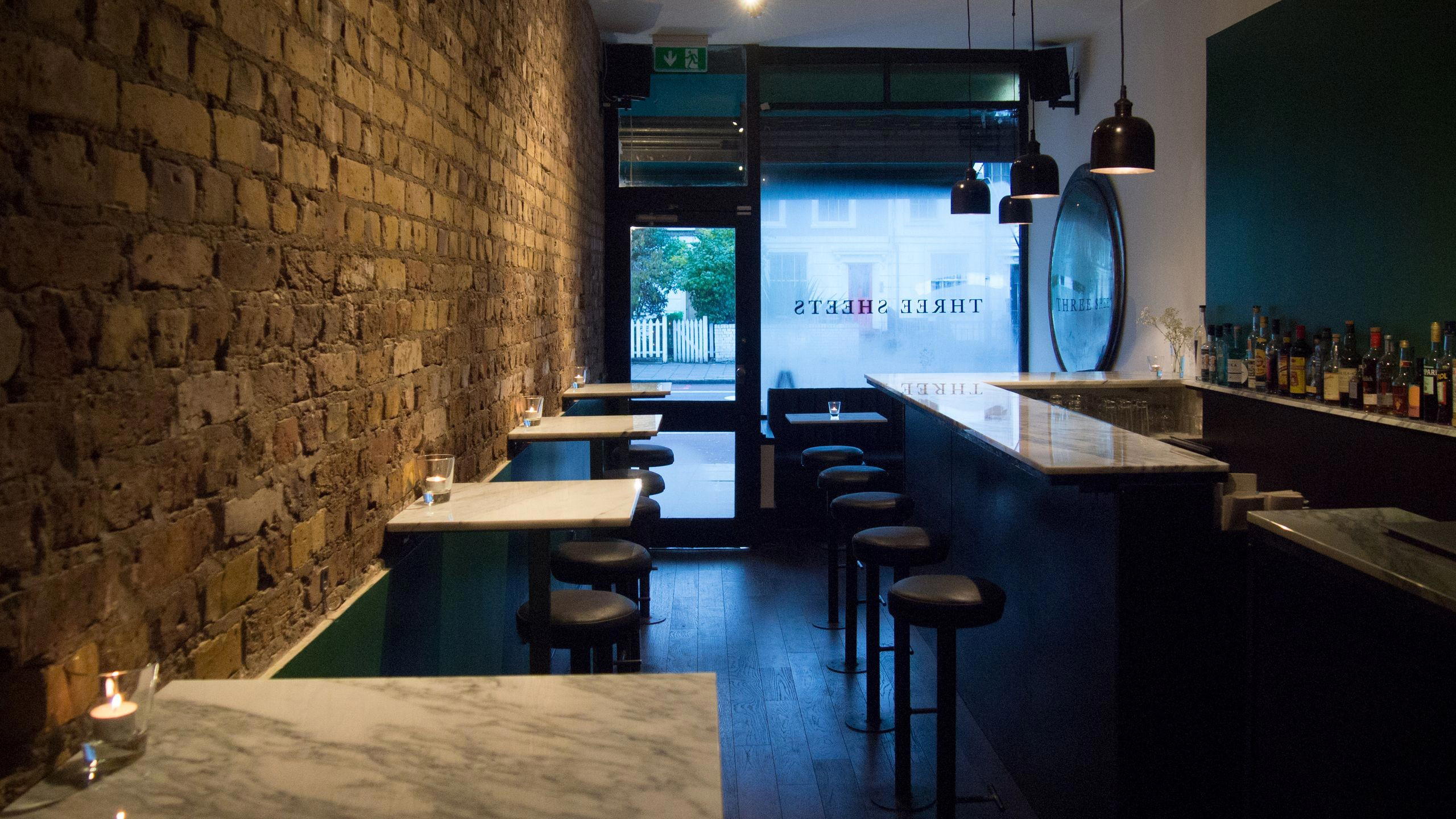
The bar's physical format reflects its neighbourhood positioning. Coupette does not trade on theatrical interiors or the kind of immersive design that defined the speakeasy era of British cocktail bars in the early 2010s. The room is modest in scale, which concentrates the focus on the drinks themselves and on the bartender interaction that defines the counter experience. This is a format that has become more common at the serious end of the London bar scene, stripped-back rooms where the programme does the talking, and it connects Coupette to a wider shift away from occasion-led theatrics toward substance-led regularity.
That shift has parallels in dining. The movement toward smaller, less decorated rooms at the serious end of London's restaurant market, visible at addresses like CORE by Clare Smyth and The Ledbury, where the room is elegant but the food is clearly primary, has a cocktail bar equivalent. The bar as destination because of the programme, not the production value.
Where Coupette Sits in the London Bar Conversation
Coupette has earned a strong local following and a 4.7 Google rating from 689 reviews, making it a reference point rather than a discovery. For visiting drinkers, particularly those arriving from cities with strong bar cultures of their own, like New York or San Francisco, Coupette represents the kind of address that local bartenders recommend rather than the kind that appears in hotel concierge guides.
That distinction matters. The concierge-guide tier of London drinking tends toward the large and the legible: hotel bars with deep budgets, glamorous central-London addresses, and programmes designed for broad palatability. The bartender-recommendation tier tends toward places where the programme has a point of view, where the staff drink what they serve, and where the regulars are as likely to be in the industry as not. Coupette occupies the second tier, and that is where its credibility rests.
On the restaurant side, properties like Waterside Inn in Bray, L'Enclume in Cartmel, Moor Hall in Aughton, and Gidleigh Park in Chagford have each built reputations through programme depth and consistency rather than location or scale, a model that Coupette applies to the bar format. Similarly, regional addresses like Hand and Flowers in Marlow, hide and fox in Saltwood, Midsummer House in Cambridge, Opheem in Birmingham, Ynyshir Hall in Machynlleth, and Restaurant Andrew Fairlie in Auchterarder demonstrate that serious hospitality does not require a central-London postcode, a truth Coupette has applied to the bar category. London's dining anchors, including Restaurant Gordon Ramsay, Sketch, The Lecture Room and Library, and Dinner by Heston Blumenthal, hold their ground through credential depth, an approach the bar world increasingly mirrors.
Planning Your Visit
Coupette is located at 423 Bethnal Green Road, London E2 0AN, a short walk from Bethnal Green Underground station on the Central line. The bar is accessible by bus along the Bethnal Green Road corridor, and cycling is practical from much of inner East London. Reservations are recommended, especially on weekends. Budget: expect to spend about $45 per person. Timing: Midweek visits offer a more relaxed pace.
Style and Standing
Comparable venues nearby, for context on price, style, and recognition.
| Venue | Cuisine | Price | Awards | Notes |
|---|---|---|---|---|
| CoupetteThis venue — the venue you are viewing | French Cocktail Bar & Bistro | $$ | , | |
| Chancery | Classic French Brasserie | $$ | , | Holborn |
| Oslo Court | Traditional French-British | $$$ | , | St. John's Wood |
| The White Onion | Contemporary French | $$ | , | Wimbledon |
| Boulestin | Classic French Bistro | $$$ | , | St. James's |
| Bistro Vadouvan | Modern French-Asian Fusion Bistro | $$ | , | Putney |
Continue exploring
More in London
Restaurants in London
Browse all →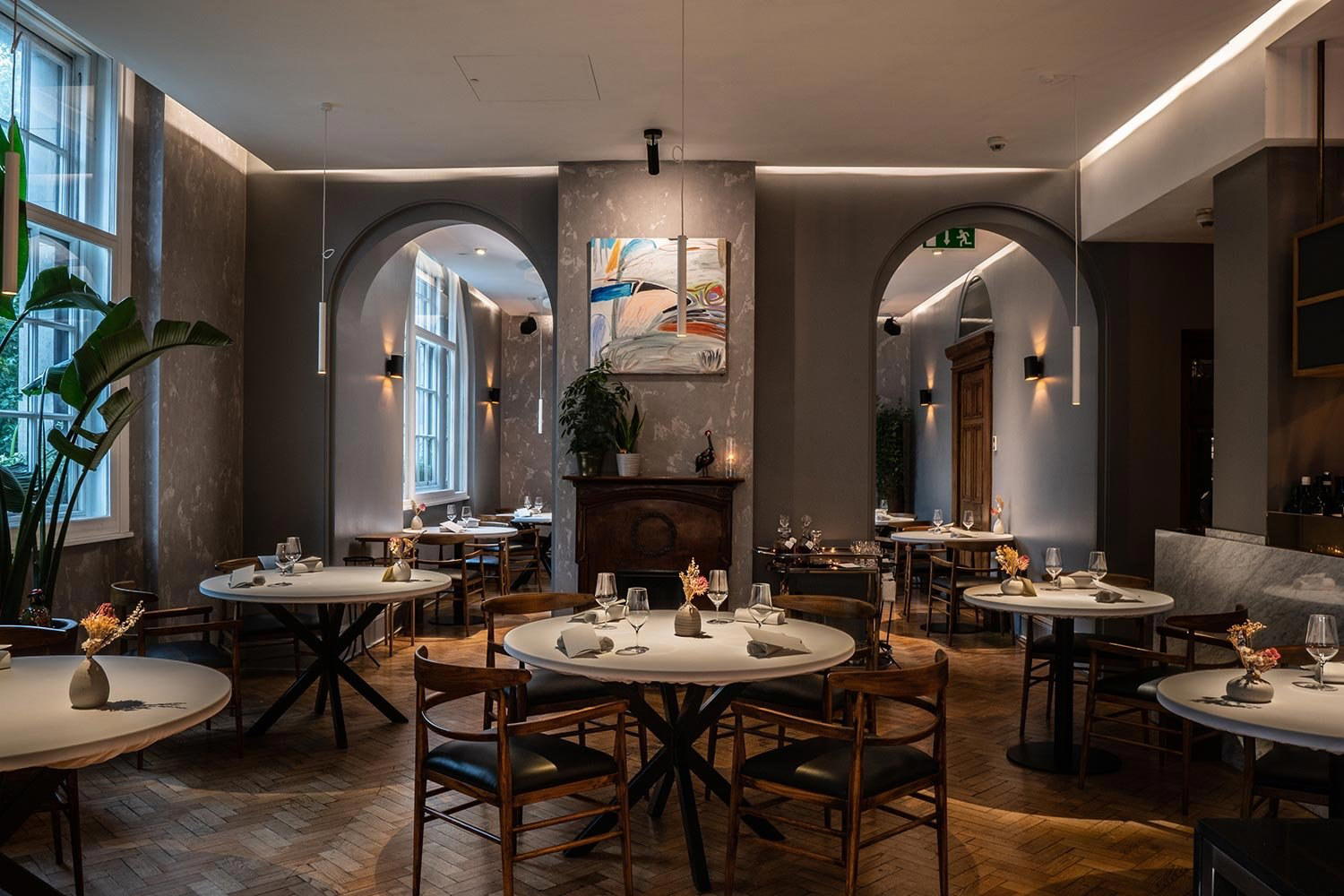
Bars in London
Browse all →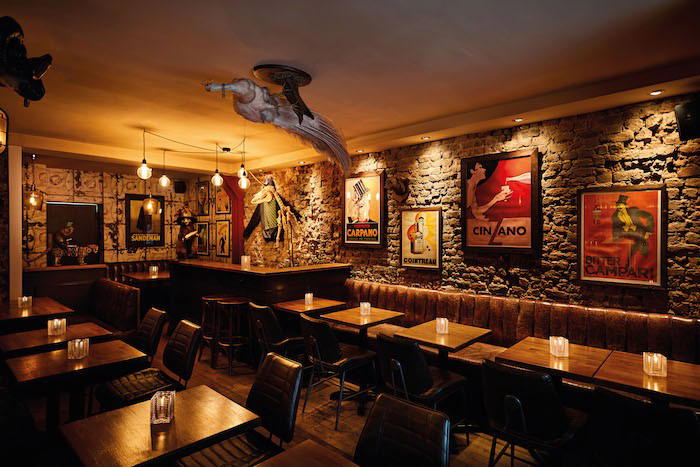
Hotels in London
Browse all →
Wineries in London
Browse all →
At a Glance
- Lively
- Sophisticated
- Trendy
- Cozy
- Casual Hangout
- After Work
- Date Night
- Group Dining
- Standalone
- Craft Cocktails
- Extensive Wine List
- Local Sourcing
Relaxed and inviting with a French accent, featuring warm lighting and a neighborhood bar feel that manages to be both locally grounded and internationally sophisticated.