Boulestin
Boulestin occupies a considered address on St James's Street, SW1, placing it inside one of London's most historically freighted dining corridors. The restaurant draws on French classical tradition in a neighbourhood where that lineage carries real weight, sitting within a competitive set that includes some of the capital's most decorated tables. St James's rewards those who know where to look.
- Address
- 5 St James's St, London SW1A 1EF, United Kingdom
- Phone
- +44 20 7930 2030
- Website
- boulestin.com
- Directions
- Get directions
St James's and the Weight of French Classicism in London
St James's Street is not a dining neighbourhood that announces itself loudly. Its restaurants do not rely on foot traffic or social-media discovery loops. The address at number 5 places Boulestin inside a corridor that has historically hosted gentlemen's clubs, fine wine merchants, and the kind of dining rooms where the food was expected to match the architecture. French classical cooking has deep roots in this part of London, predating the era when Mayfair became the city's dominant luxury dining address and when the Michelin guide began to reshape the capital's upper tier.
London's French restaurant tradition has bifurcated sharply over the past two decades. One branch runs through technically precise, modernist kitchens; Restaurant Gordon Ramsay and Sketch, The Lecture Room and Library both hold three Michelin stars and operate at the ££££ tier, their menus shaped by classical foundations but expressed through contemporary technique. The other branch is quieter, more committed to the table as a space for sustained, unhurried eating rather than theatrical delivery. Boulestin, with its St James's address, sits in conversation with the latter tradition, where the dining room itself does much of the storytelling.
Sourcing, Seasonality, and the Ethics of the French Table
French classical cooking is, at its structural core, a cuisine of provenance. The brigade de cuisine system was built around the assumption that ingredients would be sourced with precision and handled with respect for what they already were. That founding logic maps closely onto what contemporary diners now label sustainability: choosing suppliers whose practices minimise waste, working with the seasonal calendar rather than against it, and letting the ingredient's own quality carry the plate.
In London's current fine dining climate, sourcing narratives have become a central part of how premium restaurants position themselves. CORE by Clare Smyth, with three Michelin stars, has built much of its public identity around British provenance and whole-ingredient use. The Ledbury, another three-star address, works closely with regional British producers. Even Dinner by Heston Blumenthal, operating with two Michelin stars at the ££££ tier, frames its historical British recipe research as a form of culinary archaeology rather than novelty. The trend across the upper tier is consistent: sourcing decisions are editorial choices, not merely operational ones.
A French kitchen in St James's operating at premium level carries its own version of that obligation. Classic French technique, properly applied, is inherently low-waste: stocks built from bones and trimmings, offal treated as primary rather than secondary product, vegetables used in their entirety. The question for any restaurant working in this tradition is whether those classical habits have been retained or whether the French branding is decorative while the actual supply chain follows convenience rather than conviction.
The St James's Dining Room as Environment
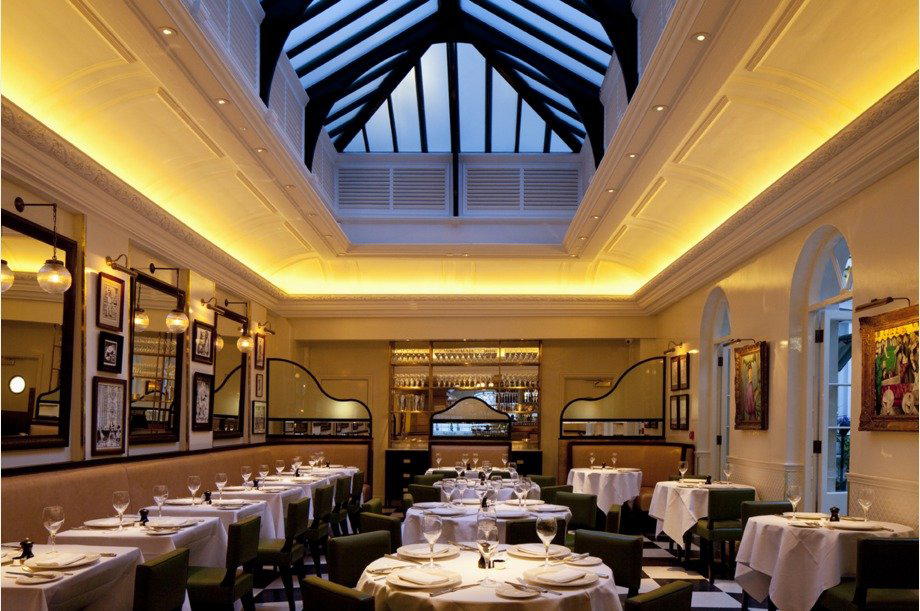
The physical character of the St James's address matters to how a meal at Boulestin is likely to register. The street's Georgian and Victorian fabric sets an ambient register before a diner crosses the threshold. Unlike Soho, where the dining room competes against the street's own energy, or Mayfair, where interiors often aim to project forward-looking luxury, St James's allows a dining room to lean into permanence and quiet without it reading as stagnation. A room that feels settled in this postcode reads as confidence. A room that feels indifferent reads as neglect. The distinction matters because the neighbourhood's character does not forgive the latter.
French classical rooms, at their considered end, work through proportion and material rather than spectacle. The white tablecloth, the properly weighted cutlery, the light that falls without glare, these are not default choices but deliberate ones that signal a particular understanding of what a formal meal requires. Compared to the maximalist interior strategy that defines venues like Sketch's Lecture Room, a classical approach in this neighbourhood represents a different kind of statement: that the food and the service are sufficient.
Where Boulestin Sits Among London's Broader Table
London's restaurant infrastructure at the premium level is dense and well-documented. For those building a longer dining itinerary across the country, the conversation extends well beyond the capital. The Fat Duck in Bray, L'Enclume in Cartmel, Moor Hall in Aughton, Gidleigh Park in Chagford, and Hand and Flowers in Marlow all sit within the upper tier of British dining, each with its own sourcing logic and distinct relationship to locality. Closer to London, hide and fox in Saltwood operates with a similarly precise approach to Kent provenance. Internationally, for those who benchmark French-influenced fine dining across cities, Le Bernardin in New York City and Atomix in New York City represent how classical foundations and Korean precision respectively have shaped the upper tier of a different market.
Within London itself, the wider dining picture is covered across EP Club's guides: restaurants, hotels, bars, wineries, and experiences each map a different dimension of what the city offers at premium level.
Planning Your Visit
| Venue | Cuisine | Price Tier | Recognition | Location |
|---|---|---|---|---|
| Boulestin | French Classical | Not confirmed | Not confirmed | St James's, SW1 |
| Restaurant Gordon Ramsay | Contemporary European, French | ££££ | Michelin 3 Stars | Chelsea |
| Sketch, The Lecture Room | Modern French | ££££ | Michelin 3 Stars | Mayfair |
| CORE by Clare Smyth | Modern British | ££££ | Michelin 3 Stars | Notting Hill |
| Dinner by Heston Blumenthal | Modern British | ££££ | Michelin 2 Stars | Knightsbridge |
Boulestin is located at 5 St James's Street, London SW1A 1EF.
Cuisine and Awards Snapshot
Comparable venues nearby, for context on price, style, and recognition.
| Venue | Cuisine | Price | Notes |
|---|---|---|---|
| BoulestinThis venue — the venue you are viewing | Classic French Bistro | $$$ | Not listed |
| Mon Plaisir | Classic French Bistro | $$$ | St Giles |
| The Wallace | Modern French Brasserie | $$$ | Marylebone |
| Louie | French Creole with New Orleans influences | $$$ | Covent Garden |
| La Compagnie, Neal’s Yard | French Wine Bar with Natural Wines & Small Plates | $$$ | St Giles |
| Brasserie Joel | Classic French Brasserie | $$$ | South Bank |
Continue exploring
More in London
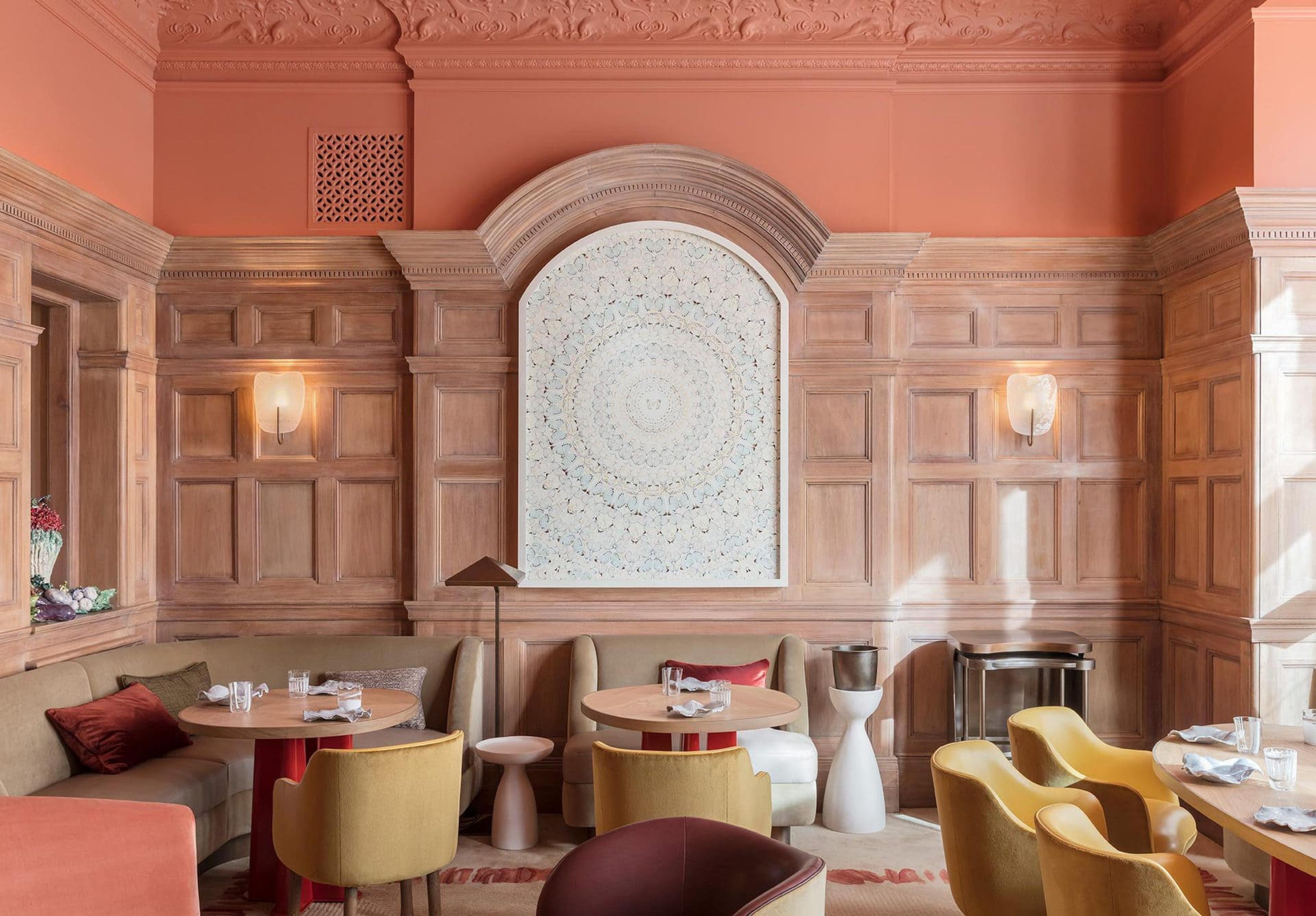
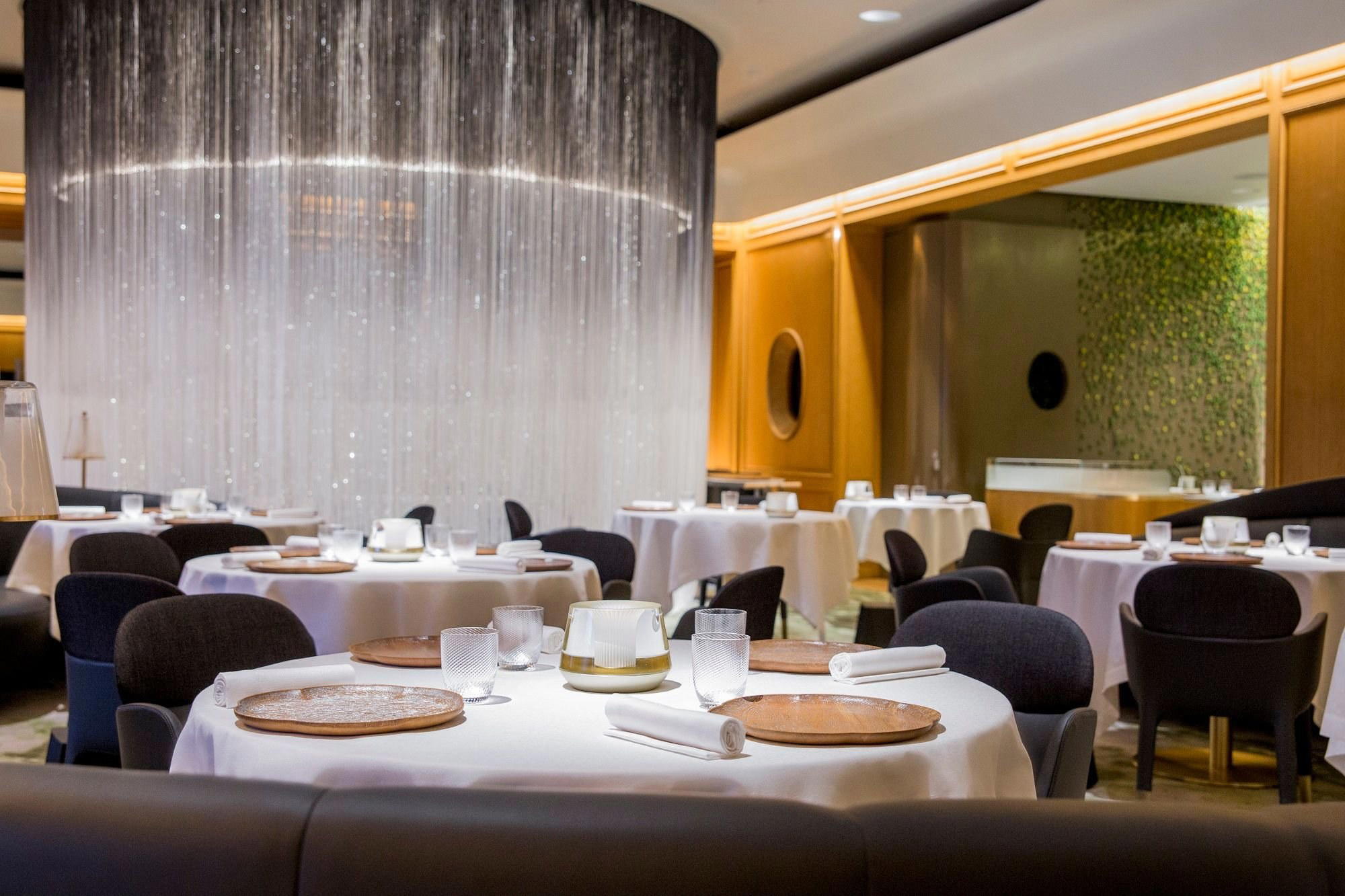
Restaurants in London
Browse all →
Bars in London
Browse all →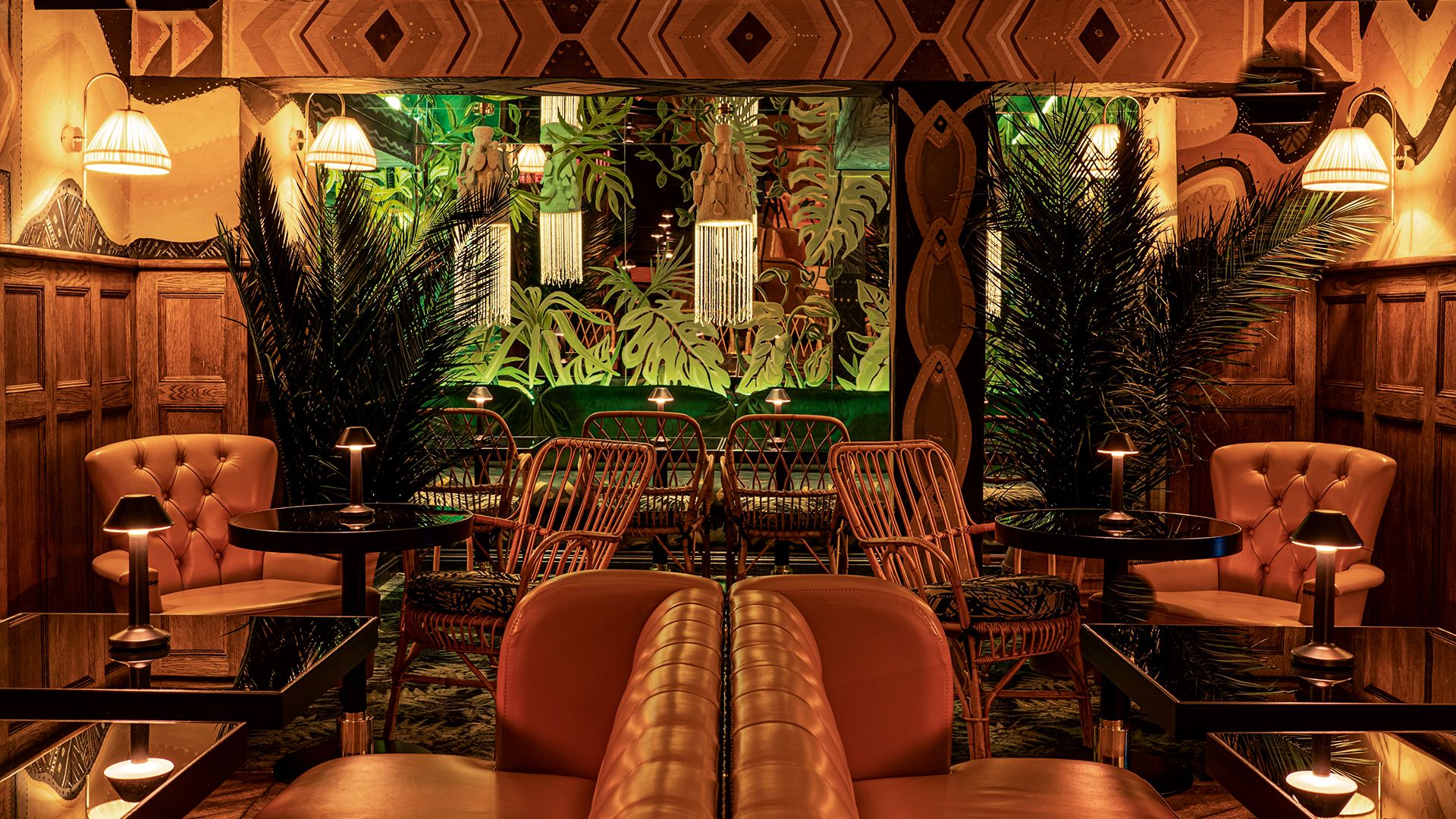
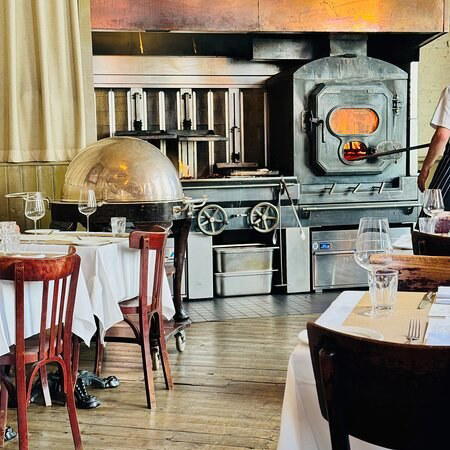
Hotels in London
Browse all →




At a Glance
- Elegant
- Classic
- Sophisticated
- Business Dinner
- Special Occasion
- Date Night
- Private Dining
- Extensive Wine List
Current opening hours
- Monday
- 7 AM–10 PM
- Tuesday
- 7 AM–10 PM
- Wednesday
- 7 AM–10 PM
- Thursday
- 7 AM–10 PM
- Friday
- 7 AM–10 PM
- Saturday
- 10 AM–10:30 PM
- Sunday
- 10 AM–5 PM
Hours can change for holidays and private events. Last verified .
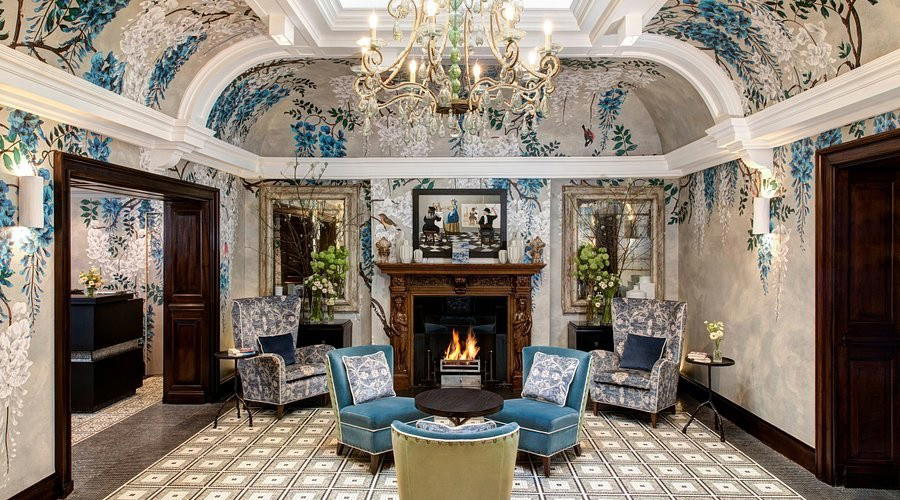
Pretty dining room with banquettes, mirrors, tiled floors promising luxury, elegant and convivial brasserie-style atmosphere.