Corazon by Baires
On International Drive, Corazon by Baires brings Argentine-inflected cooking to one of Orlando's busiest hospitality corridors. The kitchen works the intersection of South American technique and Florida's seasonal produce, placing it in a different register from the steakhouse-and-theme-park dining that dominates the strip. For travelers moving between Orlando's marquee dining rooms, it offers a distinct regional counterpoint.
Pearl is the En Primeur Club membership app — saves, bookings, and concierge access live there. Same editors, same standards.
- Address
- 8126 International Dr, Orlando, FL 32819
- Phone
- +14075736166
- Website
- corazonbybaires.com
- Directions
- Get directions
 Saves & bookings on Pearl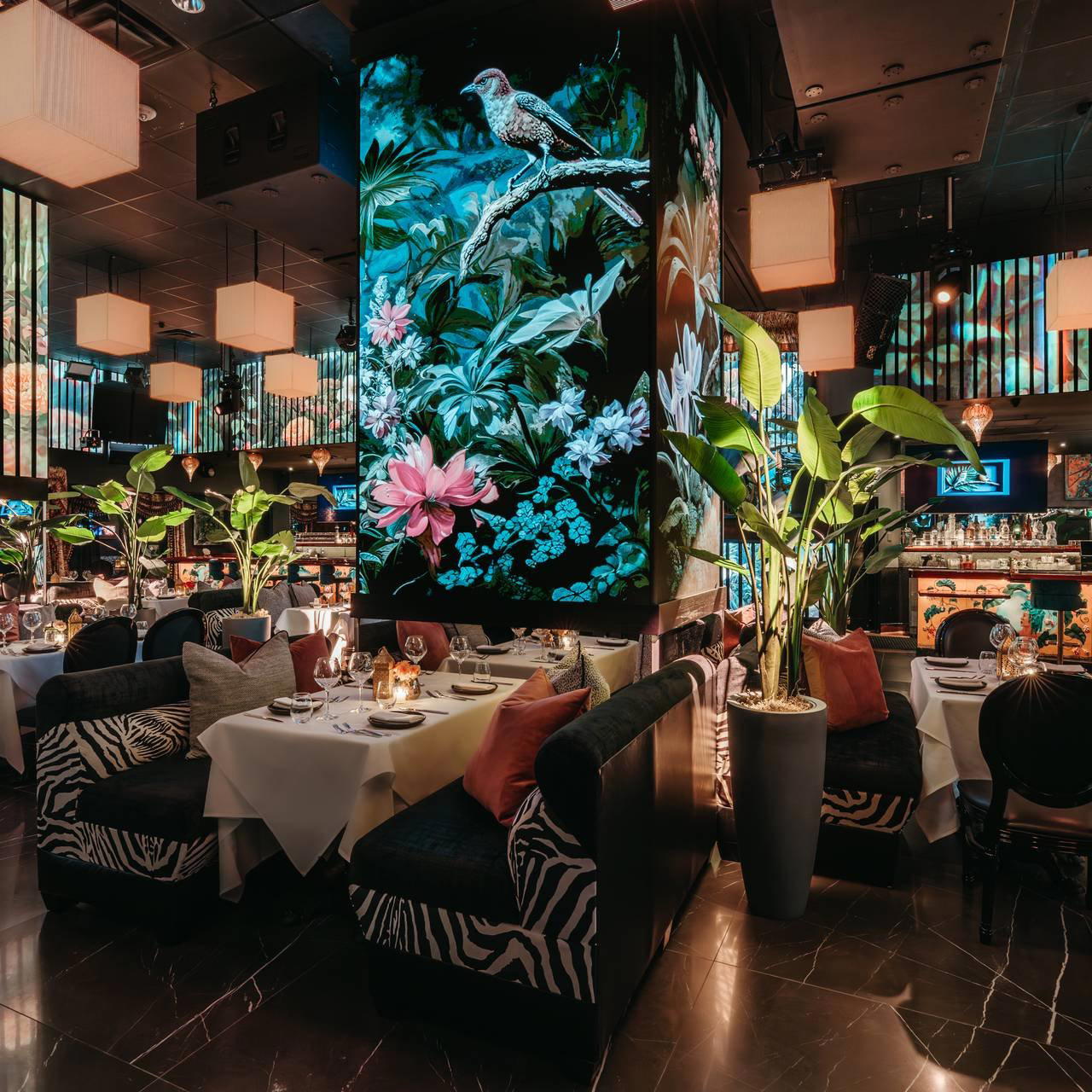
International Drive, Read Differently
International Drive has a reputation problem it has spent years trying to outrun. The corridor between Sand Lake Road and the convention center remains one of the highest-footfall stretches of restaurant real estate in Florida, Against that backdrop, the arrival of Argentine-focused cooking at this address is worth paying attention to. Corazon by Baires, at 8126 International Drive, positions itself within a hospitality strip more accustomed to chain steakhouses and tourist-facing buffets, which immediately raises the question of what it is actually doing there, and whether it answers that question convincingly.
The physical address puts it within easy reach of the convention hotels and the International Drive pedestrian traffic, which in Orlando is a practical consideration as much as a commercial one. Visitors staying along the I-Drive corridor who want something other than the formula can walk or take the I-Ride Trolley rather than committing to a drive toward downtown or the resort districts. That logistical convenience is not a small thing in a city where dining decisions are often made inside a car.
The Argentine Kitchen and What Florida Adds to It
Argentine cooking arrives in Orlando with a specific set of references: the wood-fired asado tradition, cuts prioritized differently than in North American steakhouse culture, chimichurri as a working sauce rather than a garnish, and a general preference for protein-forward simplicity over architectural plating. The question any Argentine-concept restaurant operating outside Buenos Aires has to answer is how much of that tradition it preserves and how much it adapts to local supply and local appetite.
Florida's agricultural calendar offers genuine material to work with. The state produces citrus, tropical fruit, and Gulf seafood on a scale that few North American restaurant markets can access as cheaply or as freshly. When an Argentine kitchen connects with that supply, the editorial angle becomes genuinely interesting: South American technique applied to Florida-native ingredients produces combinations that neither tradition would generate on its own. A chimichurri built on Florida herbs rather than Argentine parsley, or a wood-fire application on Gulf fish rather than pampas beef, represents the kind of productive friction that makes regional American dining worth tracking.
This intersection of imported method and indigenous product is where restaurants operating outside their cuisine's home geography either justify themselves or reveal their limits. The strongest examples in American dining, places like Blue Hill at Stone Barns in Tarrytown or Single Thread Farm in Healdsburg, make that negotiation between technique and local supply the explicit subject of the cooking. Corazon by Baires operates at a different scale and with a different mandate, but the underlying question is the same.
Where It Sits in Orlando's Dining Hierarchy
Orlando's serious restaurant tier has expanded considerably over the past decade, driven partly by immigrant-kitchen talent and partly by resort operators investing in destination dining inside their properties. Capa, the steakhouse at Four Seasons Resort Orlando, represents the upper end of the resort-integrated model, with a rooftop position and a price point that signals premium clearly. On the independent side, Kadence and Sorekara have built reputations in the Japanese omakase tier, while Camille has established Vietnamese fine dining as a credible category in the city. Natsu rounds out a Japanese cohort that now gives Orlando a range of counter-format options.
Argentine and South American cooking occupy a smaller, less defined niche in the Orlando market. Peruvian has a stronger foothold, with operators like Papa Llama working the $$$$-tier space, and that relative absence of Argentine competition gives Corazon by Baires room to define the category on its own terms. Whether that translates to a sustained competitive position depends on execution rather than positioning alone.
For context on what technically demanding cooking at the technique-meets-local-supply intersection can look like at the national level, the comparison set is instructive even if it operates at a different price tier. Smyth in Chicago, Providence in Los Angeles, and Addison in San Diego each demonstrate how regional supply can be made the organizing principle of a serious kitchen. At the highest register, Le Bernardin in New York City, The French Laundry in Napa, and The Inn at Little Washington show what happens when technique and sourcing align over decades. The restaurant is not competing in that tier, but the editorial framework those restaurants established, that imported method sharpened by local supply, is the right lens through which to evaluate what it attempts. Internationally, Atelier Moessmer Norbert Niederkofler in Brunico represents another version of the same tension, a technically European kitchen that has made regional Alpine supply its defining constraint.
On the creative-American side, Lazy Bear in San Francisco, Emeril's in New Orleans, and Atomix in New York City each represent the range of ways a kitchen can negotiate between tradition and contemporary American context.
Planning a Visit
The I-Drive location means parking and access follow the corridor's general pattern: the strip is car-navigable from most Orlando accommodation clusters, and the I-Ride Trolley provides a no-parking alternative for visitors staying within the service zone. Reservations are advisable given that convention and event traffic creates unpredictable demand spikes on this stretch of International Drive, particularly on weekday evenings when conference attendees flood the corridor. Reservations are recommended, and the restaurant is open Monday through Thursday and Sunday from 5 to 11 PM, Saturday from 5 to 11:30 PM, and closed Friday.
The Minimal Set
Comparable venues nearby, for context on price, style, and recognition.
| Venue | Cuisine | Price | Notes |
|---|---|---|---|
| Corazon by BairesThis venue — the venue you are viewing | Not listed | $$$ | Not listed |
| Hinabe | Little Sand Lake, Modern Wagyu Hot Pot | $$$ | Not listed |
| Dragonfly Robata Grill & Sushi | Not listed | $$$ | Little Sand Lake, Japanese Robata Grill & Sushi |
| Oza Izakay | Williamsburg, Modern Japanese Izakaya | $$$ | Not listed |
| Atlantic Restaurant | Not listed | $$$ | Universal Epic Universe – Celestial Park, Modern surf-and-turf seafood in a Victorian undersea aquarium setting |
| Nikitta | Not listed | $$$ | Convention Center, Nikkei: Japanese-Peruvian Fusion |
At a Glance
- Romantic
- Elegant
- Sophisticated
- Date Night
- Special Occasion
- Group Dining
- Private Dining
- Craft Cocktails
Current opening hours
- Monday
- 5–11 PM
- Tuesday
- 5–11 PM
- Wednesday
- 5–11 PM
- Thursday
- 5–11 PM
- Friday
- Closed
- Saturday
- 5–11:30 PM
- Sunday
- 5–11 PM
Hours can change for holidays and private events. Last verified .
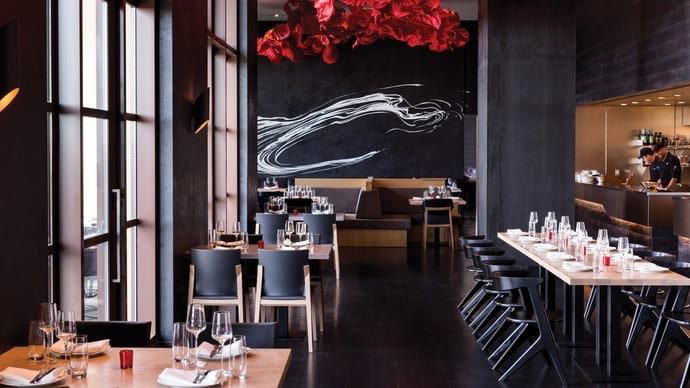
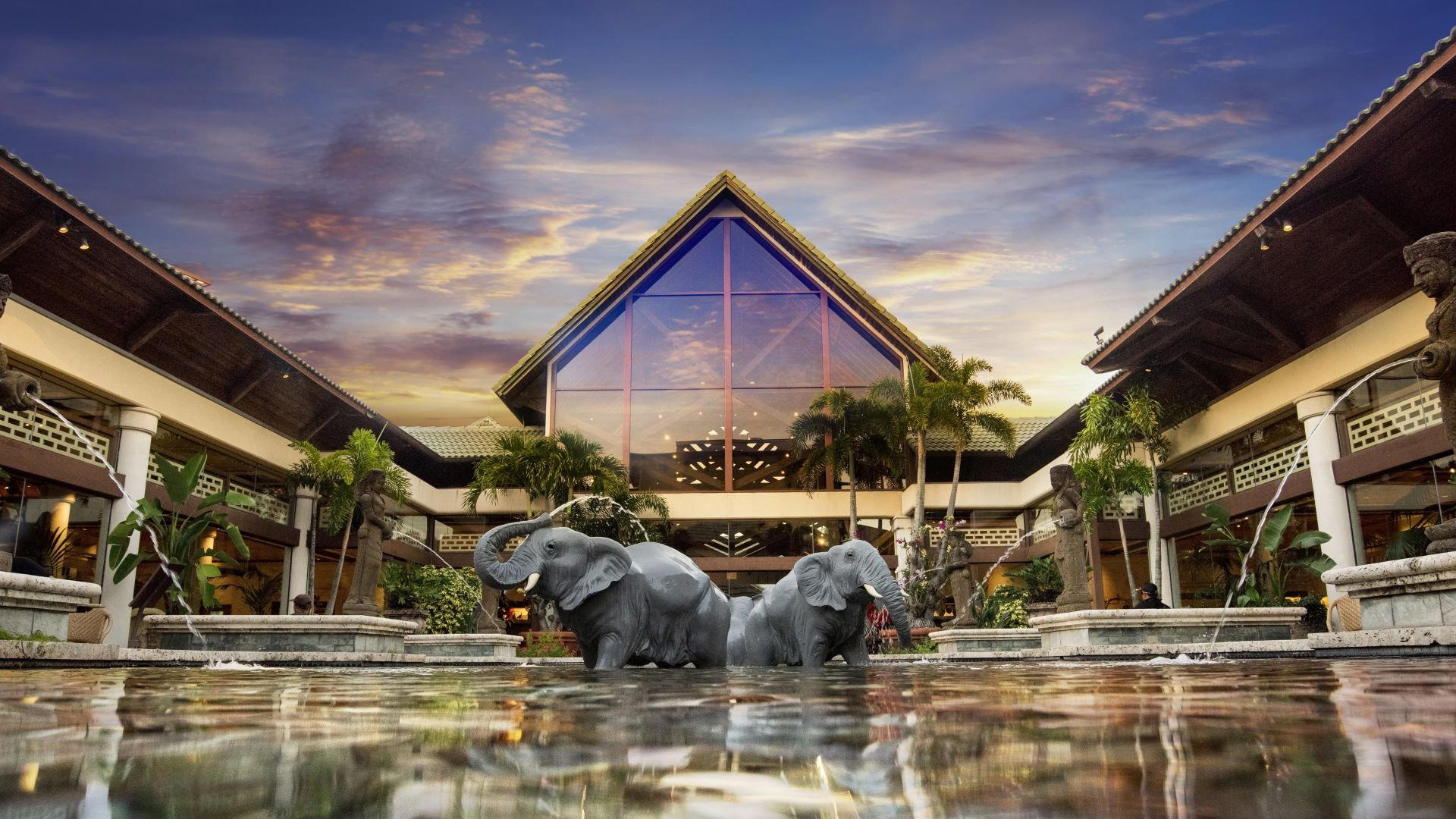
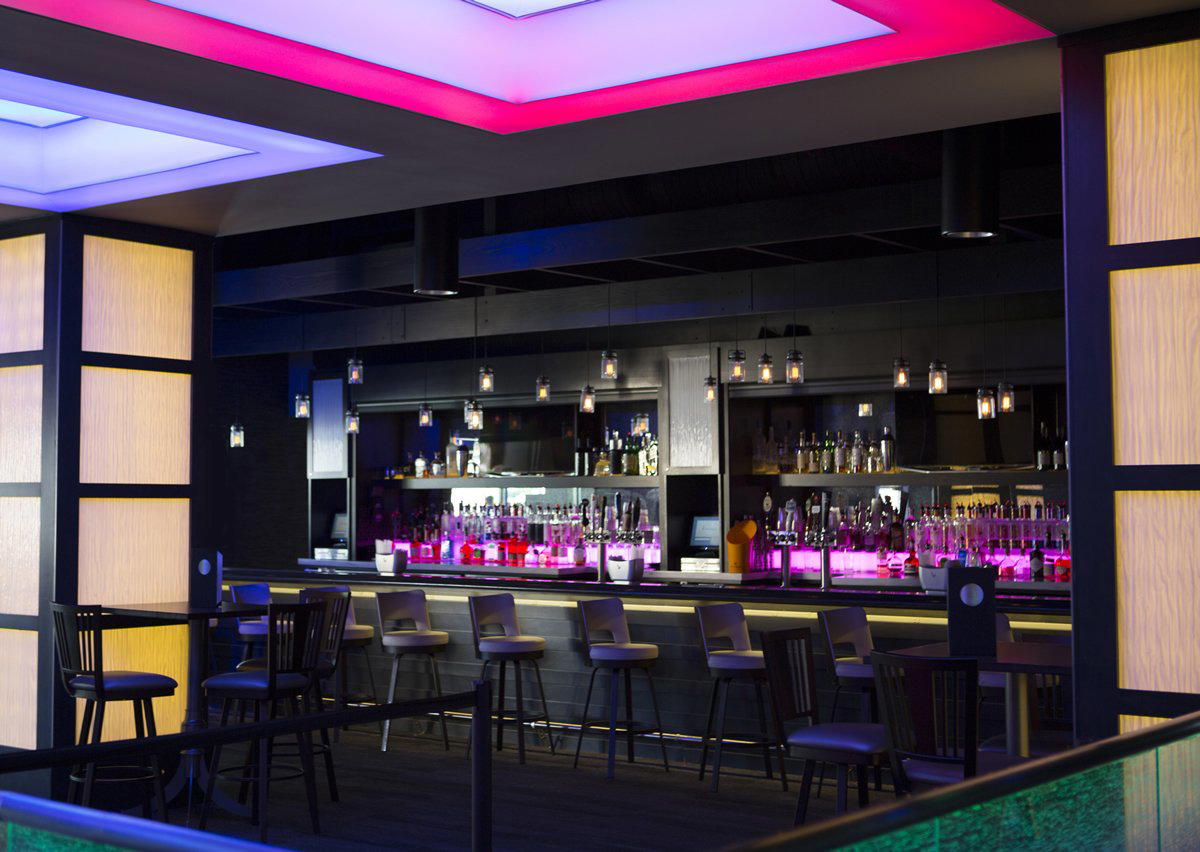
Warm dramatic lighting, elegant design, and chic inviting atmosphere that feels romantic and intentional.