Celini sits within the Grand Hyatt Mumbai in the Bandra Kurla Complex, placing it among a tier of hotel dining rooms that compete on consistency and scale rather than counter-seat intimacy. The room draws a corporate and leisure crowd from the surrounding commercial district, and the broad menu format positions it differently from the tasting-menu specialists that now define Mumbai's upper dining conversation.
Pearl is the En Primeur Club membership app — saves, bookings, and concierge access live there. Same editors, same standards.
- Address
- Grand Hyatt Mumbai Hotel and Residences, Bandra Kurla Complex Vicinity, off Western Express Highway, Siddharath Nagar, Vakola, Santacruz East, Mumbai, Maharashtra 400055, India
- Phone
- +917045950135
- Website
- hyattrestaurants.com
- Directions
- Get directions
 Saves & bookings on Pearl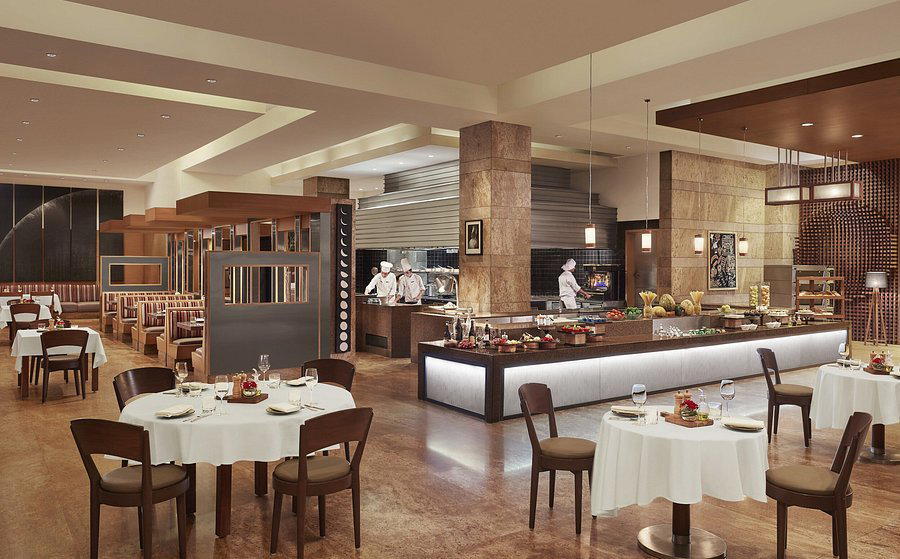
Hotel Dining in the BKC Corridor
The stretch of Mumbai between the domestic airport at Santacruz and the financial towers of Bandra Kurla Complex has, over the past two decades, become one of the city's most consequential dining corridors. It is not a neighbourhood in the old Mumbai sense: there are no street-food vendors defining the character here, no century-old Irani cafes anchoring the pavements. What the BKC zone has instead is a concentration of international hotel rooms, corporate headquarters, and the dining infrastructure that follows both. Celini occupies that context inside the Grand Hyatt Mumbai, at Grand Hyatt Mumbai Hotel and Residences, Bandra Kurla Complex Vicinity, off Western Express Highway, Siddharath Nagar, Vakola, Santacruz East, Mumbai, Maharashtra 400055, India.
Hotel restaurants in this tier of Mumbai operate under different pressures than the independent names that draw most critical attention. Places like Masque (Contemporary Indian) or The Bombay Canteen (Indian) can build identity around a single cuisine register or a chef-driven point of view. A hotel dining room serving a mixed international and domestic clientele across breakfast, lunch, and dinner typically cannot. The format demands range, consistency across sittings, and a room comfortable enough for a business dinner, a family gathering, and a solo traveller on the same evening. Celini operates within those structural conditions, and understanding that context is the starting point for placing it correctly.
The Room and the Atmosphere
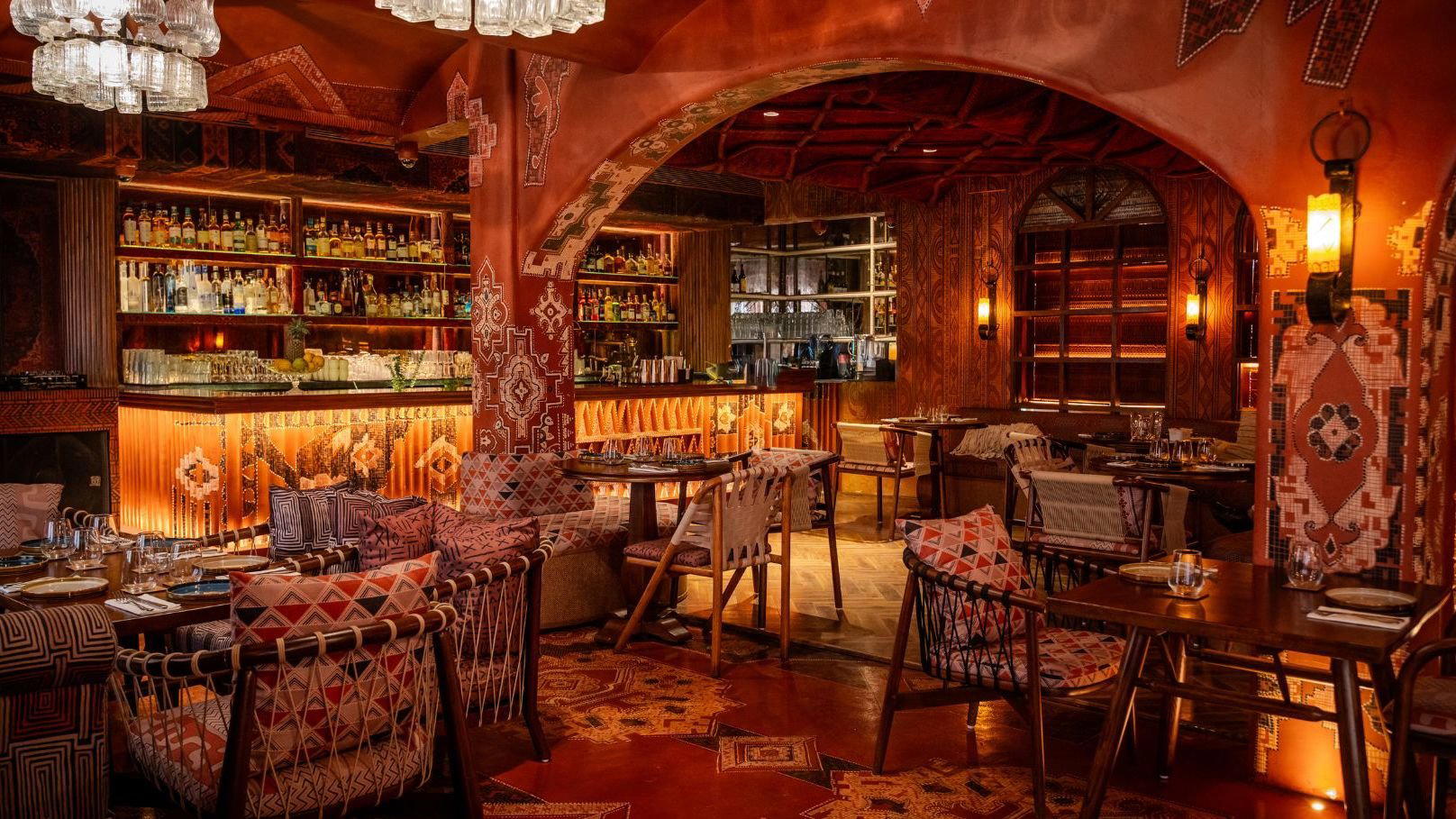
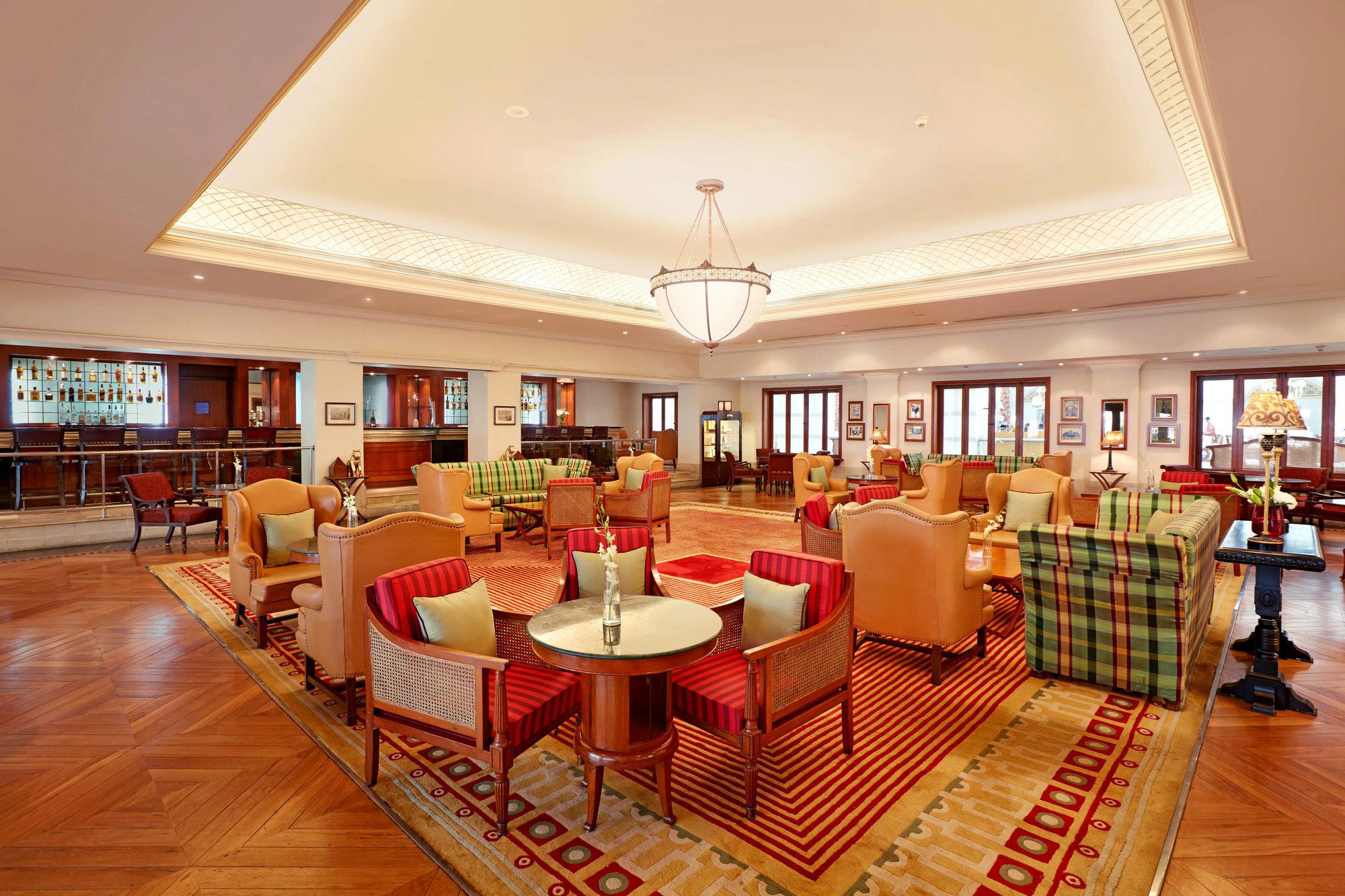
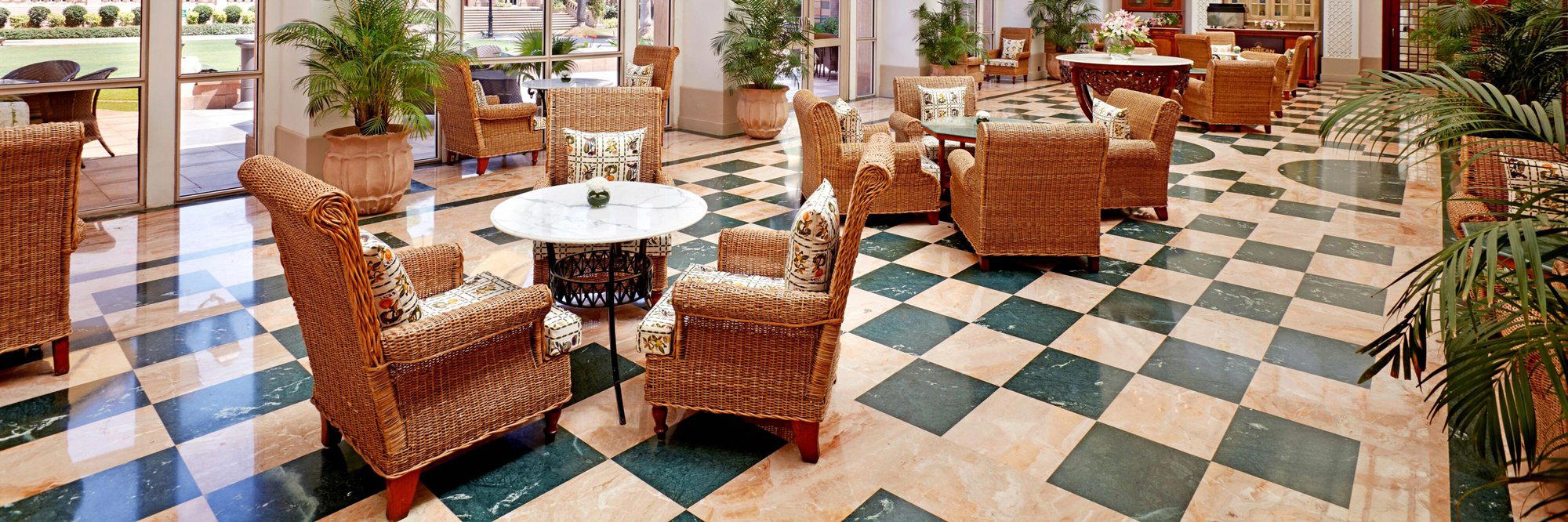
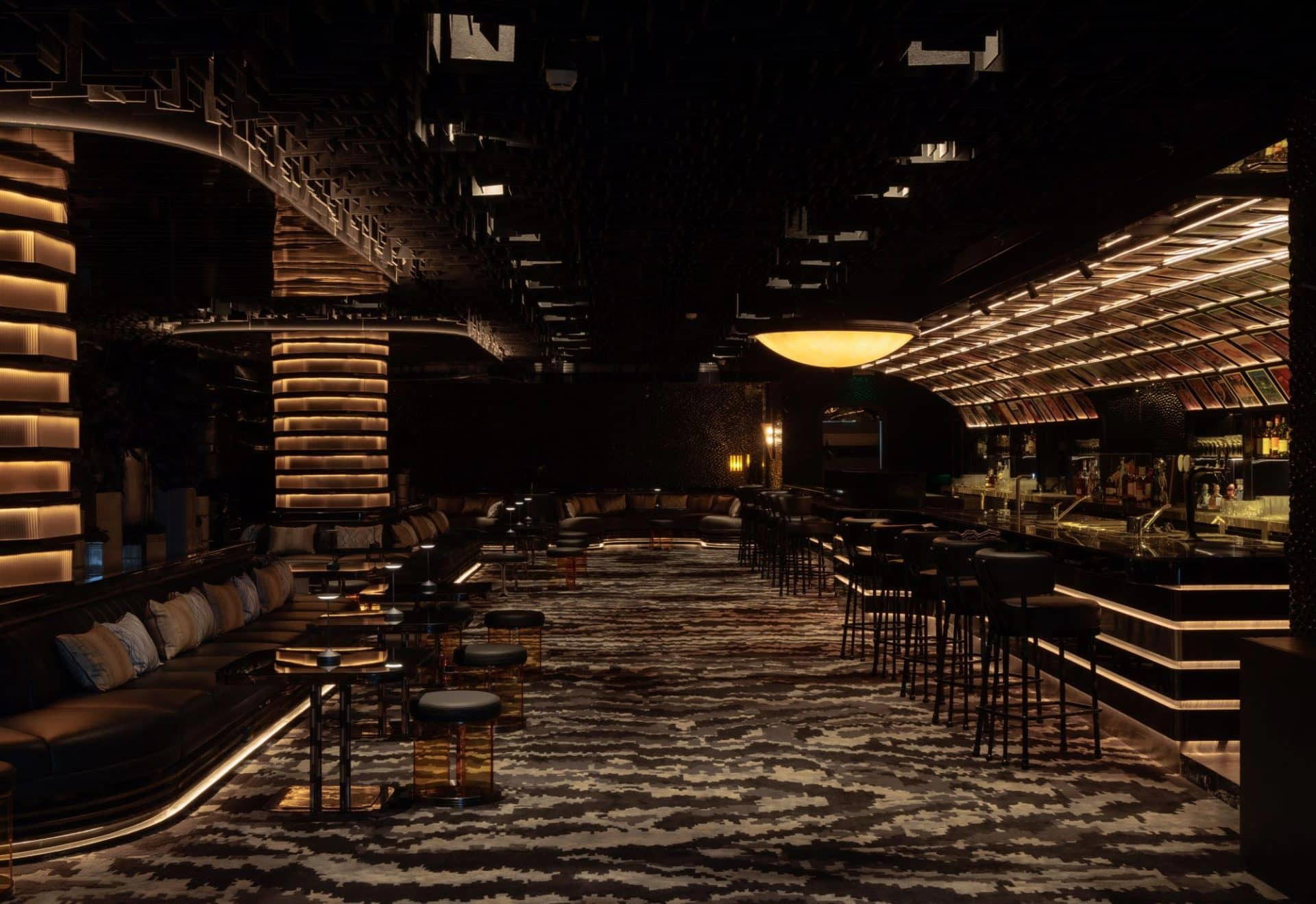
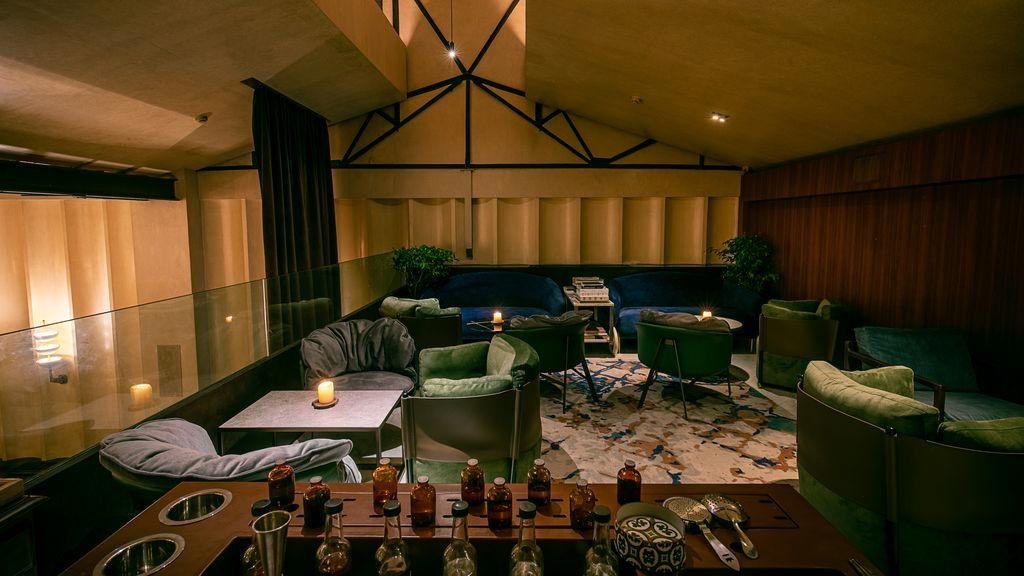
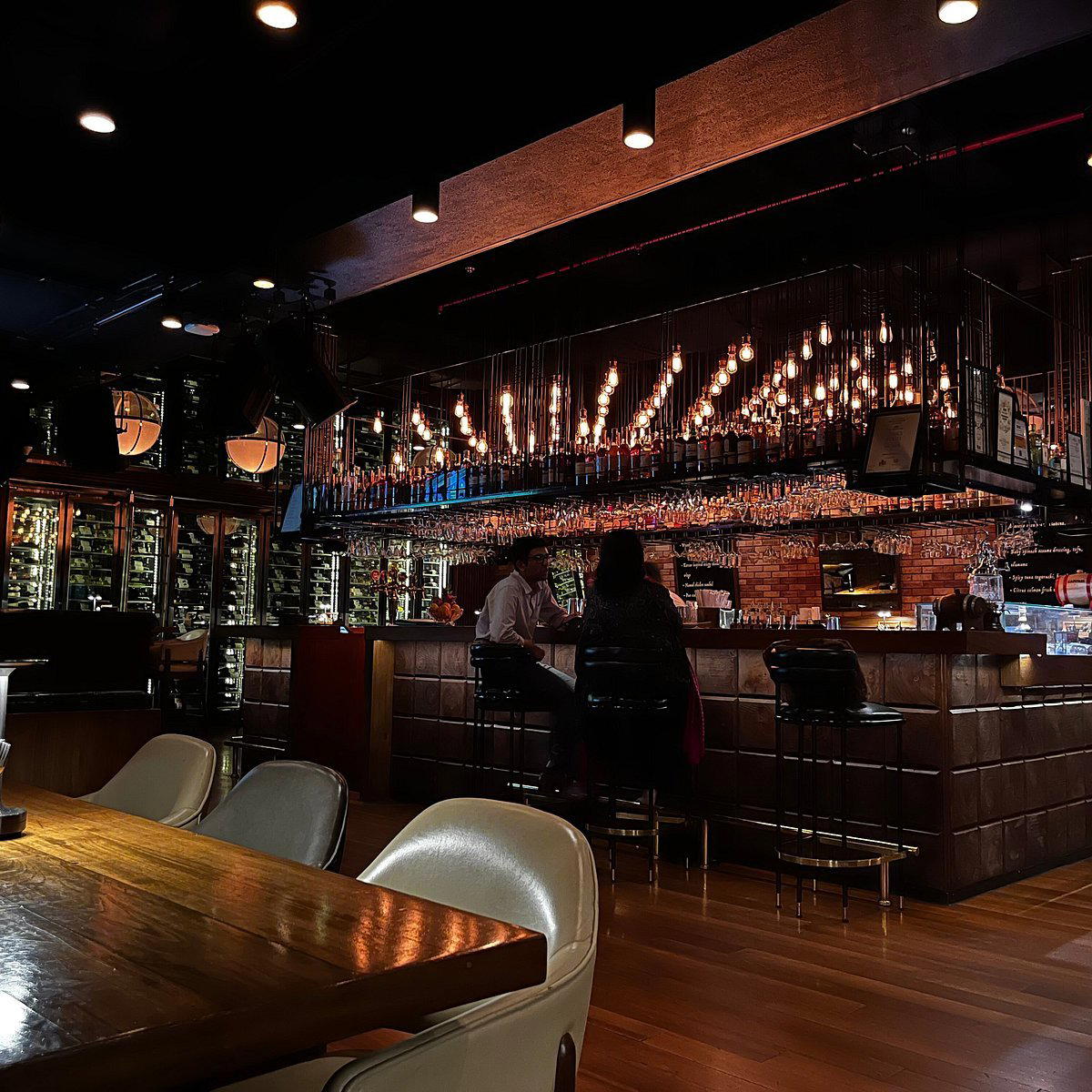
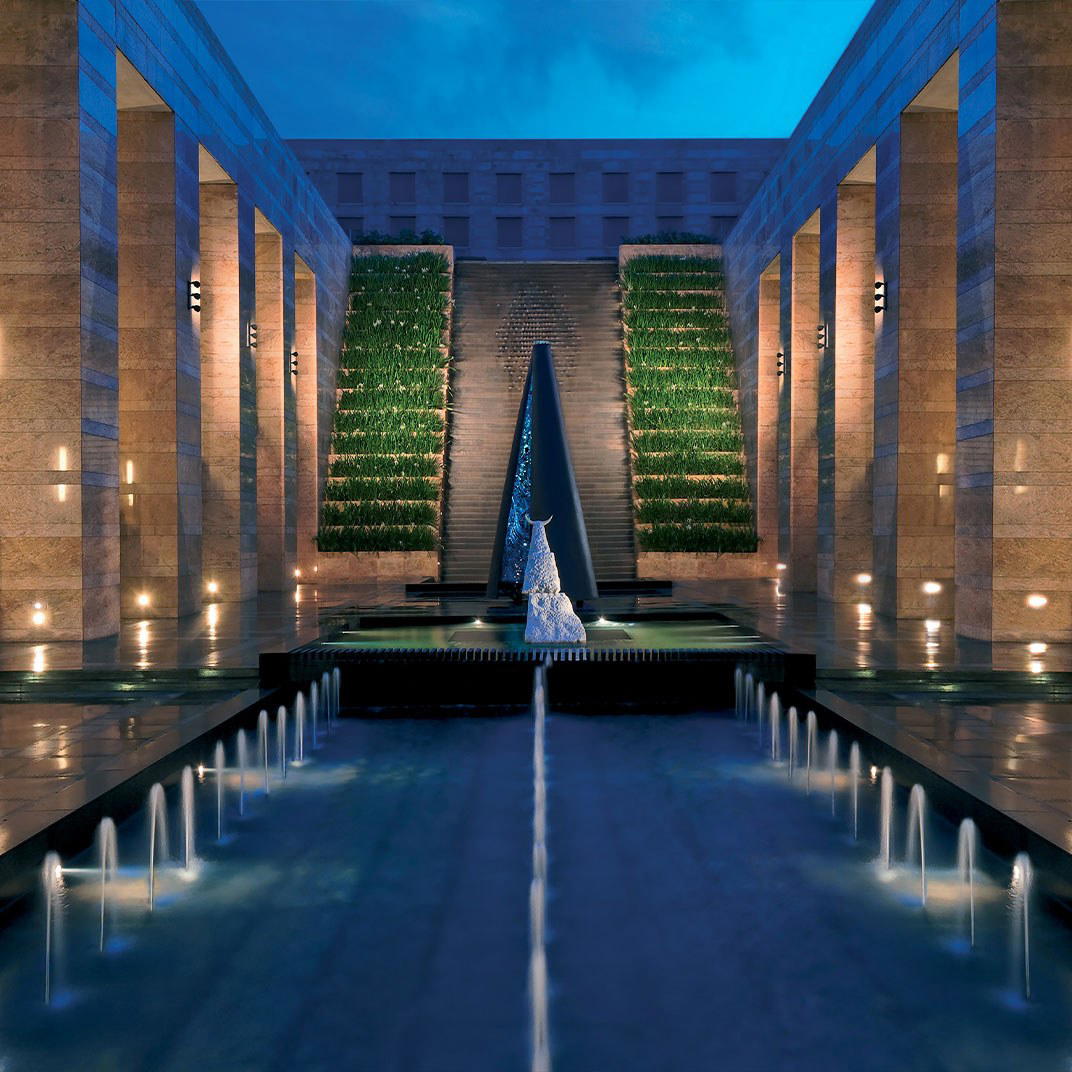
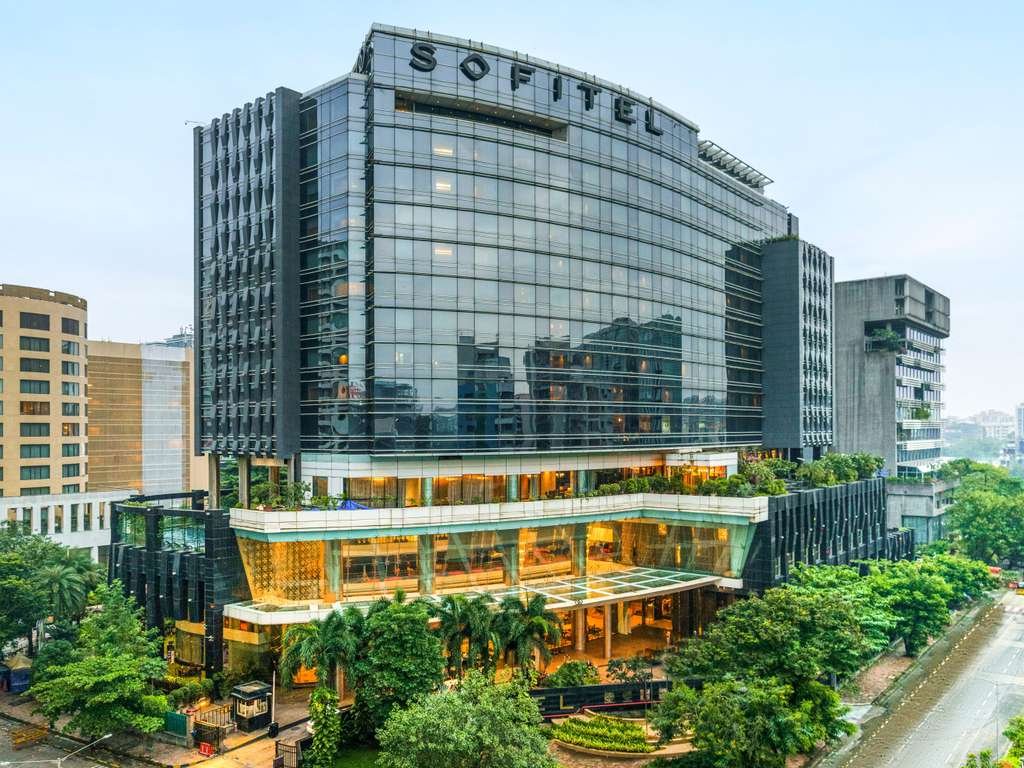
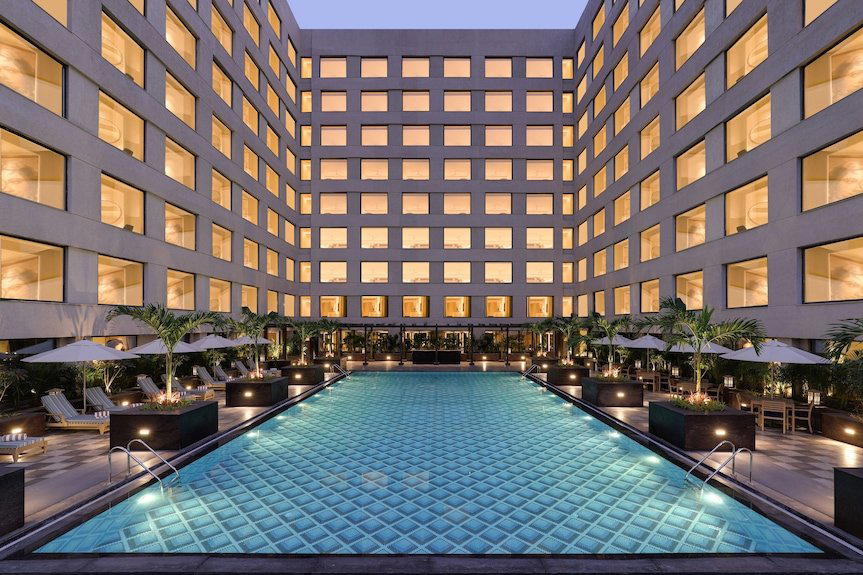
The Grand Hyatt Mumbai's architecture belongs to the generation of large-format international hotels built to signal modernity to a city then rapidly reconfiguring itself around new money and new business districts. The interiors run to high ceilings, wide corridors, and materials that read as substantial rather than intimate. Celini, as a dining space within that building, inherits the proportions. What this produces atmospherically is a room that absorbs noise rather than amplifying it, that carries a sense of occasion without the compression of a small counter or a street-level shopfront. For certain kinds of meals, that openness is precisely the point: conversations can be had at a measured volume, tables are not pressed against one another, and the general effect is one of unhurried space.
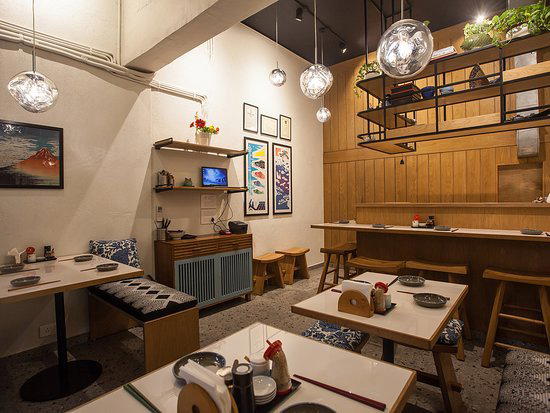
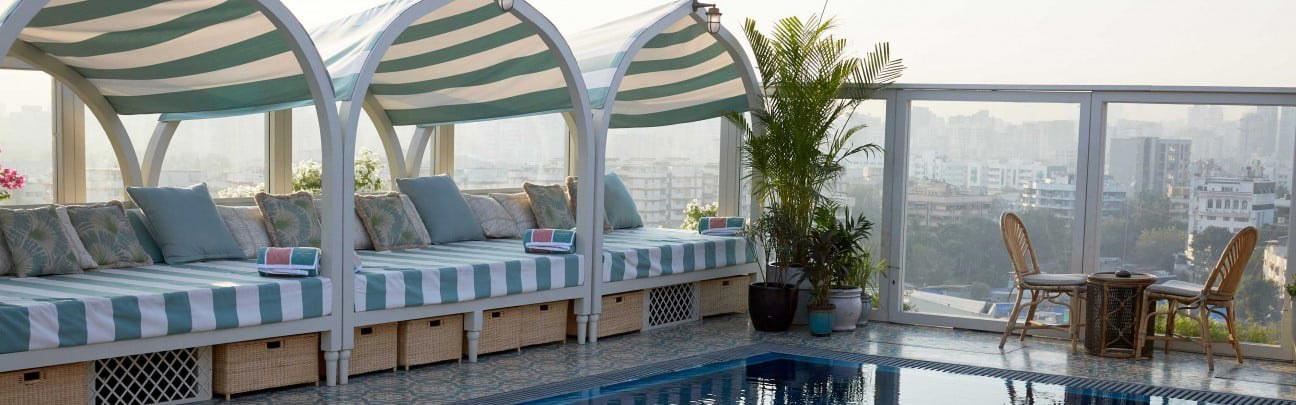
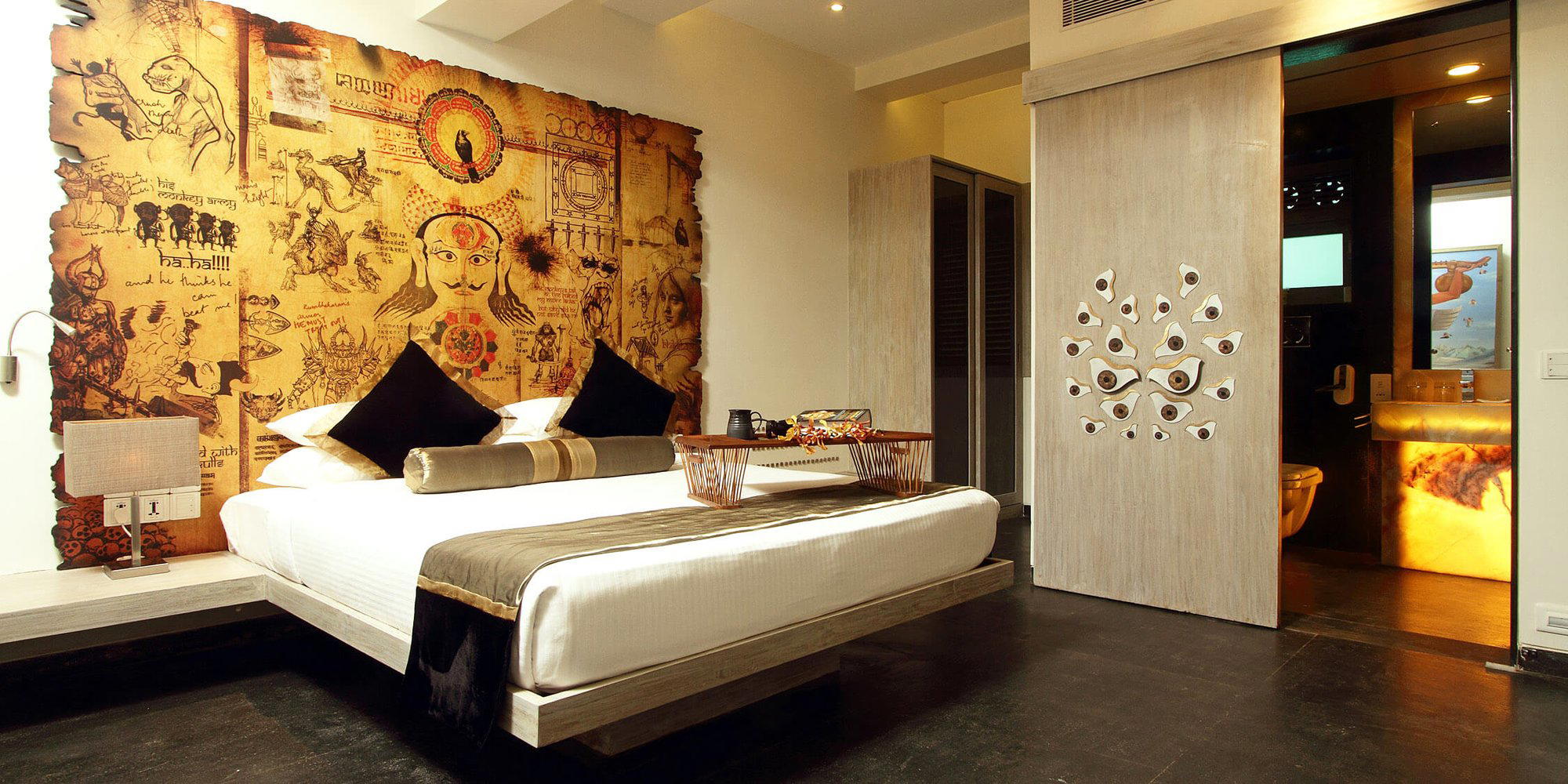
The lighting register in large hotel restaurants of this type tends toward warmth in the evening, pulling the room away from its daytime functionality and toward something that reads as more considered. The visual grammar of a well-managed hotel dining room is a studied thing: service stations placed to minimise crossing paths with guests, table spacing calibrated to privacy, glassware and linen functioning as quiet signals of the tier. These are the atmospheric elements that distinguish the upper-bracket hotel dining experience from a casual hotel coffee shop, and they matter to the guest who is deciding between Celini and the independent options a short ride away in Bandra or Kala Ghoda.
Where Celini Sits in Mumbai's Dining Conversation
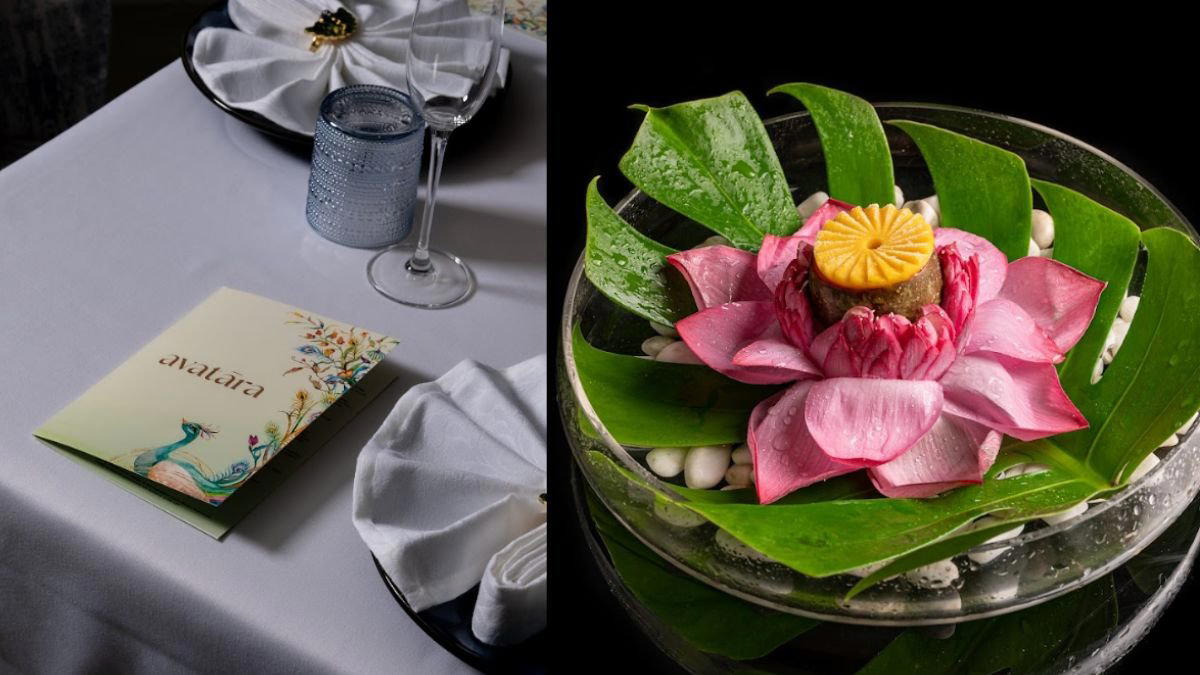
Mumbai's restaurant scene has undergone a genuine transformation in the past decade. The city now has a credible tasting-menu segment, a growing natural-wine presence, and a generation of chefs working with Indian ingredients at a level of technical sophistication that draws regional and international notice. Americano (Indian Fusion), The Table (Contemporary Indian), and Avatara each represent a particular strand of that evolution. Celini does not position itself inside that evolution in the same way. Its competitive set is the other large hotel dining rooms serving the BKC and airport corridor: consistent, broad, professionally managed operations where the point is reliable execution across a wide menu rather than a singular culinary statement.
That is not a diminishment. The traveller arriving after a long international flight, or the executive hosting a client who may eat anything from risotto to dal, needs a different thing from a restaurant than the food-focused diner planning a specific evening around a chef's work. Celini addresses the former need, and it does so within a physical and operational infrastructure that the independent segment simply cannot replicate. The comparison is instructive: against peers like Ziya or the dining rooms at comparable five-star properties across the city, Celini competes on the quality of its hotel infrastructure, the breadth of its offer, and the reliability that comes with a property of the Grand Hyatt's scale and management depth.
For those whose interest lies in focused Indian dining, the wider country offers strong reference points at every register. Adaa at Falaknuma Palace in Hyderabad places fine dining inside a palace setting. Farmlore in Bangalore operates from an ingredient-first position. Inja in New Delhi represents a different strand of contemporary Indian cooking. And across the country, places as different as Kappa Chakka Kandhari in Chennai, Bomras in Anjuna, and Naar in Kasauli each show how geographically specific the country's dining traditions remain. Celini's offer sits in a different register from all of them, which is precisely the point.
Planning a Visit
The Grand Hyatt Mumbai sits off the Western Express Highway at Vakola, Santacruz East, making it accessible from both the domestic and international terminals at Chhatrapati Shivaji Maharaj International Airport without significant highway time. For guests staying in the hotel, Celini is the obvious anchor for meals where leaving the property is impractical or undesirable. For those coming from elsewhere in the city, BKC is well served by Metro Line 2B (the Aqua Line), which has reduced dependency on the congested road connections between South Mumbai and the airport corridor. Reaching the hotel from Bandra or Andheri stations takes under fifteen minutes by auto or cab from the nearest Metro points.
Bookings are recommended, and Celini is open daily from 12:30 to 11:30 PM. The hotel's size means the restaurant has genuine capacity, so last-minute reservations are often more achievable here than at tighter independent operations elsewhere in the city.
Those planning a broader India itinerary with dining as a priority will find that the country's premium restaurant segment has developed significant depth beyond the major metros. Dining Tent in Jaisalmer, Neel in Patiala, Palaash in Yavatmal, and Leela Kerala Terrace in Trivandrum each represent the kind of geographically anchored dining experience that has no real equivalent in the hotel-dining tier.
Peers You’d Cross-Shop
Comparable venues nearby, for context on price, style, and recognition.
| Venue | Cuisine | Price | Notes |
|---|---|---|---|
| CeliniThis venue — the venue you are viewing | Authentic Italian Fine Dining | $$$ | Not listed |
| Cin Cin | Italian Pizza and Pasta | $$$ | Kolekalyan |
| Koh | Modern Thai | $$$ | Kumbala Hill |
| Avatara Mumbai | Modern Indian Vegetarian Fine Dining | $$$$ | Santacruz West |
| Dum Pukht | Awadhi Fine Dining | $$$$ | Bapnala |
| Gajalee | Malvani Seafood | $$ | Vile Parle |
At a Glance
- Elegant
- Sophisticated
- Cozy
- Date Night
- Group Dining
- Special Occasion
- Brunch
- Open Kitchen
Current opening hours
- Monday
- 12:30–11:30 PM
- Tuesday
- 12:30–11:30 PM
- Wednesday
- 12:30–11:30 PM
- Thursday
- 12:30–11:30 PM
- Friday
- 12:30–11:30 PM
- Saturday
- 12:30–11:30 PM
- Sunday
- 12:30–11:30 PM
Hours can change for holidays and private events. Last verified .
Contemporary and simple interiors with understated elegance, enhanced by live music and the lively atmosphere of an open kitchen.