Our verdict
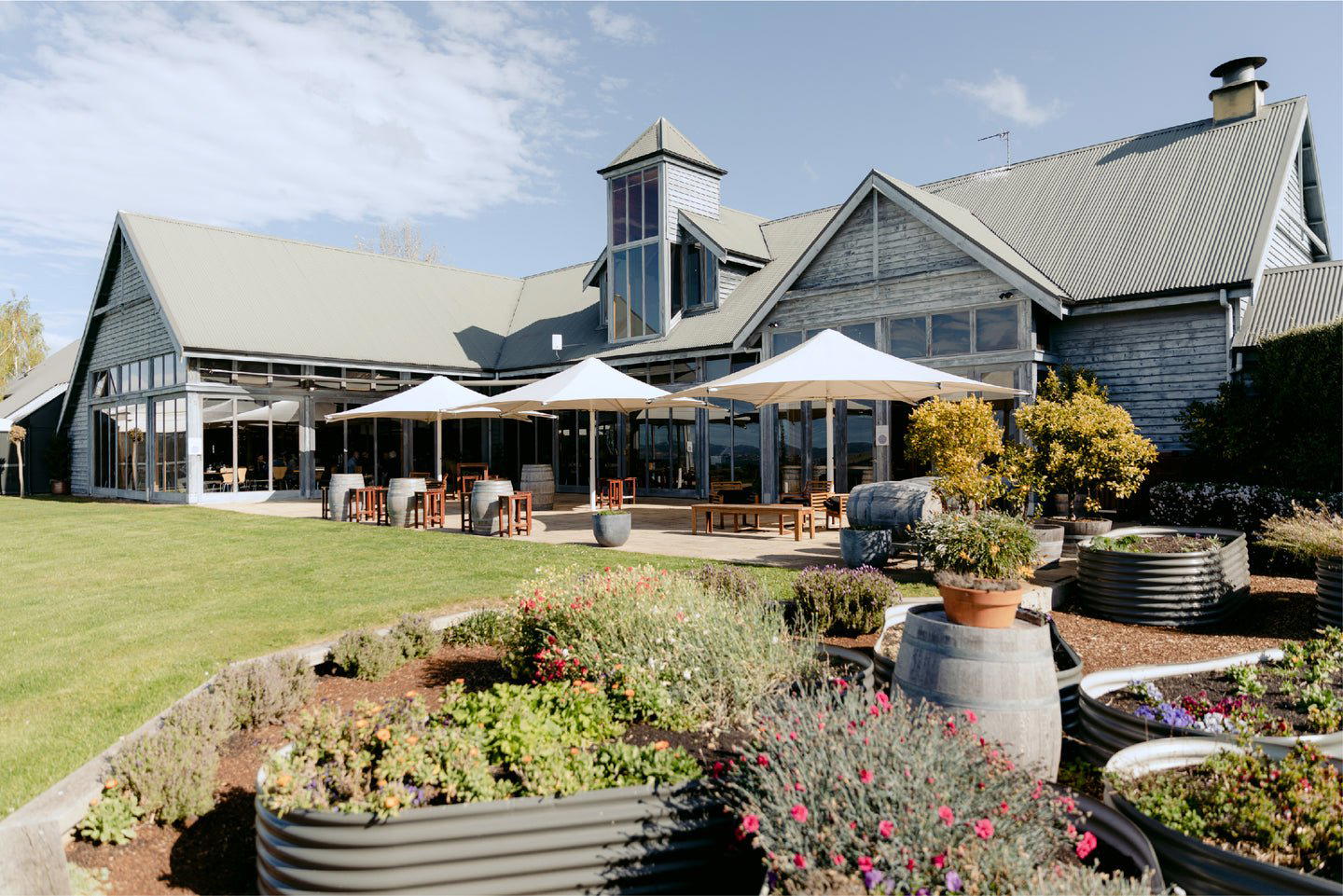
Conservatory Restaurant belongs to Hobart’s quieter South Hobart dining register, where sandstone, garden-city edges and Tasmania’s produce culture matter more than spectacle. The appeal is contextual: a conservatory setting at the base of kunanyi/Mount Wellington, useful for diners who want the city’s ingredient-led side without the waterfront’s louder tourism rhythm.

Pearl is the En Primeur Club membership app — saves, bookings, and concierge access live there. Same editors, same standards.
- Address
- 321 Davey St, South Hobart TAS 7000 (two-storey sandstone conservatory)
- Directions
- Get directions
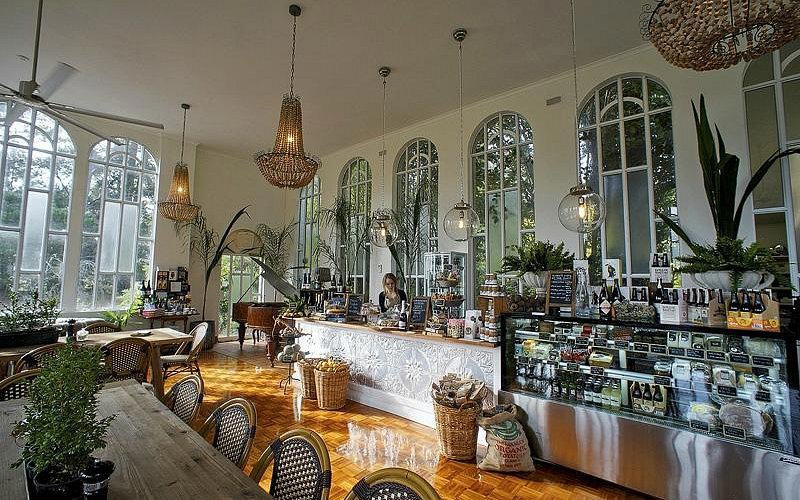
The first read is atmospheric rather than technical: Conservatory Restaurant in Hobart, framed by its name and setting rather than relying on the familiar waterfront cues often used to sell the city. That matters in Hobart. The city’s dining identity is frequently presented through views and central energy, but a large part of its food culture is quieter, built around local rhythms and rooms that feel connected to place as much as the visitor circuit.
Conservatory Restaurant sits inside that second Hobart. Its position in Hobart changes the frame for travellers building a food-led itinerary: this is not simply the obvious dinner after a day of sightseeing, but a Hobart stop that makes more sense when the city is being read through setting, texture and the pace of the meal.
Hobart dining, seen through setting and Tasmanian supply
Hobart’s strongest restaurants tend to work from a simple advantage: Tasmania has a dining culture closely tied to local produce and regional supply. The island’s dining rooms do not need to mimic mainland scale when the surrounding food culture already carries weight. The editorial question is not whether a restaurant sits within that Tasmanian context; in this city, the sharper question is how clearly the room lets place define the experience.
A conservatory-style restaurant naturally pushes the meal toward an awareness of season and setting. Light, shelter and a room-led identity make diners more aware of weather, mood and the pace of the day. In Hobart, that physical awareness is useful because the city’s food calendar is part of how visitors read the place. Cooler months give the city a darker, slower register, while warmer months shift the emphasis toward longer evenings and lighter itineraries. A restaurant in this kind of frame can feel aligned with that cycle when the experience stays measured rather than overworked.
The comparison set in Hobart is broad rather than uniform. Don Camillo Restaurant and The Astor Grill speak to the city’s long-running appetite for familiar dining rituals. Sapa Rose reflects another strand of Hobart’s accessible restaurant culture. Scholé belongs to the newer, tighter style of eating and drinking where the line between dinner and bar service is thinner. Against that field, Conservatory Restaurant reads less as a trend entry and more as a room-led Hobart expression of the city’s place-first instincts.
The Hobart context: produce has replaced polish as the main signal
The city’s dining conversation has moved away from formal luxury as the default marker of seriousness. The stronger signal now is control: of pacing, menu shape and the relationship between kitchen and place. Other Hobart dining rooms show how varied that conversation can be, from ingredient-led meals to more urban expressions of contemporary dining. Across the city, smaller-scale food practice, wine-led service and regional cooking all sit within the same broader Tasmanian orbit.
That range helps explain why Hobart matters. The city gives a restaurant room to be measured rather than performative. It is compact enough to function as part of a short-stay dining plan, but varied enough to escape a single default loop. For visitors using restaurants to understand the city, that distinction is useful: Hobart is not only a capital with a harbour, a market and a museum. It is also a network of older rooms, makers and dining spaces that convert the island’s sense of place into a meal.
Conservatory Restaurant should be read through that lens. Rather than leaning on unsupported mythology, the room and the city context do heavier editorial work. That is not a weakness in Hobart, where overstatement can feel out of step with the place. The more persuasive proposition is simpler: Conservatory Restaurant in Hobart, positioned for diners who care about setting and Tasmanian seasonality more than ceremony.
How to place it in a Hobart itinerary
For a restaurant-focused trip, this is a useful counterweight to the city’s better-known dining addresses. Pair Conservatory Restaurant with a broader reading of Hobart rather than treating dinner as a single isolated booking. The full spread of current dining options sits in our full Hobart restaurants guide, while hotel planning is better handled through our full Hobart hotels guide. Drinkers can cross-reference our full Hobart bars guide, distillery-minded travellers can look more generally at the city’s drinking culture, and regional planning belongs with our full Hobart wineries guide and our full Hobart experiences guide.
Travellers comparing Australian dining styles beyond Tasmania can use the contrast productively: other mainland cities offer their own versions of city-centre casualness, counter formality, metropolitan dining rhythm, coastal ease, rooftop-city dining and regional familiarity. Further afield, international markets show how differently drinking and snack formats translate outside Australia. Hobart’s strength is less about scale than proximity: the source of the food can feel close, and the city is small enough for that closeness to shape the meal.
Frequently asked questions
Is Conservatory Restaurant child-friendly?
Conservatory Restaurant is a restaurant setting in Hobart rather than a bar-led venue, which may make it more workable for families. Check the venue directly for current suitability, hours and booking details.
Is Conservatory Restaurant better for a quiet night or a lively one?
Conservatory Restaurant reads as a quieter, table-led dinner choice in Hobart, especially given its conservatory-style identity. That format suits a low-key evening more than a high-energy one.
Where exactly is Conservatory Restaurant?
Hobart.
Is Conservatory Restaurant reservation-only?
Those details are not published. For Hobart dining, advance planning is sensible. Check the venue's official channels for the latest details.
What's the signature at Conservatory Restaurant?
No signature dish or house drink is listed for Conservatory Restaurant in Hobart. The clearest identifier is the setting itself: Conservatory Restaurant in Hobart.
Do they accommodate allergies at Conservatory Restaurant?
The venue details do not specify allergy procedures, so there is no concrete policy to cite for Conservatory Restaurant in Hobart. Allergy needs are best handled directly before booking.
How It Stacks Up
Comparable venues by cuisine and price in the same metro.
| Venue | Cuisine | Price | Awards | Notes |
|---|---|---|---|---|
| Conservatory RestaurantThis venue — the venue you are viewing | Cafe / Australian | $30–50 | Not listed | Not listed |
| Don Camillo Restaurant | Classic Italian Trattoria | $30–50 | Not listed | Not listed |
| Scholé | Japanese-inspired Tasmanian | $100–150 | Gourmet Traveller State Winner Tasmania | Japanese-influenced; wine bar |
| Sapa Rose | Modern Traditional Vietnamese | $20–30 | Not listed | Not listed |
| The Astor Grill | Contemporary Australian Grill | $50–100 | Not listed | Not listed |
Continue exploring
More in Hobart
Restaurants in Hobart
Browse all →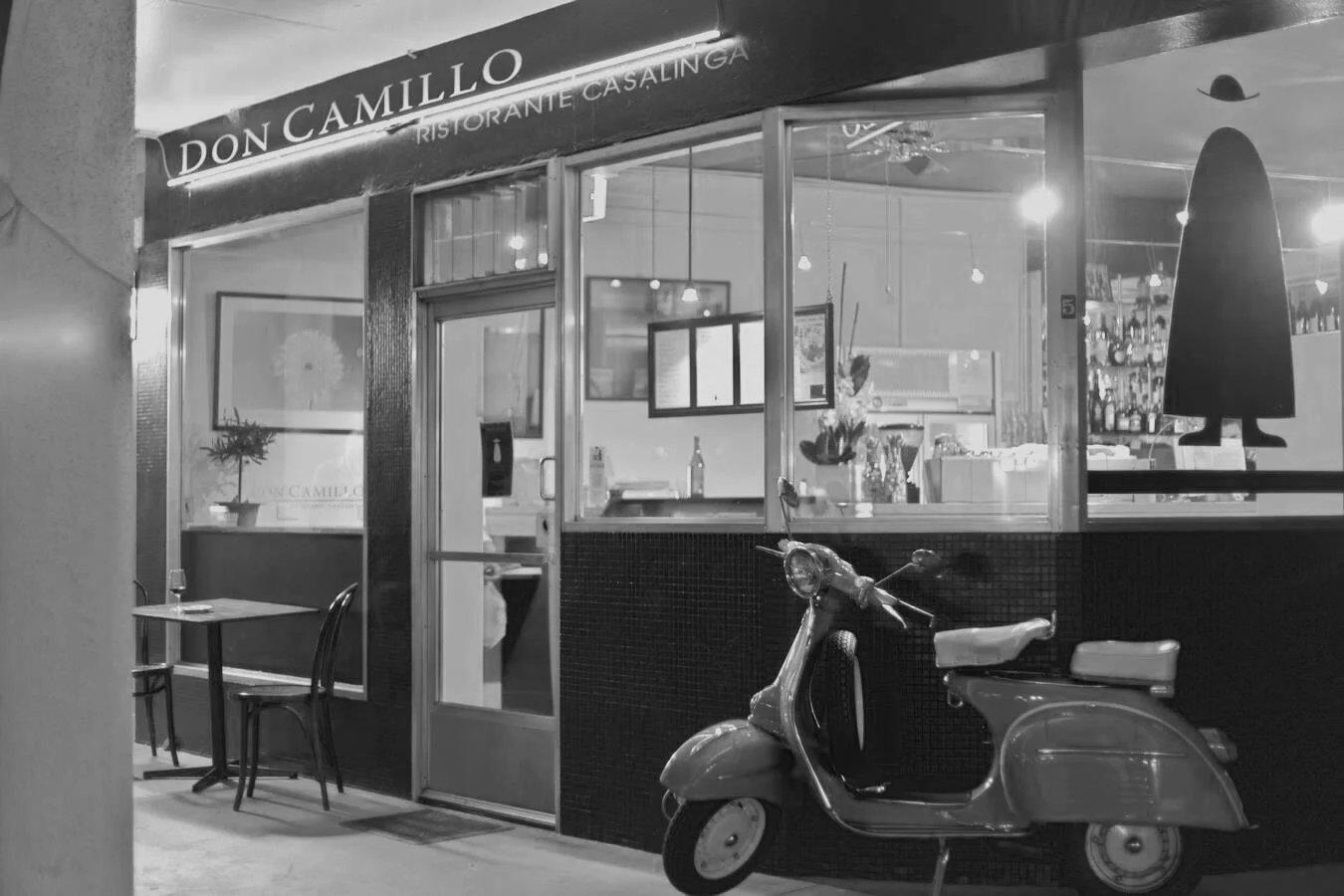
Bars in Hobart
Browse all →
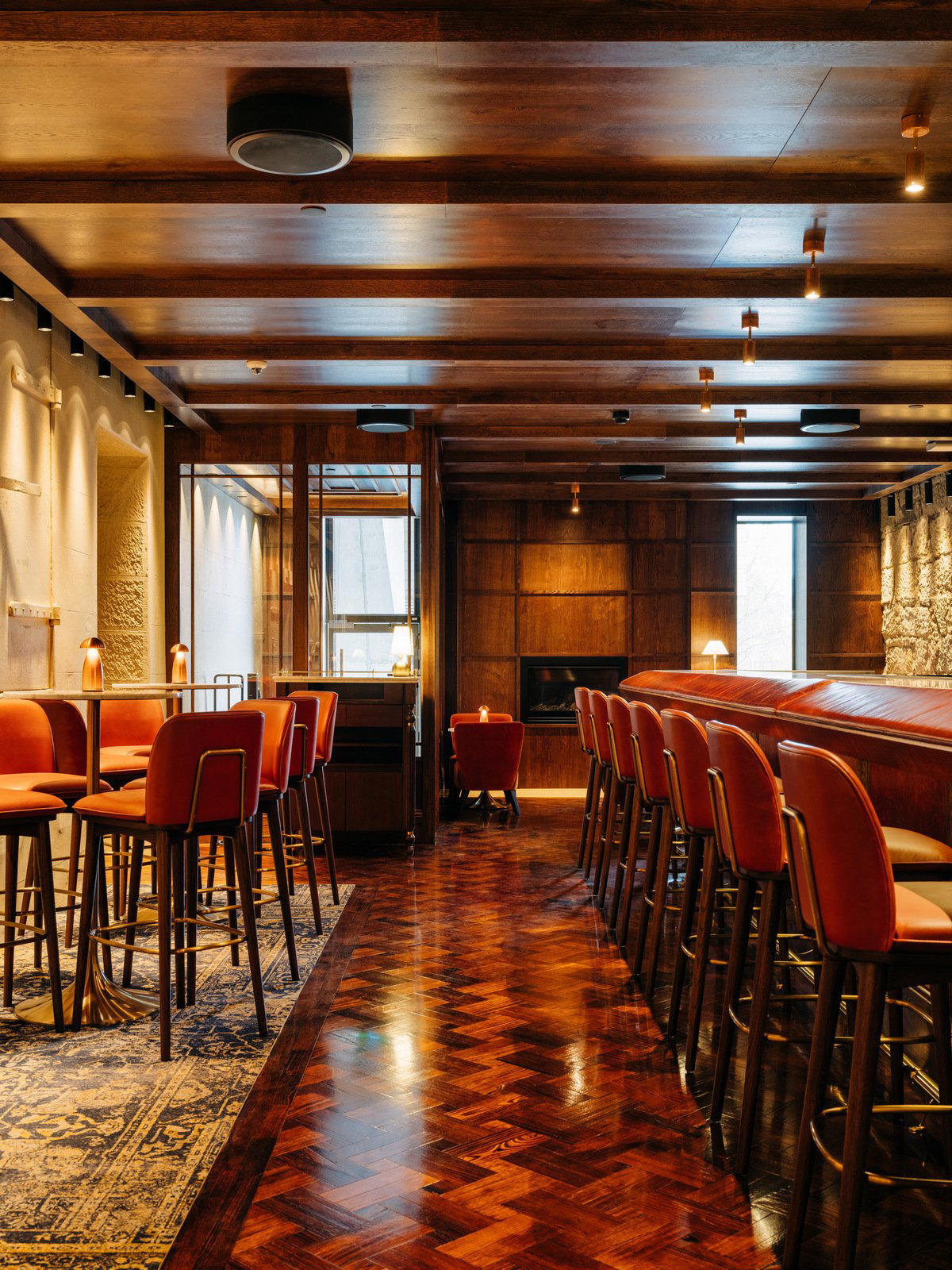
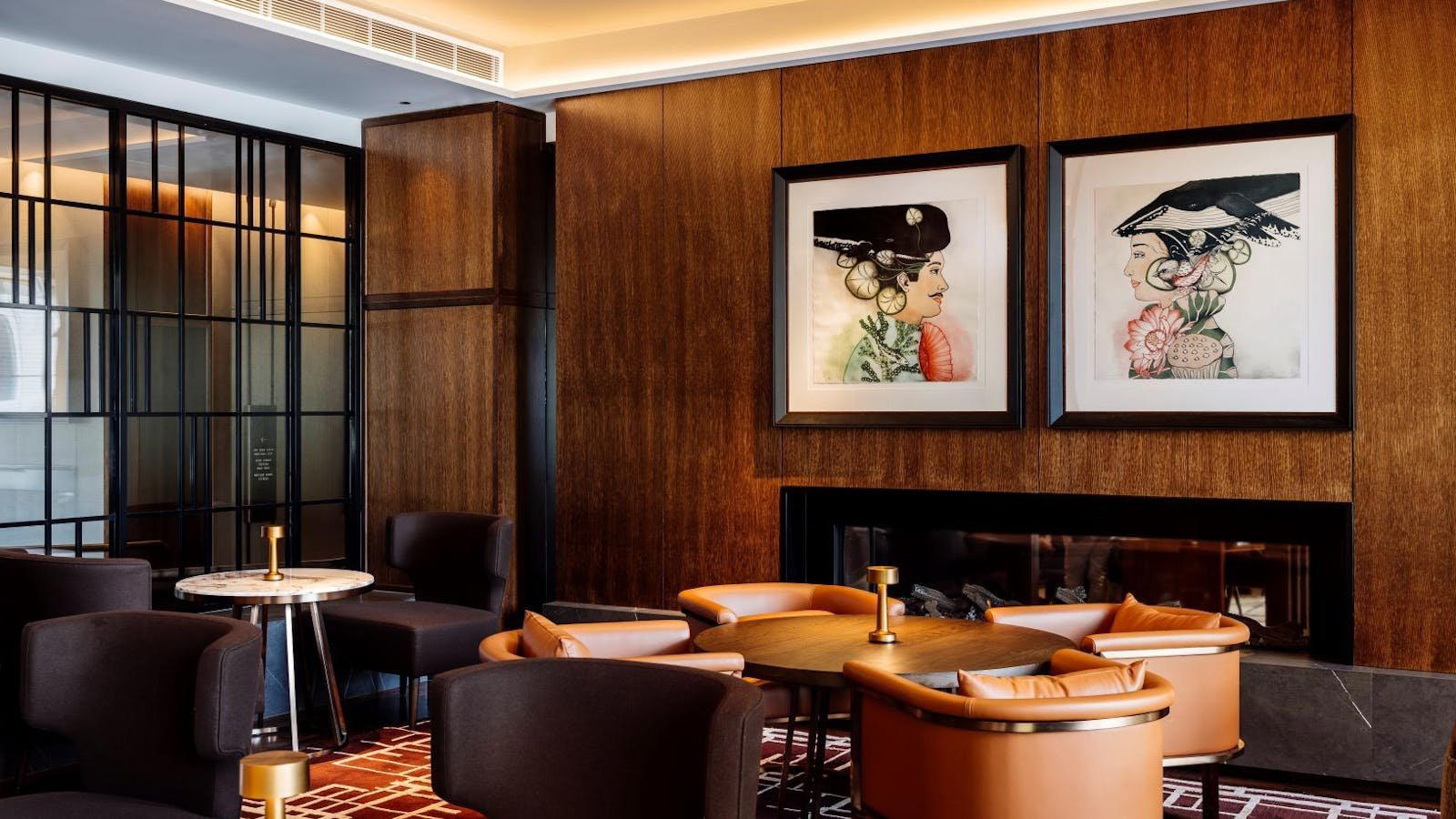
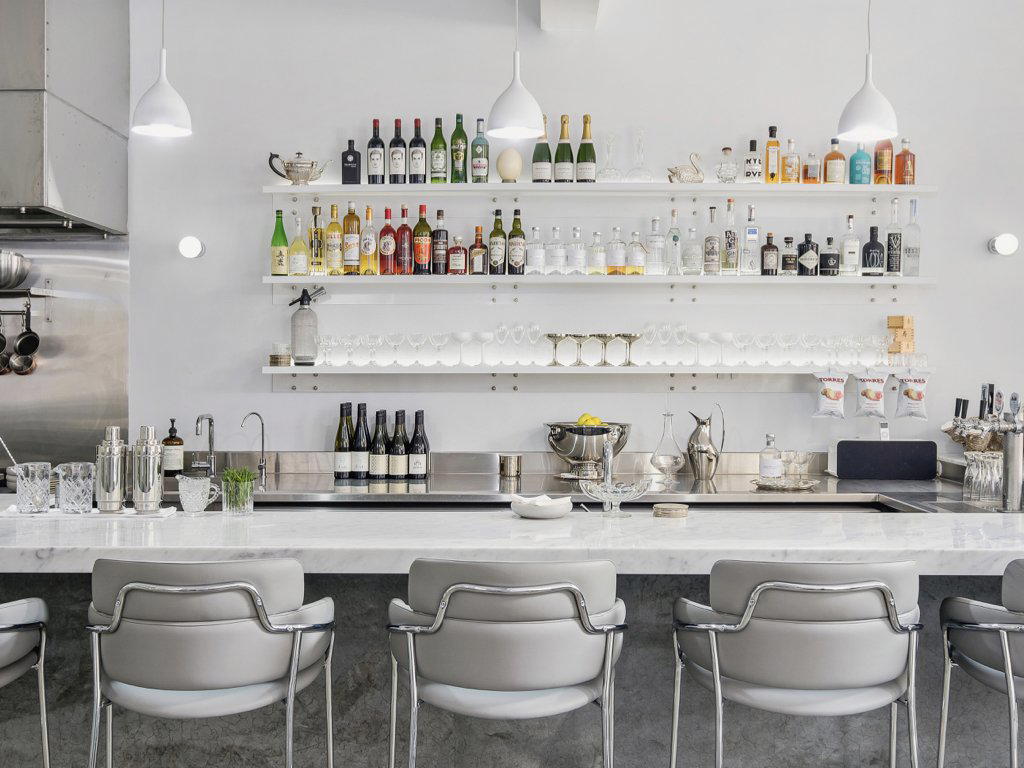
Hotels in Hobart
Browse all →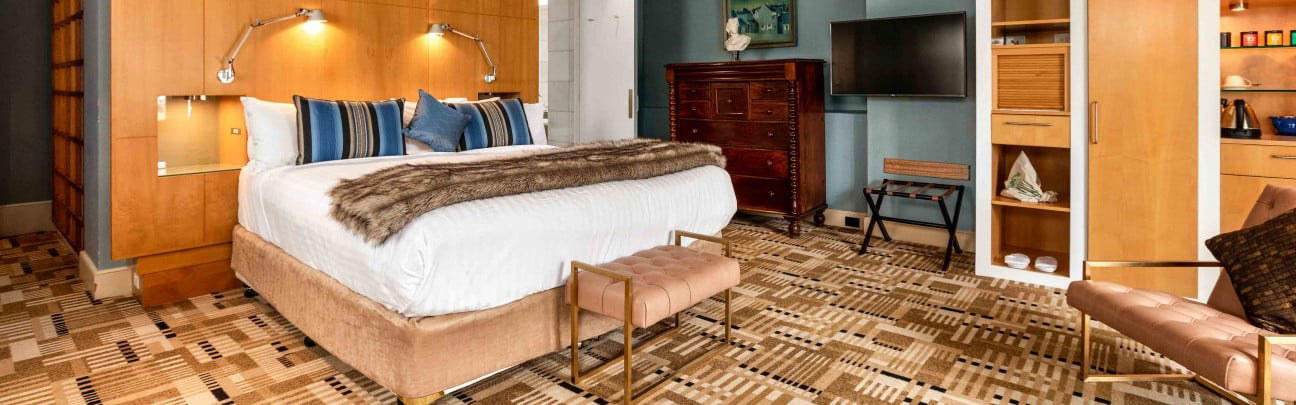

Details
- Cozy
- Quiet
- Casual Hangout
- Brunch
- Solo
- Standalone
- Extensive Wine List
- Local Sourcing
- Mountain
- Garden
- A La Carte
- Wine
- Vegetarian Friendly
- Vegan Options
- Gluten Free Options