
Falstaff Winery - Listed
Glaetzer-Dixon Family Winemakers gives Hobart wine tourism an urban counterpoint to the rural cellar door: a working winery in Glebe, set inside a converted ice factory and built around guided tastings. The focus is compact and Tasmanian in shape, with Pinot Noir, Riesling and Shiraz framed by direct access to winemaker Nick Glaetzer and a small-scale, appointment-led format.

Pearl is the En Primeur Club membership app — saves, bookings, and concierge access live there. Same editors, same standards.
- Address
- Glebe, Tasmania, Australien
- Directions
- Get directions
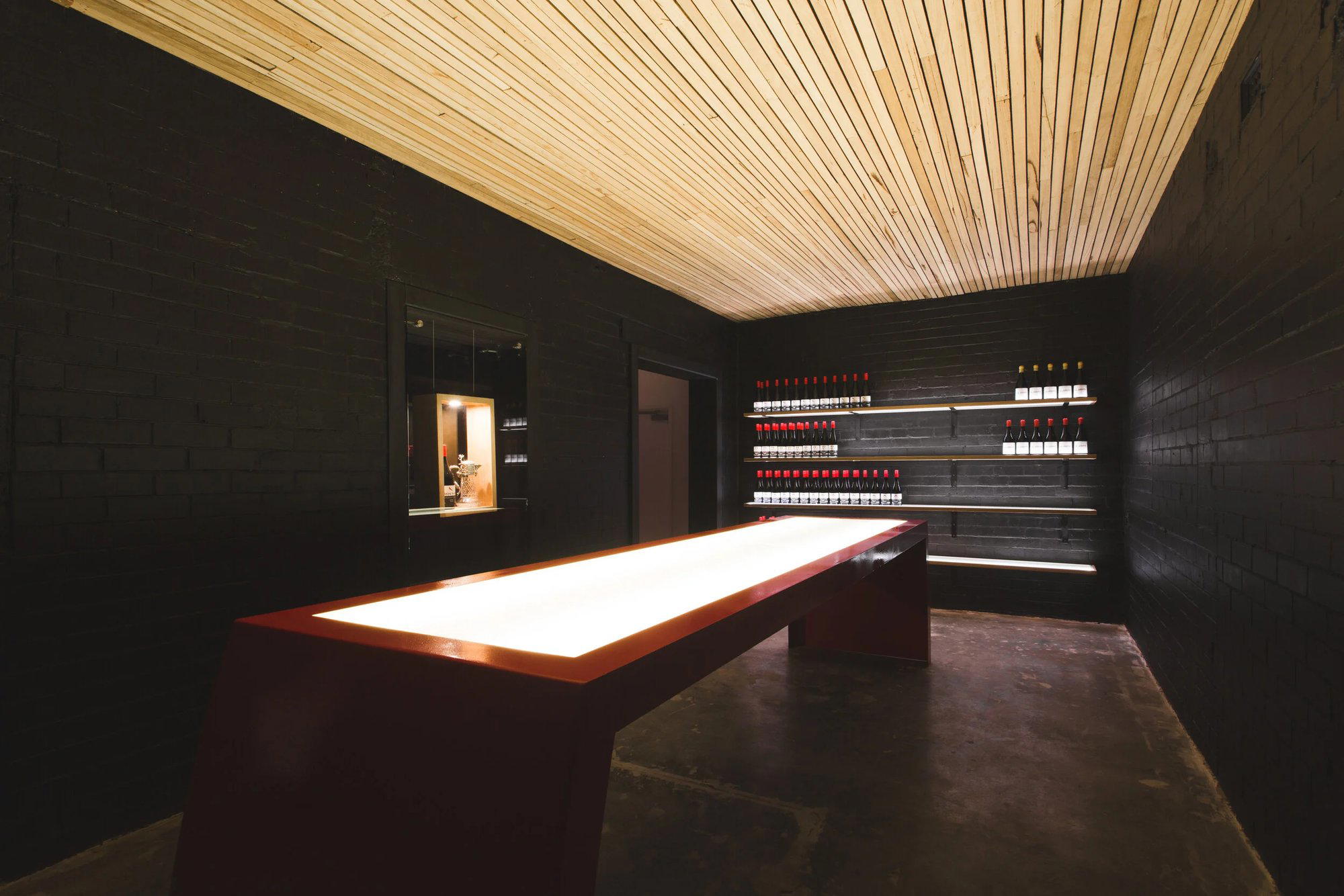
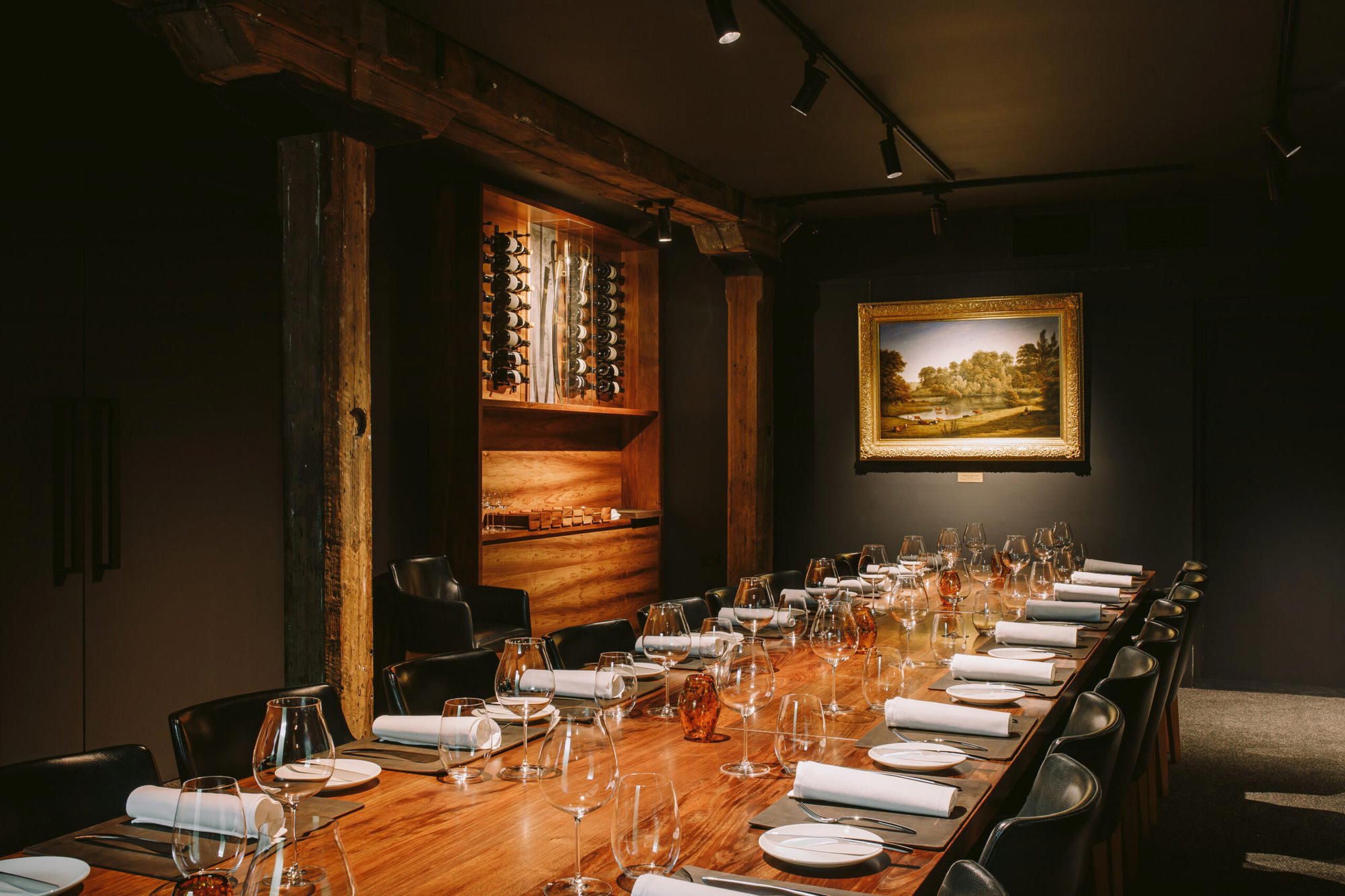
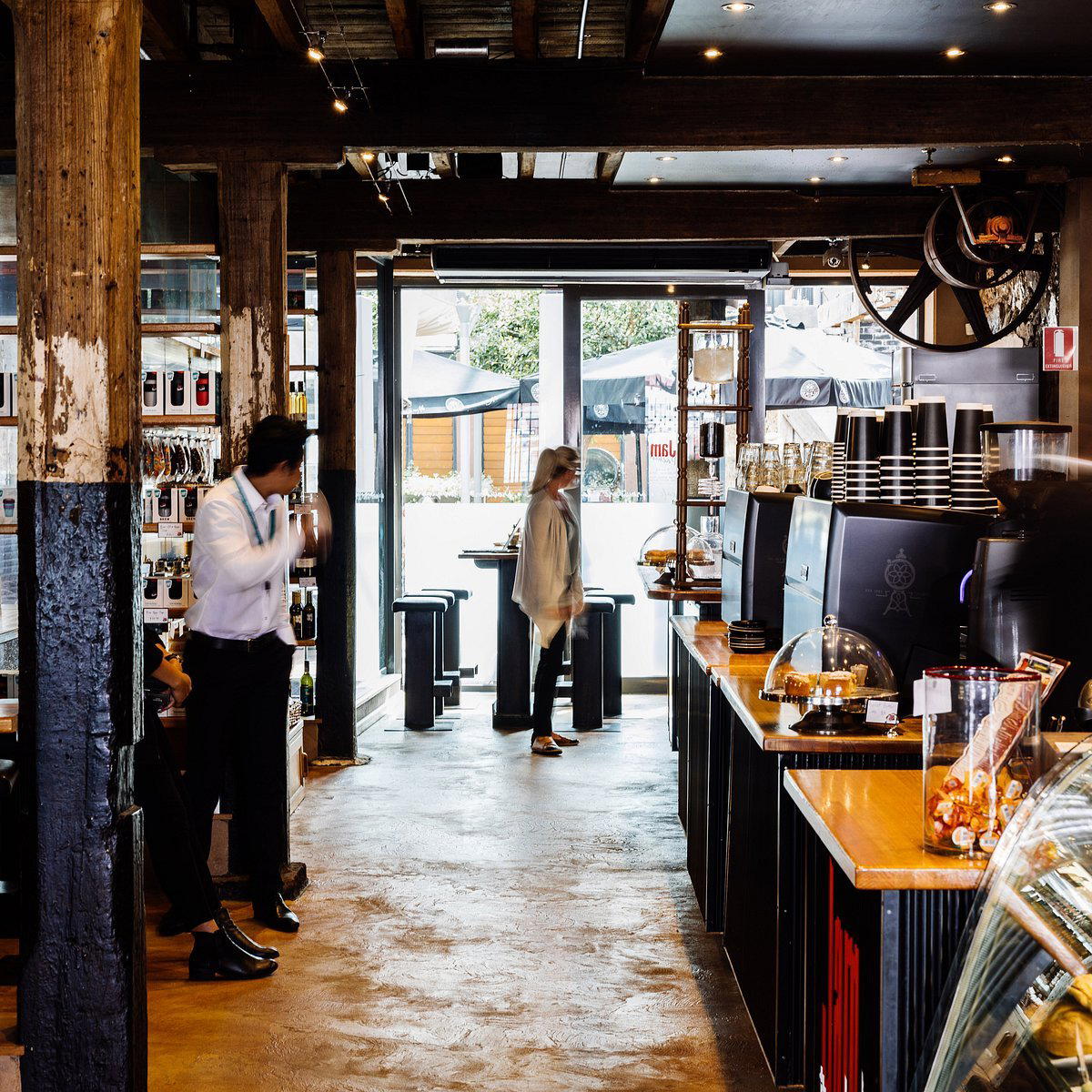
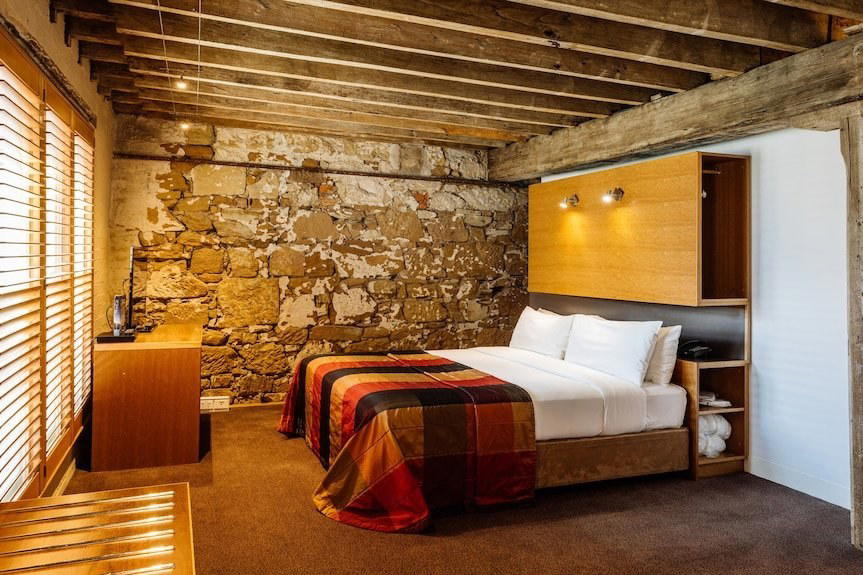
In Glebe, Glaetzer-Dixon Family Winemakers presents a different kind of winery visit. Rather than leaning on a countryside estate setting, it is an urban winery and tasting room housed in a converted old ice factory in Glebe. The appeal is the contrast: a working urban setting where the focus is on wine, conversation and the experience of being close to the winemaking process, without the usual visual cues of vineyard rows or a rural cellar door.
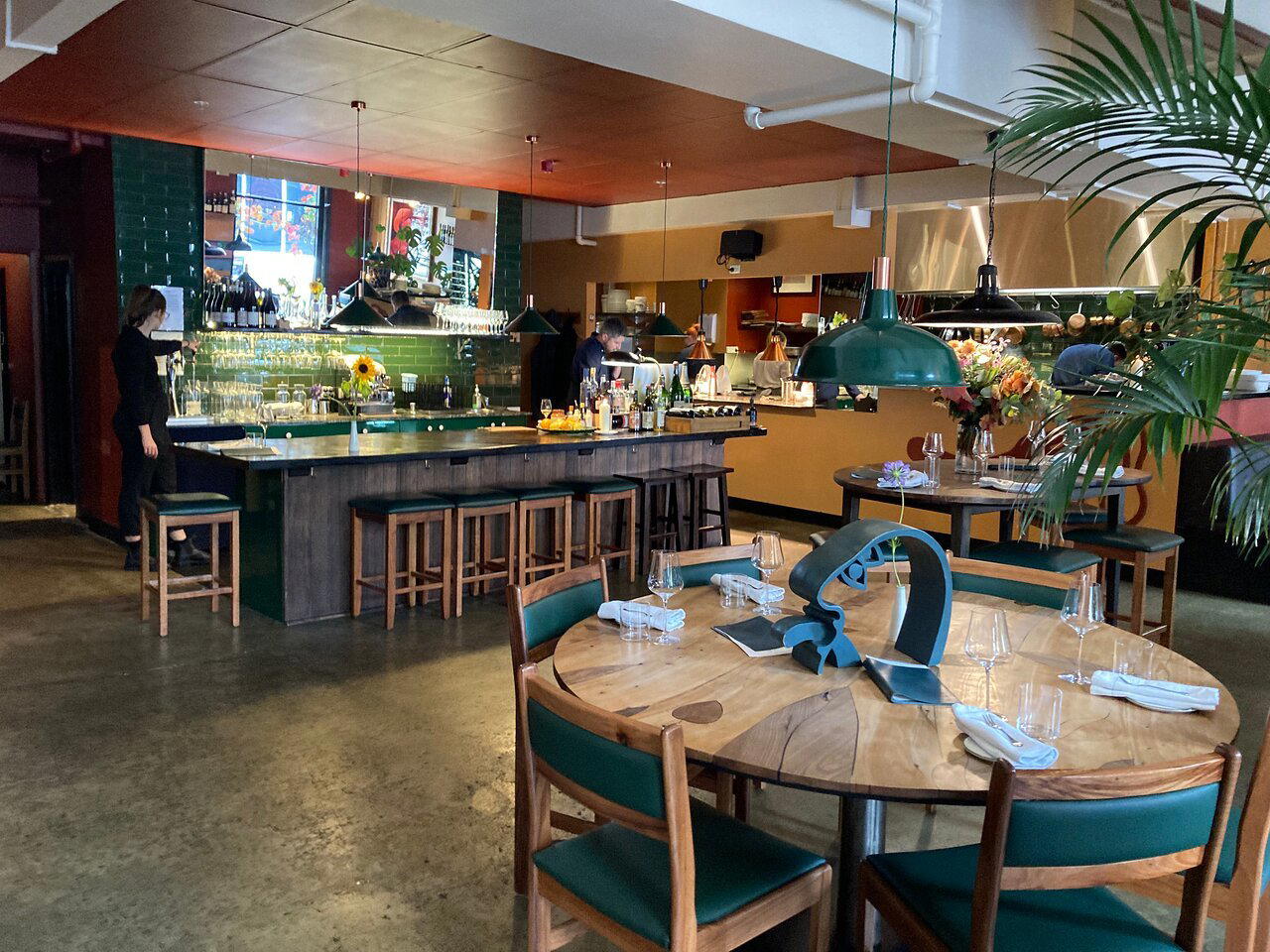
That setting shapes the visit from the beginning. The picture is not of a traditional vineyard cellar door, but of a relaxed, conversational tasting room built around guided tastings and the chance to meet the winemaker. It is a more compact and direct way to engage with the wines, where the atmosphere is defined by the room, the people and the exchange around what is being poured.
Urban winemaking turns Glebe into a working-room experience
Glaetzer-Dixon Family Winemakers is best understood as an urban winery and tasting room, not as a rural estate stop. The converted ice-factory setting gives the experience its character: practical, intimate and centred on discussion rather than scenery. For visitors, that means the room itself is part of the story, but the emphasis remains on the tasting and the people behind the wines. The industrial past of the building helps frame the visit as something hands-on and close to production, even when the experience is relaxed rather than technical.
The Glebe location also makes the experience feel integrated with an urban itinerary. Instead of planning around a long drive through vineyard country, visitors can treat it as a focused winery stop in an urban setting. That changes the rhythm of the visit: it can sit within a day built around the neighbourhood rather than requiring a separate excursion. EP Club readers planning around the area can pair this with other Glebe dining and drinking options, while checking details directly before visiting.
A focused tasting-room proposition, not a broad venue profile
The confirmed draw is the format: guided tastings in a relaxed, conversational environment, with an emphasis on meeting the winemaker. That is a more specific promise than a generic tasting counter, because it points to a visit shaped by explanation, context and direct engagement rather than simply moving through a list of pours. At the same time, it should not be stretched into unsupported claims about exact wine lists, release names, awards by year, food service, capacity or session length.
The grounded way to frame the recognition is simple: it is an award-winning urban winery in Glebe, with the tasting room experience built around guided conversation rather than a traditional venue format. That wording keeps the emphasis where it belongs, on the character of the place and the kind of encounter a visitor can reasonably expect.
For expectations, keep the focus narrow. This is a $$$ venue where the experience centres on tastings, the converted ice-factory setting and direct conversation around the wines. It is not best approached as a catch-all dining, events or cellar-door complex unless those details have been confirmed separately. Details such as walk-in policy, opening hours, exact tasting duration, group size, food availability and accessibility should be checked directly before visiting.
How to place it in a wider wine itinerary
For travellers comparing wine experiences, Glaetzer-Dixon Family Winemakers represents the city-cellar model rather than the estate-day model. Its point of difference is not a rural outlook or a restaurant-led winery lunch, but the chance to experience an urban winery and tasting room in Glebe. That makes it especially useful for visitors who want the substance of a winery visit while staying within the texture and convenience of the city.
The reason to prioritise this Glebe stop is the compression of a winery visit into a relaxed, conversational urban format: a converted old ice factory, guided tastings and the chance to meet the winemaker. For a short visit to the area, that can be a sharper and more convenient wine experience than building an itinerary around scenery alone. It is a venue to approach for its focus, its setting and its directness, with the practical details confirmed in advance so the visit matches the tasting-room experience it is built to offer.
Recognition history
Dated appearances from independent guides and award organizations, with the underlying list record or original source where available.
Falstaff Winery - Listed
Falstaff
Continue exploring
More in Glebe
Wineries in Glebe
Browse all →
Bars in Glebe
Browse all →

Restaurants in Glebe
Browse all →
Details
- Industrial
- Intimate
- Modern
- Wine Education
- Solo Exploration
- Group Outing
- Special Occasion
- Historic Building
- Private Tasting
- Design Destination
- Street Scene
- Pinot Noir
- Riesling
- Shiraz
- Still Red
- Still White
- Guided Tasting
- Appointment Only Tasting
- English
An award-winning urban winery and tasting room housed in a converted old ice factory on the edge of Hobart’s CBD, offering a relaxed, conversational atmosphere focused on guided tastings and meeting the winemaker rather than a traditional vineyard setting.