
Conejo Negro on College Street brings Caribbean cooking into dialogue with Japanese technique under chef Yuji Iwasaki, earning back-to-back Michelin Bib Gourmand recognition in 2024 and 2025. The address sits in one of Toronto's most food-dense corridors, where the $$ price point makes it one of the more accessible Michelin-recognised tables in the city.
Pearl is the En Primeur Club membership app — saves, bookings, and concierge access live there. Same editors, same standards.
- Address
- 838 College St, Toronto, ON M6H 1A2, Canada
- Phone
- +1 416-637-3868
- Website
- conejonegrotoronto.com
- Directions
- Get directions
 Saves & bookings on Pearl
College Street and the Case for Affordable Recognition
College Street between Ossington and Dufferin has long absorbed waves of immigrant cooking without ever settling into a single culinary identity. Portugese chicken houses, Salvadoran pupuserías, and Neapolitan-adjacent pizza counters share the same pavement, and the street rewards the kind of diner who shows up without a fixed idea of what dinner should look like. Conejo Negro, at 838 College St, fits that context: a restaurant serving Caribbean-Creole-Latin Fusion at a price point most Toronto residents can eat at more than once a year, drawing Michelin attention two years running.
The Michelin Bib Gourmand, awarded in both 2024 and 2025, marks tables where inspectors found quality cooking at moderate prices. Conejo Negro's back-to-back recognition places it alongside a small group of Toronto addresses where the value argument and the culinary argument reinforce each other rather than trading off. That is a less common combination than the city's dining press sometimes implies.
Where Japanese Technique Meets the Caribbean Table
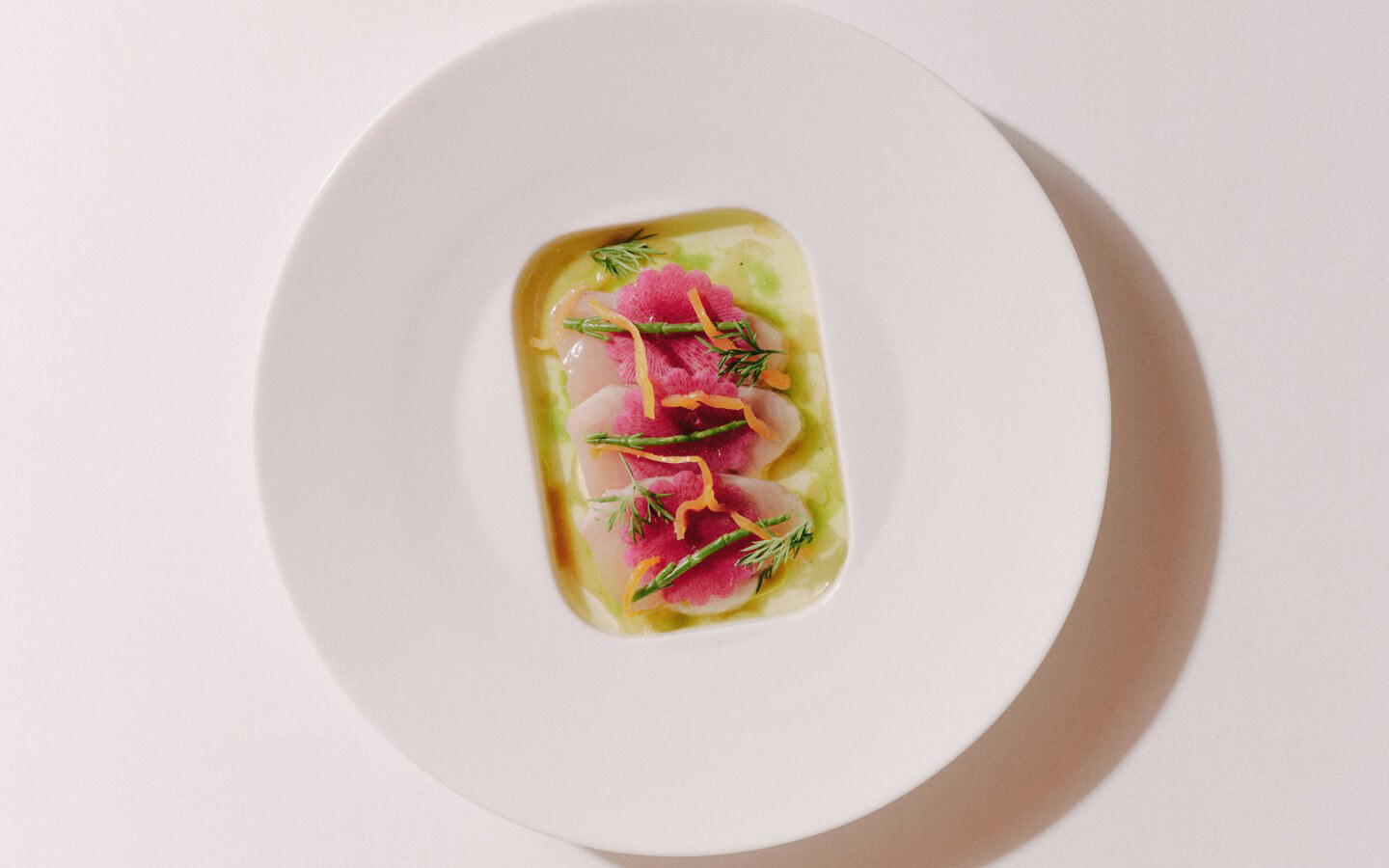
The meeting point of Caribbean cooking and Japanese method is less exotic than it might appear on paper. Both culinary traditions place significant weight on precision handling of protein, on fermentation as a flavour tool, and on the idea that restraint in preparation lets the primary ingredient speak. What changes when those two sets of habits share a kitchen is the register of the result: Caribbean seasoning, spice logic, and the structural role of acid meet Japanese knife work, textural discipline, and the kind of attention to temperature and timing that defines professional cooking in Tokyo's mid-tier restaurants.
Toronto has developed a particular aptitude for this kind of cooking: the city's demographic density means that chefs grow up eating across many cuisines before they cook professionally, and the ingredient supply chain supports it. The result is cooking that takes two serious traditions and finds where they produce something neither would arrive at alone.
Comparable intersections are appearing at different price tiers and in different culinary combinations across Canada. AnnaLena in Vancouver works at the boundary of Pacific Northwest produce and European technique. Tanière³ in Québec City applies fine-dining discipline to pre-colonial and settler ingredients. The interest in what happens when rigorous training meets a non-European culinary base is one of the more productive conversations in contemporary Canadian restaurants, and Conejo Negro is part of it at an accessible price.
The $$ Position in Toronto's Michelin Spread
Toronto's Michelin guide currently spans a wide price range, but the starred tier skews heavily toward the $$$$ bracket. Alo, at $$$$ with one star, operates in an entirely different economic register. Sushi Masaki Saito and Aburi Hana, both at $$$$ with two and one stars respectively, are omakase and kaiseki formats where the price is structural rather than optional. Even the Italian contingent, including Don Alfonso 1890 and DaNico, operates at $$$$.
Against that field, the $$ positioning at the restaurant is not a compromise signal. It is a category distinction. The Bib Gourmand exists precisely because the Michelin guide recognises that cooking at moderate prices requires a different kind of discipline, one where the margin for error on sourcing and labour is tighter, and where the value equation is harder to sustain over time. Two consecutive years of recognition suggests the kitchen is managing that discipline consistently.5 across 762 reviews supports the same reading.
Caribbean Cooking in Toronto's Broader Frame
Caribbean food in Toronto has historically been concentrated in communities rather than in the kind of restaurants that draw Michelin attention, and that gap reflects long-standing structural biases in how culinary prestige gets assigned in North American cities. The Bib Gourmand recognition at the restaurant is part of a broader shift, gradual and incomplete, in which guides and critics are finding and rewarding serious cooking in cuisines that were previously underrepresented in the formal recognition system.
For context on how Caribbean cooking operates elsewhere at the recognition tier, Cane in Washington, D.C. and The Lone Star in Mount Standfast represent different points on the same spectrum, from a capital-city restaurant pulling Caribbean flavour through a fine-dining lens to a source-country address working from the tradition itself. The restaurant sits in a third position: a diaspora kitchen in a multicultural city, inflected by Japanese training, recognised for quality without being repositioned upmarket.
Other Bib Gourmand-level addresses around Canada include Narval in Rimouski and Jérôme Ferrer - Europea in Montréal, both working distinct regional angles. Outside the urban recognition circuit, Restaurant Pearl Morissette in Lincoln and The Pine in Creemore show that serious cooking in Ontario is not confined to the 416 area code.
Planning Your Visit
The restaurant is at 838 College St, accessible by the College streetcar and a short walk from Ossington. The $$ pricing means a full meal for two, including drinks, is unlikely to exceed what the neighbourhood's higher-end pizzerias charge. Reservations are recommended.
What Regulars Order
What do regulars order at Conejo Negro?
What the combination of Caribbean cuisine, Japanese technique, and a moderate price point suggests is a menu built around protein-forward plates where seasoning and texture are the primary variables, with acid and fermentation playing structural roles rather than decorative ones. Regulars at Michelin Bib Gourmand addresses in this price tier typically orient toward the kitchen's least compromised dishes, which at a Caribbean-Japanese table are likely to be wherever the two traditions overlap most naturally. Asking the room what the table next to you ordered is, in any case, a more reliable guide than a printed recommendation. For confirmed menu intelligence, the restaurant's own channels are the authoritative source.
Reputation Context
Comparable venues nearby, for context on price, style, and recognition.
| Venue | Cuisine | Price | Awards | Notes |
|---|---|---|---|---|
| Conejo NegroThis venue — the venue you are viewing | Caribbean-Creole-Latin Fusion | $$ | Bib Gourmand | Not listed |
| Azura | Dining | Not listed | Michelin Plate | Playter Estates |
| Indian Street Food Company | Indian Street Food | $$ | Bib Gourmand | Leaside |
| The Ace | American Gastropub | $$ | Bib Gourmand | North Parkdale |
| Maha's | Authentic Egyptian Brunch | $$ | Michelin Plate | Leslieville |
| Bar Isabel | Dining | Not listed | Michelin Plate | Little Italy |
Recognition history
Dated appearances from independent guides and award organizations, with the underlying list record or original source where available.
Michelin Bib Gourmand
Michelin
Michelin Bib Gourmand
Michelin
Continue exploring
More in Toronto
Restaurants in Toronto
Browse all →

Bars in Toronto
Browse all →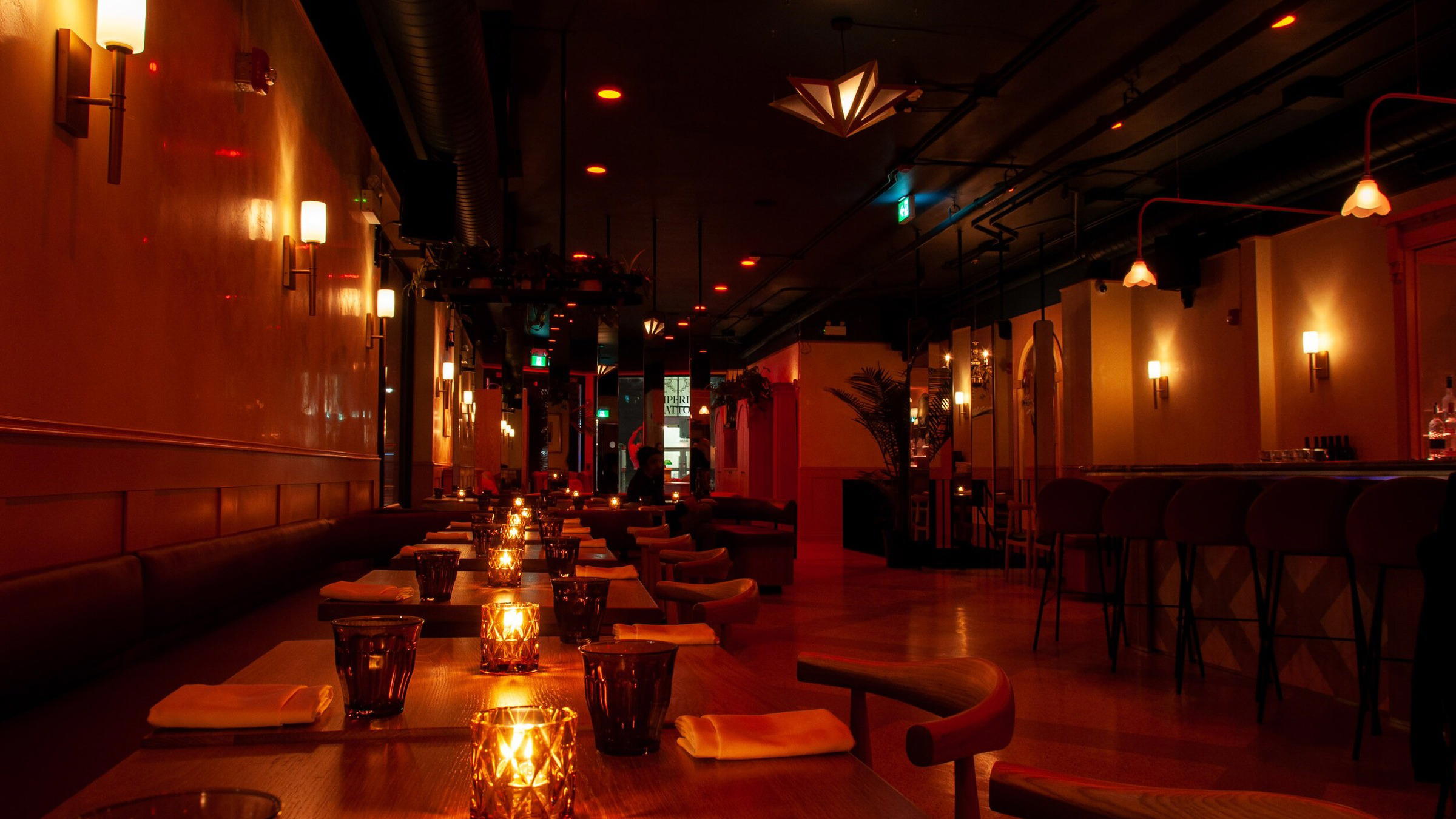

Hotels in Toronto
Browse all →


At a Glance
- Cozy
- Trendy
- Intimate
- Lively
- Date Night
- Group Dining
- Casual Hangout
- Open Kitchen
- Craft Cocktails
Current opening hours
- Monday
- Closed
- Tuesday
- 5–10 PM
- Wednesday
- 5–10 PM
- Thursday
- 5–10 PM
- Friday
- 5–11 PM
- Saturday
- 5–11 PM
- Sunday
- 5–9 PM
Hours can change for holidays and private events. Last verified .
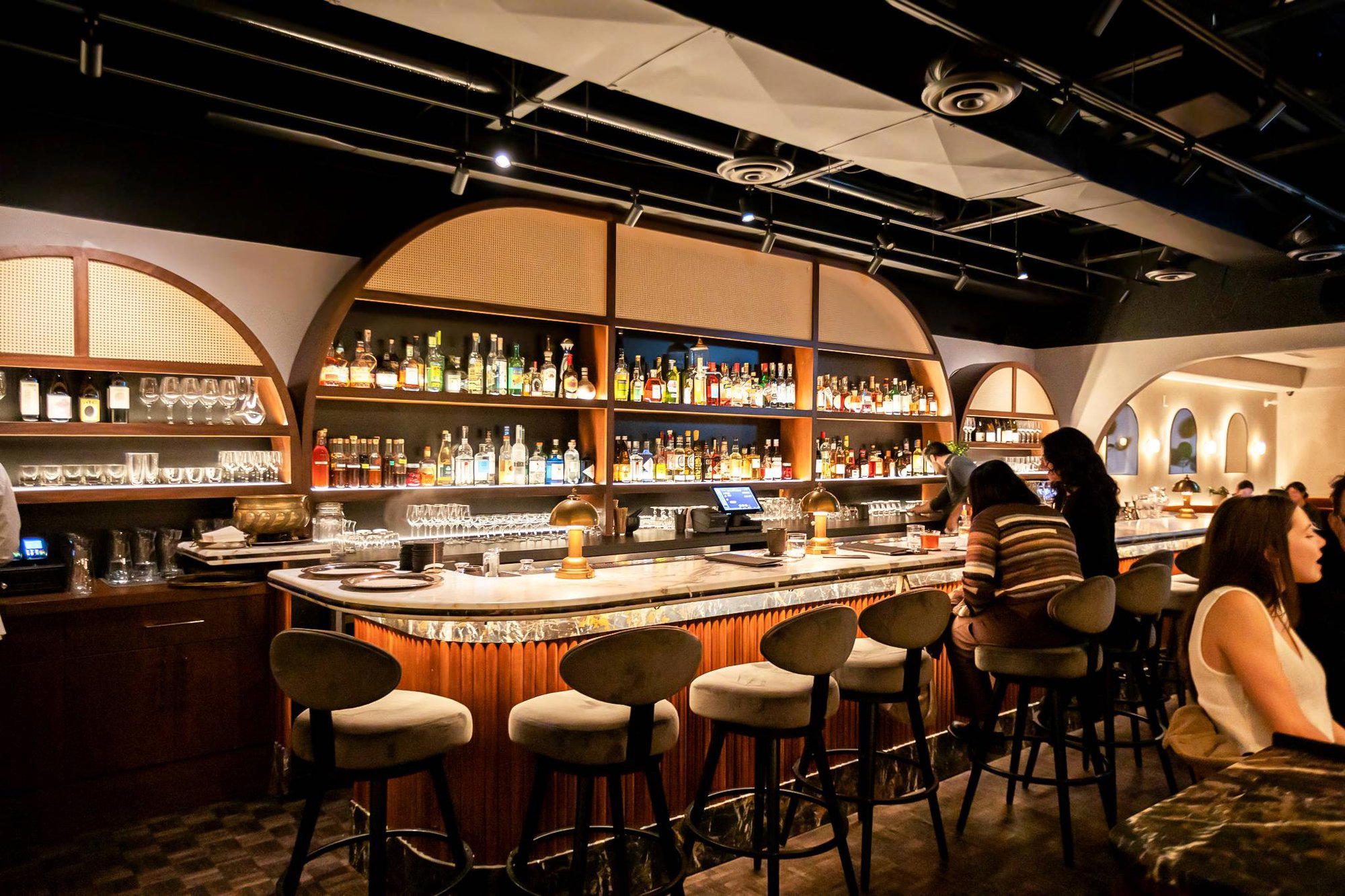
Intimate wood-paneled space with flickering candlelight, warm lighting on the breezy backyard patio, and an electric yet refined energy.