Comrade
Our verdict
Comrade sits in Santa Fe, Mexico City's corporate-heavy western district, occupying a position that distinguishes it from the Roma-Condesa axis where most of the capital's celebrated dining clusters. Without the awards footprint of Pujol or Quintonil, it operates in a different register, one worth understanding before you book.

The menu
What to order
- Duck carnitas
- Foie-rib-eye tacos
- Peruvian ceviche
Santa Fe and the Question of Where Mexico City Actually Eats
Mexico City's most-discussed restaurant corridor runs through Roma Norte, Condesa, and Polanco. That geography matters because it shapes which venues accumulate press, which chefs build public profiles, and which rooms fill with visiting food editors. Santa Fe, the business-district expansion that sprawls along the city's western edge, sits outside that circuit almost entirely. It is a place of office towers, mall infrastructure, and corporate dining, which makes any restaurant trying to do something different there an inherently different proposition than its Roma or Polanco counterparts.
Comrade occupies that position. Address: Antonio Dovali Jaime 74, in the Zedec Santa Fe cluster of Álvaro Obregón. The area is about as far from the neighbourhood texture of Rosetta in Roma or Quintonil in Polanco as the city allows while still being Mexico City. What that means for the experience is something any visitor should reckon with before making the trip.
What It Means to Dine in Santa Fe
Santa Fe was developed in the 1990s as a planned business district intended to anchor the city's western growth. It does not have the street life or residential density that gives Condesa or Roma their dining energy, the sense that a restaurant is embedded in a living neighbourhood rather than positioned within a commercial zone. Dining here tends to serve a corporate clientele on weekday lunches and a weekend crowd drawn from the surrounding residential towers rather than from across the city.
That context shapes expectations. A venue in this part of the city is not competing in the same social register as Pujol or Em. It is not feeding off the ambient cultural energy of a market street or a tree-lined colonía. The draw, if it exists, has to come from within the room itself, from the food, the service dynamic, or the specific value it offers to the people who work and live nearby.
Mexico City's dining scene has expanded significantly in the last decade, with serious kitchens appearing across more districts than the traditional poles. Sud 777, for example, operates in Pedregal, another southern district outside the standard circuit, and has built sustained recognition on the strength of its cooking rather than its postcode. The question worth asking about any Santa Fe restaurant is whether it follows a similar trajectory or whether it remains primarily a convenience for the surrounding office district.
The Broader Mexican Restaurant Conversation
Mexico's restaurant culture has undergone a genuine reappraisal over the past fifteen years. Where the country's fine dining once tracked European models closely, French technique, imported references, continental formats, the current generation of celebrated rooms has pushed toward Mexican ingredients, regional techniques, and local sourcing as primary values rather than decorative gestures. That shift is most visible in Mexico City, but it has spread across the country: you see it at Levadura de Olla in Oaxaca, at KOLI Cocina de Origen in Monterrey, and at Animalón in Valle de Guadalupe, where the wine region and the cooking speak the same local language.
That context matters for reading any Mexico City restaurant in 2024. The standard against which a room is now judged is no longer purely technical, it also involves how credibly it engages with Mexican culinary tradition, whether through ingredients, sourcing relationships, or the intellectual framework behind the menu. Venues that read as internationally generic face a harder critical reception than they would have a decade ago, regardless of execution quality.
Across Mexico's premium dining tier, several other addresses illustrate the range of approaches. Le Chique in Puerto Morelos and HA' in Playa del Carmen demonstrate how tasting-menu formats have migrated into resort-adjacent settings without necessarily losing ambition. Arca in Tulum and Alcalde in Guadalajara show how regional identity can anchor a serious dining program in cities outside the capital. Pangea in San Pedro Garza García and Olivea in Ensenada represent the northern axis of that same conversation.
Where Comrade sits within this broader picture is, at present, difficult to assess with confidence. The venue's public data footprint, awards, press recognition, documented culinary position, is sparse in a way that places it outside the tier occupied by rooms with active critical profiles.
Planning a Visit to Santa Fe
Getting to Santa Fe from the city's central colonías requires either a taxi or ride-share (the journey from Roma or Condesa typically runs thirty to forty minutes depending on traffic, and the Periférico can extend that considerably during peak hours) or use of the Metrobús Line 1, which connects with the western districts. The area lacks the walkability of central Mexico City; arriving and departing by car or app-based transport is the practical approach for most visitors.
For those whose schedule or accommodation places them in or near Santa Fe, and the district does contain several business hotels that house a substantial portion of the city's corporate travel market, having a local dining option that operates at a different register than a hotel restaurant or mall food court has real value. That locational utility is distinct from destination dining, and it is the honest frame for thinking about Comrade without more detailed knowledge of its current kitchen and format.
Visitors building a focused Mexico City dining itinerary around the city's most documented restaurants will find more information, and more critical confidence, in the venues covered in our full Mexico City restaurants guide. For international comparison, the kind of technically precise, heavily credentialed cooking that draws global visitors to a single address, rooms like Le Bernardin in New York or Lazy Bear in San Francisco set a useful benchmark for what that level of documentation and recognition actually looks like. Lunario in El Porvenir offers another data point on how wine-driven destination dining builds its case beyond the capital.
Frequently asked questions
Is Comrade a family-friendly restaurant?
Comrade is located in Santa Fe, Mexico City's planned corporate district on Antonio Dovali Jaime 74, a neighbourhood oriented around business dining and professional clientele rather than casual family outings.
What kind of setting is Comrade?
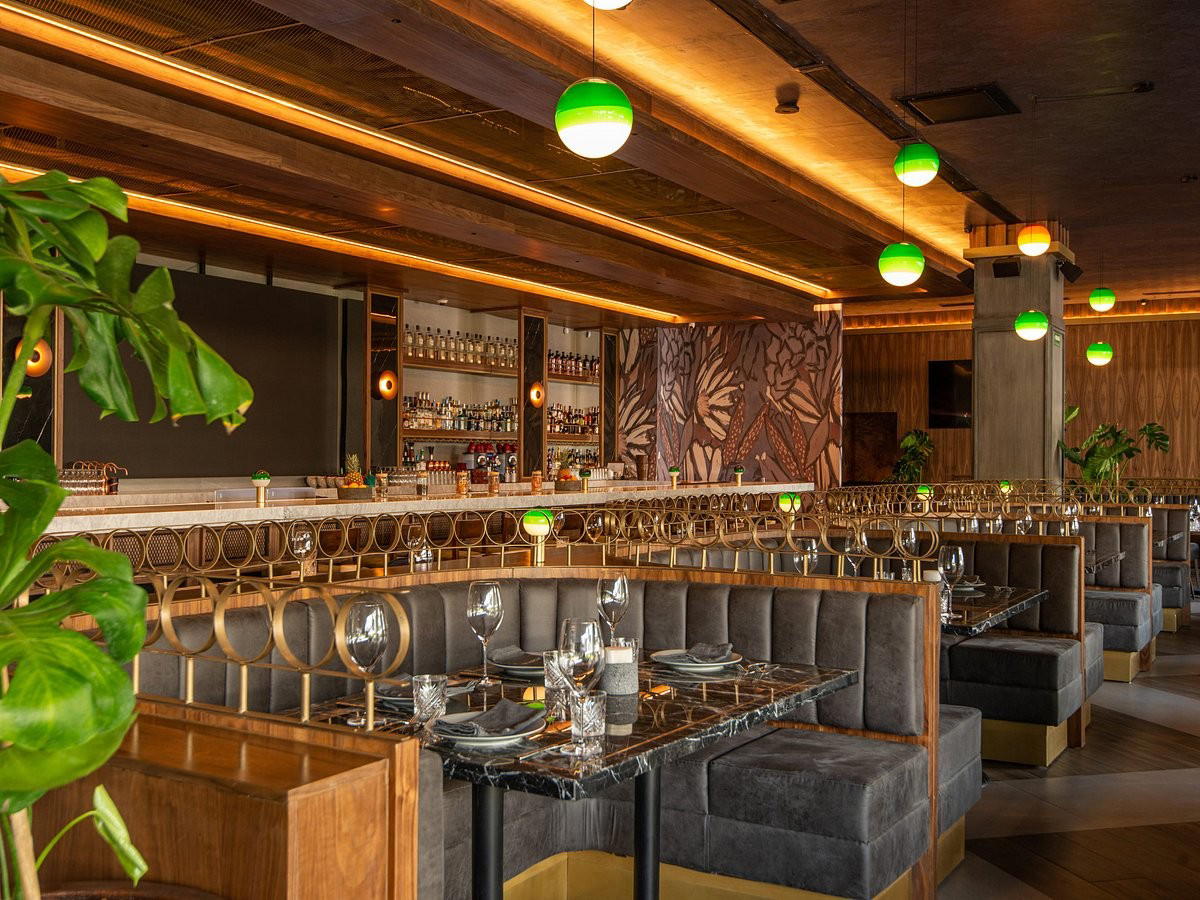
Comrade sits in Santa Fe, a 1990s-era planned business district in the Álvaro Obregón borough of Mexico City, far removed from the street-level energy of Roma or Condesa. The neighbourhood context points toward a dining room built for the corporate and professional crowd that works in the area, though the specific interior format has not been publicly documented.
Is Comrade worth the trip from central Mexico City to Santa Fe?
Getting to Santa Fe from Roma or Condesa typically takes thirty to forty-five minutes by taxi or ride-share, depending on traffic on the Periférico. That travel time is the real variable to weigh: Santa Fe lacks the walkable dining density of Polanco or Roma Norte, so Comrade would function as a destination in itself rather than one stop on a broader evening. Confirming hours and reservation availability before making the journey is advisable.
What's the signature dish at Comrade?
Mexico City's restaurant conversation has shifted significantly toward technique-forward Mexican cooking over the past fifteen years, but attributing any specific dish to Comrade without documentation would be speculative.
Compact Comparison
| Venue | Cuisine | Price | Awards | Notes |
|---|---|---|---|---|
| ComradeThis venue (the venue you are viewing) | Sophisticated Gastropub | Not listed | Not listed | Not listed |
| Pujol | Modern Mexican Fine Dining | $200–300 | 2 Michelin Stars · World's 50 Best #60 | Mexican |
| Quintonil | Modern Mexican Fine Dining | $300–500 | 2 Michelin Stars · World's 50 Best #7 | Modern Mexican, Contemporary |
| Rosetta | Mexican-Italian Fusion Fine Dining | $30–50 | 1 Michelin Star · World's 50 Best #96 | Italian, Creative |
| Em | Modern Japanese-Mexican Fusion | $200–300 | 1 Michelin Star · World's 50 Best #71 | Mexican |
| Comedor Jacinta | Traditional Mexican | Not listed | Michelin Bib Gourmand | Mexico, Mexican |
Continue exploring
More in Mexico City
Restaurants in Mexico City
All restaurants in Mexico City →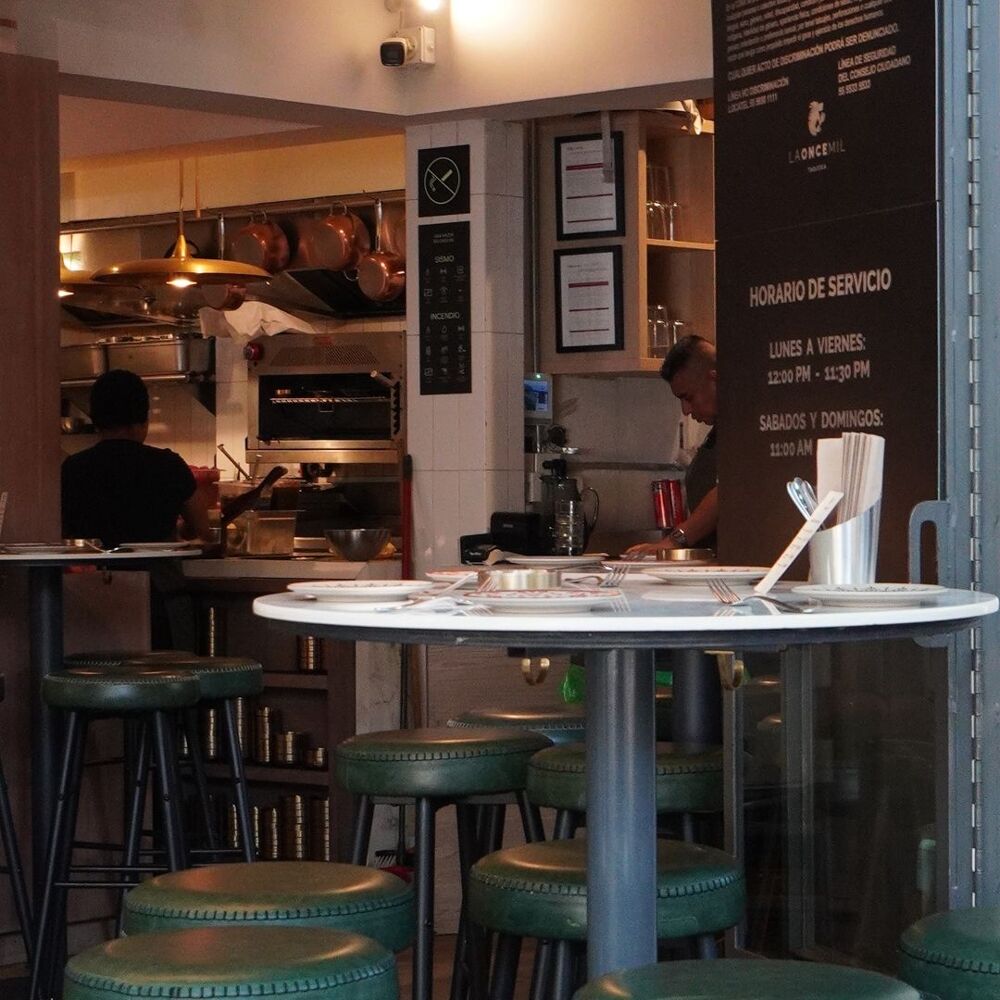
Bars in Mexico City
All bars in Mexico City →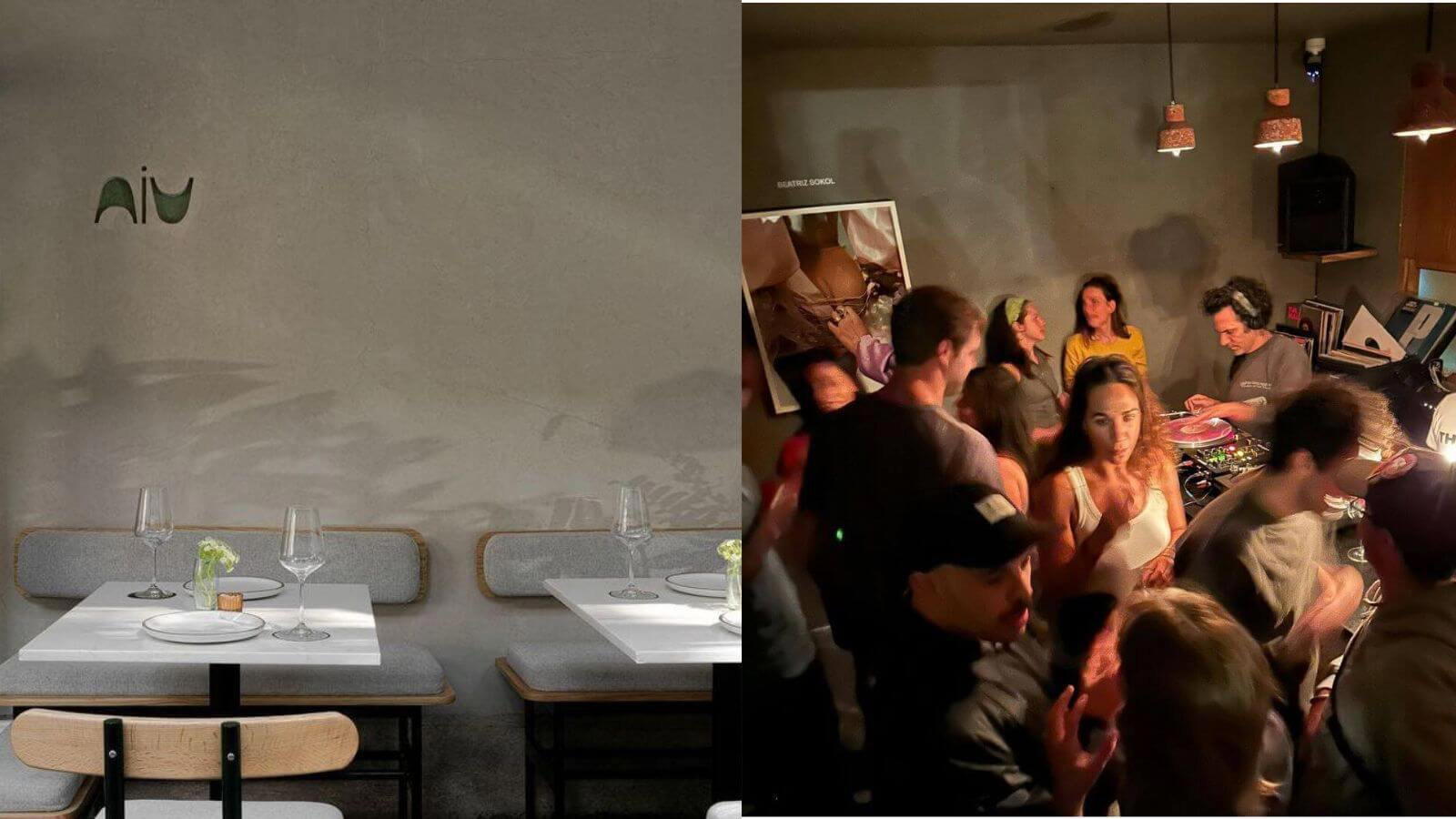

Details
- Lively
- Trendy
- Elegant
- Sophisticated
- Date Night
- Group Dining
- Casual Hangout
- Open Kitchen
- Craft Cocktails
- A La Carte
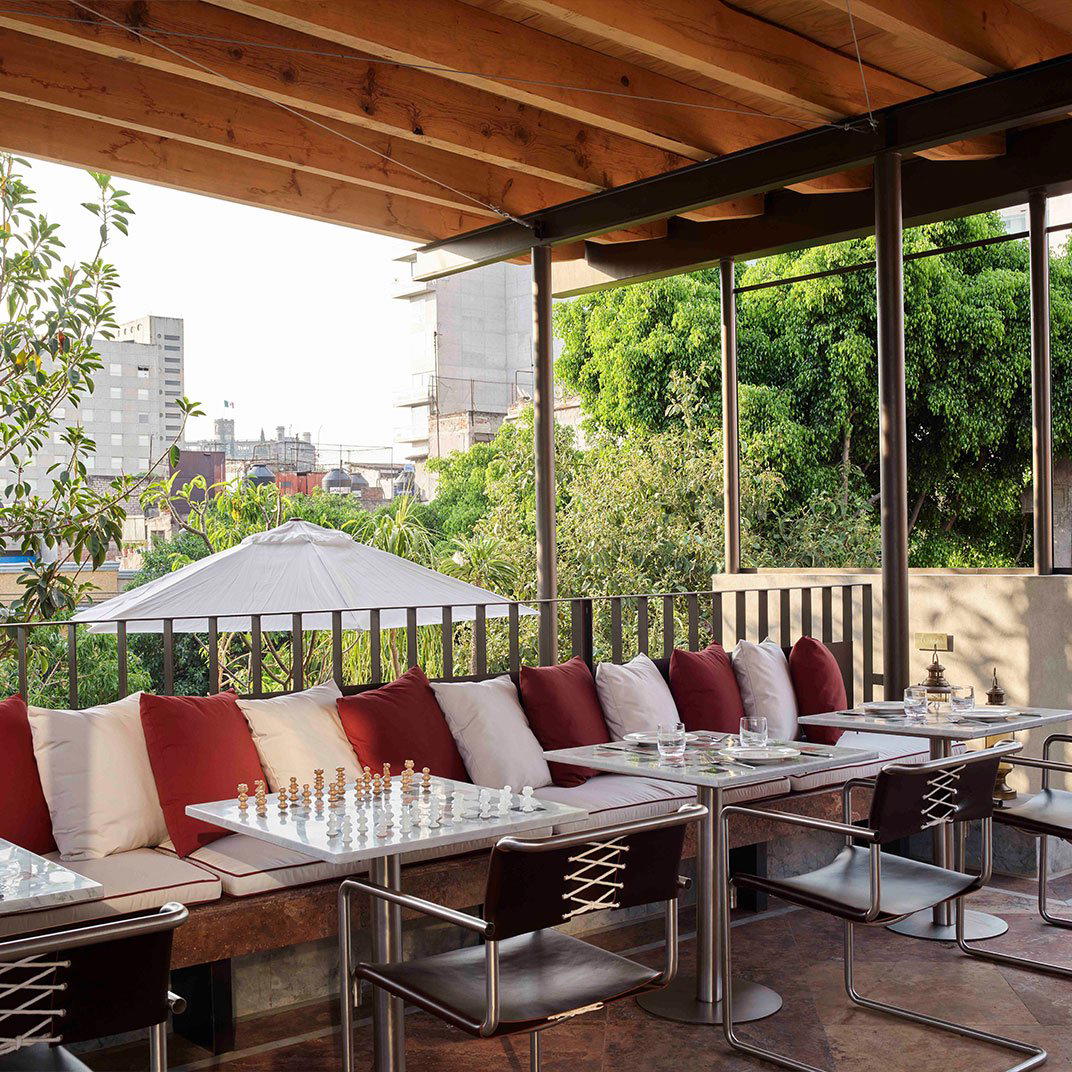
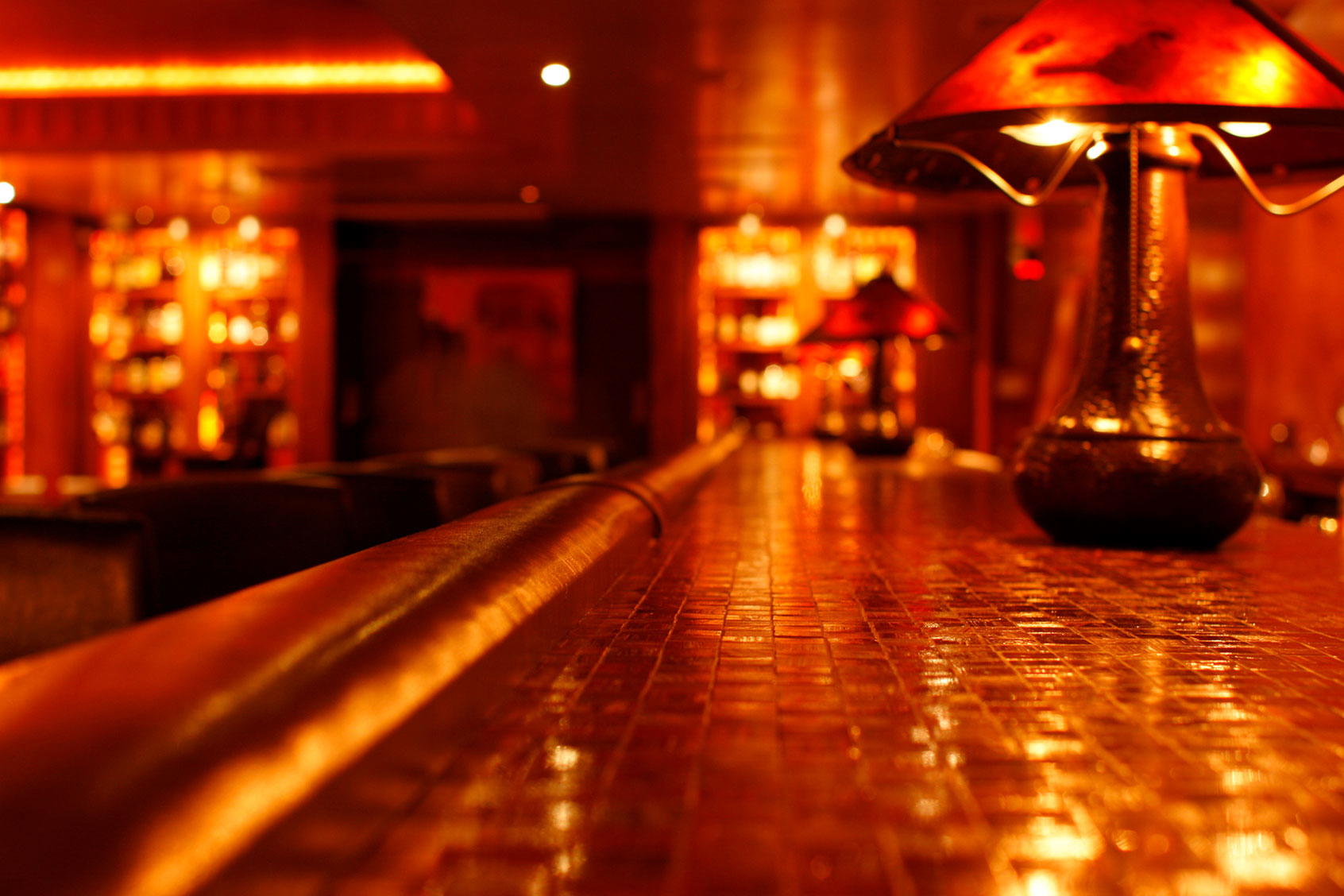
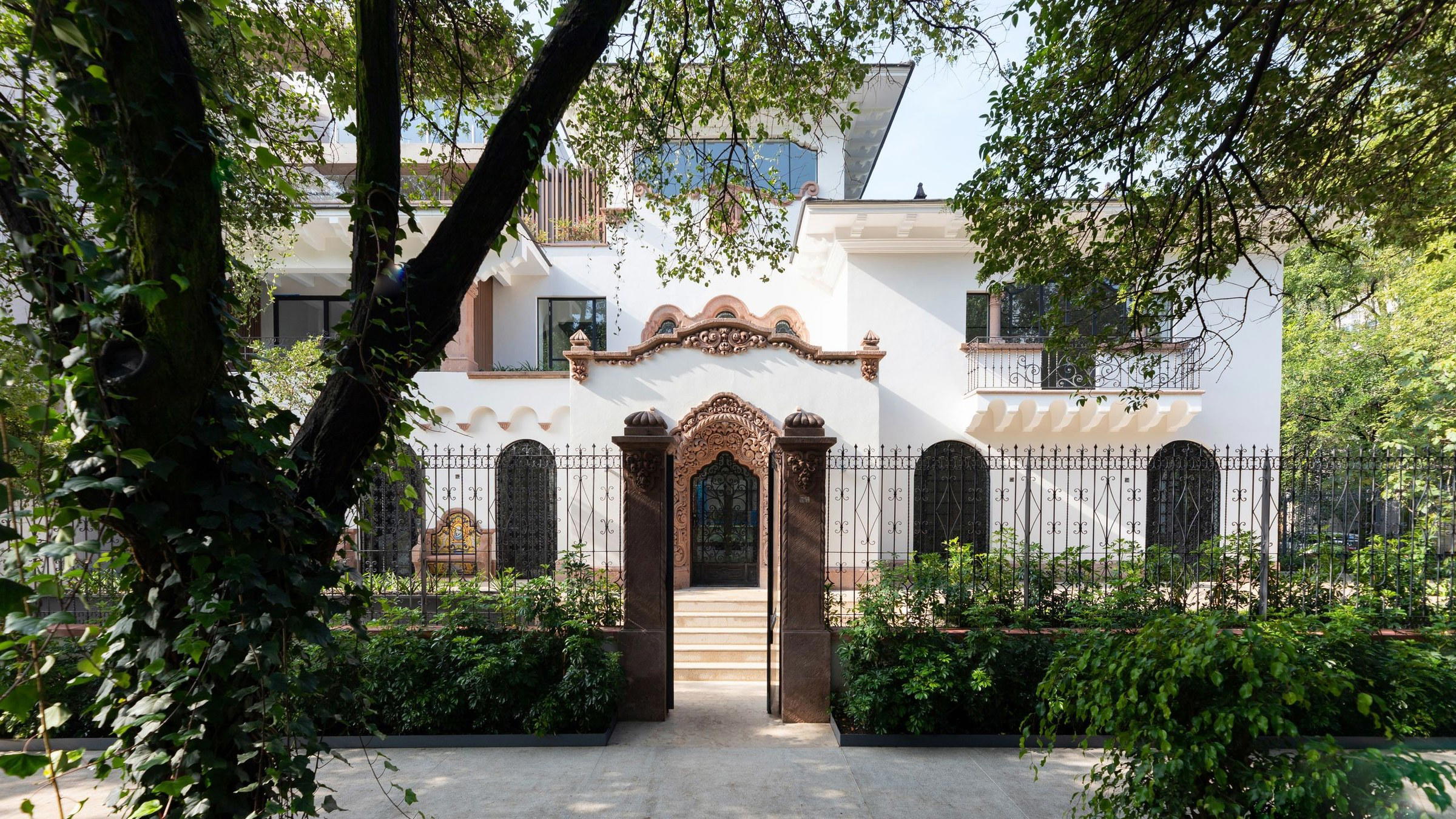
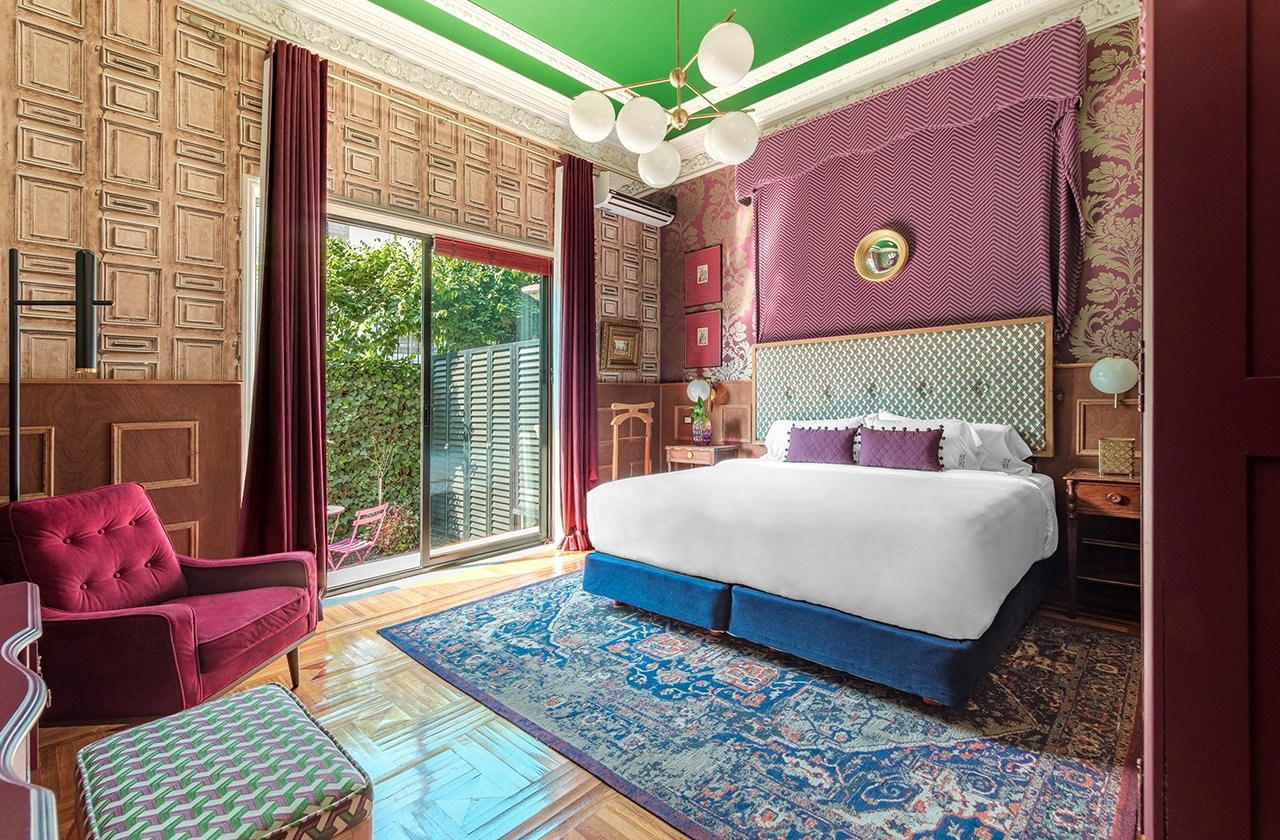
Vivid, entertaining, and trendy ambiance with house music, sharp-attired staff, and a chic patio setting that turns lively later in the evening.