Compagnia della Pizza
Our verdict
Pizza in a Port Town: What Giulianova Asks of Its Kitchens Via Trieste runs close to the older, lower part of Giulianova, the marina district where the Adriatic sets the terms for most things edible. The street-level rhythm here is practical...

Pearl is the En Primeur Club membership app, where members save venues, book tables and use the concierge.
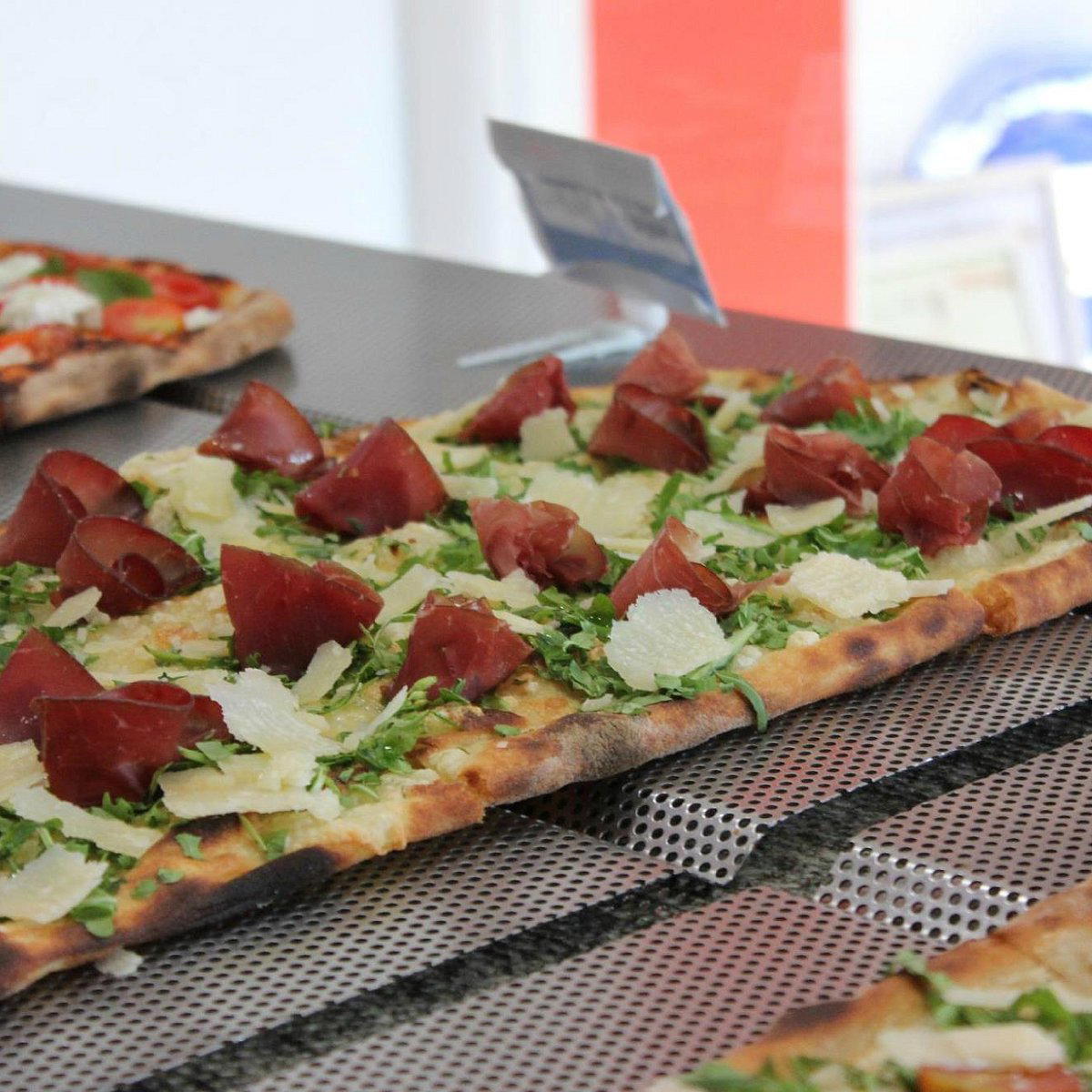
Pizza in a Port Town: What Giulianova Asks of Its Kitchens
Via Trieste runs close to the older, lower part of Giulianova, the marina district where the Adriatic sets the terms for most things edible. The street-level rhythm here is practical: fishmongers, small trattorie, places built around a specific thing done without ceremony. Compagnia della Pizza occupies that register. The room, on a working commercial strip at number 181, signals no ambition beyond the thing it makes. That restraint is worth taking seriously in a town where the ingredient supply chain, between sea, market garden, and Apennine foothills, is as good as almost anywhere on the central Italian coast.
What Pizza Means on the Adriatic
Italy's pizza conversation is usually steered by Naples and its DOP-certified orthodoxies, or by Rome's thin, cracker-like variants. The Adriatic coast operates in a quieter register. Abruzzo's pizza culture is not codified in the same way, which creates room for local sourcing decisions to carry more weight than adherence to a canonical style. Flour, fats, and fermentation times here are shaped by what the area produces rather than what a disciplinary body mandates. In that context, a pizzeria's relationship with its suppliers matters more than its stylistic allegiances. Where the tomatoes come from, how far the fior di latte travels, whether the cured meats are Abruzzese: these questions determine quality more than any particular dough technique.
This is the frame through which Compagnia della Pizza is most usefully read. The name itself, which translates loosely as a fellowship or company gathered around pizza, implies a social and communal orientation, the pizza as gathering point rather than performance. That framing aligns with how Giulianova's more grounded dining spots operate, building repeat local trade on consistency and sourcing rather than novelty.
Giulianova's Food Geography and Why It Matters Here
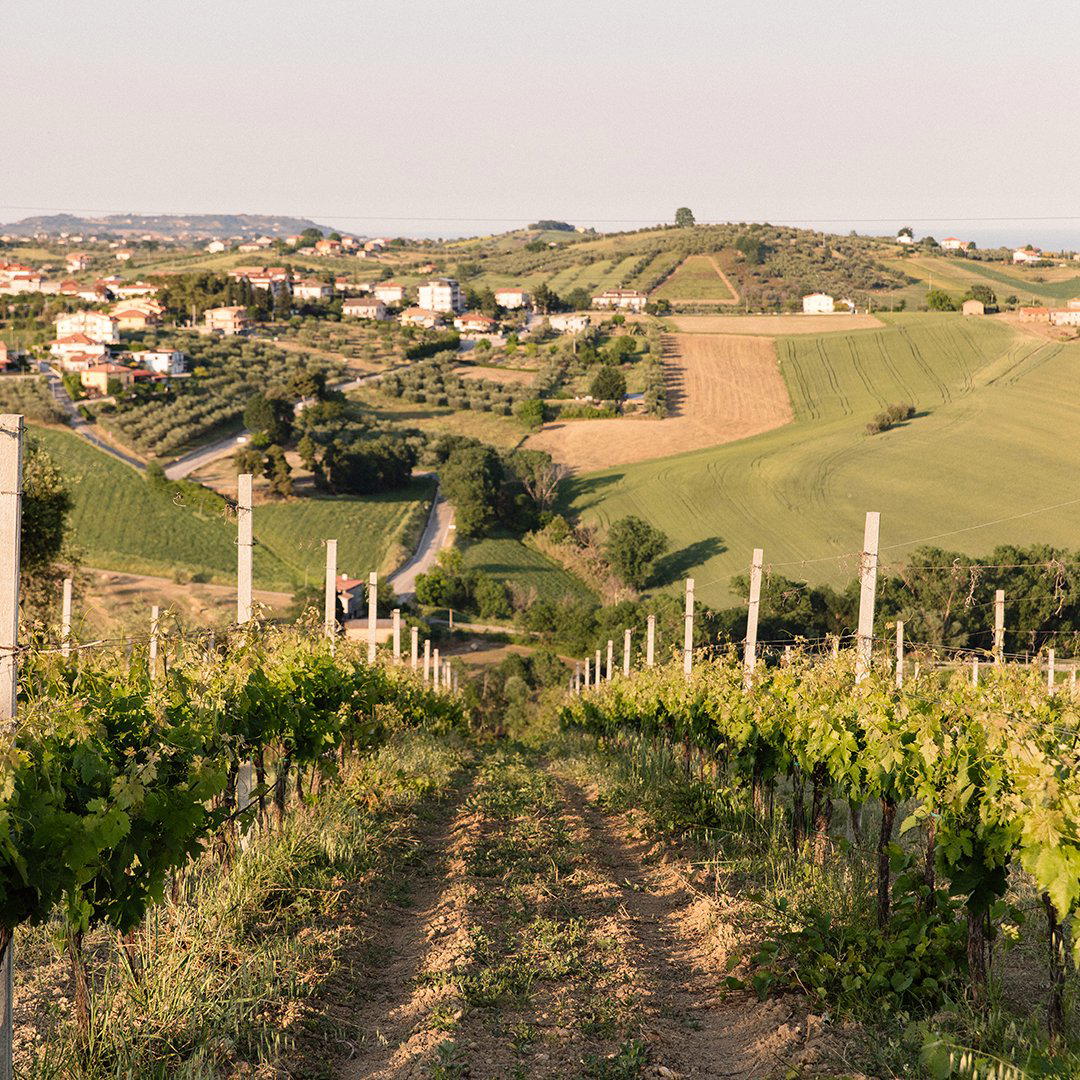
Giulianova sits at a specific agricultural and coastal intersection that few Italian towns can match at this scale. The Teramano province, which surrounds it, produces some of Abruzzo's most reliable olive oil, grows durum wheat for pasta, and grazes sheep whose milk and meat feed a distinct culinary tradition. The coast adds daily fish supply. The combination means that a kitchen paying attention to provenance, even at a pizza-focused price point, is working with better raw material than most of its Italian counterparts at the same tier.
Comparison with Giulianova's other dining options clarifies the local hierarchy. Aprudia operates at the farm-to-table end of the market, at a higher price point, with formal sourcing commitments at the centre of the proposition. Lucia works the seafood register at the middle tier. Osteria dal Moro holds the budget end with Abruzzese regional cooking. Compagnia della Pizza occupies the everyday pizza bracket, which in a town with this kind of ingredient access is not the diminished category it might be elsewhere. For a broader picture of where these places sit relative to each other, the full Giulianova restaurants guide maps the town's dining across categories and price points.
The Sourcing Logic Behind Good Regional Pizza
Across central Italy, the pizzerie that maintain genuine local loyalty share a common characteristic: they treat the dough as infrastructure and the topping ingredients as the editorial choice. A well-fermented, properly hydrated dough is a condition, not a distinction. The distinction arrives with what sits on top of it: whether the tomato is San Marzano or a local Abruzzese passata, whether the salumi comes from a norcineria in the province or a national distributor, whether seasonal vegetables rotate with any actual seasonality.
This sourcing discipline is what separates the Adriatic coast's better casual dining from its generic equivalents, and it maps onto a pattern visible at a much higher tier across Italian fine dining. At Reale in Castel di Sangro, the Niko Romito kitchen built its identity around Abruzzese produce applied at a haute level. At Atelier Moessmer Norbert Niederkofler in Brunico, Alpine terroir sourcing anchors a three-Michelin-star program. The principle scales down as well as up: at the everyday tier, the same commitment to regional supply chains determines whether a pizza is worth seeking out or merely filling.
Italian fine dining more broadly has made sourcing ideology central to its critical identity. Osteria Francescana in Modena, Piazza Duomo in Alba, and Dal Pescatore in Runate each built their reputations partly on the specificity of where their ingredients originated. That same logic, stripped of the tasting-menu format and the long wine lists, applies at the trattoria and pizzeria level in towns like Giulianova. The discipline is the same; the price point and the formality are not. Internationally recognised programs such as Le Bernardin in New York City and Lazy Bear in San Francisco show how ingredient provenance functions as a signal of seriousness across formats and price tiers, not only in white-tablecloth settings.
Placing Compagnia della Pizza in the Broader Italian Restaurant Conversation
Italy's restaurant spectrum runs from neighbourhood pizzerie like this one to multi-Michelin establishments. Enoteca Pinchiorri in Florence, Enrico Bartolini in Milan, Le Calandre in Rubano, Da Vittorio in Brusaporto, Casa Perbellini 12 Apostoli in Verona, and Quattro Passi in Marina del Cantone each represent the formal end of that spectrum. Uliassi in Senigallia, just up the Adriatic coast, shows what happens when a coastal Italian kitchen applies serious technique at the upper tier. Compagnia della Pizza sits at the opposite end in terms of formality and price, but in a well-functioning food culture, both ends of the spectrum rely on the same underlying ingredient network.
Planning Your Visit
Compagnia della Pizza is at Via Trieste, 181, in Giulianova. Giulianova is accessible by rail on the Adriatic line, with regular connections to Pescara and Ancona, and the marina district where Via Trieste sits is walkable from the station. The town is most active between June and September when the coast draws visitors, so midweek visits outside peak summer tend to involve fewer crowds.
Frequently asked questions
Would Compagnia della Pizza be comfortable with kids?
A neighbourhood pizzeria on Via Trieste in a mid-sized Adriatic port town like Giulianova is typically built around exactly this kind of visit. Pizza formats are inherently shareable and low-pressure, and the casual register of the marina district means families are part of the everyday clientele rather than an edge case.
What is the atmosphere like at Compagnia della Pizza?
Via Trieste sits in Giulianova's lower marina district, where the Adriatic sets the pace and the dining culture skews practical over performative. At a pizzeria operating in this neighbourhood context, expect a room oriented around the food rather than a designed concept, closer to the workaday Italian pizzeria tradition than to the self-conscious formats found in larger cities. It reads as a place where locals eat regularly, not occasionally.
Is Compagnia della Pizza worth visiting if you are already in Giulianova for the coast rather than specifically for food?
Giulianova's marina district, where Compagnia della Pizza sits on Via Trieste, concentrates most of the town's casual dining within walking distance of the waterfront. A pizza stop here fits naturally into a day already oriented around the Adriatic rather than requiring a separate detour. For context on what else the town offers, Giulianova supports a range of dining registers across different price points, from everyday pizzerie to more structured restaurants.
What dish is Compagnia della Pizza famous for?
Pizza is the clear focus, and in Abruzzo that means a format shaped by the Teramano province's agricultural output rather than strict adherence to Neapolitan DOP rules or Roman cracker-thin conventions. The Adriatic coastal position gives local pizzerie access to ingredients that differ from both southern and northern Italian templates.
Comparison Snapshot
Comparable venues nearby, for context on price, style, and recognition.
| Venue | Cuisine | Price | Awards | Notes |
|---|---|---|---|---|
| Compagnia della PizzaThis venue (the venue you are viewing) | Italian Slice Pizza | $10–20 | Not listed | Not listed |
| Aprudia | Modern Italian Farm-to-Table | $50–100 | Michelin Plate | historic centre |
| Lucia | Traditional Italian Trattoria | $30–50 | Michelin Plate | Giulianova Lido |
| Osteria dal Moro | Traditional Italian Seafood Osteria | $20–30 | Michelin Bib Gourmand | Giulianova Lido |
| Venchi Cioccogelateria | Italian Chocolate Gelateria | $10–20 | Not listed | San Marco |
| Trattoria Ca' D'Oro - Cucina Tipica Veneziana | Traditional Venetian Trattoria | $20–30 | Not listed | Cannaregio |
Continue exploring
More in Giulianova
Restaurants in Giulianova
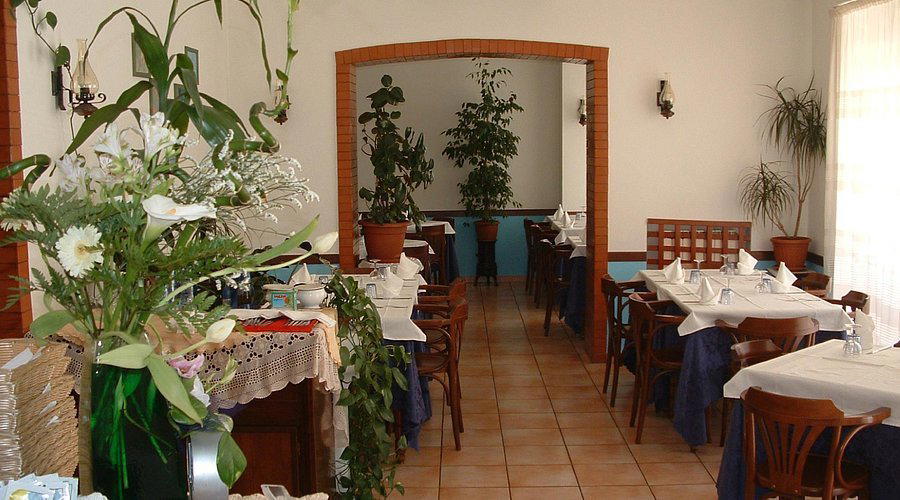
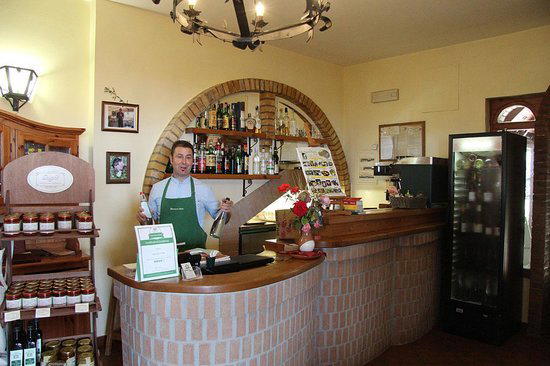
All restaurants in Giulianova →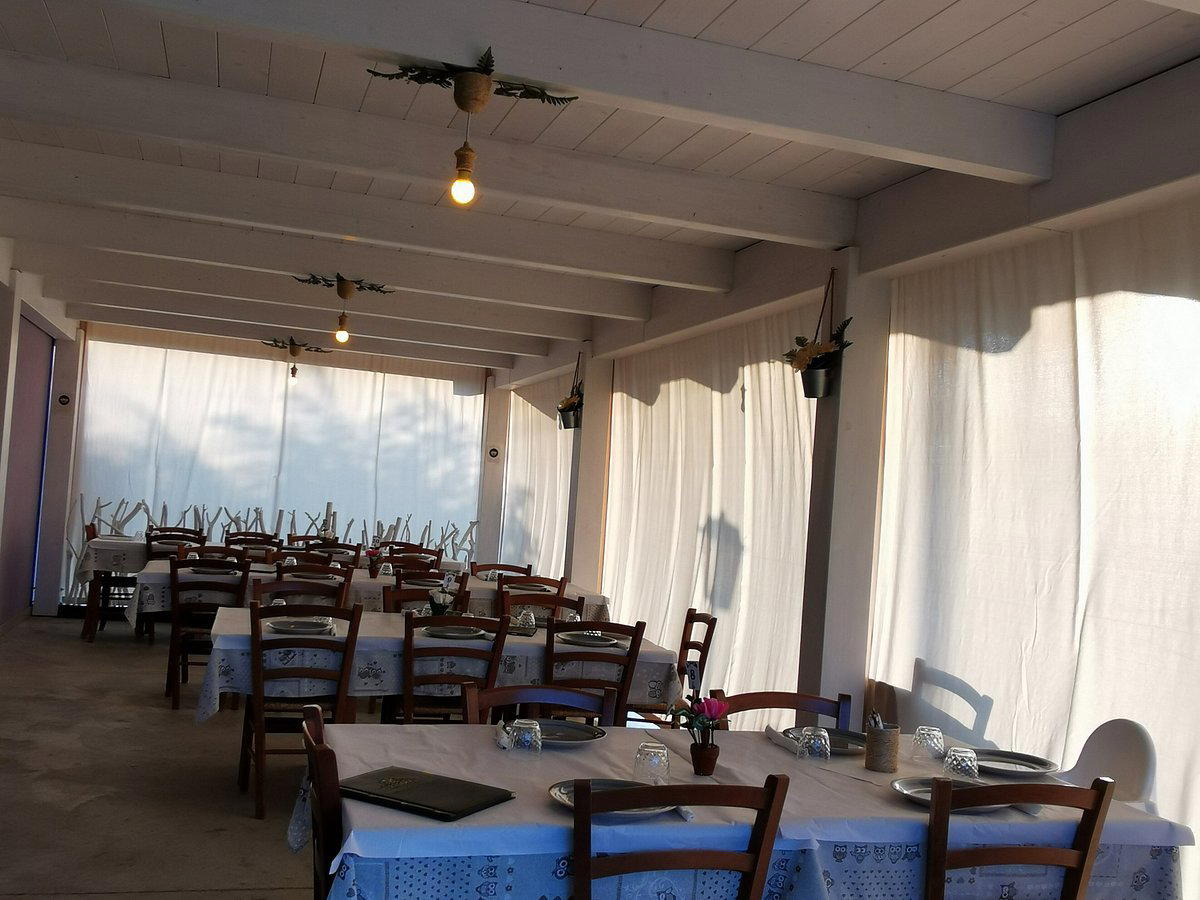
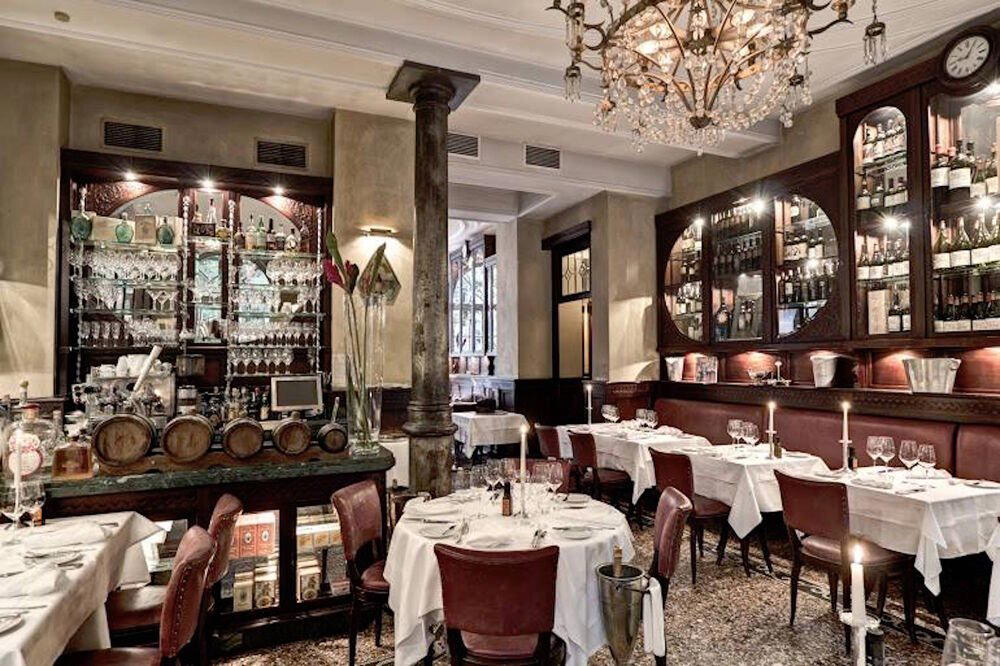
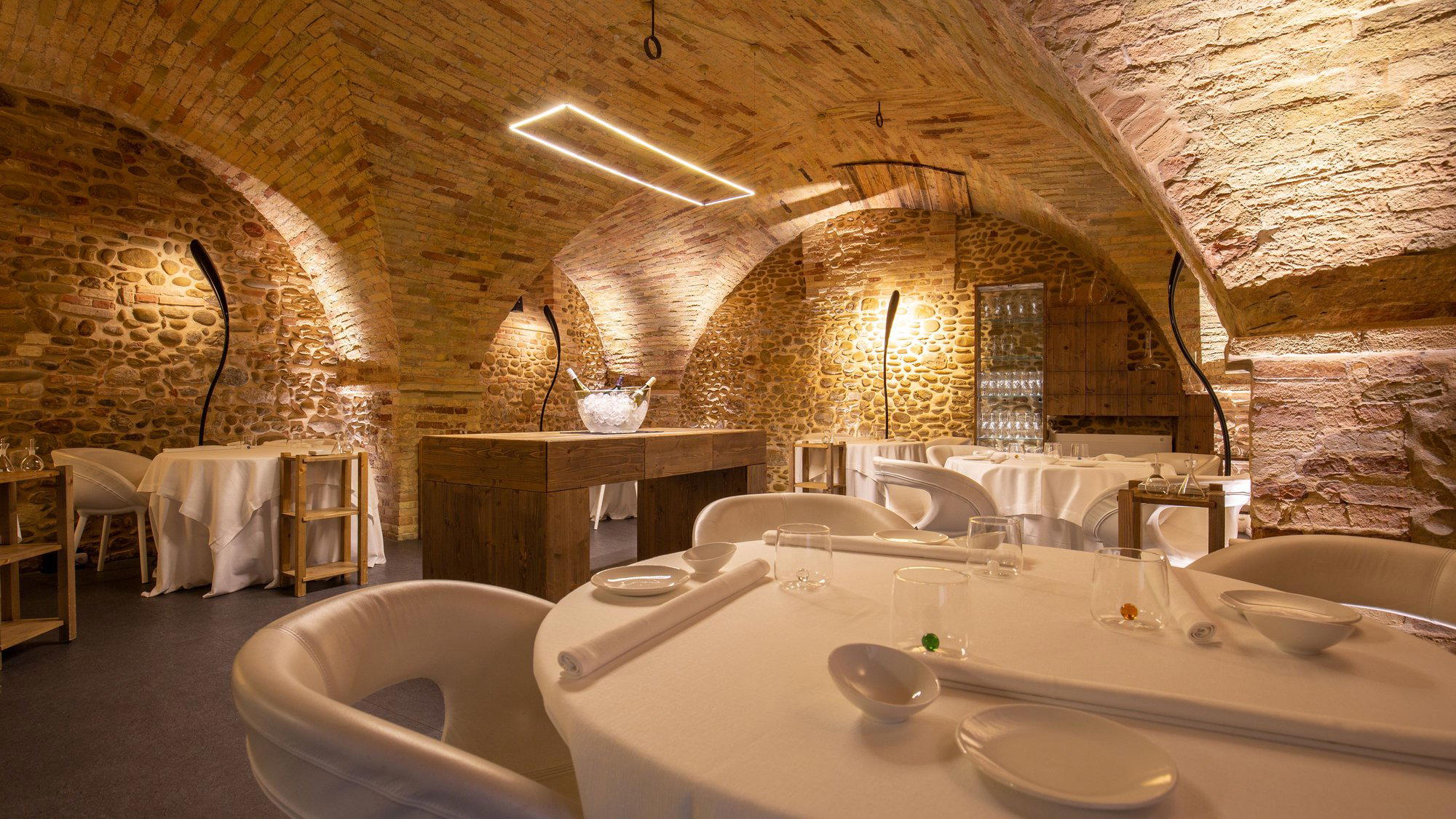
Bars in Giulianova
Browse all →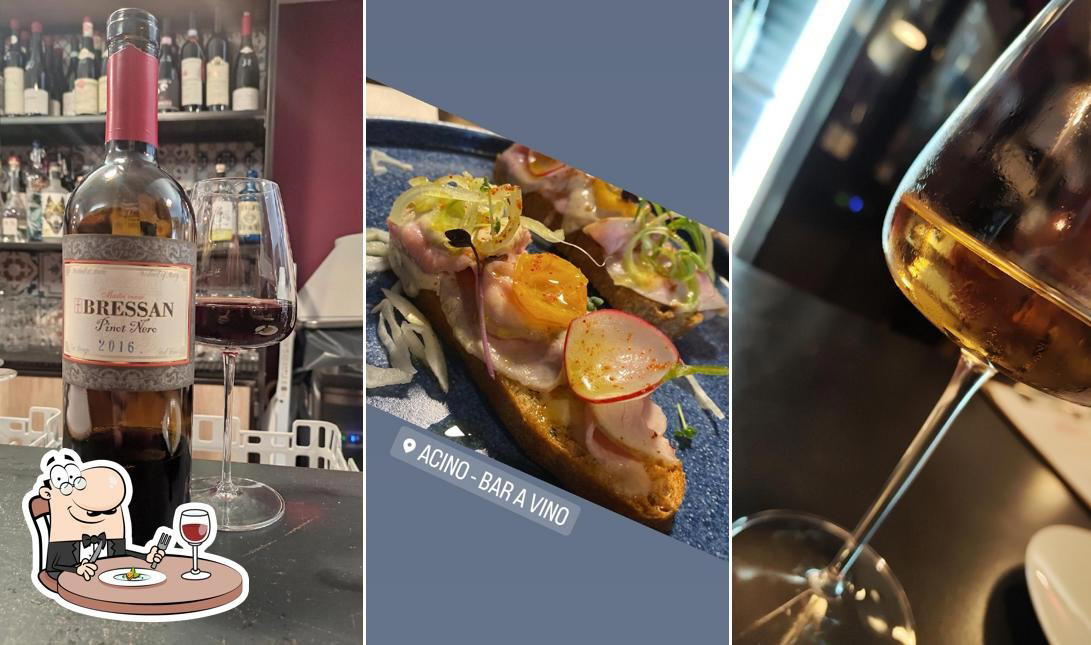
Hotels in Giulianova
Browse all →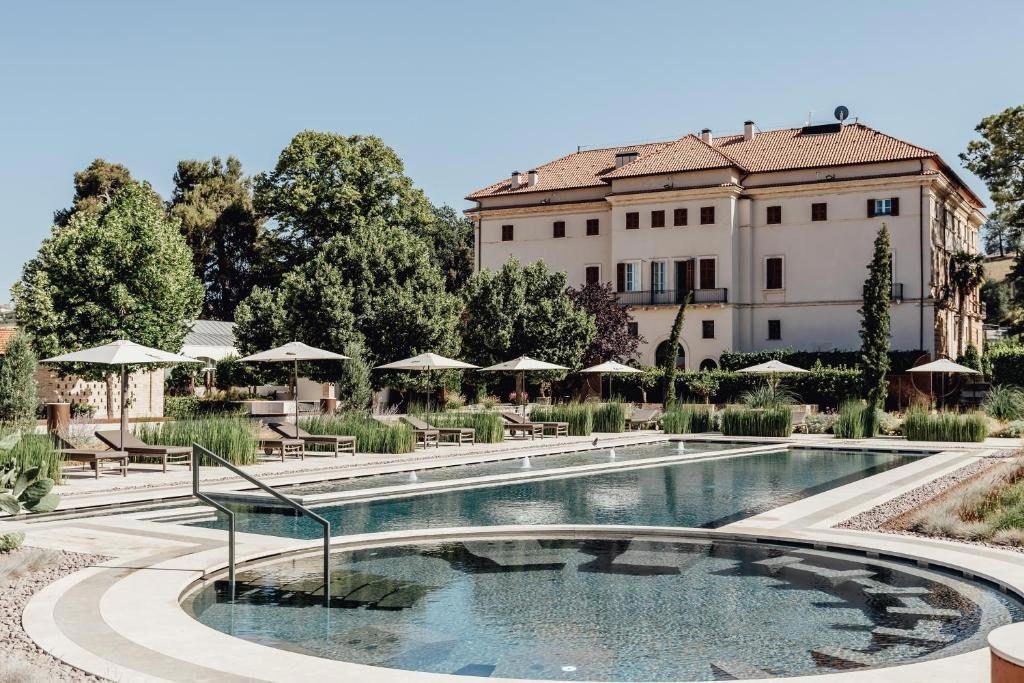

Details
- Cozy
- Modern
- Casual Hangout
- Family
- Open Kitchen
- Local Sourcing
- Street Scene
- A La Carte
- Vegetarian Friendly
- Vegan Options
Current opening hours
- Monday
- Closed
- Tuesday
- 5–10 PM
- Wednesday
- 5–10 PM
- Thursday
- 5–10 PM
- Friday
- 5–10 PM
- Saturday
- 5–10 PM
- Sunday
- 5–10 PM
Hours can change for holidays and private events. Hours as of .
Clean, welcoming, and modern atmosphere with outdoor tables.