Our verdict
On Kantstraße in Charlottenburg, Comedor occupies a stretch of Berlin's most internationally minded dining corridor. The room draws from a tradition of focused, ingredient-led cooking that has found increasing purchase in the city's mid-to-upper tier. For visitors cross-referencing Berlin's broader creative dining scene, it sits alongside a cohort of restaurants redefining what the city's tables can offer.

Pearl is the En Primeur Club membership app, where members save venues, book tables and use the concierge.
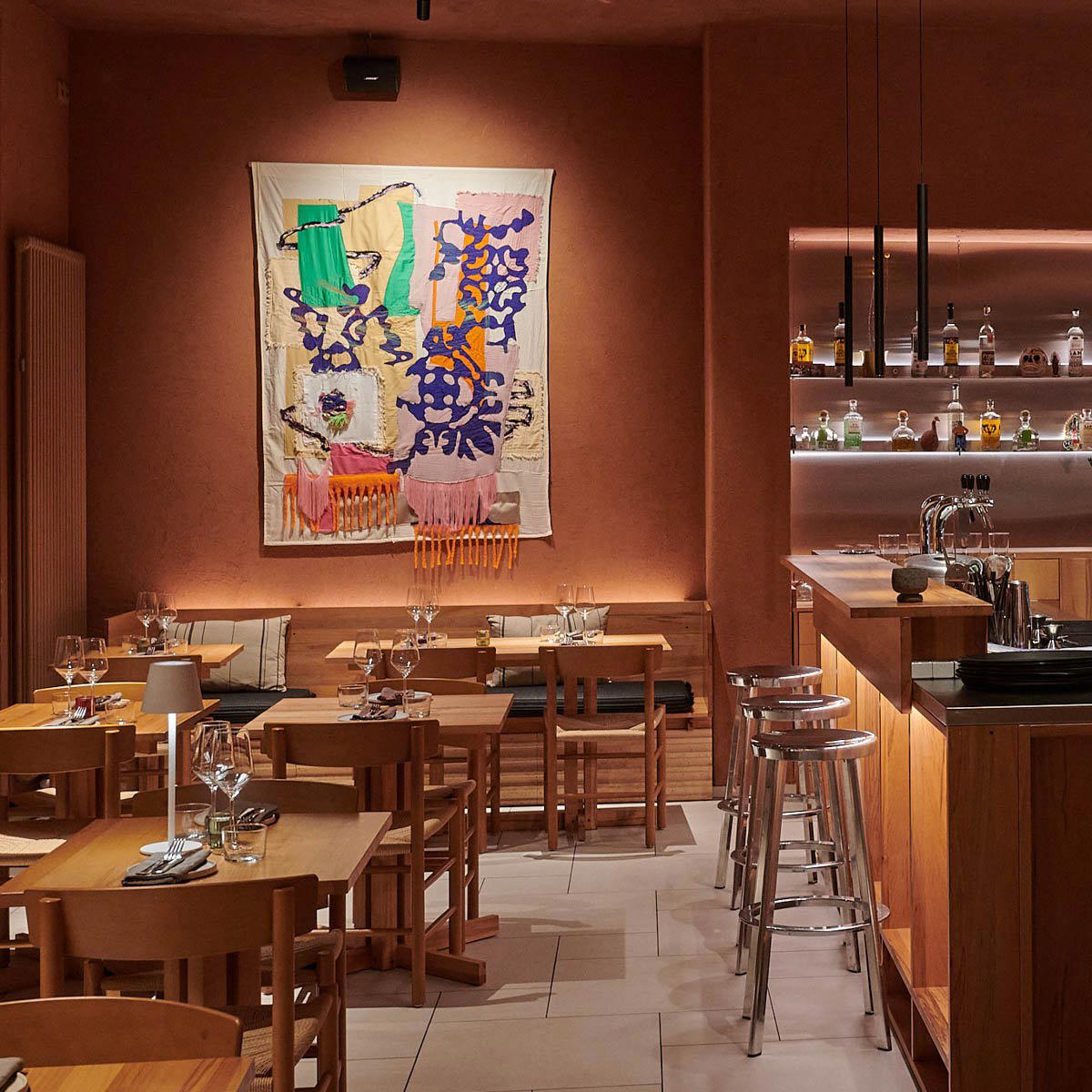
Kantstraße and the Room That Greets You
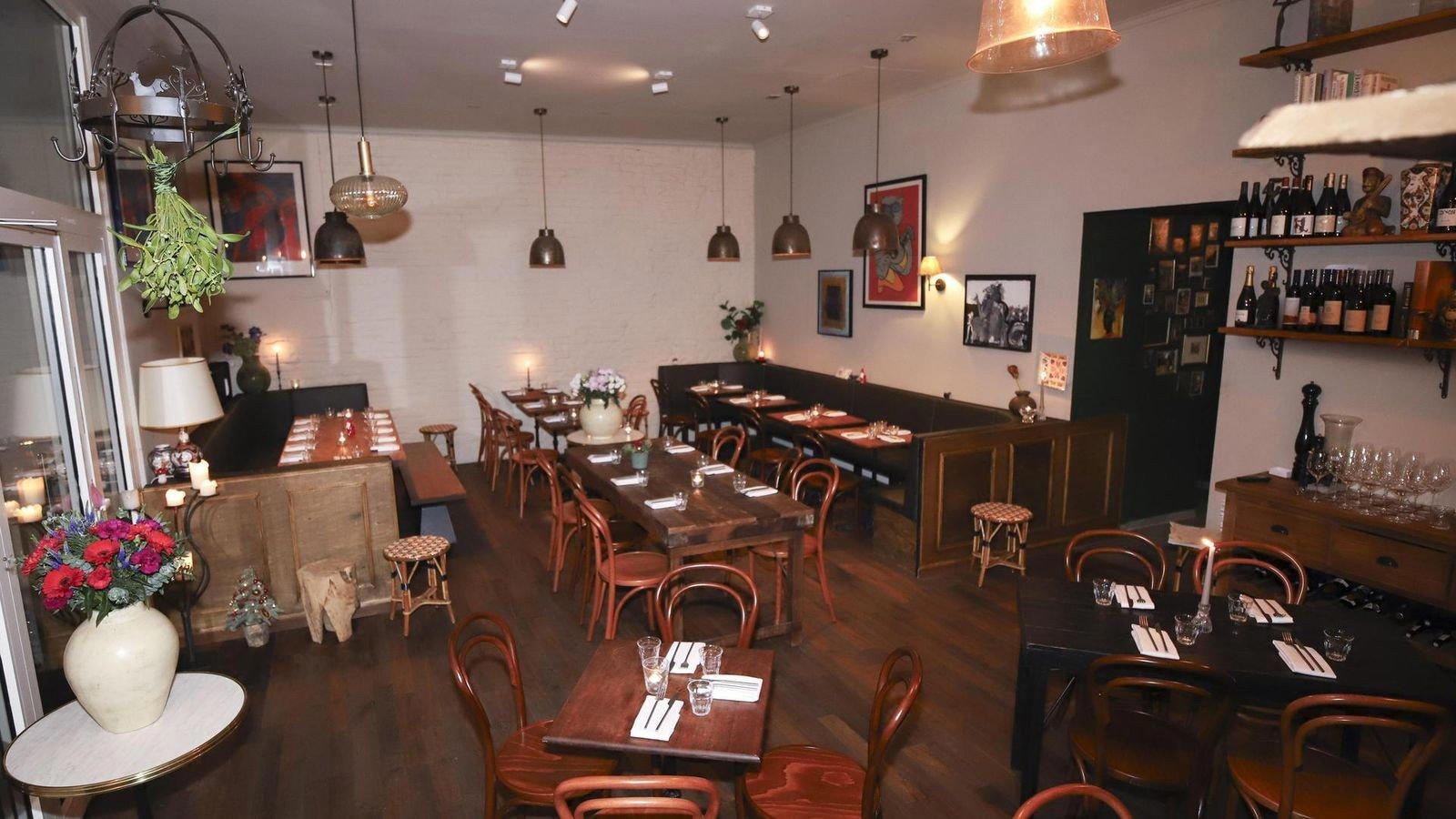
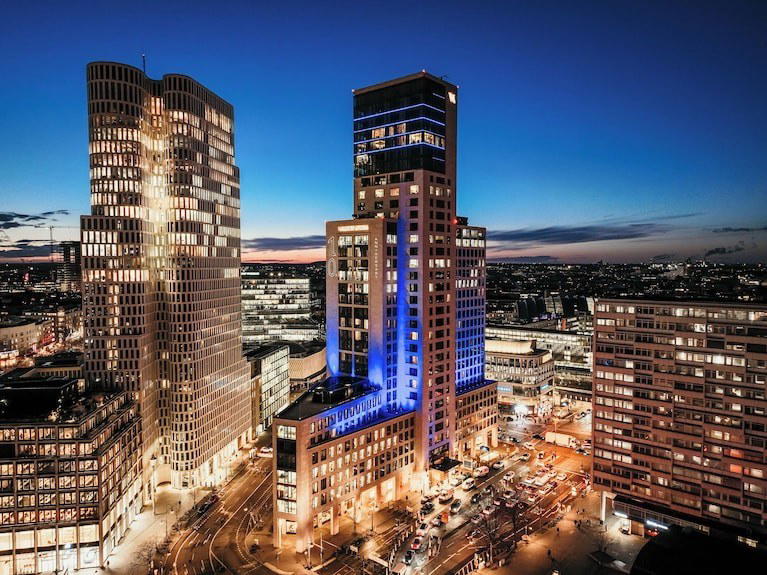
Charlottenburg's Kantstraße runs through one of Berlin's most quietly serious dining corridors. The street has accumulated a concentration of kitchens that lean toward precision rather than spectacle, and the physical experience of arriving here reflects that disposition: the façades are understated, the light inside tends toward warmth rather than theatre, and the pace of the room signals that the kitchen is in control of the evening's rhythm. Comedor, at number 74, sits inside that neighbourhood logic.
Berlin's dining culture has matured significantly over the past decade. What was once a city known for late-night informality and low price points now hosts a spread of serious creative restaurants operating at international reference levels. The Michelin Guide's growing attention to Berlin, with properties like Rutz, Nobelhart & Schmutzig, and FACIL each holding recognition, reflects a scene that has moved well beyond its bohemian-budget reputation. Comedor exists within that matured context, on a street where the competition is taken seriously.
What the Room Communicates
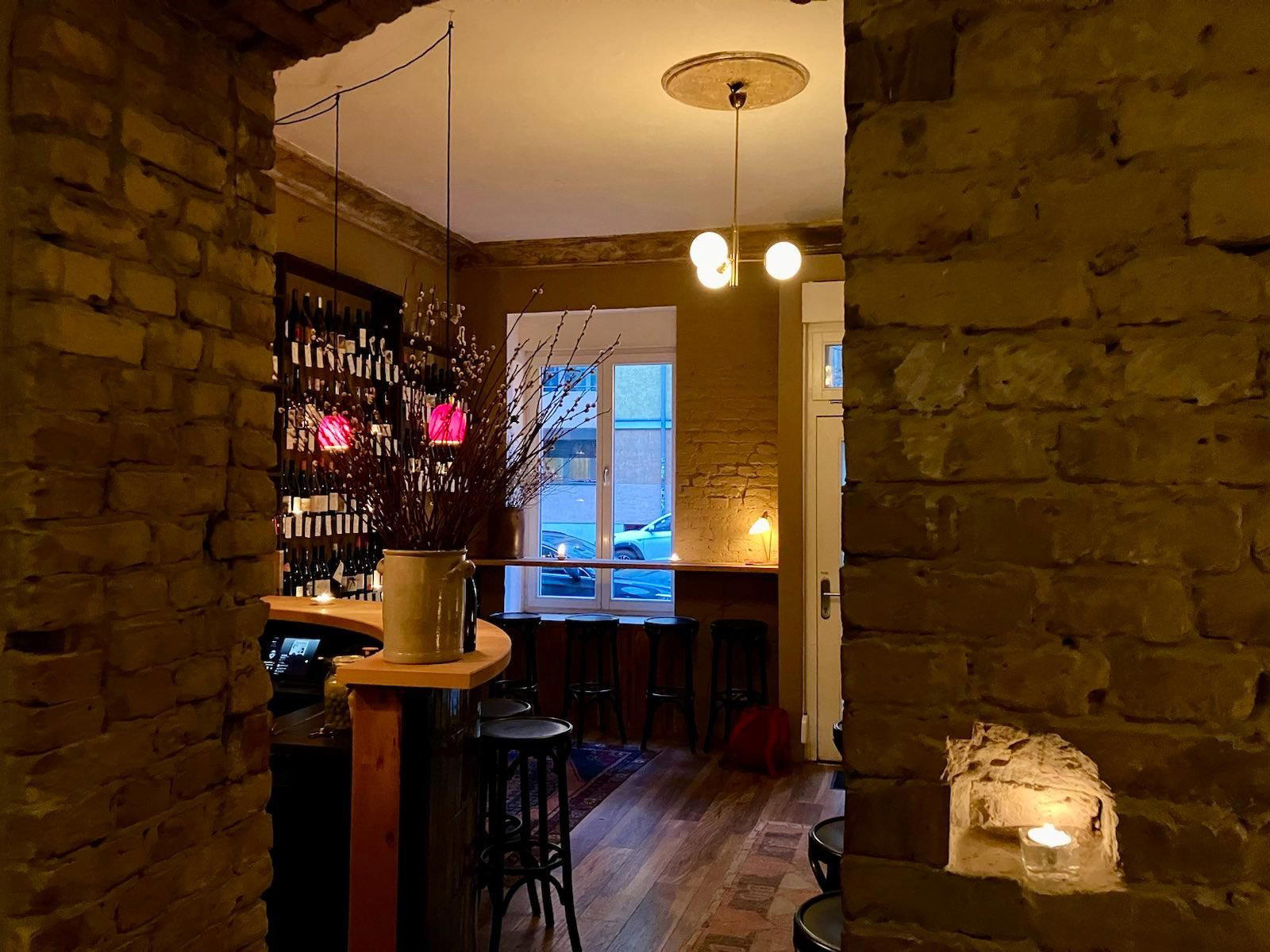
In Berlin's upper-mid creative tier, the physical environment of a restaurant tends to do deliberate editorial work. The era of loud concept interiors has largely given way to spaces that communicate restraint: natural materials, controlled acoustics, and lighting calibrated to the plate rather than the photograph. This is the register in which Kantstraße's better rooms operate. The sound profile of a well-run room at this level is specific: service conversation is low, the kitchen is audible only in rhythm rather than noise, and the dominant sensory experience shifts to what arrives at the table.
That shift toward the plate is where Berlin's most interesting creative restaurants have been staking their identity. CODA Dessert Dining pushes that logic to its structural limit, organising the entire menu around dessert technique. Nobelhart & Schmutzig anchors its identity in radical regionalism and a no-outside-produce policy. These are restaurants that have made a commitment to a defined sensory grammar. Comedor's position on Kantstraße places it in conversation with that cohort, even if its own grammar is still being widely documented.
The Kantstraße Corridor in Context
Charlottenburg's claim as Berlin's most internationally minded dining district is not incidental. The neighbourhood's history as West Berlin's commercial and cultural centre left it with a density of established restaurants that Mitte and Kreuzberg, for all their energy, have only recently begun to match. Kantstraße in particular runs through a stretch where Southeast Asian kitchens, European creative formats, and mid-century German institutions coexist within a few hundred metres. The sensory layering of the street itself, spice from one kitchen, smoke from another, the ambient chatter of pavement tables, is part of what makes dining here feel embedded rather than curated.
For a broader map of how Berlin's restaurants sort across neighbourhoods and price tiers, the EP Club Berlin guide provides the full picture. Germany's most decorated tables outside the capital, Schwarzwaldstube in Baiersbronn, Aqua in Wolfsburg, Vendôme in Bergisch Gladbach, and Victor's Fine Dining by Christian Bau in Perl, operate in smaller cities where the restaurant is often the destination rather than part of a broader scene. Berlin's advantage is density: a meal here competes for attention with theatre, galleries, and the city's own after-dark calendar, which tends to produce restaurants that earn their place in the evening rather than simply occupy it.
How Berlin's Creative Tier Works
The creative restaurant tier in Berlin operates on a logic that differs from Munich or Hamburg. JAN in Munich and Restaurant Haerlin in Hamburg both operate within cities where formality and tradition carry more weight in the dining room. Berlin has consistently rewarded a different disposition: kitchens that take the food seriously but hold the room lightly, where the dress code is implicit rather than stated and the service style favours knowledge over ceremony.
Restaurant Tim Raue is the clearest example of Berlin producing a chef-driven creative restaurant with international reach, two Michelin stars and a place on the World's 50 Best list, but the more instructive pattern is the cluster of single-star and recognised-without-stars operations that have built consistent followings around specific culinary commitments. ES:SENZ in Grassau, Schanz in Piesport, and Waldhotel Sonnora in Dreis each demonstrate how Germany's regional fine dining landscape has developed its own centres of gravity outside the major cities. Comedor's Charlottenburg address means it operates inside a city that provides its own gravity, the challenge and the opportunity of Berlin dining in equal measure.
International Reference Points
The ambition level of Berlin's creative restaurants is now routinely benchmarked against international peers. Le Bernardin in New York and Lazy Bear in San Francisco both represent what happens when a defined culinary commitment is sustained at the highest level of execution over time. The former has held three Michelin stars for decades on the basis of a single-minded focus on seafood; the latter built a loyal following through a communal tasting format that was specific to its city and moment. Berlin's more interesting creative restaurants are similarly trying to be specific rather than universal, to make something that could only come from this city, this neighbourhood, this kitchen.
Whether Comedor is making that argument with full conviction is a question the room itself answers. The address on Kantstraße is a credible starting point. The neighbourhood's track record provides context. The city's appetite for serious creative cooking provides the audience. What arrives between those coordinates is what matters, and on Kantstraße, the standard for what arrives has been steadily rising. Also worth noting for visitors planning a more extensive German itinerary: Bagatelle in Trier offers a point of comparison for how French-influenced technique translates across the German border.
Know Before You Go
- Address: Kantstraße 74, 10627 Berlin, Germany
- Neighbourhood: Charlottenburg, West Berlin
- Nearest U-Bahn: Wilmersdorfer Straße (U7) or Savignyplatz (S-Bahn), both within comfortable walking distance
- Dress code: No formal code published; Charlottenburg's creative dining norm leans toward smart-casual
- Leading approach: Arrive from the Savignyplatz end of Kantstraße to take in the full density of the corridor
Frequently asked questions
What do people recommend at Comedor?
Comedor sits on Kantstraße 74 in Charlottenburg, a street with a track record in focused, ingredient-led cooking. Specific dish recommendations require current menu data, which changes with season and kitchen direction.
Can I walk in to Comedor?
Walk-in availability at creative restaurants in Berlin's Charlottenburg tier varies considerably by day and time. No specific booking policy is published for Comedor at this stage. Given the neighbourhood's dining density and the general trend toward reservation-led service at this level of the market, contacting the venue ahead of your visit is the more reliable approach than arriving without a table.
What makes Comedor worth seeking out?
The address on Kantstraße places Comedor inside one of Berlin's most credible dining corridors, on a street where the competition has driven standards upward across multiple cuisines and formats. Berlin's creative restaurant scene now benchmarks against international peers, and Charlottenburg has historically been the neighbourhood where that ambition has concentrated. For visitors mapping the city's upper-tier dining, Kantstraße 74 belongs on the itinerary as part of a broader engagement with what Berlin's kitchens are currently producing.
How does Comedor fit into Berlin's broader Spanish and Latin-influenced dining scene?
The name Comedor (Spanish for dining room) signals a kitchen operating at least in part within a Latin culinary reference. Berlin has developed a small but growing cohort of Spanish and Latin American-influenced restaurants that are moving beyond tapas-format informality toward more structured, technique-driven service. On Kantstraße, that positioning places Comedor in a neighbourhood already accustomed to international culinary references operating at serious levels. For visitors tracking this specific strand of Berlin dining, it represents a relevant address within a scene that has not yet received the same critical attention as the city's Scandinavian or Japanese-influenced kitchens.
| Venue | Cuisine | Price | Awards | Notes |
|---|---|---|---|---|
| ComedorThis venue (the venue you are viewing) | Modern Mexican | $30–50 | Not listed | Not listed |
| CODA Dessert Dining | Dessert-Inspired Fine Dining | $200–300 | 2 Michelin Stars · World's 50 Best #82 | Creative |
| Rutz | Modern German Fine Dining | $200–300 | 3 Michelin Stars · La Liste Top Restaurants | Modern European, Modern Cuisine |
| Nobelhart & Schmutzig | Hyper-Local Modern German Fine Dining | $100–150 | 1 Michelin Star · World's 50 Best #76 | Modern German, Creative |
| FACIL | Modern Fusion Fine Dining | $200–300 | 2 Michelin Stars · La Liste Top Restaurants | Contemporary European, Creative |
| Horváth | Modern Austrian Vegetable Cuisine | $200–300 | 2 Michelin Stars · La Liste Top Restaurants | Modern Austrian, Creative |
Comedor
Featured Guides
Continue exploring
More in Berlin
Restaurants in Berlin
All restaurants in Berlin →
Bars in Berlin
All bars in Berlin →

Details
- Modern
- Trendy
- Elegant
- Date Night
- Special Occasion
- Open Kitchen
- Craft Cocktails
- Local Sourcing
- A La Carte
- Small Plates
Current opening hours
- Monday
- Closed
- Tuesday
- 5–11 PM
- Wednesday
- 5–11 PM
- Thursday
- 5–11 PM
- Friday
- 5–11 PM
- Saturday
- 5–11 PM
- Sunday
- 5–9:30 PM
Hours can change for holidays and private events. Hours as of .
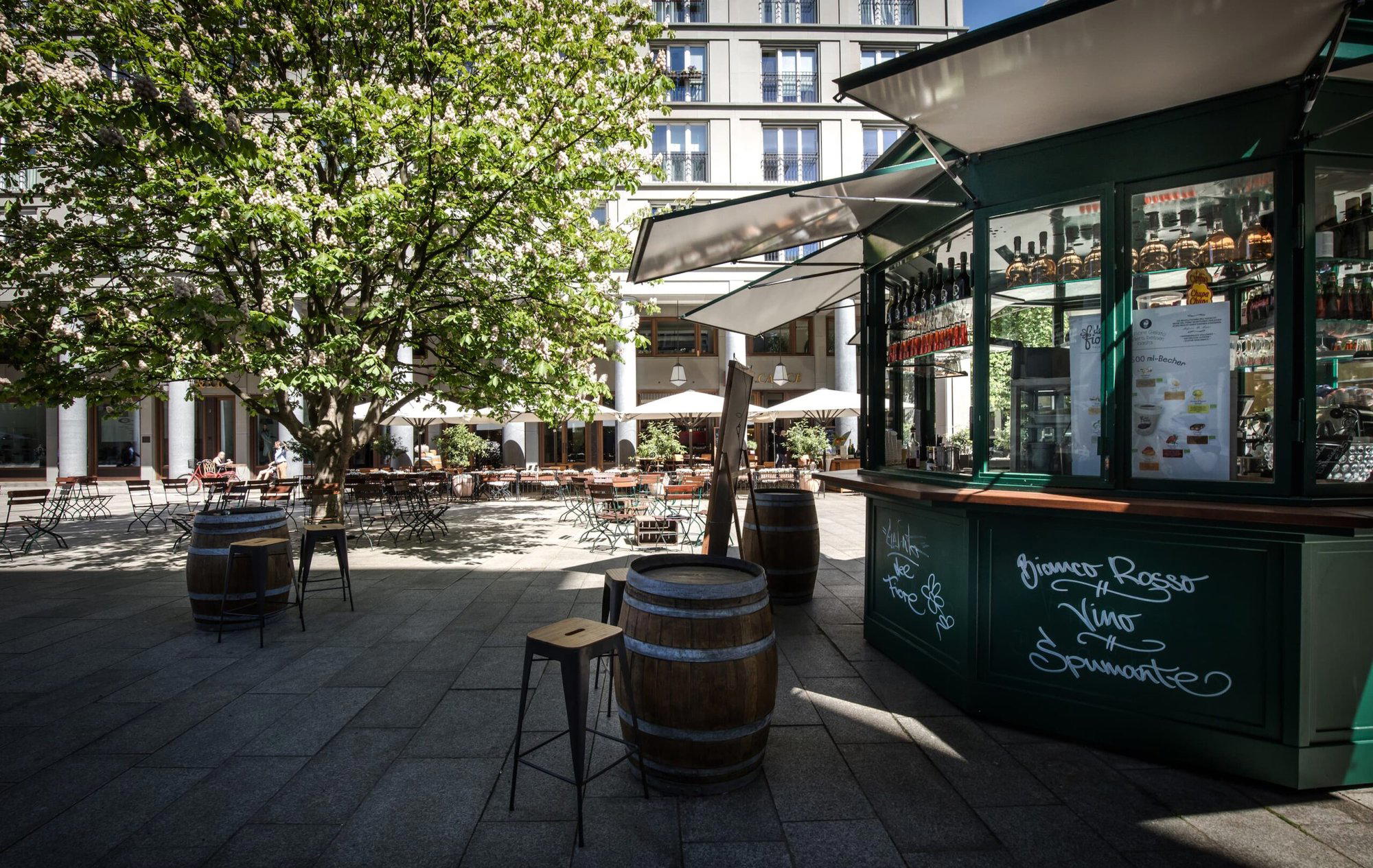
Casual dining atmosphere focused on communal gathering with creative presentations.