Kokkeriet
Kokkeriet occupies a quiet address on Kronprinsessegade in Copenhagen's inner city, operating within the New Nordic tradition that has shaped Danish fine dining for two decades. The kitchen works from a sourcing-led approach that connects the menu to the rhythms of the Danish agricultural calendar, placing it in the same critical conversation as Geranium and Kadeau without mirroring their formats.
- Address
- Kronprinsessegade 64, 1306 København, Denmark
- Phone
- +45 33 15 27 77
- Website
- kokkeriet.dk
- Directions
- Get directions
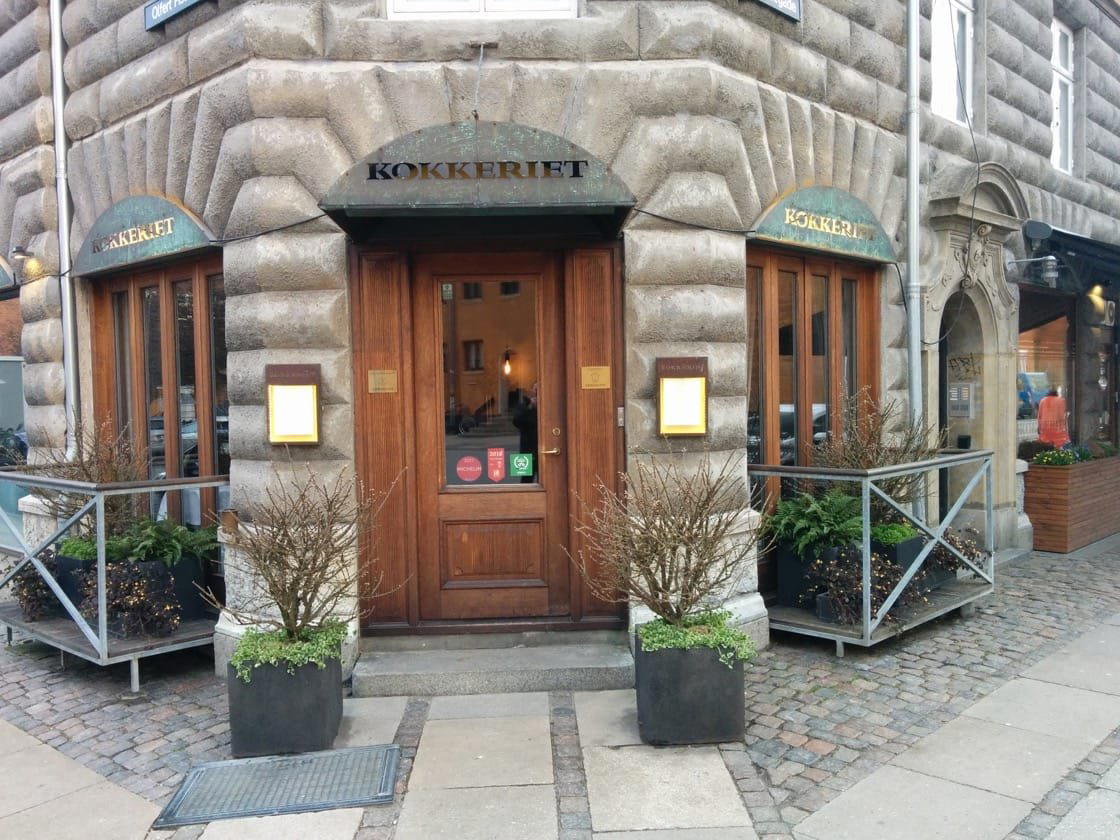
Kronprinsessegade and the Quiet End of Copenhagen Fine Dining
The stretch of Kronprinsessegade that runs along the edge of Kongens Have, Copenhagen's oldest royal garden, operates at a different register than the city's more publicised dining corridors. There is no foot traffic here looking for a table. Kokkeriet is a restaurant on Kronprinsessegade in Copenhagen, priced at about $150 per person, and it requires a deliberate decision to visit. That specificity of audience shapes everything about what Kokkeriet offers. In a city where Alchemist stages fifty-course theatrical productions and Noma spent years redefining what a restaurant could be philosophically, Kokkeriet occupies quieter ground: a focused tasting format in a neighbourhood that rewards the visitor who slows down.
Where the Ingredients Come From, and Why That Defines the Menu
The New Nordic movement, now entering its third decade as a codified culinary identity, was always fundamentally an argument about sourcing. The original proposition, that Scandinavian kitchens had been looking to France and Italy for prestige ingredients when their own coastlines, forests, and farms offered something more interesting and seasonally honest, has become the operating logic for a significant tier of Danish fine dining. Kokkeriet sits within that tradition, building its menu from Danish agricultural and coastal systems rather than from a global supply chain.
This matters in practical terms. Denmark's short growing season concentrates flavour in ways that longer-season producers in warmer climates do not always achieve: a Danish strawberry in late June or a root vegetable lifted from frozen ground in February carries an intensity that reflects stress and slow development rather than greenhouse optimisation. Kitchens that commit to this calendar accept constraints that kitchens with broader sourcing latitude do not. The menu shifts accordingly, and a guest visiting in October will encounter a different set of references than one arriving in April. This is not seasonal variation as a marketing gesture; it is a structural feature of the approach.
Among Copenhagen's sourcing-led restaurants, the peer references are instructive. Kadeau draws heavily from Bornholm, its founding island, bringing a specific island terroir into a Copenhagen context. Geranium, operating at three Michelin stars from its upper-floor perch in Fælledparken, works with Danish and Nordic producers at a price point and formality level that places it in a different bracket. Koan folds Japanese technique into Nordic sourcing logic, creating a hybrid register that speaks to Copenhagen's growing appetite for cross-tradition dialogue. Kokkeriet holds a position in this field that is less about formal innovation and more about the sustained discipline of doing the sourcing-led tasting format with consistency over time.
The Tasting Format and What It Asks of the Guest
Tasting menus in Copenhagen have become the default format for serious kitchens, which means the format itself is no longer a differentiator. What separates restaurants within the category is the internal logic of the sequence: whether each course advances an argument about a season, a landscape, or a technique, or whether the progression is simply aesthetic. The strongest tasting menus in this city, across venues like Geranium and Koan, read as coherent editorial statements. Kokkeriet works within this expectation.
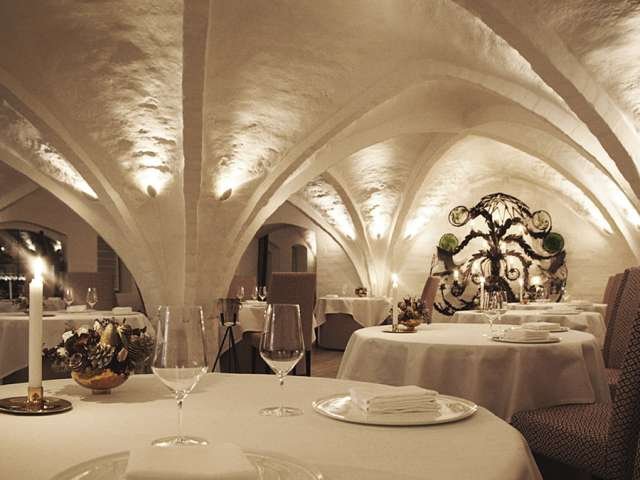
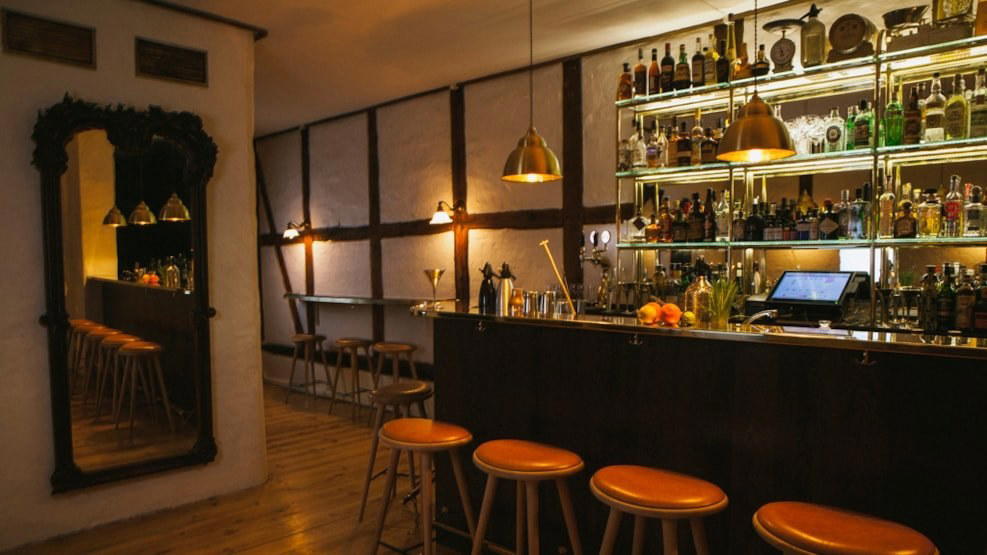
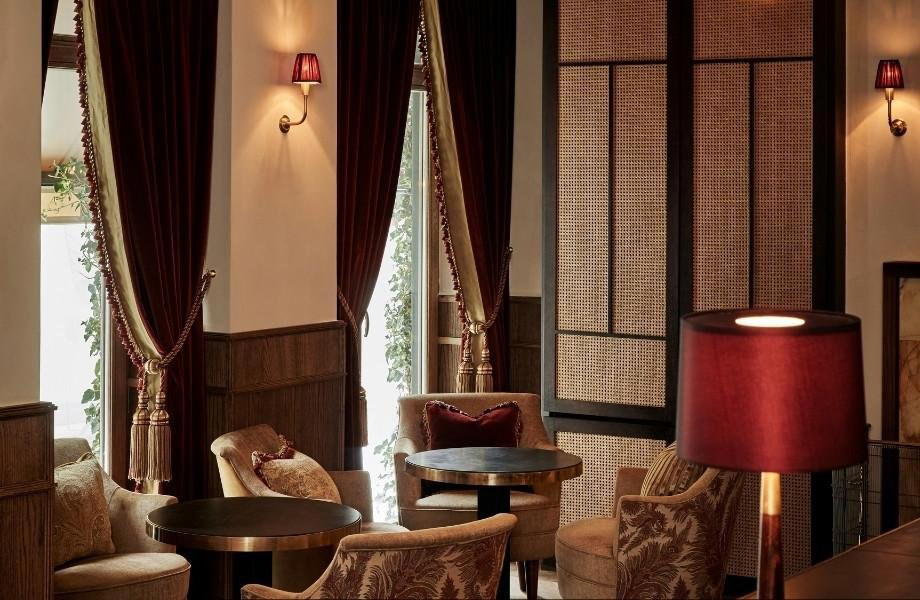
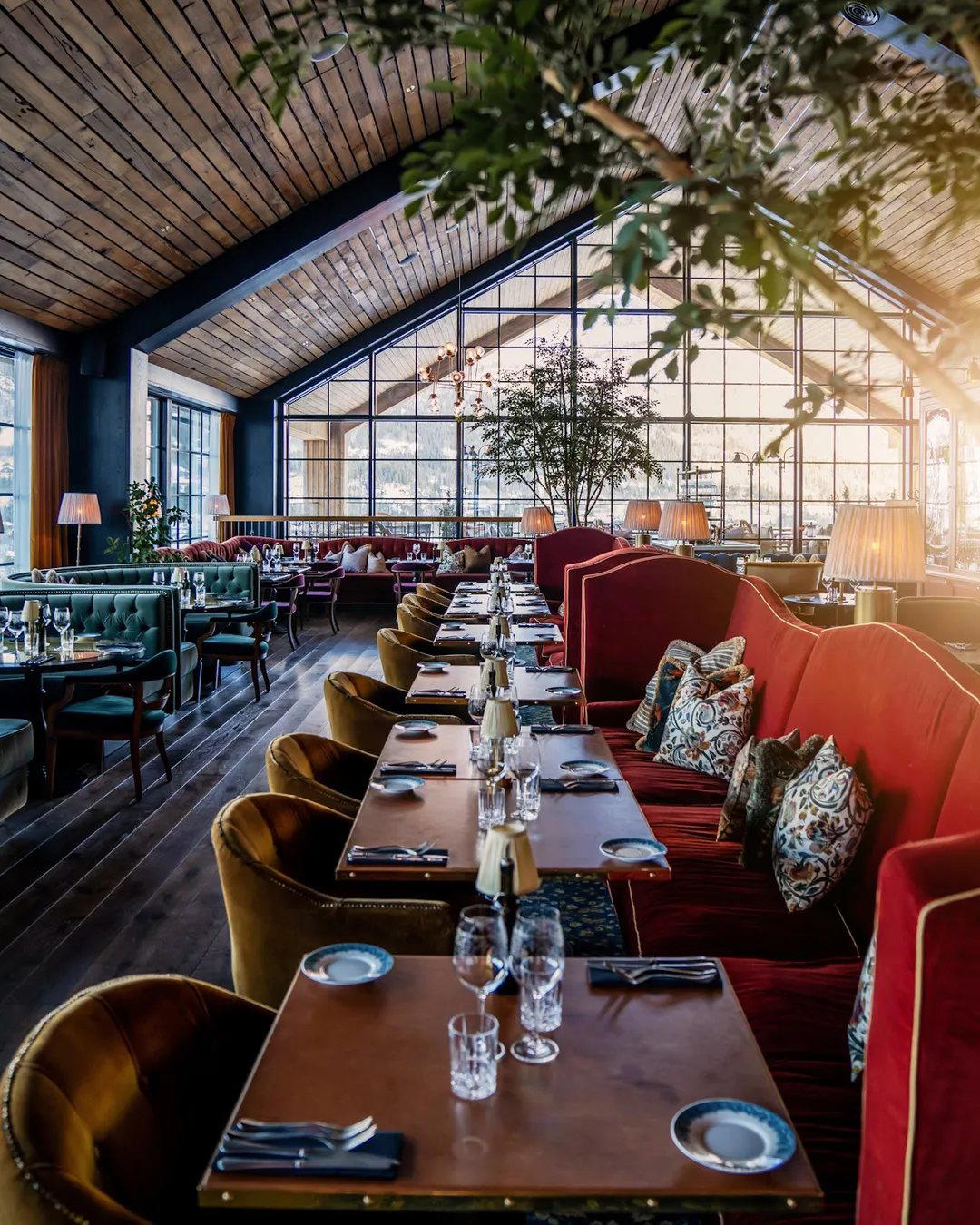
The format asks the guest to surrender pace to the kitchen. This is not a venue for a quick dinner before a concert; the sequence is designed to be read slowly, with courses arriving at a rhythm the kitchen controls. For guests accustomed to this convention, it is a feature. For those unfamiliar with the format's demands, it is worth knowing in advance. The room on Kronprinsessegade reinforces that atmosphere of deliberateness.
Copenhagen's Fine Dining Geography, Kokkeriet in Context
Understanding where Kokkeriet sits requires a working map of Copenhagen's fine dining geography. The city has developed a two-speed fine dining market: a small number of internationally tracked addresses that attract a globally mobile dining audience, and a second tier of serious, locally grounded restaurants that serve a more mixed clientele of Copenhagen residents and informed international visitors. Both tiers operate at premium price points. The distinction lies in visibility and the composition of the room on any given evening.
Beyond Copenhagen, the Danish fine dining network extends to venues worth noting for visitors building a longer itinerary. Jordnær in Gentofte, just north of the city, holds two Michelin stars. Henne Kirkeby Kro in Henne represents the country-inn format at its most serious. Frederikshøj in Aarhus, LYST in Vejle, Dragsholm Slot Gourmet in Hørve, Frederiksminde in Præstø, Ti Trin Ned in Fredericia, Tri in Agger, Pearl by Paul Proffitt in Kruså, and Syttende in Sønderborg all contribute to a national fine dining infrastructure that extends well beyond the capital.
For international comparison, the sourcing-led tasting format that defines Kokkeriet and its Copenhagen peers has parallels in other markets.Lazy Bear in San Francisco applies a similar seasonal-sourcing discipline within a communal format, while Le Bernardin in New York City demonstrates how sustained focus on a single ingredient category, in that case, fish, can define a restaurant's identity across decades. The common thread is a kitchen that has decided what it is for and built its sourcing logic around that decision.
Planning a Visit
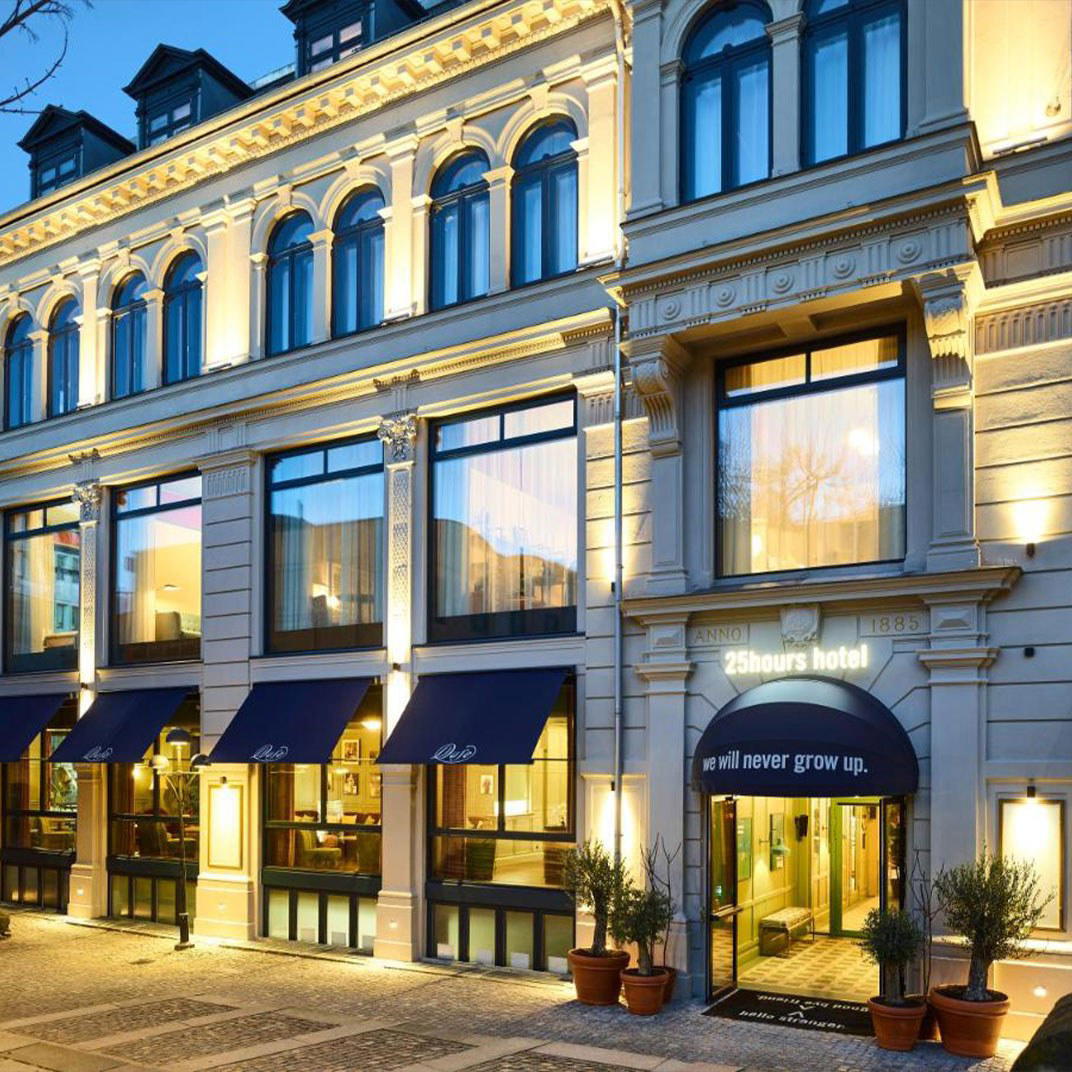
Kokkeriet's address at Kronprinsessegade 64 in Copenhagen's inner city places it within walking distance of several central hotels and the Kongens Have area. Given the tasting format, an evening reservation should be treated as the night's main event rather than one stop among several. Reservations at this tier of Copenhagen dining typically require advance planning, particularly during the spring and autumn shoulder seasons when demand from both local and international guests runs high. Contacting the restaurant directly for current availability is the practical starting point.
Nearby-ish Comparables
Comparable venues nearby, for context on price, style, and recognition.
| Venue | Cuisine | Price | Notes |
|---|---|---|---|
| KokkerietThis venue — the venue you are viewing | Modern Danish Fine Dining | $$$$ | Not listed |
| Lamfuz | Authentic Nepali | $$ | Indre By |
| Pony | New Nordic Bistro | $$ | Vesterbro-Kongens Enghave |
| Grønbech Churchill | Innovative Nordic Fine Dining | $$$$ | Indre By |
| Restaurant 108 | New Nordic | $$$ | Indre By |
| Slotskælderen Gitte Kik | Traditional Danish Smørrebrød | $$ | Indre By |
Continue exploring
More in Copenhagen
Restaurants in Copenhagen
Browse all →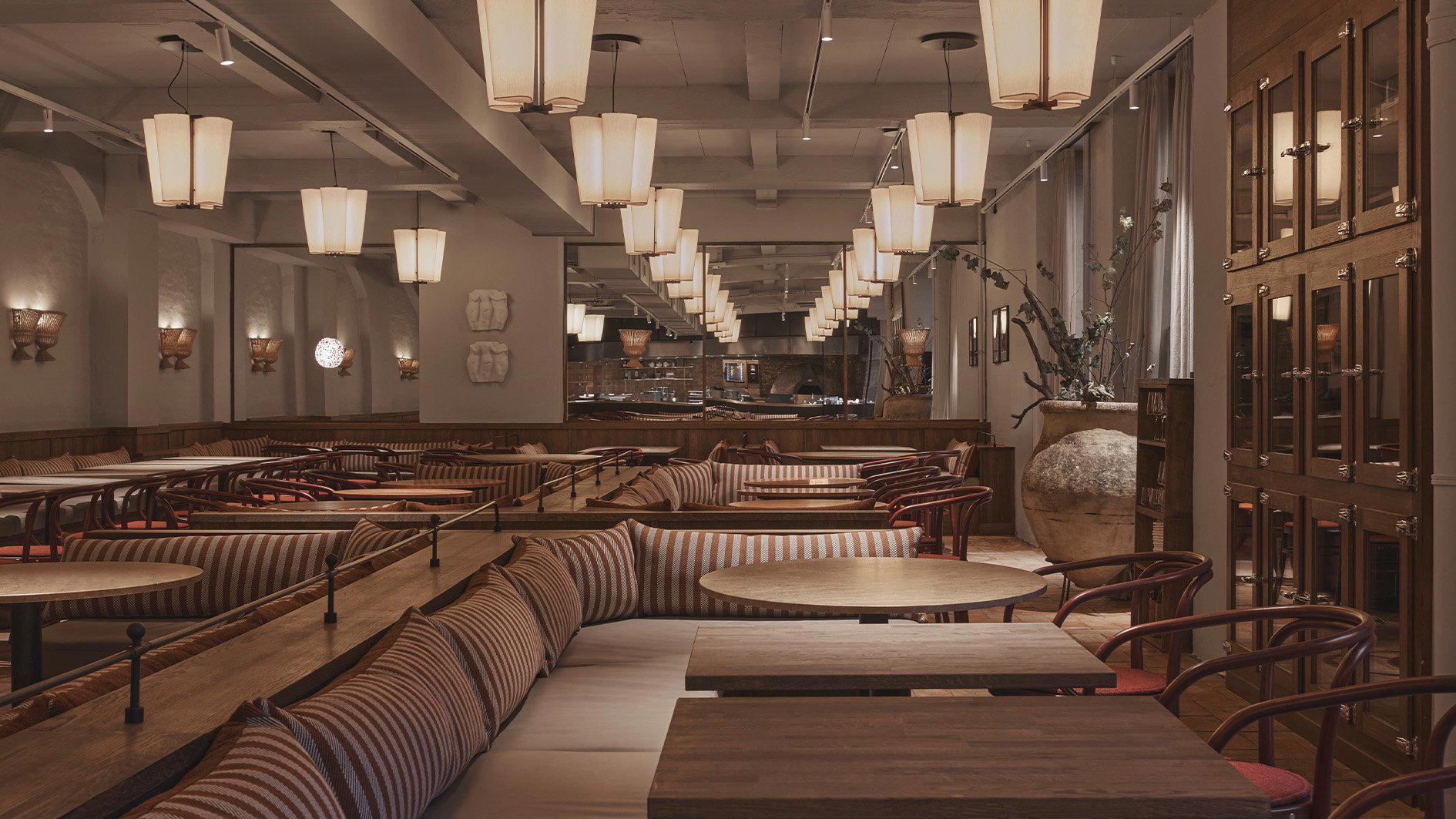
Bars in Copenhagen
Browse all →


At a Glance
- Intimate
- Elegant
- Cozy
- Sophisticated
- Special Occasion
- Date Night
- Standalone
- Sommelier Led
- Local Sourcing
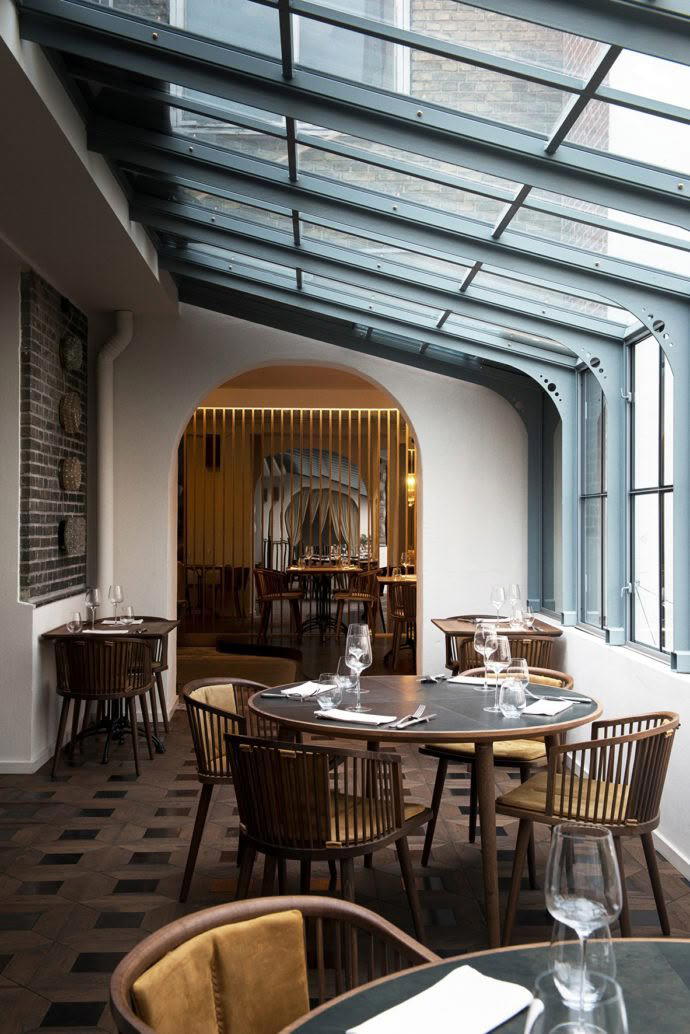
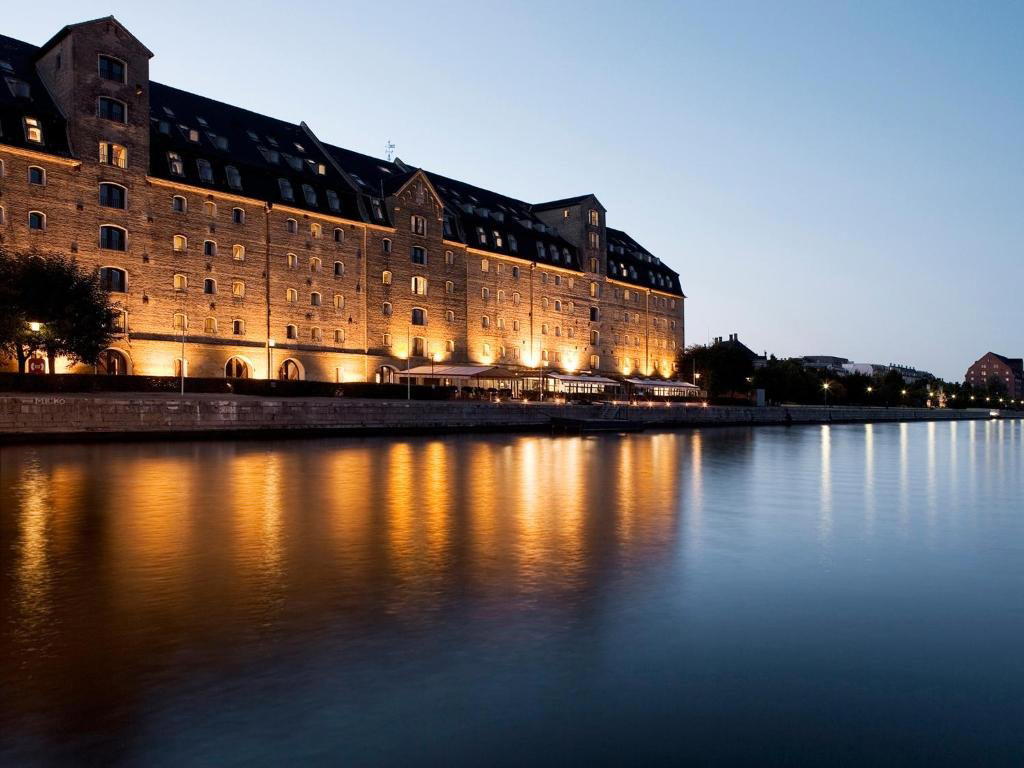
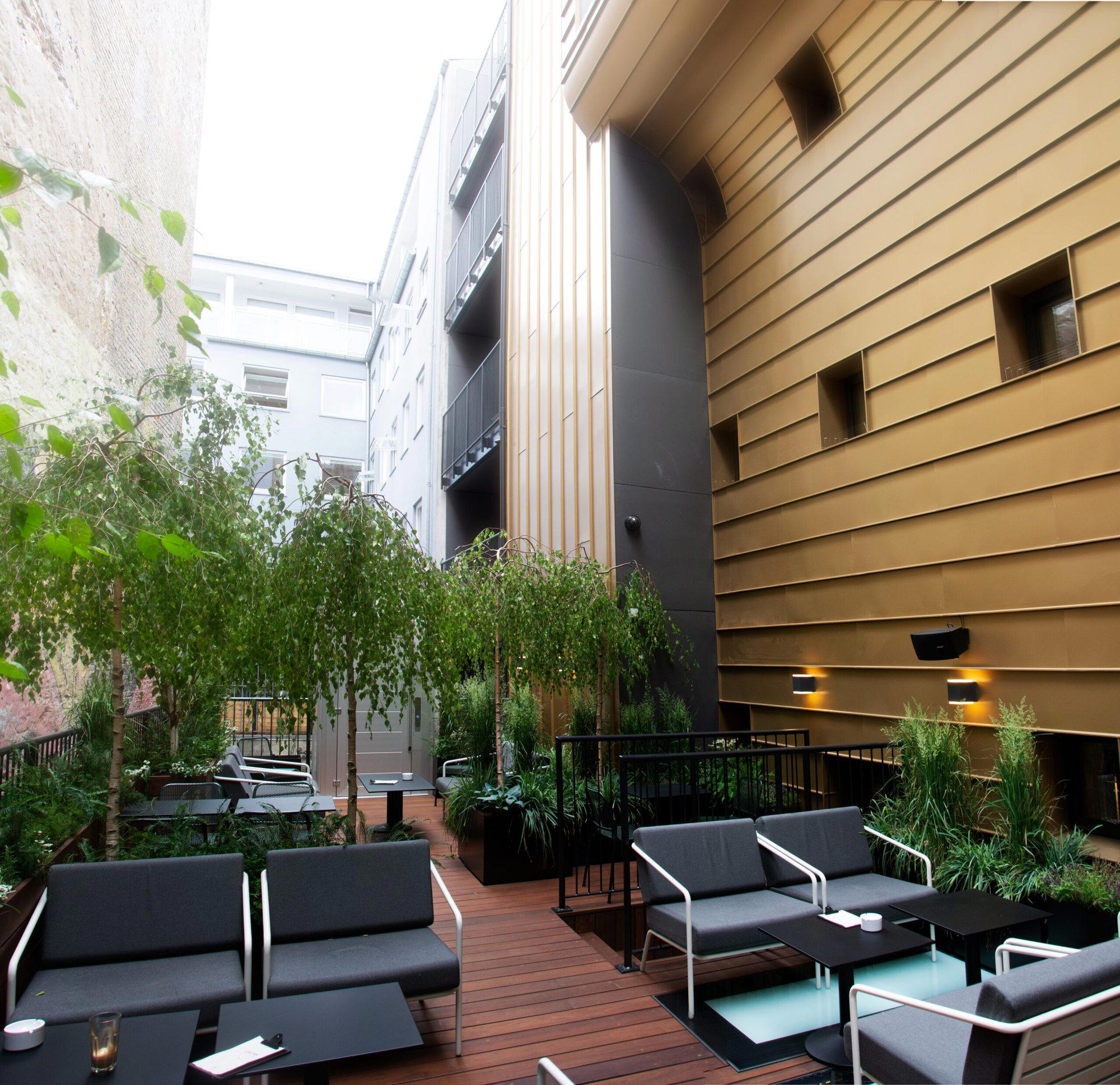
Charming and contemporary interior in a cozy old building with personal, relaxed gourmet atmosphere.