Carlos & Carlos Antigua
On a quiet stretch of 4a Avenida Sur in Antigua Guatemala, Carlos & Carlos occupies a position in the city's mid-tier dining scene where colonial atmosphere and local ingredient traditions intersect. The address places it within walking distance of the central plaza, making it a practical anchor for visitors exploring Antigua's broader restaurant circuit.
Pearl is the En Primeur Club membership app — saves, bookings, and concierge access live there. Same editors, same standards.
- Address
- 4a Avenida Sur 1, Antigua Guatemala, Guatemala
- Phone
- +50278722432
- Website
- carlosandcarlosantigua.com
- Directions
- Get directions
 Saves & bookings on Pearl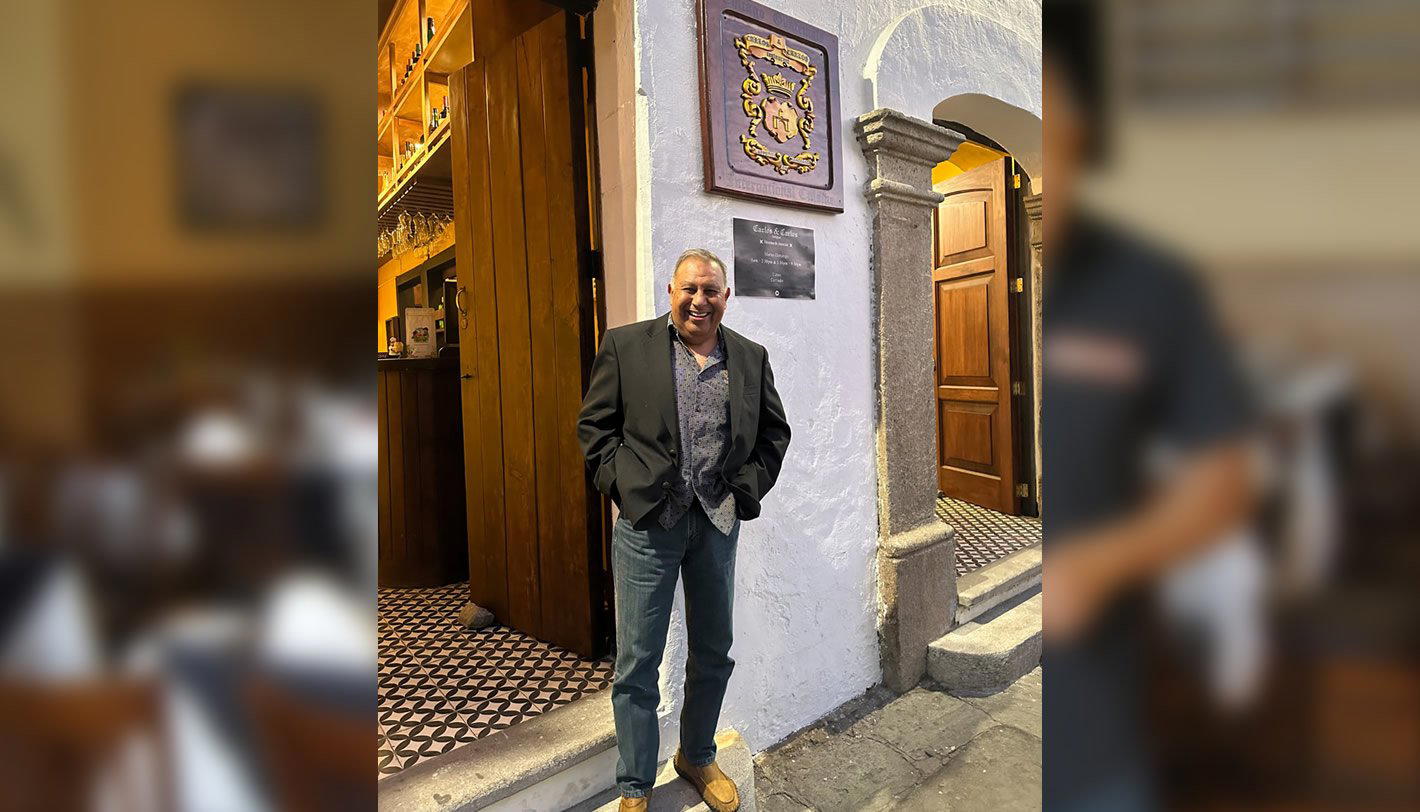
Where Antigua's Ingredient Culture Shows Up at the Table
Antigua Guatemala's dining scene has matured in a way that reflects the country's agricultural geography more directly than most Central American cities of comparable size. The highlands surrounding the city produce some of the region's most notable ingredients: single-origin cacao from Alta Verapaz, black beans and chiles from the western highlands, and coffee from estates that sit at elevations between 1,500 and 1,800 metres above sea level. Restaurants operating along 4a Avenida Sur and the streets radiating from the Parque Central increasingly source from this supply chain, and Carlos & Carlos Antigua, at 4a Avenida Sur 1, sits at that intersection of location and local supply logic.
The address itself signals something about the dining format: central Antigua, within the colonial grid, where foot traffic from the main plaza meets a quieter residential character. In cities where ingredient provenance has become a genuine differentiator rather than a marketing exercise, the proximity to local markets and the ease of supply from nearby highland producers creates conditions for kitchens to work with what is genuinely in season rather than what can be sourced from a distributor's catalogue.
The Sourcing Logic Behind Guatemalan Highland Kitchens
Guatemala's agricultural diversity is concentrated in a relatively small geographic corridor. The Pacific slopes, the Altiplano, and the cloud forest zones of Verapaz each produce distinct ingredients that define regional cooking: pepián made from toasted squash seeds and dried chiles; kak'ik, the turkey-based broth of the Q'eqchi' Maya tradition; and corn in varieties that most international visitors will not have encountered outside the country. Kitchens in Antigua that engage with this supply chain are operating with ingredients that carry genuine specificity, not generically sourced proteins dressed in local garnish.
This is the context in which Carlos & Carlos Antigua operates. The city's restaurant circuit has split in recent years between properties targeting international visitors with broadly familiar formats and a smaller cohort of addresses that foreground local produce and regional preparation traditions. The latter group tends to occupy smaller spaces, maintain closer relationships with highland suppliers, and price in ways that reflect the actual cost of working with artisanal and small-farm sources rather than commodity supply chains. For venues like Welten Restaurant Antigua Guatemala and Quiltro, which have built reputations on exactly this kind of local sourcing discipline, the broader scene in Antigua has provided the conditions for that approach to find an audience.
The Colonial Setting as Context, Not Costume
Antigua's built environment is one of the most coherent examples of Spanish colonial urban planning in the Americas. The grid, the cathedral ruins, the fountain at the Parque Central: these are not stage-set backdrops but the actual fabric of a city that has been continuously inhabited since the sixteenth century. Restaurants operating within this environment carry the setting's weight whether they intend to or not. The question is whether the food inside the room corresponds to the specificity of the place outside it.
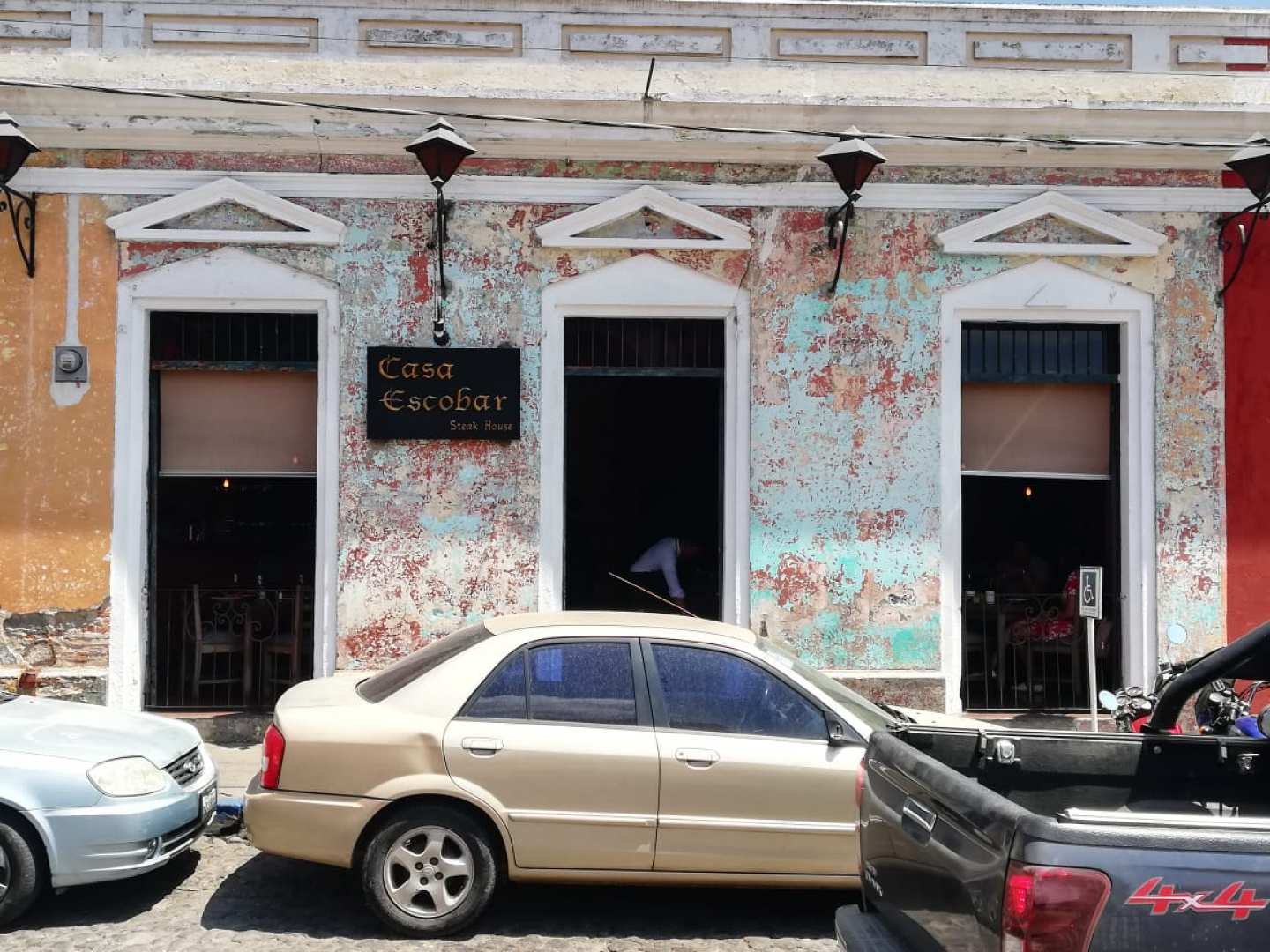
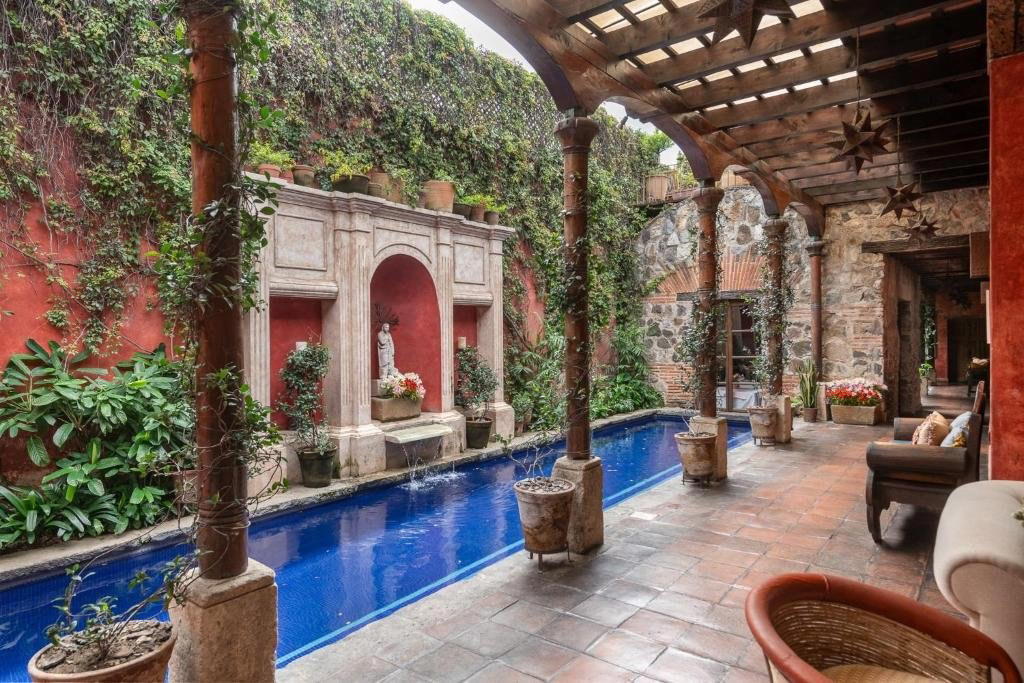
On 4a Avenida Sur, the architectural character runs toward thick walls, interior courtyards, and the particular quality of light that colonial construction produces in the late afternoon. This physical environment shapes how meals are experienced in Antigua differently from, say, a purpose-built dining room in a newer neighbourhood of Guatemala City. For visitors comparing options across the city's full range, addresses like Casa Escobar Antigua and El Rincon Tipico offer points of reference for understanding how different kitchens in the same colonial setting have chosen to respond to, or work against, the expectations that setting creates.
Antigua in the Wider Guatemalan Dining Picture
Antigua does not operate in isolation from Guatemala City's more developed restaurant infrastructure. The capital carries venues like DIACÁ in Guatemala City and Luka in Ciudad De Guatemala, which have pushed Guatemalan fine dining toward regional recognition. Antigua functions as a different kind of dining environment: more tourism-oriented in its broader character, but capable of producing serious cooking precisely because the ingredient supply from the surrounding highlands is accessible in a way it is not from the capital.
Beyond Guatemala City, the country's dining geography extends to lake and jungle settings where format and location are inseparable from the cooking. Restaurante La Danta in Flores and Casa Palopó in Santa Catarina Palopó each occupy environments where ingredient sourcing is shaped by proximity to specific ecosystems. Antigua sits between these poles: accessible from the capital in under an hour, surrounded by highland agricultural production, and embedded in a UNESCO-designated colonial city that draws visitors year-round.
For visitors working through Antigua's options, the range is wider than the city's compact grid might suggest. Kombu Ramen and Pappy's BBQ in La Antigua Guatemala represent the international-format addresses that have found footing in a city with a high proportion of long-stay travellers and expatriate residents. Carlos & Carlos Antigua occupies a different position in that mix, one oriented more directly toward local ingredient traditions and the regional cooking logic of the Guatemalan highlands. The full Antigua Guatemala restaurants guide maps the full range across price points and formats.
Further afield, Pacaya in San Vicente Pacaya and Villa Bokéh in Antigua extend the options for visitors who are treating Antigua as a base for the wider region rather than a single destination. Internationally, the sourcing-led approach that defines the better end of Antigua's restaurant scene finds parallels at venues operating at very different scales and price points, from Lazy Bear in San Francisco to Le Bernardin in New York City and Atomix in New York City, where the discipline of knowing exactly where an ingredient comes from shapes every decision on the plate. Emeril's in New Orleans built its reputation on a similar commitment to regional supply chains, proof that sourcing specificity is not a recent invention but a long-standing marker of kitchens that take their geography seriously.
Planning Your Visit
Carlos & Carlos Antigua is at 4a Avenida Sur 1, a short walk from the Parque Central. The address is accessible on foot from most central Antigua accommodation, and the surrounding blocks offer the density of options that makes the area worth allocating several meals to rather than a single visit. Antigua's high season runs from November through April, when the dry climate and international visitor volume are both at their peak; the rainy season from May through October brings quieter streets and, for kitchens sourcing locally, different produce availability from the highland farms that supply the city's better tables. For context on peer venues in the same area, Restaurant Don Carlos, Mazate in Mazatenango offers a point of comparison for how Guatemalan regional cooking translates to different city contexts outside Antigua itself.
A Quick Peer Check
| Venue | Cuisine |
|---|---|
| Carlos & Carlos AntiguaThis venue — the venue you are viewing | This venue |
Continue exploring
More in Antigua Guatemala
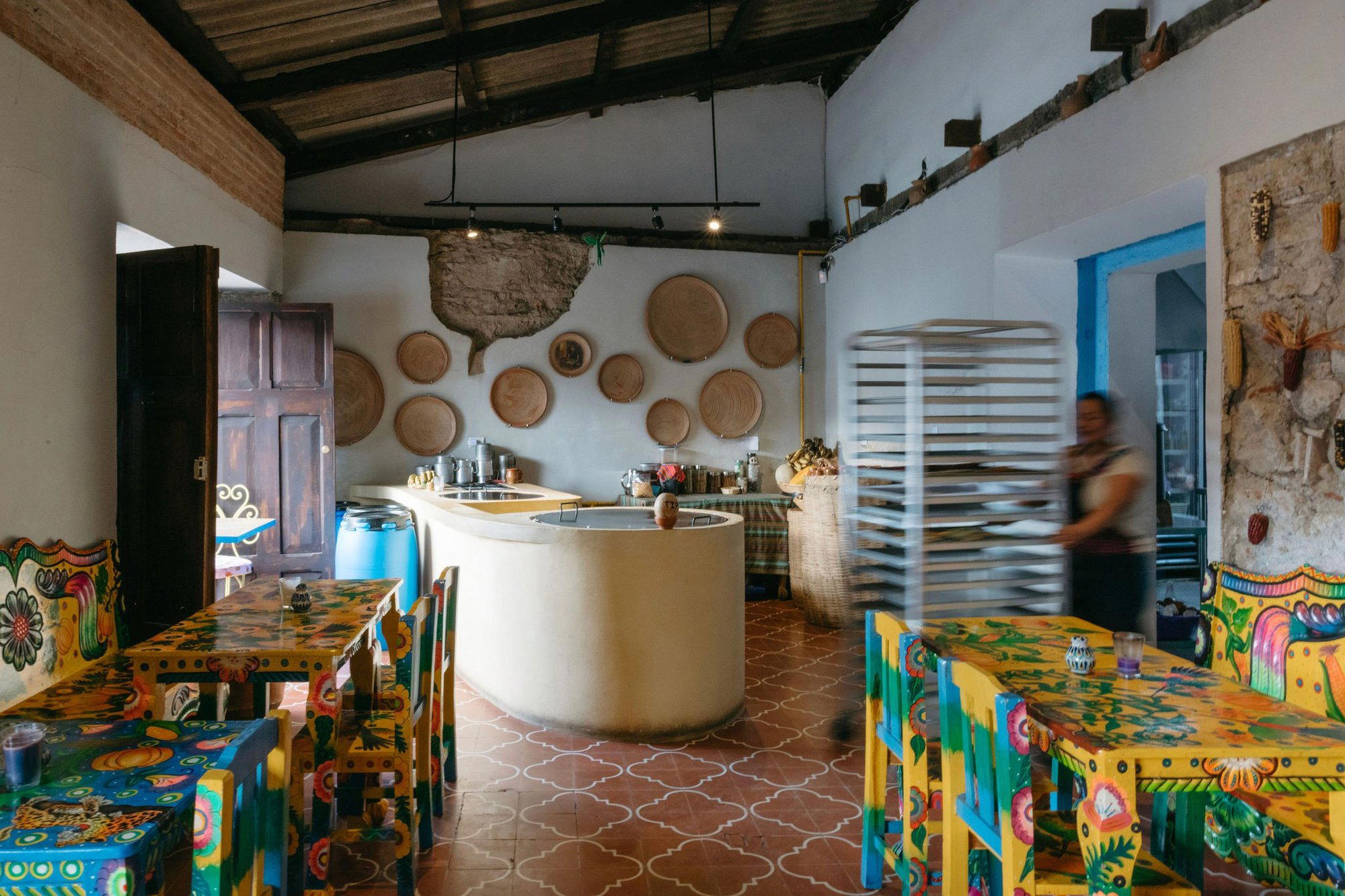
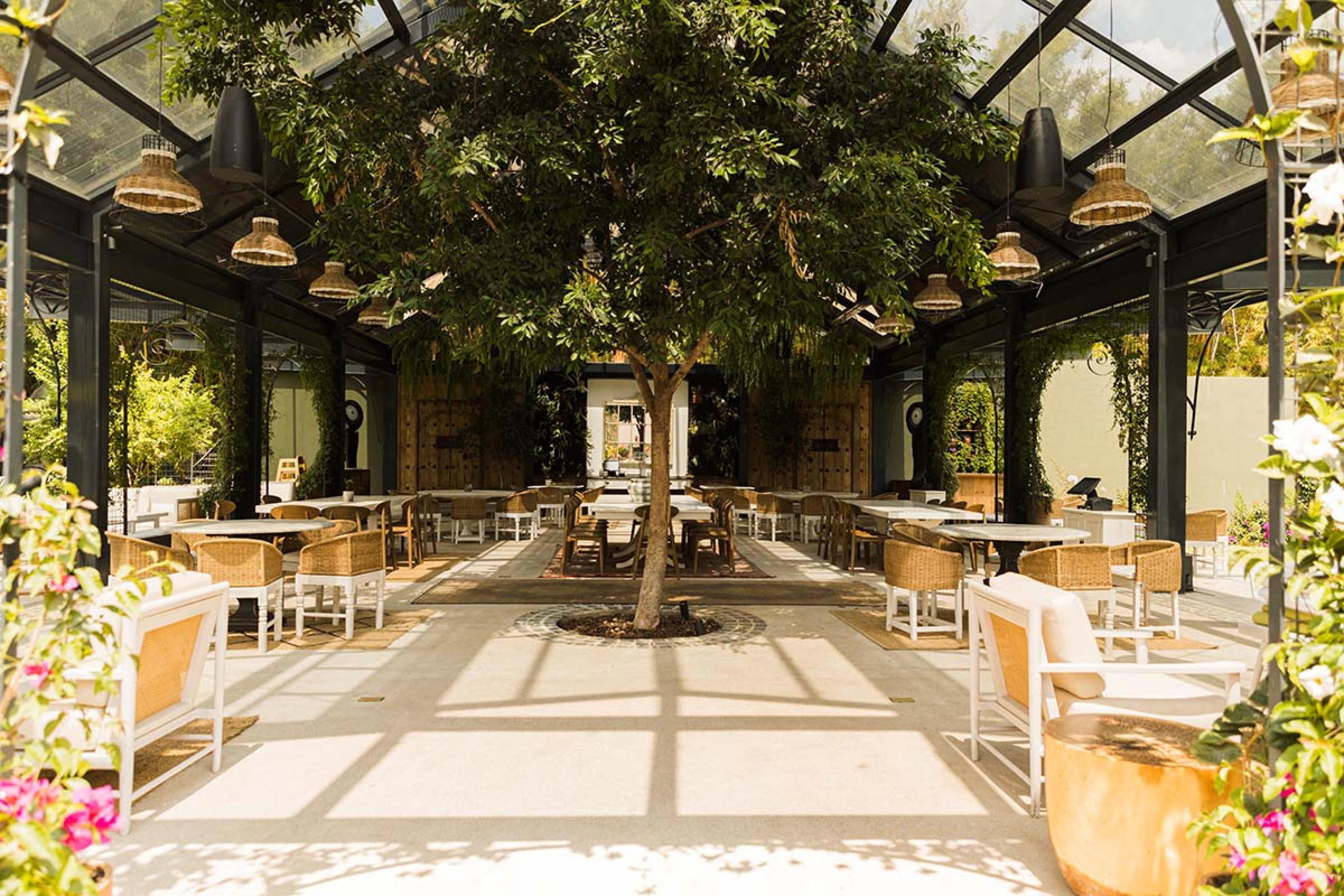
Restaurants in Antigua Guatemala
Browse all →
Bars in Antigua Guatemala
Browse all →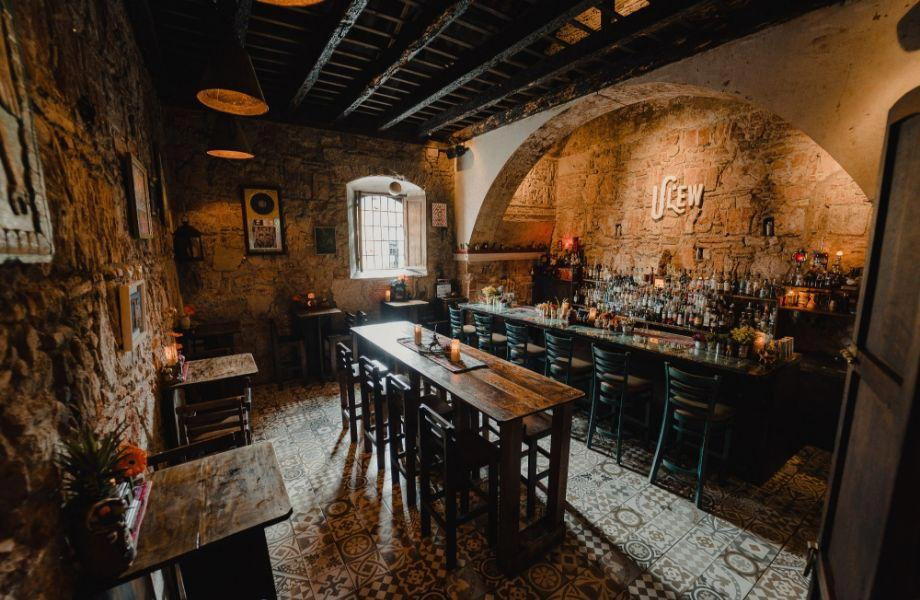
At a Glance
- Elegant
- Romantic
- Sophisticated
- Date Night
- Business Dinner
- Special Occasion
- Celebration
- Standalone
- Extensive Wine List
- Craft Cocktails
- Local Sourcing
Current opening hours
- Monday
- Closed
- Tuesday
- 12:30–10 PM
- Wednesday
- 12:30–10 PM
- Thursday
- 12:30–10 PM
- Friday
- 12:30–10 PM
- Saturday
- 12:30–10 PM
- Sunday
- 12:30–9:30 PM
Hours can change for holidays and private events. Last verified .
Upscale dining atmosphere with refined service and attention to quality in every detail, creating an elegant setting for special occasions.