Our verdict
Brasa Dublin brings Brazilian live-fire cooking to Ormond Quay Upper on the north bank of the Liffey, positioning itself within a Dublin dining scene increasingly open to cuisines beyond the Franco-Irish axis. The address places it a short walk from the city's main cultural and dining corridors, making it a practical choice for pre- or post-theatre dining on the northside.

Pearl is the En Primeur Club membership app — saves, bookings, and concierge access live there. Same editors, same standards.
- Address
- 6 Ormond Quay Upper, North City, Dublin, D07 H324, Ireland
- Phone
- +35315589177
- Hours
- Mon–Thu 12–9:30 PMFri–Sat 12–10 PMSun 12–9:30 PM
- Website
- brasadublin.ie
- Directions
- Get directions
- Booking
- Book on OpenTable
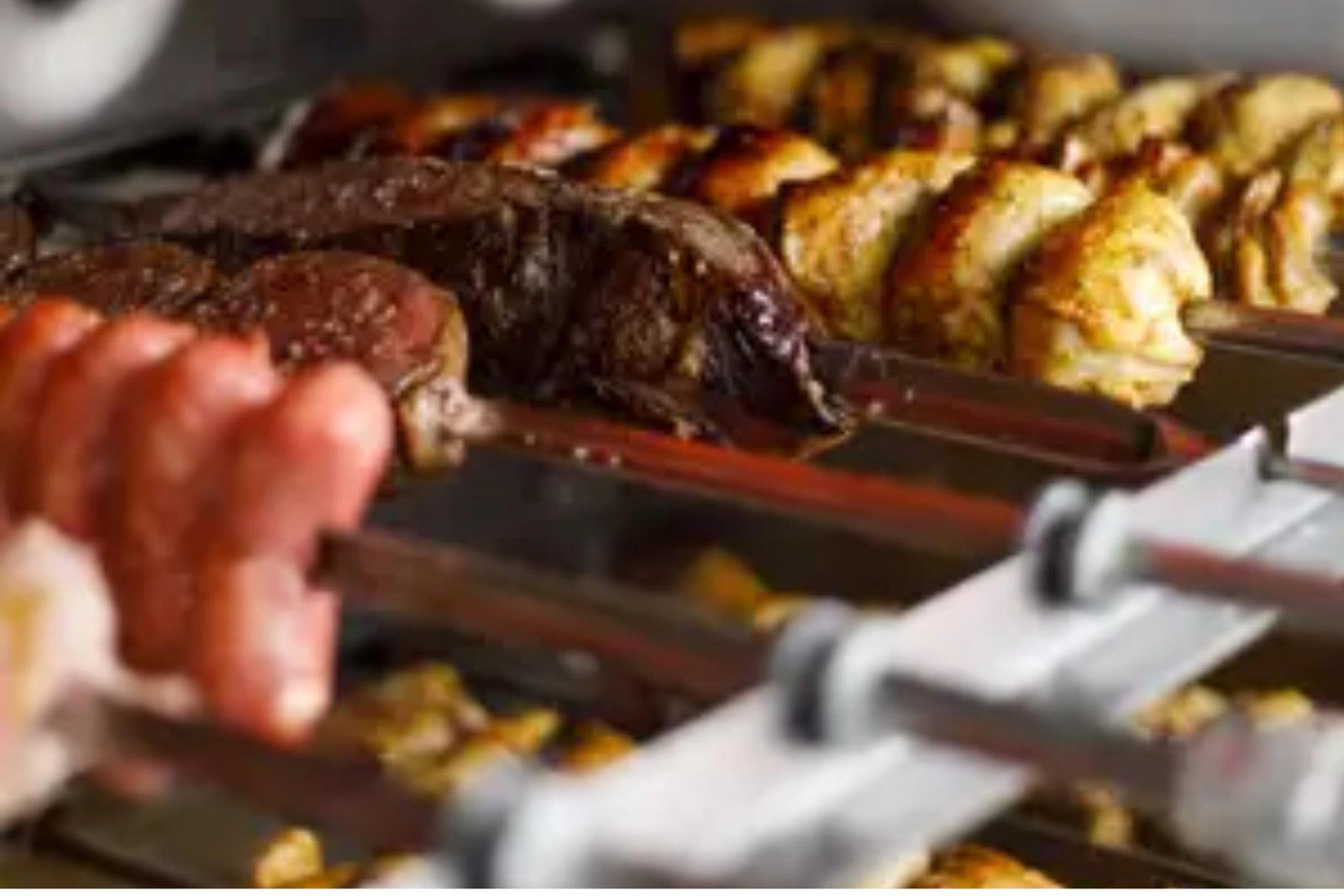
Brazilian Fire on the North Quays
The north bank of the Liffey has spent the better part of a decade catching up to the southside's concentration of fine dining, and the Ormond Quay stretch is part of that shift. The quays carry a particular character: wide, river-facing, with Georgian warehouses converted into restaurants and bars that draw a crowd distinct from the buttoned-up environs of St Stephen's Green. It is into this context that Brasa Dublin arrives with a Brazilian proposition at 6 Ormond Quay Upper, occupying a position on a corridor that now sees genuine culinary ambition rather than purely tourist traffic.
Brazilian cooking remains rare on the Irish dining circuit. While Dublin's restaurant scene has broadened considerably over the past decade, pulling in Vietnamese, West African, and Korean influences alongside its deep Franco-Irish tradition, South American cuisine has stayed peripheral. The broader trend toward live-fire and charcoal cooking, visible in kitchens from Bastible to Liath in Blackrock, gives Brasa a current it can work with rather than against.
The Scene Brasa Enters
Dublin's dining hierarchy in 2024 is well-defined at the leading. The Michelin-starred tier runs from the long-established Patrick Guilbaud through to newer entrants like Chapter One by Mickael Viljanen, Glovers Alley, and D'Olier Street. Brasa operates in a different register: Brazilian cuisine, at its functional core, centres on the churrasco tradition, communal cuts, and the kind of hospitality that is expressive rather than ceremonial. That distinction matters when assessing where Brasa fits in the city's competitive map. It is not competing with the modernist tasting-menu tier; it is competing with the mid-market and casual dining sector, where Dublin has real depth but less international-cuisine diversity.
Across Ireland, the willingness to take serious cuisine outside Dublin is increasingly evident. Kitchens like Aniar in Galway, Campagne in Kilkenny, and Bastion in Kinsale have raised expectations nationally for what a serious kitchen looks like. That broader context means Dublin diners in 2024 bring a more calibrated palate to any restaurant opening, including one rooted in a cuisine that is new to many of them. The pressure on Brasa is, in that sense, greater than it would have been a decade ago, when novelty alone could carry a cuisine introduction.
What Brazilian Cuisine Brings to the Table
The churrasco tradition that anchors most Brazilian restaurant exports is built on technique that is deceptively demanding: managing heat across multiple protein cuts simultaneously, reading the char on picanha or fraldinha with the kind of precision that any serious grill cook must develop over years. Beyond the grill, Brazilian cooking draws on a wide larder: manioc in multiple preparations, black beans cooked low and slow into feijoada, the dense and acid-bright citrus influence that comes through in marinades and sides. A kitchen presenting this cuisine authentically to Dublin diners has to make decisions about how much context-setting to do, and how much to trust the food to speak without translation.
The team dynamic at a Brazilian restaurant in Dublin carries particular weight for this reason. Front-of-house staff who can guide guests through unfamiliar cuts and preparations, and communicate the logic of a cuisine that does not default to European plating conventions, are as important as the grill cook. In cities like New York, where Brazilian cooking has had decades to establish fluency with non-Brazilian diners, teams at restaurants like Le Bernardin or conceptual-dining formats like Lazy Bear in San Francisco demonstrate that floor staff who are invested in the narrative of a cuisine are a material factor in how that cuisine is received. For Brasa, where the cuisine itself is the distinguishing factor, the floor carries significant interpretive responsibility alongside the kitchen.
The Northside Address
Ormond Quay Upper is walkable from key Dublin transit points: Luas stops on the Red Line bring guests from Heuston Station and the western suburbs, while the area sits within fifteen minutes on foot from the Dart corridor at Connolly. For visitors staying in the city centre, the north quays are accessible without requiring transport, and the river-facing position means the approach from either bank offers a different relationship to the building. Evening service on the quays tends to draw a local rather than tourist-heavy crowd, which suits a kitchen making a longer argument about cuisine tradition rather than relying on the short attention spans of transient diners.
For those building a wider Irish dining itinerary, the context here extends well beyond Dublin. Kitchens like dede in Baltimore, Terre in Castlemartyr, Homestead Cottage in Doolin, The Morrison Room in Maynooth, The Oak Room in Adare, and Chestnut in Ballydehob illustrate how seriously the country's broader restaurant network has developed. Brasa sits within that network as a Dublin-specific answer to the question of what Brazilian cuisine looks like when it is given a proper platform in an Irish city. See our full Dublin restaurants guide for a complete map of where to eat across the capital.
Planning Your Visit
Brasa Dublin is located at 6 Ormond Quay Upper on Dublin's northside, a few minutes from the Ha'penny Bridge and central transport links. Given the restaurant's Brazilian focus and the relative scarcity of South American kitchens in Dublin, it draws a crowd from across the city rather than just the immediate neighbourhood, so planning ahead is advisable, particularly for weekend evenings. Booking details and current opening hours are best confirmed directly with the restaurant before visiting. For those eating earlier in the week, midweek service at restaurants in this part of the city tends to offer a more relaxed pace than the Friday and Saturday peaks.
Frequently asked questions
What's the must-try dish at Brasa Dublin?
Brazilian cuisine's signature is the churrasco tradition, with cuts like picanha the standard benchmark for any Brazilian grill kitchen.
Is Brasa Dublin reservation-only?
Dublin's northside dining scene has grown competitive for weekend bookings. Given the restaurant's positioning on Ormond Quay and its Brazilian specialism, demand for weekend tables is likely to outpace walk-in availability. Contacting the restaurant directly in advance is the most reliable way to secure a table, particularly for groups or special occasions.
What's the standout thing about Brasa Dublin?
The standout factor is positional: Brazilian cuisine at this address fills a gap that Dublin's otherwise broad restaurant scene has left open. The combination of live-fire technique, a cuisine tradition with genuine depth, and a northside location that is drawing increased dining interest gives Brasa a distinct position in the city's current restaurant map.
Can Brasa Dublin adjust for dietary needs?
Brazilian cuisine includes a wide range of preparations beyond the grill, including vegetable, bean, and rice-based dishes that can accommodate various dietary requirements. For specific dietary needs, reaching out to the restaurant directly before visiting is the safest course, as kitchen capacity to adapt varies by service and by the specific constraint involved.
Should I splurge on Brasa Dublin?
The value case for a committed Brazilian kitchen in Dublin rests less on price bracket and more on scarcity: there is no equivalent in the city. If South American grilling and the feijoada tradition are cuisines you want to explore seriously, Brasa is currently the clearest Dublin address to do so, which makes the visit worth prioritising regardless of where it ultimately prices.
How does Brasa Dublin compare to other international cuisine restaurants on Dublin's northside?
The northside's dining offer has historically been thinner on international cuisines than the southside corridors around Camden Street or Baggot Street, though that gap has narrowed since 2019. Brasa's Brazilian focus places it in a distinct category rather than in direct competition with other international kitchens in the area. For diners building a broader picture of Dublin's international dining scene, it sits alongside the city's Asian, Middle Eastern, and African kitchen options as part of a genuinely diverse city-wide offer that has developed rapidly over the past five years.
Comparable Venues
Comparable venues nearby, for context on price, style, and recognition.
| Venue | Cuisine | Price | Notes |
|---|---|---|---|
| Brasa Dublin – Brazilian CuisineThis venue — the venue you are viewing | Authentic Brazilian Churrasco | $50–100 | Not listed |
| The Ribs Gaucho BBQ / Brazilian Steakhouse | Brazilian Gaucho BBQ Steakhouse | $30–50 | North City |
| BAH33 THE AUTHENTIC GAUCHO BBQ | Authentic Gaucho BBQ | $50–100 | Mansion House B |
| The Terrace at The Shelbourne | Contemporary Irish | Not listed | Mansion House B |
| Brasileirinho | Brazilian Steakhouse | $30–50 | Inns Quay C |
| l'Gueuleton | Modern French Bistro | $50–100 | Royal Exchange A |
Continue exploring
More in Dublin
Restaurants in Dublin
Browse all →
Bars in Dublin
Browse all →
Hotels in Dublin
Browse all →
Wineries in Dublin
Browse all →
Details
- Rustic
- Lively
- Modern
- Group Dining
- Casual Hangout
- Waterfront
- Open Kitchen
- Craft Cocktails
- Waterfront
- Street Scene
- A La Carte
Current opening hours
- Monday
- 12–9:30 PM
- Tuesday
- 12–9:30 PM
- Wednesday
- 12–9:30 PM
- Thursday
- 12–9:30 PM
- Friday
- 12–10 PM
- Saturday
- 12–10 PM
- Sunday
- 12–9:30 PM
Hours can change for holidays and private events. Last verified .
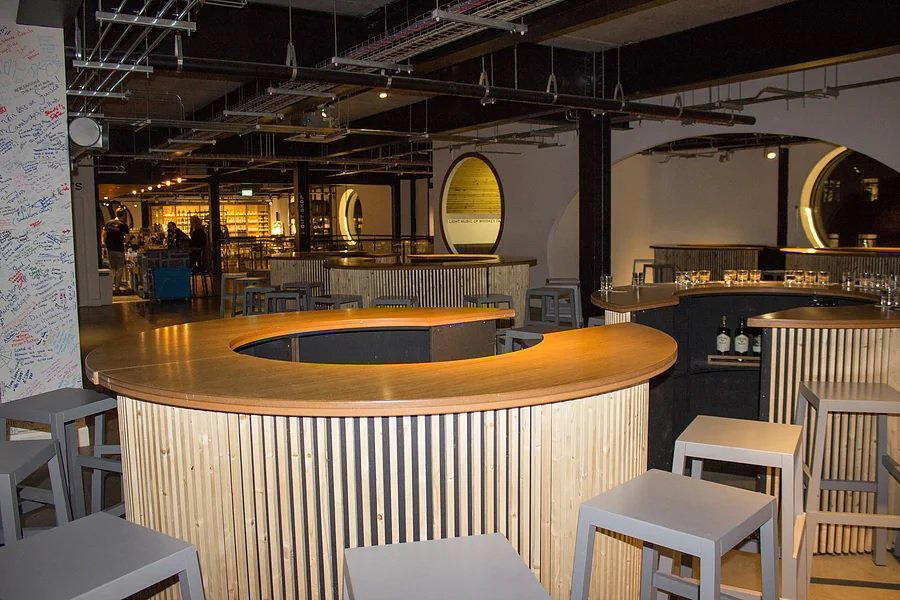
Rustic décor complemented by a lively atmosphere and dramatic waterfront views from the River Liffey.