
Star Wine List
Our verdict
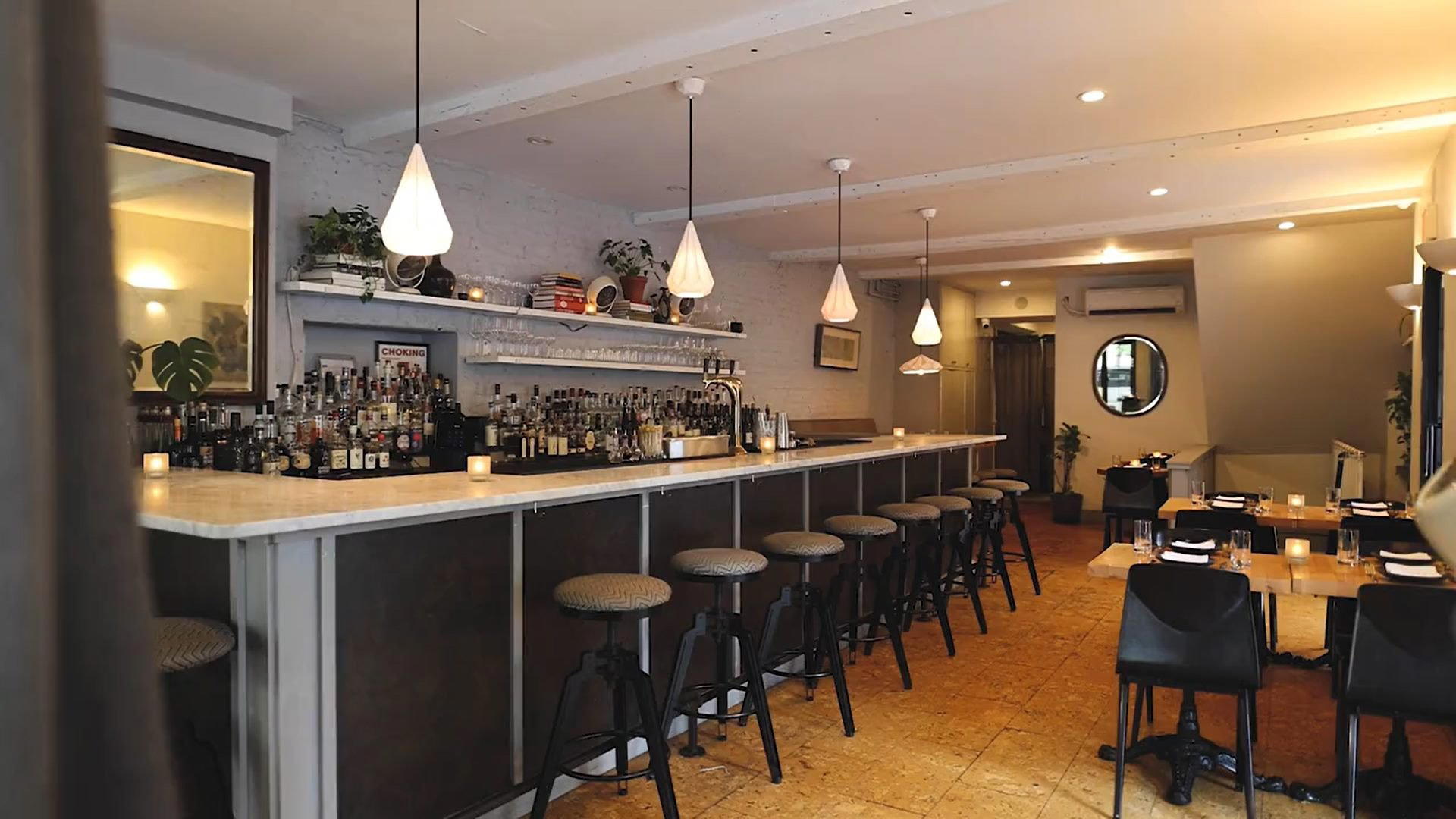
Clay occupies a former jazz club on Manhattan Avenue in West Harlem, a few blocks from 125th Street, where the room's history and the kitchen's sensibility operate in obvious conversation. The food and wine program aligns with an Uptown ethos that keeps this address distinct from the tightly clustered downtown fine-dining circuit. It is one of the more considered neighborhood destinations in upper Manhattan.

Pearl is the En Primeur Club membership app, where members save venues, book tables and use the concierge.
The menu
What to order
- Bucatini with short rib ragu
- Toasted gnocchi
- Pork belly
- Confit duck
West Harlem's Quiet Shift Toward Serious Dining
Manhattan's fine-dining geography has long been dominated by Midtown and the lower reaches of the island, where addresses like Le Bernardin, Masa, and Per Se anchor a price tier that often feels insulated from any particular neighborhood. Uptown has operated differently. The restaurants that earn loyalty here tend to earn it by embedding in local culture rather than aspiring to the midtown circuit. Clay, on Manhattan Avenue a few blocks below 125th Street, fits that pattern with enough specificity to make the comparison worthwhile.
The building was a jazz club before it became a restaurant, and that history is not incidental. Jazz venues in Harlem carried a particular social logic: they were gathering places with a cultural point of view, not just rooms where things happened to be served. Restaurants that inherit such spaces either ignore the context or let it inform how they operate. Clay, by most available signals, chose the latter. The vibe, food, and wine are described as adhering to an Uptown ethos, a phrase that, in this part of the city, carries genuine meaning about community orientation and cultural specificity rather than geography alone.
The Room and What It Communicates
Manhattan Avenue in this stretch is one of the more composed blocks in West Harlem, where brownstones and a lower commercial density create a pace that contrasts with the 125th Street corridor nearby. Arriving at Clay, the former-club architecture gives the room a character that purpose-built restaurant spaces rarely achieve. High ceilings, the residue of a performance history, and a streetscape that reads as authentically neighborhood rather than commercially optimized, these are the environmental signals that distinguish addresses in this part of the city from their downtown counterparts.
Among New York restaurants at a comparable positioning, this kind of atmospheric inheritance is increasingly rare. Spaces at Saga or César operate from buildings with their own architectural weight, but those contexts speak to a different chapter of New York's history. Clay's room speaks to Harlem's specifically, and that distinction shapes expectations from the moment you arrive.
Food and Wine as a Coherent Uptown Position
The editorial framing around Clay consistently pairs food and wine as a unified program rather than treating the kitchen as the primary signal and the wine list as secondary infrastructure. That pairing is a choice, and it reflects a collaborative model between kitchen and floor that has become one of the more reliable markers of a restaurant operating with genuine ambition. Restaurants where the sommelier and chef work in obvious conversation, where the wine list is built to complement a specific culinary direction rather than to cover expected categories, tend to produce more coherent dining experiences than those where the two departments operate independently.
This team-led approach places Clay in a broader pattern visible at serious independent restaurants across American cities. At Lazy Bear in San Francisco or Providence in Los Angeles, the alignment between kitchen philosophy and beverage program is part of what defines the experience rather than an afterthought. The same logic applies at Alinea in Chicago, where every element of the guest experience is understood as an output of collective decisions rather than a single department's vision. Clay's Uptown ethos suggests a similar orientation, adapted to a neighborhood context that carries its own cultural weight.
For a sense of how food and wine collaboration plays out across different American regions and price tiers, the contrast with Single Thread Farm in Healdsburg or The French Laundry in Napa is instructive. Those properties sit at the highest price point in their respective markets and build their wine programs around deep California and European cellars. Clay operates in a different register entirely, Uptown New York, neighborhood-scaled, with a cultural identity rooted in Harlem rather than in wine-country prestige. The comparison clarifies what Clay is choosing not to be as much as what it is.
Where Clay Sits in the Broader New York Restaurant Picture
New York's restaurant scene has been spreading northward incrementally, with West Harlem seeing more sustained dining investment in recent years than at any point in the last two decades. Clay is part of that pattern but predates much of the recent attention, which gives it a credential that newer arrivals in the neighborhood lack: it was here before the area became a reference point for restaurant press coverage.
It is the tier of serious independent restaurants with clear culinary identities, neighborhood embeddedness, and beverage programs that signal genuine investment. Across that tier, New York has a relatively thin supply of addresses north of 110th Street that operate at Clay's apparent level of intentionality. For context on the full range of what the city offers, our full New York City restaurants guide maps the broader picture, and our guides to New York City hotels, bars, wineries, and experiences round out the city's coverage for planning purposes.
Internationally, the dynamic of a restaurant earning its identity from a neighborhood's cultural history rather than from a global fine-dining framework is visible in places as different as Emeril's in New Orleans, where the room carries the weight of a specific city's culinary tradition, or at a distance in 8½ Otto e Mezzo Bombana in Hong Kong and Alain Ducasse at Louis XV in Monte Carlo, where room and setting are inseparable from what is served. The mechanism differs by context, but the principle that a restaurant's physical and cultural address shapes what it can and should be is consistent across all of them.
Planning Your Visit
Clay is at 553 Manhattan Ave, New York, NY 10027, in the West Harlem stretch where Manhattan Avenue runs parallel to Frederick Douglass Boulevard. The location is a manageable distance from the 2/3 subway at 116th Street or the B/C at 116th Street on the Central Park West side, making it accessible without requiring a car. Given the neighborhood's relative quiet compared with busier downtown dining corridors, evenings here tend to carry a different pace, less transactional, more suited to a longer table. Booking ahead, particularly for weekends, is the practical stance.
Frequently asked questions
What awards or recognition does Clay have?
Clay has received recognition including: Located in a former jazz club on a picturesque street just a few blocks from Harlem’s iconic 125th Street, everything about Clay feels authentically cool. The vibe, food, and wine adhere to the Uptown....
Where is Clay in New York City?
Clay is located at 553 Manhattan Ave, New York, NY 10027, New York City.
What should I eat at Clay?
The editorial framing around Clay consistently positions food and wine as a unified program rather than separate concerns, which suggests the menu rewards ordering alongside the wine list rather than treating it as an afterthought. Visiting with an appetite for whatever is current is the practical approach here.
Do I need a reservation for Clay?
Clay occupies a former jazz club on Manhattan Avenue in West Harlem, and its combination of a composed room and a food-and-wine program that has drawn outside editorial attention means walk-in availability can be limited. Booking ahead is the sensible approach, particularly on weekends.
What do critics highlight about Clay?
The consistent thread in editorial coverage of Clay is its coherence: food and wine treated as a single statement rather than two separate departments. The setting inside a former jazz club on Manhattan Avenue in West Harlem also draws comment, as the room carries a neighbourhood authenticity that newer downtown openings rarely replicate. The venue's proximity to 125th Street places it within a stretch of Harlem that has seen sustained dining investment in recent years.
Is Clay good for vegetarians?
The kitchen is described as operating with a coherent food identity tied to an Uptown sensibility, which typically implies a seasonal approach that can accommodate varied dietary needs, though that is not a substitute for confirming directly at 553 Manhattan Ave, New York, NY 10027.
What makes Clay different from other West Harlem restaurants near 125th Street?
Clay occupies a former jazz club on Manhattan Avenue, a few blocks from Harlem's 125th Street corridor, giving it a physical history that most newer openings in the area do not share. What separates it editorially is the deliberate pairing of food and wine as a unified program, an approach more common in downtown Manhattan destinations than in uptown neighbourhoods. That combination of venue character and programmatic seriousness is what has drawn attention to Clay as West Harlem's dining profile has grown.
Cuisine Context
Comparable venues nearby, for context on price, style, and recognition.
| Venue | Cuisine | Price | Awards | Notes |
|---|---|---|---|---|
| ClayThis venue (the venue you are viewing) | New American | Not listed | Star Wine List | Not listed |
| Shaw-naé's House | Soul Food | $30–50 | Not listed | Tompkinsville-Stapleton-Clifton-Fox Hills |
| Empire Burger House | American Burgers & Steaks | $30–50 | Not listed | East Midtown-Turtle Bay |
| FARM TO BURGER | Farm-to-Table American Burgers | $20–30 | Not listed | Hell's Kitchen |
| Beatnic Vegan Restaurant - West Village | Vegan Fast Casual | Not listed | Not listed | Greenwich Village |
| Sips | Specialty Coffee & Cafe | Not listed | Not listed | Bushwick (West) |
Recognition history
Dated appearances from independent guides and award organizations, with the underlying list record or original source where available.
Star Wine List
Star Wine List
Continue exploring
More in New York City
Restaurants in New York City
All restaurants in New York City →
Bars in New York City
All bars in New York City →




Details
- Elegant
- Modern
- Cozy
- Intimate
- Sophisticated
- Date Night
- Special Occasion
- Casual Hangout
- Open Kitchen
- Craft Cocktails
- Farm To Table
- Local Sourcing
- A La Carte
- Vegetarian Friendly
Current opening hours
- Monday
- 5–9 PM
- Tuesday
- 5–9 PM
- Wednesday
- 5–9 PM
- Thursday
- 5–9 PM
- Friday
- 5–9:30 PM
- Saturday
- 5–9:30 PM
- Sunday
- 5–9 PM
Hours can change for holidays and private events. Hours as of .
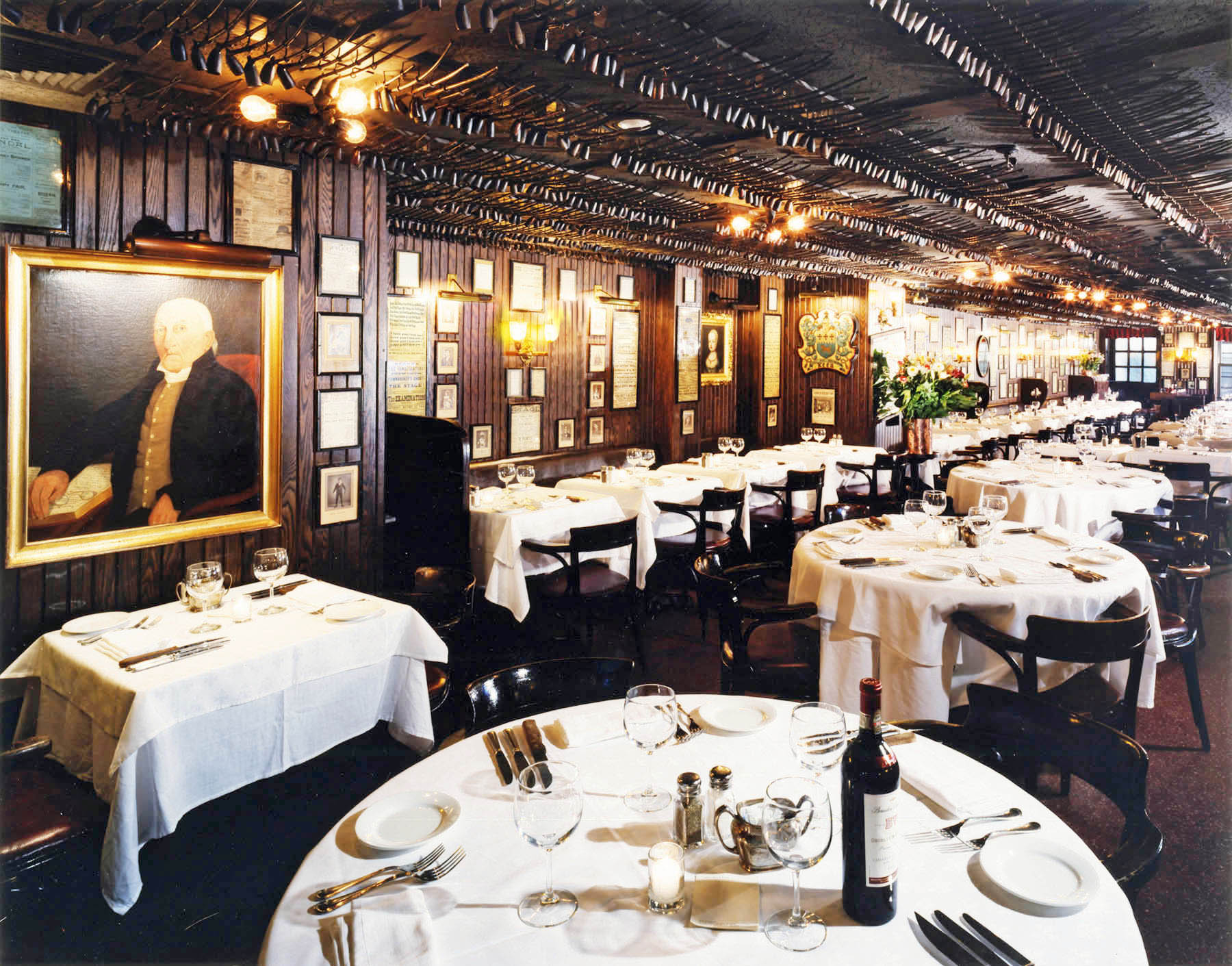
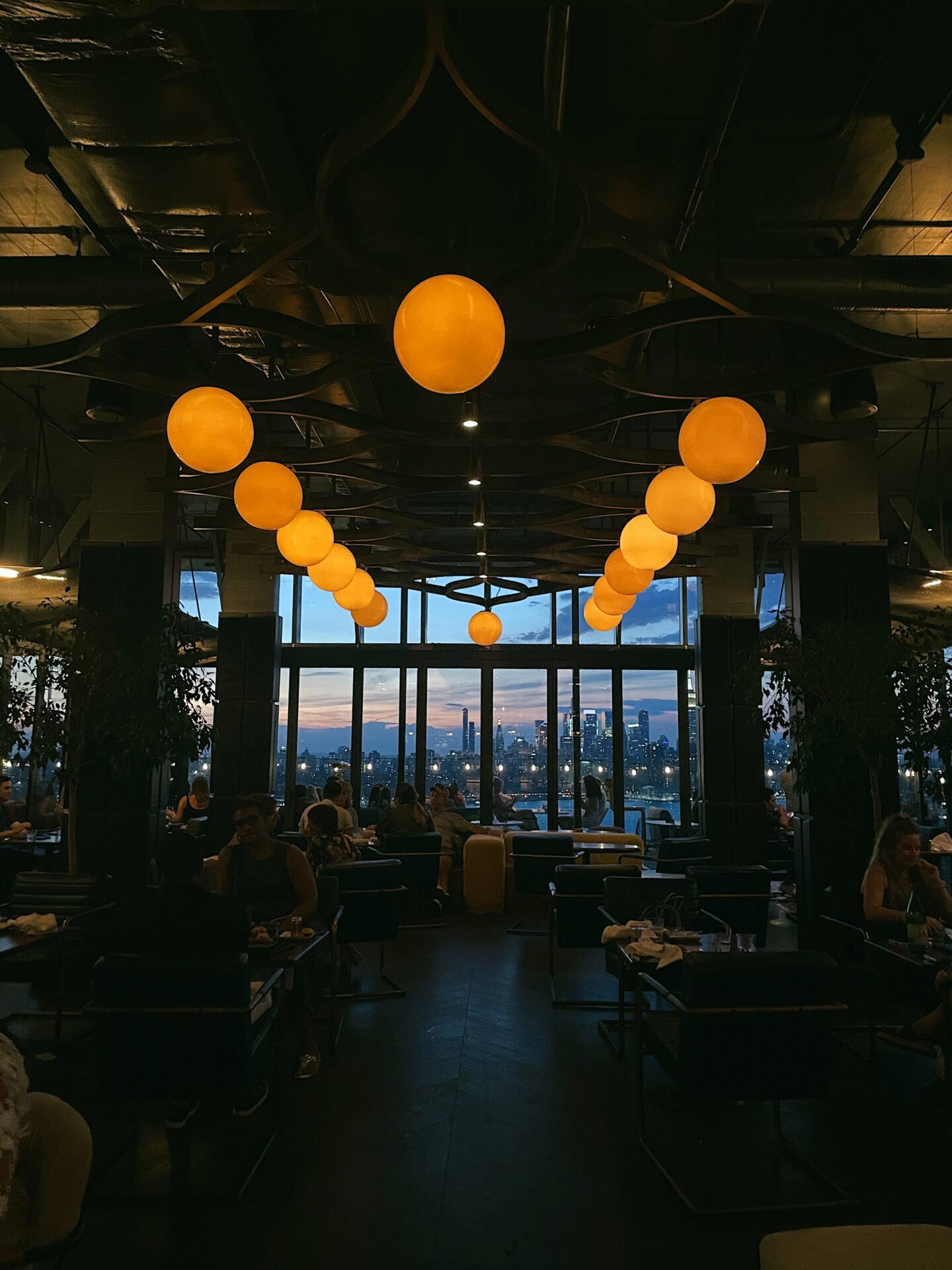
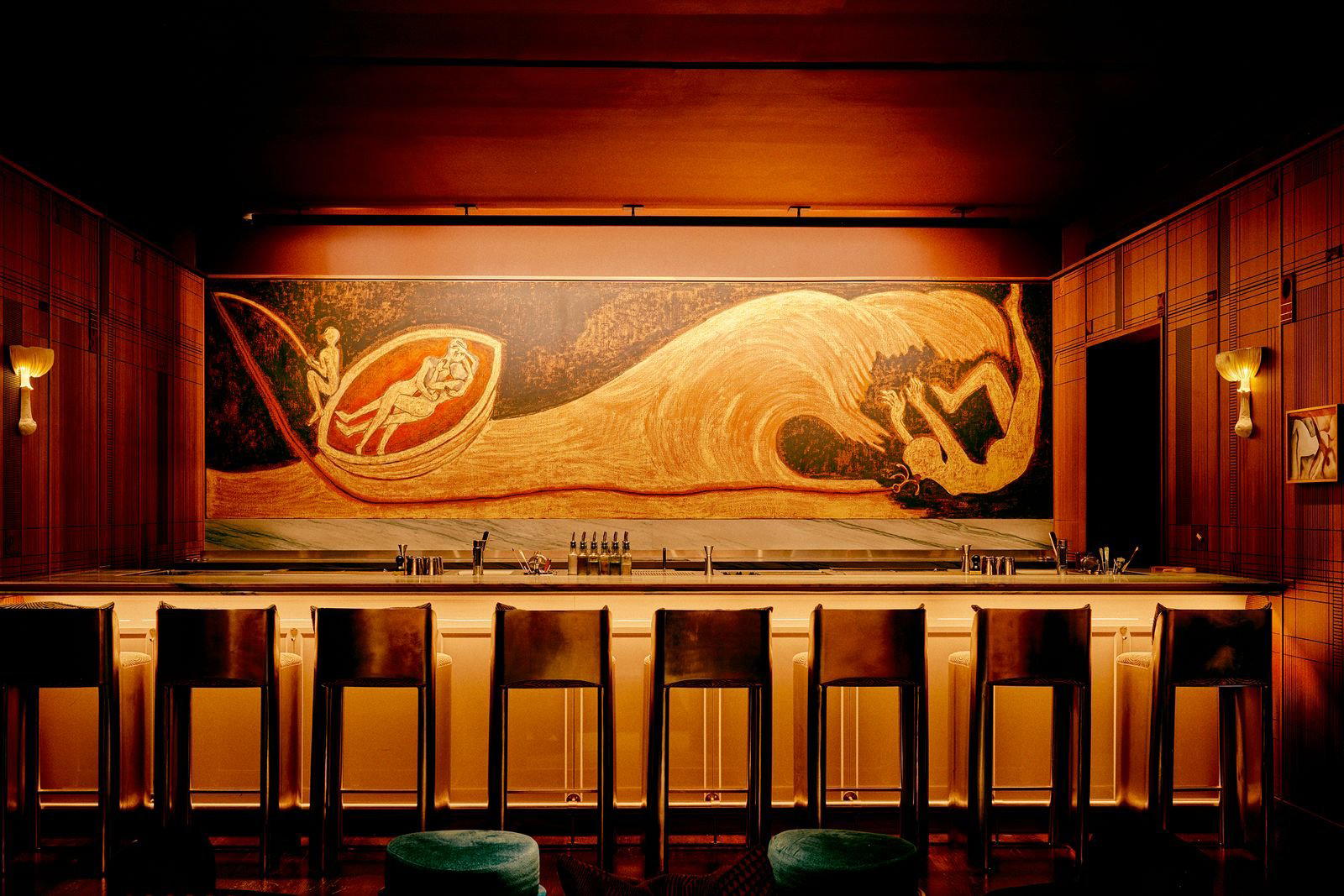
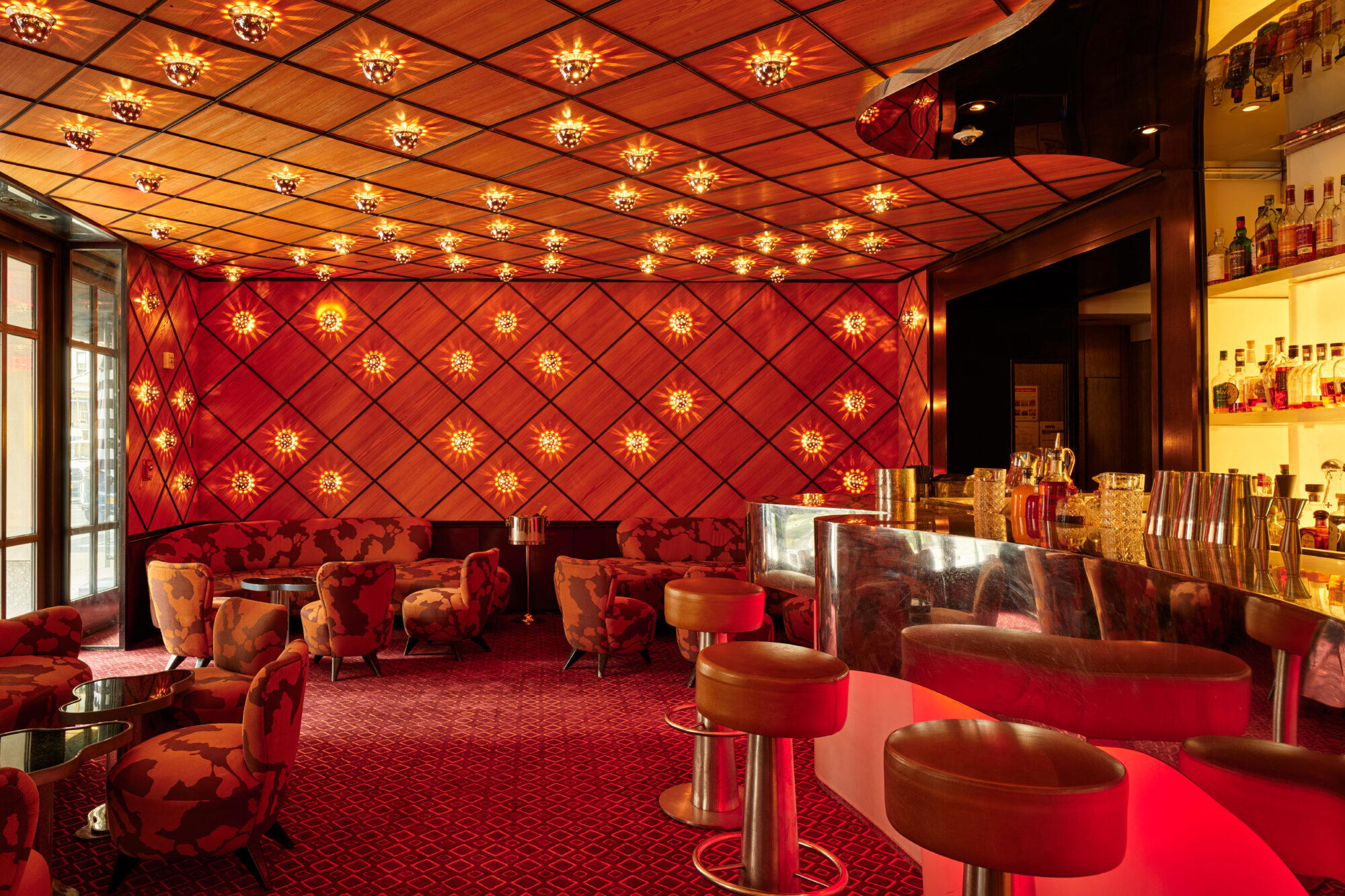
Elegant, modern, and simple interior with warm, welcoming atmosphere; intimate and dark downstairs with street-opening tables.