Shaw-naé's House

Our verdict
Shaw-naé's House on Staten Island earned a spot on the New York Times Best Restaurants in New York City list for 2025, a signal that the borough's soul food tradition is drawing serious critical attention. Anchored at 379 Van Duzer St in the St. For American soul food cooked with conviction, it represents one of the stronger cases for crossing the water.

Pearl is the En Primeur Club membership app, where members save venues, book tables and use the concierge.

The menu
What to order
- Sugar Daddy Wings
- Soul Fries
- Oxtails
- Ribs
- Collard Greens
Staten Island and the Soul Food Counter-Argument
New York's restaurant conversation defaults to Manhattan, with occasional credit extended to Brooklyn or Queens. Staten Island rarely enters the frame, which makes the New York Times' 2025 Best Restaurants in New York City recognition of Shaw-naé's House a meaningful editorial statement. The list functions as a signal of where serious food writing is looking, and in naming a soul food address on Van Duzer Street, it confirmed what the borough's own diners have known for some time: that American cooking of real depth was already happening outside the five-borough hierarchy that most guides apply.
Soul food occupies an interesting position in the current New York dining scene. The cuisine receives less critical infrastructure than, say, the Japanese or French traditions that anchor the city's top tier, venues like Masa, Le Bernardin, or Per Se operate inside established critical frameworks with decades of review culture behind them. Soul food, by contrast, has historically been evaluated through community approval rather than Michelin columns. Shaw-naé's House sits at an interesting junction where those two modes of recognition are beginning to converge.
The Format and What It Tells You
At 379 Van Duzer St in the St. George area of Staten Island, the restaurant occupies a neighbourhood position rather than a destination-dining corridor. That matters because the genre it represents, American soul food, rooted in Southern Black culinary tradition, has always been most credible in residential settings rather than in venues engineered for critical attention.
The dining formats that attract this kind of community loyalty tend to operate on a different logic from the tasting-menu tier. Where Eleven Madison Park or Atomix structure the evening around a sequence designed entirely by the kitchen, soul food restaurants deal in abundance and familiarity, the pleasure is in recognising something done right, not in encountering something new. That distinction matters when considering what team dynamics look like in this context.
Front-of-House as the Architecture of the Meal
The editorial angle assigned to Shaw-naé's House, framing the experience through the collaboration between kitchen, service, and floor, is actually well-suited to soul food as a genre. In this tradition, the front-of-house is not a neutral delivery mechanism for what the kitchen produces. Service carries cultural weight. How food is explained, how guests are welcomed, what the room's energy communicates: these are substantive elements of the meal, not amenities around it. Restaurants in this tradition that earn sustained community loyalty do so because the floor team and the kitchen operate with shared values rather than as separate departments.
That dynamic appears in other well-regarded American restaurants at different price points. Lazy Bear in San Francisco built its identity partly on a front-of-house approach that felt participatory rather than transactional. Emeril's in New Orleans has long operated within a Southern hospitality framework where the service culture is as much part of the identity as the menu. At Shaw-naé's House, without specific operational data on team structure, the 4.8 rating at scale suggests the same alignment between kitchen intent and floor execution that distinguishes restaurants with genuine community roots from those with good food but a cold room.
The American Soul Food Tradition and Where Shaw-naé's Fits
Soul food as a culinary tradition draws on West African techniques and ingredients filtered through the experience of enslaved people in the American South, then carried north through the Great Migration into cities including New York. It is a cuisine defined by technique applied to modest ingredients: braising, frying, and slow cooking that transform cheap cuts and grains into dishes of real depth. The tradition has influenced American cooking broadly, the flavour logic of soul food runs through much of what is considered distinctly American cuisine, but the restaurants keeping the form most intact tend to operate at community scale rather than in the media-facing restaurant tier.
The New York Times recognition in 2025 follows a broader pattern of critical attention returning to cuisines that had been underrepresented in formal review culture. That same shift has refined certain regional American restaurants, Single Thread Farm in Healdsburg, Providence in Los Angeles, though typically within European-technique frameworks. Shaw-naé's House represents a different proposition: recognition accorded to a tradition on its own terms, without repositioning it through a fine-dining lens.
For context on what that kind of recognition has meant elsewhere, consider how Alinea in Chicago reshaped the critical perception of Midwestern American cooking, or how The French Laundry in Napa made California a credible address for European-trained critics. Shaw-naé's House operates at a different scale and within a different tradition, but the mechanism is similar: a single address forces critics to look at a geography they had previously underweighted.
For those planning trips across the Atlantic, it is worth noting that the kind of American specificity Shaw-naé's House represents rarely translates to international outposts. Venues like 8½ Otto e Mezzo Bombana in Hong Kong or Alain Ducasse's Louis XV in Monte Carlo export a particular European fine-dining language globally. Soul food does not travel that way; it is rooted in specific communities and specific kitchens, which makes finding it in the right form a matter of going to the source.
Planning Your Visit
Shaw-naé's House is located at 379 Van Duzer St, Staten Island, NY 10304, in the St. George neighbourhood. St. George is reachable by the Staten Island Ferry from Whitehall Terminal in Lower Manhattan, one of the few free transit connections in New York, and the area around Van Duzer St is walkable from the ferry terminal. Given the 2025 New York Times recognition, demand at the restaurant has almost certainly increased; arriving without a plan for peak periods is a risk. Reservations: Budget: Timing: The New York Times listing will have extended the restaurant's profile beyond its existing local audience, so earlier planning is advisable for weekend visits.
For a fuller picture of what New York has across all price points and cuisines, see our full New York City restaurants guide, as well as our New York City hotels guide, bars guide, wineries guide, and experiences guide.
Frequently asked questions
What should I eat at Shaw-naé's House?
How far ahead should I plan for Shaw-naé's House?
What has Shaw-naé's House built its reputation on?
Is Shaw-naé's House worth making the trip from Manhattan specifically for the food?
Cuisine Context
Comparable venues nearby, for context on price, style, and recognition.
| Venue | Cuisine | Price | Awards | Notes |
|---|---|---|---|---|
| Shaw-naé's HouseThis venue (the venue you are viewing) | Soul Food | $30–50 | Not listed | Not listed |
| Court Street Grocers | American Deli Sandwiches | $10–20 | New York Times Best Restaurants in New York City | Carroll Gardens-Cobble Hill-Gowanus-Red Hook |
| 5 Napkin Burger | Gastropub Burgers | $20–30 | Not listed | Hell's Kitchen |
| Industry Kitchen | Modern American Pizza & Grill | $30–50 | Not listed | Financial District-Battery Park City |
| The Grey Dog - Chelsea | American Comfort Food | $20–30 | Not listed | Chelsea-Hudson Yards |
| Westville East | Vegetable-Forward American Comfort | $20–30 | Not listed | East Village |
Recognition history
Dated appearances from independent guides and award organizations, with the underlying list record or original source where available.
New York Times Best Restaurants in New York City #81
New York Times
Full recognition history (2 entries)
New York Times Best Restaurants in New York City
New York Times
Continue exploring
More in New York City
Restaurants in New York City
All restaurants in New York City →
Bars in New York City
All bars in New York City →








Details
- Cozy
- Intimate
- Family
- Celebration
- Casual Hangout
- Special Occasion
- Open Kitchen
- Craft Cocktails
- Local Sourcing
- A La Carte
Current opening hours
- Monday
- Closed
- Tuesday
- Closed
- Wednesday
- Closed
- Thursday
- 5–10 PM
- Friday
- 5–10 PM
- Saturday
- 5–10 PM
- Sunday
- Closed
Hours can change for holidays and private events. Hours as of .
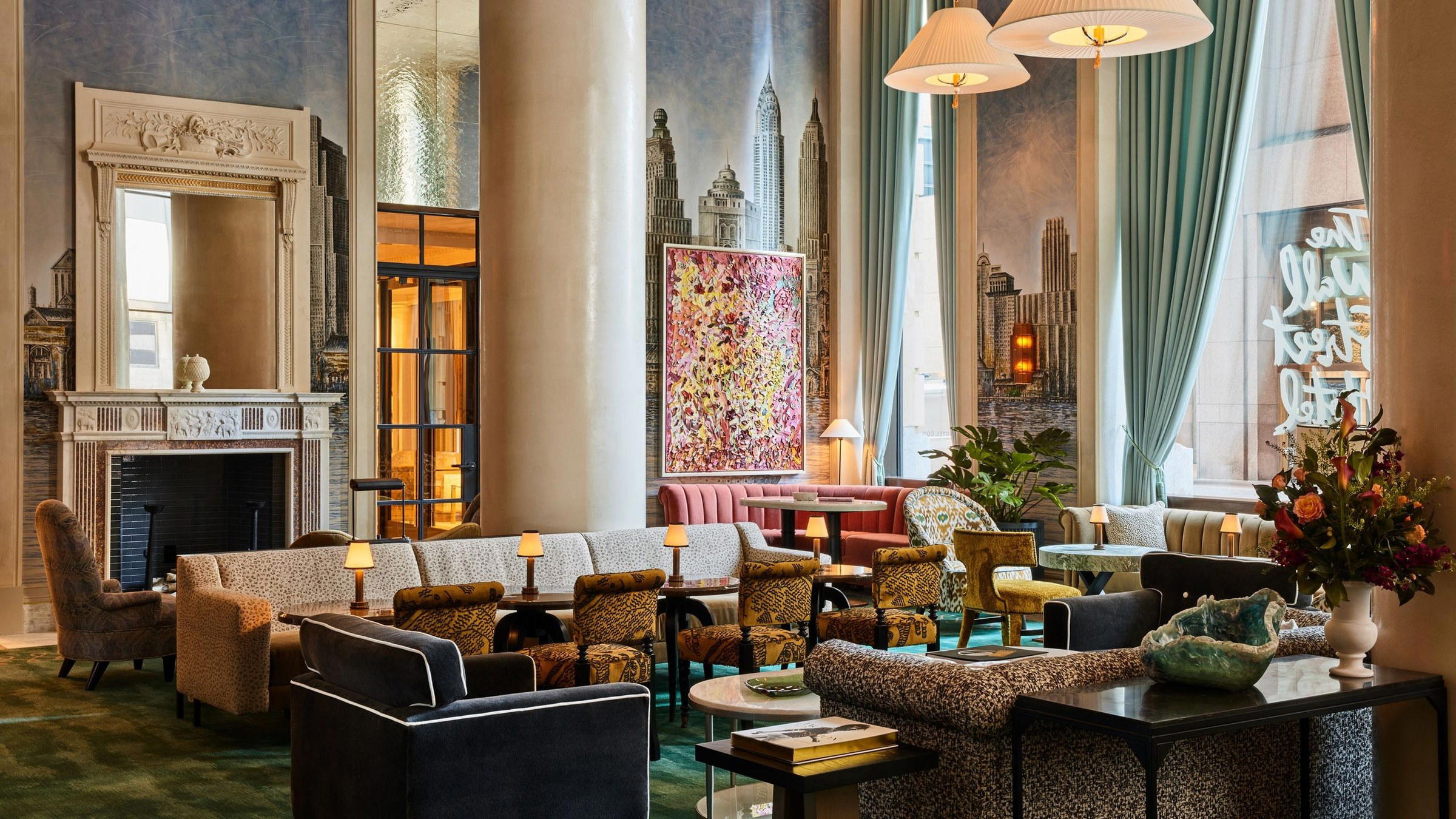
Cozy living room atmosphere with couches, faux fireplace, mismatched decor, and warm personal service.