Google: 4.9 · 172 reviews

Claudio Alvicolo occupies a compact address on Via di Piazza del Popolo in the historic centre of Orvieto, where pizzaiolo Claudio Delli Poggi works with high-hydration doughs, steam baking, and unconventional flour blends to produce a style of pizza that sits outside the Neapolitan mainstream. The wine selection draws on the Umbrian region's considerable depth, and the room carries the kind of unhurried service that makes it a serious option among Orvieto's dining alternatives.
 Discover on Pearl
Pearl is the En Primeur Club membership app — saves, bookings, and concierge access live there. Same editors, same standards.
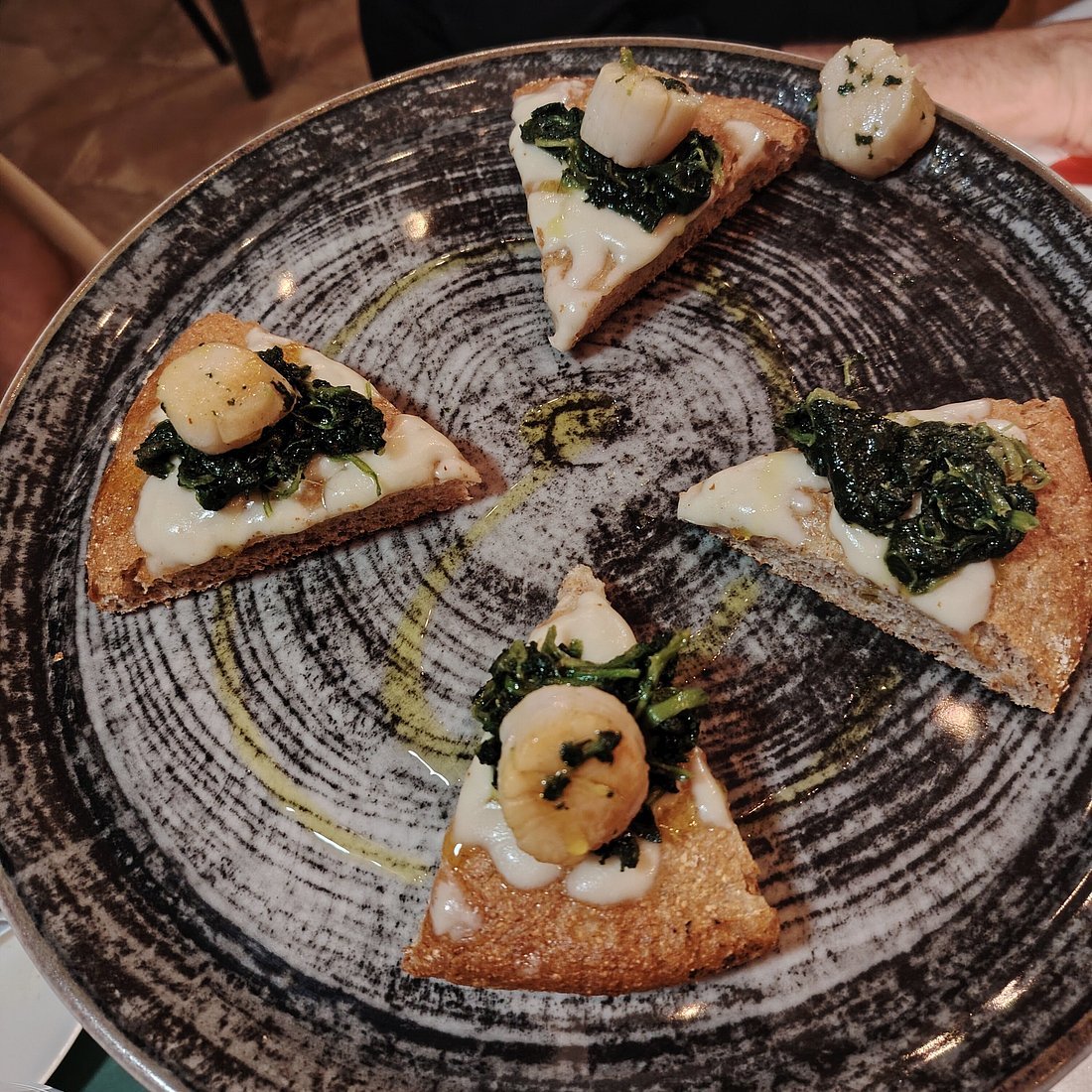
Pizza as a Technical Discipline in Umbria's Hilltop Capital
Orvieto sits on a plateau of volcanic tufa roughly 325 metres above the Paglia valley, a small city whose culinary reputation has historically leaned on Umbrian trattoria cooking and the local Orvieto Classico wine rather than on any particular bread or dough tradition. That context matters when reading what Claudio Alvicolo represents. Across central Italy, a generation of pizzaioli has quietly repositioned pizza as a medium for technical and ingredient-led argument, pushing hydration ratios past 80%, sourcing heritage grains, and treating the oven as a precision instrument rather than a finishing device. Claudio Delli Poggi's operation on Via di Piazza del Popolo sits inside that broader shift, applying 90% hydration doughs and steam baking to a city where such approaches have no obvious precedent.
For readers building an itinerary around Orvieto's dining scene, the rest of the city's better addresses occupy different registers: I Sette Consoli operates in the modern cuisine bracket at the €€ price point, while La Palomba holds the Umbrian trattoria position at €. Coro adds another option to an increasingly varied local field. Claudio Alvicolo functions as something else entirely: a specialist pizza address where the technical vocabulary of contemporary Italian pizza-making has been transplanted into an Umbrian context.
Dough, Flour, and the Sourcing Logic Behind the Method
The 90% hydration figure is not incidental. Standard Neapolitan dough typically sits between 55% and 65% hydration; the move to 90% fundamentally changes how the dough handles heat, how the crumb opens, and how the finished crust sits in the hand. At that hydration level, gluten development becomes more demanding to control, and the choice of flour carries real consequence. Delli Poggi works with multiple flour types and unexpected blends, a phrase that points toward the broader Italian movement in which ancient grains, stone-milled flours, and regional wheat varieties have re-entered the pizza conversation. These are not merely textural preferences. Heritage grain choices and stone-milling practices affect fermentation behaviour, flavour compounds in the crust, and digestibility in ways that commodity flours do not, which is part of why this generation of Italian pizzaioli treats flour sourcing as a primary creative decision rather than a background variable.
Steam baking reinforces this logic. Steam introduced early in the bake creates a controlled humidity environment that allows the outer surface to remain extensible longer before setting, which supports better oven spring and a crust that stays light without drying out at the rim. The technique appears more commonly in artisan bread production than in pizza; its use here situates Claudio Alvicolo in the segment of Italian pizza culture that borrows methodology from serious bread-baking rather than from the high-heat, fast-char tradition of Neapolitan wood-fire orthodoxy. For a comparative frame on how Italian fine dining handles ingredient-first reasoning at scale, the approaches at Osteria Francescana in Modena, Piazza Duomo in Alba, or Dal Pescatore in Runate demonstrate how deep ingredient provenance thinking runs across Italy's serious kitchens, even if the format and price tier differ entirely from a pizzeria.
The Room and What the Wine List Signals
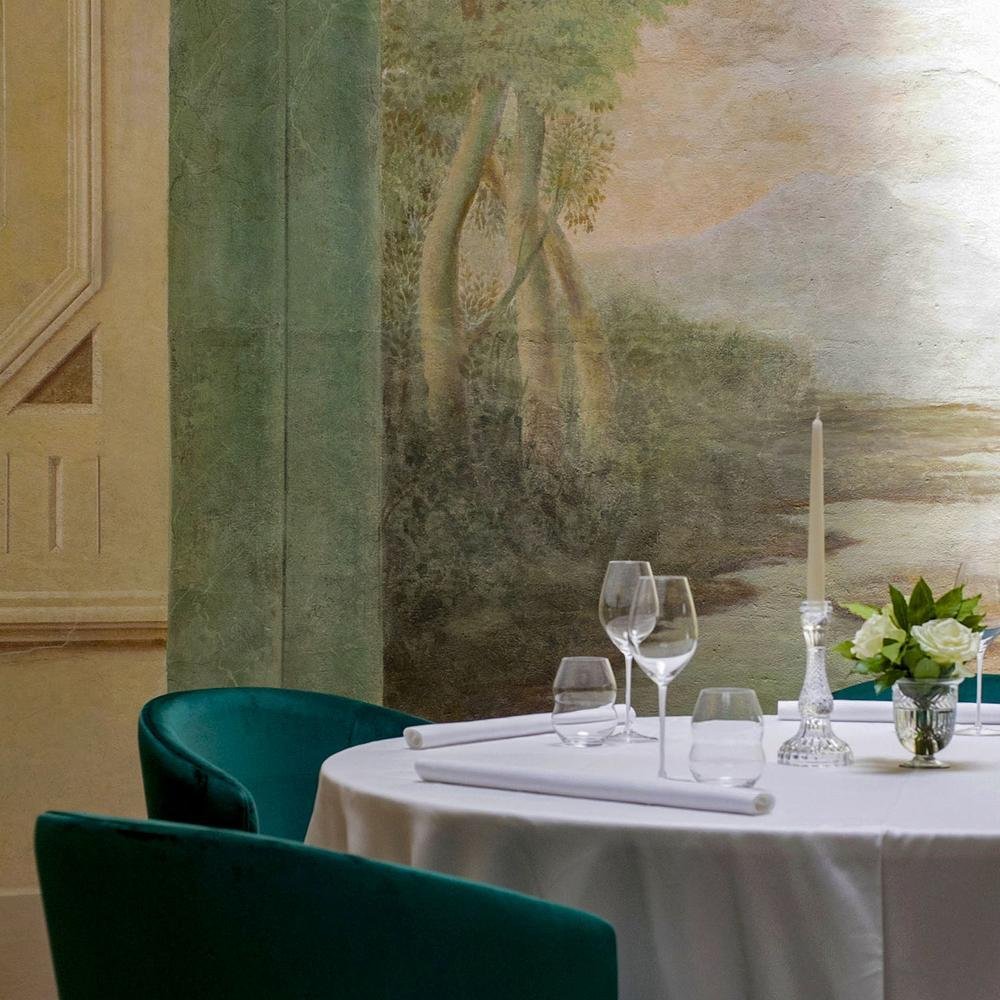
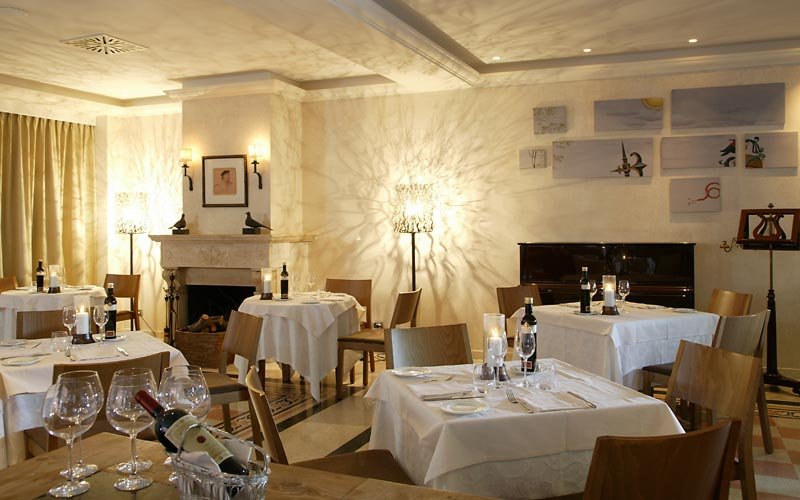
The setting on Via di Piazza del Popolo reads as a compact, cosy interior in the historic core of Orvieto, a few steps from the city's principal square. In a city where tourism pressure pushes many restaurants toward volume, the described atmosphere at Claudio Alvicolo aligns with an address that is functioning for its own programme rather than for throughput. An ample wine list reinforces that signal. Orvieto sits within Umbria's DOC system, and the surrounding region produces Sagrantino di Montefalco, Torgiano Rosso, and the white blends of the Orvieto Classico designation, all of which belong on a thoughtful list in this city. A wine selection that goes beyond the obvious local pours and into broader Italian categories would place Claudio Alvicolo in the same territory as other Italian addresses where the pizza or informal food format is matched by a drinks programme with genuine depth, a model that producers at venues like Enoteca Pinchiorri in Florence proved decades ago can define an address as much as the food itself.
Service at this address is described as excellent, which in the context of a specialist pizza operation in a historic small city matters more than it might in a larger urban market. The gap between technically ambitious food and attentive floor work is what separates a serious project from a style exercise. Internationally, restaurants as different in format and scale as Le Bernardin in New York, Atomix in New York City, Le Calandre in Rubano, Atelier Moessmer Norbert Niederkofler in Brunico, Enrico Bartolini in Milan, and Quattro Passi in Marina del Cantone all hold to the principle that the floor shapes the experience as much as the kitchen. At a small, technically focused pizzeria in Orvieto, that quality floor work is what allows the dough methodology to actually land with the diner.
Planning a Visit
Claudio Alvicolo is located at Via di Piazza del Popolo, 6, in the historic centre of Orvieto, and is walkable from the funicular terminus that connects the lower town to the tufa plateau. Given the cosy scale of the setting and the specificity of the programme, booking ahead is sensible, particularly for evening sittings during the busier spring and autumn periods when Orvieto draws considerable visitor traffic around the Duomo and the underground city tours. No phone or website details are listed in the EP Club database at the time of publication; checking current booking availability directly on arrival or through local concierge contacts is the practical approach. Orvieto's dining scene rewards visitors who treat the city as more than a half-day stop between Rome and Florence, and Claudio Alvicolo fits that slower itinerary. For a full picture of what the city has to offer across categories, see our full Orvieto restaurants guide, our full Orvieto hotels guide, our full Orvieto bars guide, our full Orvieto wineries guide, and our full Orvieto experiences guide.
In Context: Similar Options
These are the closest comparables we have in our database for quick context.
| Venue | Cuisine | Price | Awards | Notes |
|---|---|---|---|---|
| Claudio Alvicolo | Claudio Alvicolo offers an out-of-the-ordinary pizza experience through the inte… | This venue | ||
| I Sette Consoli | Modern Cuisine | €€ | Modern Cuisine, €€ | |
| La Palomba | Umbrian | € | Umbrian, € | |
| Coro |
Continue exploring
More in Orvieto
Restaurants in Orvieto
Browse all →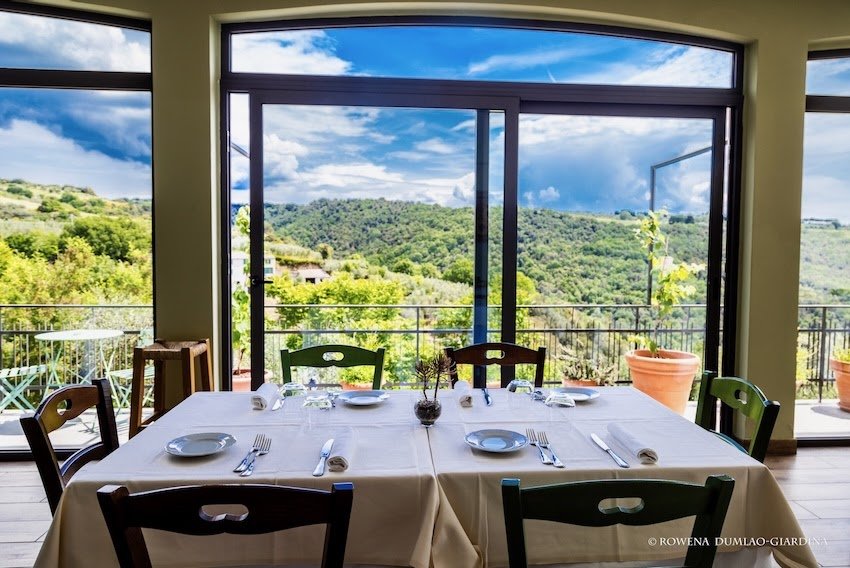
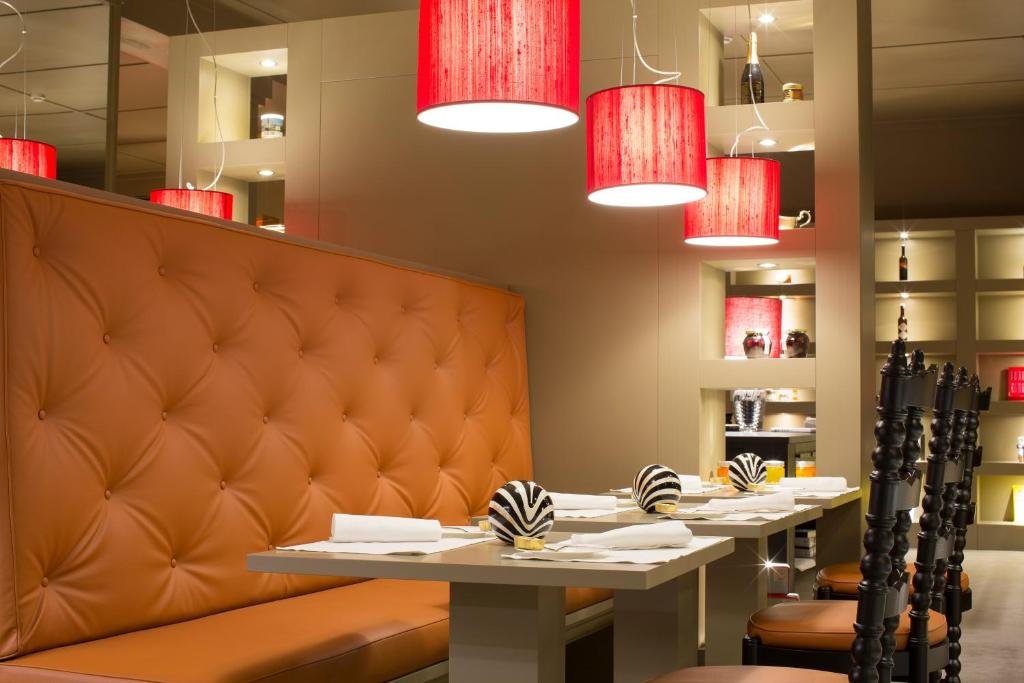
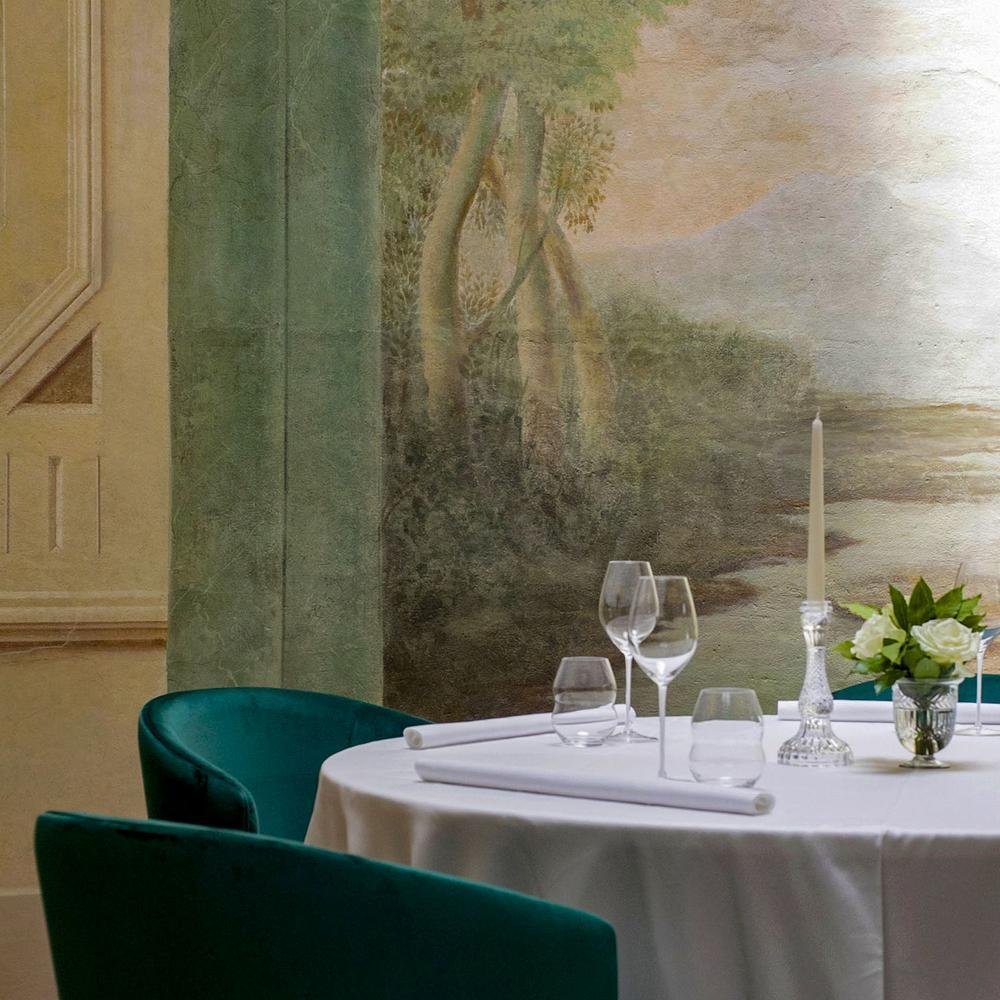
Bars in Orvieto
Browse all →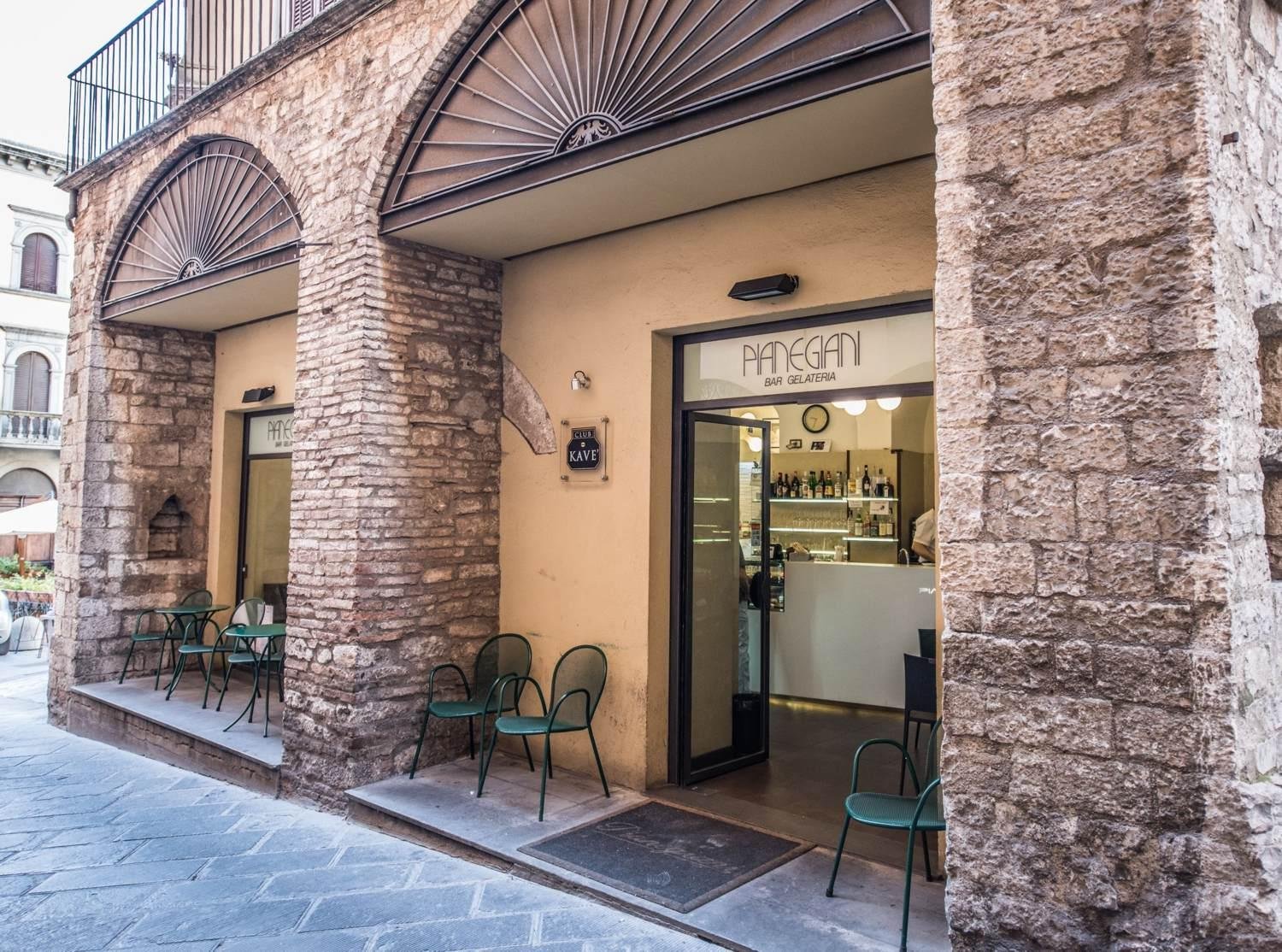
Hotels in Orvieto
Browse all →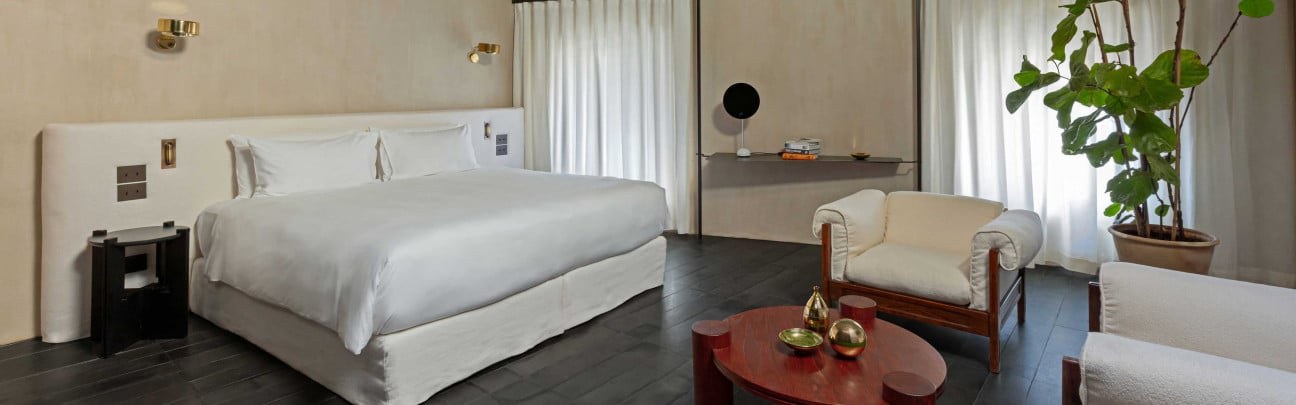
At a Glance
- Intimate
- Cozy
- Modern
- Hidden Gem
- Date Night
- Celebration
- Special Occasion
- Open Kitchen
- Garden
- Courtyard
- Beer Program
- Sommelier Led
- Local Sourcing
- Garden
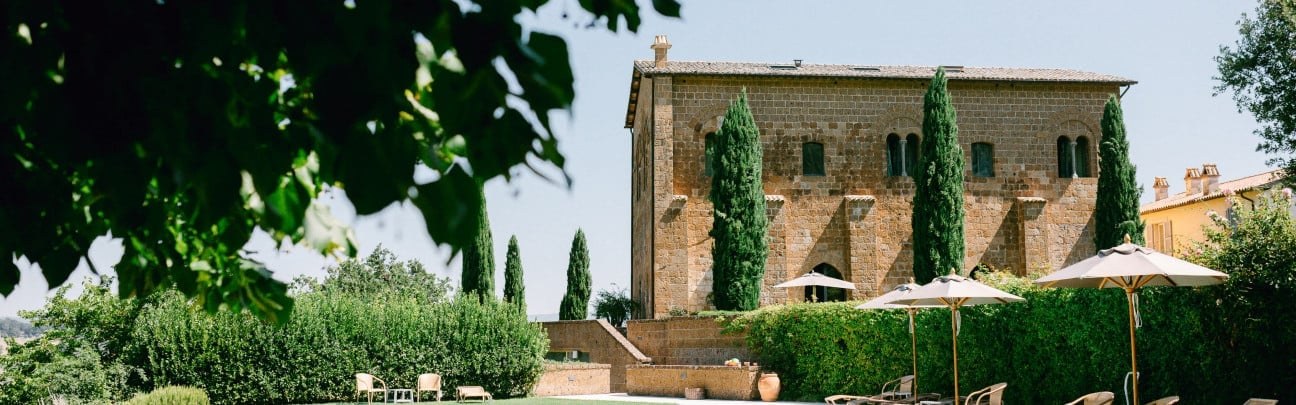
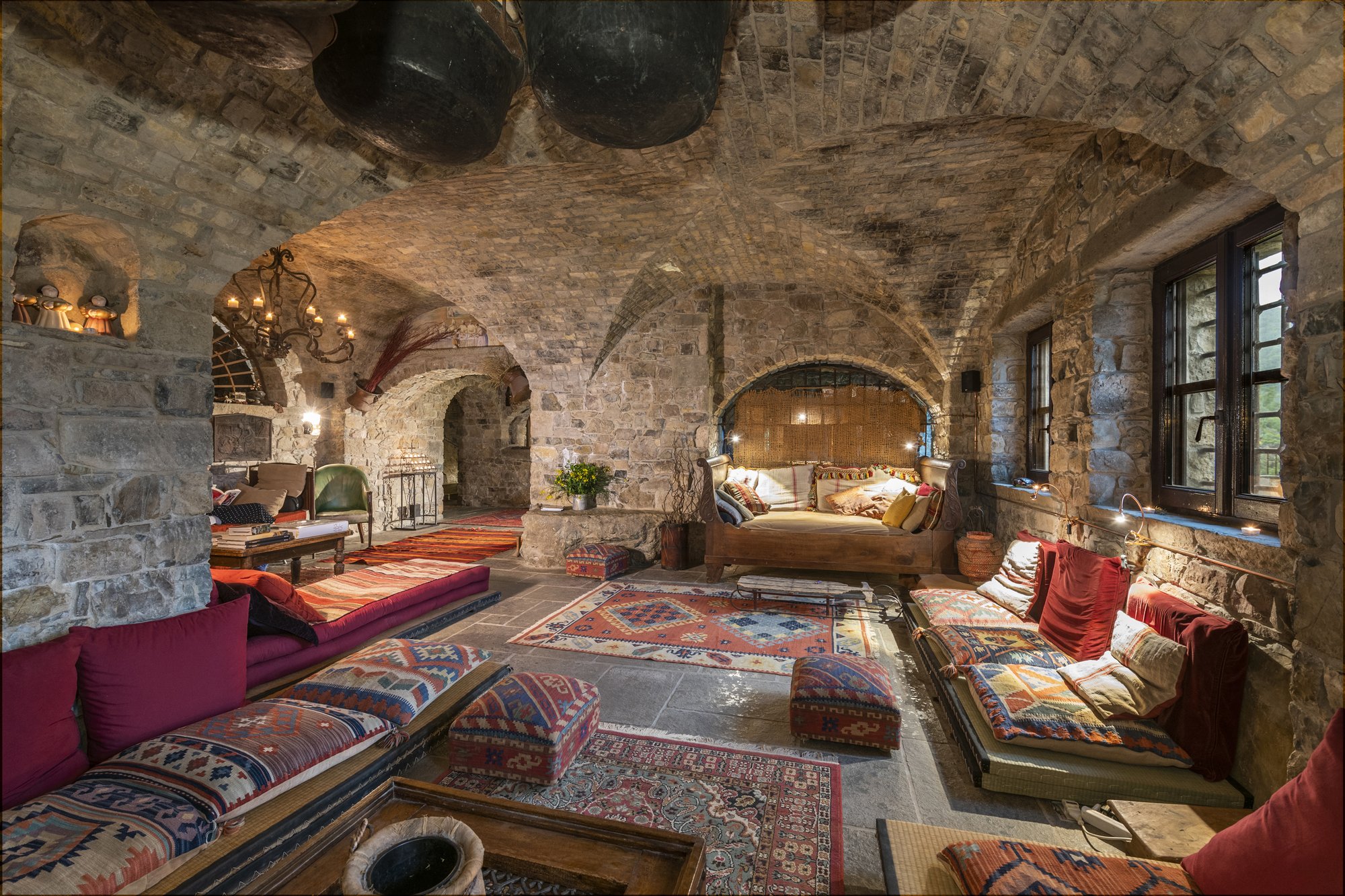
Soft, practical lighting in a compact, colorful interior with original stone details; outdoor garden provides an airy, relaxed alternative with cooler seating in warm months.