
Few trattorias in Umbria carry the institutional weight of La Palomba, which has occupied the same address on Via Cipriano Manente since 1965, now in its third generation of Cinti family stewardship. A Michelin Plate holder for 2024 and 2025, the kitchen anchors its menu in Umbrian tradition, with hand-rolled umbrichelli pasta as the thread that connects decades of regulars to the table.
Pearl is the En Primeur Club membership app — saves, bookings, and concierge access live there. Same editors, same standards.
- Address
- Via Cipriano Manente, 16, 05018 Orvieto TR, Italy
- Phone
- +39 0763 343395
- Directions
- Get directions
 Saves & bookings on Pearl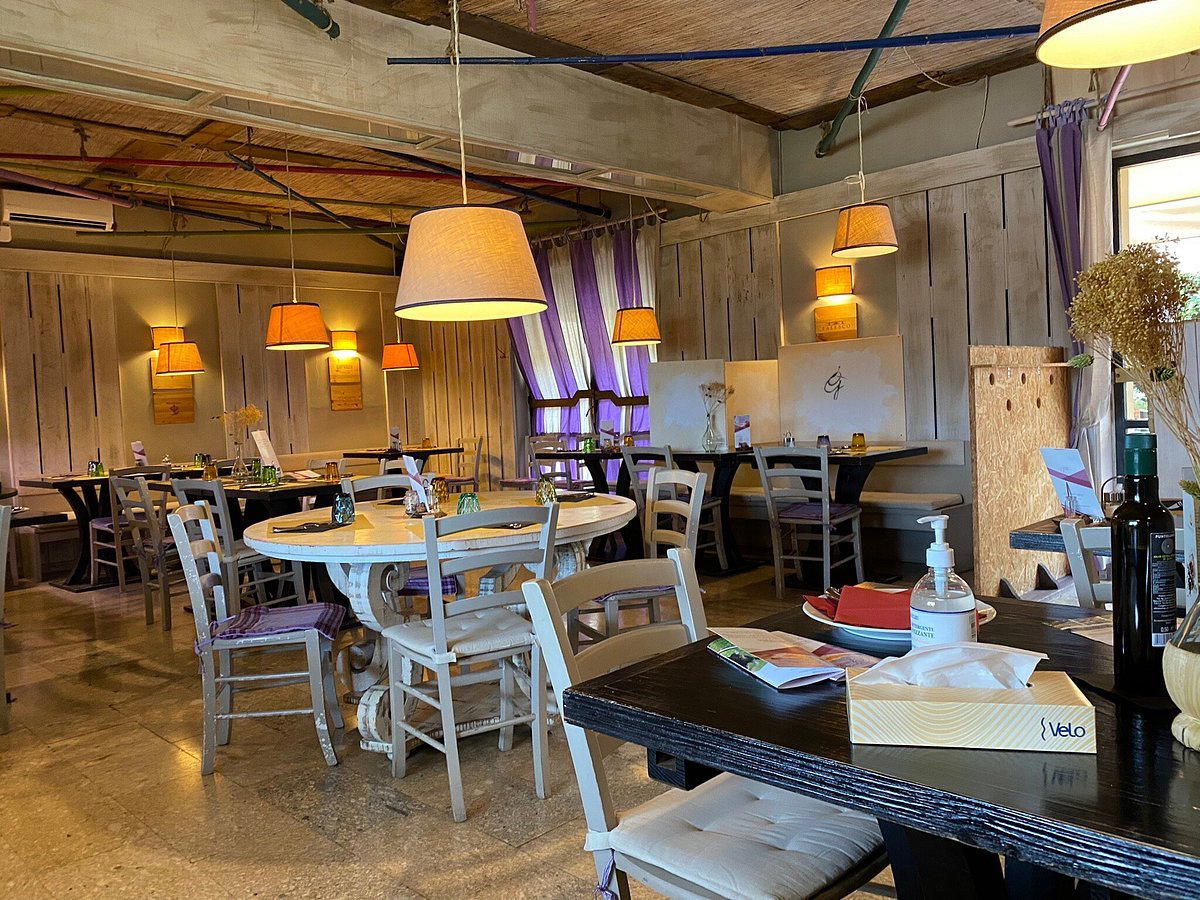
Orvieto's Dining Character, and Where La Palomba Sits Within It
Orvieto operates on a different register from Umbria's more visited hill towns. Perched on its volcanic tufa plateau above the A1 autostrada, it draws a mix of day-trippers from Rome and longer-stay visitors who come for the Duomo's facade, the underground cave network, and, increasingly, the kind of unhurried regional cooking that central Italian towns still do without self-consciousness. The restaurant scene here is modest in scale but reasonably varied: I Sette Consoli (Modern Cuisine) represents the town's more contemporary interpretation of local produce at the €€ tier, while Coro and Claudio Alvicolo occupy their own distinct positions. La Palomba, by contrast, has held the same ground since 1965 and operates at about $30 per person, a trattoria in the original sense of the word, not the reimagined, design-conscious version that now trades on that label in larger cities.
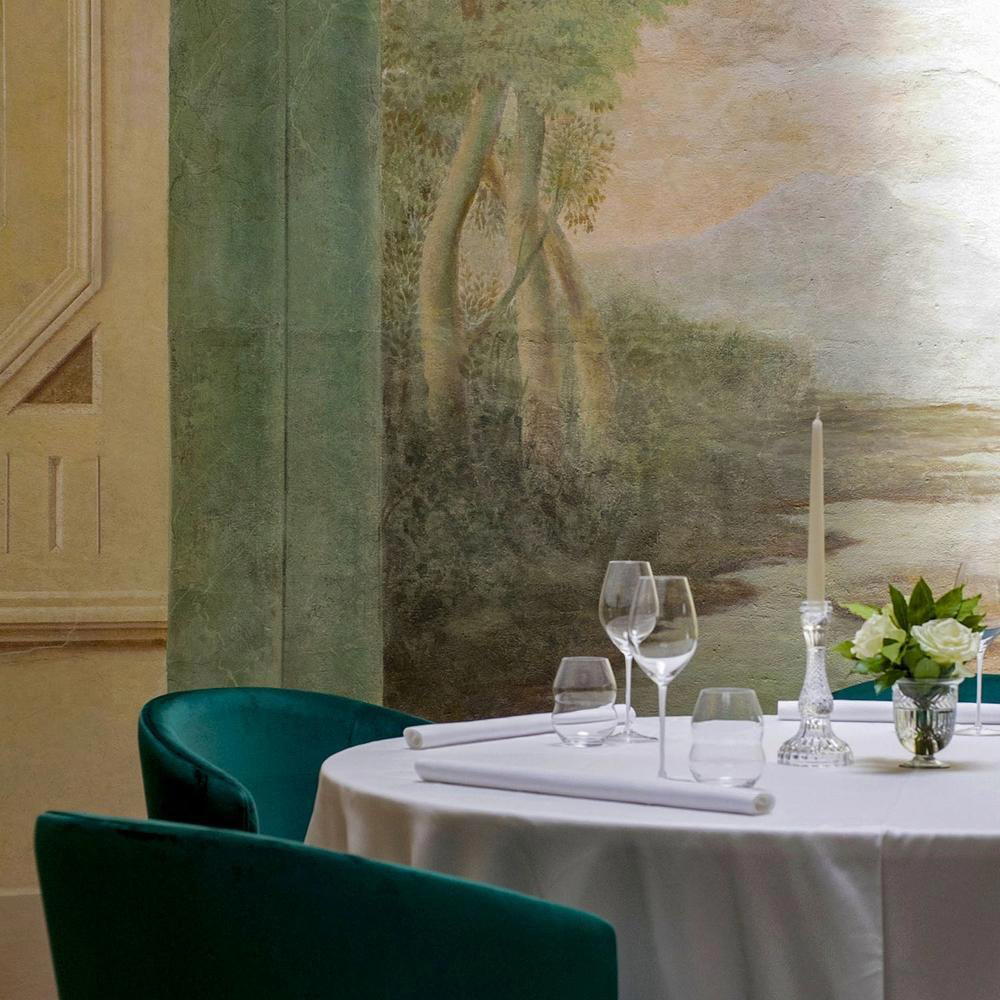
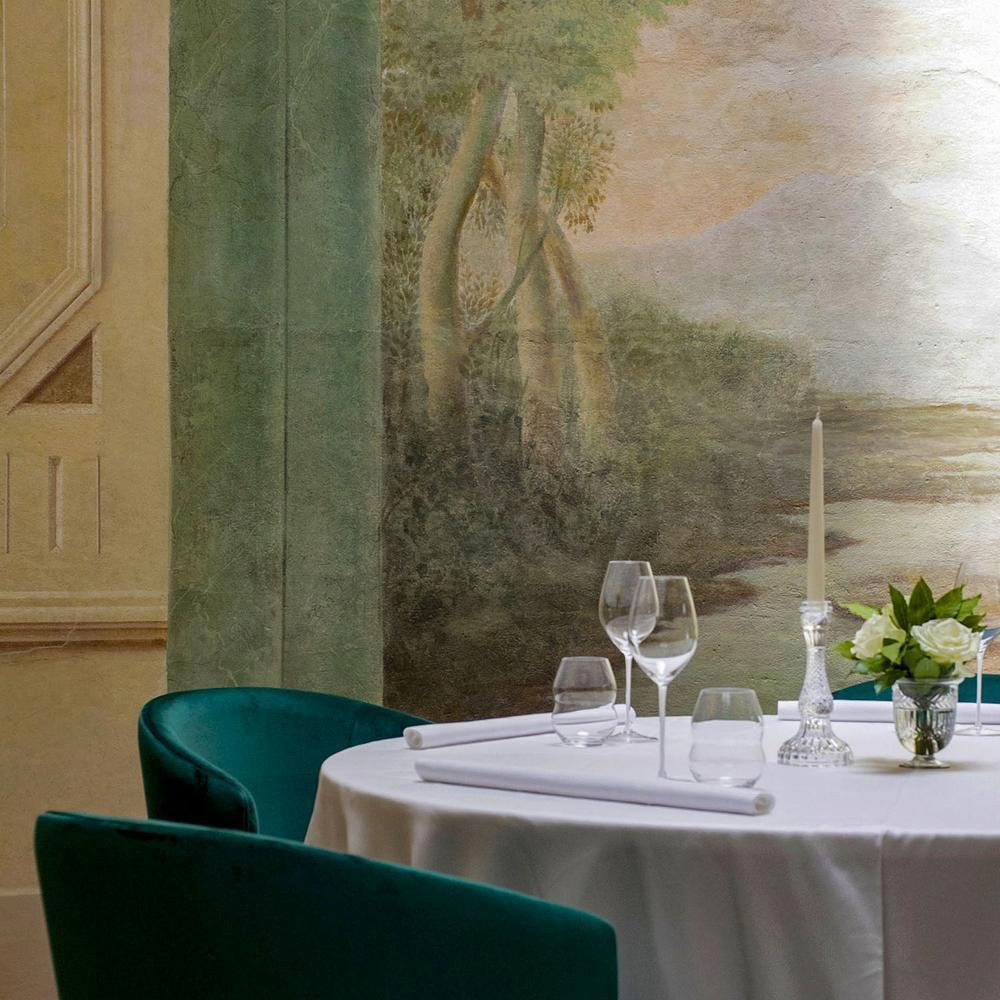
Via Cipriano Manente is a short, quiet street in the historic centre, the kind that appears on no particular itinerary but rewards those who find it. The approach to La Palomba is deliberately untheatrical: a facade that signals institution rather than event, the interior arranged around the functional warmth of a room that has been feeding people for six decades. This is how the better-preserved trattorias of central Italy still look, not because preservation is the point, but because the format has never needed updating. The room is the context; the food is the argument.
The Umbrian Table and What It Demands of a Kitchen
Umbrian cooking is one of the more disciplined regional traditions in Italy precisely because it has so little to hide behind. There are no coastlines providing fish as a distraction, no proximity to the truffle wealth of Alba or the cured-meat complexity of Emilia. What the region has is a commitment to pulse-based dishes, hand-made pasta, cured pork from the Valnerina, and the clean, grassy character of cold-pressed Umbrian olive oil. At its leading, this tradition rewards the kitchen that executes fundamentals at a high level rather than one that reaches for novelty.
Umbrichelli is the local pasta that concentrates this philosophy most clearly. Thicker than spaghetti, hand-rolled without egg, and with a rough surface that holds sauce in a way that extruded pasta cannot replicate, it is the measure by which Umbrian kitchens are often judged. At the restaurant, umbrichelli with various sauces is the anchor of the menu, the dish around which regulars orient their order, and the one that connects the current kitchen to the generations that preceded it. Across Umbria, in different towns and at different price points, from the refined approach at Vespasia in Norcia to the agriturismo tradition represented by Camiano Piccolo in Montefalco, the hand-made pasta question is always the first test. The restaurant has been answering it for three generations.
Sixty Years of Continuity and What That Means in Practice
Family-run trattorias that survive intact across three generations in Italy are less common than the tourism narrative suggests. The pressures of succession, rising property costs in historic centres, and the pull of younger generations toward different careers mean that true continuity, same family, same address, same culinary DNA, is a credential worth reading carefully. The Cinti family has operated the restaurant since 1965, and the third generation now runs the kitchen and the floor. That timeline places the restaurant's founding in a period when Orvieto was considerably less visited than it is today, when the trattoria was serving local trades and residents rather than positioning itself for any external audience.
Michelin's Plate recognition for 2024 and 2025 signals that the kitchen is cooking at a level worth noting. The Plate designation, which Michelin uses to mark good cooking that does not yet or does not seek to reach star level, places the restaurant in the same quality conversation as some of Italy's more serious regional practitioners without requiring the formality or price architecture that Michelin stars tend to impose. For context, Italy's starred landscape includes places like Osteria Francescana in Modena, Le Calandre in Rubano, Piazza Duomo in Alba, Dal Pescatore in Runate, Enrico Bartolini in Milan, Enoteca Pinchiorri in Florence, Atelier Moessmer Norbert Niederkofler in Brunico, and Quattro Passi in Marina del Cantone, a different tier in every respect. The restaurant's value is not in competing with that bracket but in doing something those addresses cannot: delivering a specific, rooted, budget-accessible version of a regional cuisine on an address it has occupied for six decades.
Planning Your Visit
The restaurant sits on Via Cipriano Manente, 16, in Orvieto's historic centre, reachable by funicular from the lower town and a short walk from the Duomo. The price range puts this firmly at the accessible end of Orvieto's dining options, making it a sensible choice for lunch after the morning's sightseeing.
Just the Basics
Comparable venues nearby, for context on price, style, and recognition.
| Venue | Cuisine | Price | Notes |
|---|---|---|---|
| La PalombaThis venue — the venue you are viewing | Umbrian | $$ | Not listed |
| Claudio Alvicolo | Not listed | $$$ | Orvieto pedestrian center, Experimental Gourmet Pizza |
| I Sette Consoli | Not listed | $$$ | historic center, Modern Umbrian Fine Dining |
| Coro | Not listed | $$$$ | Historic Center of Orvieto, Contemporary Umbrian Fine Dining |
| Vis a Vis | Not listed | $$$ | Piazza Ventinove Marzo, Plant-Based Gourmet Italian |
| Trattoria del Pesce | Not listed | $$ | Gianicolese, Modern Italian Seafood Trattoria |
Recognition history
Dated appearances from independent guides and award organizations, with the underlying list record or original source where available.
Michelin Plate
Michelin
Michelin Plate
Michelin
Michelin Plate
Michelin
Continue exploring
More in Orvieto
Restaurants in Orvieto
Browse all →
Bars in Orvieto
Browse all →
Hotels in Orvieto
Browse all →

At a Glance
- Rustic
- Cozy
- Classic
- Intimate
- Date Night
- Special Occasion
- Casual Hangout
- Historic Building
- Terrace
- Extensive Wine List
- Local Sourcing
- Street Scene
Current opening hours
- Monday
- 12:30–2:15 PM, 7:30–9:30 PM
- Tuesday
- 12:30–2:15 PM, 7:30–9:30 PM
- Wednesday
- Closed
- Thursday
- 12:30–2:15 PM, 7:30–9:30 PM
- Friday
- 12:30–2:15 PM, 7:30–9:30 PM
- Saturday
- 12:30–2:15 PM, 7:30–9:30 PM
- Sunday
- 12:30–2:15 PM, 7:30–9:30 PM
Hours can change for holidays and private events. Last verified .
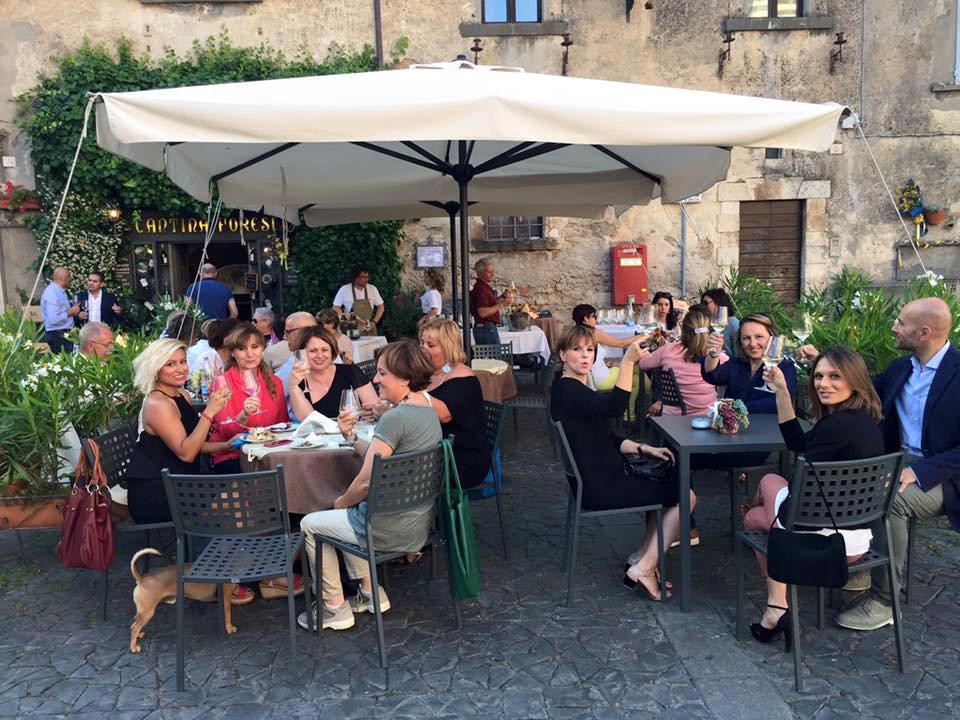
Charming typical Italian trattoria atmosphere with cozy indoor rooms and terrace tables in a historic alley.