Claude Darroze anchors Langon's place on the French provincial dining map, carrying a family name that has shaped Gascon cooking for generations. The address on Cours du Général Leclerc situates it at the heart of a town that sits where Bordeaux's vineyards meet the Landes forest, giving the kitchen immediate access to one of France's most generously stocked larders. For anyone tracing the lineage of Southwest French cuisine, this is a primary source.
Pearl is the En Primeur Club membership app — saves, bookings, and concierge access live there. Same editors, same standards.
- Address
- 95 Cr du Général Leclerc, 33210 Langon, France
- Phone
- +33556630048
- Website
- darroze.com
- Directions
- Get directions
 Saves & bookings on Pearl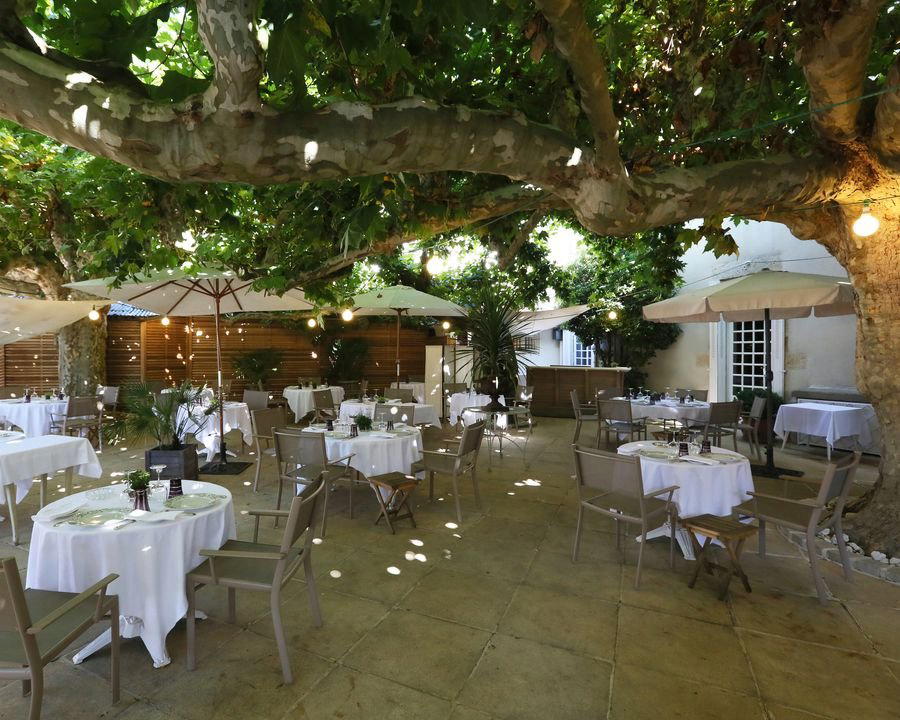
Where the Landes Forest Meets the Bordeaux Table
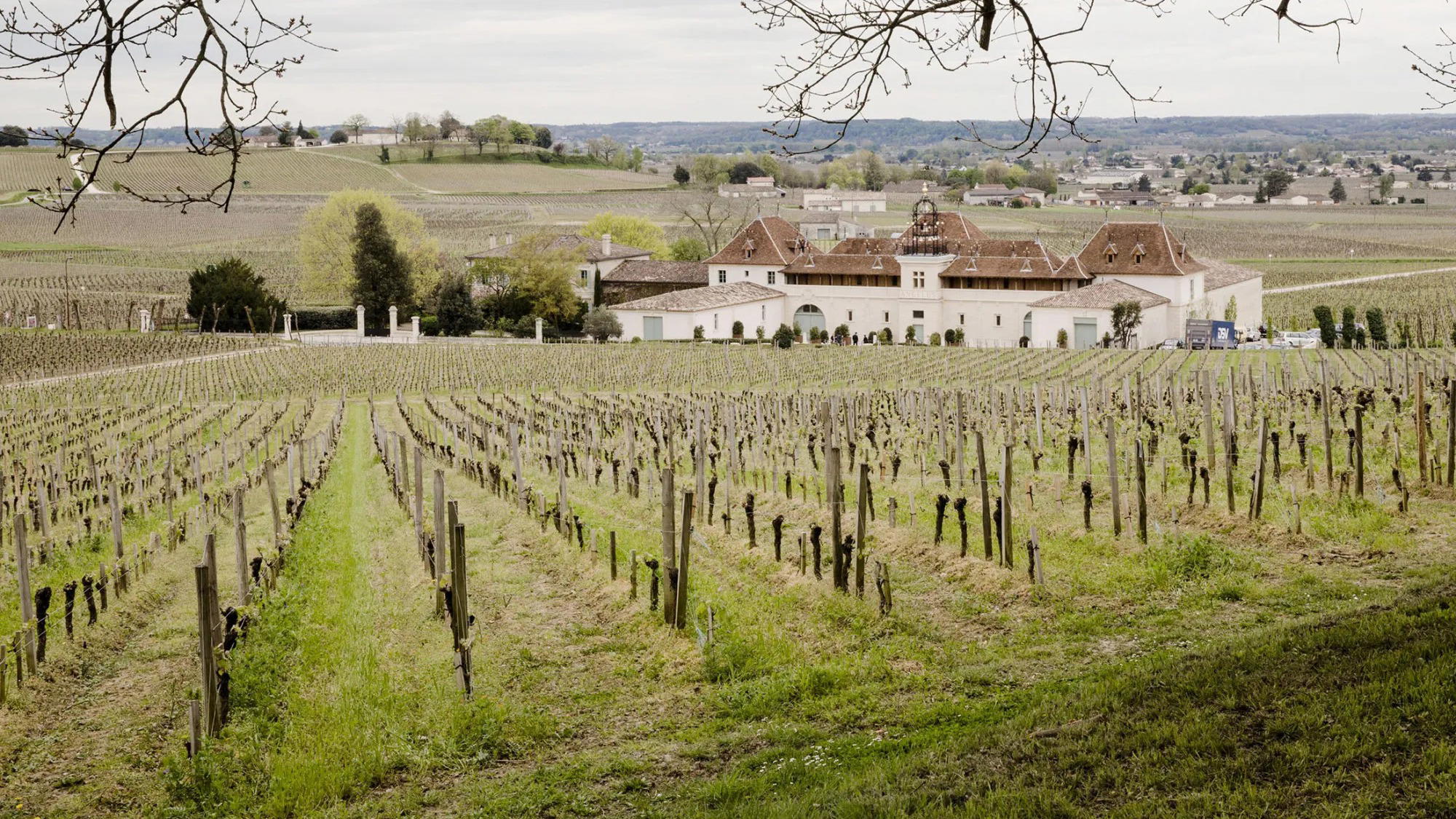
The approach to Langon sets expectations before you reach the door. The town sits at the southern edge of the Graves appellation, where vine rows give way to pine forest and the Garonne bends toward the Landes. The agricultural register shifts here: foie gras, duck confit, Armagnac, ceps pulled from forest floor in autumn, lamb from the salt meadows further south. For a kitchen rooted in the Southwest, this is not a question of sourcing philosophy, it is simply geography. Claude Darroze, on Cours du Général Leclerc, occupies the kind of address that French provincial cooking built its international reputation on: a family house in a market town, surrounded by the raw material it needs.
That regional identity places Claude Darroze in a distinct category of French restaurant. The €€€€ price tier it shares with addresses like Alléno Paris au Pavillon Ledoyen or Mirazur in Menton tells only part of the story. Those are destination restaurants built for an international clientele; Claude Darroze operates in the older French model, where the restaurant is inseparable from its territory and where the menu answers first to the land around it, second to any broader trend.
The Darroze Name and What It Carries
Few family names in French gastronomy carry as much Southwest freight as Darroze. The dynasty is rooted in Villeneuve-de-Marsan, where Francis Darroze built the original reputation, and its branches have extended in different directions, most visibly through Hélène Darroze, who has brought the family's Gascon sensibility to Paris and London. Claude Darroze in Langon belongs to that same lineage, occupying the provincial heartland that the name grew from.
That lineage matters because it connects the restaurant to a cooking tradition rather than to a single chef's creative moment. The Gascon tradition is specific: fat used without apology, preserved duck as a structural ingredient, the terroir of the Landes treated as a pantry rather than a backdrop. Compared to the genre-defining countryside tables elsewhere in France, Auberge de l'Ill in Illhaeusern, Georges Blanc in Vonnas, or Les Prés d'Eugénie in Eugénie-les-Bains, the restaurant pursues the same logic of place-rootedness, but in a corner of France whose ingredients are among the more immediately recognisable: foie gras and Sauternes are, after all, produced within a short drive of the restaurant's front door.
Ingredient Sourcing as the Editorial Argument
The Southwest's larder is not merely abundant, it is legally and geographically delineated. Poulet des Landes carries Label Rouge status. Piment d'Espelette comes from a single appellation in the Basque foothills. Périgord truffles and Landes ceps have identifiable seasons and micro-regions. A kitchen in Langon that ignores this geography would be actively choosing to ignore it; one that respects it is working with particularly well-documented provenance in French food.
This matters for how you read a meal at the restaurant. The question worth asking is not what technique the kitchen applies, but what the region is producing at the moment you visit. Autumn means ceps from the forest floor and the start of foie gras season in earnest. Spring shifts toward asparagus from the Landes and early lamb. The Sauternes vineyards immediately north are harvested in waves through October and November, if you are eating at this address during those weeks, the wine list should reflect the vintage on the vine nearby.
This sourcing logic sets the restaurant apart from urban restaurants that must build supply chains to reach the same ingredients. Proximity here is structural. Compare this to Bras in Laguiole, where Michel and Sébastien Bras have built a similarly place-specific vocabulary around the Aubrac plateau, or to Flocons de Sel in Megève, where the Alpine environment dictates the pantry. These are restaurants whose menus would be meaningless transplanted elsewhere. The restaurant belongs to that same category of geographic specificity.
Langon's Position in the Southwest Dining Circuit
Langon is not a major tourist destination, and that is not a drawback. The town functions as a working market centre for the southern Gironde, with a train station on the Bordeaux-Toulouse line that puts it within 40 minutes of Bordeaux Saint-Jean. For visitors building a Southwest France itinerary, Langon sits at a natural midpoint between the Bordeaux wine circuit to the north and the Basque Country to the south, with Sauternes châteaux within cycling distance and the Landes pine forests beginning immediately east.
Within Langon itself, the restaurant landscape is compact. L'Atelier Flavien Valère and La Table de la Maison represent the contemporary modern cuisine tier in the town, working with a lighter format and shorter menus. The restaurant operates in a different register, longer, more formal, more explicitly rooted in the classical Gascon tradition. The two tiers serve different purposes: one for a midweek dinner that moves quickly, the other for a lunch that takes the afternoon.
For context on how French provincial restaurants at this level are positioned more broadly, it is worth noting that addresses like Auberge du Vieux Puits in Fontjoncouse or Troisgros in Ouches have built their identities on exactly this model: family name, deep regional roots, and menus that read as an argument for the land around them rather than for any international trend. Paul Bocuse in Collonges-au-Mont-d'Or remains one cited example of this template. The restaurant's version of it is Gascon and southern, with a wine list that should, at this address, anchor heavily in the Graves and Sauternes appellations on the doorstep.
Planning a Visit
Langon is accessible by TGV from Bordeaux Saint-Jean in roughly 35 to 40 minutes, making it a realistic lunch destination without an overnight stay, though the Sauternes circuit nearby justifies extending to a full day or evening. The restaurant sits on Cours du Général Leclerc, the main thoroughfare, without the need for a car once you are in town. For a meal at this price tier in a town of this size, advance reservations are advisable; Visitors combining the restaurant with a Sauternes château visit should note that harvest season, roughly late September through November, is when both the vineyards and the kitchen are operating at their most seasonal. Those planning a broader Southwest itinerary should also consider L'Oustau de Baumanière in Les Baux or La Table du Castellet for southern French comparison points. For entirely different registers of high-end dining in a French-influenced context, Le Bernardin in New York or Lazy Bear in San Francisco illustrate how different the destination-dining conversation looks outside France. And for the highest end of Alpine French cuisine, Le 1947 à Cheval Blanc in Courchevel shows the hotel-integrated version of the same price tier.
How It Stacks Up
Comparable venues nearby, for context on price, style, and recognition.
| Venue | Cuisine | Price | Awards | Notes |
|---|---|---|---|---|
| Claude DarrozeThis venue — the venue you are viewing | Bistronomic French | $$$$ | Not listed | Not listed |
| L'Atelier Flavien Valère | Modern French Bistro | $$$ | Bib Gourmand | Centre-ville |
| La Table de la Maison | Bistronomique French Terroir | $$$$ | Michelin Plate | Langon |
| Le Pont Bernet | Traditional French Regional Cuisine | $$$$ | Not listed | Le Pian-Médoc |
| Le Manoir de Saint-Jean | Seasonal French Gastronomic | $$$$ | Not listed | Saint-Paul-d'Espis |
| Alain Ducasse Baccarat | Avant-garde French fine dining in a crystal-clad Maison Baccarat setting | $$$$ | Not listed | 16th arrondissement |
Continue exploring
More in Langon
Restaurants in Langon
Browse all →
Bars in Langon
Browse all →
Hotels in Langon
Browse all →
At a Glance
- Elegant
- Classic
- Cozy
- Date Night
- Special Occasion
- Business Dinner
- Terrace
- Historic Building
- Wine Cellar
- Extensive Wine List
- Local Sourcing
Current opening hours
- Monday
- Closed
- Tuesday
- Closed
- Wednesday
- 12–1:30 PM, 7:30–9:15 PM
- Thursday
- 12–1:30 PM, 7:30–9:15 PM
- Friday
- 12–1:30 PM, 7:30–9:15 PM
- Saturday
- 12–1:30 PM, 7:30–9:15 PM
- Sunday
- Closed
Hours can change for holidays and private events. Last verified .
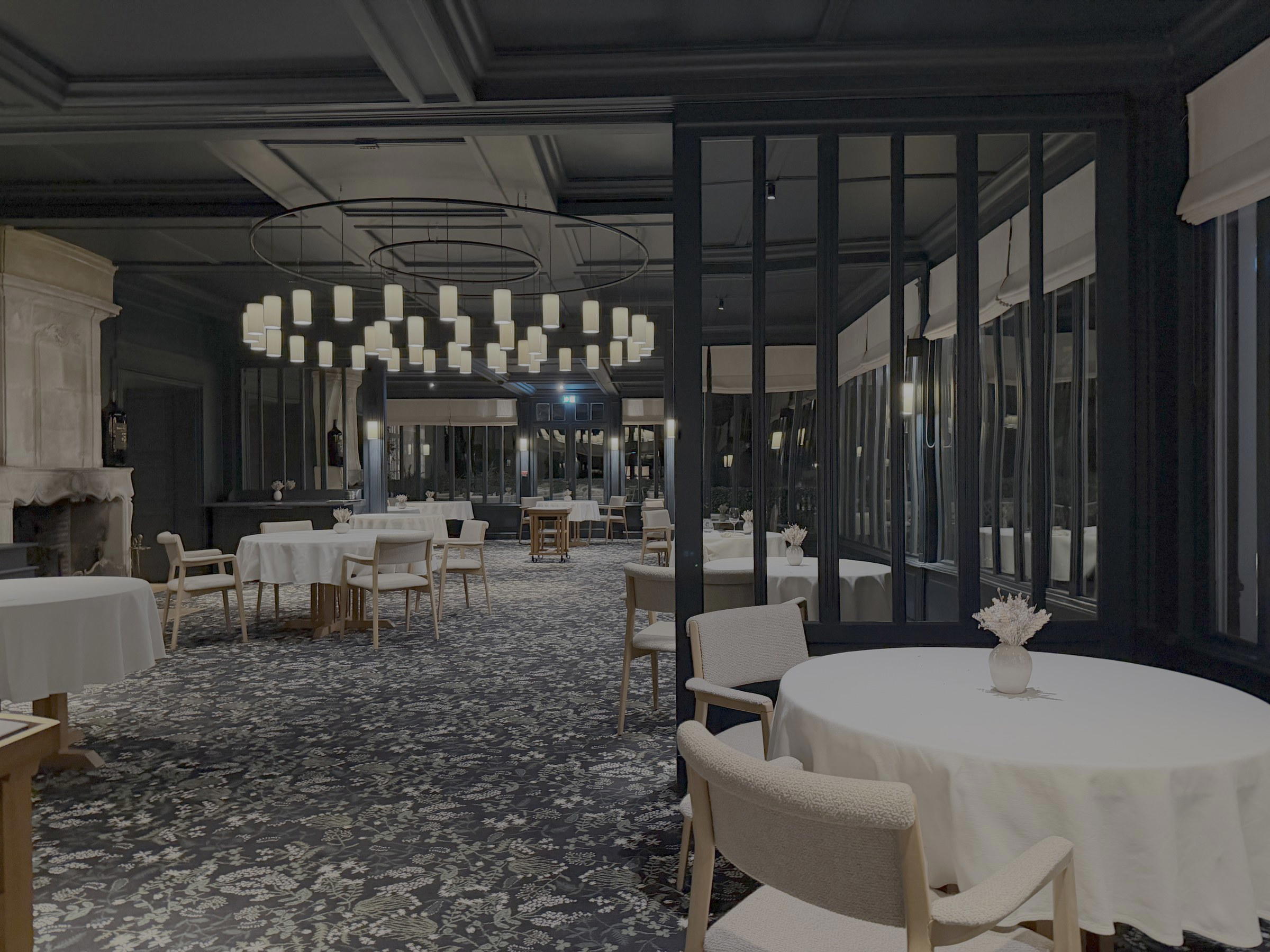
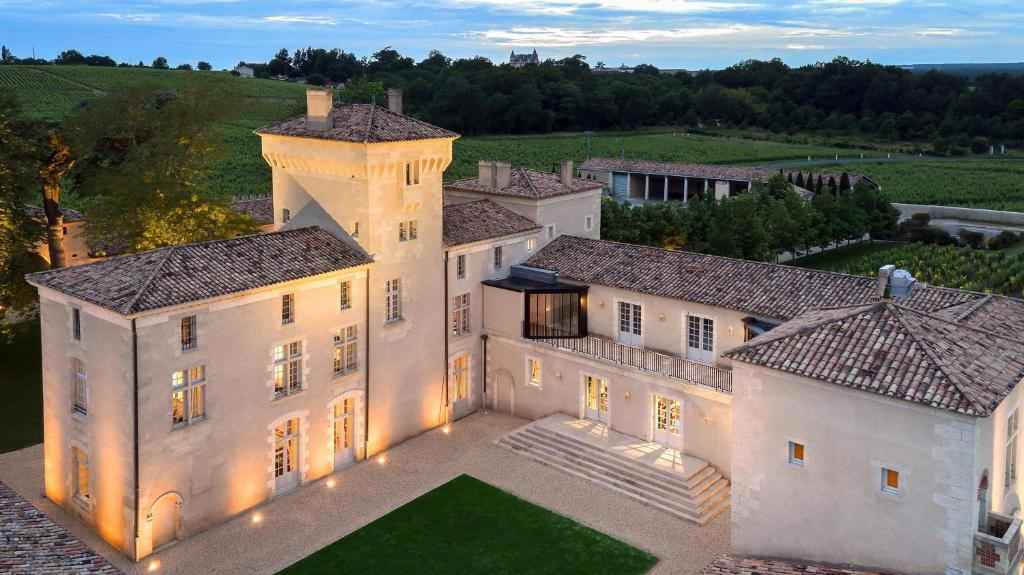
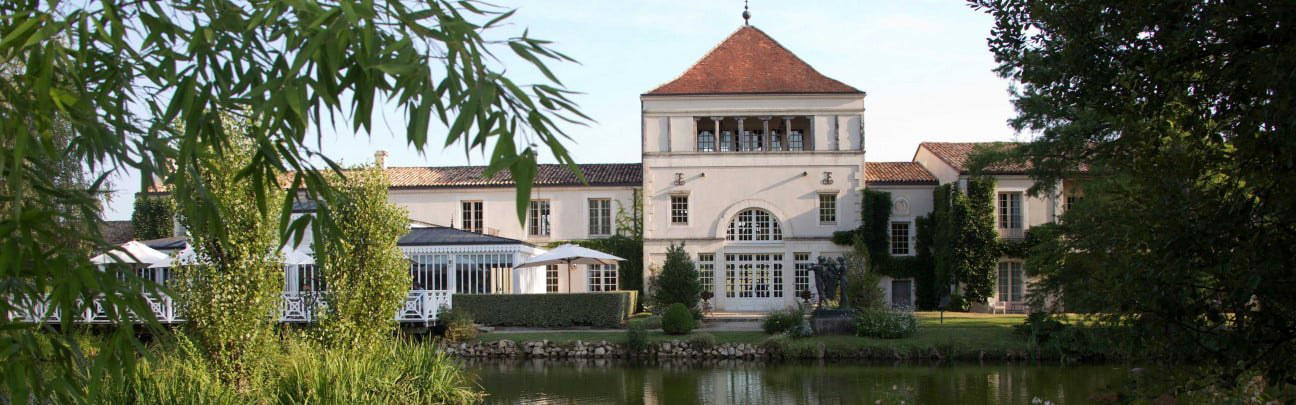
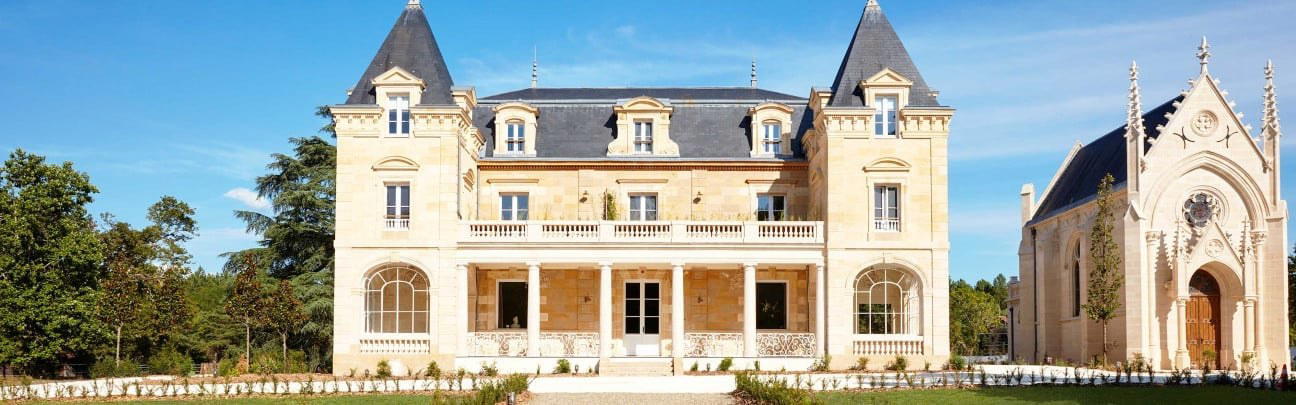
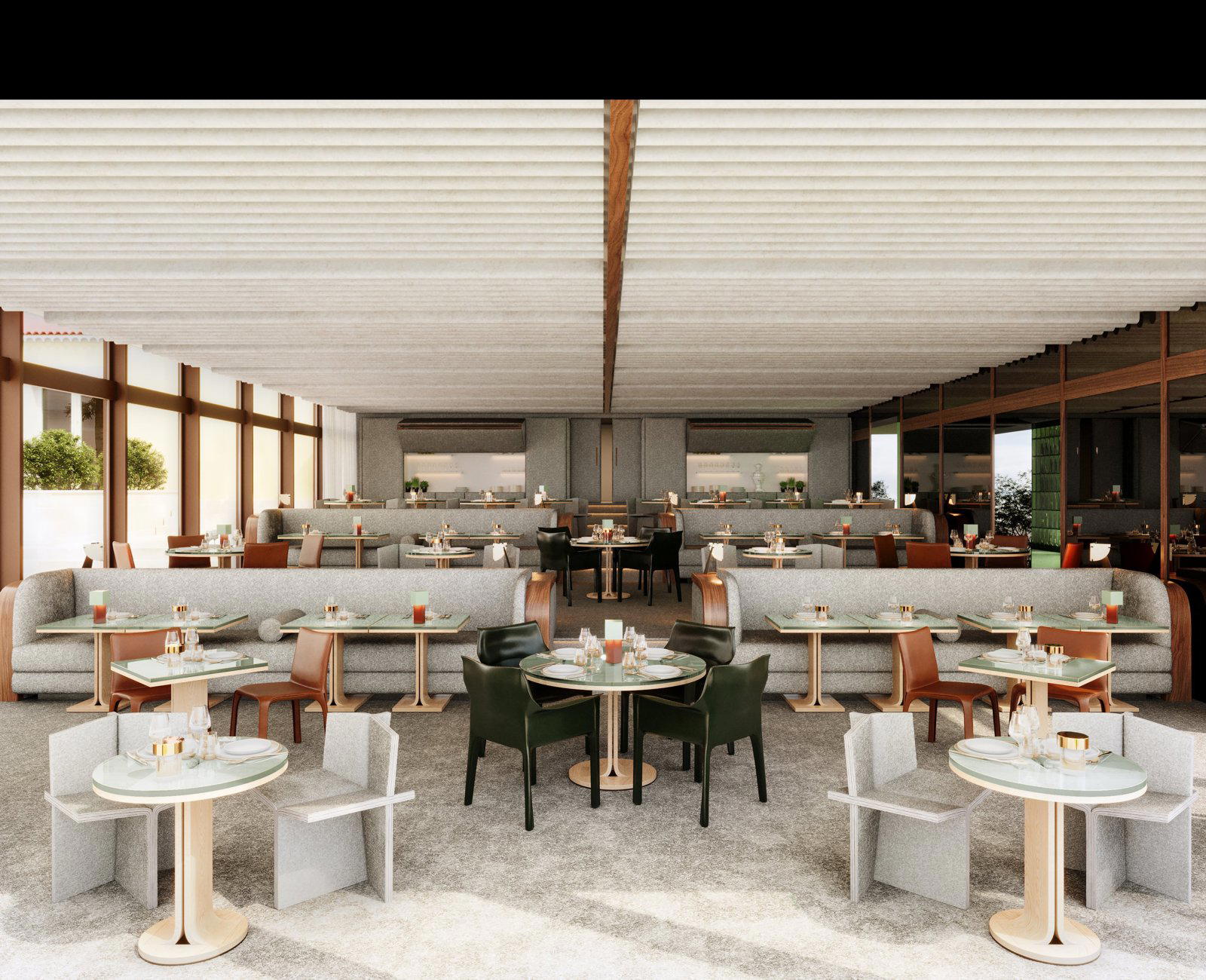
Charming historic ambiance with stone walls, elegant pendant chandeliers, cheerful service, and a pleasant shaded terrace under century-old plane trees.