Le Manoir de Saint-Jean
Le Manoir de Saint-Jean sits along the Route de Saint-Jean in Saint-Paul-d'Espis, a quiet commune in the Tarn-et-Garonne that represents the slower, more rooted end of southwestern French hospitality. In a region where the land between Montauban and Moissac has fed kitchens for centuries, this address occupies the kind of rural setting where sourcing and seasonality are not marketing concepts but operational realities.
Pearl is the En Primeur Club membership app — saves, bookings, and concierge access live there. Same editors, same standards.
- Address
- 3619 Rte de St Jean, 82400 Saint-Paul-d'Espis, France
- Phone
- +33563050234
- Website
- manoirsaintjean.com
- Directions
- Get directions
 Saves & bookings on Pearl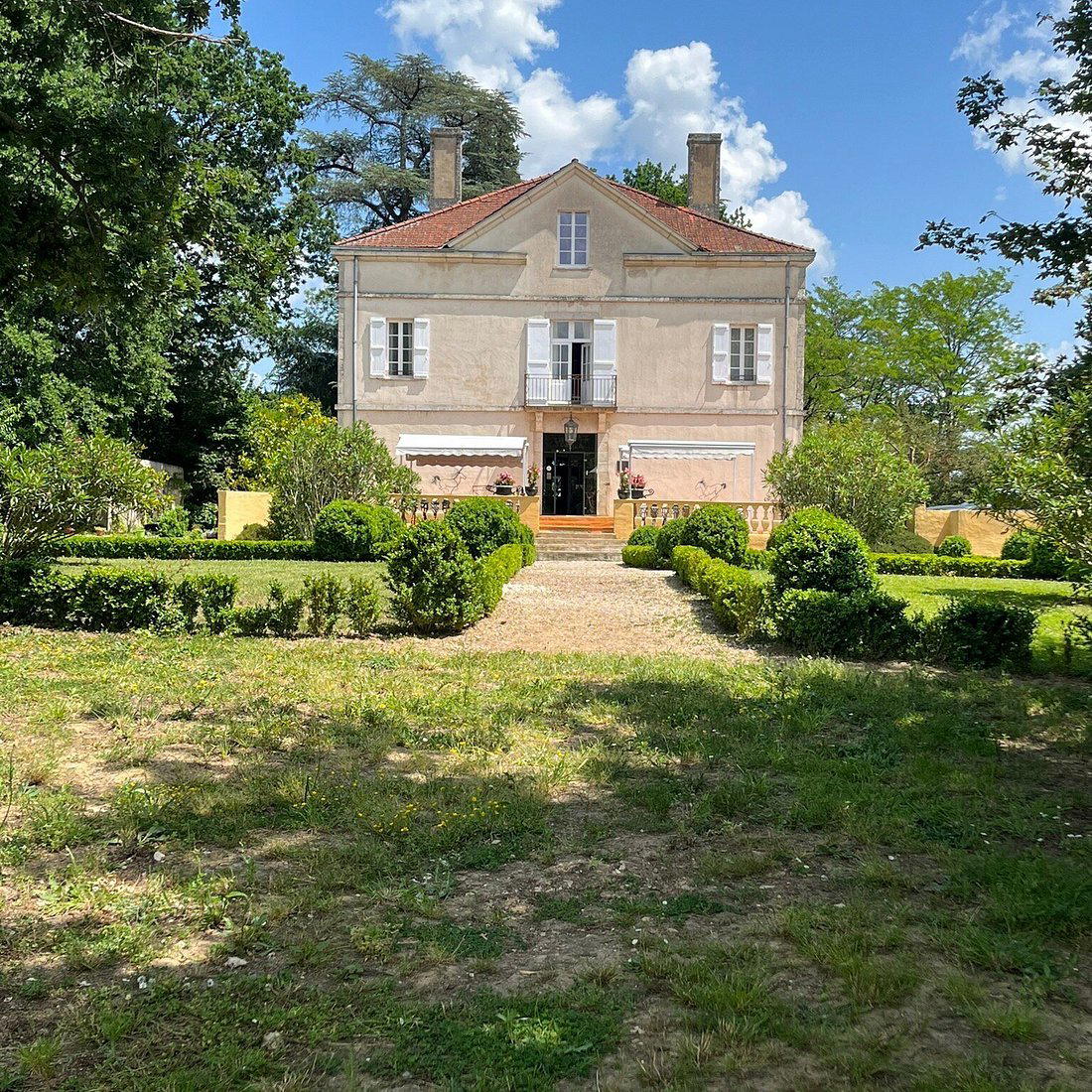
Where the Tarn-et-Garonne Sets the Table
Approach Saint-Paul-d'Espis from any direction and the agricultural character of the Tarn-et-Garonne asserts itself before the village does. The alluvial plain between Montauban and Moissac is particularly productive farmland in the Midi-Pyrénées, planted with stone fruit orchards, market gardens, and the chasselas grape vineyards that gave Moissac its AOC designation. Le Manoir de Saint-Jean sits on the Route de Saint-Jean within this landscape at 3619 Rte de St Jean, 82400 Saint-Paul-d'Espis, placed where the connection between a kitchen and its immediate agricultural surroundings is not incidental but geographic fact.
This part of the Lot valley corridor does not receive the same attention as Gascony to the west or the Aveyron uplands to the northeast, where addresses like Bras in Laguiole have built reputations around local sourcing. But that relative quietness is exactly why the ingredient story here reads differently: there is no performance of terroir for outside audiences, only the practical reality of cooking in a region that produces plums, garlic, melons, duck, and river fish in abundance.
Ingredient Sourcing in the Lot-et-Tarn Corridor
Southwest France operates within a sourcing logic that differs from both the Alpine precision of places like Flocons de Sel in Megève and the coastal immediacy of kitchens such as Christopher Coutanceau in La Rochelle. Here, the pantry is inland and seasonal in a direct, unmediated way. Pruneaux d'Agen, the region's most recognized product, are grown within kilometres of Saint-Paul-d'Espis. Chasselas de Moissac, France's first fruit to receive AOC status, is harvested nearby from late summer through autumn. Duck confit and foie gras remain kitchen staples rooted in a preservation tradition that predates refrigeration by centuries.
For a manor property positioned in this agricultural corridor, the sourcing argument writes itself through geography rather than ideology. The question for any serious kitchen in this area is not whether to engage with local produce but how deeply and how honestly. Rural southwestern France has a long tradition of treating proximity to ingredients as a baseline competency rather than a differentiator, which sets a different expectation from the kind of sourcing narrative that drives destination dining at addresses like Mirazur in Menton or Auberge du Vieux Puits in Fontjoncouse.
The Manor Setting and What It Signals
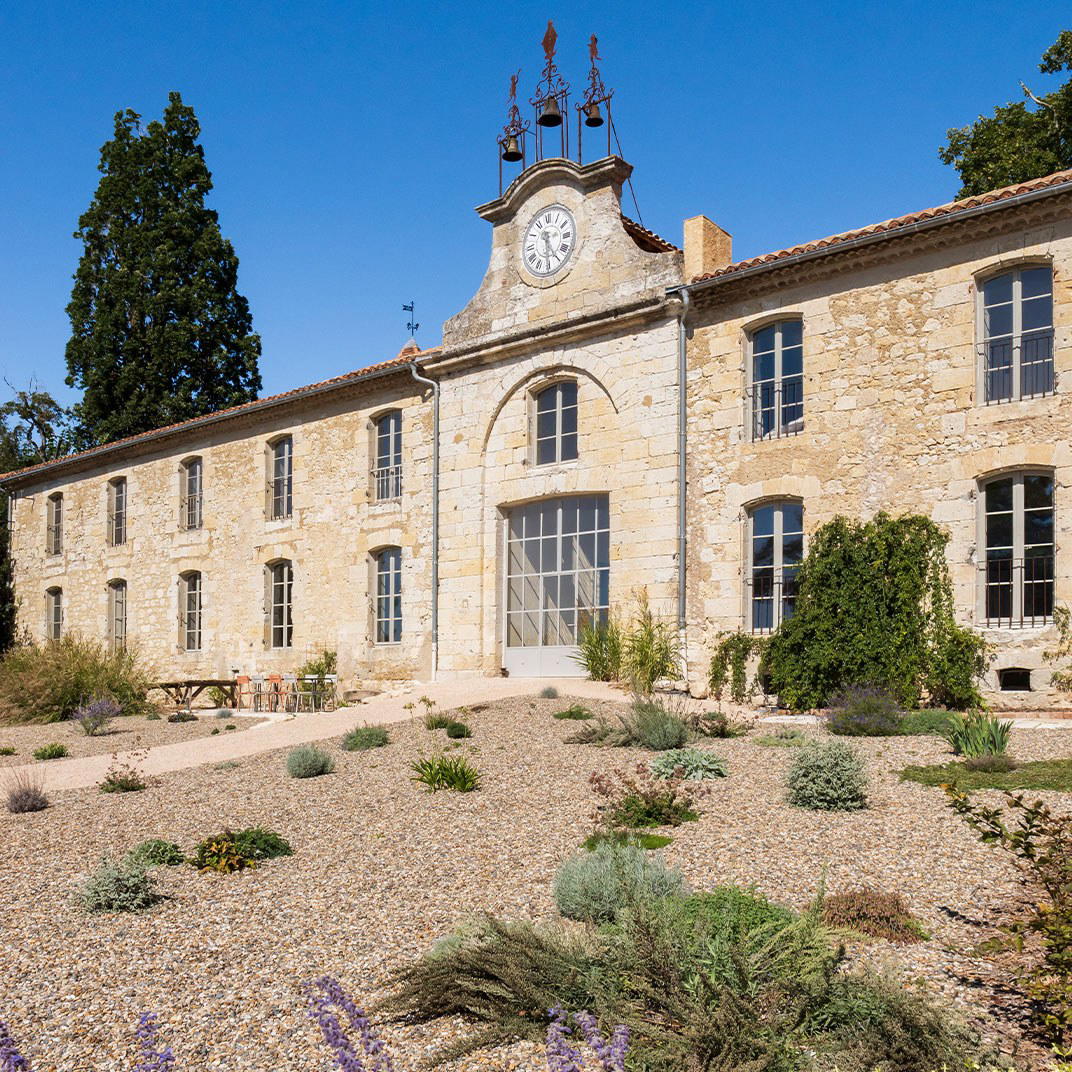
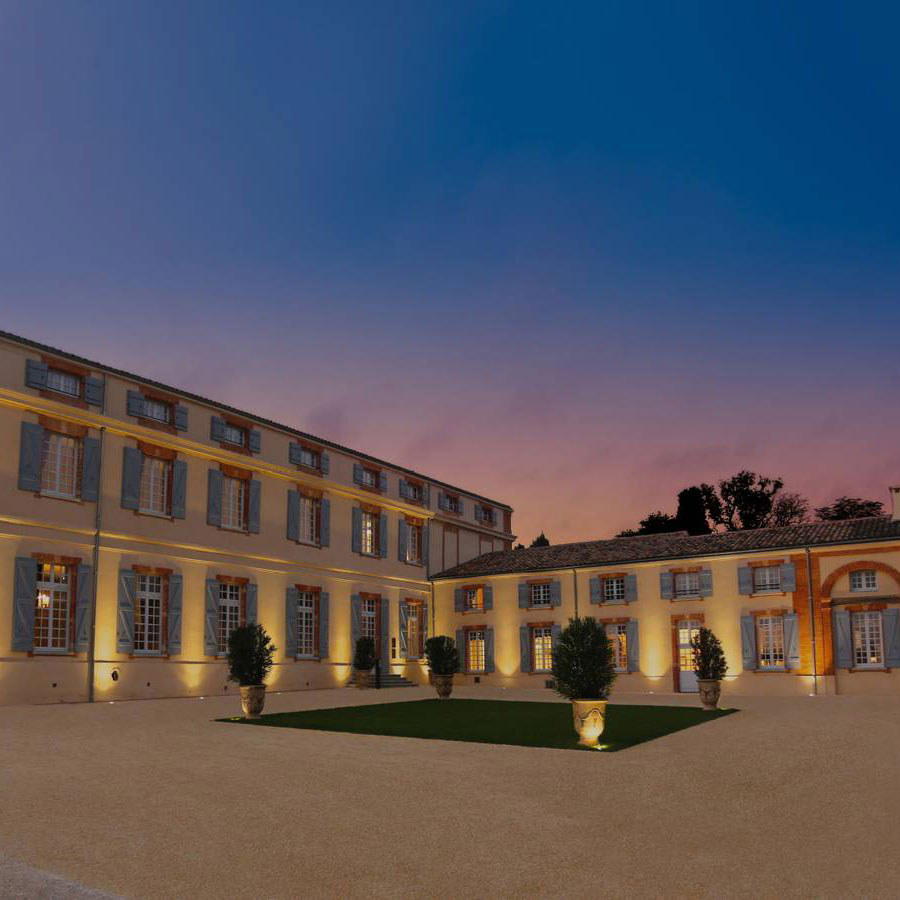
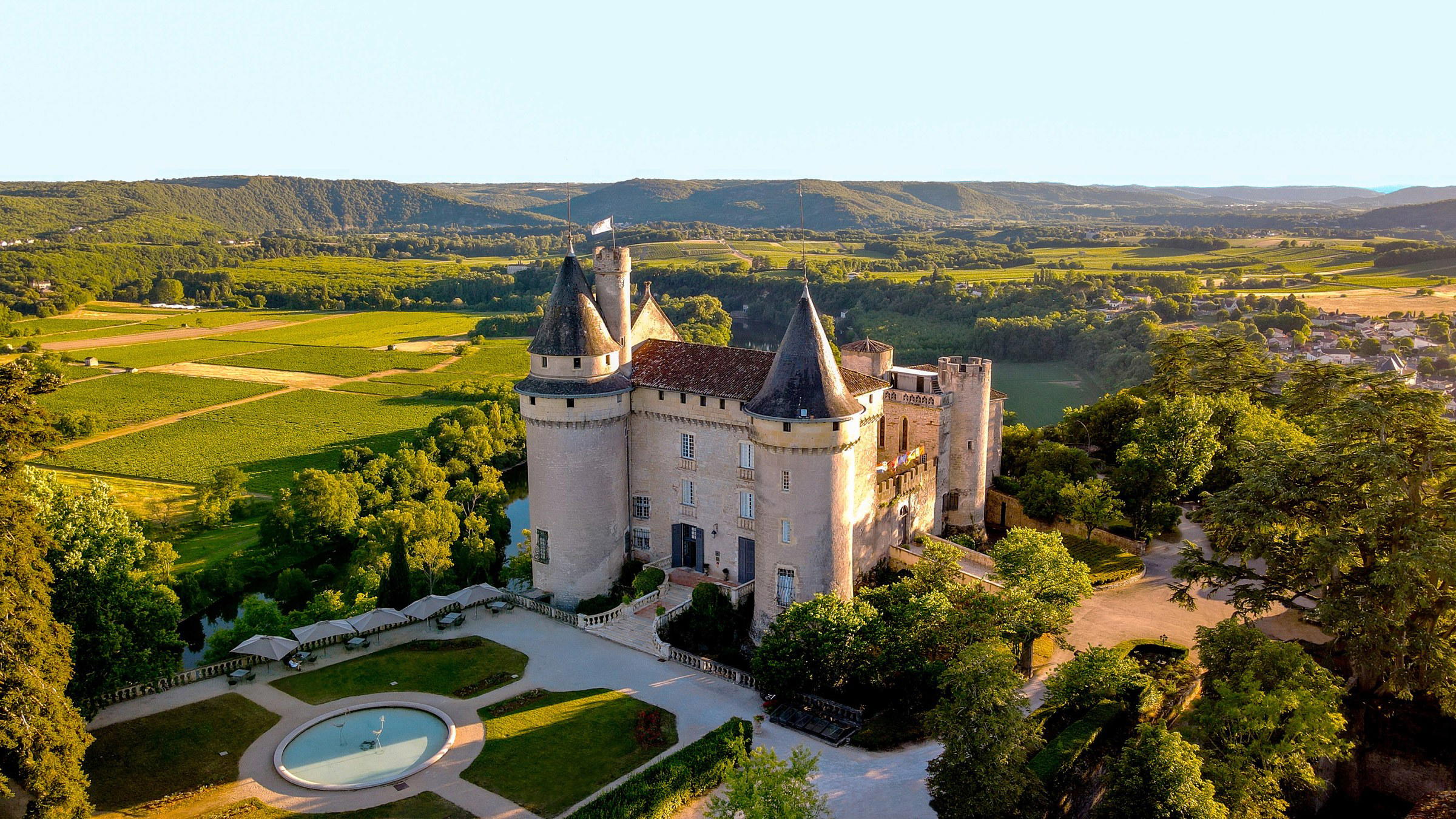
Manor properties in rural France occupy a specific category distinct from both the grand château hotel and the village auberge. They tend to be modest in scale, architecturally grounded in the regional vernacular, and oriented toward a guest experience that prioritizes calm over theatre. The physical approach to Le Manoir de Saint-Jean along the Route de Saint-Jean reinforces this: a road that moves through agricultural land before arriving at the property, which sits at a remove from any town centre noise or tourist infrastructure.
That positioning places it in a comparable set that includes properties where the dining room and the surrounding land feel continuous rather than separated. The contrast with the more formally theatrical end of French fine dining, represented at addresses like Alléno Paris au Pavillon Ledoyen or Assiette Champenoise in Reims, is deliberate. Rural manor dining in France has historically offered a different register: less ceremony, more substance, with the quality signal coming from what arrives on the plate rather than how the room is dressed. Comparable properties along the French regional tradition, such as Auberge de l'Ill in Illhaeusern or Georges Blanc in Vonnas, have built multigenerational identities around exactly this kind of rooted, place-specific hospitality.
Planning a Visit to Saint-Paul-d'Espis
Saint-Paul-d'Espis is not served by high-speed rail directly. From Montauban, reaching Saint-Paul-d'Espis requires a car: the road network through the Tarn-et-Garonne is well-maintained but public transport between villages is limited. Given the rural character of the address and the agricultural setting, arrival by car is the practical choice and allows for the broader exploration of the Moissac area, including its celebrated Romanesque cloister and the chasselas vineyards along the Lot and Garonne rivers.
The Tarn-et-Garonne operates on French regional time: markets run on weekend mornings, stone fruit is a late-summer obsession, and the pace of service at any serious table reflects an expectation that meals are not rushed. Visitors accustomed to the tempo of urban dining at venues like AM par Alexandre Mazzia in Marseille or internationally paced tables such as Atomix in New York City or Le Bernardin in New York City should calibrate expectations accordingly. Southwestern French rural hospitality rewards patience.
Le Manoir de Saint-Jean operates within this broader tradition, where the address, the land, and the table form a single argument about place. The restaurant operates within this broader tradition, where the address, the land, and the table form a single argument about place. For coastal contrast, La Marine in Noirmoutier-en-l'île and Au Crocodile in Strasbourg represent the regional specificity that France's leading addresses carry regardless of Michelin tier.
At-a-Glance Comparison
Comparable venues nearby, for context on price, style, and recognition.
| Venue | Cuisine | Price | Notes |
|---|---|---|---|
| Le Manoir de Saint-JeanThis venue — the venue you are viewing | Seasonal French Gastronomic | $$$$ | Not listed |
| Alain Passard's Garden | Vegetable-Focused Fine Dining | $$$$ | Bois Giroult |
| Maison Ninon | French Bistro with Local Products | $$$$ | Terrasson-Lavilledieu |
| Restaurant RENAISSANCE | Contemporary French Fine Dining | $$$$ | Fiac, Tarn |
| Saturne | Modern French with Nordic Influences | $$$ | 2nd Arrondissement |
| Les Prés Gaillardou | Traditional Périgord Cuisine | $$$ | La Roque-Gageac |
Continue exploring
More in Saint Paul D Espis
Restaurants in Saint Paul D Espis
Browse all →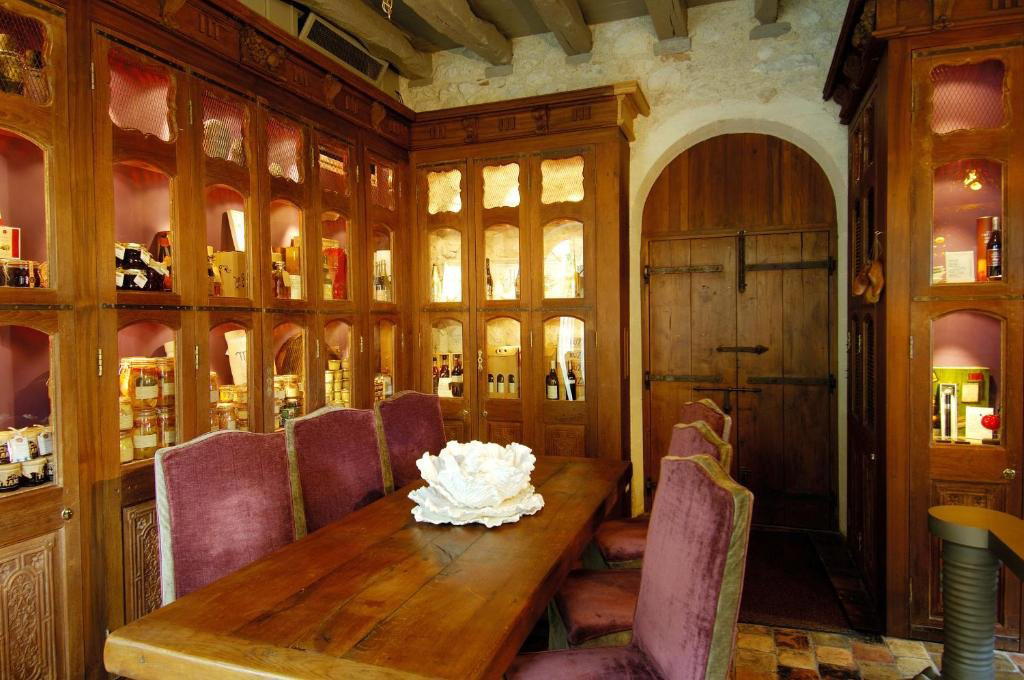
Hotels in Saint Paul D Espis
Browse all →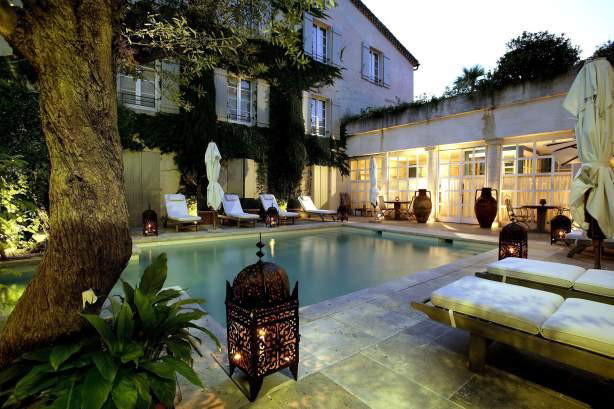

At a Glance
- Romantic
- Elegant
- Cozy
- Classic
- Intimate
- Date Night
- Special Occasion
- Garden
- Terrace
- Historic Building
- Extensive Wine List
- Local Sourcing
- Organic
- Garden
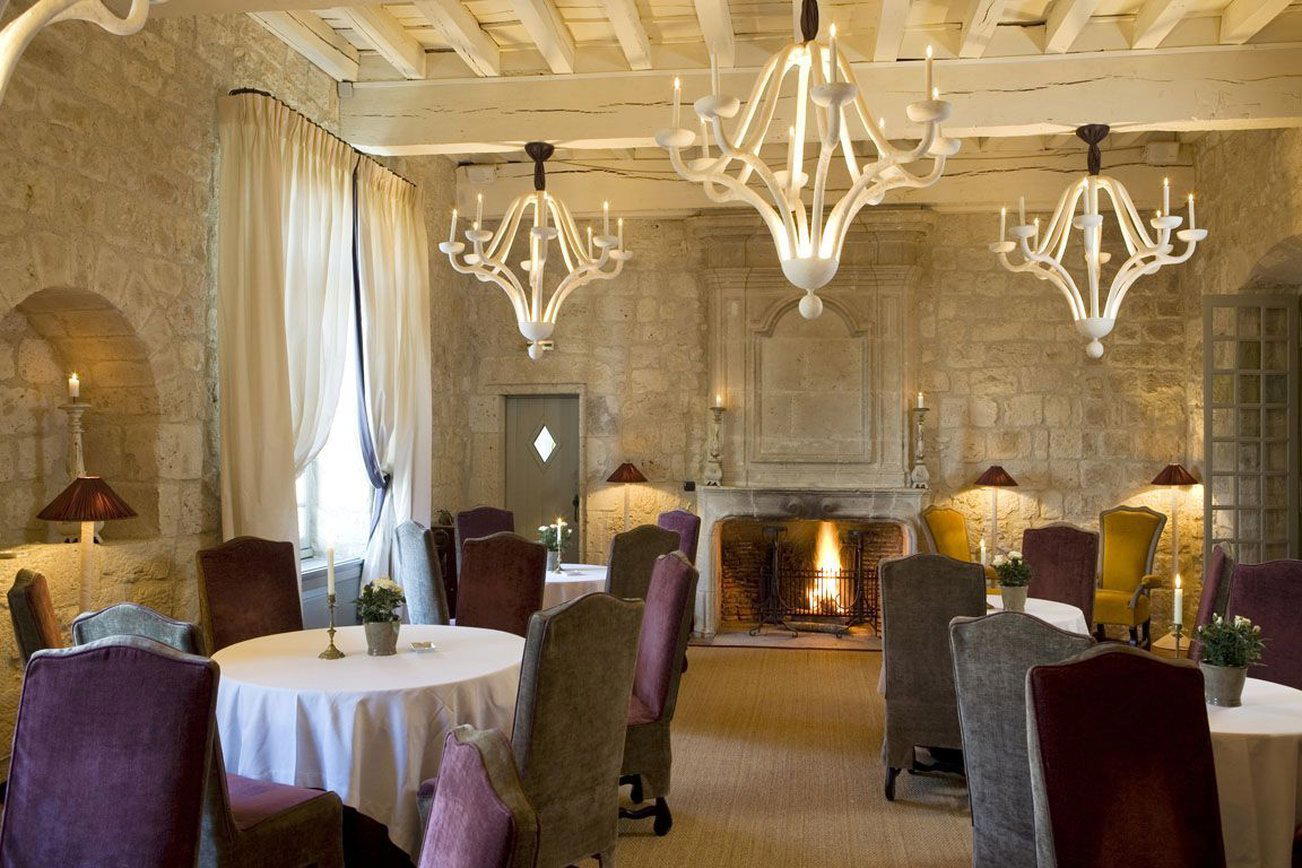
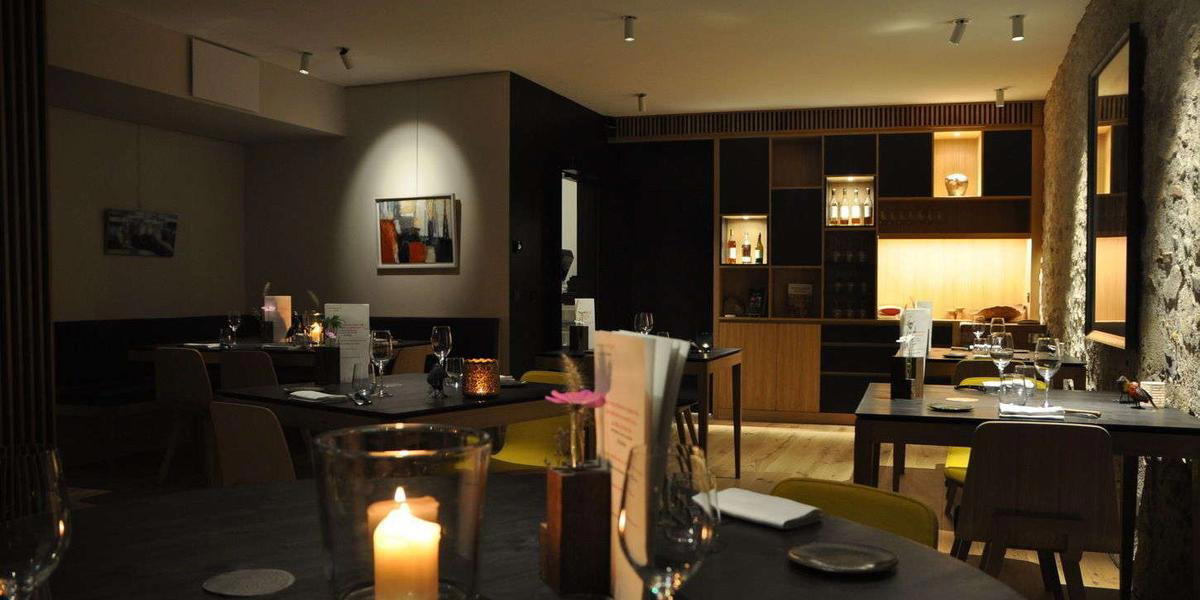
Warm and convivial atmosphere with ochre walls, terracotta floors, and large windows opening to the park; feutrée ambiance in the dining room and terrace.