Our verdict
City Oltra occupies a corner of Haymarket's busy Eddy Avenue strip, where Sydney's Central Station commuter flow meets one of the city's most concentrated dining precincts. The address places it inside a neighbourhood defined by produce markets, migrant food traditions, and the kind of foot traffic that keeps kitchens honest. For EP Club members exploring the area's dining options, it sits within a broader Haymarket scene worth understanding in context.

Pearl is the En Primeur Club membership app — saves, bookings, and concierge access live there. Same editors, same standards.
- Address
- Shop 11/1 Eddy Ave, Haymarket NSW 2000, Australia
- Phone
- +61423808400
- Hours
- Mon ClosedTue–Thu 4–10 PMFri–Sat 4 PM–12 AMSun Closed
- Website
- oltra.pizza
- Directions
- Get directions
- Booking
- Book on OpenTable
The menu
What to order
- Poor Tom's gin sauce pizza
- Hot pepperoni with cool ranch
- Fried eggplant pizza
Haymarket's Eddy Avenue: Where Sydney's Produce Culture Meets the Station Precinct
The stretch of Eddy Avenue that runs along the southern flank of Central Station is not the address most Sydney food writers reach for first. Rockpool gets the harbour-adjacent headlines; Saint Peter owns the Paddington seafood conversation. Haymarket, by contrast, operates on a different frequency — closer to the city's working produce infrastructure, shaped by the long shadow of the Sydney Markets network and the migrant food cultures that have defined this part of the city for generations. City Oltra, at Shop 11/1 Eddy Ave, occupies a position inside that dynamic rather than outside it.
That context matters when thinking about ingredient sourcing in this part of Sydney. The Haymarket precinct has historically functioned as a conduit between the city's wholesale markets and its restaurant population. Venues in this corridor have long operated with shorter supply chains than their counterparts in the eastern suburbs or the lower north shore, simply by virtue of proximity. Whether a kitchen takes advantage of that proximity is always the more interesting question.
The Eddy Avenue Approach: What the Address Signals
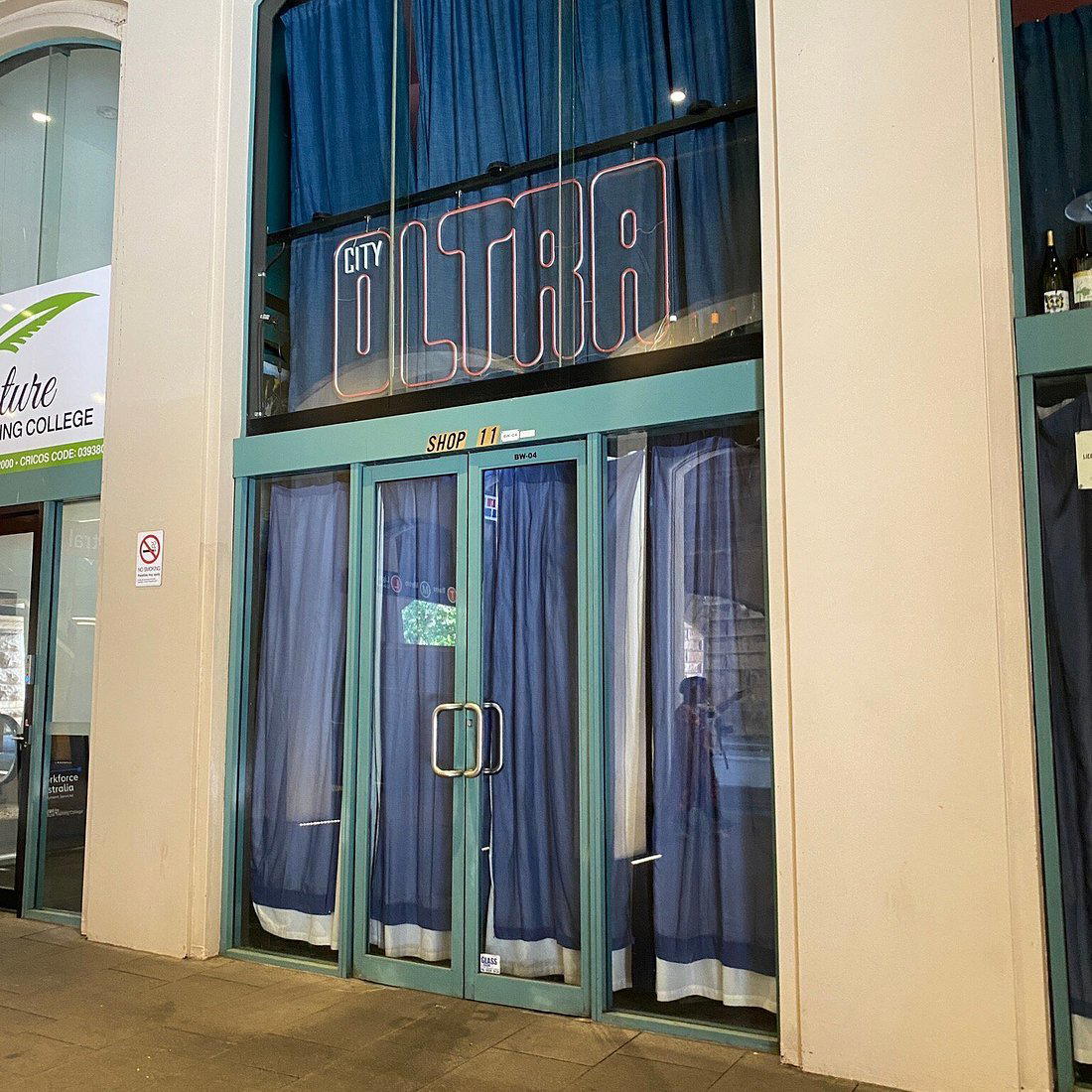
Approaching from Central Station's main entrance, Eddy Avenue presents as a working street rather than a destination strip. The visual register is practical: transit infrastructure, the rhythms of commuter movement, the kind of ground-floor retail that serves a mixed population of office workers, students, and visitors staying in the precinct's mid-tier accommodation. Shop 11 sits within this flow rather than apart from it.
In cities like Sydney, that kind of address has historically sorted venues into two categories: those that treat the foot traffic as their primary audience and those that build a more deliberate clientele despite the location. The Haymarket dining scene includes both. 1021 Mediterranean and venues along the broader CBD fringe have navigated this tension in different ways, with varying degrees of success in building repeat patronage beyond the passing crowd.
Ingredient Sourcing and the Haymarket Advantage
The sourcing argument for this part of Sydney is structural rather than romantic. The Sydney Markets at Flemington, which supply the majority of the city's restaurant produce, sit roughly 14 kilometres west of Haymarket. The wholesale flower and produce infrastructure that feeds central Sydney kitchens passes through this corridor. For a kitchen operating at Eddy Avenue, the logistics of early-morning market runs and supplier relationships are materially different from, say, a restaurant in Mosman or Potts Point.
This structural proximity is the same kind of advantage that venues like Ormeggio at The Spit use through their waterfront access to seafood supply chains, or that regional restaurants such as Brae in Birregurra and Pipit in Pottsville exploit through direct farm relationships. Proximity to supply is not the same as quality of execution, but it is a precondition that the leading sourcing-focused kitchens use to their advantage.
Australian dining has moved significantly in this direction over the past decade. The farm-to-table framework that once read as a marketing position has hardened into a genuine competitive differentiator at the upper end of the market. Attica in Melbourne, Botanic in Adelaide, and Hentley Farm in Seppeltsfield have each built their critical reputations substantially on provenance transparency. In Sydney, Saint Peter made whole-fish utilisation a public commitment rather than a kitchen practice. The question for any Haymarket venue is where it positions itself within that broader shift.
The Haymarket Dining Scene in 2024
Sydney's inner-city dining geography has consolidated around a handful of precincts with distinct identities. Surry Hills for modern Australian and wine-led dining; Newtown for value and range; the CBD core for expense-account power meals anchored by venues like Rockpool. Haymarket sits at the intersection of several of these gravitational pulls without being fully claimed by any of them.
The neighbourhood's Chinese restaurant density remains among the highest in the city, a legacy of the historic Chinatown boundary that extends north from Dixon Street. But the category mix has broadened, with Korean, Japanese, and pan-Asian formats now occupying the same blocks as the Cantonese institutions that defined the area from the 1970s onward. The result is a precinct where ingredient quality, particularly for produce sourced from Asian wholesale suppliers, tends to be high and where competition on price keeps kitchens operationally lean.
For comparison, venues operating in more insulated precincts, such as Laura at Pt Leo Estate in Merricks or Provenance in Beechworth, operate within a protected destination-dining framework where the journey itself filters the audience. Haymarket venues face the opposite condition: high visibility, high competition, and a customer base that ranges from the deliberately curious to the purely opportunistic.
Positioning City Oltra in the Sydney Context
For EP Club members building a Sydney itinerary, the Eddy Avenue location places City Oltra within easy reach of Central Station and the southern CBD, making it a practical option for pre-departure meals or post-arrival first stops. The broader Haymarket dining map rewards methodical exploration: the neighbourhood's range across price points and cuisine types is wider than its tourist-facing reputation suggests. Our full Sydney restaurants guide maps the city's dining geography in detail, including which precincts reward walk-in flexibility and which require advance planning.
For context on how Australian restaurant culture has developed at the internationally recognised end of the spectrum, the work being done at venues like Salt Water Restaurant in Cairns and Lizard Island Resort in far north Queensland illustrates how sourcing from specific Australian ecosystems has become a defining characteristic of the country's premium dining identity, a trajectory that began in metropolitan kitchens and has since diffused outward. International reference points, such as the rigorous sourcing disciplines at Le Bernardin in New York City or the communal tasting format at Lazy Bear in San Francisco, show how ingredient provenance and kitchen philosophy translate into identifiable dining experiences at a global level.
Know Before You Go
- Address: Shop 11/1 Eddy Ave, Haymarket NSW 2000, Australia
- Getting There: Central Station is the immediate access point; all suburban, intercity, and airport train lines stop here, as do multiple bus routes terminating at the Eddy Avenue interchange
- Neighbourhood: Haymarket, on the southern edge of the Sydney CBD, adjacent to Chinatown and the Entertainment Quarter
- Phone/Website: Not currently listed in EP Club's dataset — confirm directly via Google Maps or the venue's own social channels before visiting
- Booking: Walk-in availability in this precinct is generally higher than in destination-dining corridors, but confirmation of current policy is recommended given the absence of published booking details
Frequently asked questions
Is City Oltra good for families?
City Oltra's address at Shop 11/1 Eddy Avenue in Haymarket places it close to Central Station, making it accessible for families moving through the city. The station-adjacent location suits groups needing a practical, central meeting point.
What's the overall feel of City Oltra?
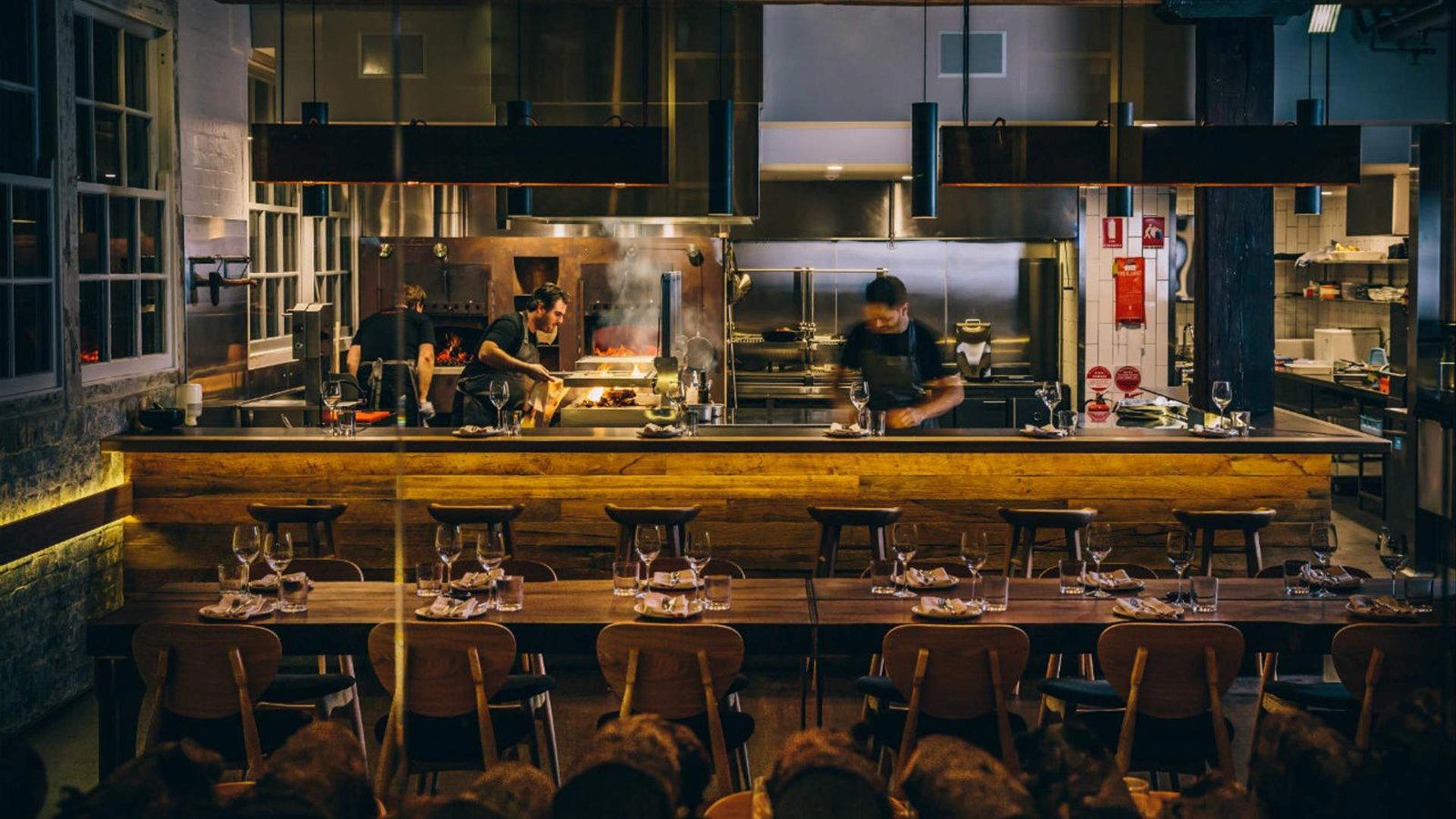
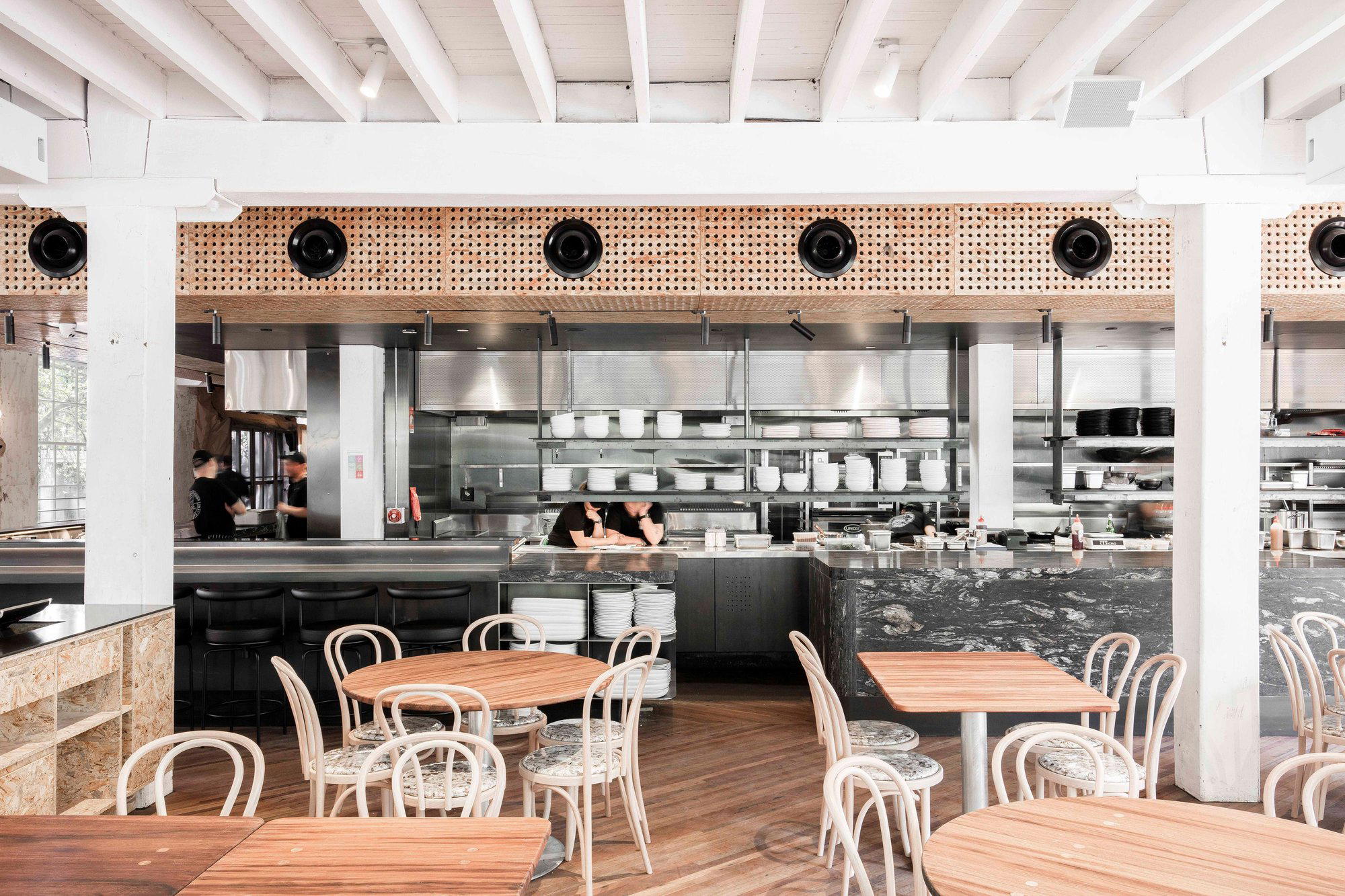
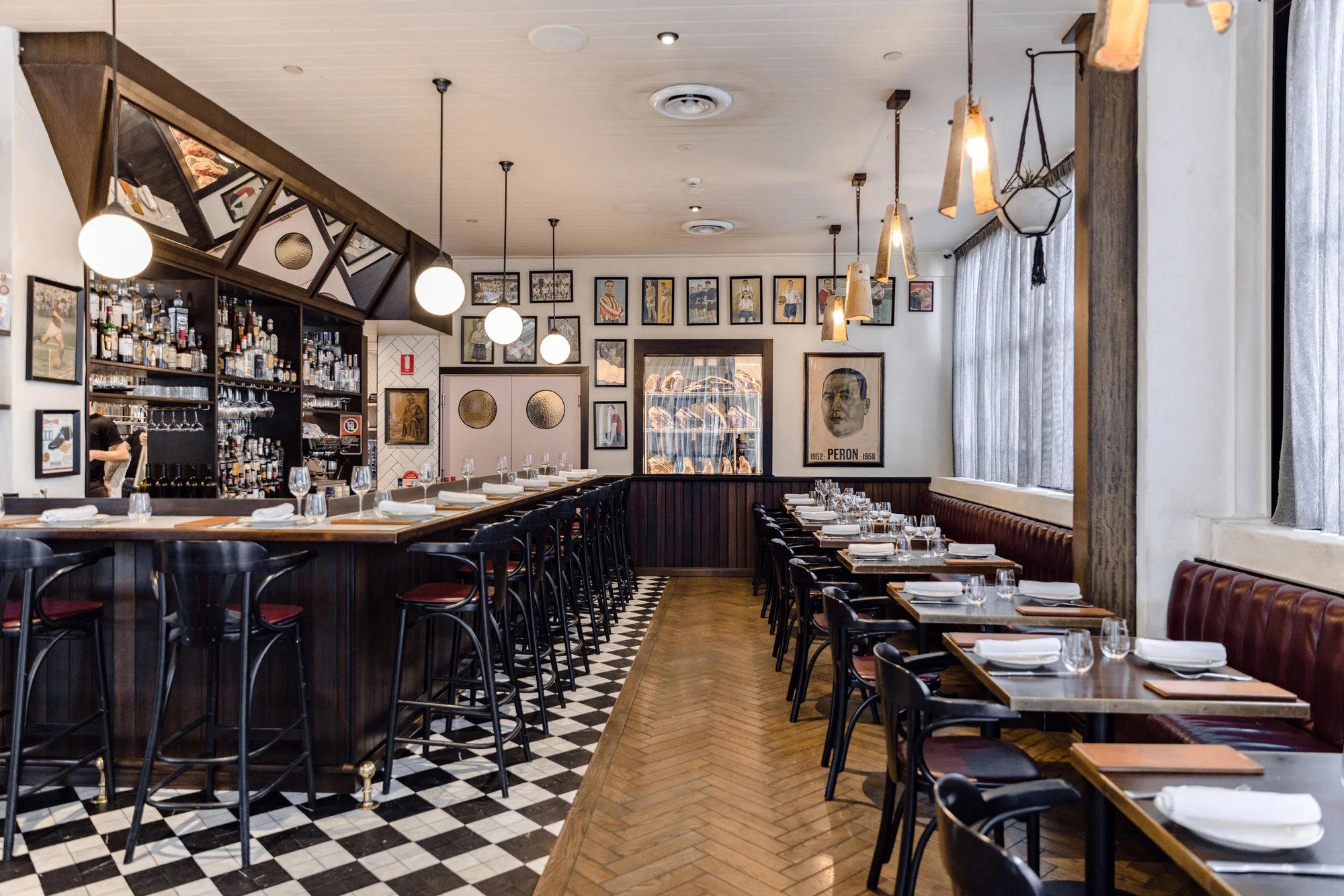
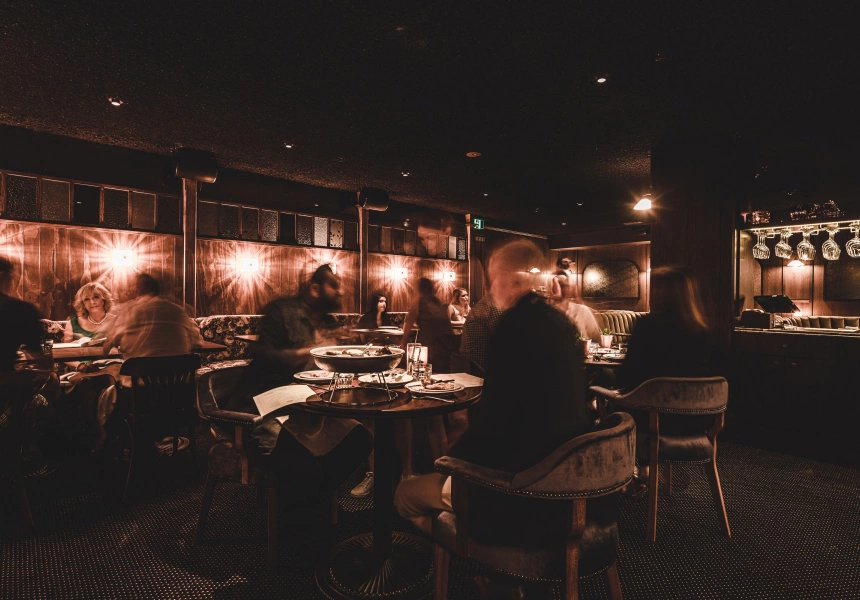
Eddy Avenue runs along the southern edge of Central Station and reads as a working street rather than a curated dining strip, so City Oltra's setting is functional and urban rather than destination-restaurant theatrical. The Haymarket precinct sits between Sydney's CBD core and the inner-south, which gives it a mixed local and transit crowd. Expect a neighbourhood tempo rather than a white-tablecloth register.
How does City Oltra's Haymarket location affect the dining experience?
Sitting at Shop 11/1 Eddy Avenue, City Oltra is effectively at the gateway between Sydney's CBD and its inner-south suburbs, with Central Station a short walk away. That positioning makes it one of the more logistically convenient dining stops in Sydney for visitors arriving by train from the airport or interstate. Haymarket also borders Chinatown, which means the surrounding food culture skews towards high-volume, ingredient-forward cooking rather than destination-dining formality.
What's the must-try dish at City Oltra?
EP Club does not hold menu data for City Oltra, so no specific dish can be recommended here without the risk of presenting outdated or inaccurate information. Haymarket's proximity to the Sydney Markets at Flemington — the primary wholesale produce source for most of inner Sydney — does give venues in this precinct structural access to fresh seasonal product, but menu specifics should be confirmed with City Oltra directly.
What part of town is City Oltra in?
City Oltra is located at Shop 11/1 Eddy Ave, Haymarket NSW 2000, Australia, Sydney.
Do they take walk-ins at City Oltra?
Given the venue's location at Shop 11/1 Eddy Avenue in Haymarket, foot traffic from Central Station is a reasonable constant, which may support a walk-in-friendly format — but this should be verified with the venue before visiting.
What has City Oltra built its reputation on?
City Oltra does not currently hold published awards or documented critical recognition in EP Club's records, so a credential-backed reputation statement is not possible at this stage. The venue operates in Haymarket, a precinct that sits close to Sydney's wholesale produce infrastructure and a densely populated inner-city catchment. Its standing in the local dining scene is best assessed through direct visits rather than published accolades.
What It’s Closest To
Comparable venues nearby, for context on price, style, and recognition.
| Venue | Cuisine | Price | Notes |
|---|---|---|---|
| City OltraThis venue — the venue you are viewing | Modern Pizza Bar | $20–30 | Not listed |
| Barmilano Pizzeria | Northern Italian Pizza & Pasta | $30–50 | Randwick |
| Giuls | Modern Tuscan Italian | Not listed | Surry Hills |
| Rosso Pomodoro Bondi Junction | Authentic Neapolitan Pizzeria | $20–30 | Bondi Junction |
| Mama & Papas Restaurant Parramatta | Italian & Mediterranean | $20–30 | Parramatta |
| Vapiano | Fresh Casual Italian | $20–30 | Sydney |