Rosso Pomodoro at Bondi Junction sits on Bronte Road in one of Sydney's most densely contested casual dining corridors, bringing a Neapolitan-rooted Italian menu to an inner-east neighbourhood that runs hard on café culture and all-day dining. The address positions it between the Junction's retail core and the quieter residential stretch toward Bronte, a location that draws both commuters and local regulars.
Pearl is the En Primeur Club membership app — saves, bookings, and concierge access live there. Same editors, same standards.
- Address
- 1/94 Bronte Rd, Bondi Junction NSW 2022, Australia
- Phone
- +61293692217
- Website
- rossopomodoro.com.au
- Directions
- Get directions
 Saves & bookings on Pearl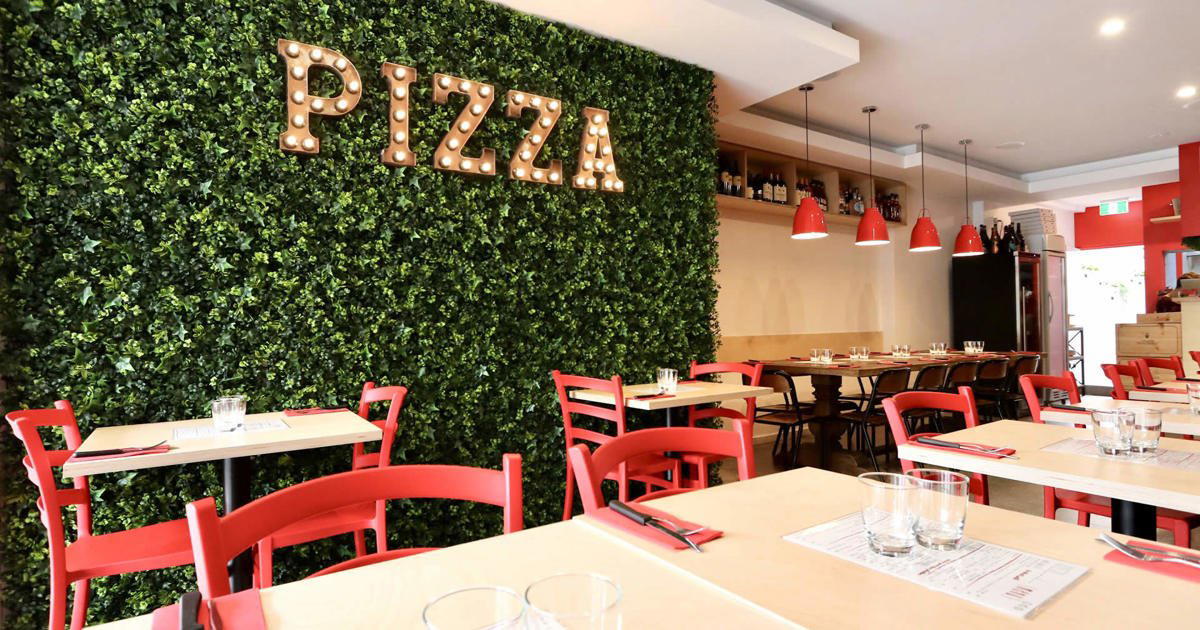
Bronte Road and the Italian Casual Tier in Sydney's Inner East
Sydney's inner-east has long supported a particular kind of Italian restaurant: mid-format, neighbourhood-anchored, built around a pizza and pasta core rather than fine-dining ceremony. Bronte Road in Bondi Junction sits inside that pattern, a street that transitions quickly from the Junction's train station and Westfield gravitational pull into a quieter residential register. It is the kind of address where a restaurant lives or dies on repeat custom rather than tourist foot traffic, and where the menu has to earn loyalty from locals who will compare it directly against every other red-sauce option within walking distance.
Rosso Pomodoro occupies that position at 1/94 Bronte Road. The name references the San Marzano tomato that underpins classical Neapolitan cooking, and the broader Rosso Pomodoro brand has Italian origins, placing it in a different category from the independent Italian operators that dominate much of Sydney's inner-city dining. For a neighbourhood like Bondi Junction, that distinction matters: chain-affiliated or franchise-adjacent Italian restaurants in Australia have historically struggled to hold ground against independents unless the product discipline is consistent enough to justify the comparison. The question the menu has to answer, then, is whether the Neapolitan reference point holds under scrutiny.
How the Menu Is Structured — and What It Signals
In Italian casual dining, menu architecture is an editorial statement. A kitchen that leads with pizza is making a different claim than one that leads with antipasti or a crudo section. Neapolitan-style restaurants tend to organise around a clear hierarchy: the dough is the argument, and everything else supports it. San Marzano tomato, fior di latte, and a short list of toppings are the vocabulary. Deviation from that vocabulary, whether through heavy sauce additions or overly elaborate combinations, usually signals a kitchen that is writing for the menu rather than for the plate.
The Rosso Pomodoro name encodes that hierarchy from the outset. Pomodoro, the tomato, is the anchor ingredient of the Neapolitan tradition, and a restaurant that puts it in its name is committing to a particular standard. In a Sydney context, that commitment places the venue in a specific competitive tier: below the destination Italian restaurants like 10 William St, which operates in a natural wine and ingredient-led register, and alongside the broader casual Italian bracket where the Bondi and Eastern Suburbs dining public sets its baseline expectations. For broader Italian reference points across the region, 1021 Mediterranean offers a point of comparison in the Mediterranean-influenced casual space.
A menu built around pizza and pasta in Sydney's inner-east also has to contend with the city's strong café-to-dinner culture. Neighbours like bills in Bondi Beach have spent decades demonstrating that the inner-east crowd will support a consistent, quality-anchored format at a mid-price point. The Italian casual tier runs a similar logic: deliver on the core product, keep the format readable, and the neighbourhood will come back.
Bondi Junction as a Dining Address
Bondi Junction holds an unusual position in Sydney's dining hierarchy. It is a major transport node and retail centre, which gives it foot traffic that few inner-east suburbs can match, but it has historically underperformed relative to that volume when it comes to independent dining destinations. The better restaurants in the immediate area tend to cluster on the fringes: toward Paddington on Oxford Street, toward Bondi Beach proper, or along the Bronte Road corridor that Rosso Pomodoro occupies.
That corridor has attracted a mix of neighbourhood regulars and destination diners over the years. It is close enough to Bondi Beach to catch some of the coastal dining energy, but far enough removed that the clientele skews more residential than tourist. For a casual Italian operator, that demographic is close to ideal: regular custom, price sensitivity in the mid-range, and an appetite for the kind of comfort-format dining that pizza and pasta represent.
Sydney's Italian dining scene more broadly has been shaped by decades of migration and by the presence of established operators across multiple price tiers. At the high end, the conversation involves restaurants with significant pedigree and kitchen ambition. At the casual end, where Rosso Pomodoro sits, the comparison set is tighter and more local. Venues like Bayly's Bistro in Kirribilli and Johnny Bird in Crows Nest represent the kind of neighbourhood-anchored casual dining that competes for the same regular diner in different Sydney postcodes. On the broader Australian dining scene, the reference points shift considerably: Rockpool and Saint Peter define the upper tier of Sydney's restaurant culture, while Melbourne's Attica and Brae in Birregurra set the national benchmark at the destination end.
Italian Casual in the Australian Context
Australia's relationship with Italian food is long and layered. Post-war migration brought Neapolitan and Sicilian cooking traditions to Sydney and Melbourne, and those traditions have been absorbed, adapted, and sometimes diluted across several decades. The result is a market where the baseline expectation for pizza and pasta is relatively high among regular diners, but where authenticity claims require product discipline to hold up. A restaurant invoking the Neapolitan tradition, as the Rosso Pomodoro name does, is competing against that accumulated expectation.
Internationally, the Italian casual format that Rosso Pomodoro represents has a parallel in the New York market, where neighbourhood Italian restaurants occupy a specific niche between the white-tablecloth expense-account tier and the by-the-slice counter. Venues like Le Bernardin and Atomix operate in an entirely different register, but they illustrate the range of formats a dining city can sustain. Sydney, like New York, has appetite for the full spectrum.
For reference points in the broader Australian casual dining space, Hungry Wolfs Italian Restaurant in Newcastle represents the regional Italian casual format, while venues like Bar Carolina in South Yarra and Barry Cafe in Northcote show how Melbourne's inner suburbs have developed their own version of the neighbourhood Italian and café register. Further afield, Jaani Street Food in Ballarat and Kulcha Restaurant in Wollongong demonstrate how regional Australian cities are building their own dining identities outside the capital-city anchors.
For anyone building a broader picture of Sydney's dining scene, the full Sydney restaurants guide covers the range from neighbourhood casual to destination fine dining. Additional context on Sydney's café and all-day dining culture is available through entries like 10 Pounds, which operates in a different format but within the same inner-east dining environment.
Planning Your Visit
Address: 1/94 Bronte Road, Bondi Junction NSW 2022. Getting there: Bondi Junction station (Eastern Suburbs & Illawarra Line) is the most direct public transport option; the Bronte Road address is a short walk from the station exit toward Bronte. Timing: The Bondi Junction corridor runs steadily through lunch and into evening service; weekend evenings draw stronger demand from the residential catchment.
Continue exploring
More in Sydney
Restaurants in Sydney
Browse all →
Bars in Sydney
Browse all →
Hotels in Sydney
Browse all →


At a Glance
- Lively
- Trendy
- Casual Hangout
- Group Dining
- Open Kitchen
Current opening hours
- Monday
- 5–10 PM
- Tuesday
- 5–10 PM
- Wednesday
- 5–10 PM
- Thursday
- 5–10 PM
- Friday
- 5–10 PM
- Saturday
- 5–10 PM
- Sunday
- 5–10 PM
Hours can change for holidays and private events. Last verified .
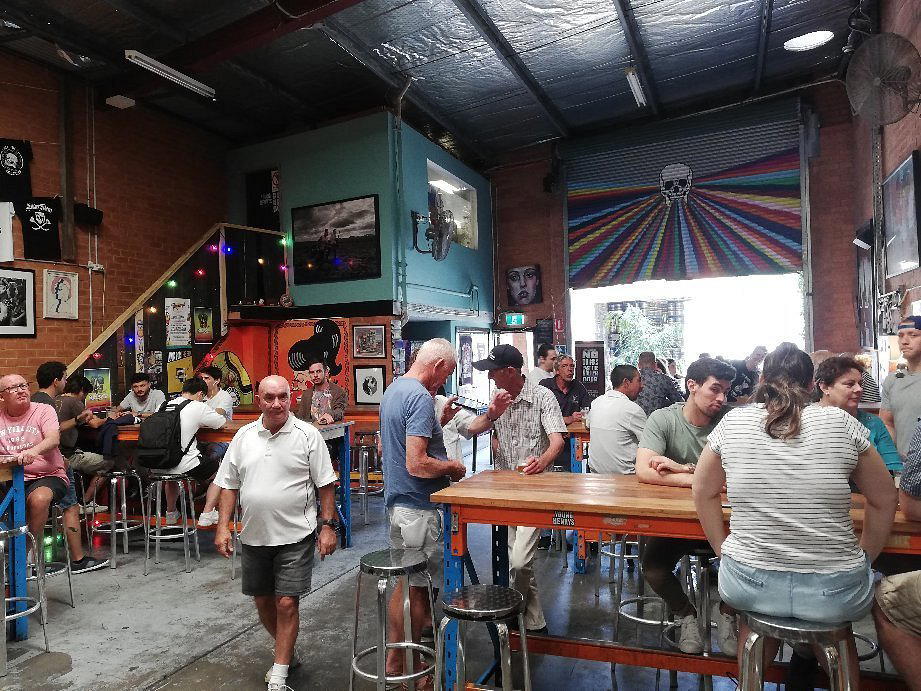
Lively and welcoming atmosphere with a busy, lively feel.
Know Before You Go
- Getting there
- 1/94 Bronte Rd, Bondi Junction NSW 2022, Australia