Mama & Papas Restaurant sits on Church Street in Parramatta, one of Sydney's most culturally layered dining corridors. The address places it at the intersection of Western Sydney's immigrant food traditions and a neighbourhood undergoing rapid culinary investment. For diners exploring beyond the CBD, Parramatta's Church Street precinct rewards attention.
Pearl is the En Primeur Club membership app — saves, bookings, and concierge access live there. Same editors, same standards.
- Address
- 295/301 Church St, Parramatta NSW 2150, Australia
- Phone
- +61296878189
- Website
- mamaandpapas.com.au
- Directions
- Get directions
 Saves & bookings on Pearl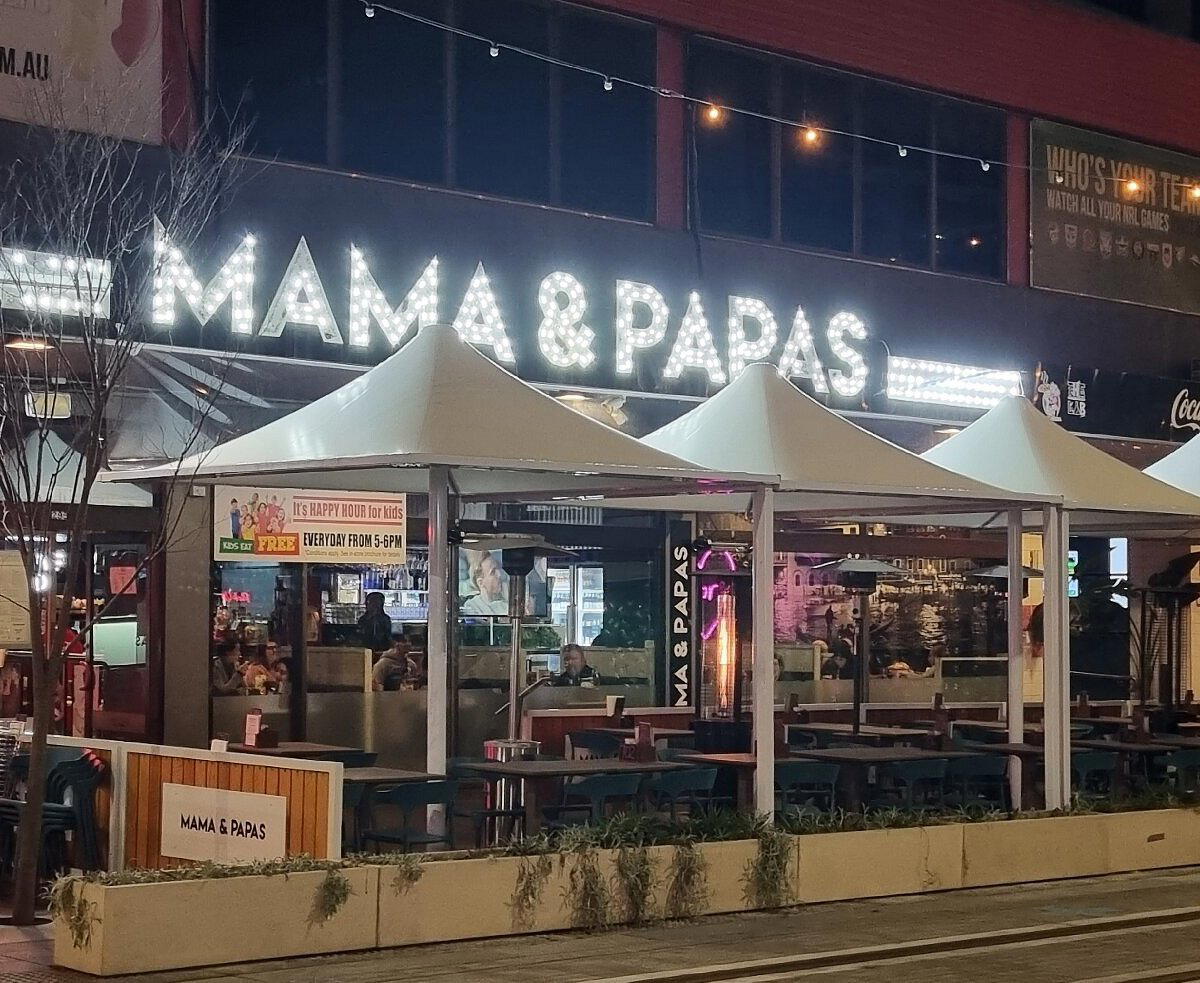
Church Street, Parramatta: Where Western Sydney Eats on Its Own Terms
Parramatta's Church Street has long operated as a dining strip that Sydney's inner-city food press underreports. The suburb sits roughly 24 kilometres west of the CBD, accessible via the T1 Western Line in under an hour from Central Station, and its restaurant corridor reflects a demographic reality that most harbour-side precincts cannot replicate: decades of layered migration from Lebanon, Vietnam, Korea, India, and the Pacific Islands, each wave leaving behind a food culture that has since matured into something more than novelty. Mama & Papas Restaurant, at 295–301 Church Street, operates within this context, in a precinct where authenticity is measured by regulars, not by passing tourists.
Western Sydney's dining identity has always been shaped by the intersection of imported technique and deeply sourced local product. That tension, between the methods families brought from elsewhere and the ingredients available here, defines what makes suburbs like Parramatta worth attention for anyone serious about how Australian food actually evolves. The headline venues of the CBD, from Rockpool (Australian Cuisine) to Saint Peter (Australian Seafood), tell one story about Australian cuisine. The restaurants of Church Street tell a different, less curated, and arguably more honest one.
The Parramatta Dining Scene: Context Before Venue
Over the past decade, Parramatta has attracted significant commercial and civic investment, including a new stadium, a growing apartment market, and a night-time economy that has pulled younger demographics west of Strathfield. That shift has created demand for restaurants that work across multiple registers: accessible to families, credible to food-aware younger diners, and grounded enough in a specific cuisine tradition to hold repeat customers. The restaurants that survive on Church Street tend to be those with community roots rather than trend-chasing concepts.
The editorial instinct in Australian food media is to concentrate coverage in Surry Hills, Paddington, or Newtown, where press access is easier and the concentration of name chefs is higher. But the restaurants reaching across culinary traditions in Western Sydney, drawing on family recipes calibrated against Australian produce and suburban budgets, represent a strand of the country's food culture that venues like Attica in Melbourne or Brae in Birregurra engage with from a fine-dining perspective. In Parramatta, it happens at street level, without the tasting-menu price point.
Comparable neighbourhood-level dynamics play out across Australian cities: Kulcha Restaurant Wollongong in Wollongong and Jaani Street Food in Ballarat occupy similarly specific local positions, where the cuisine reflects a community rather than a concept. That distinction matters for how you read the experience.
Local Ingredients, Global Technique: The Western Sydney Model
The editorial angle that leading captures what Parramatta's better restaurants do is the one that applies to food cultures wherever diaspora communities have settled and cooked long enough to localise: imported methods meeting local supply. A Lebanese family that has cooked in Western Sydney for thirty years is not making the same food as Beirut in 1985. The spices may be the same, but the lamb is Australian, the produce is from Flemington or Homebush markets, and the palate of the clientele has been calibrated by decades of cross-cultural eating. The result is a cuisine that exists nowhere else in quite that form.
This process, sometimes described loosely as fusion but more accurately understood as culinary adaptation under real-world conditions, produces cooking that is harder to dismiss and harder to replicate than a chef who consciously borrows from two traditions for the purposes of a menu concept. It also means the quality signals are different from a CBD restaurant: you are not reading it through Michelin criteria or the vocabulary of fine dining. You are reading it through the fidelity and evolution of a tradition, and through how confidently the kitchen handles its own idiom.
For context on how that same tension plays out at a more formally ambitious level internationally, both Le Bernardin in New York City and Atomix in New York City have built their reputations on the disciplined application of one culinary tradition's technique to another's sensibility. The Parramatta version of that story is less formal, less expensive, and embedded in a community rather than a hospitality concept, but the underlying dynamic is the same.
Planning a Visit to Church Street Parramatta
The Church Street precinct is leading approached on a Thursday through Saturday evening, when the strip is most active and the widest range of restaurants is operating at full capacity. Parramatta Station on the T1 Western Line is a two-minute walk from the Church Street restaurant strip. Street parking is available on surrounding side streets but the train is the more practical option from the CBD. For visitors unfamiliar with the area, the stretch between Phillip Street and Darcy Street concentrates the highest density of independent restaurants.
Comparable neighbourhood-first dining experiences elsewhere in the Sydney region include Bayly's Bistro in Kirribilli and Johnny Bird in Crows Nest, both of which operate as strong local anchors in residential suburbs rather than tourism precincts. bills in Bondi Beach offers a different model again, having scaled from neighbourhood cafe to recognised brand while holding a postcode identity. Parramatta's Church Street restaurants, including Mama & Papas, sit closer to the first model.
For those building a broader Sydney itinerary that moves beyond the harbour, our full Sydney restaurants guide maps venues by neighbourhood and cuisine type, with particular attention to the west and inner-west corridors that national food media underserves. Additional CBD-adjacent options include 10 William St, 10 Pounds, and 1021 Mediterranean for those whose itinerary keeps them closer to the centre.
Know Before You Go
- Address: 295–301 Church Street, Parramatta NSW 2150
- Getting There: Parramatta Station (T1 Western Line), approximately 2 minutes walk
- Phone: Not publicly listed — contact via in-person visit or third-party booking platforms
- Website: Not publicly listed at time of publication
- Booking: Reservation details not confirmed; walk-in availability typical for suburban neighbourhood restaurants on weekday evenings
- Hours: Not confirmed; visit Thursday through Saturday for broadest operational confidence
- Price Range: Not confirmed; Church Street precinct skews mid-range and accessible
- Nearby: Parramatta Park, Parramatta CBD retail precinct, Western Sydney Stadium
Continue exploring
More in Sydney
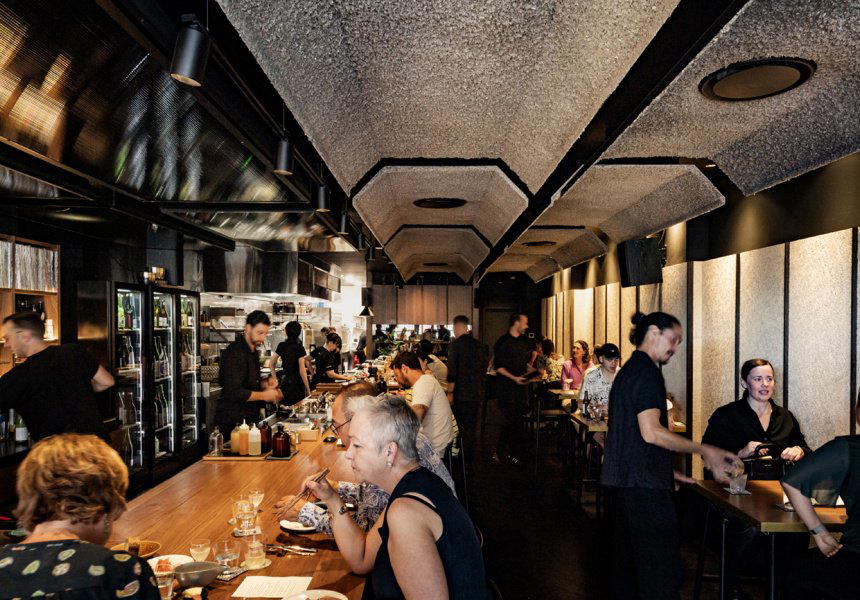
Restaurants in Sydney
Browse all →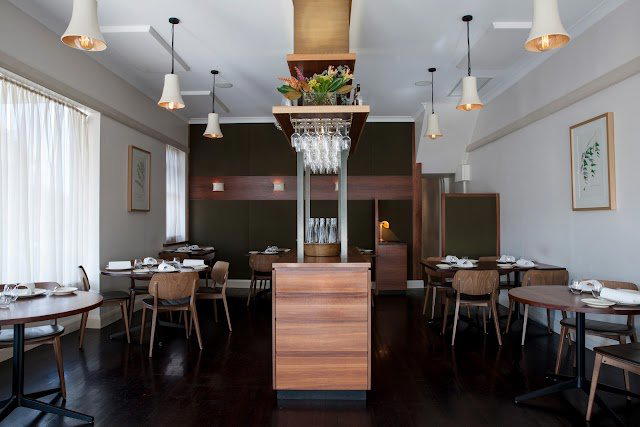
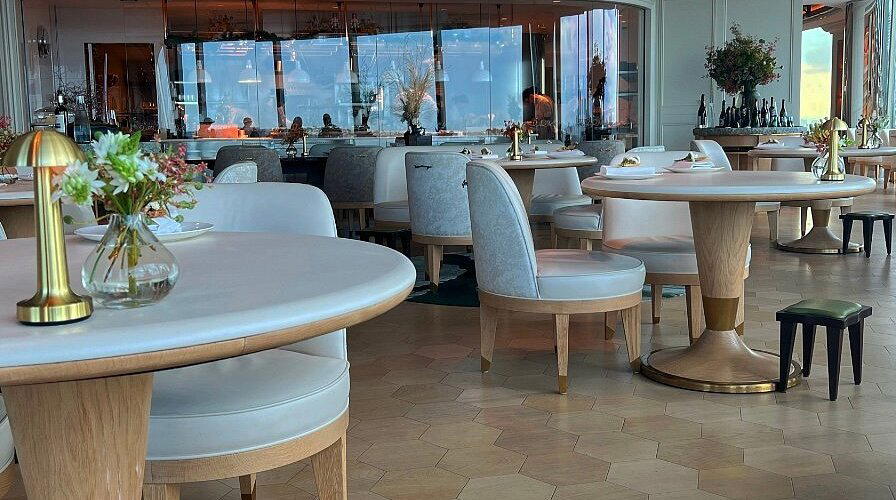
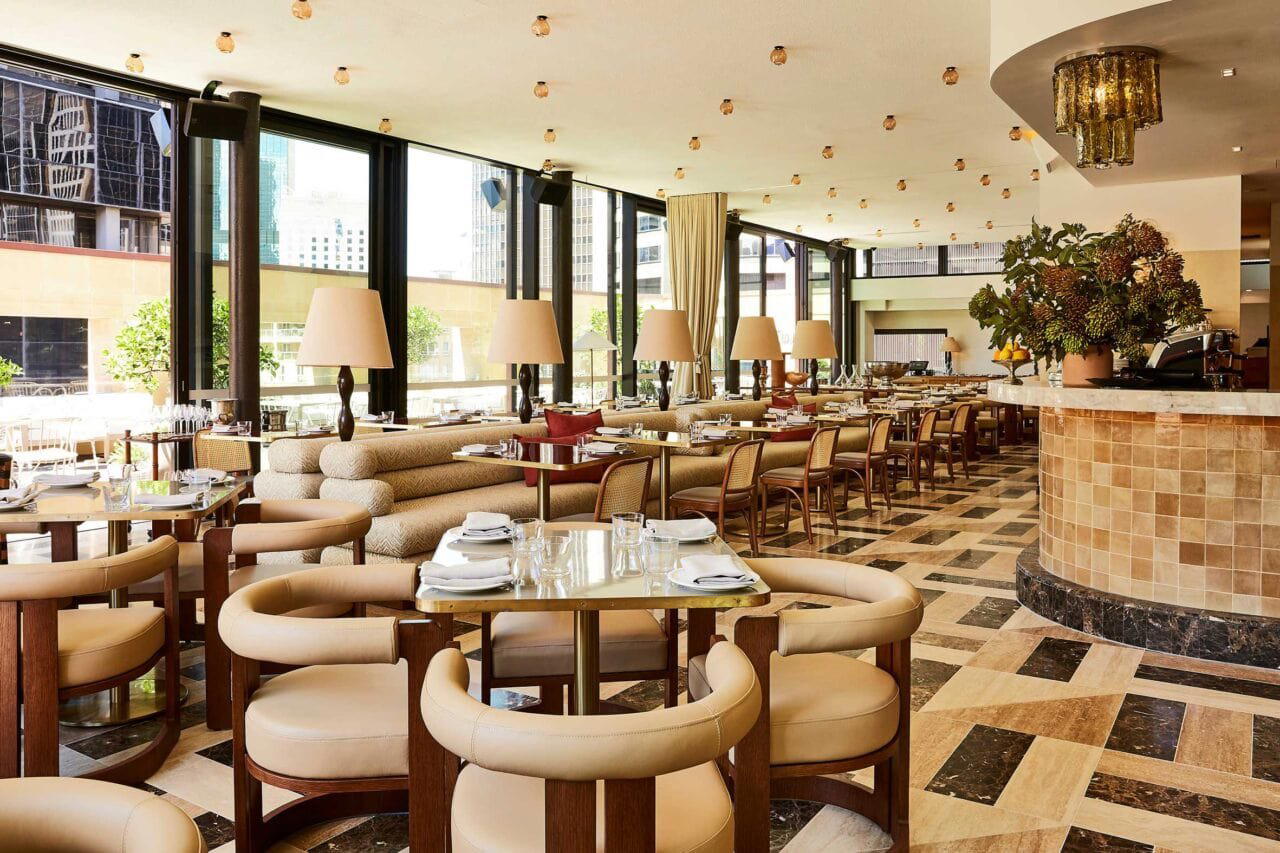
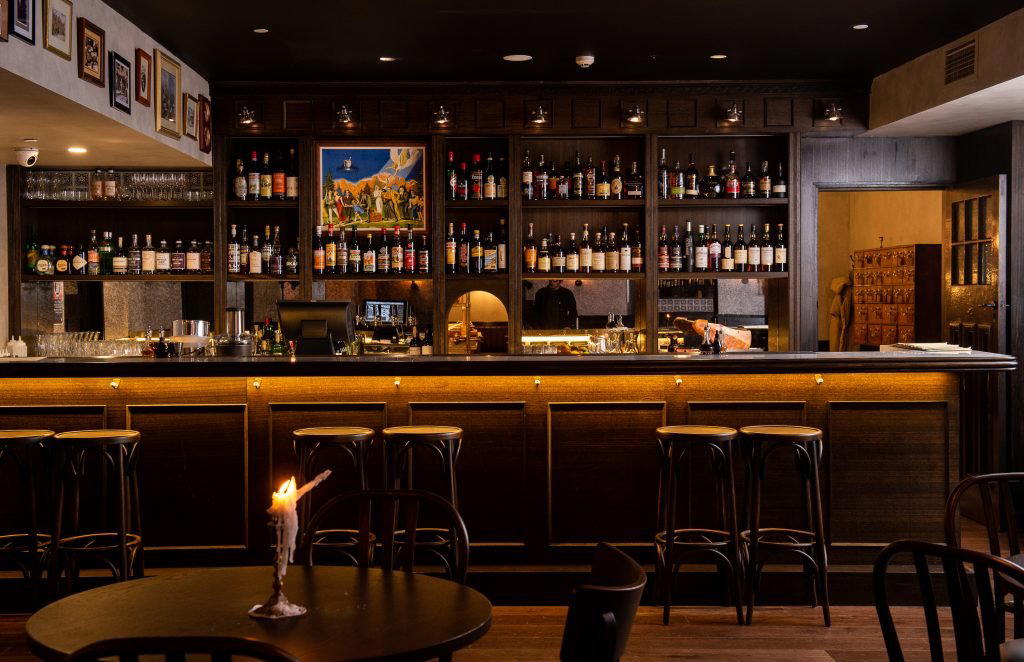
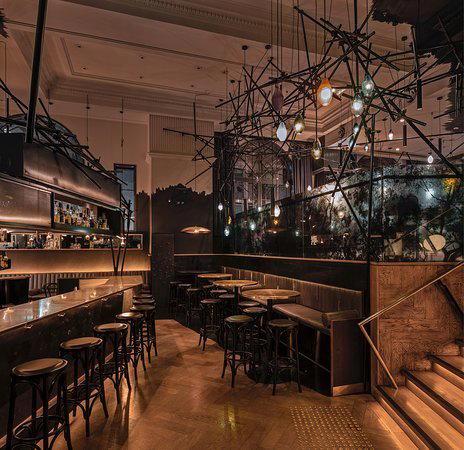
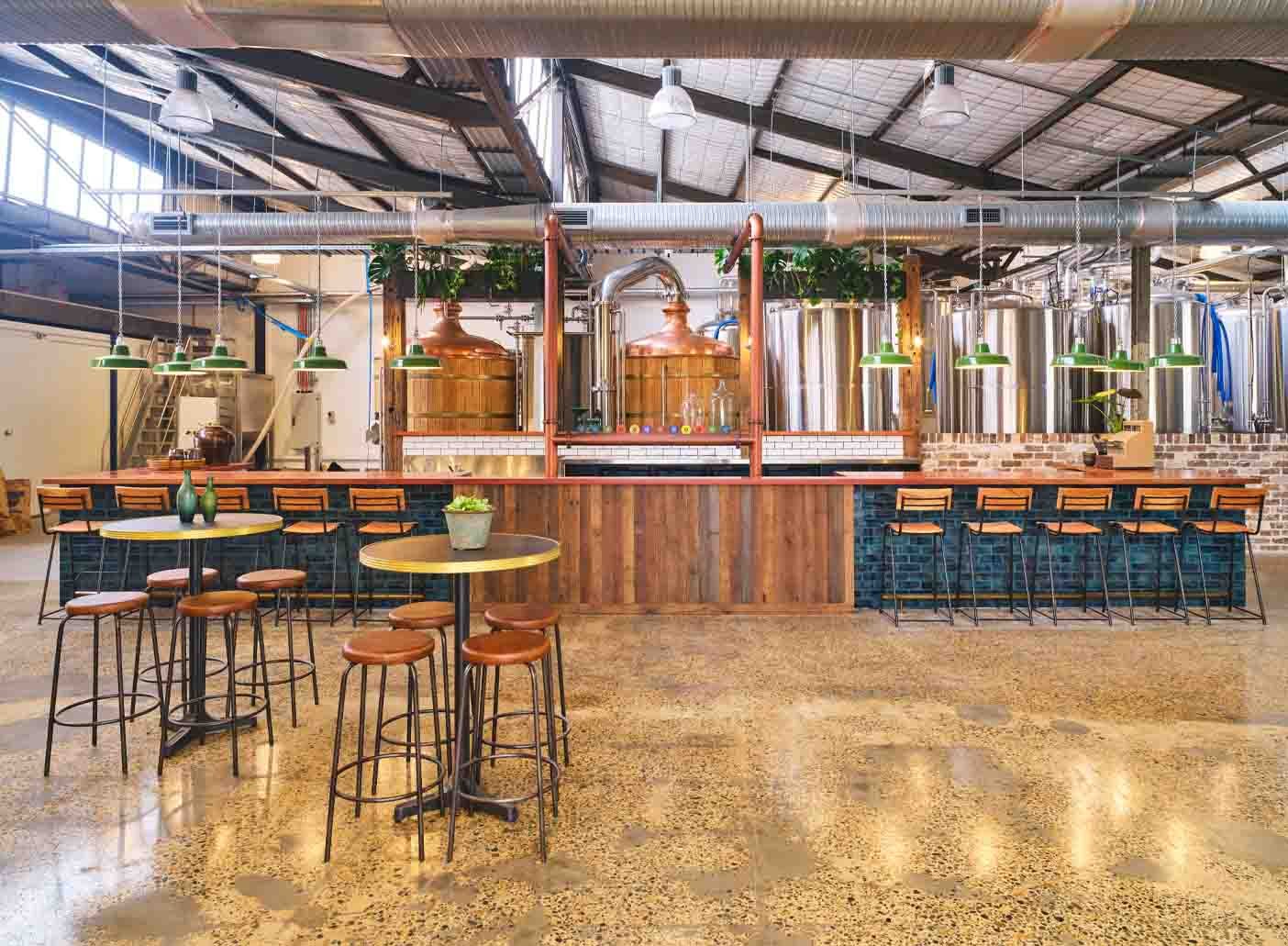
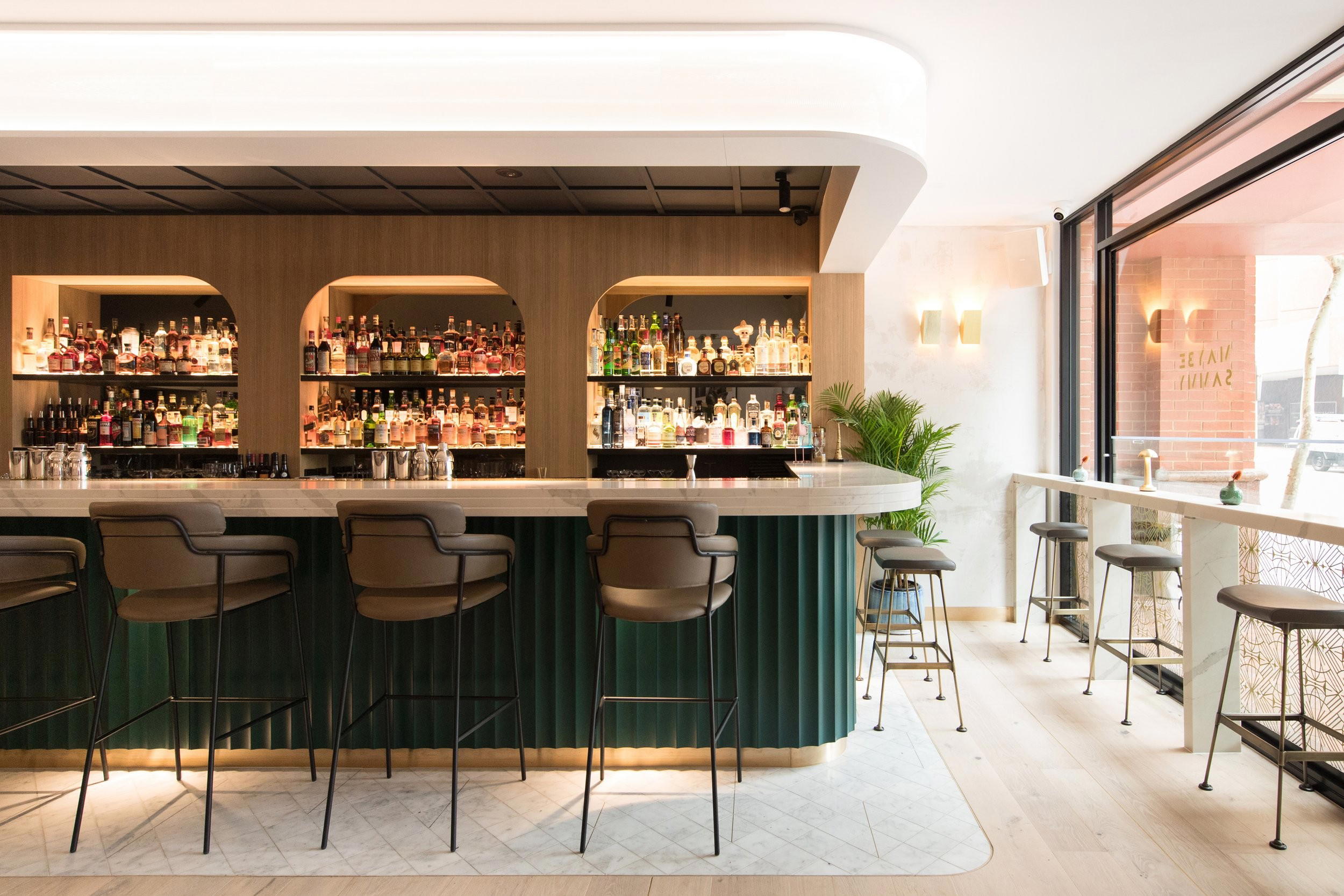
Bars in Sydney
Browse all →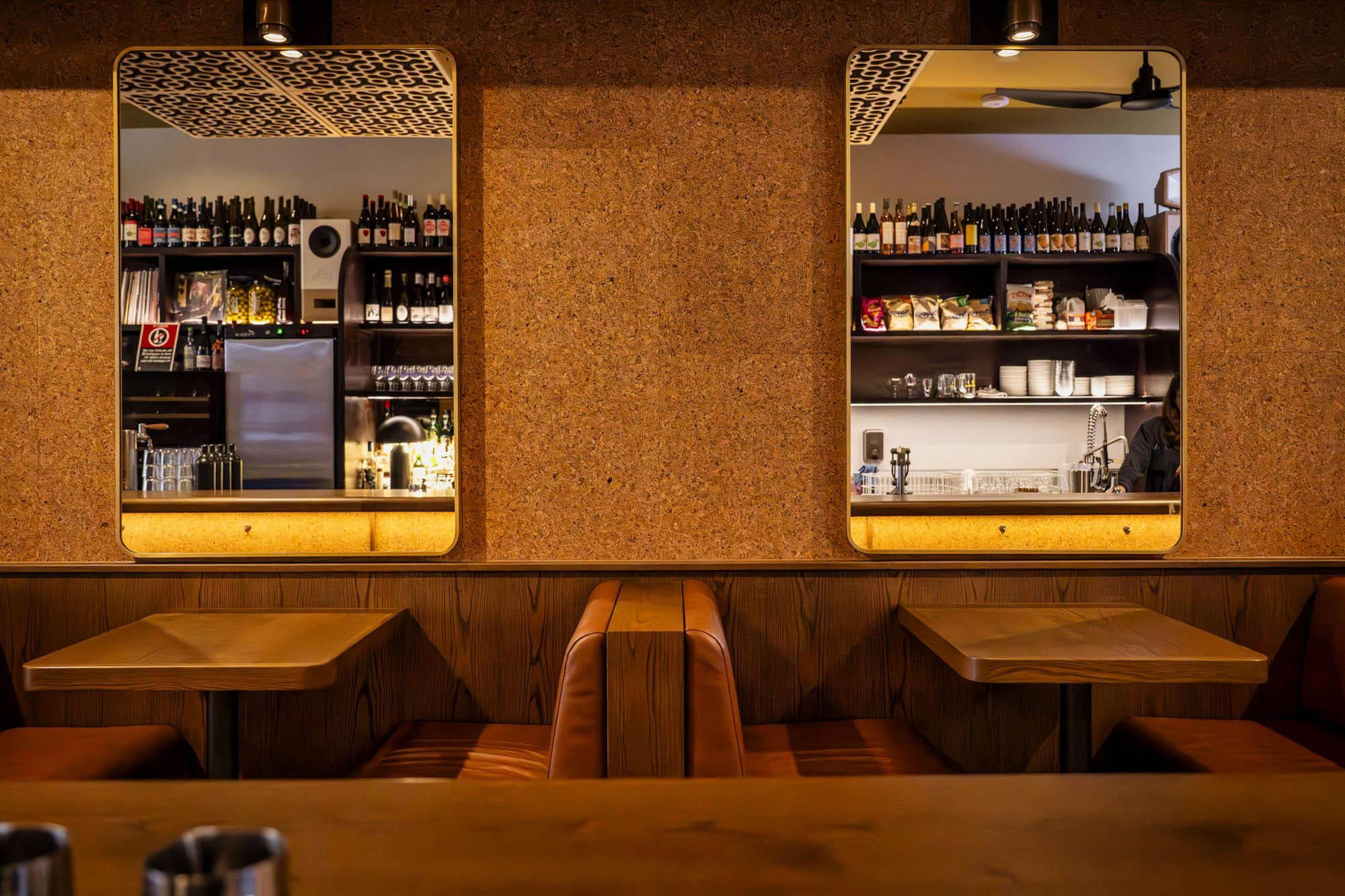
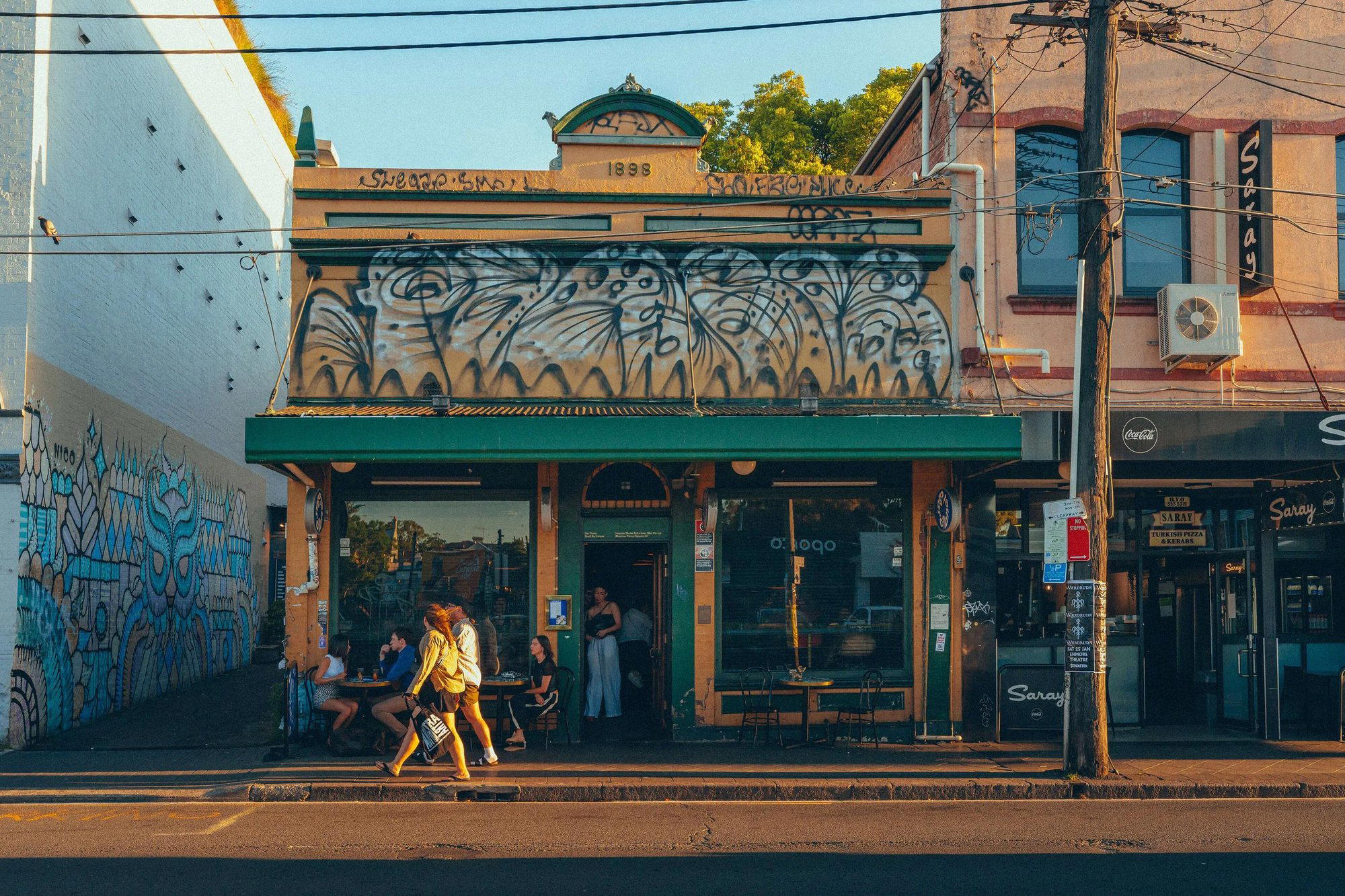
Hotels in Sydney
Browse all →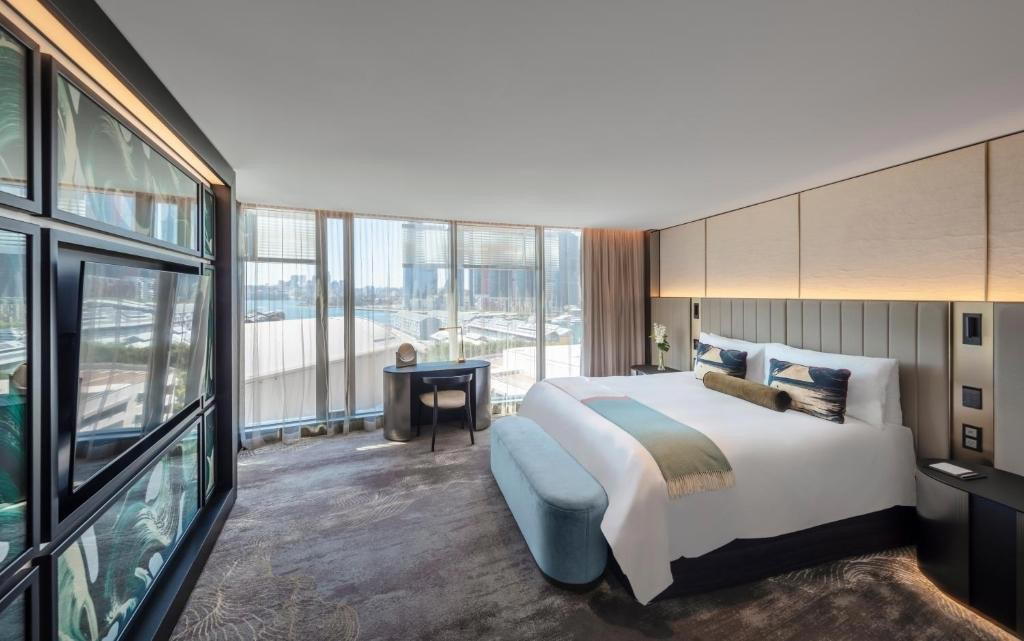

At a Glance
- Lively
- Cozy
- Family
- Group Dining
- Casual Hangout
- Open Kitchen
- Craft Cocktails
Current opening hours
- Monday
- 5–10:30 PM
- Tuesday
- 5–10:30 PM
- Wednesday
- 5–10:30 PM
- Thursday
- 5–10:30 PM
- Friday
- 5–10:30 PM
- Saturday
- 12:30–10:30 PM
- Sunday
- 5–10:30 PM
Hours can change for holidays and private events. Last verified .
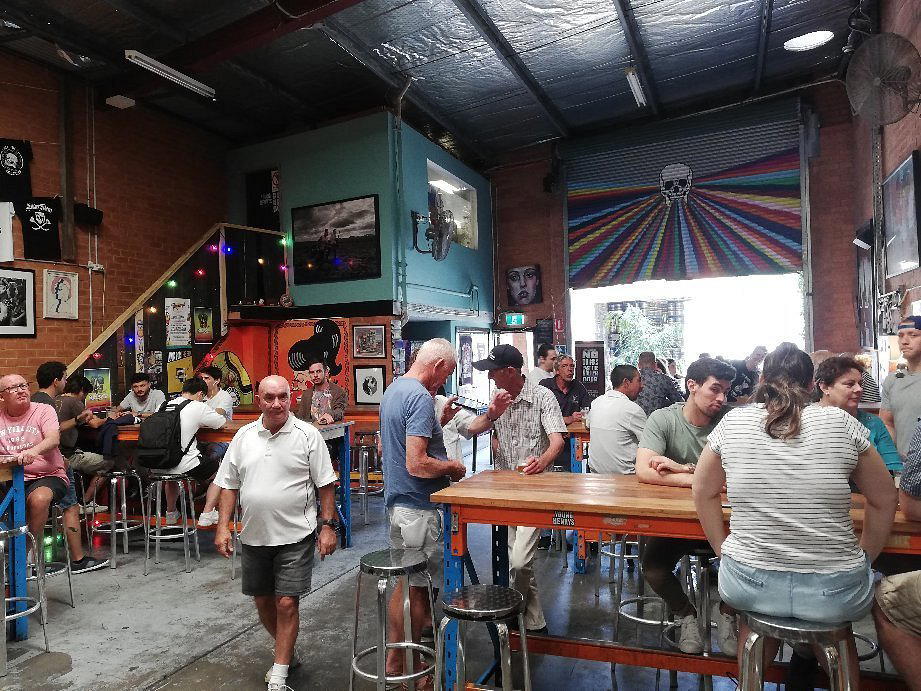
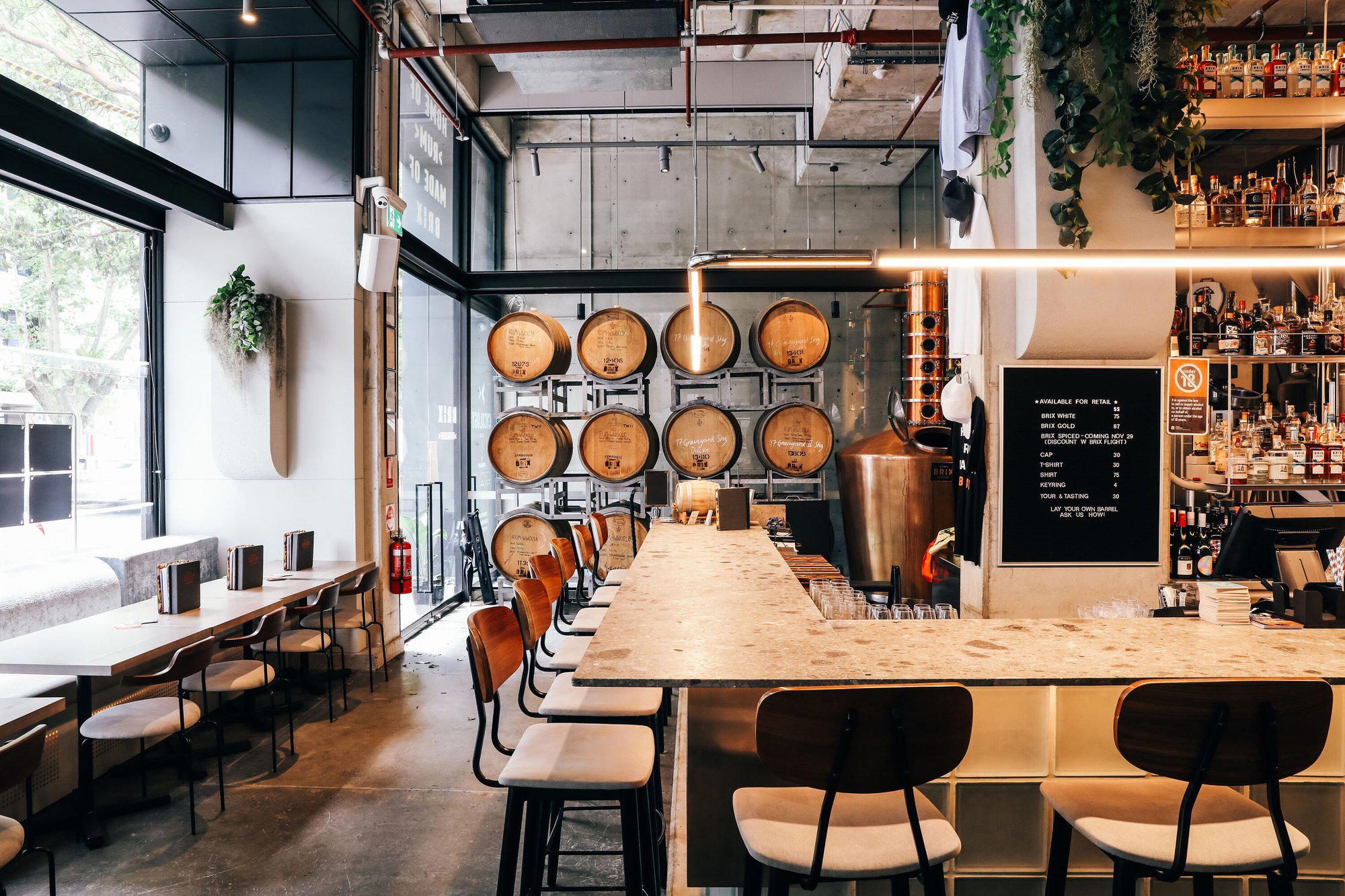
Fun and lively atmosphere with interesting decor, suitable for casual group dining.
Know Before You Go
- Getting there
- 295/301 Church St, Parramatta NSW 2150, Australia