On a quiet residential street in the Chiaia district, Cibi Cotti represents the kind of neighbourhood trattoria that Neapolitan food culture quietly depends on: ingredient-driven, unfussy, and rooted in the seasonal logic of southern Italian cooking. The name itself — cooked foods — signals a philosophy of simplicity over spectacle. For visitors working through Naples beyond the obvious pizza circuit, it is the kind of address that rewards curiosity.
Pearl is the En Primeur Club membership app — saves, bookings, and concierge access live there. Same editors, same standards.
- Address
- Via Ferdinando Galiani, 30, 80122 Napoli NA, Italy
- Phone
- +39 081 1786 3673
- Website
- facebook.com
- Directions
- Get directions
 Saves & bookings on Pearl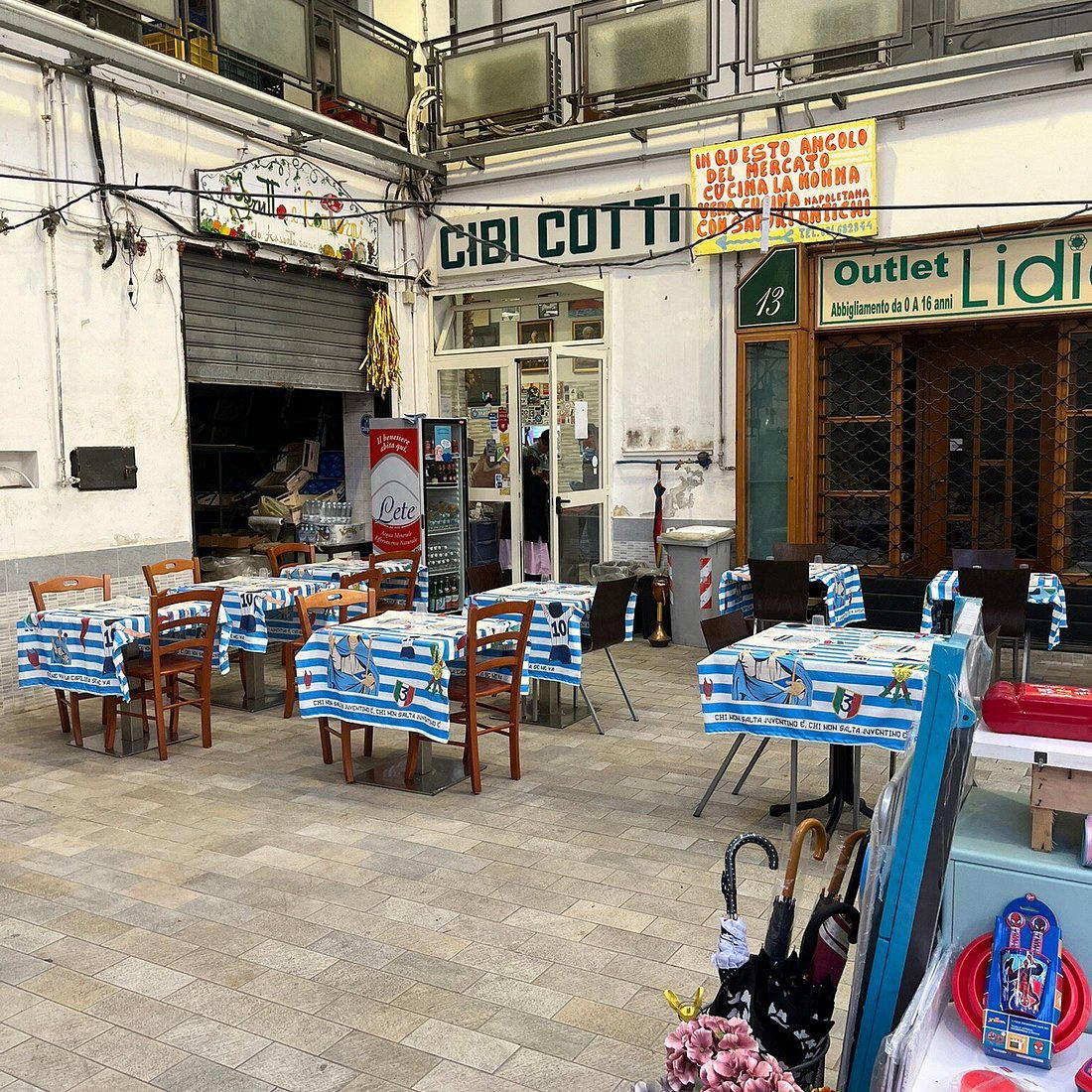
A Street in Chiaia and What It Tells You About Neapolitan Eating
Via Ferdinando Galiani sits in the Chiaia district, the part of Naples where the tourist infrastructure thins out and the residential city takes over. There are no large piazzas drawing crowds here, no queues stretching around a corner for a famous margherita. What you find instead is the neighbourhood trattoria format that has kept Neapolitan domestic cooking alive for generations: small rooms, limited menus, and a working relationship with whatever the market offered that morning. Cibi Cotti belongs to this tradition. The name translates simply as cooked foods, which is itself a statement of intent — the emphasis is on the act of cooking, not the branding of an experience.
This matters because Naples operates on two culinary registers simultaneously. One is internationally visible: the wood-fired pizza at places like Gino Sorbillo or 1947 Pizza Fritta, the creative Italian cooking at George Restaurant or Palazzo Petrucci. The other register is quieter and harder to access if you don't know where to look: the slow-cooked ragù, the offal preparations, the vegetable dishes built around whatever arrived from the Campanian interior that week. Cibi Cotti operates in this second register.
Sourcing as the Premise, Not the Marketing
In southern Italian cooking — and in Neapolitan cooking especially, ingredient sourcing has never been a philosophy imposed from above. It has been structural necessity that became cultural identity. Campania's agricultural output is among the most productive in Italy: San Marzano tomatoes from the Agro Sarnese-Nocerino, buffalo mozzarella from the Caserta plain, the legumes and greens of the interior provinces. The trattoria format in Naples was built to translate seasonal surpluses directly to the table, with minimal intervention. What Cibi Cotti does by positioning itself as a cooked-foods address in a residential quarter of the city is align with that older logic rather than the modernised version of it.
That older logic stands in contrast to the direction taken by some of the city's more prominent dining rooms. Veritas works within a Campanian tradition but at a price point and formality level that places it in a different conversation. 177 Toledo brings Italian contemporary thinking to the city centre. These are legitimate and distinct options, but they represent a different argument about what Neapolitan food is for. The neighbourhood trattoria argues that the sourcing and the season are the point, and that anything added beyond that needs to justify its presence on the plate.
Across Italy, some of the most discussed restaurants of the past two decades have reached similar conclusions by different routes. Atelier Moessmer Norbert Niederkofler in Brunico built an entire philosophy around Alpine sourcing and seasonal constraint. Uliassi in Senigallia roots its Adriatic cooking in what the coast and the hinterland provide. At a very different scale and register, the Chiaia trattoria operates on the same foundational logic: the ingredient comes first, the technique exists to serve it.
The Dish Question and What It Reveals
Because Cibi Cotti's menu is tied to what is available and what has been prepared that day, the most useful question to ask is not what dish to order but what the kitchen is working with at the time of your visit. Neapolitan trattoria cooking has a canon, braised meats, pasta e fagioli, escarole preparations, fried vegetables, the slow-cooked offal dishes that the city's older kitchens have never abandoned, and a place operating under the cibi cotti model will draw from that canon according to season and supply. This is a different kind of menu discipline than the fixed tasting format at Reale in Castel di Sangro or the produce-led precision of Piazza Duomo in Alba, but the underlying commitment to market timing is the same.
For visitors accustomed to menus that don't change, this requires a small adjustment in expectations. The tradeoff is access to cooking that reflects what Campania actually produces at a given moment, rather than what a standardised kitchen programme has decided to feature year-round.
Where Cibi Cotti Sits in the Naples Dining Picture
Naples has developed a recognisable set of dining tiers over the past decade. At the apex sit the creative and fine dining rooms, George Restaurant, Palazzo Petrucci, that place the city in dialogue with the broader Italian fine dining conversation represented by places like Osteria Francescana in Modena, Le Calandre in Rubano, or Enoteca Pinchiorri in Florence. Below that tier sit the recognised specialists: the pasta bar format represented by Di Martino Sea Front Pasta Bar, the pizza institutions, the mid-range creative kitchens. The neighbourhood trattoria sits beneath all of these in terms of price and formality, but it is not a lesser category, it is a different one, with different criteria for success.
Cibi Cotti's address in Chiaia positions it in one of the city's more residential, less visited-by-tourists quarters. That has practical implications for the experience: the room is likely quieter than the historic centre, the clientele more local, the pace less driven by table turnover. For visitors who have already worked through the obvious addresses, the pizza institutions, the seafood restaurants on the waterfront, this kind of address represents the next level of engagement with how the city actually eats.
For a broader view of where Cibi Cotti sits among the city's options, the EP Club Naples restaurants guide maps the full range of the dining scene, from the fine dining tier down to the neighbourhood level. Other venues in the mid-range creative space, including 12 Morsi, offer points of comparison for those building a longer itinerary through the city.
Planning Your Visit
Via Ferdinando Galiani 30 places Cibi Cotti within walking distance of the Chiaia waterfront and the Villa Comunale gardens, making it a practical option before or after an afternoon in that part of the city. Because the venue operates on a neighbourhood trattoria model, walk-in visits are plausible at off-peak hours, though arriving early in a meal service is advisable to catch the full range of what has been prepared. Phone and website details are not currently listed in EP Club's database; for the most current hours and contact information, a direct approach to the venue or a search of current Italian directories is the most reliable route. Price expectations at this category of Neapolitan trattoria typically fall well below the creative dining rooms, though specific pricing should be confirmed on arrival.
How Cibi Cotti Naples compares with similar nearby venues.
| Venue | Cuisine | Price |
|---|---|---|
| 50 Kalò | Pizza | € |
| Bidder Terrace | Bistro-style cuisine | Not listed |
| George Restaurant | Contemporary | €€€€ |
| Veritas | Campanian | €€€ |
Continue exploring
More in Naples
Restaurants in Naples
Browse all →
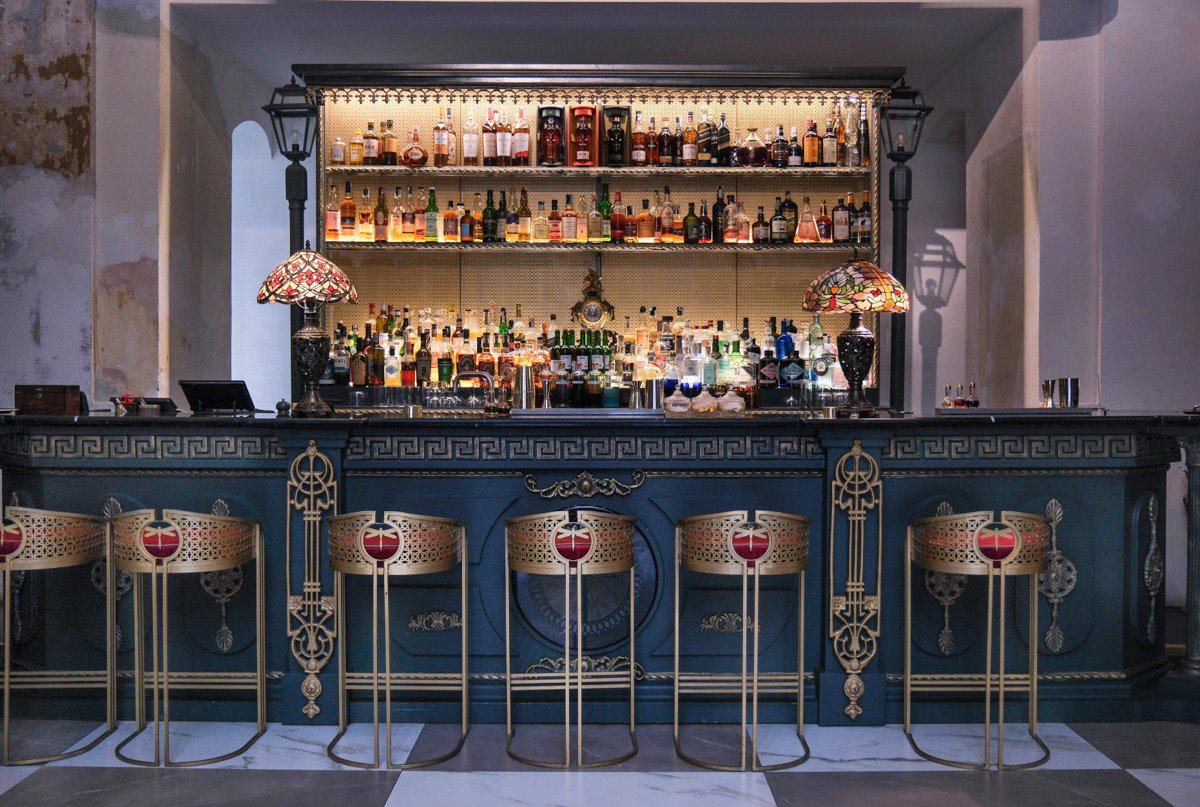
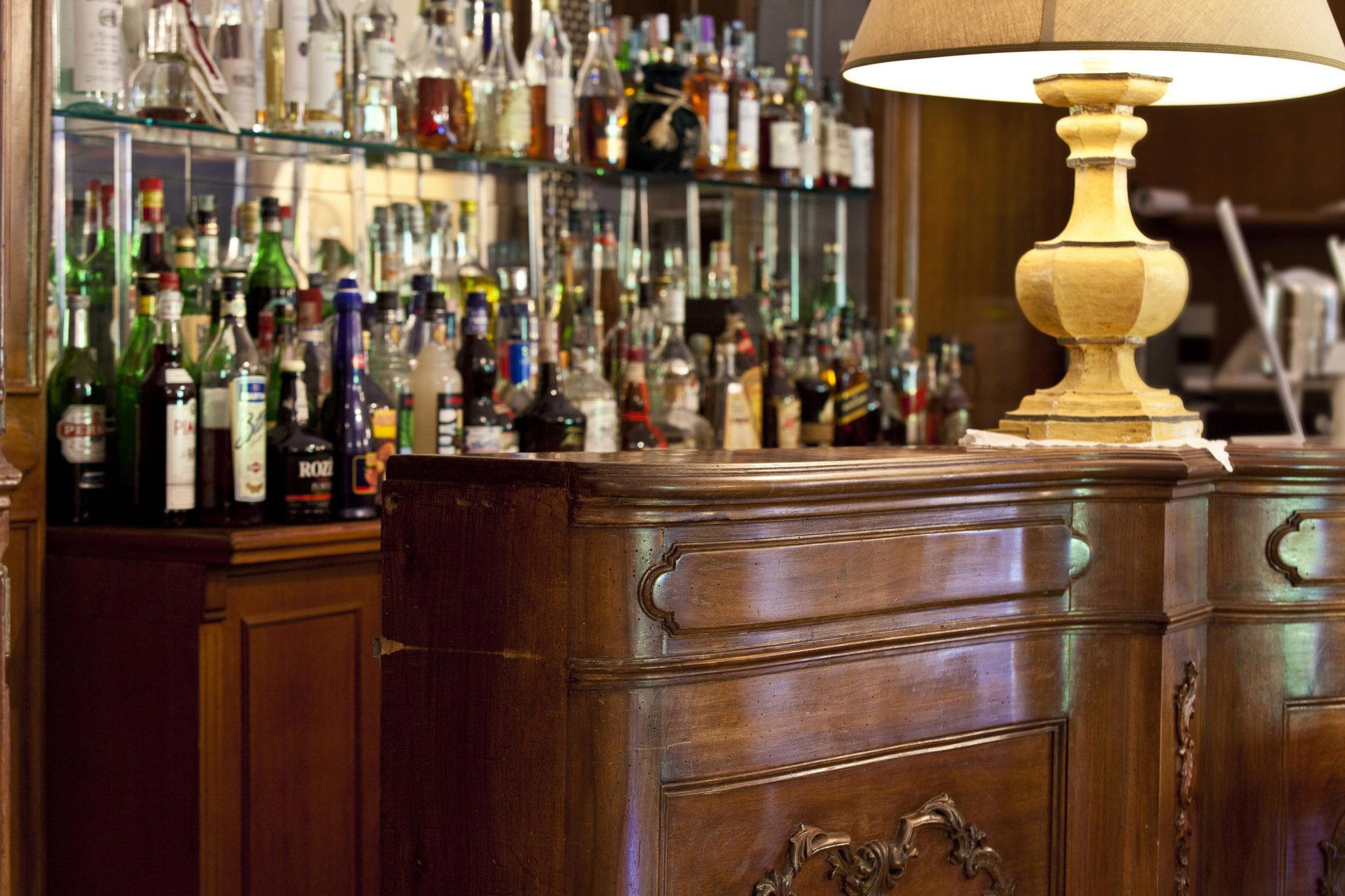
Bars in Naples
Browse all →
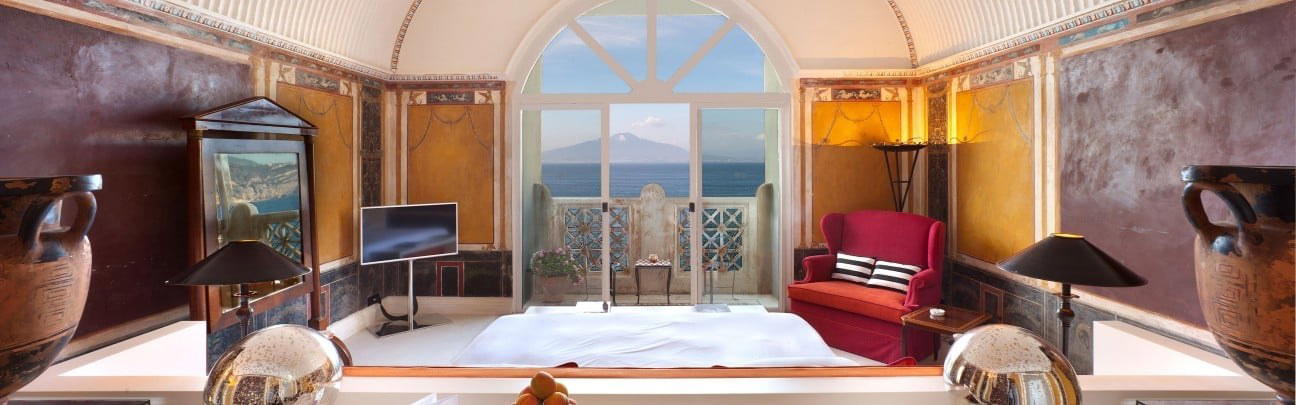
Hotels in Naples
Browse all →

At a Glance
- Rustic
- Cozy
- Classic
- Casual Hangout
- Solo
- Open Kitchen
- Historic Building
- Standalone
- Local Sourcing
Current opening hours
- Monday
- 12–3:30 PM
- Tuesday
- 12–3:30 PM
- Wednesday
- 12–3:30 PM
- Thursday
- 12–3:30 PM
- Friday
- 12–3:30 PM
- Saturday
- 12–3:30 PM
- Sunday
- Closed
Hours can change for holidays and private events. Last verified .
Know Before You Go
- Getting there
- Via Ferdinando Galiani, 30, 80122 Napoli NA, Italy