
Michelin Plate
Our verdict
Inside TheMerode's 17th-century townhouse on Place Poelaert, Ciao brings Italian cooking with Tuscan foundations to one of Brussels' more architecturally compelling addresses. The kitchen holds a 2024 Michelin Plate, and dishes like homemade tortellini with Chianti-marinated beef signal a kitchen that takes its reference points seriously. Priced at €€€, it sits in Brussels' mid-to-upper tier, where the room competes as much as the plate.

Pearl is the En Primeur Club membership app, where members save venues, book tables and use the concierge.
The menu
What to order
- Homemade Tortellini with Beef Marinated in Chianti
- Vitello Tonnato
A Private Club Address, an Open Table
Place Poelaert is not a square most visitors stumble across by accident. Flanked by the Palace of Justice, one of the largest courthouses in the world by footprint, the square carries a particular civic weight that the streets around it don't quite match. The 17th-century stately house at number six belongs to TheMerode, a private members' club, which lends the address an air of institutional permanence. Ciao occupies the dining room inside, and the arrangement is less exclusive than it sounds: the restaurant operates independently of membership, meaning any table is available to book. The combination of a period townhouse, a well-appointed bar, and Italian cooking with serious Tuscan anchoring makes this one of the more compositionally interesting rooms in the Belgian capital.
Brussels has a long relationship with Italian cooking, shaped in part by mid-20th-century labour migration and deepened by decades of diplomatic and European institutional life in the city. The result is an Italian restaurant scene that spans a wide range, from neighbourhood trattorias in Ixelles to polished addresses around the European Quarter. Ciao sits toward the more considered end of that spectrum, at a €€€ price point that places it alongside addresses like Gioia and well below the €€€€ bracket occupied by starred French-Belgian rooms such as Comme chez Soi or La Villa Lorraine by Yves Mattagne.
Tuscan Foundations, Modern Treatment
The kitchen's declared orientation is Tuscan, which in practical terms means a preference for ingredients and preparations with regional specificity over pan-Italian catch-all cooking. Tuscany's culinary grammar is built on restraint: good olive oil, seasonal produce, and slow-cooked proteins, with pasta made fresh as a matter of course rather than distinction. At Ciao, that foundation is legible in dishes like homemade tortellini filled with Chianti-marinated beef, finished with a parmesan sauce underscored by Campari. The combination reads as a kitchen confident enough to introduce bitterness as a structural element rather than merely a garnish, and the use of a Chianti reduction in a pasta filling is a recognisably Tuscan approach to braising logic applied at a smaller scale.
This is the kind of cooking the Michelin Guide describes as a Plate distinction: technically sound, with clear culinary identity, without necessarily aiming for the elaboration that pushes toward star level. The 2024 Michelin Plate at Ciao confirms that the guide's inspectors found consistency and genuine craft here, which in Brussels' competitive Italian tier is not a given. For context, the €€€€ benchmark for starred Modern Italian in Belgium is set by addresses like senzanome, where the ambition is more formal. Ciao operates in a register that values warmth and approachability over ceremony, and the Michelin recognition suggests the kitchen delivers reliably within that register.
The Trattoria Tradition in a Grand House
There is a persistent tension in Italian restaurant culture between the formality of the room and the informality of the cooking philosophy, and it is a tension that defines some of the most interesting addresses in the category globally. In cities like Kyoto and Hong Kong, high-concept Italian rooms such as cenci and 8 1/2 Otto e Mezzo Bombana resolve that tension by leaning hard into precision and spectacle. Ciao resolves it differently: the room carries the character of the building, a 17th-century stately house, while the cooking maintains the warmth and directness associated with trattoria cooking at its most honest. Comfort food, in this context, is not a pejorative. A kitchen that produces pasta with braised meat and regional wine integration is making a case for the same culinary values that underpin regional Italian cooking at its most durable.
The menu breadth, noted as presenting something of a challenge to the indecisive, is itself a signal of this philosophy. Trattorias don't edit down to eight dishes; they offer generously because the instinct is hospitality first, curation second. Whether that range is entirely consistent in execution is something a diner discovers at the table, but the structural impulse is clear.
Brussels in Context: Where Ciao Fits
Belgian fine dining has historically centred on French-influenced cooking, with the country's starred restaurants concentrating in Flanders and along the coast. Destinations like Hof van Cleve in Kruishoutem, Boury in Roeselare, Zilte in Antwerp, Willem Hiele in Oudenburg, Bartholomeus in Heist, and Castor in Beveren represent the country's gastronomic weight outside the capital. Brussels itself hosts a more pluralistic dining scene, shaped by its international population and the institutional pull of EU and NATO headquarters. In that context, a thoughtfully run Italian room in a period building, holding a Michelin Plate and priced accessibly below the starred tier, occupies a useful and well-defined position.
The comparison set in Brussels at the €€€ level includes organic-led rooms like Barge and more formally Belgian addresses like Bozar Restaurant, each with its own culinary identity. Ciao differentiates itself through the specificity of its Italian register and the architectural character of its setting, both of which are difficult to replicate at the price point.
Planning a Visit
Place Poelaert sits on the boundary between the upper town and the Marolles neighbourhood, a short walk from the Palais de Justice tram stop and within reasonable distance of the Grand-Place. The TheMerode address has the kind of presence that makes an arrival feel considered, and the dining room with its bar area is the room to aim for rather than any ancillary space in the building. Booking in advance is advisable given the room's character and contained capacity in a period building; specific booking methods are best confirmed directly with the venue. For a broader view of where Ciao sits among Brussels' restaurants, see our full Brussels restaurants guide, and explore the wider city through our Brussels hotels guide, bars guide, wineries guide, and experiences guide.
Frequently asked questions
How do I find Ciao?
Ciao is located at Pl. Poelaert 6, 1000 Bruxelles, Belgium, Brussels.
How much does it cost to eat at Ciao?
Pricing at Ciao is listed as €€€.
Is Ciao award-winning?
Ciao has received recognition including: The 17C stately house on Poelaert Square belongs to TheMerode, a private club. Have no fear, though, everyone is welcome at Ciao. Our favourite in this edifice, oozing in character and elegance, was the dining room with a pretty bar. Authen….
What's the best thing to order at Ciao?
The homemade tortellini with Chianti-marinated beef and parmesan sauce is the dish that most clearly defines the kitchen's approach: a Tuscan base given a measured modern adjustment, here via a Campari note in the sauce. The Michelin Plate recognition in 2024 aligns with this style of composed comfort cooking rather than elaborate tasting-menu showmanship. With a menu described as a genuine challenge to choose from, the tortellini serves as a reliable anchor for a first visit.
Pricing, Compared
| Venue | Cuisine | Price | Awards | Notes |
|---|---|---|---|---|
| CiaoThis venue (the venue you are viewing) | Modern Italian Bistronomy | $50–100 | Michelin Plate | Not listed |
| Comme chez Soi | Classic French Fine Dining | $200–300 | 1 Michelin Star · World's 50 Best #49 | French - Belgian, Classic Cuisine |
| La Villa Lorraine by Yves Mattagne | Modern French Fine Dining | $200–300 | Michelin Plate · La Liste Top Restaurants | Modern Cuisine |
| senzanome | Modern Italian Fine Dining | $150–200 | Michelin Plate | Modern Italian, Italian |
| Au Vieux Saint Martin | Traditional Belgian Brasserie | $30–50 | Michelin Plate | French Bistro, Belgian |
| Aux Armes de Bruxelles | Traditional Belgian Brasserie | $50–100 | Michelin Plate | Brasserie, Belgian |
Recognition history
Dated appearances from independent guides and award organizations, with the underlying list record or original source where available.
Michelin Plate
Michelin
Full recognition history (3 entries)
Michelin Plate
Michelin
Michelin Plate
Michelin
Continue exploring
More in Brussels
Restaurants in Brussels
All restaurants in Brussels →
Bars in Brussels
All bars in Brussels →
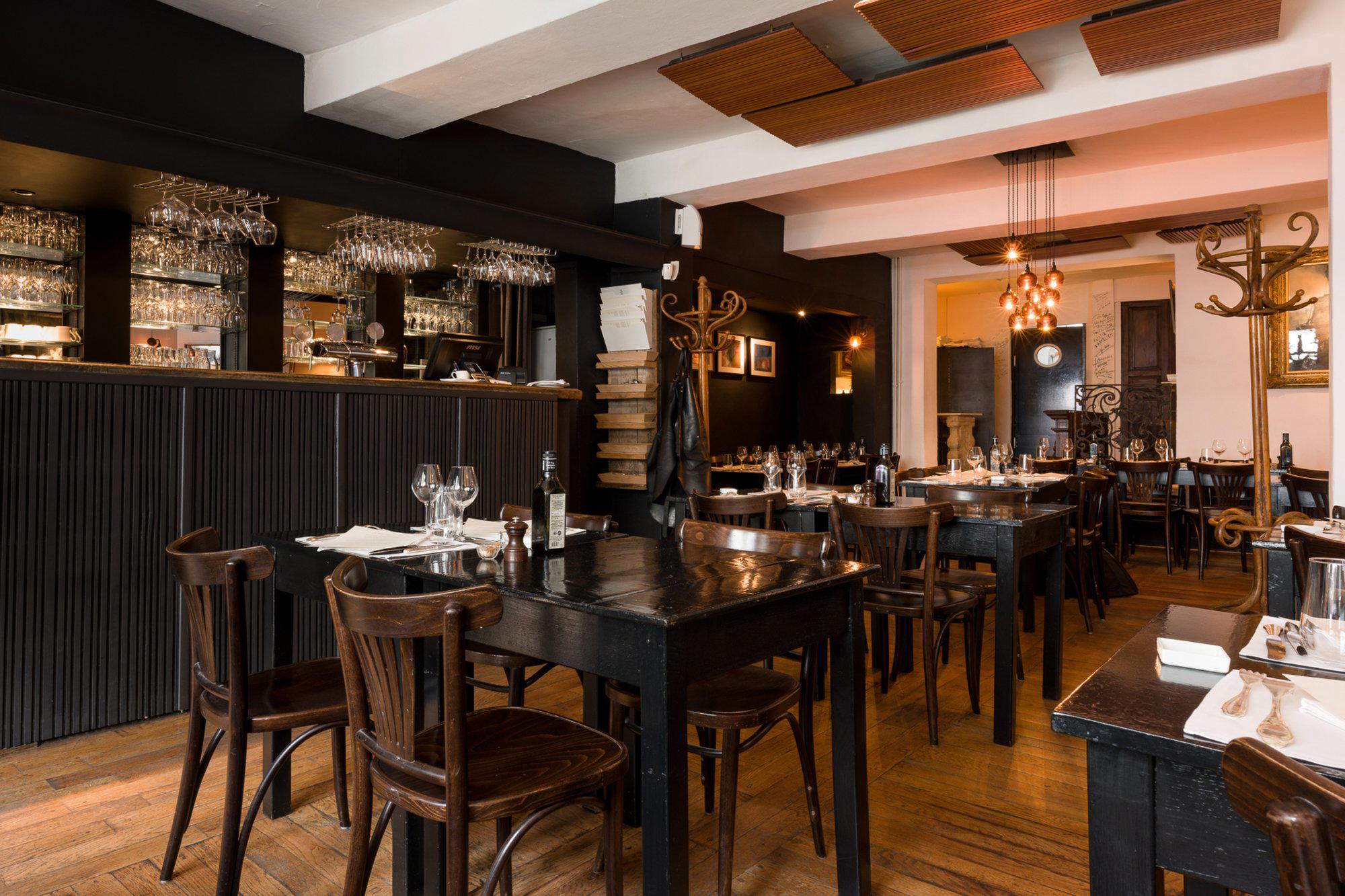
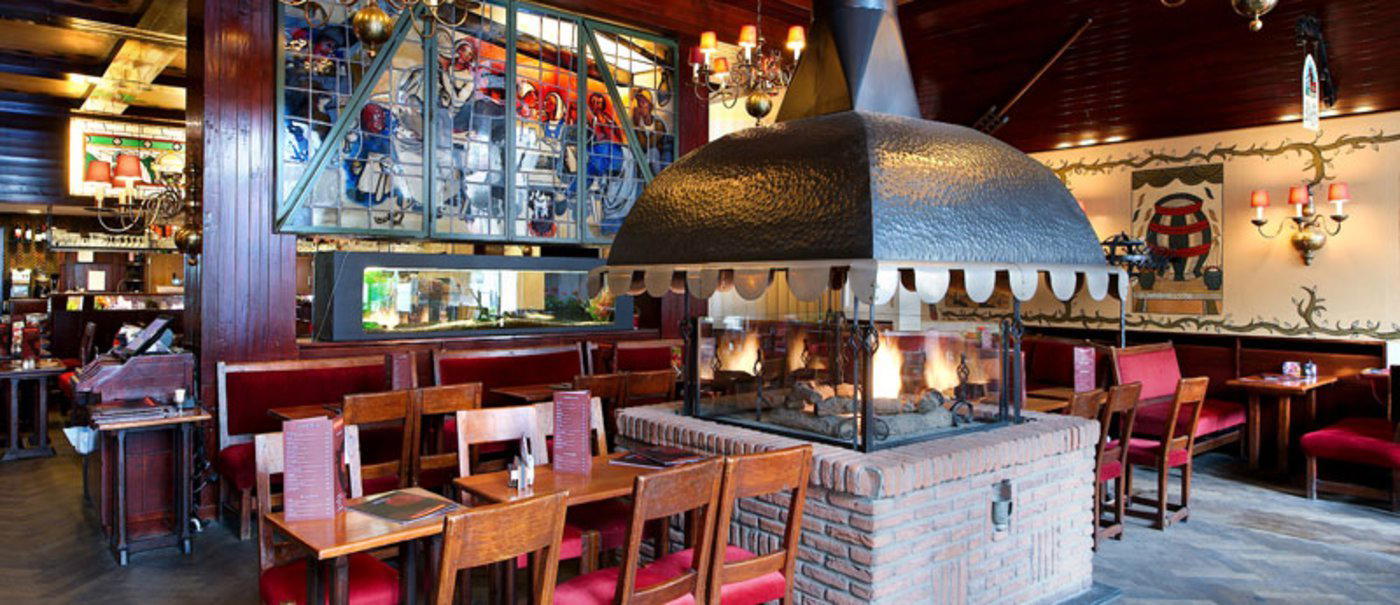
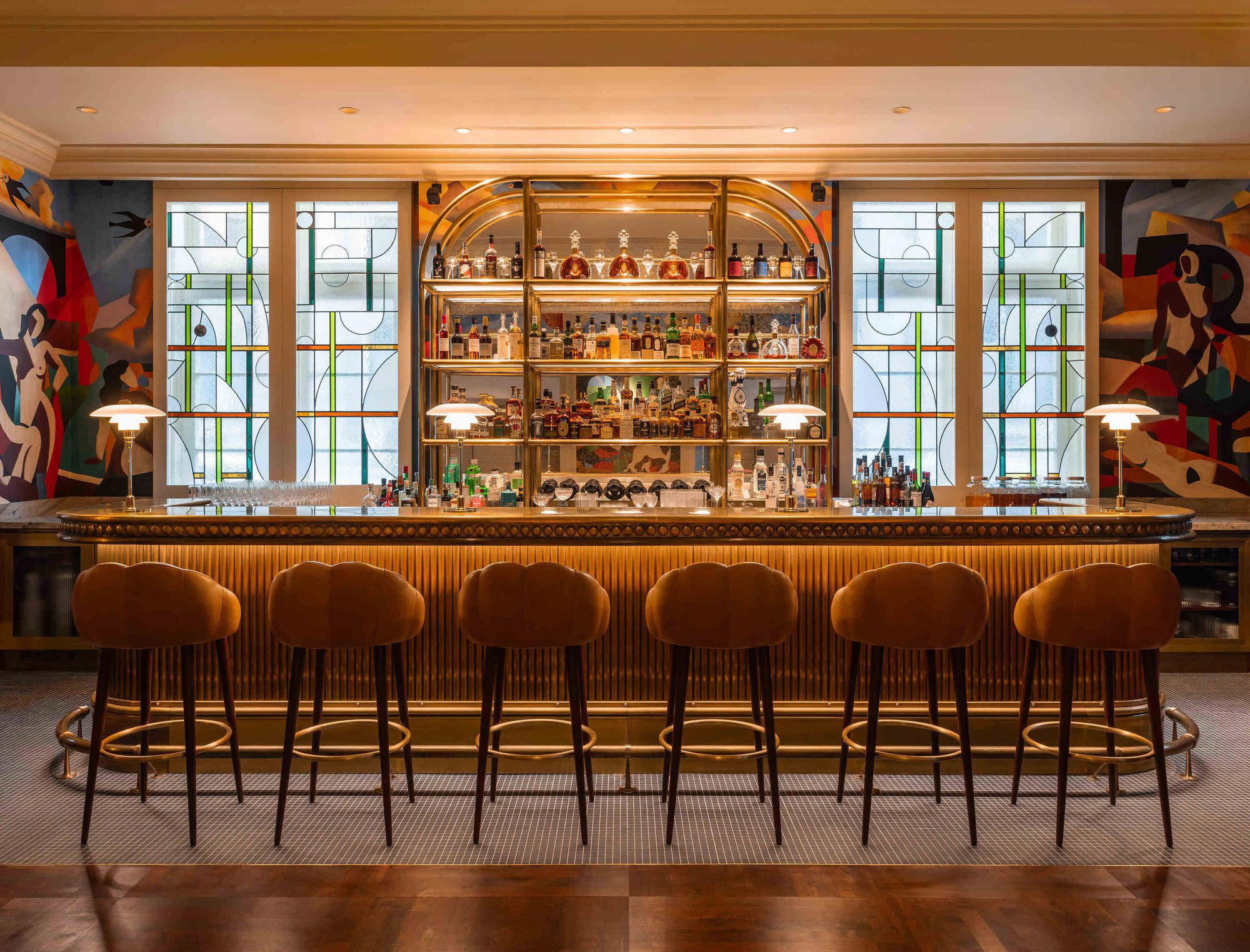
Hotels in Brussels
All hotels in Brussels →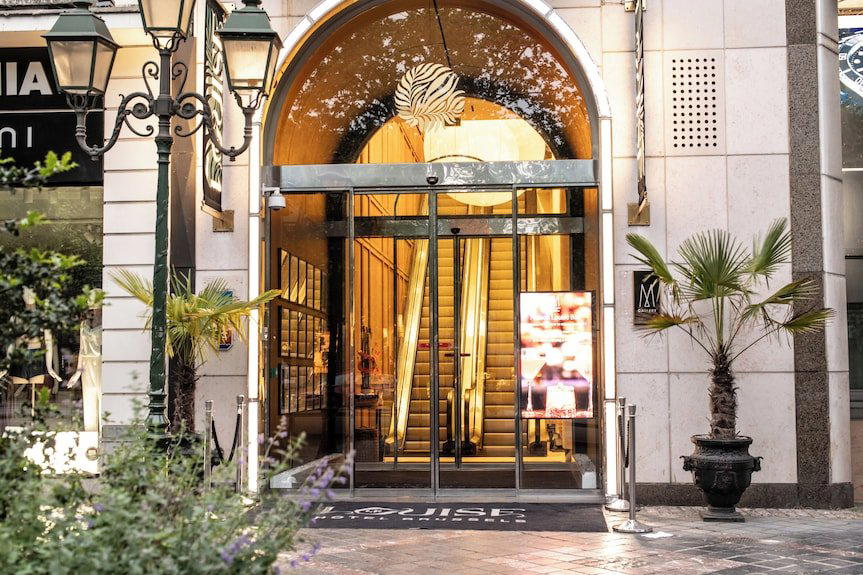
Wineries in Brussels
Browse all →
Details
- Elegant
- Cozy
- Sophisticated
- Date Night
- Business Dinner
- Special Occasion
- Historic Building
- Extensive Wine List
- A La Carte
- Italian Wines
Current opening hours
- Monday
- 12–2 PM, 7–10 PM
- Tuesday
- 12–2 PM, 7–10 PM
- Wednesday
- 12–2 PM, 7–10 PM
- Thursday
- 12–2 PM, 7–10 PM
- Friday
- 12–2 PM, 7–10 PM
- Saturday
- Closed
- Sunday
- Closed
Hours can change for holidays and private events. Hours as of .
Warm, refined, and relaxed atmosphere in an elegant dining room with a pretty bar within a stately historic house.