Our verdict
A Brazilian churrascaria operating in the hamlet of Pesek, on the Slovenian border edge of Trieste province, Churrascaria Du Brasil brings South American live-fire tradition to one of Italy's most culinarily layered frontier zones. The setting places it in an unusual peer group, where the sourcing logic of the grill — provenance, cut, and heat — does the editorial work that wine lists and tasting menus perform elsewhere.

Pearl is the En Primeur Club membership app — saves, bookings, and concierge access live there. Same editors, same standards.
- Address
- Località Pesek di Grozzana, 2, 34018 San Dorligo della Valle TS, Italy
- Phone
- +393246398481
- Hours
- Mon ClosedTue–Sat 7 PM–12 AMSun 12–3 PM, 7–11 PM
- Directions
- Get directions
- Booking
- Book on the venue's website
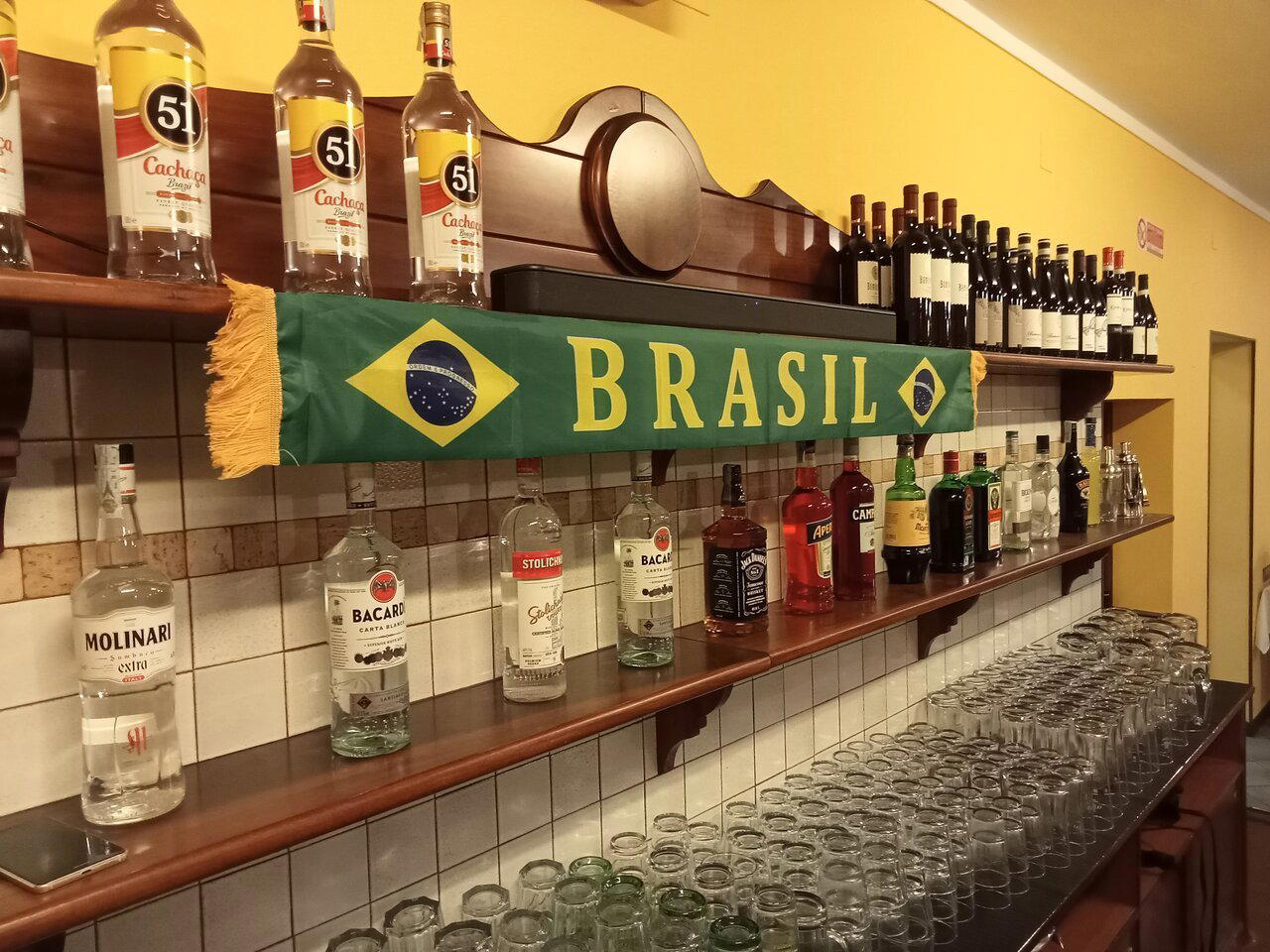
Where the Karst Meets the Grill
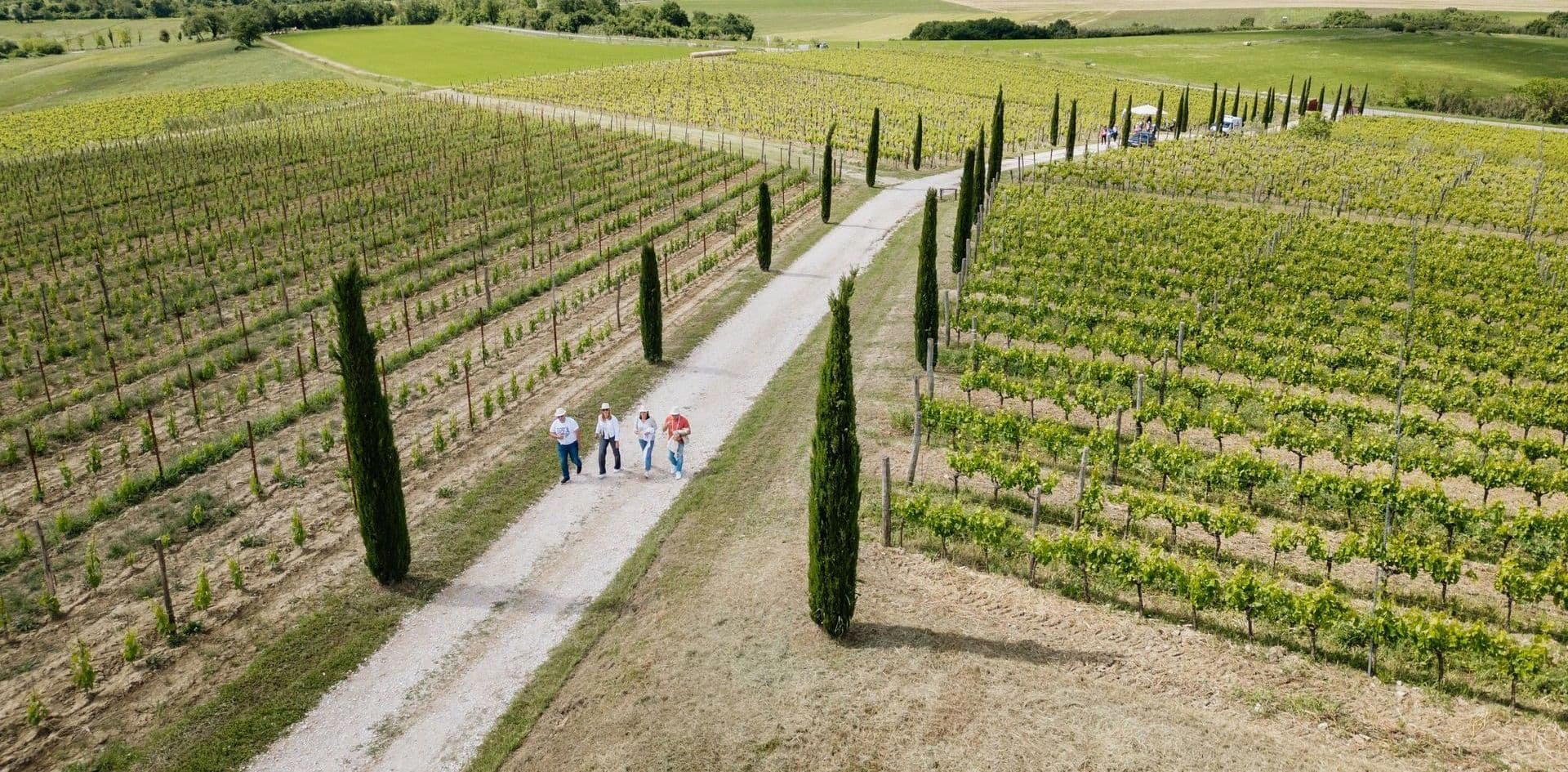
The hamlet of Pesek sits at the edge of the Karst plateau, a few kilometres from where Italy folds into Slovenia, in the municipality of San Dorligo della Valle. This is Trieste province at its most peripheral: the road narrows, the stone buildings grow sparse, and the surrounding terrain is the same windswept limestone shelf that defines the entire border zone. It is not, by any conventional measure, where you would expect to find a Brazilian churrascaria. That displacement is the first thing worth understanding about this address.
Brazil's churrasco tradition is built around a specific logic of sourcing and fire: particular cuts of beef and lamb, often from pastoral-scale producers, rotated on long skewers over live coals at controlled distances. The quality signal in that format comes almost entirely from the provenance and handling of the meat before it reaches heat. In a frontier zone like Pesek, where the agricultural hinterland crosses national boundaries and pastoral land use has its own regional character, the sourcing question becomes more interesting than it would be in an urban Brazilian restaurant context. What the grill is fed matters more than décor or service theatrics.
The Logic of Live Fire in a Border Town
Churrascarias in Europe operate in a narrower competitive band than their counterparts in Brazil or in large immigrant-community cities like London or Lisbon. The format depends on volume and variety of cuts to justify its structure, which means supply chains and sourcing relationships are the operational backbone of any serious example. In Italy, where our full Pesek restaurants guide shows just how thin the dining infrastructure becomes at this altitude and distance from the city, a churrascaria is a genuine categorical outlier.
That outlier status has a logic. The Karst plateau and its cross-border pastoral zone produce animals raised on terrain that is geologically distinct from the lowland Po Valley. But the broader point about ingredient sourcing in border-zone restaurants holds: proximity to multiple agricultural traditions, combined with relative distance from urban supply orthodoxies, creates conditions where sourcing decisions are made differently than in major city restaurants.
Italy's formal fine dining tier, represented by addresses like Osteria Francescana in Modena or Le Calandre in Rubano, operates within a well-documented sourcing infrastructure built around named Italian producers, protected designations, and tasting-menu formats designed to showcase those relationships. A churrascaria in rural Trieste province operates in a different register entirely, where the sourcing conversation is more pragmatic and the cooking method is more transparent: the fire is visible, the cuts are identifiable, and the quality reads directly.
Brazil's Grill Tradition and What It Demands
Churrasco as a format originated in southern Brazil, particularly Rio Grande do Sul, where cattle ranching on the Pampas created a culture of open-fire meat cookery that spread across the country and eventually into the Brazilian diaspora worldwide. The gaucho tradition it draws from is not simply about technique but about a specific relationship between animal husbandry, land use, and communal eating. When that format travels to a context as geographically specific as the Italian-Slovenian border, the interesting editorial question is always how much of that sourcing and pastoral logic translates, and how much is replaced by local equivalents.
Restaurants working in this vein tend to sit in a separate competitive tier from Italian contemporary cooking. They are not competing with Piazza Duomo in Alba or Uliassi in Senigallia for the same diner. San Dorligo della Valle has a substantial Slovenian-speaking minority, and the dining culture of the area reflects that dual character in ways that don't map neatly onto either Italian or Brazilian restaurant categories.
Placing This Address in Context
For a reader calibrating expectations, it helps to understand that rural Trieste province sits at some remove from Italy's dominant restaurant circuits. The addresses that anchor Italian fine dining internationally, from Dal Pescatore in Runate to La Pergola in Rome to Atelier Moessmer Norbert Niederkofler in Brunico, operate within award ecosystems and tasting-menu cultures that don't extend to this corner of the northeast. That is not a criticism; it is a clarification of register.
A churrascaria in this setting serves a local and regional function. It is the kind of address that works for a group eating together, where the format's built-in generosity, rotating cuts served at the table, salad bars and side dishes running alongside, creates a different social contract than a fixed tasting menu. That social function is precisely what makes it legible in a municipality where the dining culture is communal and cross-border rather than metropolitan and destination-driven.
For readers who want to understand how this address compares across a broader Italian spectrum, the range runs from highly structured tasting experiences at Reale in Castel di Sangro and Quattro Passi in Marina del Cantone to more regionally embedded formats. Churrascaria Du Brasil sits outside that Italian axis entirely. Its reference points are in a different culinary tradition and serve a different purpose in the local dining ecosystem. Other international comparisons, such as the seafood-focused precision of Le Bernardin in New York City or the communal tasting format at Lazy Bear in San Francisco, illustrate just how wide the spectrum of dining formats runs once you step outside European fine dining conventions.
Planning a Visit
The address, Località Pesek di Grozzana 2, places the restaurant in a hamlet reached by road from Trieste, roughly following the SS58 toward the Slovenian border. Visitors arriving from Trieste city centre should allow time for a drive that passes through the Karst landscape before arriving at what is, by urban standards, a remote rural setting. Given the format and location, the restaurant is likely to work leading for groups or families where the churrascaria's shared-format structure is an asset rather than a mismatch with dining intent.
Frequently asked questions
Does Churrascaria Du Brasil work for a family meal?
The churrasco format suits groups of most sizes, including families, because the continuous meat service means different appetites are accommodated without timing pressure. The address at Località Pesek di Grozzana 2 is reached by car, which tends to self-select for groups rather than solo diners. Given the rural hamlet setting in San Dorligo della Valle municipality, the tone is unlikely to be formal or pressured.
How would you describe the vibe at Churrascaria Du Brasil?
Pesek sits at the edge of the Karst plateau close to the Italian-Slovenian border, and the surroundings give the restaurant a genuinely rural, unhurried character. A Brazilian churrascaria in this context will feel markedly different from a city-centre rodizio — the pace is set by the countryside, not a busy urban dinner service. Expect communal warmth over theatrical polish.
Is Churrascaria Du Brasil in Pesek the only Brazilian grill restaurant near Trieste?
Churrascaria Du Brasil at Località Pesek di Grozzana 2 occupies an unusual position in the Trieste province dining scene — Brazilian churrascarias are sparse across northern Italy outside major cities, and a rural Karst hamlet is an unlikely address for one. Whether any direct competitor operates in the immediate area is not documented, but the format alone makes this restaurant notable within the region's restaurant circuit.
What should I eat at Churrascaria Du Brasil?
The format of a churrascaria is built around rotating cuts of grilled meat, typically beef, pork, lamb, and chicken, brought to the table on long skewers by passadores. Given the venue name and format, the grill programme is the core reason to visit — side dishes and salad bars are conventional accompaniments in this tradition, not the focus. No specific menu details are currently documented for this address, so it is worth confirming the current offering directly before you go.
Where is Churrascaria Du Brasil in Pesek?
Churrascaria Du Brasil is located at Località Pesek di Grozzana, 2, 34018 San Dorligo della Valle TS, Italy, Pesek.
Do I need a reservation for Churrascaria Du Brasil?
No booking contact or online reservation system is currently listed for Churrascaria Du Brasil. For a rural restaurant in a small hamlet like Pesek — which has limited passing trade — calling ahead is sensible practice regardless, and the address at Località Pesek di Grozzana 2 suggests this is not a walk-in-friendly urban location.
What's the defining dish or idea at Churrascaria Du Brasil?
The defining idea is churrasco itself: meat cooked over live fire on skewers, a format originating among the gaucho cattle culture of Rio Grande do Sul in southern Brazil. What makes this address noteworthy is its geographical improbability — a format associated with Brazilian Pampas ranching, operating on the Karst plateau at the edge of Trieste province. The location at Pesek, metres from the Slovenian border, gives that tradition an unlikely and specific home.
A Quick Peer Check
Comparable venues nearby, for context on price, style, and recognition.
| Venue | Cuisine | Price | Notes |
|---|---|---|---|
| Churrascaria Du BrasilThis venue — the venue you are viewing | Brazilian Churrascaria | $30–50 | Not listed |
| Monzù Vladì | Creative Regional Italian | Not listed | Trastevere |
| Dal Moro's Fresh Pasta To Go | Fresh Pasta To Go | $10–20 | Castello |
| Le Barettine | Traditional Italian Seafood Trattoria | Not listed | city centre |
| Savial | Traditional Italian Seafood and Pizza | $20–30 | historical center |
| Locanda Al Castello | Traditional Friulian Italian | $30–50 | Cividale del Friuli |
Details
- Lively
- Cozy
- Group Dining
- Family
- Celebration
- Casual Hangout
- Live Music
- Open Kitchen
- Beer Program
- A La Carte
- Buffet
Current opening hours
- Monday
- Closed
- Tuesday
- 7 PM–12 AM
- Wednesday
- 7 PM–12 AM
- Thursday
- 7 PM–12 AM
- Friday
- 7 PM–12 AM
- Saturday
- 7 PM–12 AM
- Sunday
- 12–3 PM, 7–11 PM
Hours can change for holidays and private events. Last verified .
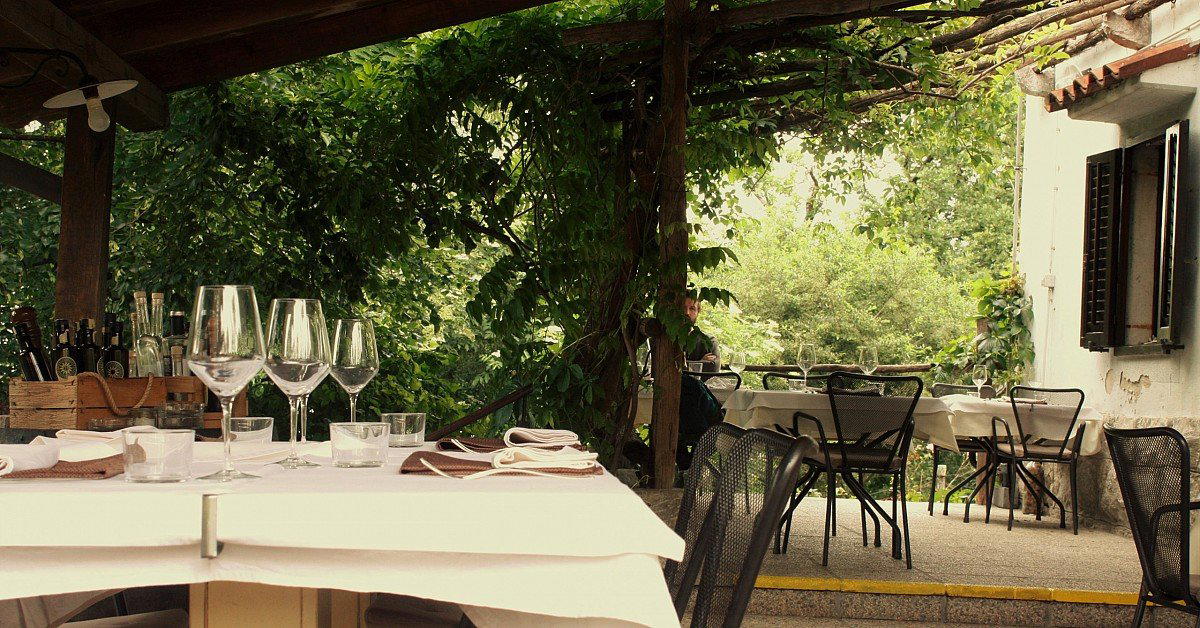
Family-run with a welcoming, friendly atmosphere, often featuring live music and dancing, in a spartan yet cozy space suitable for groups.