
Chuka Soba Zuizan places Asaka’s ramen culture in a serious regional frame: a compact Saitama shop with Tabelog Ramen EAST 100 selection in 2024 and 2025, focused on ramen and tsukemen rather than ceremony. Its appeal is the everyday Japanese ramen format sharpened to award-list level, with counter seating, family-friendly use, and a budget profile that keeps it grounded.
Pearl is the En Primeur Club membership app — saves, bookings, and concierge access live there. Same editors, same standards.
- Address
- 2 Chome-8-8-15 Honcho, Asaka, Saitama 351-0011, Japan
- Phone
- +81 48-466-6225
- Website
- twitter.com
- Directions
- Get directions
 Saves & bookings on Pearl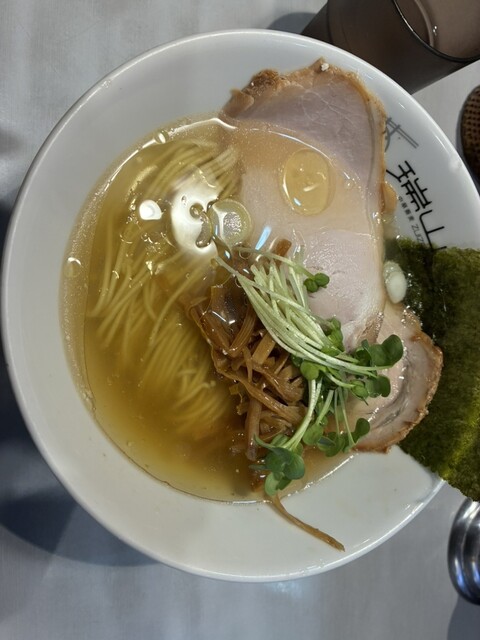
The approach to a suburban ramen shop in Saitama has a different rhythm from central Tokyo’s chef-counter dining. The signs are smaller, the pace is practical, and the room is built for turnover rather than theater. In Asaka, that matters. Ramen here is not a luxury performance staged for visitors; it is part of the daily food infrastructure, with solo diners, families, and small groups sharing the same narrow window between hunger and the next train.
Chuka Soba Zuizan belongs to that tradition, but its recognition changes the way it should be read. Selection for Tabelog Ramen EAST 100 in both 2024 and 2025 places it in a competitive regional class, not simply in the neighborhood-shop category. That distinction is useful because ramen awards in Japan tend to reward consistency across a crowded field: broth discipline, noodle handling, service speed, and repeat appeal carry more weight than décor or ceremony.
Asaka ramen with Hyakumeiten pressure behind it
Greater Tokyo’s ramen culture has long stretched beyond the 23 wards. Saitama, Chiba, and Kanagawa absorb commuters and independent operators who can build regulars without paying central-city rents. The result is a dense ring of shops where price, speed, and quality have to coexist. Asaka fits that pattern neatly: residential, rail-linked, and close enough to Tokyo for serious diners to compare bowls across prefectural lines.
The food category here is direct: ramen and tsukemen. That pairing says a great deal about the shop’s position in modern Japanese noodle culture. Ramen rewards harmony in a single bowl, while tsukemen separates noodles and dipping broth, putting texture and concentration under sharper scrutiny. A place that operates across both formats is not only selling comfort food; it is asking diners to choose between immediacy and control.
That is where the award context has value. Tabelog’s Ramen EAST 100 list covers a broad field, and the 2025 selection places Chuka Soba Zuizan among shops that have passed the casual-interest threshold. It is not a Michelin-style tasting-menu signal, and it should not be read as one. It is a ramen-specific marker in a country where ramen criticism has its own codes: queue tolerance, noodle texture, broth clarity or weight, and the ability to satisfy repeat local eating rather than destination dining alone.
Within Asaka, the comparison set also shows how specific the appeal is. Chuka Soba Genroku sits in a higher everyday spend band, while Asaka Bakery Honmachi ten, Asaka Bakery Asakadai ten, and Boulangerie Arbre represent the city’s low-cost bakery circuit. asakanakicchinruburu points toward casual dining rather than noodle specialization. The useful takeaway is not that one format replaces another, but that Asaka’s better eating is spread across small, modestly priced rooms rather than concentrated in formal restaurants.
The room favors speed, regulars, and the counter habit
Ramen shops are often judged by how well their rooms support the food. Counter seating is not a decorative choice in this genre; it reduces friction. Diners order, sit, eat while the noodles hold their texture, and leave without stretching the experience into a long meal. At Chuka Soba Zuizan, the layout includes counter seats as well as tables, which explains why the audience can include solo diners and families without changing the essential tempo.
This is also why the absence of a reservation culture is not a weakness in the ramen category. A no-reservations model keeps the room closer to everyday Japanese dining practice, where timing and patience matter more than advance planning. For visitors accustomed to locked-in restaurant itineraries, this requires a different mindset: build a meal around the area rather than treating the shop like a fixed appointment.
The city context helps. Asaka is not a single-purpose dining destination, so a ramen stop can sit inside a broader local itinerary. Readers mapping the area can start with Our full Asaka restaurants guide, then decide whether the day calls for noodles, bakeries, or a casual sit-down meal. For a wider trip-planning frame, Our full Asaka hotels guide, Our full Asaka bars guide, Our full Asaka wineries guide, and Our full Asaka experiences guide show how limited but useful the local hospitality map can be.
For travelers using Japan’s food culture as a route through regions rather than a checklist of famous dining rooms, this kind of shop is instructive. It shows how a local ramen counter can carry enough technical credibility to earn regional recognition while staying inside the price and service habits of the neighborhood. That balance is a defining feature of contemporary ramen: craft without luxury coding.
How to place it in a Japan eating itinerary
The strongest reason to include the restaurant is not novelty. It is specificity. A meal here gives context to the commuter-belt ramen ecosystem around Tokyo, where serious bowls are often found outside the neighborhoods that dominate English-language dining coverage. That makes it more useful for travelers who already know the central Tokyo ramen circuit and want to understand how regional lists map onto ordinary cities.
It also makes sense as a contrast point within a larger Japan route. A formal sukiyaki meal such as -Grilled beef Sukiyaki- KAMAKURA TANUKIAN 鎌倉 たぬき庵 in Kamakura speaks to set-piece dining;. 鮪と炭火焼き うお炭 秋葉原店 in Tokyo sits in a different urban register;.cafe in Osaka and.know in Kumamoto widen the map beyond noodles. Casual specialization appears again at (Shoku) Vietnam in Kawasaki and [Curry Senmon Ten] Maruyama Kyoju. in Sapporo. Across the Pacific, Jōdo Saké Bar in Los Angeles and Onigiri Time in Pasadena show how Japanese formats are translated abroad, often with different expectations around pace, service, and price.
The editorial verdict is clear: this is a serious Asaka ramen address for diners who value regional credibility over ceremony. The draw is the intersection of everyday affordability, ramen-and-tsukemen focus, and repeat Hyakumeiten selection. Treat it as a concise, local meal rather than a long destination dinner, and it makes the strongest case.
Price and Positioning
Comparable venues by cuisine and price in the same metro.
| Venue | Cuisine | Price | Notes |
|---|---|---|---|
| Chuka Soba ZuizanThis venue — the venue you are viewing | Asaka, Ramen & Chuka Soba | $ | Not listed |
| Asaka Bakery Honmachi ten | Japanese neighborhood bakery | $ | Not listed |
| ROI LEGUME Asaka honten | Not listed | $ | .null, Japanese neighborhood patisserie & cake shop |
| Boulangerie Arbre | Not listed | $ | Japanese neighborhood bakery & sandwich shop |
| Udon Dokoro Ohana | Asakadai, Udon & Izakaya | $ | Not listed |
| asakanakicchinruburu | Not listed | $ | Asaka, Hiroshima okonomiyaki & fish deli kitchen-café |
Recognition history
Dated appearances from independent guides and award organizations, with the underlying list record or original source where available.
Tabelog 100 #54 · No. 54
Tabelog · Tabelog 100 - Ramen - EAST - 2025














At a Glance
- Lively
- Cozy
- Solo
- Casual Hangout
- After Work
- Late Night
- Standalone
Current opening hours
- Monday
- 11:30 AM–9:50 PM
- Tuesday
- 11:30 AM–9:50 PM
- Wednesday
- 11:30 AM–9:50 PM
- Thursday
- 11:30 AM–9:50 PM
- Friday
- 11:30 AM–9:50 PM
- Saturday
- 11:30 AM–9:50 PM
- Sunday
- 11:30 AM–9:50 PM
Hours can change for holidays and private events. Last verified .
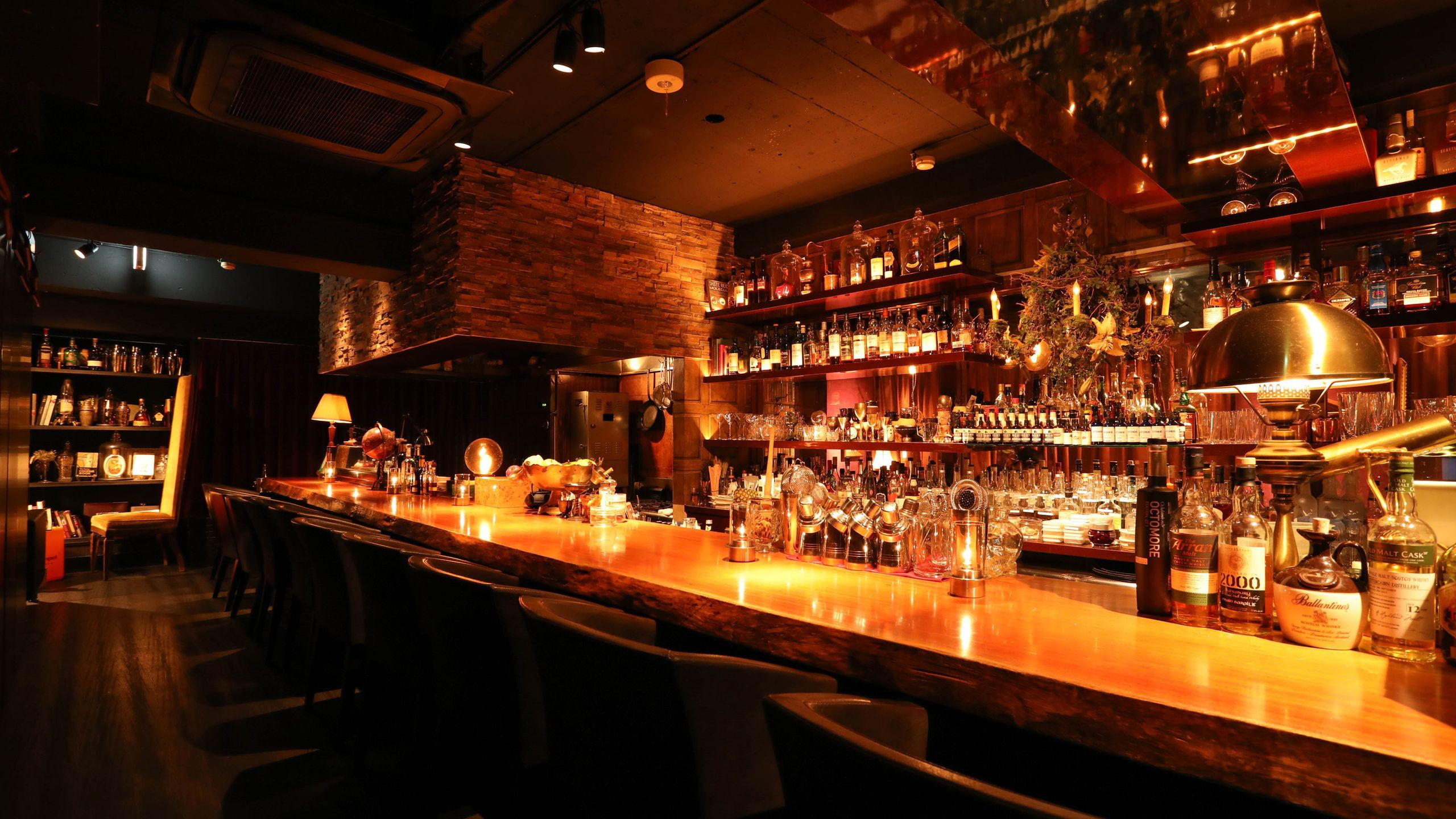
Casual, bustling local ramen-ya atmosphere with counter-style, quick-turnover seating focused on the noodles rather than decor.