
Tabelog 100 #28
Our verdict
Chuka Soba Ibuki belongs to Osaka’s compact, queue-driven ramen culture: small room, low spend, counter rhythm, and a reputation strong enough for repeated Tabelog Ramen 100 selection through 2025. The appeal is not luxury theatre; it is the city’s ability to treat a bowl of ramen with the seriousness other places reserve for tasting menus.

Pearl is the En Primeur Club membership app, where members save venues, book tables and use the concierge.
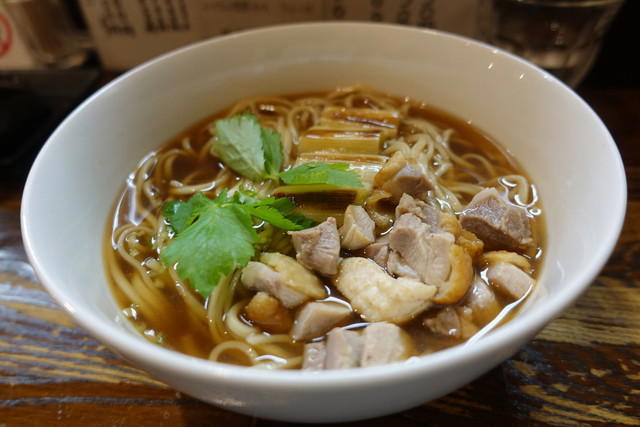
The menu
What to order
- Chuka soba (ramen)
- Tsukemen (dipping noodles)
- Iriko-based ramen (dried sardine broth)
Approaching a small ramen shop in Kita-ku changes a meal’s tempo before the first bowl appears. The room is built for concentration, not lingering: counter seating, a few table seats, compact choreography of noodles, broth, and turnover. In Osaka, this format sits beside more sociable eating traditions, from takoyaki counters to late-night izakaya runs, but ramen at this level asks for different attention. The sound is not dining-room theatre; it is steam, tickets, chopsticks, and the short silence after a bowl lands before someone who came for it.
Chuka Soba Ibuki fits that category: small, disciplined, inexpensive, and repeatedly validated by local ramen recognition rather than global fine-dining machinery. Its selection for Tabelog Ramen OSAKA 100 in 2025, with earlier selections across the WEST and OSAKA lists, places it in the city’s serious ramen conversation. That matters because Osaka ramen is not defined by one dominant style the way Hakata is linked to tonkotsu or Sapporo to miso. The city rewards shops that build a clear identity in a crowded everyday market.
A compact ramen room where the bowl carries the weight
Japan’s ramen culture has a useful contradiction: democratic in price, exacting in craft. A shop can sit in the sub-¥1,000 bracket and still draw scrutiny usually attached to sushi counters or kappo rooms. That is the context for Chuka Soba Ibuki. The point is not scarcity for its own sake; it is how an eight-seat room compresses the experience. There is little room for distraction, which suits ramen. Broth, noodle texture, tare, aroma oil, and temperature must register quickly because the meal is brief.
The menu category is ramen and tsukemen, two related but different habits of eating. Ramen is immediate: noodles in broth, heat held in the bowl, momentum from first lift to last sip. Tsukemen separates noodles and dipping broth, making texture and concentration more explicit. Osaka diners know both forms well, and a shop recognized across multiple Tabelog ramen lists competes with specialists that often stake identity on a narrow lane rather than a broad menu.
That narrowness is part of the pleasure. Osaka offers meals designed around abundance, but ramen culture often works by subtraction: fewer seats, fewer distractions, tighter service rhythms, shorter decisions. For travellers building a food day across the city, this stop functions differently from a long lunch at an Italian room such as a canto (Italian) or a snack-led circuit involving 551 Horai (551蓬莱), 52CHO-ME BAKERY, and .cafe. The ramen stop is quicker, more focused, and less forgiving of indecision.
Osaka's serious casual tier, not a fine-dining detour
The useful comparison is not luxury restaurants, but Osaka’s dense middle of specialist counters and casual rooms. Kurubushi occupies a different Japanese dining tier, while Yama Hashiru sits at a far higher spend level. Stand Ruten, Kantipur Tengo ten, and Raku Nijin map other corners of the city’s everyday dining economy. Chuka Soba Ibuki belongs to the part of Osaka where recognition and affordability coexist, a combination often more revealing than a high-ticket meal because it shows what local diners repeatedly line up for.
That position explains why the shop reads differently from destination dining built around reservations, wine pairings, or chef biography. There is no need to turn the room into a personality study. In ramen, reputation is earned through repetition: the same bowl judged across lunch breaks, solo meals, weekend errands, and late-day cravings. Tabelog’s Ramen 100 selection is not a Michelin-star equivalent, but in Japan it is a meaningful signal for category specialists, especially where small shops build loyal followings without international branding.
The sensory appeal is physical and direct. Ramen gives heat, steam, aroma, and texture in a short arc. The counter reduces distance between preparation and eating; the bowl is not staged for a long progression. Osaka’s dining identity is often flattened into street-food clichés, but shops like this show its disciplined side: compact formats, exacting regulars, and meals where value does not mean compromise.
How to fit it into an Osaka food itinerary
For visitors, the smarter move is to treat a ramen shop of this kind as a precise meal slot rather than a flexible fallback. It works well in a Kita-ku day that leaves room for coffee, bakeries, bars, and a later dinner elsewhere. The area’s rail connections make it practical to combine with other parts of central Osaka, but the dining logic is simple: arrive ready to eat, expect a compact room, and do not plan the meal as a long social pause.
Chuka Soba Ibuki also reminds that Osaka rewards category-specific planning. A traveller using Our full Osaka restaurants guide will get more from the city by alternating formats: ramen counter, bakery, casual classic, and a more structured dinner rather than chasing only prestige rooms. The same applies beyond restaurants. Our full Osaka bars guide, Our full Osaka hotels guide, Our full Osaka wineries guide, and Our full Osaka experiences guide frame the city as a sequence of tight, specialist choices rather than a single dining checklist.
Within Japan and beyond, the same logic appears in other focused addresses: [ki:] in Kyoto.know in Kumamoto, [Curry Senmon Ten] Maruyama Kyoju. in Sapporo, (Shoku) Vietnam in Kawasaki, and. 鮪と炭火焼き うお炭 秋葉原店 in Tokyo each show how narrow formats can anchor a trip. For a broader Japanese-food thread outside Japan, Jōdo Saké Bar in Los Angeles and Onigiri Time in Pasadena show how specific categories travel. Back in Japan, -Grilled beef Sukiyaki- KAMAKURA TANUKIAN 鎌倉 たぬき庵 in Kamakura offers a different register of tradition, while 99 Pizza Napoletana Gourmet shows how Osaka’s appetite extends beyond Japanese formats.
The verdict is simple: this is a serious ramen stop for travellers who value focus over ceremony. Its recognition, small scale, and low spend place it in the part of Osaka dining where the city is sharpest: everyday food judged with specialist standards.
Frequently asked questions
What's the pricing like at Chuka Soba Ibuki?
Pricing at Chuka Soba Ibuki is listed as - JPY 999 - JPY 999 View spending breakdown.
Where is Chuka Soba Ibuki located?
Chuka Soba Ibuki is located in Osaka.
Is Chuka Soba Ibuki reservation-only?
No. The venue lists reservations as unavailable, and the room is only 8 seats, including 4 counter seats and 2 table seats. The practical move is to plan around its Mon, Fri, Sat, Sun, and public-holiday service hours in Osaka.
What has Chuka Soba Ibuki built its reputation on?
Its main credential is selection for Tabelog 100 Ramen Osaka 2025, with repeated inclusion in Tabelog’s ramen lists since 2017. The format is focused: ramen and tsukemen, 8 seats, sub-¥1,000 pricing, and a location by Tenjimbashisuji Rokuchome in Osaka.
Is Chuka Soba Ibuki allergy-friendly?
Those details are not published. Because it serves ramen and tsukemen in an 8-seat space, guests with allergies should confirm ingredients before ordering. Check the venue's official channels for the latest details.
In Context: Similar Options
Comparable venues by cuisine and price in the same metro.
| Venue | Cuisine | Price | Awards | Notes |
|---|---|---|---|---|
| Chuka Soba IbukiThis venue (the venue you are viewing) | Ramen & Tsukemen | $10–20 | Tabelog 100 #28 | Not listed |
| Raku Nijin | Niboshi-focused ramen & tsukemen shop | $10–20 | Tabelog 100 #16 | Kita |
| Spice and Curry Ougon no Kaze | Japanese spice curry | Not listed | Tabelog 100 #11 | Kita |
| Karakuchi Meshiya Morigen | Spicy Japanese Curry House | $1–10 | Tabelog 100 #71 | Kita |
| Yatagarasu Udon | Osaka Udon Shop | $10–20 | Tabelog 100 #35 | Chūō |
| Curry Senmonten Hakugintei Itwu biru ten | Japanese Curry House | $10–20 | Tabelog 100 #1 | Chūō |
Recognition history
Dated appearances from independent guides and award organizations, with the underlying list record or original source where available.
Tabelog 100 #28 · No. 28
Tabelog · Tabelog 100 - Ramen - OSAKA - 2025
Continue exploring
More in Osaka
Restaurants in Osaka
All restaurants in Osaka →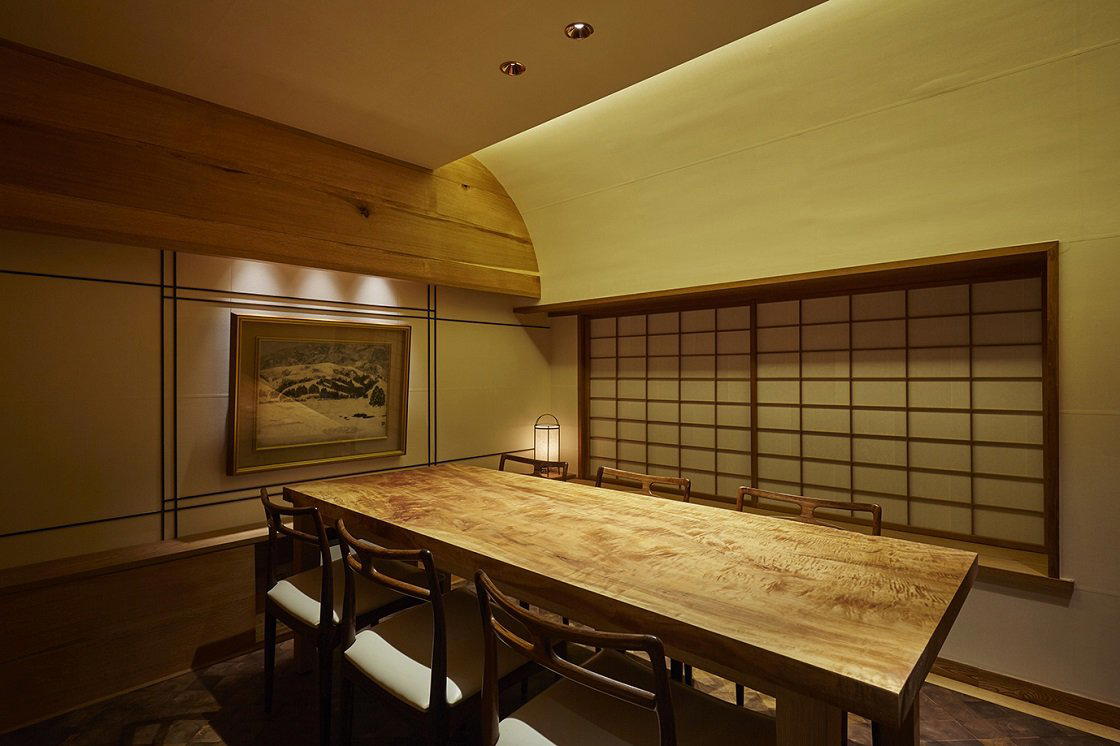



Bars in Osaka
All bars in Osaka →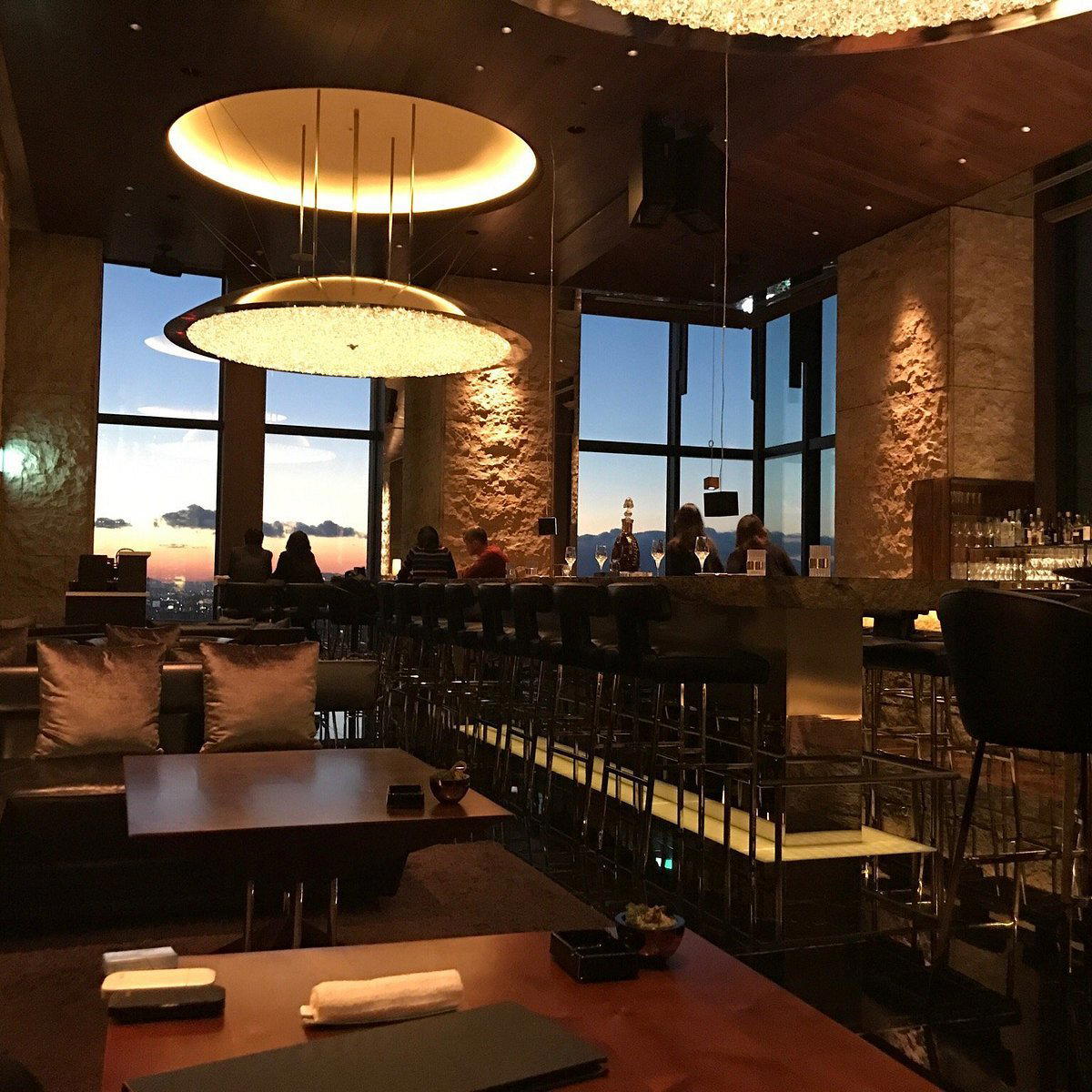

Hotels in Osaka
All hotels in Osaka →

Wineries in Osaka
Browse all →
Details
- Cozy
- Solo
- Family
- Casual Hangout
- After Work
- Late Night
- Standalone
- Sake Program
- A La Carte
- Counter Dining
- Sake
- Beer
Small, non‑smoking ramen shop with only eight seats and a simple, relaxed interior that feels like a neighborhood hideout on a nostalgic shopping street, suited to solo diners and casual visits.