Our verdict
On Baudelostraat in the heart of Ghent, The Mistress occupies a corner of the city where independent dining culture runs deep. With no awards listed and deliberately sparse public information, it sits within the tier of Ghent restaurants that trade on word-of-mouth and neighbourhood loyalty rather than formal recognition. An address worth tracking for those who follow the city's evolving restaurant scene closely.

Pearl is the En Primeur Club membership app — saves, bookings, and concierge access live there. Same editors, same standards.
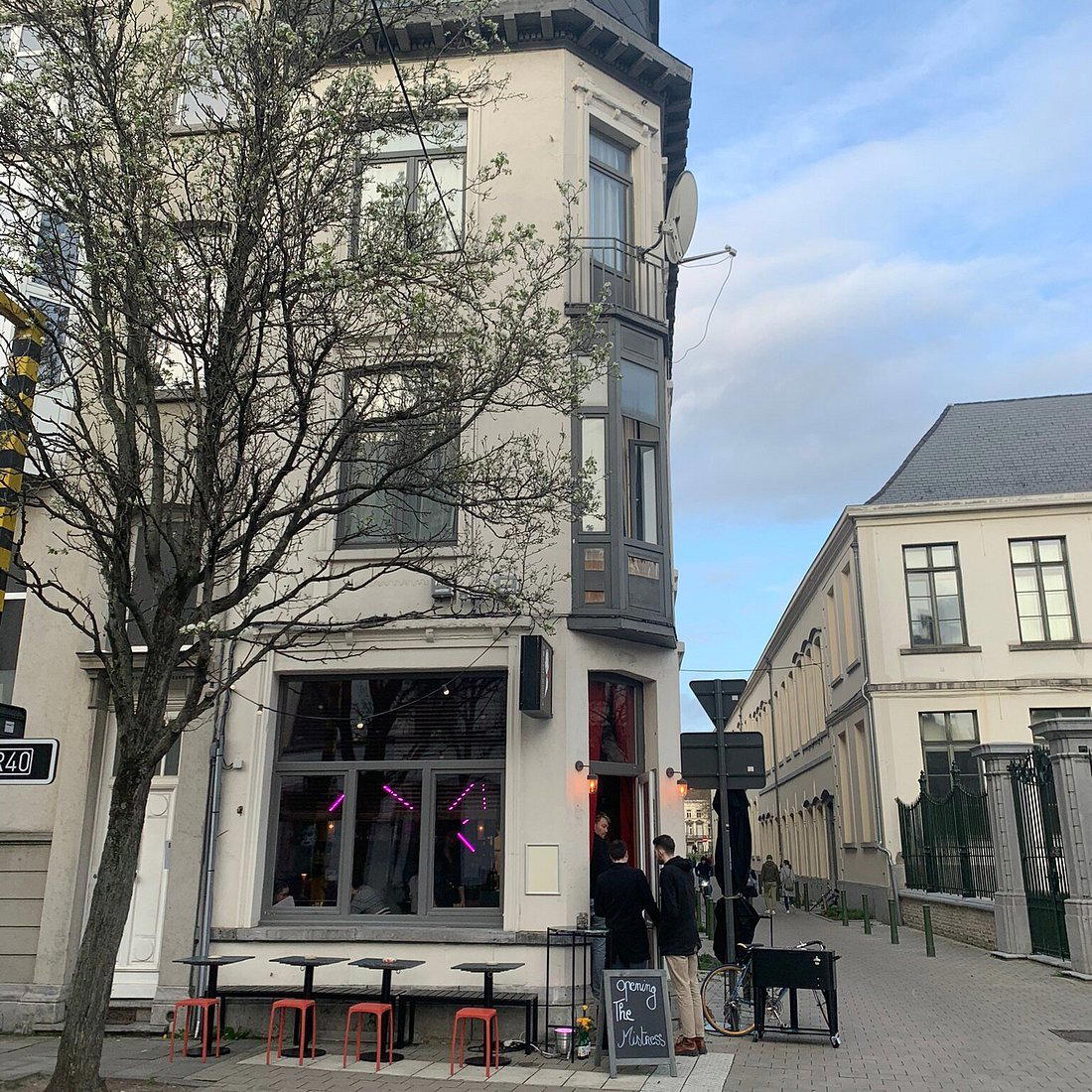
Ghent's Independent Dining Culture and Where The Mistress Fits
Ghent has quietly built one of Belgium's most coherent independent restaurant scenes over the past decade, distinct from Brussels in scale and from Antwerp in temperament. The city's dining culture skews toward the neighbourhood-rooted and the chef-driven rather than the destination-formal, with streets like Baudelostraat threading together a mix of address types that range from the thoroughly documented to the deliberately low-profile. The Mistress, at number 37 on that street, occupies the latter category. Public information is deliberately sparse, which in Ghent typically signals one of two things: an operation early enough in its trajectory that the critical apparatus hasn't caught up, or a venue that actively prefers the friction of word-of-mouth over the frictionlessness of algorithmic discoverability.
That positioning is worth understanding before you arrive. Belgium's dining culture has a long tradition of venues that resist easy categorisation, and Ghent in particular sustains a subset of restaurants and bars that function almost as semi-private institutions — known to the city's regulars, largely invisible to the broader travel press. Its address on Baudelostraat places it within walking distance of the Vrijdagmarkt and the dense residential fabric south of the city centre, an area that supports habitual rather than occasional dining. This is not a tourist corridor. Diners who find their way to it are usually looking specifically.
The Cultural Register of Ghent's Restaurant Tier
To understand The Mistress properly, it helps to understand where Ghent sits in Belgium's broader dining hierarchy. The country's formal fine-dining tier is anchored elsewhere: Hof van Cleve in Kruishoutem and Boury in Roeselare represent the Michelin-heavy end of Flemish gastronomy, while Zilte in Antwerp operates in the urban fine-dining tier. Ghent's contribution to that formal hierarchy is real but modest relative to its restaurant density. What the city does exceptionally well is the register just below that ceiling: serious cooking delivered without the ceremony, at addresses that prioritise regulars over occasion dining.
Venues like Arbane and Astro Boy illustrate the range within that register, as do the distinctly different propositions offered by BABÚ, Beiruti, and Bij den Wijzen en den Zot. These are venues with documented formats, clear cuisine identities, and traceable reputations. The Mistress shares a city with them but occupies a different informational position — one that the Ghent scene has historically accommodated without difficulty, because local diners navigate primarily by recommendation rather than review.
Belgium's broader culinary tradition is relevant here. Flemish cooking has deep roots in product-led, season-driven preparation, a sensibility that runs from the coastal addresses like Bartholomeus in Heist and Willem Hiele in Oudenburg through to the inland city restaurants. That tradition tends to reward restraint and sourcing over technique-display, which makes it hospitable to smaller operations that don't require significant infrastructure to deliver credible cooking.
Approaching The Mistress: What the Address Tells You
Baudelostraat 37 sits in a part of Ghent that has absorbed a gradual shift in dining culture over recent years, with the areas around the Vrijdagmarkt and the connecting streets drawing a mix of long-established neighbourhood spots and newer arrivals that have chosen location partly for affordability and partly for the density of foot traffic from local residents rather than tourists. The street itself is unremarkable in the way that often distinguishes good neighbourhood restaurants from their more self-consciously situated peers. You arrive because you were told to, or because you know the city well enough to read the signals.
For visitors approaching from outside Ghent, the broader Belgian restaurant context provides useful orientation. The country's independent dining culture, particularly in Flanders, operates with a formality gradient that can be steep within a single block. What reads as casual from the outside may conceal serious kitchen discipline within. The reverse is also true.
For that wider context, our full Ghent restaurants guide covers the city's dining scene in the depth that a single address cannot. It maps the neighbourhoods, the cuisine clusters, and the tier structure in a way that helps visitors prioritise. Ghent rewards the prepared visitor; the city's better addresses, across categories, tend to be smaller and more particular than their equivalents in Brussels, and the leading meals typically happen when expectations are calibrated correctly before arrival.
For reference points outside Belgium, the kind of low-profile seriousness that Ghent's independent tier cultivates has parallels in the broader European independent scene. It differs considerably from the documented, credentialled formality of addresses like Bozar Restaurant in Brussels or the precision-technique model represented internationally by Le Bernardin in New York City and Atomix.
Planning Your Visit
Arriving without a reservation at any serious Ghent address carries risk; the city's better smaller rooms book on local loyalty and have limited walk-in capacity. If you are visiting Ghent seasonally, the autumn and winter months tend to concentrate the city's dining activity, as the outdoor terrace culture that draws visitors in summer gives way to room-focused cooking that plays to Flemish culinary strengths.
Frequently asked questions
Is The Mistress a family-friendly restaurant?How would you describe the vibe at The Mistress?
What do people recommend at The Mistress?
How far ahead should I plan for The Mistress?
Is The Mistress connected to a particular culinary tradition or cuisine type?
Peers You’d Cross-Shop
Comparable venues nearby, for context on price, style, and recognition.
| Venue | Cuisine | Price | Notes |
|---|---|---|---|
| The MistressThis venue — the venue you are viewing | Persian-Southeast Asian Fusion | Not listed | Not listed |
| Per Bacco | Traditional Italian Trattoria | $50–100 | Binnenstad |
| John Dory | Modern Seafoodbar | $50–100 | Binnenstad |
| Chubby Cheeks | Bistronomic Fusion with Natural Wines | $30–50 | Elisabethbegijnhof - Prinsenhof - Papegaai - Sint-Michiels |
| Van Hoorebeke | Artisan Belgian Chocolatier | $10–20 | Binnenstad |
| Een Twee Vijf | Modern Belgian Bistro | $30–50 | Rabot - Blaisantvest |
Continue exploring
More in Ghent
Restaurants in Ghent
All restaurants in Ghent →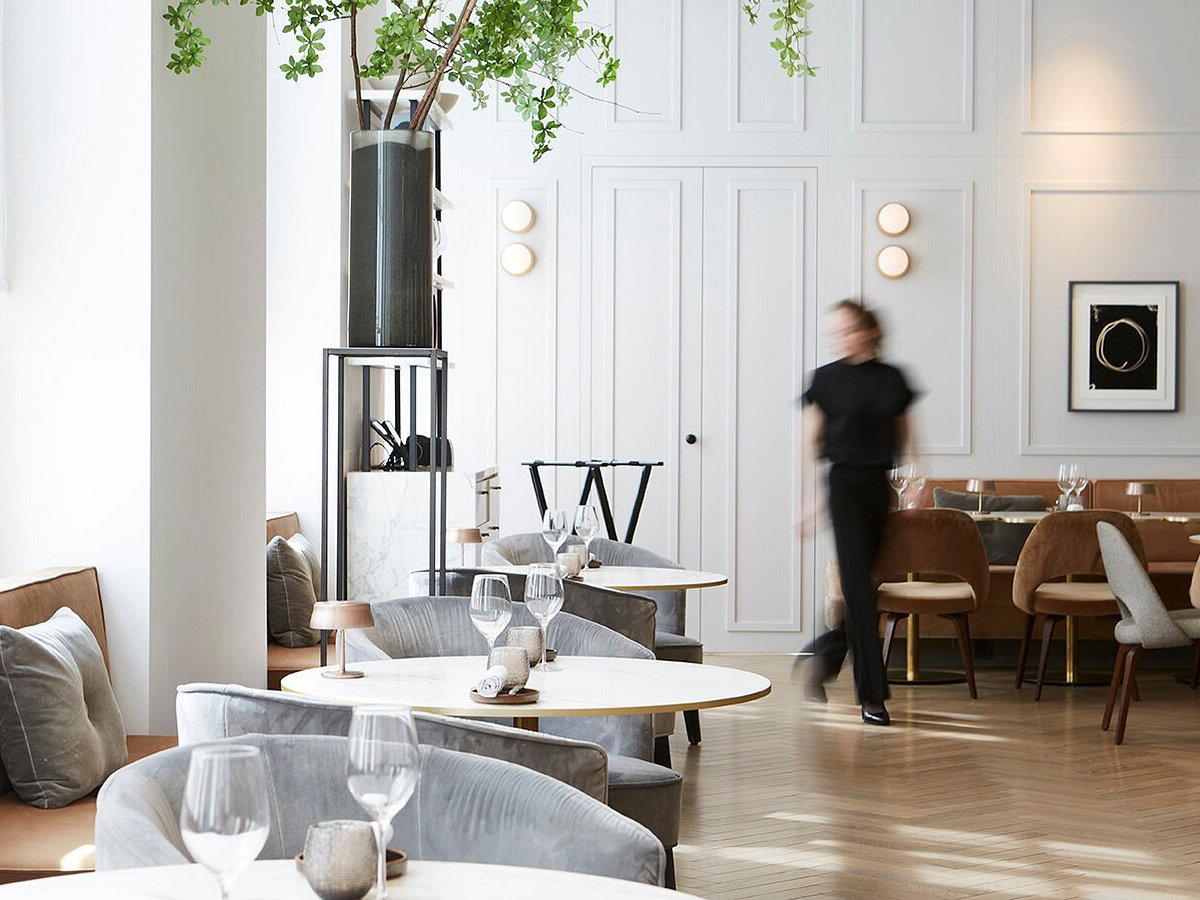
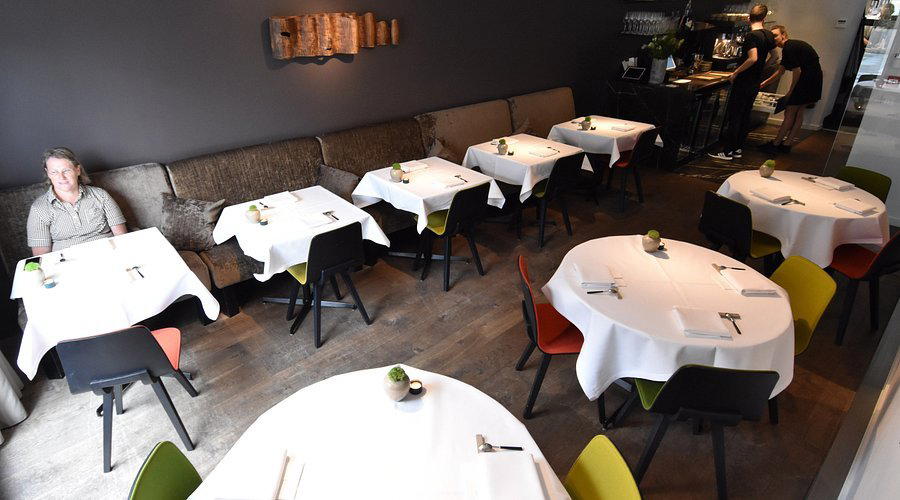
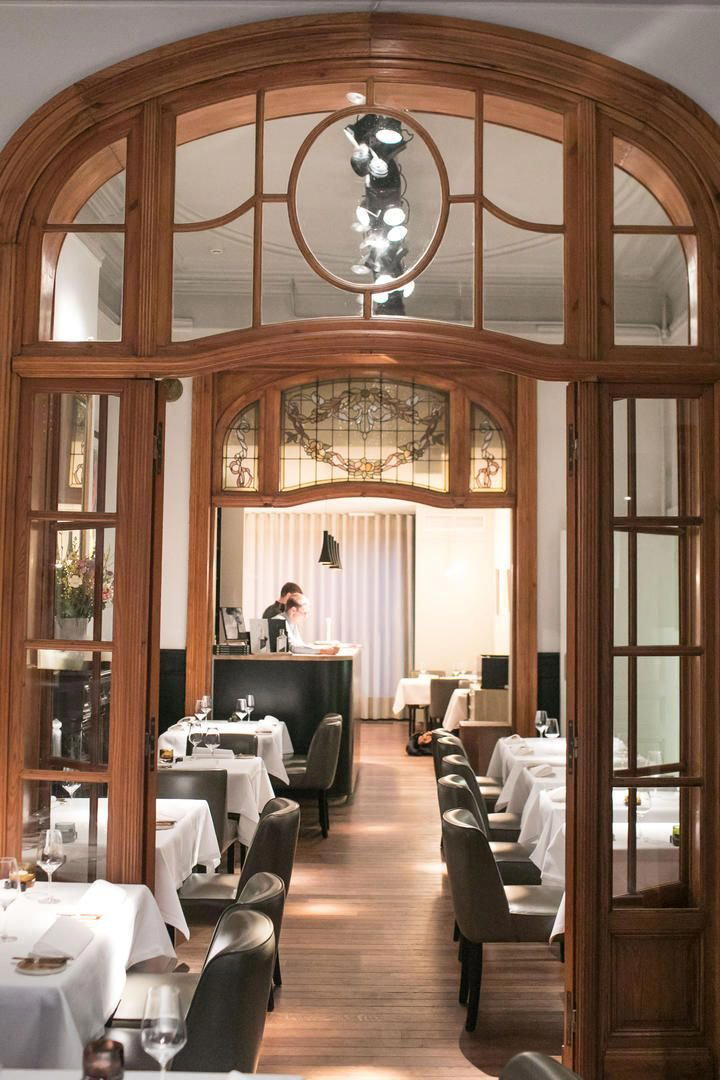
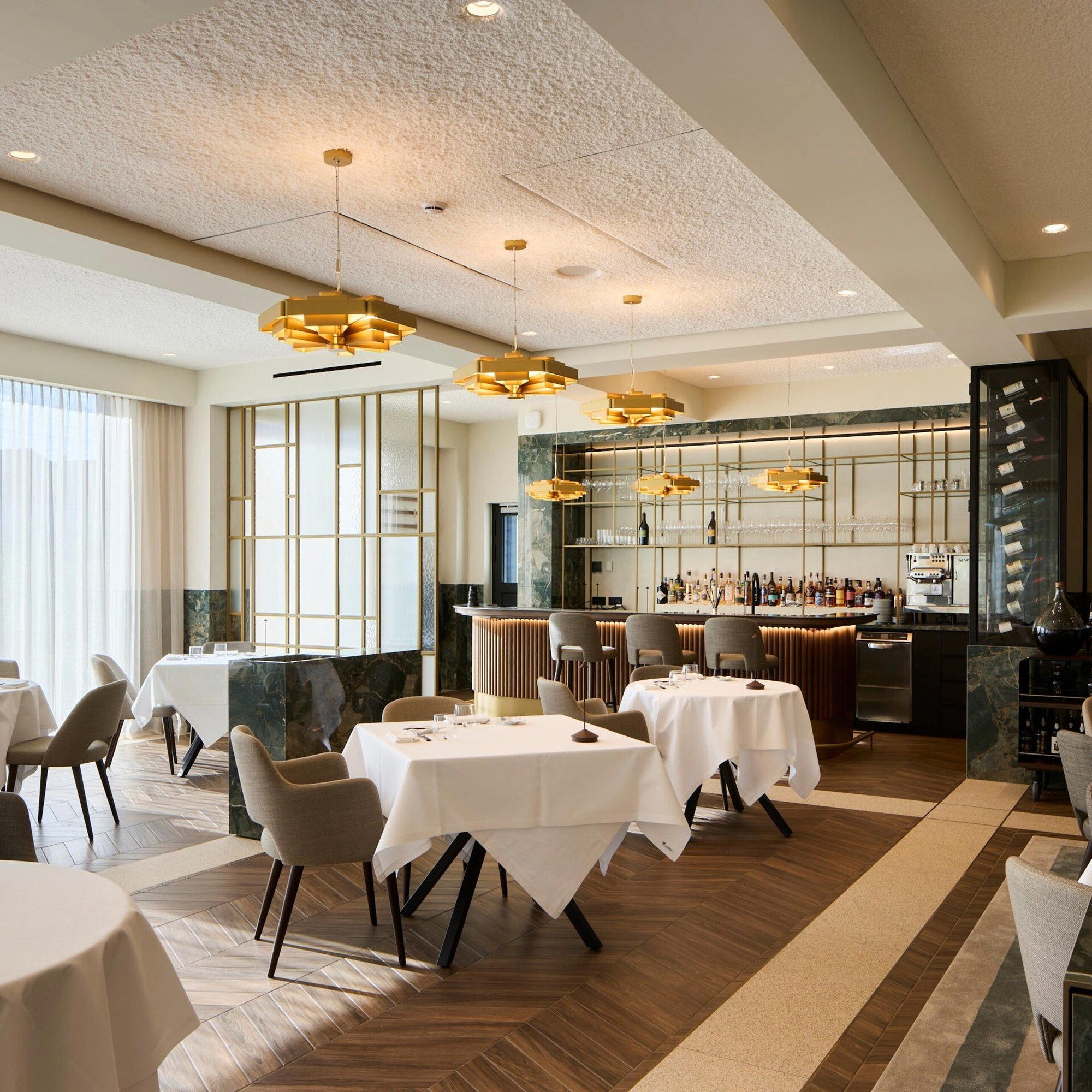
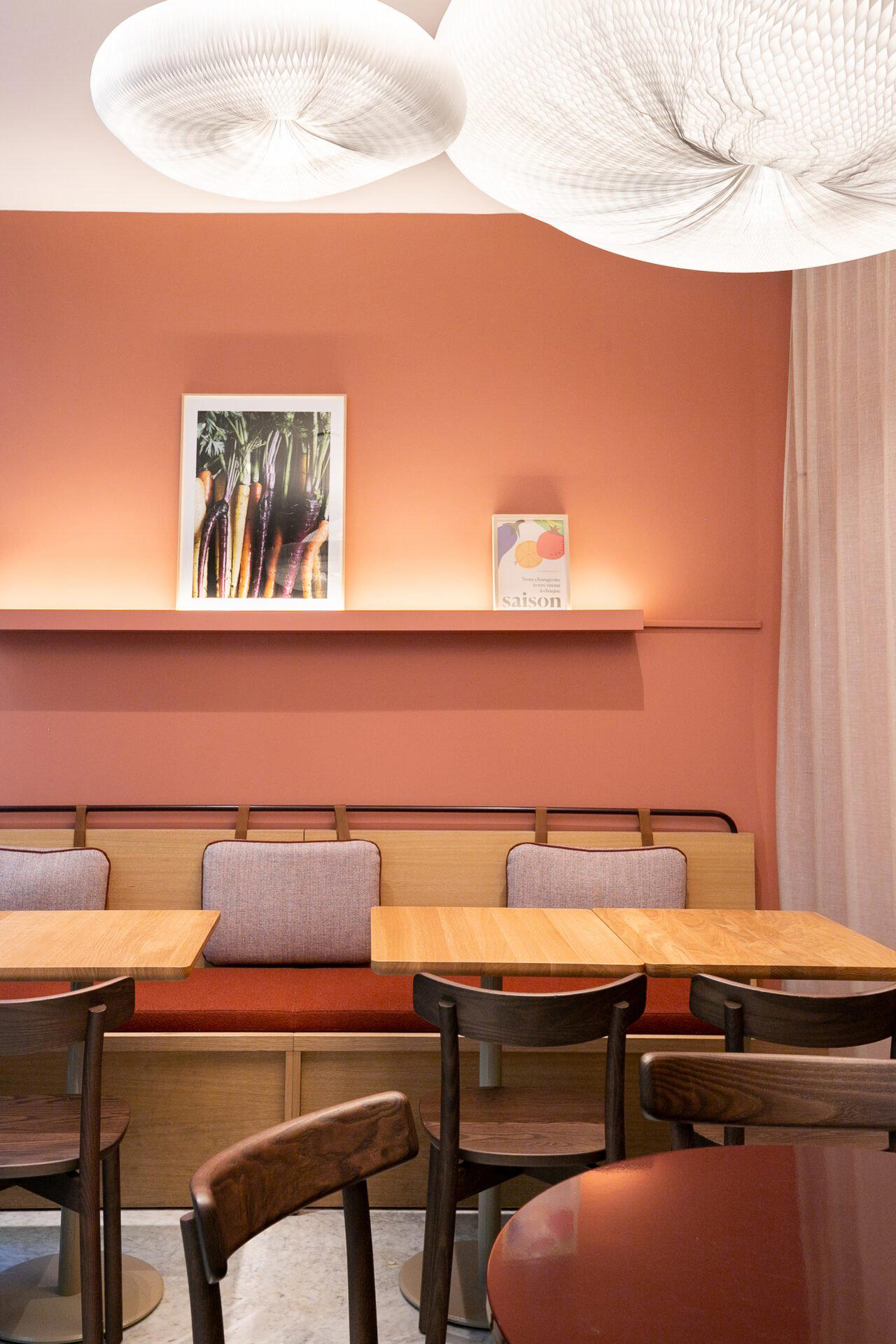
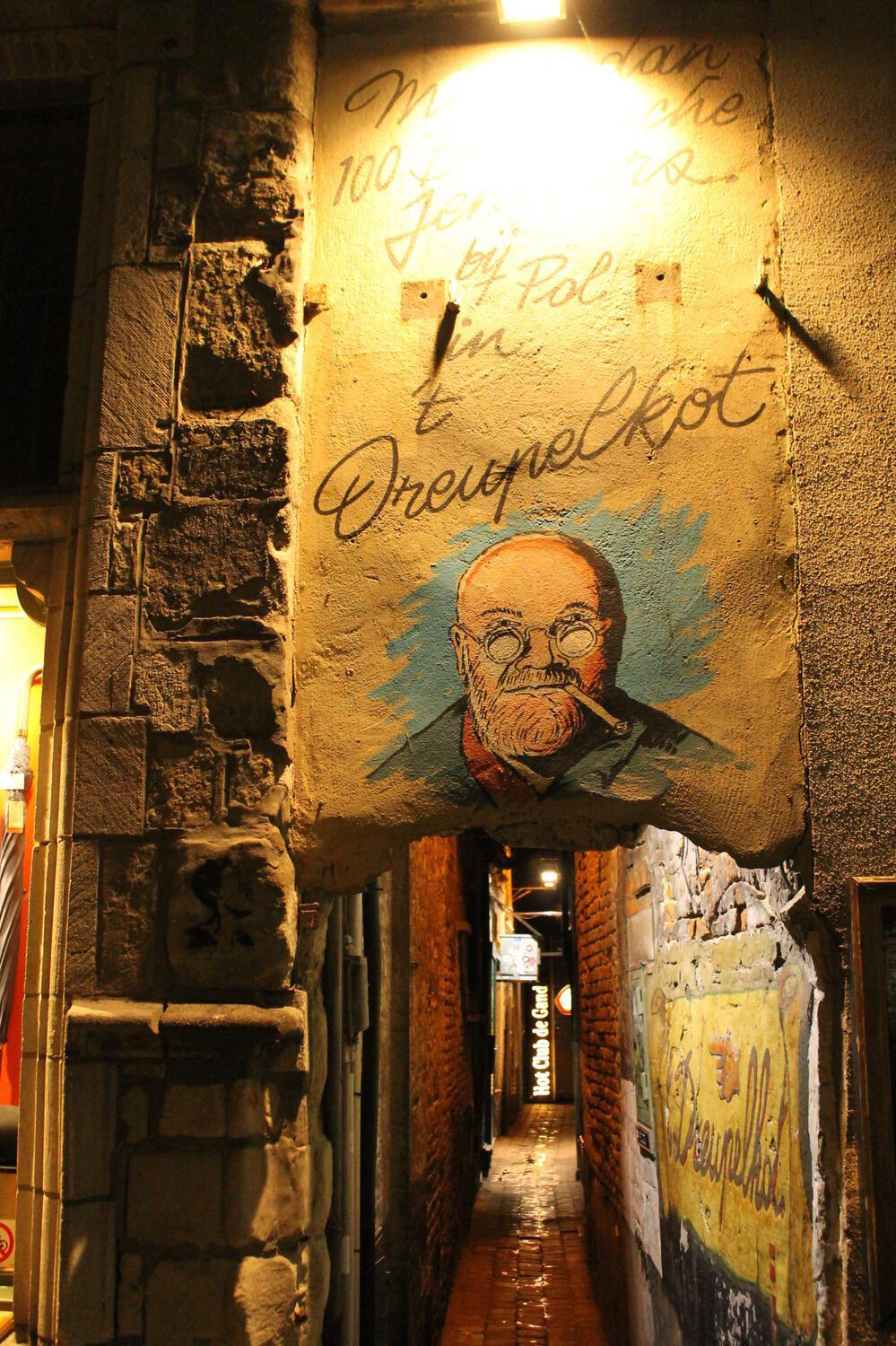
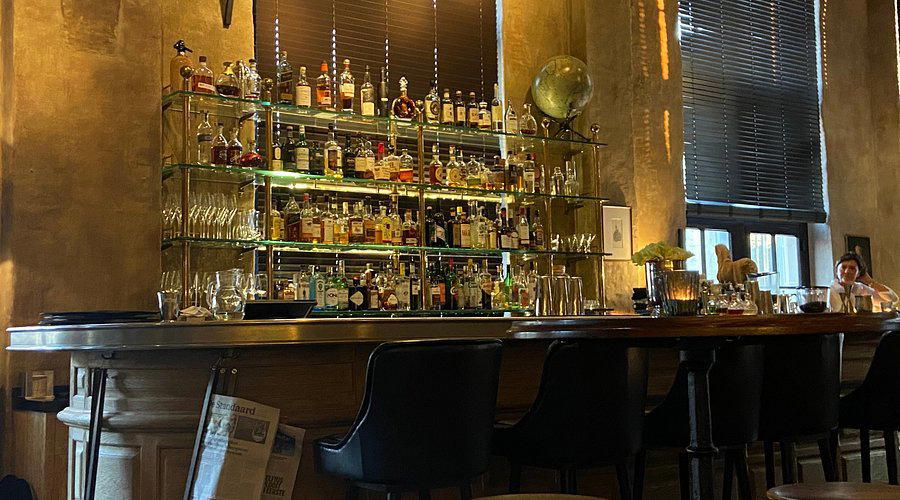

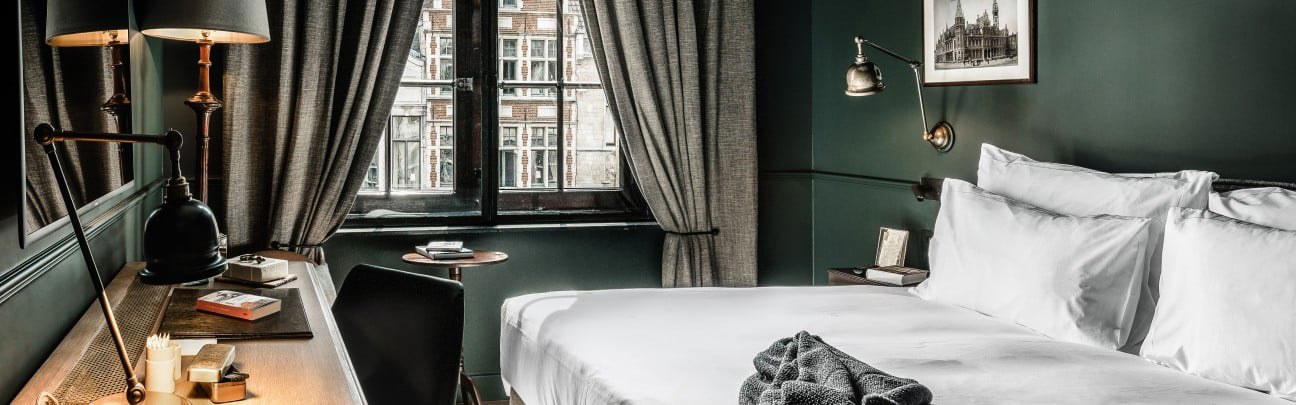
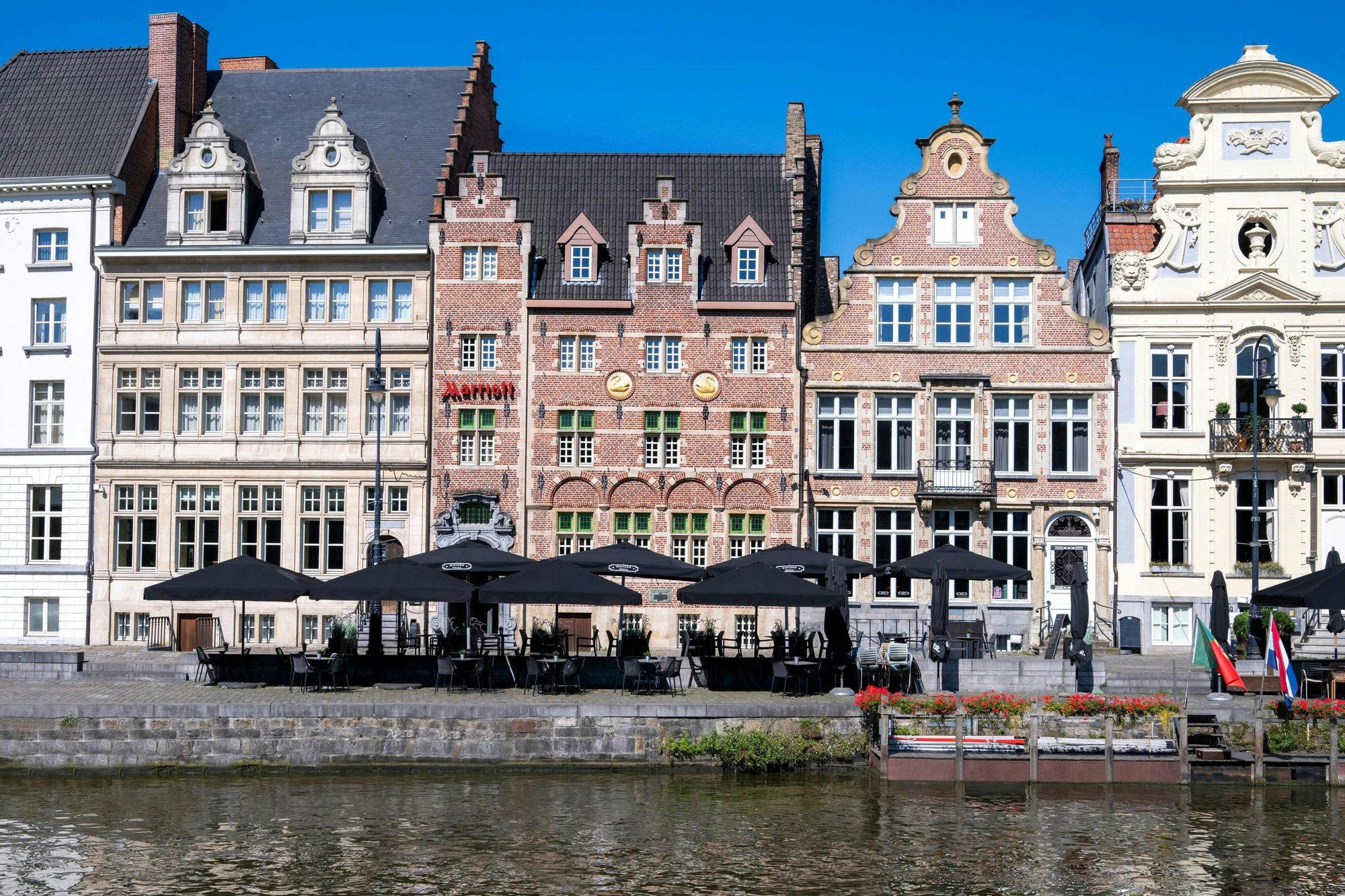
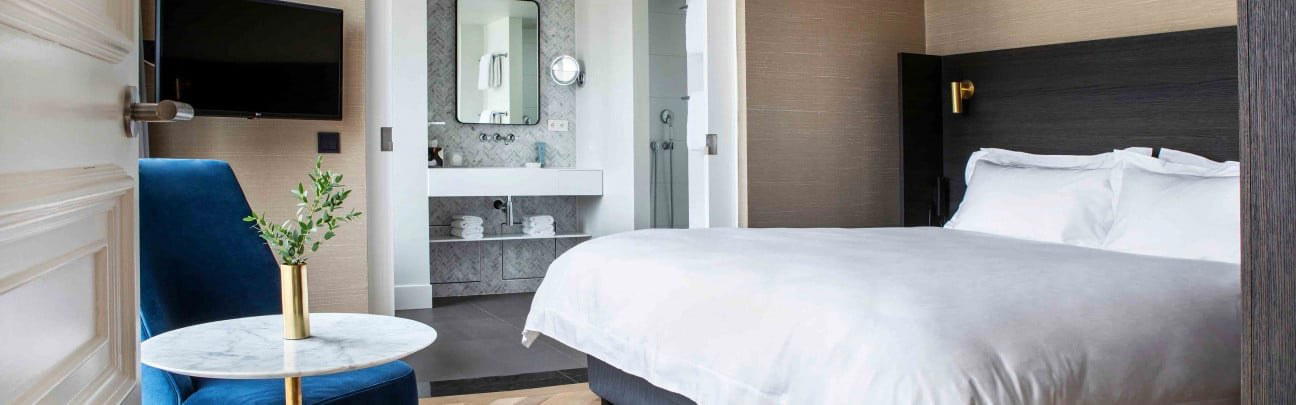
The Mistress
The wine
- Wine program
- Curated wine list
- Extensive wine list
- Sake program
Details
- Intimate
- Cozy
- Elegant
- Trendy
- Date Night
- Special Occasion
- Standalone
- Open Kitchen
- Extensive Wine List
- Sake Program
- A La Carte
- Tasting Menu
- Wine
- Sake
- Soju
Current opening hours
- Monday
- Closed
- Tuesday
- Closed
- Wednesday
- 6–11 PM
- Thursday
- 6–11 PM
- Friday
- 6–11 PM
- Saturday
- 6–11 PM
- Sunday
- Closed
Hours can change for holidays and private events. Last verified .
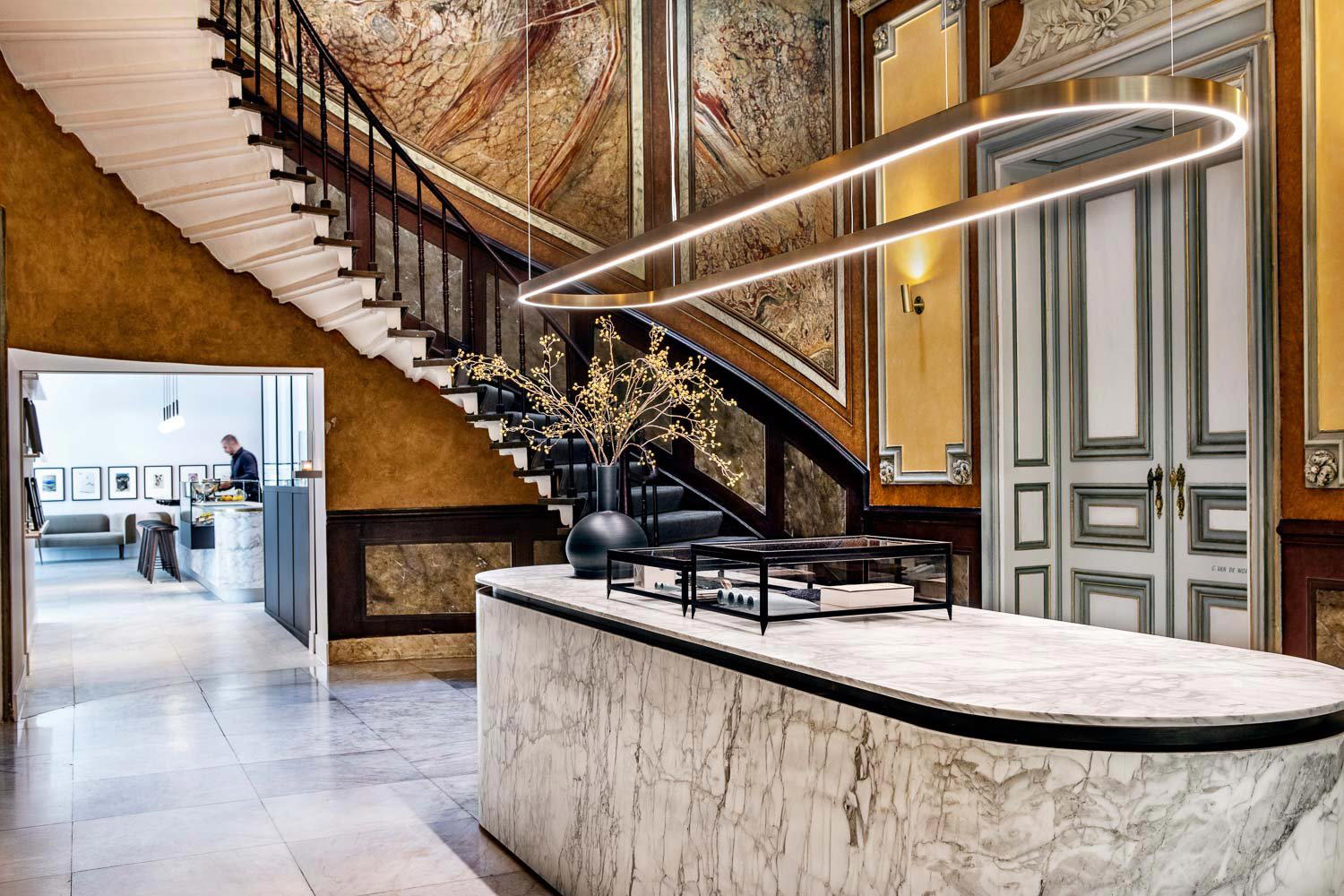
Colourful interior with warm, welcoming atmosphere that invites relaxation and culinary exploration.