
Ashiya’s waterfront luxury-hotel dining tier has a different rhythm from the city’s compact neighborhood counters: quieter, more formal, and built around occasion dining. Choyuro Ashiya beiko-to kurabu hoteru&supa rizo-to sits in that lane for Chinese cuisine, with a 2026 Tabelog 100 Chinese WEST selection and a dinner spend positioned well above casual Ashiya eating.
Pearl is the En Primeur Club membership app — saves, bookings, and concierge access live there. Same editors, same standards.
- Address
- 14-1 Kaiyocho, Ashiya, Hyogo 659-0035, Japan
- Phone
- +81 797-25-2222
- Website
- baycourtclub.jp
- Directions
- Get directions
 Saves & bookings on Pearl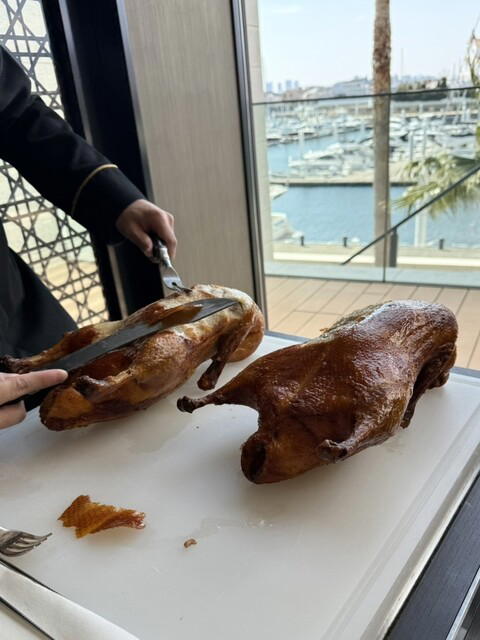
Approaching Ashiya’s reclaimed waterfront changes the terms of dinner before the menu appears. The city’s inland dining map is compact and residential, with bakeries, soba rooms, Thai cooking, and polished small restaurants threaded between station streets. Kaiyocho feels different: broader roads, hotel architecture, and a slower resort cadence beside Osaka Bay. That setting matters for Chinese cuisine, because the format here belongs less to quick neighborhood eating than to the banquet-influenced, hotel-dining side of the tradition.
Choyuro Ashiya beiko-to kurabu hoteru&supa rizo-to occupies that formal end of Ashiya’s restaurant spectrum. Its inclusion in the 2026 Tabelog 100 Chinese WEST list places it within western Japan’s recognized Chinese dining group, while its dinner pricing sits in a higher bracket than everyday local addresses. The useful comparison is not with a station-side noodle shop but with restaurants where sourcing, pacing, private-room use, and a sense of occasion shape the meal as much as the cooking itself.
Chinese cooking in Ashiya's resort dining tier
Chinese restaurants in Japan often split into distinct camps. There is the democratic side: ramen-adjacent shops, gyoza counters, and casual chuka rooms built for speed and repetition. Then there is the hotel and special-occasion branch, where Cantonese and broader Chinese techniques are filtered through Japanese seasonality, polished service, and a higher expectation of ingredient quality. Ashiya, with its affluent residential character between Kobe and Nishinomiya, is fertile ground for the latter.
The restaurant’s category is simply Chinese, but the Ashiya context narrows the likely reader decision. This is a city where premium dining is not concentrated in a single entertainment district; it is dispersed across quiet residential pockets and destination rooms. Abon represents another serious Ashiya address for diners tracking the city’s higher-end tables, while Baan thai ASHIYA shows how international cooking in the city often lives at neighborhood scale rather than resort scale. Choyuro belongs to the opposite register: composed, private-room-friendly Chinese dining inside a hotel and spa resort environment.
Ingredient sourcing is the quiet hinge. In Japanese Chinese dining, the distinction at this level is rarely a matter of novelty. It is more often a matter of procurement and restraint: seafood handled with Japanese expectations for freshness, vegetables chosen with seasonal clarity, broths and sauces calibrated to support rather than bury the main ingredient. Without a public signature-dish list to anchor the discussion, the more reliable signal is format and recognition. A Tabelog 100 Chinese WEST selection in 2026 suggests the kitchen is being judged against regional Chinese specialists, not only hotel restaurants.
How it compares with Ashiya's smaller food culture
Ashiya’s dining identity is unusually broad for a city of its size. BACKEREI BIOBROT sits at the daily-provision end, with bread culture that draws destination attention at a far lower spend. Bigo no Mise Honten points to the city’s long affection for European baking and patisserie-adjacent habits. Do Sanjin Ashiya ten reflects another Ashiya pattern: careful Japanese craft in a restrained setting. The point is not that these rooms compete directly; it is that Ashiya rewards precision across price bands.
That makes Choyuro a useful read on the city’s upper dining tier. BACKEREI BIOBROT operates around a sub-JPY 1,000 spend, while Shokudo Kifune sits in the JPY 6,000 to JPY 7,999 range and Unfalo reaches the same JPY 10,000 to JPY 14,999 dinner band as Choyuro. Those figures frame the decision clearly. This is not a casual add-on to a day in Ashiya; it is a planned dinner in the city’s higher-price Chinese category, with the hotel setting adding privacy and formality to the equation.
For travelers mapping Ashiya beyond one meal, the wider city guides help separate the dining decision from the stay, drink, or cultural plan: Our full Ashiya restaurants guide, Our full Ashiya hotels guide, Our full Ashiya bars guide, Our full Ashiya wineries guide, and Our full Ashiya experiences guide place the city’s food culture alongside its hospitality and leisure patterns.
Who should plan dinner here
The strongest case for Choyuro is for diners who want Chinese cooking in a controlled, formal Ashiya setting rather than a livelier urban restaurant district. The availability of private rooms reinforces that reading. So does the waterfront hotel location, which suits family celebrations, hosted dinners, and evenings where privacy carries weight. Parking availability also changes the practical calculus in a city where many serious restaurants cluster closer to rail corridors.
The caution is equally clear. Travelers seeking counter intimacy, chef-facing theater, or a highly documented tasting-menu narrative will find stronger signals elsewhere. The public information emphasizes category, setting, recognition, price, private rooms, and payment structure rather than chef biography or named dishes. That makes it a better fit for diners who prioritize comfort, sourcing discipline, and formal service over auteur storytelling.
Within Japan’s broader dining map, it also offers a contrast to tighter specialist formats: the beef-focused dining of -Grilled beef Sukiyaki- KAMAKURA TANUKIAN 鎌倉 たぬき庵 in Kamakura, casual urban seafood-grill energy at. 鮪と炭火焼き うお炭 秋葉原店 in Tokyo, café culture at.cafe in Osaka, and regional contemporary drinking-and-dining formats such as.know in Kumamoto. Abroad, the comparison stretches from Vietnamese cooking at (Shoku) Vietnam in Kawasaki to curry specialization at [Curry Senmon Ten] Maruyama Kyoju. in Sapporo, sake-bar dining at Jōdo Saké Bar in Los Angeles, and rice-ball craft at Onigiri Time in Pasadena. Choyuro’s place in that spread is defined by polish rather than looseness.
The editorial verdict is narrow but useful: choose it when Ashiya calls for Chinese cuisine with recognition, privacy, and resort-hotel calm. For a spontaneous, low-cost meal, the city has better-suited categories. For a composed dinner where ingredient quality and setting are part of the value proposition, it occupies a credible position in western Japan’s 2026 Chinese dining conversation.
How It Stacks Up
Comparable venues by cuisine and price in the same metro.
| Venue | Cuisine | Price | Notes |
|---|---|---|---|
| Choyuro Ashiya beiko-to kurabu hoteru&supa rizo-to | Modern Chinese Fine Dining | $$$$ | Ashiya |
| シェ・モリ | Modern French with Japanese Seasonal Ingredients | $$$$ | Uchide |
| Tempura Sakurabito | Modern Tempura Omakase | $$$$ | Ashiya |
| Unfalo | Dining | Not listed | Ashiya |
| イタリア料理 今井 | Japanese-Infused Italian Fine Dining | $$$$ | Ashiya |
| Baan thai ASHIYA | Authentic Thai Restaurant | $$ | Kawanishicho |
Recognition history
Dated appearances from independent guides and award organizations, with the underlying list record or original source where available.
Tabelog 100 #83 · No. 83
Tabelog · Tabelog 100 - Chinese cuisine - WEST - 2026
Continue exploring
More in Ashiya
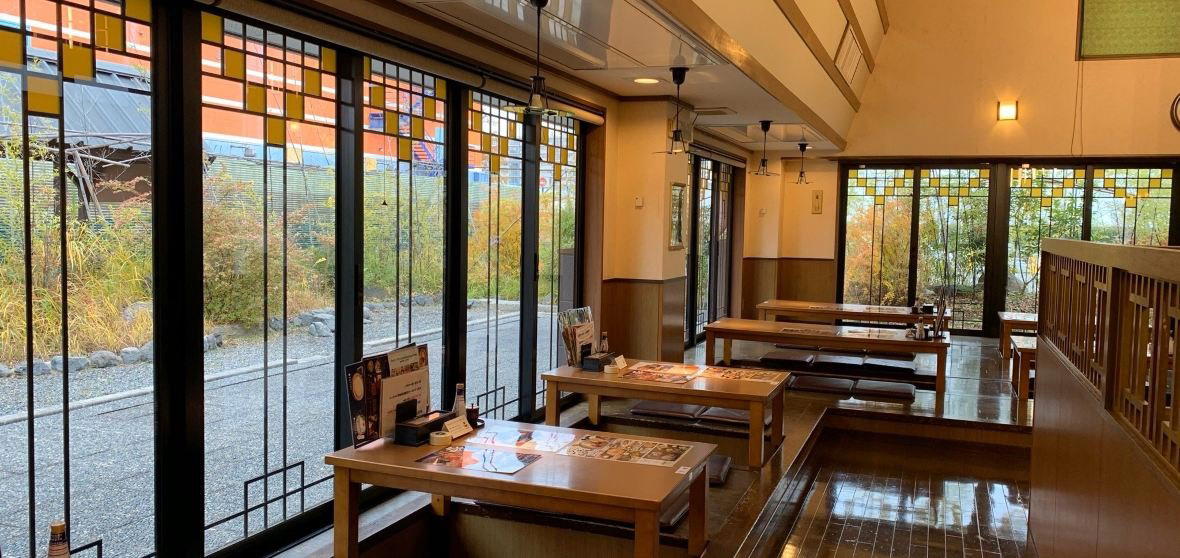
Restaurants in Ashiya
Browse all →


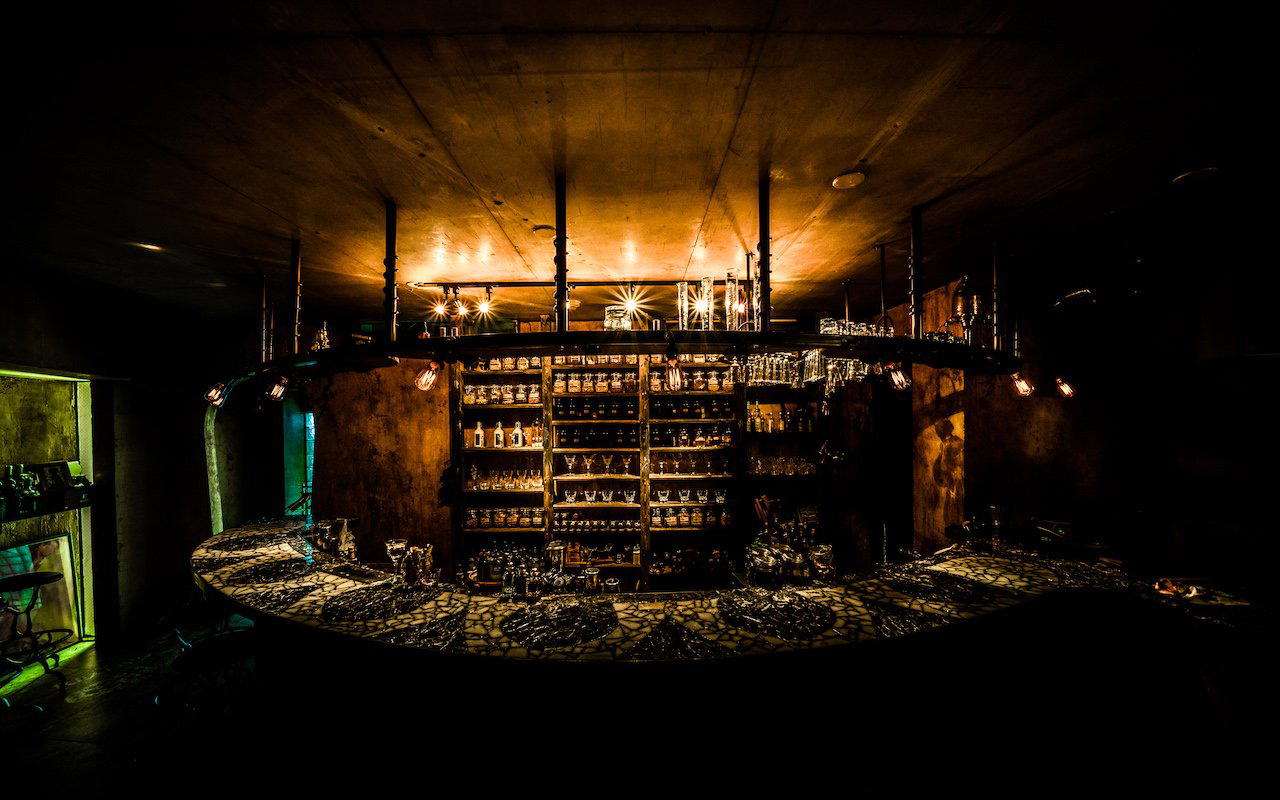
Bars in Ashiya
Browse all →


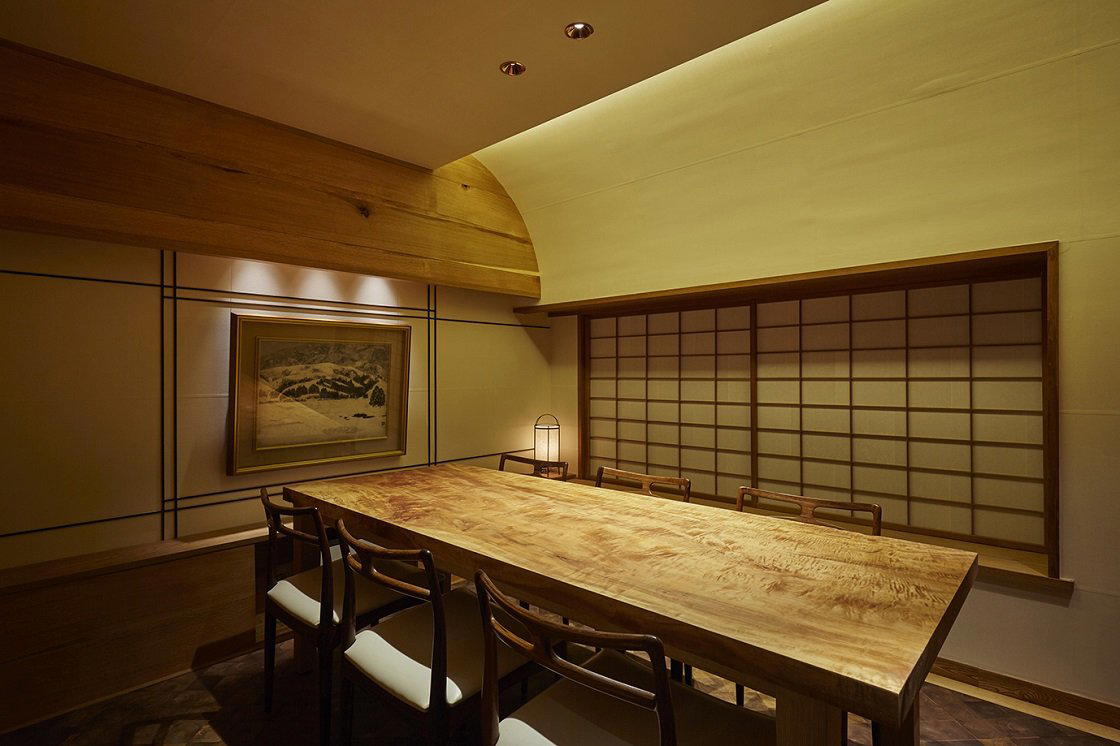
Hotels in Ashiya
Browse all →



Wineries in Ashiya
Browse all →
At a Glance
- Modern
- Elegant
- Sophisticated
- Quiet
- Date Night
- Business Dinner
- Group Dining
- Special Occasion
- Hotel Restaurant
- Private Dining
- Waterfront
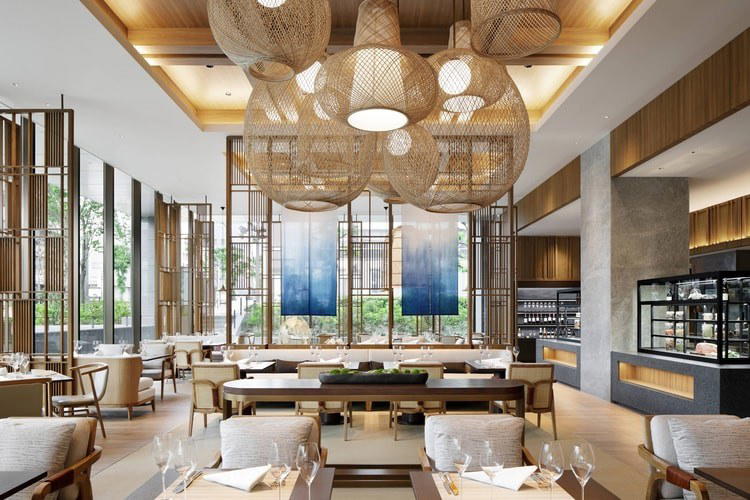
Modern, refined, and secluded, with a resort atmosphere designed around white and blue tones, marble, glass, and carefully selected furnishings.