
Ashiya’s soba culture rewards restraint, neighborhood regularity, and a shorter distance between craft and daily life than the destination dining circuits of Osaka or Kyoto. Do Sanjin Ashiya ten sits in that register: a 28-seat soba restaurant recognized in Tabelog’s Soba WEST 100 for 2025, with sake and shochu in support rather than a grand tasting-menu frame.
Pearl is the En Primeur Club membership app — saves, bookings, and concierge access live there. Same editors, same standards.
- Address
- Japan, 〒659-0072 Hyogo, Ashiya, Kawanishicho, 7−3−112
- Phone
- +81 797-35-8100
- Website
- r.gnavi.co.jp
- Directions
- Get directions
 Saves & bookings on Pearl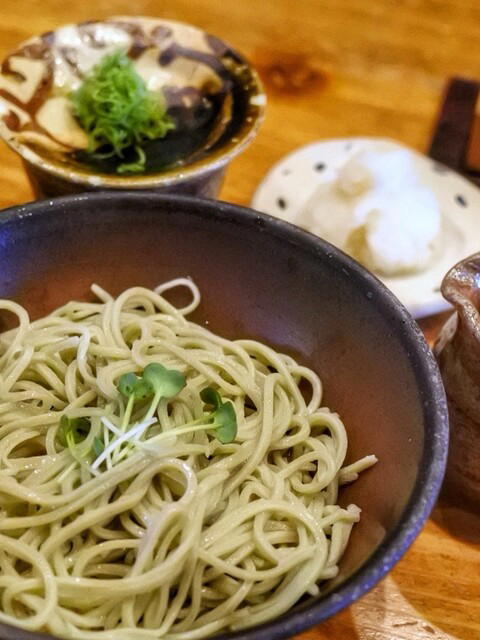
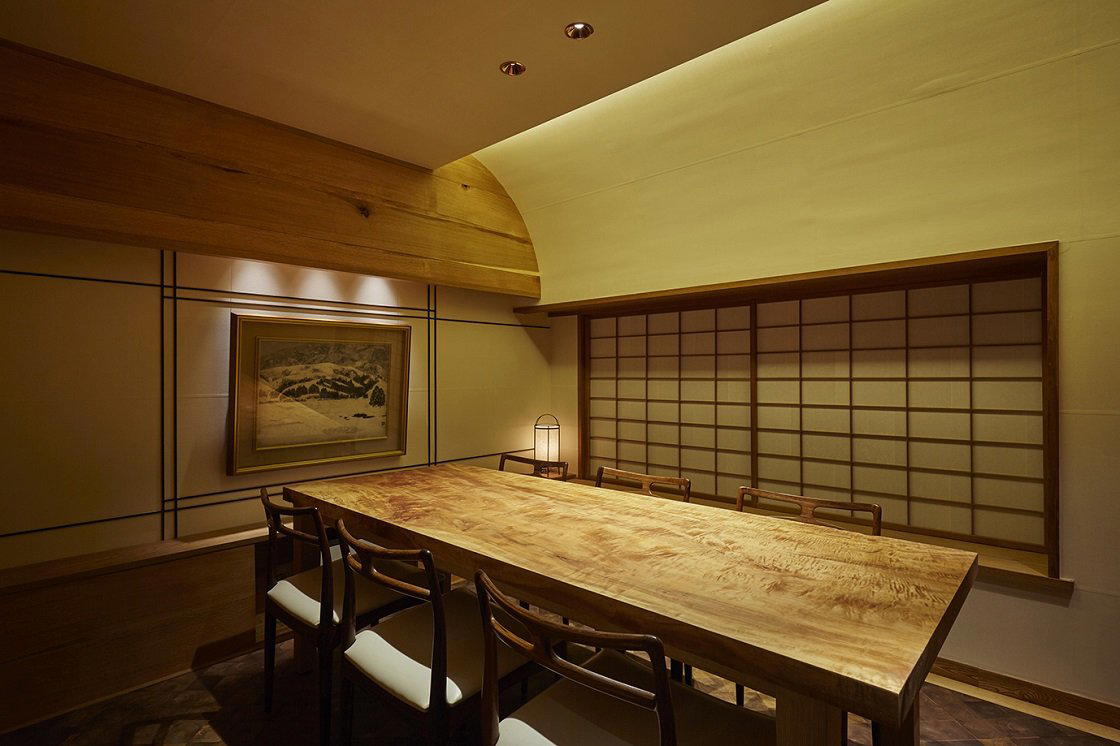
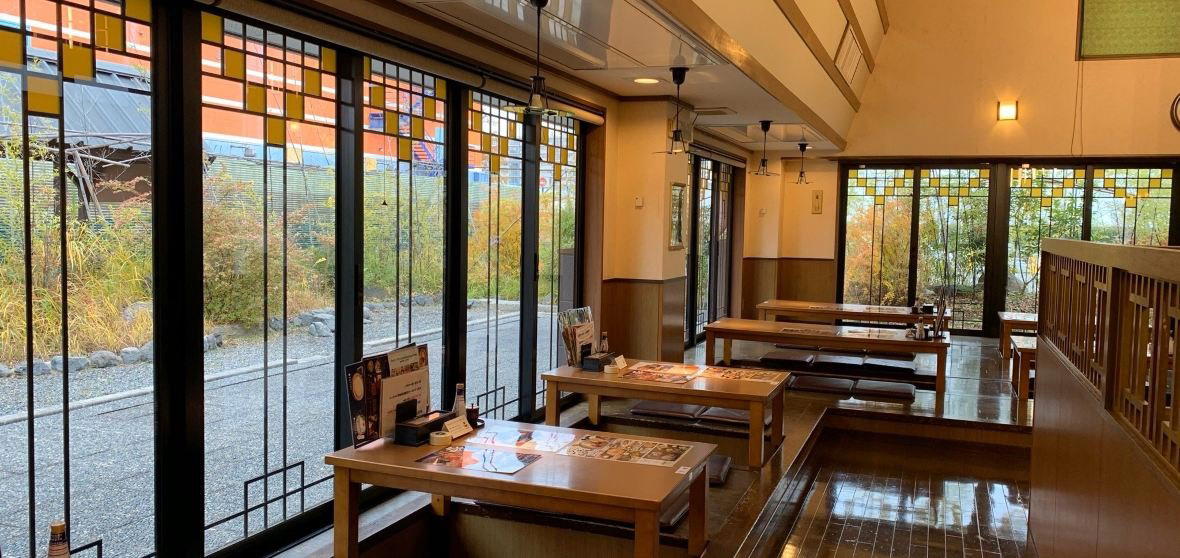
Approaching the quieter side of Ashiya, the restaurant reads less like a pilgrimage stop than a disciplined neighborhood room: compact, orderly, and calibrated for soba rather than spectacle. That matters in this part of Hyogo, where the dining rhythm is shaped by residents who know Osaka and Kobe well enough not to confuse expense with seriousness. Soba here is not a luxury performance. It is a test of proportion: grain, water, cut, broth, pace.
Do Sanjin Ashiya ten belongs to the small category of restaurants that make Ashiya useful to travelers who want a meal with local weight but not the formal machinery of a high-price counter. Its Tabelog Soba WEST 100 selection in 2025 places it among recognized buckwheat specialists in western Japan, a field where consistency usually counts for more than novelty. The restaurant’s Tabelog score of 3.67 and 28-seat scale put it in a different lane from Ashiya’s broader dining spread, which ranges from Thai cooking at Baan thai ASHIYA to higher-budget Japanese dining such as Kiichi. For a wider read on the city’s tables, use Our full Ashiya restaurants guide.
A soba room that fits Ashiya's quieter dining habits
Ashiya has long occupied a particular place between Kobe and Osaka: affluent, residential, and more discreet than either city’s central dining districts. That creates a useful environment for soba. The form does not need a skyline view or a chef’s theater to make sense. It benefits from repeat customers, short menus, and a room where lunch can be as serious as dinner. Do Sanjin Ashiya ten opened in 2002, and that longevity is not a decorative fact; in soba culture, duration often signals a kitchen that has survived daily scrutiny rather than media cycles.
The comparison inside Ashiya is instructive. A bakery such as BACKEREI BIOBROT and a French-rooted local name like Bigo no Mise Honten point to the city’s preference for specialist craft over high-volume novelty. Soba fits that pattern neatly. It is technical without requiring ceremony, seasonal without needing constant explanation, and modest enough in format to expose weak execution. The better rooms in this category tend to feel almost severe in their priorities: noodles first, supporting drinks second, atmosphere third.
That is also why the restaurant’s recognition in the 2025 Tabelog 100 Soba WEST list carries practical meaning. Tabelog’s Hyakumeiten lists are category-specific, and soba is a category where regional depth matters. Western Japan’s soba scene is not Tokyo’s, and the benchmark is not identical. In Kansai, a recognized soba room often has to serve both enthusiasts and neighborhood diners, balancing destination credibility with ordinary usability. Do Sanjin Ashiya ten sits inside that compromise rather than above it.
Buckwheat, sake, and the anti-spectacle meal
The cuisine category is soba, and that single word does a lot of work. Japanese buckwheat noodles are judged by texture, fragrance, cut, and how the dipping or soup base frames the grain. The form rewards precision but punishes overstatement. A soba meal can be brief, but it is not casual in the careless sense; the craft is in making restraint feel complete.
The drinks signal the same register. Sake and shochu are listed, which places the restaurant in the familiar soba-ya tradition where alcohol supports the meal rather than turns it into a bar program. In Japan, soba restaurants have long doubled as places for a measured drink before noodles, especially when the kitchen offers small accompaniments. Without naming dishes not publicly specified here, the useful point is structural: this is a restaurant built around a staple form with a drinking culture attached, not a multi-course restaurant that happens to serve noodles.
For travelers mapping Ashiya across categories, the city rewards narrow choices. A stay or spa-led meal at Choyuro Ashiya beiko-to kurabu hoteru&supa rizo-to serves a different occasion from a soba counter or table. Abon belongs to another dining mood again. The value of the restaurant is not that it tries to dominate the city’s restaurant conversation; it gives Ashiya a precise buckwheat address in a town where precision often matters more than flash.
Travelers building a broader itinerary can treat it as a local anchor rather than a full evening’s centerpiece. Ashiya is compact enough to pair food with a slower day in the Hanshin corridor, and EP Club’s city pages make that easier across formats: Our full Ashiya hotels guide, Our full Ashiya bars guide, Our full Ashiya wineries guide, and Our full Ashiya experiences guide give the surrounding context without forcing the meal to carry an entire trip.
How to read it against Japan's wider casual-specialist tier
Japan’s serious casual restaurants often make more sense by category than by city. A soba specialist in Ashiya, an onigiri counter in California, a sake bar in Los Angeles, and a curry specialist in Sapporo all belong to a broader dining logic: narrow format, clear identity, limited need for explanation. That is why comparisons such as Onigiri Time in Pasadena, Jōdo Saké Bar in Los Angeles, and [Curry Senmon Ten] Maruyama Kyoju. in Sapporo are useful in spirit, even when the cuisines are unrelated. The through-line is specialization at human scale.
That same lens helps separate useful travel meals from trophy meals. -Grilled beef Sukiyaki- KAMAKURA TANUKIAN 鎌倉 たぬき庵 in Kamakura. 鮪と炭火焼き うお炭 秋葉原店 in Tokyo.cafe in Osaka.know in Kumamoto, and (Shoku) Vietnam in Kawasaki all show how Japan’s dining map is full of category-led addresses that may matter more to a trip than another formal reservation. The restaurant should be read that way: a soba stop with recognized category credibility, a neighborhood fit, and enough structure to justify planning around it when Ashiya is already on the route.
A Lean Comparison
Comparable venues by cuisine and price in the same metro.
| Venue | Cuisine | Price | Notes |
|---|---|---|---|
| Do Sanjin Ashiya ten | Ashiya, Japanese Soba | $ | Not listed |
| Unfalo | Dining | Not listed | Not listed |
| Bigo no Mise Honten | Ashiya, Japanese Bakery | $ | Not listed |
| Pan Time | Not listed | $ | /null, Bakery & sandwich shop |
| Kiichi | Not listed | $$$$ | Omasucho, Ashiya, Traditional Sushi Omakase Counter |
| Shokudo Kifune | Not listed | $$ | Ashiya, Cozy Ashiya izakaya with deep-fried dishes and ramen |
Recognition history
Dated appearances from independent guides and award organizations, with the underlying list record or original source where available.
Tabelog 100 #26 · No. 26
Tabelog · Tabelog 100 - Soba - WEST - 2025
Continue exploring
More in Ashiya
Restaurants in Ashiya
Browse all →

Bars in Ashiya
Browse all →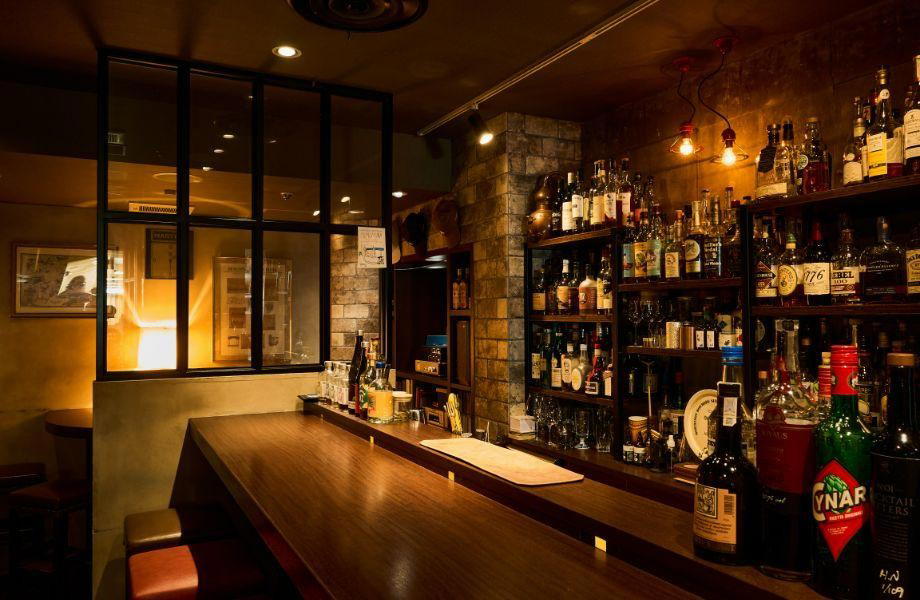
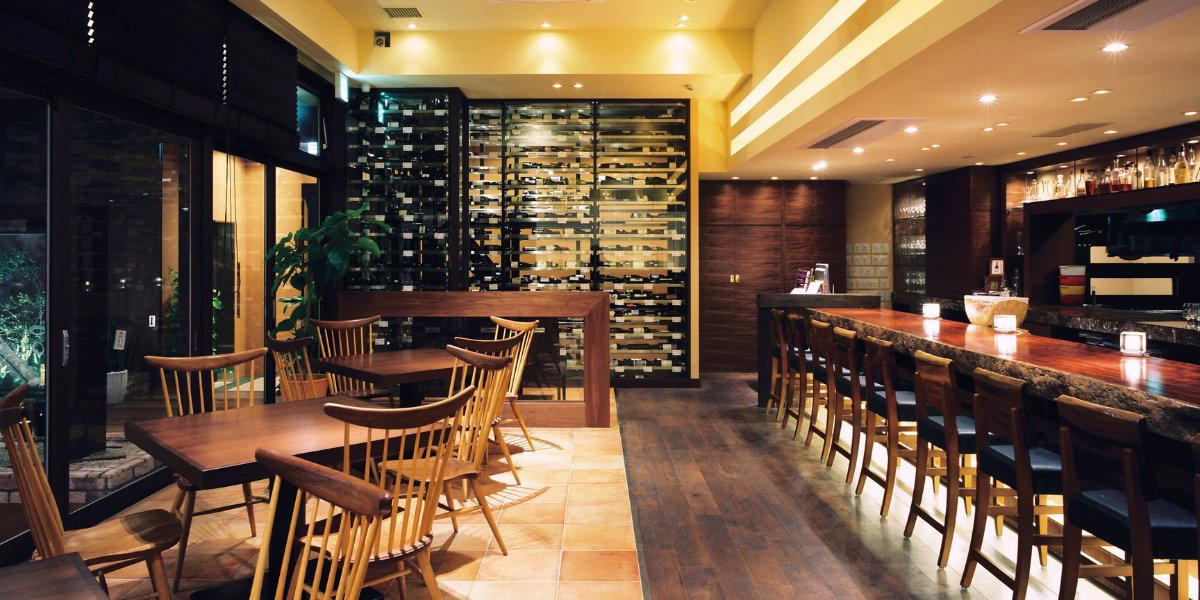
Hotels in Ashiya
Browse all →


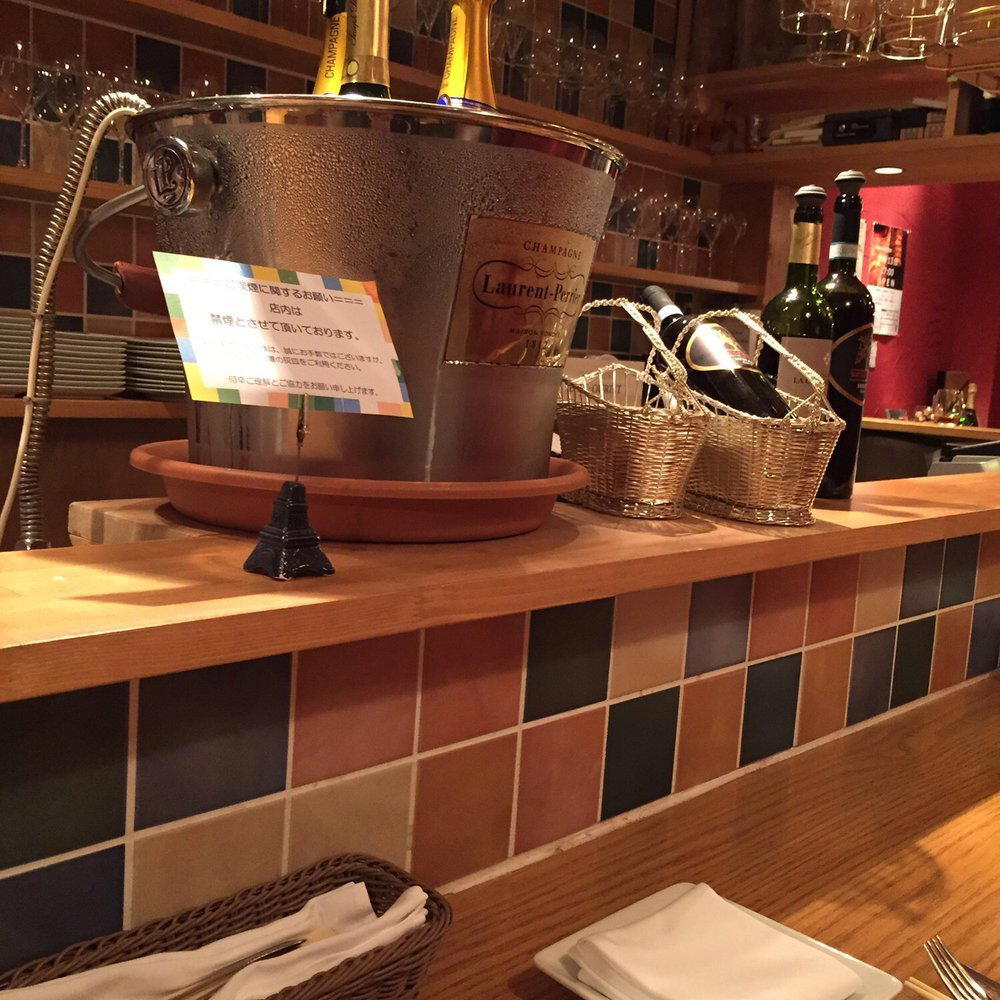
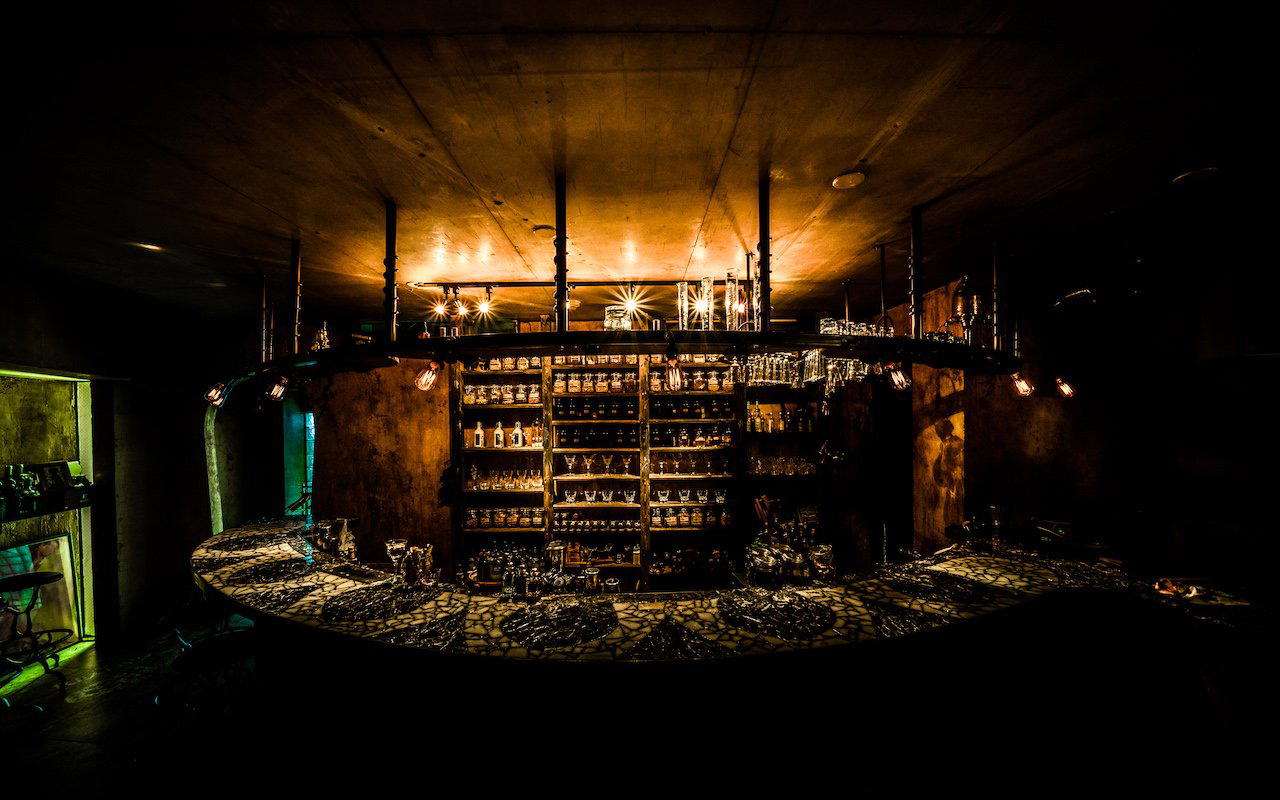
Wineries in Ashiya
Browse all →

At a Glance
- Quiet
- Cozy
- Classic
- Solo
- Casual Hangout
- Group Dining
- Standalone
Current opening hours
- Monday
- Closed
- Tuesday
- 11:30 AM–3 PM, 5:30–10 PM
- Wednesday
- 11:30 AM–3 PM
- Thursday
- 11:30 AM–3 PM, 5:30–10 PM
- Friday
- 11:30 AM–3 PM, 5:30–10 PM
- Saturday
- 11:30 AM–3:30 PM, 5:30–10 PM
- Sunday
- 11:30 AM–3:30 PM, 5:30–10 PM
Hours can change for holidays and private events. Last verified .
Simple, compact, and casual rather than polished or formal, with a quiet neighborhood-soba-shop feel.