
BACKEREI BIOBROT brings Ashiya’s bakery culture into a stricter whole-grain register: organic ingredients, stone-milled pesticide-free whole wheat for nearly every bread, and a takeout-only format that keeps the focus on daily loaves rather than café theatre. Its Tabelog Bread WEST “Tabelog 100” selections in 2017, 2018, 2019, 2020 and 2022 place it inside western Japan’s serious bread conversation, not simply the neighbourhood breakfast circuit.
Pearl is the En Primeur Club membership app — saves, bookings, and concierge access live there. Same editors, same standards.
- Address
- Japan, 〒659-0062 Hyogo, Ashiya, Miyazukacho, 14−14 パークレジデンス 101
- Phone
- +81 797-23-8923
- Website
- bread-lab.com
- Directions
- Get directions
 Saves & bookings on Pearl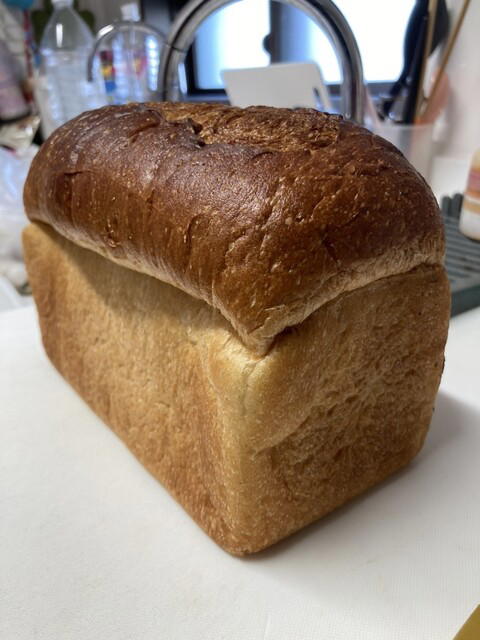
A small Ashiya bakery changes a morning differently from a restaurant reservation. The encounter is quicker, practical and revealing: shelves, bags, regulars, and what bread culture means in a city long shaped by European baking through Kansai’s port-facing tastes. BACKEREI BIOBROT belongs to that quieter register. It is takeout-only, priced in the everyday bakery bracket, and built on a disciplined premise: organic ingredients, with all breads except Yamashoku made from whole wheat flour ground on a stone mill in the workshop using 100% pesticide-free whole wheat, husks included.
That detail matters because Japanese bread culture often splits between softness and structure. Mainstream affection for shokupan, cream buns and convenience-store bakery shelves has made tenderness a national virtue, while serious independent bakeries push toward longer fermentation, darker flour, country-style loaves, rye, seeds and the grain-forward habits of German and central European baking. In Ashiya, where affluent residential life supports patisserie and specialist bread shops, the whole-grain position reads less like wellness branding than a deliberate counterweight to polished pastry culture.
Whole wheat as Ashiya's counterpoint to polished Kansai pastry
Western Japan’s bakery scene has technical range, but Ashiya gives it a particular social frame. Between Kobe and Nishinomiya, it inherits Kobe’s long history of European bread and confectionery, yet remains residential enough for bakeries to become domestic routine rather than tourist performance. Here, a bakery focused on natural-farming bread plays a different role from a dessert counter or hotel dining room. It is about pantry habits, morning purchases and a loaf that must justify itself over several meals.
The Tabelog Bread WEST “Tabelog 100” selection in 2022, with earlier Bread “Tabelog 100” selections in 2017, 2018, 2019 and 2020, gives the shop an external marker. Tabelog’s Hyakumeiten lists tend to reward category depth rather than broad luxury signals, so inclusion in the bread category places BACKEREI BIOBROT among bakeries judged for craft and local pull. Its 3.83 Tabelog score reinforces that position without making it a formal dining proposition. The point is not ceremony; it is a bakery that has entered the regional canon while staying in a sub-¥1,000 price band.
The comparison inside Ashiya is instructive. Pan Time operates in a similar everyday price bracket, while patisserie plein occupies a slightly higher sweets-and-pastry register. Shokudo Kifune and Tempura Sakurabito follow a different spending pattern, the former in mid-to-high Japanese dining and the latter in formal tempura. Together, the city’s better-known tables show Ashiya supports both daily craft and occasion dining. Bread is not a lesser category; it is the baseline showing how demanding a neighbourhood can be before dinner enters the conversation.
A takeout bakery with restaurant-level discipline
Format is stripped back: no dining room, private rooms, credit cards, electronic money or QR-code payments. That would feel austere in a fashionable café district, but suits a bakery defined by milling and ingredients rather than seating and service choreography. Without a café layer, expectations change. This is not for lingering over plated brunch; it is a shop to fold into an Ashiya morning, especially for travellers using the city as a quieter base between Kobe and Osaka.
Reservations are available only by phone on the day of the visit, an unusual but useful signal for a bakery with a following. Popular items can move early, so the safest approach is to treat it as a morning stop rather than a late-afternoon errand. The listed schedule also narrows the window, with service concentrated around four days of the week. In a category where freshness and production volume are inseparable, those constraints are part of the experience, not an afterthought.
There is Japanese specificity to the health-and-wellness framing. “Organic” and “natural farming” can sound generic in English, but in Japan they sit within a broader conversation about traceability, grain quality and the relationship between Western baking techniques and domestic eating habits. Whole wheat with husks included brings texture and nutrition into one decision. The named exception, Yamashoku, is equally telling: Japanese mountain-shaped loaf bread remains culturally central enough to occupy its own lane, even inside a bakery otherwise committed to whole-grain production.
How to place it in an Ashiya food day
For a visitor, BACKEREI BIOBROT works better as a hinge than a headline. Pair it with a wider walk through Ashiya’s residential food culture, then save formal dining for later. Bigo no Mise Honten gives another angle on the city’s European baking inheritance, while Do Sanjin Ashiya ten moves the day toward soba and Japanese craft. For a broader restaurant map, Our full Ashiya restaurants guide is the better planning layer.
The same logic applies across categories. Ashiya’s appeal is cumulative: bakery, patisserie, soba, hotel dining, and the quiet confidence of a wealthy commuter city that does not need to perform scale. Abon, Baan thai ASHIYA and Choyuro Ashiya beiko-to kurabu hoteru&supa rizo-to all point to different readings of the city’s dining habits. For overnight context, use Our full Ashiya hotels guide; for drinking and non-restaurant planning, see Our full Ashiya bars guide, Our full Ashiya wineries guide and Our full Ashiya experiences guide.
Travellers building a wider Japan food itinerary can treat this bakery as a reminder that serious eating is not confined to tasting menus. Regional specificity also appears in places as different as -Grilled beef Sukiyaki- KAMAKURA TANUKIAN 鎌倉 たぬき庵 in Kamakura. 鮪と炭火焼き うお炭 秋葉原店 in Tokyo.cafe in Osaka.know in Kumamoto, (Shoku) Vietnam in Kawasaki and [Curry Senmon Ten] Maruyama Kyoju. in Sapporo. For Japanese food culture abroad, Jōdo Saké Bar in Los Angeles and Onigiri Time in Pasadena show how everyday formats travel and change outside Japan.
The editorial case is clear: this is a bakery for readers who care about grain, milling and the habits below fine dining. Its awards history supplies the credential; the whole-wheat production method supplies the reason to pay attention. In Ashiya, that combination says more about the city than a louder room would.
Price and Positioning
Nearby venues at a similar price tier for orientation.
| Venue | Cuisine | Price | Notes |
|---|---|---|---|
| BACKEREI BIOBROT | Not listed | $$ | /Miyazukacho, Organic German-style bakery |
| Pan Time | Not listed | $ | /null, Bakery & sandwich shop |
| Shokudo Kifune | Not listed | $$ | Ashiya, Cozy Ashiya izakaya with deep-fried dishes and ramen |
| Baan thai ASHIYA | Kawanishicho, Authentic Thai Restaurant | $$ | Not listed |
| Unfalo | Dining | Not listed | Not listed |
| イタリア料理 今井 | Not listed | $$$$ | Ashiya, Japanese-Infused Italian Fine Dining |
Recognition history
Dated appearances from independent guides and award organizations, with the underlying list record or original source where available.
Tabelog 100 #51 · No. 51
Tabelog · Tabelog 100 - Bread - WEST - 2022
Continue exploring
More in Ashiya
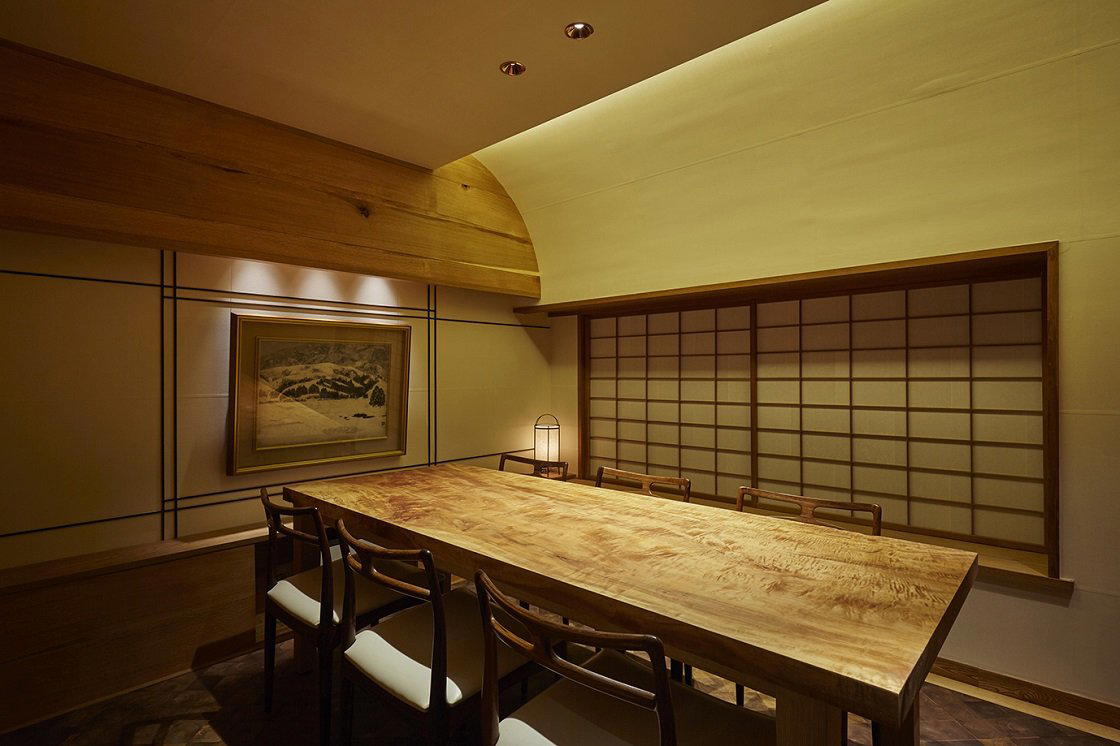
Restaurants in Ashiya
Browse all →



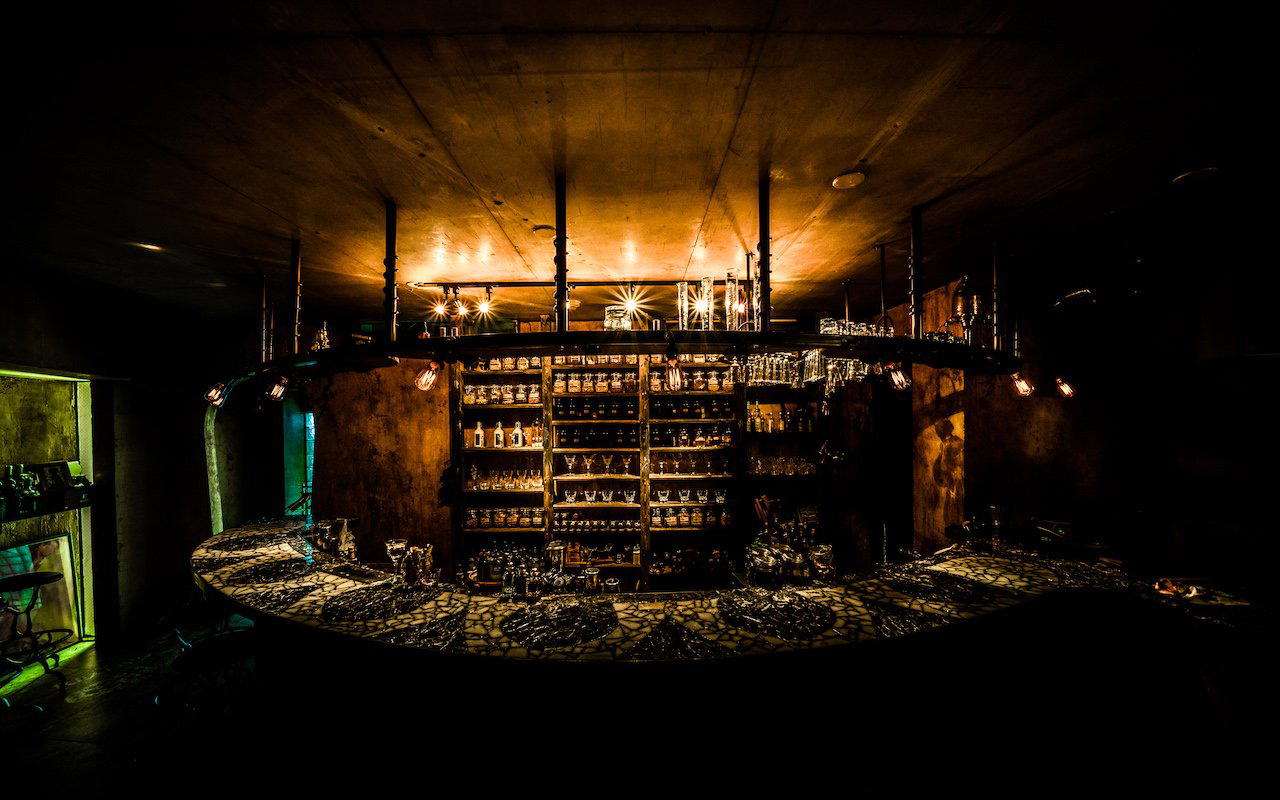
Bars in Ashiya
Browse all →



Hotels in Ashiya
Browse all →




Wineries in Ashiya
Browse all →

At a Glance
- Cozy
- Rustic
- Solo
- Family
- Casual Hangout
- Standalone
- Organic
Current opening hours
- Monday
- 9 AM–5 PM
- Tuesday
- Closed
- Wednesday
- Closed
- Thursday
- Closed
- Friday
- 9 AM–5 PM
- Saturday
- 9 AM–5 PM
- Sunday
- 9 AM–5 PM
Hours can change for holidays and private events. Last verified .
A small, takeout-focused artisan bakery with a warm, simple interior; shelves lined with loaves and pastries, non-smoking, and a calm, residential atmosphere that feels like a neighborhood bread shop rather than a café.