
Cho occupies the second floor of a Sanmin District address and holds a 2024 Michelin Plate, placing it among Kaohsiung's recognized modern cuisine tables. The kitchen works at the intersection of global technique and Taiwanese produce, presenting familiar international formats through local ingredients.
Pearl is the En Primeur Club membership app — saves, bookings, and concierge access live there. Same editors, same standards.
- Address
- 807, Taiwan, Kaohsiung City, Sanmin District, Jiuru 1st Rd, 815號2樓
- Phone
- +886 7 974 1218
- Website
- ssaw.com.tw
- Directions
- Get directions
 Saves & bookings on Pearl
Second Floor, Sanmin District: The Room Before the Meal
Arriving on Jiuru 1st Road in Kaohsiung's Sanmin District, the address itself signals something about the restaurant's orientation. Cho occupies the second floor of a commercial building, a format that separates the space from street noise and frames the meal as a deliberate choice rather than a walk-in decision. The physical remove sets a tone before any food arrives.
Where Kaohsiung's Modern Cuisine Scene Sits in 2024
Kaohsiung has built a credible fine and near-fine dining tier over the past decade, and the 2024 Michelin Guide Taiwan formalized some of that progress. The city's recognized restaurants now span a clear price and ambition spectrum: Sho (Japanese) and GEN (Cantonese) hold one Michelin Star each at the $$$$ tier, while Haili earned a Michelin Star at the $$$ price point, demonstrating that recognized quality does not require the city's highest price bracket. Cho, also at $$$, carries a 2024 Michelin Plate and fits into that mid-tier bracket alongside peers who are competing on technique and sourcing rather than ceremony and room spend.
For readers building a Kaohsiung dining programme, that distinction matters. Cho's. Compare that to Anchovy (European Contemporary) or the approachable Taiwanese register of A Fung's Harmony Cuisine, and Cho occupies a specific niche: international-method cooking at a price point that sits below the city's starred ceiling.
Local Ingredients, Global Technique: The Format That Defines Cho's Kitchen
Modern cuisine as a Michelin category is, by design, broad. It covers kitchens where the organizing logic is method and produce integration rather than national tradition. In Taiwan, that format has found particularly fertile ground, because the island's agricultural and coastal supply is genuinely diverse and largely underrepresented in international fine dining. The approach taken at kitchens classified under this label tends to run in one of two directions: either the technique is used to highlight the ingredient, or the ingredient is used as raw material for demonstrating the technique. The more compelling version usually does the former.
Taiwan's culinary geography gives kitchens in Kaohsiung access to produce that northern restaurant scenes pay import premiums for. The island's subtropical south generates fruit, vegetables, and proteins that carry strong regional identity, and the port city's proximity to the Taiwan Strait means marine supply is a genuine competitive advantage. Kitchens applying French or contemporary European structure to that supply are working in the same territory as restaurants like JL Studio in Taichung or logy in Taipei, both of which have demonstrated that Taiwan's produce can carry international-format tasting menus without the ingredient feeling subordinated to the method. Cho's classification in that broader conversation reflects where Kaohsiung's ambition is pointing.
The technique-meets-terroir model also connects Cho to a longer global tradition. Restaurants like Frantzén in Stockholm and Maison Lameloise in Chagny have built reputations on precisely this argument, that classical or refined technique becomes most interesting when it is in genuine dialogue with where the food comes from rather than imposing a grammar onto neutral ingredients. That FZN by Björn Frantzén in Dubai exports that same model globally shows how transferable the format is. In Kaohsiung's context, Cho is making a version of that argument at a price point that keeps the conversation accessible.
Cho in the Wider Taiwan Dining Context
Kaohsiung does not operate in isolation from Taiwan's national dining conversation. The island's restaurant culture runs from the kind of hyper-specific regional tradition embodied by A Cun Beef Soup in Tainan to the indigenous-ingredient focus of Akame in Wutai Township, and the modern cuisine category sits in deliberate dialogue with both ends of that spectrum. Kaohsiung's own diverse food history, shaped by Hakka and Hokkien migration, Japanese colonial influence, and a working port culture, gives its modern kitchens a wider ingredient and reference palette than many cities its size.
Cho's Michelin Plate recognition in 2024 places it in a cohort of Taiwanese restaurants that are doing something worth tracking, even if the full starred tier is the more discussed group. Cho provides a Kaohsiung-specific data point in that broader dining picture.
Planning a Visit
Cho is located at 815, 2nd Floor, Jiuru 1st Road, Sanmin District, Kaohsiung City 807. The $$$ price positioning puts it below the $$$$ ceiling of Kaohsiung's starred restaurants, making it a reasonable entry point into the city's recognized dining tier without the full commitment of a starred-room spend. Given the Michelin Plate recognition and the 4.8 rating across 249 Google responses, table availability at peak times should be confirmed well in advance rather than assumed.
Budget Reality Check
Comparable venues nearby, for context on price, style, and recognition.
| Venue | Cuisine | Price | Awards | Notes |
|---|---|---|---|---|
| ChoThis venue — the venue you are viewing | Sanmin District, Modern Cuisine | $$$ | Michelin Plate | Not listed |
| Temperature Studio | Gangshan District, Modern Fusion Omakase | $$$ | Michelin Plate | Not listed |
| MU | Not listed | $$$ | Michelin Plate | Xinxing Dist., Asian Fusion Seasonal Cuisine |
| Paul's Canteen | Not listed | $$$ | Michelin Plate | Lingya District, Refined Taiwanese with Cantonese Twists |
| Crab's House | Not listed | $$$ | Michelin Plate | Xinxing District, Taiwanese Seafood with Penghu Crabs |
| Xiantaosu | Not listed | $$$ | Michelin Plate | Gushan District, Modern Taiwanese Vegetarian |
Recognition history
Dated appearances from independent guides and award organizations, with the underlying list record or original source where available.
Michelin Plate
Michelin
Michelin Plate
Michelin
Continue exploring
More in Kaohsiung
Restaurants in Kaohsiung
Browse all →
Bars in Kaohsiung
Browse all →
At a Glance
- Trendy
- Modern
- Elegant
- Date Night
- Special Occasion
- Private Dining
- Local Sourcing
Current opening hours
- Monday
- 12–2 PM, 6–9:30 PM
- Tuesday
- Closed
- Wednesday
- 12–2 PM, 6–9:30 PM
- Thursday
- 12–2 PM, 6–9:30 PM
- Friday
- 12–2 PM, 6–9:30 PM
- Saturday
- 12–2 PM, 6–9:30 PM
- Sunday
- 12–2 PM, 6–9:30 PM
Hours can change for holidays and private events. Last verified .
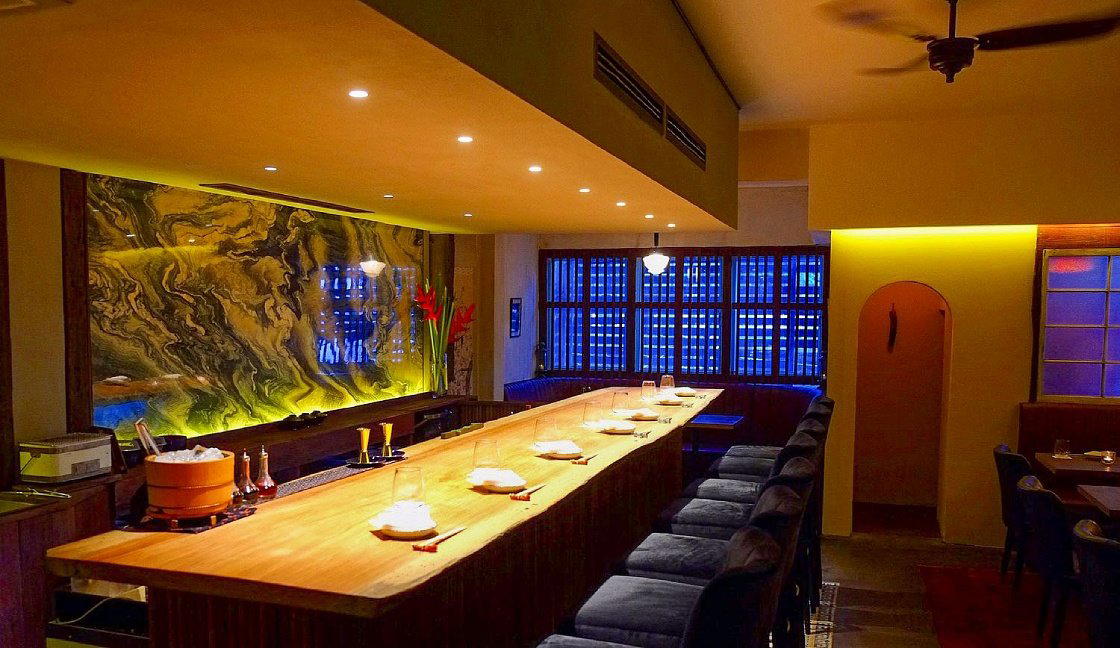
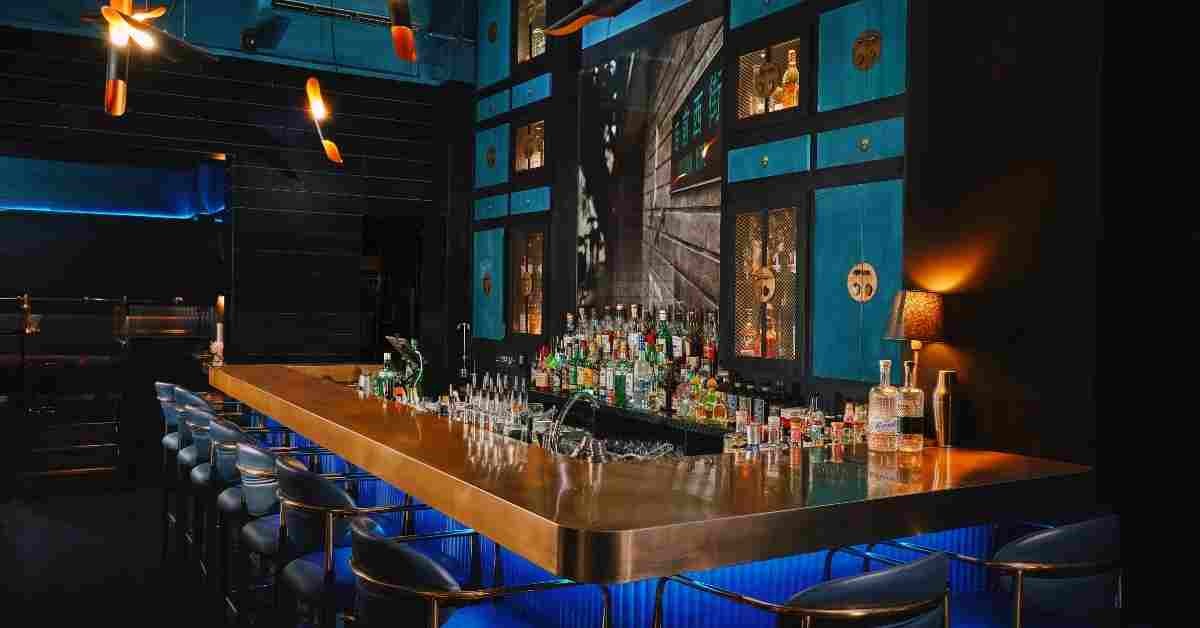
Pristine space in brick-red hues with trendy pendant lamps.