
Chinese Sairyu places hotel Chinese dining inside Yokohama’s station-centred food culture rather than the city’s Chinatown script. Its Tabelog Chinese EAST “Tabelog 100” 2026 selection, 140-seat scale, private-room format, and fish-conscious menu signals make it a polished choice for business meals, family occasions, and travellers who want Chinese cooking without leaving the Yokohama Station orbit.
Pearl is the En Primeur Club membership app — saves, bookings, and concierge access live there. Same editors, same standards.
- Address
- Japan, 〒220-0004 Kanagawa, Yokohama, Nishi Ward, Kitasaiwai, 1 Chome−3−23 横浜ベイシェラトン ホテル&タワーズ 3F, 西区
- Phone
- +81 45-411-1144
- Website
- yokohama-bay-sheraton.jp
 Saves & bookings on Pearl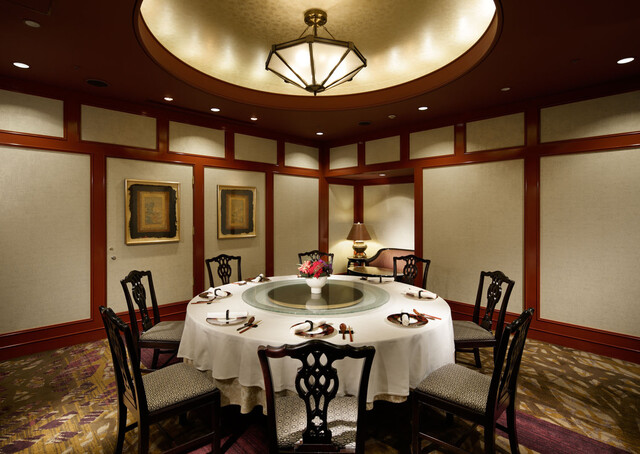
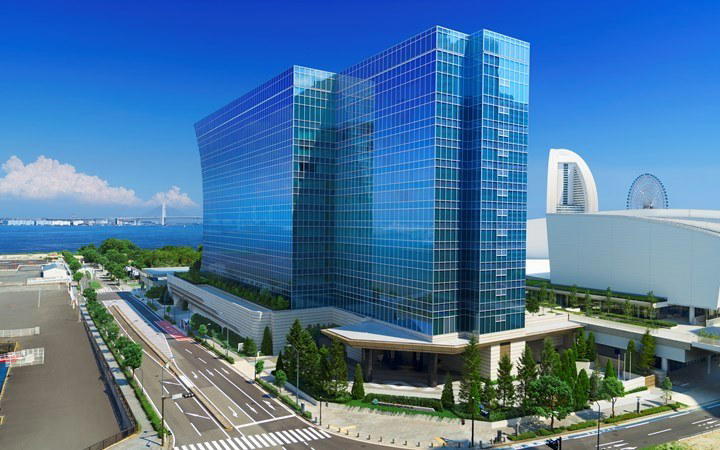
The approach is pure Yokohama Station pragmatism: glass, hotel corridors, lift doors, and the quick shift from transit hub to formal dining room. Chinese Sairyu (Yokohama Bay Sheraton Hotel & Towers) belongs to a strand of Japanese Chinese dining that is less about street-market theatre and more about controlled service, broad seating, and menus built for groups who need comfort, privacy, and precision in the same sitting.
Yokohama’s Chinese-food identity is usually read through Chinatown, where density, signage, and snack-led movement define the experience. The station-side hotel room offers a different argument. It treats Chinese cuisine as occasion dining, with enough range for business tables, families, and mixed-generation meals, and enough structure to suit diners who want a managed room rather than a roaming neighbourhood crawl. That distinction matters in Yokohama, a city where Chinese cooking is both civic memory and everyday dining category.
Station-side Chinese dining with a sourcing brief that favours fish
The useful signal here is not a named chef narrative, but the kitchen’s stated orientation: Chinese and tantan-men categories, a fish-conscious food program, and a health-and-wellness menu alongside a drinks range that spans sake, shochu, wine, and cocktails. In Japan, hotel Chinese restaurants often serve as translation points between regional Chinese technique and local expectations around seasonality, seafood, lighter pacing, and celebratory service. The fish emphasis places this room closer to Yokohama’s port-city logic than to heavier banquet stereotypes.
That sourcing angle is also why the restaurant reads differently from quick-service Chinese counters around major stations. The meal is not built around speed alone. A large dining room can carry multi-course ordering, private rooms, and all-you-can-drink or all-you-can-eat formats without forcing every guest into the same rhythm. The result is a more flexible version of Chinese dining: formal enough for a client lunch, relaxed enough for a family table, and broad enough for diners who want noodles rather than a full banquet.
Recognition sharpens the context. The restaurant was selected for Tabelog Chinese EAST “Tabelog 100” in 2026, with earlier selections listed for 2024, 2023, and 2021. That does not make it a tiny counter or a chef’s-table cult address; it puts a sizeable hotel restaurant into a curated regional Chinese category where consistency, breadth, and repeatable execution carry weight. A Tabelog score of 3.71 reinforces the same point: this is a high-performing station-area Chinese room, not a casual fallback inside a hotel.
Why Yokohama Station changes the meal
Location shapes dining behaviour. Around Yokohama Station, meals often have to absorb railway timing, department-store shopping, hotel stays, and office schedules. That is a different social function from Chinatown, where the neighbourhood itself is usually the point. Here, the value lies in control: direct station-area access, a non-smoking room, wheelchair access, free Wi-Fi, sofa seating, and private rooms for groups from four to 30 people. Those details explain the restaurant’s audience better than any grand claim about atmosphere.
Scale is part of the editorial story. A 140-seat Chinese restaurant inside a major hotel operates in a different competitive lane from compact neighbourhood specialists. It can host celebrations, corporate meals, children, strollers, and longer parties, while maintaining the baseline expectations of hotel hospitality. For travellers, that matters after a day crossing Tokyo Bay, Kamakura, Minato Mirai, or Hakone connections. For locals, it makes the restaurant a practical station anchor when privacy and ease outweigh novelty.
The comparison set around Yokohama shows the range. DORER and Italiano Jerato Ya sit in a low-price snack-and-dessert bracket, while Napule Yokohama Takashimaya ten and TRATTORIA FRANCO represent accessible Italian dining near retail flows. Chinese Sairyu sits above those casual patterns in spend and formality, closer to planned dining than incidental refuelling. That price-and-format gap is the reason it should be judged against hotel Chinese rooms and occasion restaurants, not against station sweets, quick lunches, or department-store detours.
How to read the room before choosing it
This is the right kind of address when the brief includes Chinese cuisine, reliable service infrastructure, and a group-friendly setting near Yokohama Station. It is less persuasive for diners seeking a compact chef-led counter or a late-night neighbourhood bar mood. The strongest use case is a meal where the table matters: business, family, celebrations, or travellers staying nearby who want Chinese cooking with hotel-level logistics and enough menu breadth to handle mixed appetites.
Allergy policy deserves attention because it affects planning more than style. The restaurant states that it can provide information about 28 specified ingredients when contacted in advance, but it does not accommodate special allergy requests and notes the risk of trace allergen contact in a shared kitchen. That is a practical boundary, not a footnote, and it makes the venue less suitable for diners requiring strict allergy modification.
For a wider Yokohama dining map, start with Our full Yokohama restaurants guide, then compare category moods through 1000 (Yakitori (Grilled chicken skewers)), Aichun, Ajowan, and Alpenjiro Honten. Broader Japan planning can fold in Anzen Shokudo, -Grilled beef Sukiyaki- KAMAKURA TANUKIAN 鎌倉 たぬき庵 in Kamakura. 鮪と炭火焼き うお炭 秋葉原店 in Tokyo.cafe in Osaka.know in Kumamoto, (Shoku) Vietnam in Kawasaki, and [Curry Senmon Ten] Maruyama Kyoju. in Sapporo. For city context beyond restaurants, use Our full Yokohama hotels guide, Our full Yokohama bars guide, Our full Yokohama wineries guide, and Our full Yokohama experiences guide; outside Japan, Jōdo Saké Bar in Los Angeles and Onigiri Time in Pasadena show how Japanese dining references travel into American city settings.
Side-by-Side Snapshot
Side-by-side context: comparable cuisine and price.
| Venue | Cuisine | Price | Notes |
|---|---|---|---|
| Chinese Sairyu (Yokohama Bay Sheraton Hotel & Towers)This venue — the venue you are viewing | Modern Cantonese Chinese | $$$ | Not listed |
| SUIRINKAKU | Nouvelle Chinese fine dining in Yokohama Bashamichi | $$$ | Naka |
| Sichuan Restaurant Chin Yokohama ten | Upscale Sichuan (Szechwan) Chinese | $$$ | Nishi |
| Banri | Chinese Dumplings | $$ | Naka |
| Kasei Rou Yokohama chuukagai shinkan baiten | Traditional Chinese sweets & pork buns shop | $ | Naka |
| Ganso Juhachiban | Casual Chinese Dumpling House | $ | Naka |
Recognition history
Dated appearances from independent guides and award organizations, with the underlying list record or original source where available.
Tabelog 100 #22 · No. 22
Tabelog · Tabelog 100 - Chinese cuisine - EAST - 2026









At a Glance
- Modern
- Elegant
- Sophisticated
- Classic
- Business Dinner
- Group Dining
- Celebration
- Private Event
- Special Occasion
- Private Dining
- Hotel Restaurant
- Design Destination
- Beer Program
Current opening hours
- Monday
- 11:30 AM–3:30 PM, 5:30–10 PM
- Tuesday
- 11:30 AM–3:30 PM, 5:30–10 PM
- Wednesday
- 11:30 AM–3:30 PM, 5:30–10 PM
- Thursday
- 11:30 AM–3:30 PM, 5:30–10 PM
- Friday
- 11:30 AM–3:30 PM, 5:30–10 PM
- Saturday
- 11:30 AM–4 PM
- Sunday
- 11:30 AM–4 PM
Hours can change for holidays and private events. Last verified .
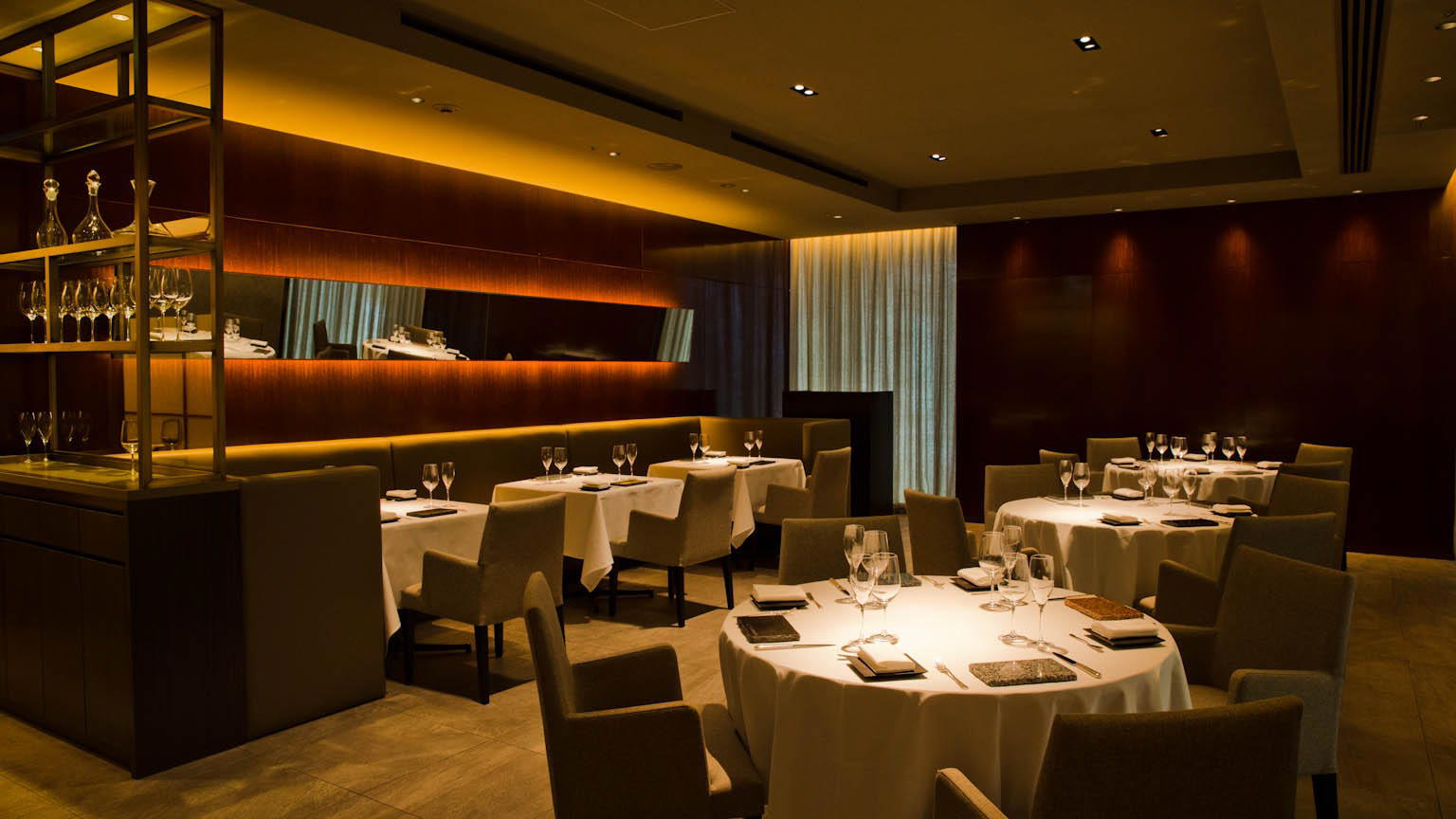
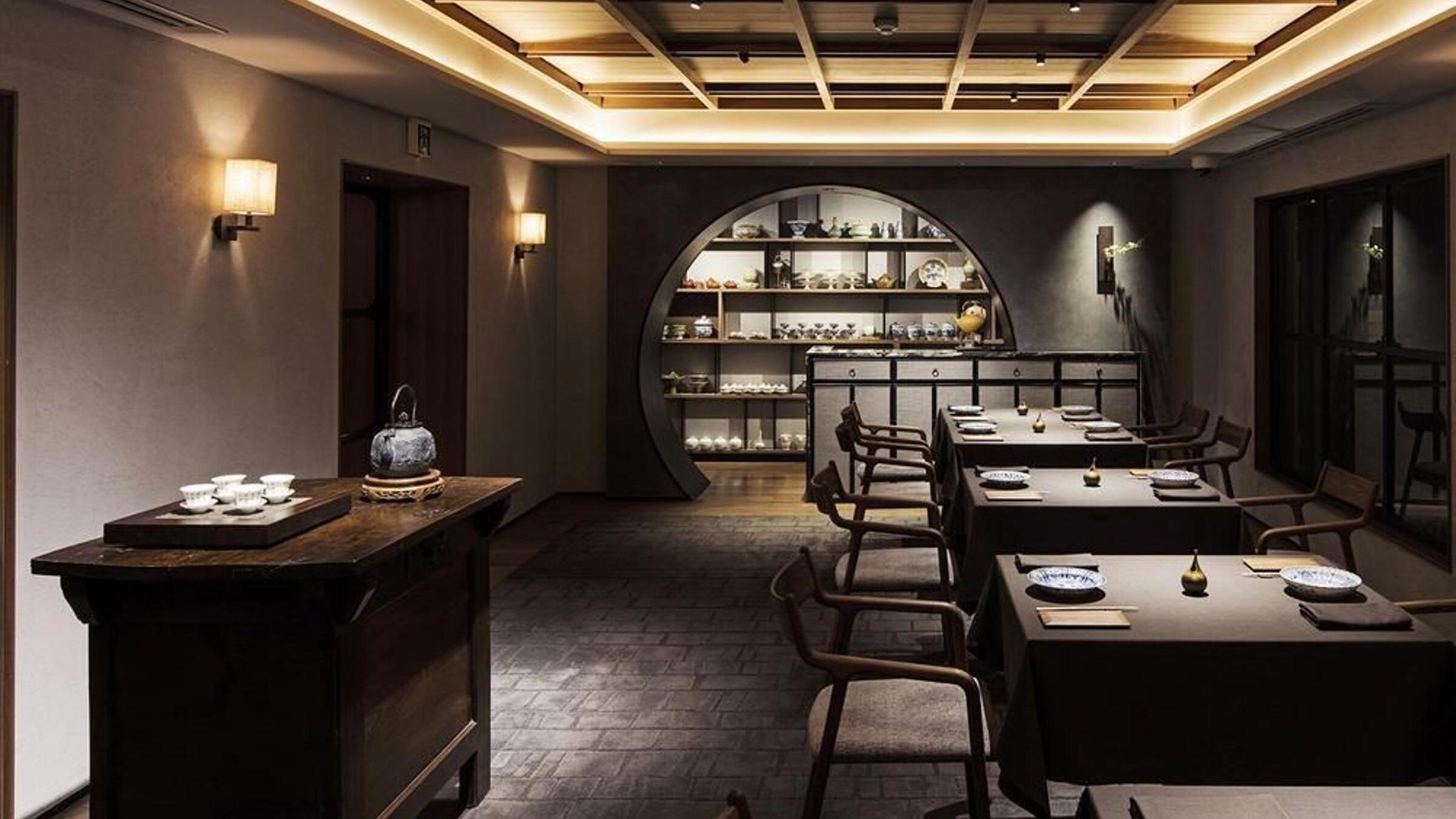
A quiet, polished hotel-restaurant atmosphere with a modern and luxurious feel, suited to formal dining and private occasions.