Chinese Ryuen

Chinese Ryuen gives Kitagunma-gun a serious Chinese table outside Japan’s major dining corridors, with Tabelog Chinese EAST “Tabelog 100” selections in 2023, 2024, and 2026. The appeal is not trophy-room luxury; it is regional accessibility, group-friendly dining, and a price tier that keeps the cooking tied to local routine rather than destination-only ceremony.
Pearl is the En Primeur Club membership app — saves, bookings, and concierge access live there. Same editors, same standards.
- Address
- 3476-1 Okubo, Yoshioka, Kitagunma District, Gunma 370-3602, Japan
- Phone
- +81 279-26-7644
- Website
- ryuen.jp
 Saves & bookings on Pearl
Approaching Chinese Ryuen means leaving Tokyo’s dense restaurant grammar for a Gunma rhythm of roads, parking, family groups, and meals planned around the car. In regional Japan, Chinese cooking often functions less as late-night urban counter culture than shared-table cuisine: sauced dishes, rice, noodles, vegetables, and drinking food moving across the table, not a single diner’s tasting-menu progression.
Kitagunma-gun sits in the orbit of Maebashi, Takasaki, and Shibukawa, where restaurants must speak to residents before destination diners. Chinese Ryuen’s place on the Tabelog Chinese EAST “Tabelog 100” list for 2023, 2024, and 2026 puts it in a selective regional conversation, but the stronger point is what that recognition says about serious Chinese dining in Japan now. It is not confined to hotel dining rooms, Ginza counters, or Yokohama Chinatown institutions. The category has enough depth for a 58-seat restaurant in Yoshioka to enter the same award frame as metropolitan rooms.
Regional Chinese cooking, judged outside the capital circuit
Japan’s Chinese dining tradition has always been plural: banquet-room Chinese, salaryman lunch Chinese, ramen-adjacent neighborhood Chinese, and chef-led Chinese borrowing kaiseki discipline without copying its structure. In Gunma, the question is not whether a restaurant imitates a capital-city model, but whether the cooking carries enough precision to justify a detour while staying useful to nearby residents.
Chinese Ryuen sits in that middle ground. Its listed category is Chinese, its Tabelog score is 3.62, and its award history gives it a public benchmark beyond local affection. It is not priced or formatted like a rarefied counter, which changes expectations. Read it through consistency, range, and suitability for shared ordering, not through a named tasting menu or signature plate. The absence of a publicly foregrounded chef persona keeps attention on the durability of the regional Chinese format.
The ingredient-sourcing angle here is practical before poetic. Gunma’s inland food culture is built around vegetables, wheat, pork, dairy, and mountain-proximate produce, and Chinese kitchens are unusually good at absorbing local supply without turning every dish into a terroir declaration. A regional Chinese restaurant can translate nearby agriculture through stir-fries, soups, rice dishes, and banquet-style plates, with texture, heat, and sauce as the governing language. Stronger kitchens need not announce locality at every turn; they show it through freshness, portion logic, and how vegetables and proteins serve the table.
That is why the Tabelog Chinese EAST recognition matters. Awards in this category tend to reward repeatable competence across a broad menu, not only spectacle. Compared with nearby out-of-metro references such as Takasaki Geijutsu Yasai to Italian Pizza Maro at a similar casual price band, or nagi at a higher spend level, the restaurant occupies another lane: Chinese cooking with range for ordinary lunches, group dinners, and celebratory use without entering formal dégustation territory.
The room belongs to shared tables, not solo theatre
The restaurant’s structure shows its social role. There are 58 seats, private rooms for adult groups of 10 or more, and private-use availability for larger parties. Those numbers matter more than décor adjectives. They describe a dining room built for conversation, birthdays, memorial gatherings, work meals, and friends eating across several dishes. In regional Japan, that flexibility is often why a restaurant becomes part of local dining memory.
Payment and access details also shape the experience, even outside the romance of food writing. This is a cash-oriented operation with parking available, and the nearest station is Yagihara. Plan it like a Gunma meal, not a station-front Tokyo booking. The restaurant is best understood as a car-access dining room serving a local catchment that includes Maebashi, Takasaki, and Shibukawa, rather than a walk-in urban stop between bars.
For travelers building a wider local itinerary, the restaurant works as a restaurant anchor rather than a whole evening district. Pairing it with the broader area requires planning across categories: Our full Kitagunma-gun restaurants guide is the natural starting point, while Our full Kitagunma-gun hotels guide, Our full Kitagunma-gun bars guide, Our full Kitagunma-gun wineries guide, and Our full Kitagunma-gun experiences guide help frame the stay beyond a single meal.
How to read it against Japan's wider casual dining map
The useful comparison is not grand Chinese dining in a capital hotel, but Japan’s broader network of serious, moderately priced specialists, where value lies in tight identity and repeat local use. Across the country, that might mean beef sukiyaki in Kamakura at -Grilled beef Sukiyaki- KAMAKURA TANUKIAN 鎌倉 たぬき庵 in Kamakura, tuna and charcoal cooking at . 鮪と炭火焼き うお炭 秋葉原店 in Tokyo, café culture at .cafe in Osaka, or compact local cooking at .know in Kumamoto. The common thread is not cuisine type; it is confidence within a defined lane.
Other Japanese specialists show how sharply narrow formats can travel: (Shoku) Vietnam in Kawasaki, [Curry Senmon Ten] Maruyama Kyoju. in Sapporo, [ki:] in Kyoto, #肉といえば松田 奈良本店 in Kashihara, 1/3 HAMBURGER FACTORY in Kanazawa, 1000 in Yokohama, and 1000mヒュッテ 1000m Hut in Kutchan. Against that map, the restaurant gives Chinese cooking a serious regional address in Gunma without asking the diner to treat the meal as ceremony.
For readers comparing Japan with overseas casual-specialist culture, Jōdo Saké Bar in Los Angeles and Onigiri Time in Pasadena show the same principle in another market: modest formats can carry high editorial interest when specific, repeatable, and community-grounded. The restaurant belongs in that conversation because its appeal is anchored in regional use as much as recognition. Go for a shared Chinese meal in Gunma, not metropolitan theatre transplanted to the suburbs.
Snapshot
Comparable venues by cuisine and price in the same metro.
| Venue | Cuisine | Price | Notes |
|---|---|---|---|
| Chinese RyuenThis venue — the venue you are viewing | Authentic Chinese restaurant with shark fin specialties | $$ | Not listed |
| 微風台南 | Authentic Taiwanese Street Food | $$ | 上京区 |
| Vulcania Restaurant (ヴォルケイニア・レストラン) | Traditional Chinese Buffet | $$ | Mysterious Island, Tokyo DisneySea |
| 陳麻婆豆腐 麺飯館 | Authentic Sichuan Mapo Tofu and Noodles | $$ | Shinjuku |
| 栄楽 | Chinese Ramen | $$ | 北条 |
| SUKEMASA (高辻 亮昌) | Kyoto-Style Gyoza | $$ | Shimogyo-ku |
Recognition history
Dated appearances from independent guides and award organizations, with the underlying list record or original source where available.
Tabelog 100 #91 · No. 91
Tabelog · Tabelog 100 - Chinese cuisine - EAST - 2026
Continue exploring
More in Kitagunma-gun
Restaurants in Kitagunma-gun
Browse all →
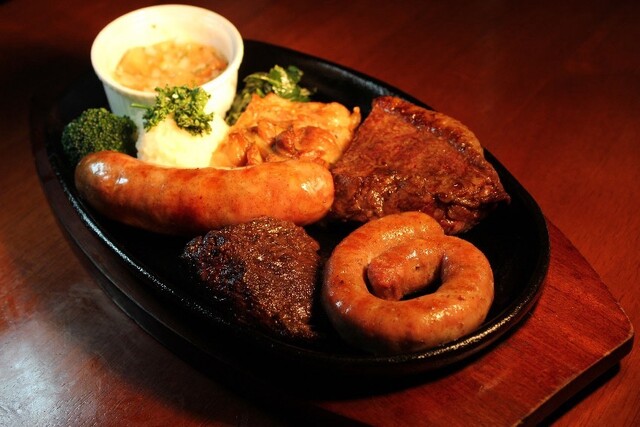
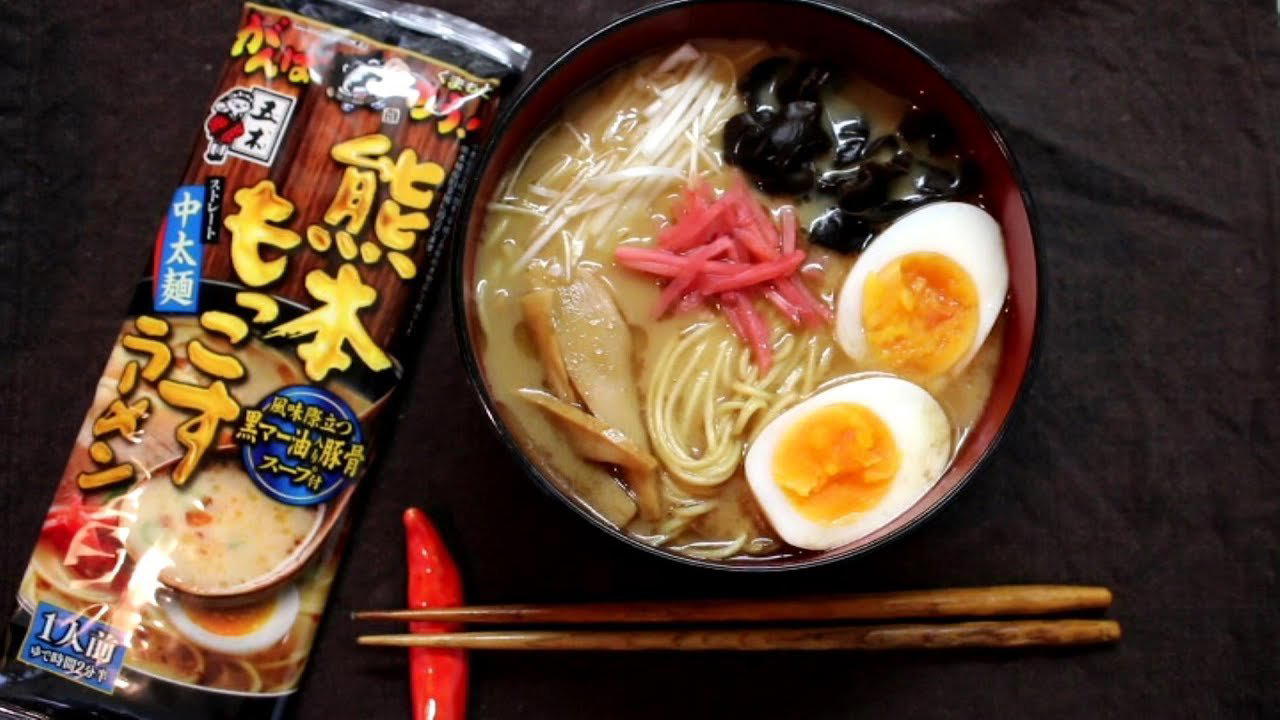
Hotels in Kitagunma-gun
Browse all →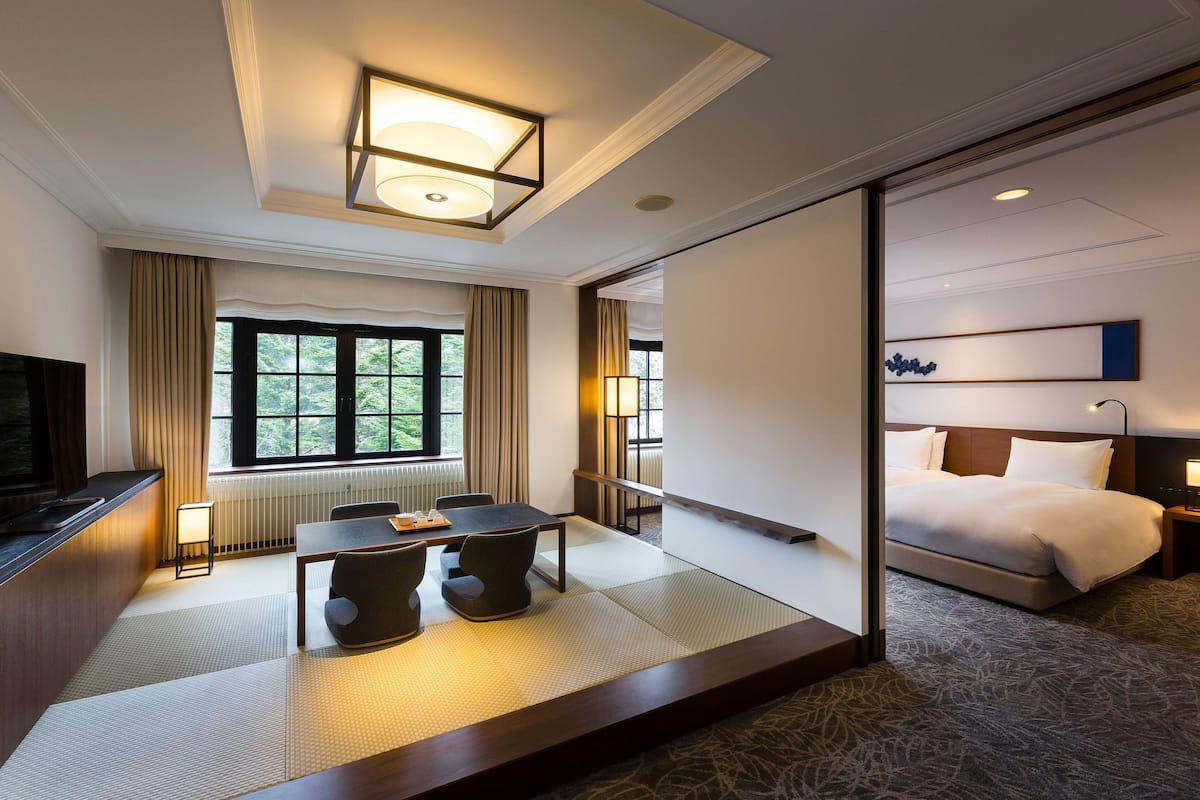
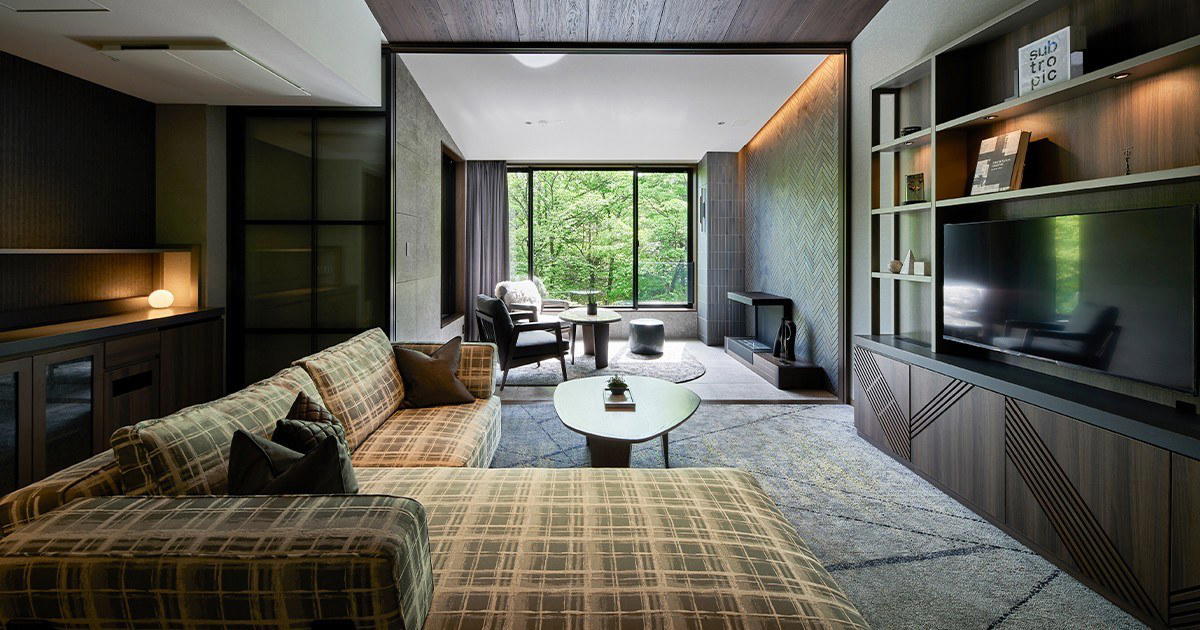
Wineries in Kitagunma-gun
Browse all →
At a Glance
- Cozy
- Elegant
- Quiet
- Group Dining
- Family
- Celebration
- Business Dinner
- Casual Hangout
- Special Occasion
- Private Dining
- Standalone
Current opening hours
- Monday
- Closed
- Tuesday
- 11:30 AM–2:30 PM, 5:30–9:30 PM
- Wednesday
- 11:30 AM–2:30 PM, 5:30–9:30 PM
- Thursday
- 11:30 AM–2:30 PM, 5:30–9:30 PM
- Friday
- 11:30 AM–2:30 PM, 5:30–9:30 PM
- Saturday
- 11:30 AM–2:30 PM, 5:30–9:30 PM
- Sunday
- 11:30 AM–2:30 PM, 5:30–9:30 PM
Hours can change for holidays and private events. Last verified .
Calm, relaxed dining room with a quietly elegant, understated Chinese-restaurant feel, designed for guests to linger comfortably over authentic dishes rather than a rushed meal.