
Falstaff Bar - 88 Falstaff Points
Our verdict
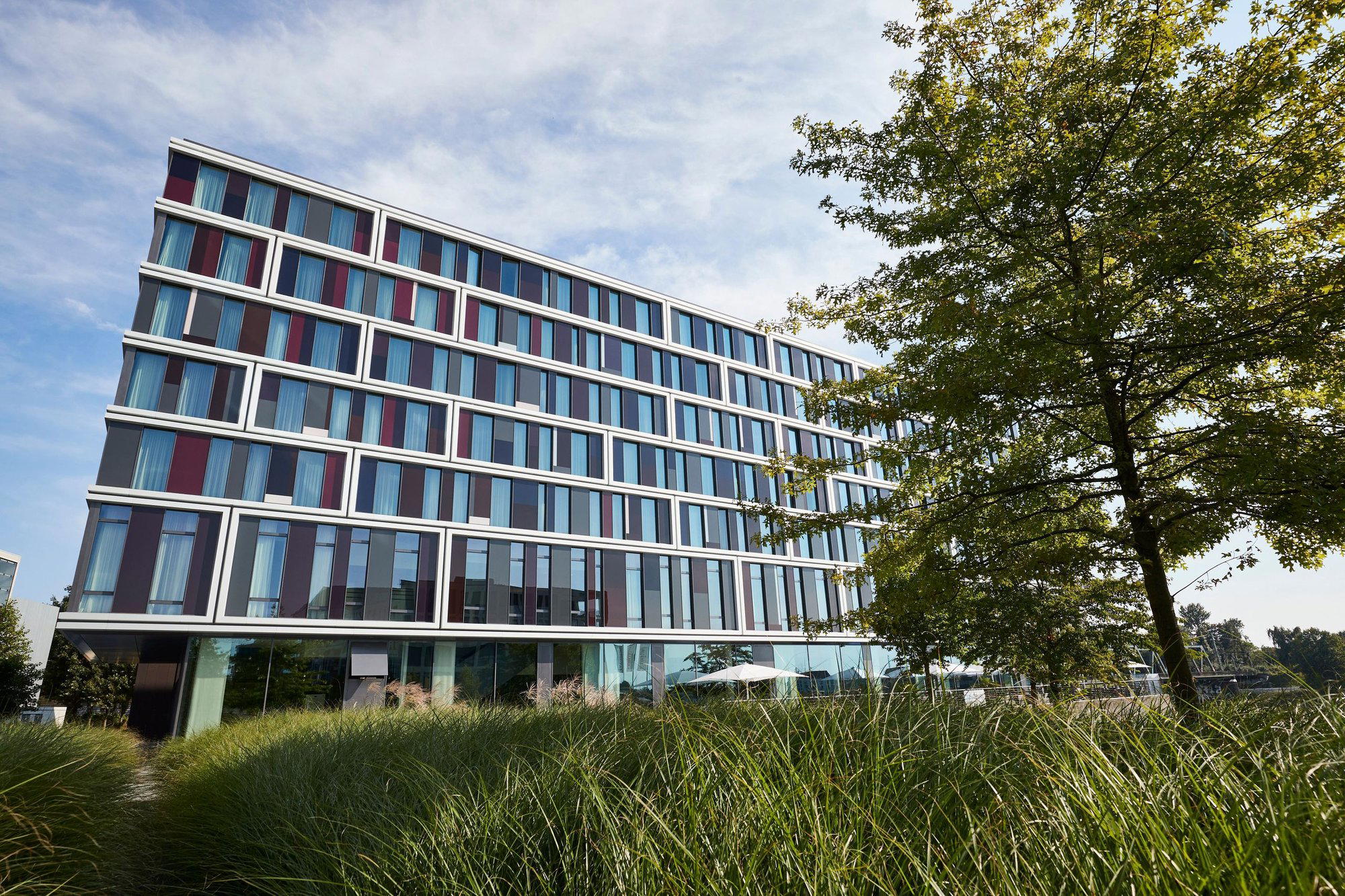
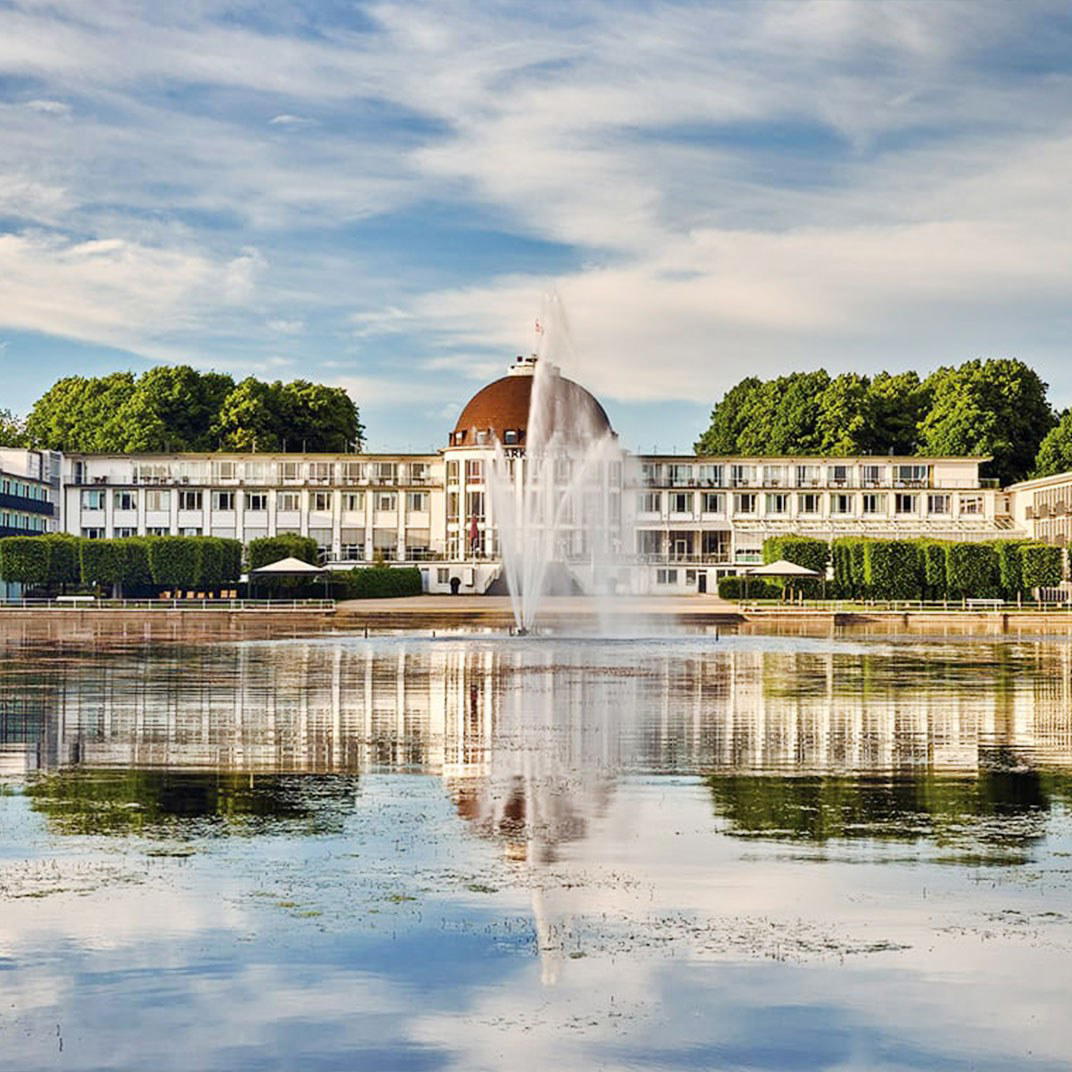
Positioned along Bremen's Weser waterfront at Am Weser-Terminal 8, CHILLI CLUB occupies a corner of the city's emerging harbour dining corridor. The address places it within a district where industrial port architecture meets a newer generation of restaurant openings, making it a reference point for anyone mapping Bremen's broader shift toward waterside dining.

Pearl is the En Primeur Club membership app — saves, bookings, and concierge access live there. Same editors, same standards.
- Address
- Am Weser-Terminal 8, 28217 Bremen, Germany
- Phone
- +4942139099000
- Hours
- Mon–Thu 12–11 PMFri 12 PM–12 AMSat 2 PM–12 AMSun 1–10:30 PM
- Website
- chilliclub-bremen.de
- Directions
- Get directions
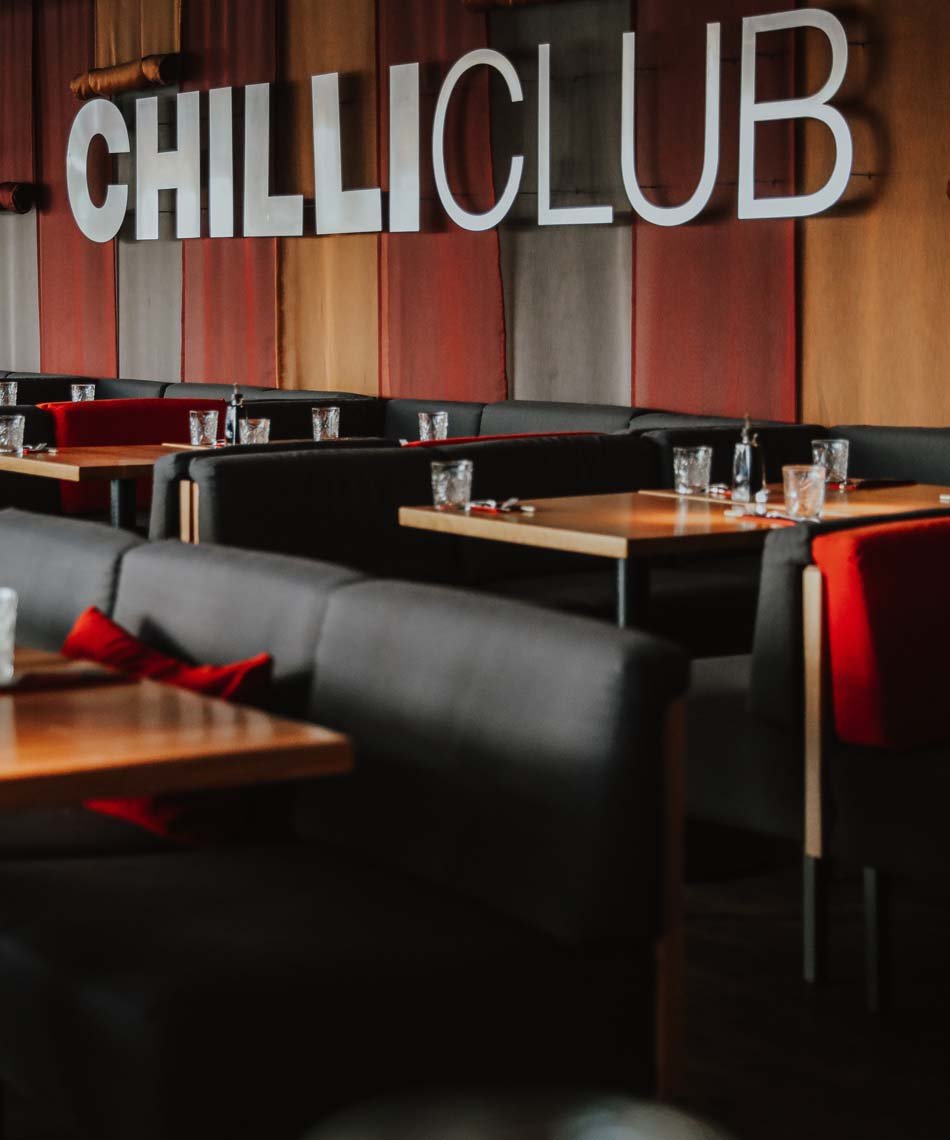
Where the Weser Sets the Tempo
Bremen's waterfront has been reshaping its dining identity for a decade, moving from post-industrial vacancy toward a strip of addresses that draw both locals and visitors away from the Schnoor quarter and the old town's more established circuit. Am Weser-Terminal 8 sits inside that corridor, a location defined less by tourist infrastructure than by the rhythm of the river and the converted port buildings that now frame it. Arriving here is a different orientation from Bremen's centre: the scale opens up, the sightlines stretch toward the water, and the context signals something deliberately removed from the old-town template.
That physical framing matters when thinking about how dining rituals work in this part of the city. Harbour-adjacent restaurants across northern Germany tend to set a particular pace: meals unfold with the awareness of space and water rather than the compressed energy of a city-centre table. The ritual here is one of settling in rather than moving through. Visitors approaching from the main station will find the Weser-Terminal address roughly reachable by tram toward the harbour district, with the waterfront providing clear orientation once you arrive.
Asian Dining in a Northern German Port City
Bremen's restaurant scene operates across a recognisable tier structure. At the leading end, addresses like alto hold the contemporary fine-dining position, while mid-tier operators cover the breadth of European cuisine. Within that structure, Asian restaurants occupy a specific and growing niche, one where the question is rarely whether the cuisine is present but how it is interpreted and at what standard. The CHILLI CLUB address on the Weser waterfront places it in the conversation about where non-European cuisines are making the clearest case for serious treatment in a city not historically defined by Asian dining culture.
For comparison, Bremen's Italian offer at the upper-mid level is anchored by places like Al Pappagallo, where the cuisine has a long local audience and deep menu familiarity. Asian dining, by contrast, demands more from both kitchen and guest: the reference points are less established in the local consciousness, which means the ritual of ordering, pacing, and sharing carries more explanatory weight. Restaurants that handle this well tend to structure the meal with enough guidance that the experience reads as intentional rather than improvised.
The Ritual of the Meal at Weser-Terminal
The editorial angle worth applying to any visit here is the one of dining ritual: how the meal is structured, what the expected pace is, and what customs govern the table. In pan-Asian and Thai-leaning restaurant formats, which are common in this segment of the market across German cities, the meal tends to organise itself around sharing rather than individual plates. That format rewards a table of three or four, where the range of the menu can be read across multiple dishes rather than compressed into a single choice.
Across Germany's broader Asian dining tier, the most credible operations have moved away from the all-things-to-all-people menu and toward more defined regional focus. Whether CHILLI CLUB follows that more disciplined path or operates across a broader pan-Asian range is a detail that available data does not confirm, but the question itself reflects where the category has moved nationally. For comparison, Germany's most decorated fine-dining rooms, places like Schwarzwaldstube in Baiersbronn or Aqua in Wolfsburg, make their case through rigorous category discipline. The same principle applies, at a different price point and register, to Asian dining that wants to be taken seriously.
The waterfront setting lends itself to a longer, more deliberate meal. Harbour light in the late afternoon and early evening creates a particular atmosphere that is specific to this part of Bremen and distinct from what you get in the enclosed courtyards of the Schnoor or the busier pavements near the Marktplatz. Timing a visit for early evening, when the light off the Weser is still active, is a practical consideration that shapes the experience meaningfully.
Bremen in Its Dining Context
Understanding CHILLI CLUB requires placing Bremen itself correctly. This is not a city with the fine-dining density of Hamburg or Munich, but it has a functioning mid-to-upper dining circuit that rewards attention. Bremen Ratskeller holds the historical anchor position, while newer openings have expanded what the city offers across cuisine types. Chapeau La Vache represents the French-leaning end of the contemporary offer, and hotel dining through BLIXX Restaurant ATLANTIC Hotel Airport covers the business-travel segment.
Germany's most ambitious dining rooms are mostly elsewhere. Vendôme in Bergisch Gladbach, JAN in Munich, and Victor's Fine Dining by Christian Bau in Perl operate at the top of the national hierarchy. Bremen's contribution to that conversation is modest, which is not a criticism so much as a calibration: the city's dining scene functions well as a mid-tier circuit where individual addresses can make a strong case within their category without competing at the highest national level. The more relevant peer comparisons for a waterfront Asian restaurant in Bremen are lateral rather than vertical.
For readers interested in Germany's broader fine-dining geography, the Waldhotel Sonnora in Dreis, ES:SENZ in Grassau, and Schanz in Piesport map a different register entirely, one where multi-course tasting formats and Michelin recognition define the conversation. CODA Dessert Dining in Berlin represents the capital's more experimental end. Internationally, the structural discipline of Le Bernardin in New York City or the communal ritual format at Lazy Bear in San Francisco illustrate how strongly meal structure shapes the experience at any level. And for northern Germany's more established fine-dining reference, Restaurant Haerlin in Hamburg holds the clearest regional benchmark.
The full picture of what Bremen offers across cuisines and price points is covered in our full Bremen restaurants guide, which maps the city's dining circuit with neighbourhood-level specificity.
Planning a Visit
The Am Weser-Terminal 8 address is the primary navigational anchor. The waterfront location suggests that evenings, particularly on weekends, are likely the higher-demand service. Arriving with a group of three or four, given the probable sharing format of the cuisine, will make the most of however the menu is structured. The harbour district is most atmospheric in the warmer months, when the Weser setting becomes an active part of the experience rather than simply a backdrop.
Frequently asked questions
Where is CHILLI CLUB located?
CHILLI CLUB is located at Am Weser-Terminal 8, 28217 Bremen, Germany, Bremen.
Is CHILLI CLUB in Bremen good for a waterfront dinner with an Asian menu in a non-tourist part of the city?
The Am Weser-Terminal 8 address puts CHILLI CLUB on Bremen's Weser waterfront, a stretch that has shifted from post-industrial vacancy into a recognisable dining corridor over the past decade. Asian cuisine in this northern German port city sits outside the mainstream of local restaurant tradition, which gives CHILLI CLUB a distinct position in the market. It draws a local crowd rather than a tourist circuit, consistent with Bremen's broader dining character.
What should I eat at CHILLI CLUB?
The Asian cuisine focus at this Am Weser-Terminal 8 address suggests a range broad enough to reward asking staff what moves fastest on any given service. Cross-reference the current menu directly with the venue before visiting.
How far ahead should I plan for CHILLI CLUB?
Bremen's waterfront dining strip has been building consistent demand over the past decade, and weekend tables at waterfront addresses in this stretch tend to fill faster than the city's quieter inland options. Weekday visits generally allow more flexibility.
What's CHILLI CLUB best at?
CHILLI CLUB occupies the waterfront tier of Bremen's dining scene, positioned at Am Weser-Terminal 8 in a strip that has drawn increasing attention as the city's post-industrial Weser frontage has matured. The Asian cuisine focus places it in a distinct category within Bremen, a city whose restaurant offer is narrower than Hamburg or Munich but developing a clearer identity along the waterfront. That positioning alone makes it one of the more specific Asian dining options in this part of northern Germany.
Style and Standing
Comparable venues nearby, for context on price, style, and recognition.
| Venue | Cuisine | Price | Awards | Notes |
|---|---|---|---|---|
| CHILLI CLUBThis venue — the venue you are viewing | Asian Fusion with Sushi & Wok | $50–100 | Falstaff Bar - 88 Falstaff Points | Not listed |
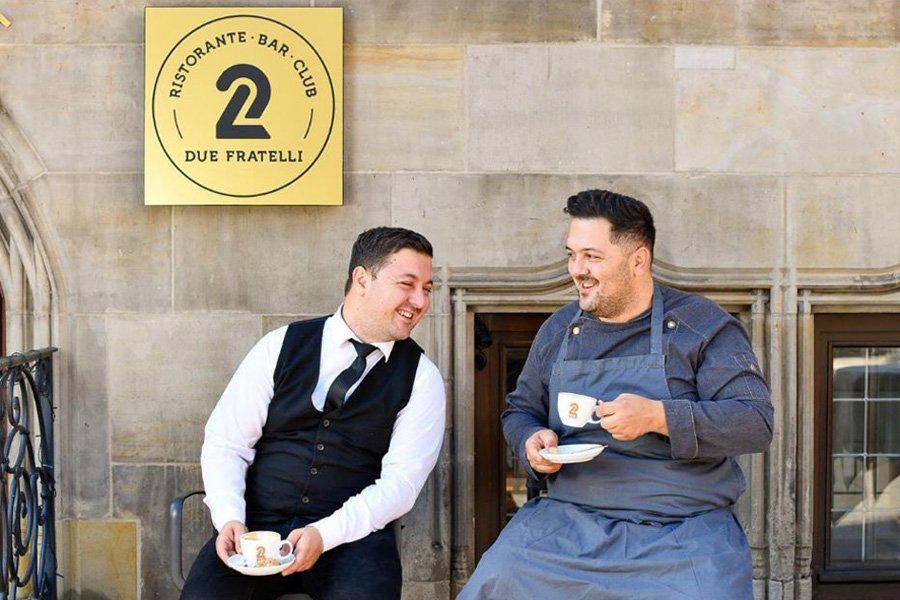
| Due Fratelli | Traditional Italian with Homemade Pasta | $30–50 | Not listed | Bremen City Center |
| Küche 13 | Modern German Seasonal | $30–50 | Not listed | Viertel (Ostertor) |
| Bremen Ratskeller | Traditional Northern German | $30–50 | Falstaff Restaurant - 87 Falstaff Points | Altstadt |
| BLIXX Restaurant ATLANTIC Hotel Airport | International Cosmopolitan with German Influences | $30–50 | Not listed | Bremen-Süd |
| Das Kleine Lokal | Modern European Fine Dining | $100–150 | Not listed | Ostliche Vorstadt |
Recognition history
Dated appearances from independent guides and award organizations, with the underlying list record or original source where available.
Falstaff Bar - 88 Falstaff Points
Falstaff
Details
- Trendy
- Modern
- Lively
- Casual Hangout
- After Work
- Group Dining
- Date Night
- Waterfront
- Open Kitchen
- Craft Cocktails
- Beer Program
- Waterfront
- A La Carte
- Small Plates
- Craft Cocktails
- Beer
- Vegetarian Friendly
- Vegan Options
- Gluten Free Options
Current opening hours
- Monday
- 12–11 PM
- Tuesday
- 12–11 PM
- Wednesday
- 12–11 PM
- Thursday
- 12–11 PM
- Friday
- 12 PM–12 AM
- Saturday
- 2 PM–12 AM
- Sunday
- 1–10:30 PM
Hours can change for holidays and private events. Last verified .
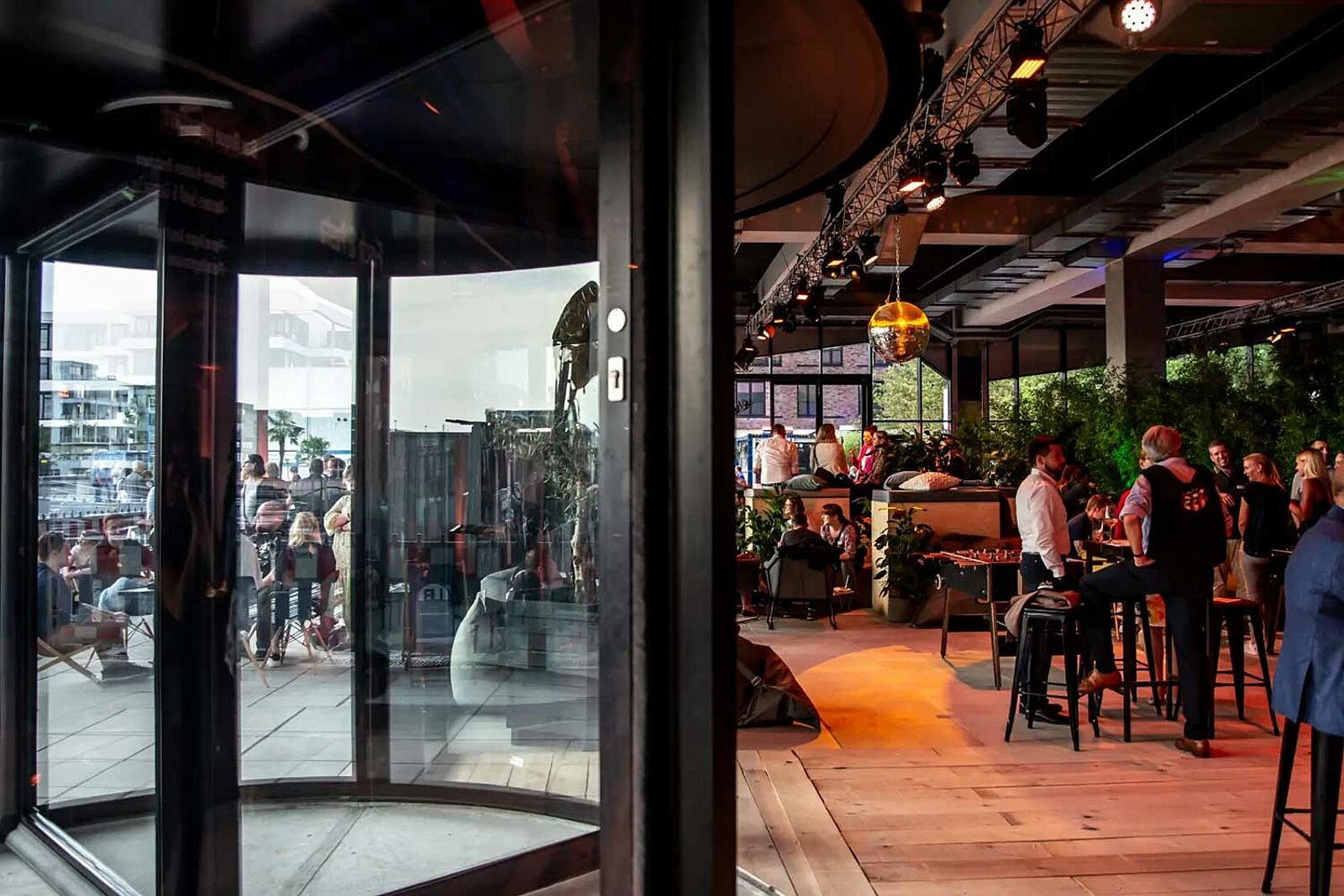
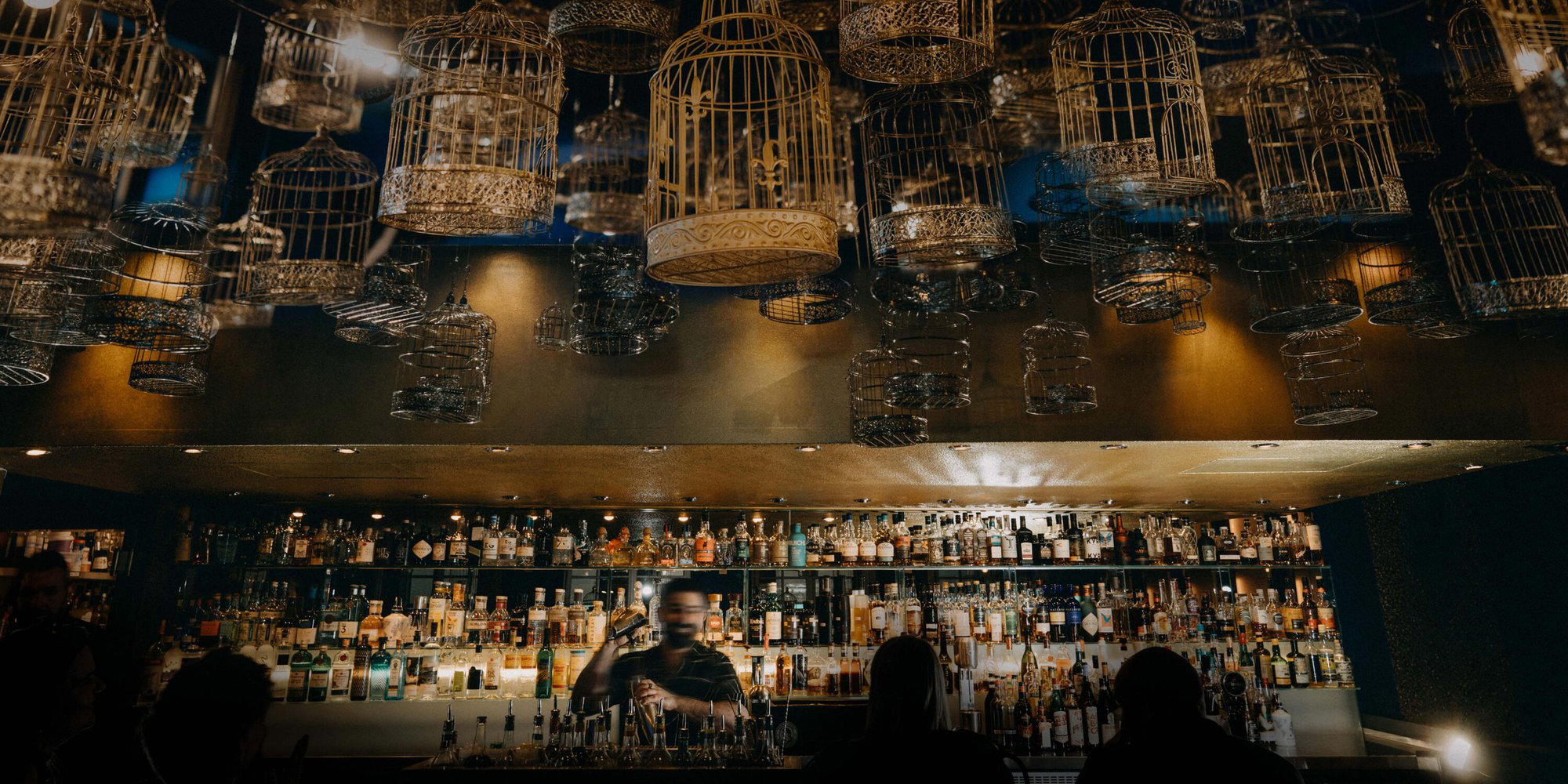
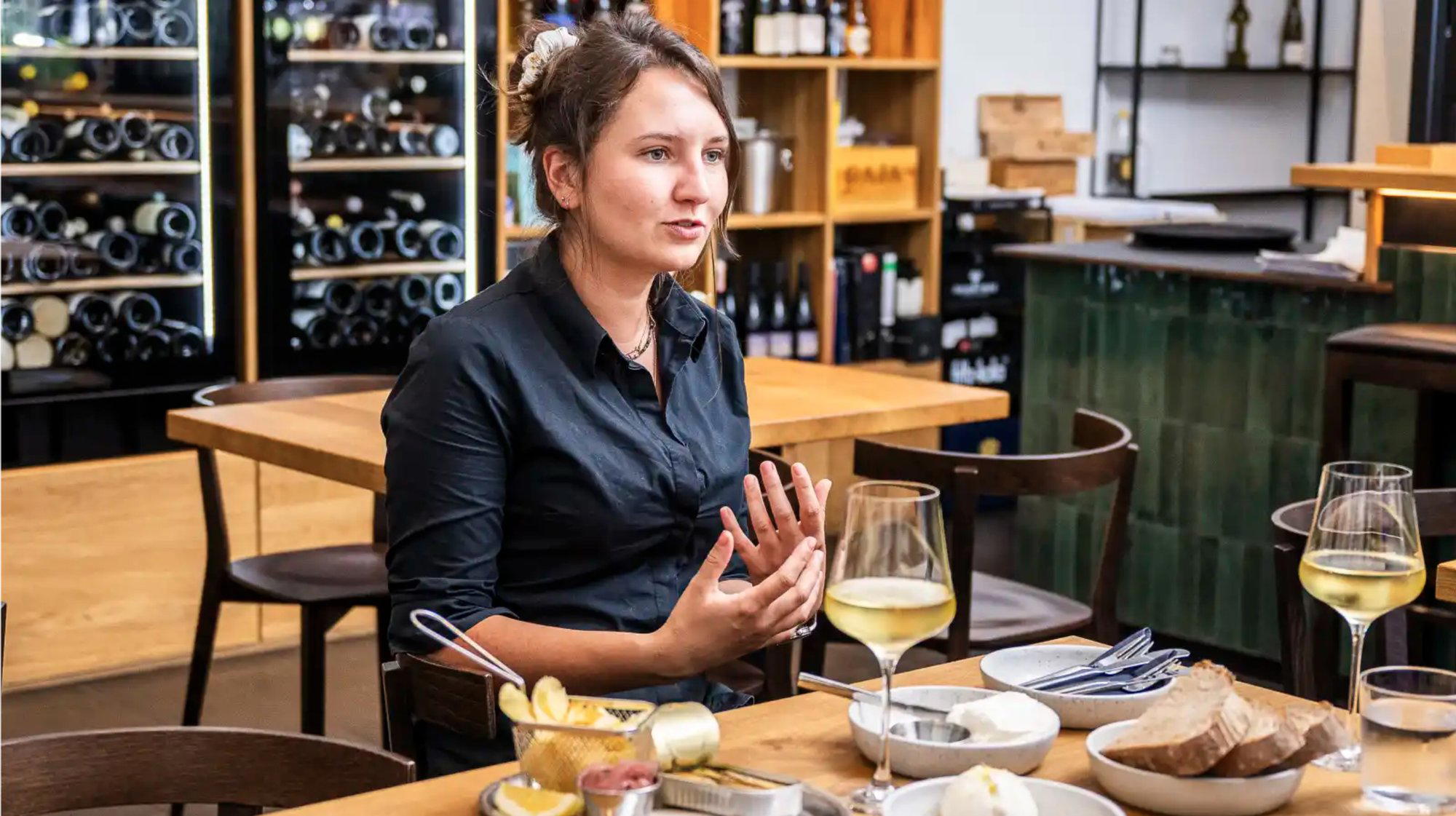
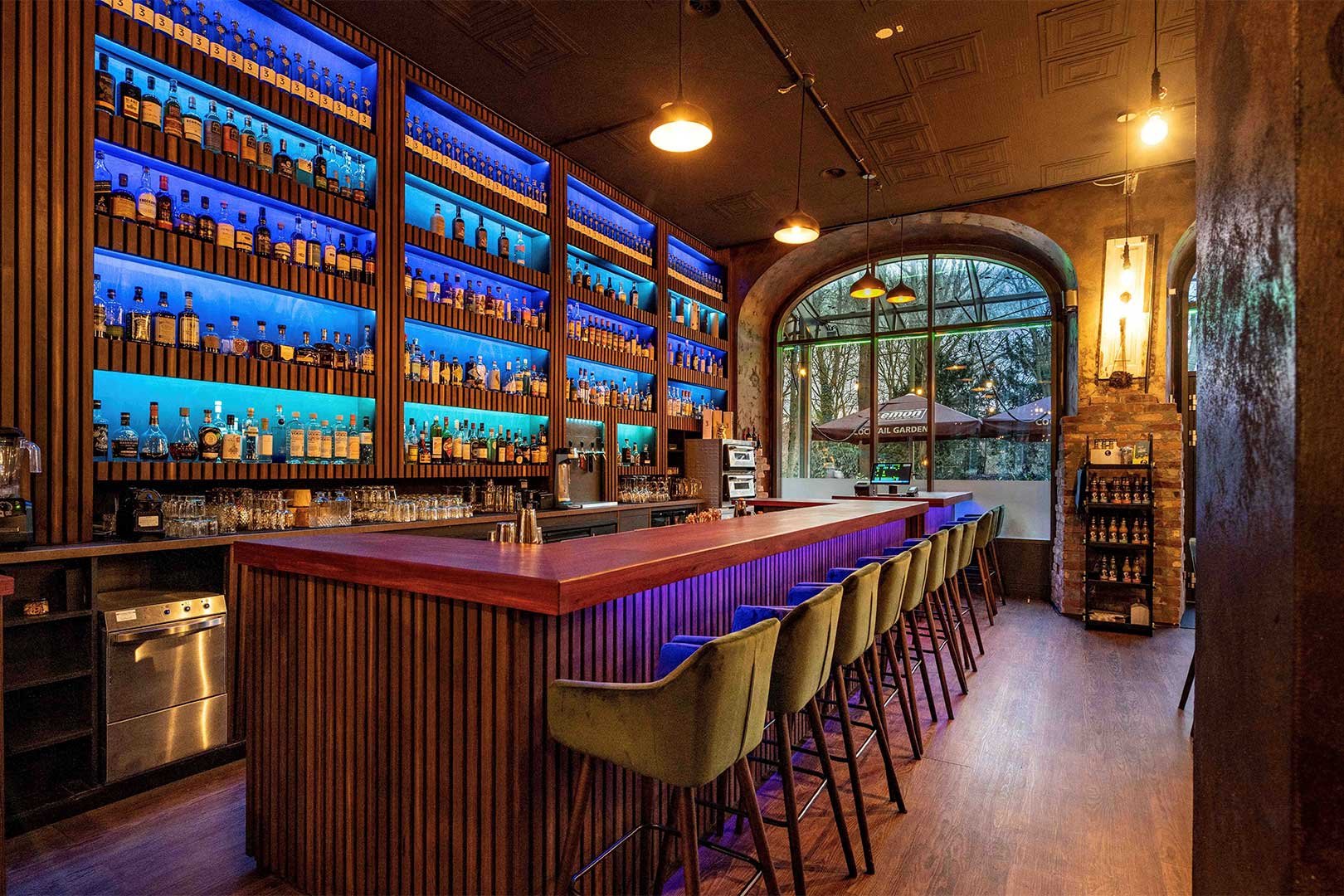
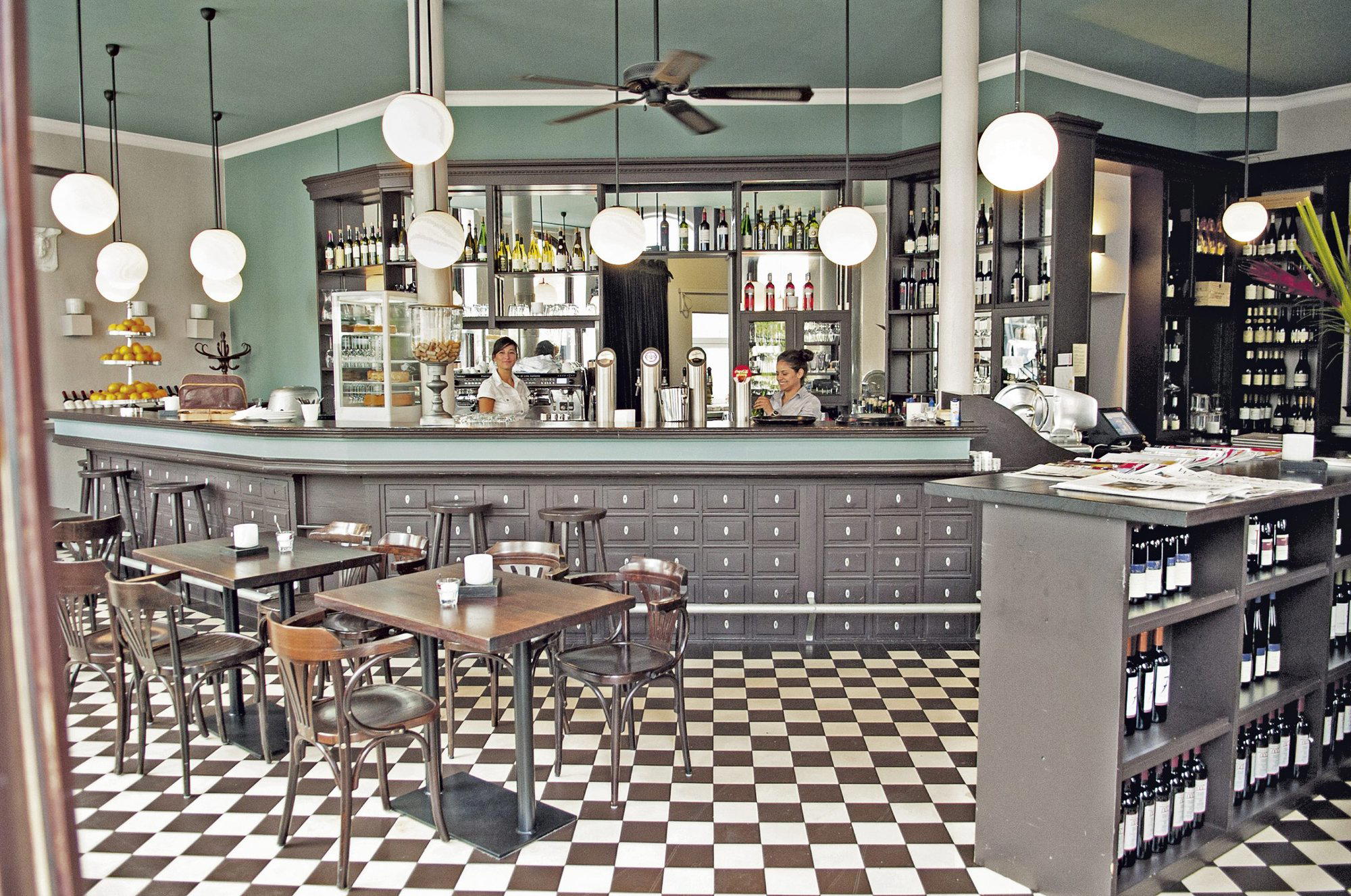
Modern, stylish urban design with stainless steel, glass and wood elements; contemporary Asian aesthetic with a lively bar and lounge atmosphere.