
A Michelin Plate holder in Bremen's Peterswerder neighbourhood, Al Pappagallo serves classic Italian cooking with a clear emphasis on quality produce and handmade pasta. The setting divides between a light-filled winter garden and a courtyard terrace that feels almost private, making it one of the more considered Italian dining rooms in northern Germany. Front-of-house is attentive without being stiff.
Pearl is the En Primeur Club membership app — saves, bookings, and concierge access live there. Same editors, same standards.
- Address
- Außer d. Schleifmühle 73, 28203 Bremen, Germany
- Phone
- +49 421 327963
- Website
- al-pappagallo.de
- Directions
- Get directions
 Saves & bookings on Pearl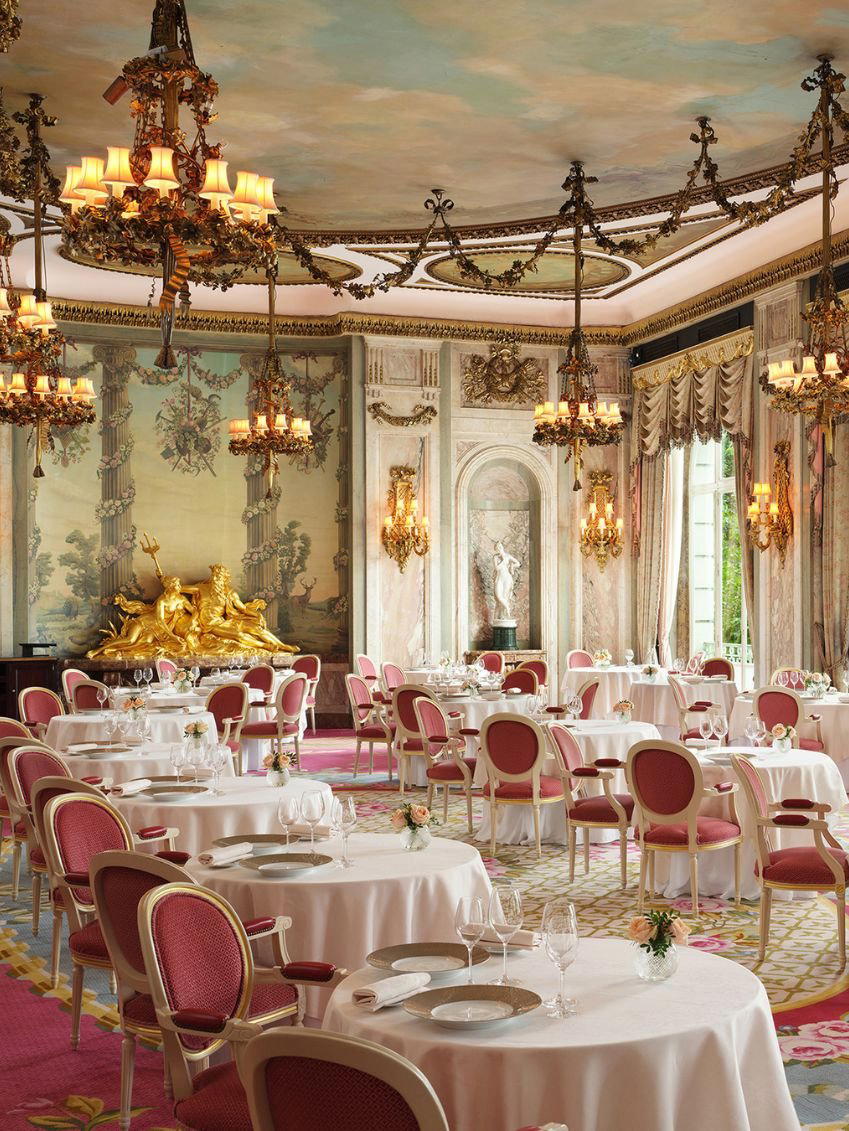
A Courtyard in Northern Germany, Thinking About Italy
Bremen's dining identity is bound up in its Hanseatic past: a merchant city that looked outward, absorbed influences from the ports it traded with, and built a restaurant culture that sits somewhat apart from the German interior. Italian cooking has long had a presence here, but the gap between a neighbourhood trattoria and a serious Italian table with considered sourcing and Michelin recognition is a wide one. Al Pappagallo, on Außer der Schleifmühle in the Peterswerder quarter, occupies the latter position: a Michelin Plate holder (2025) serving classic regional Italian dishes with a kitchen that treats pasta as a technical and cultural commitment rather than a menu filler.
The Italian regional tradition is worth situating here, because it shapes what the kitchen is actually doing. Italian cuisine does not operate from a single canon. The restraint and butter-enriched pastas of Emilia-Romagna differ sharply from the olive oil-driven, tomato-forward plates of Campania; Tuscan cooking rests on the quality of its primary ingredient more than technique, while Roman food is defined by economy and offal as much as refinement. Restaurants outside Italy that claim to serve "classic Italian" are often selling a homogenised version of the tradition — southern-leaning, carb-heavy, heavy on cream in places it has no business being. The better rooms, particularly those that attract Michelin attention, tend to be more specific: a clear regional alignment, a sourcing story that holds up, and a pasta program that is demonstrably made in-house. Al Pappagallo's Michelin entry notes both the quality of the produce and the pasta as a particular point of distinction, which places it in the more disciplined end of the spectrum.
The Space: Winter Garden, Courtyard, and What the Setting Does
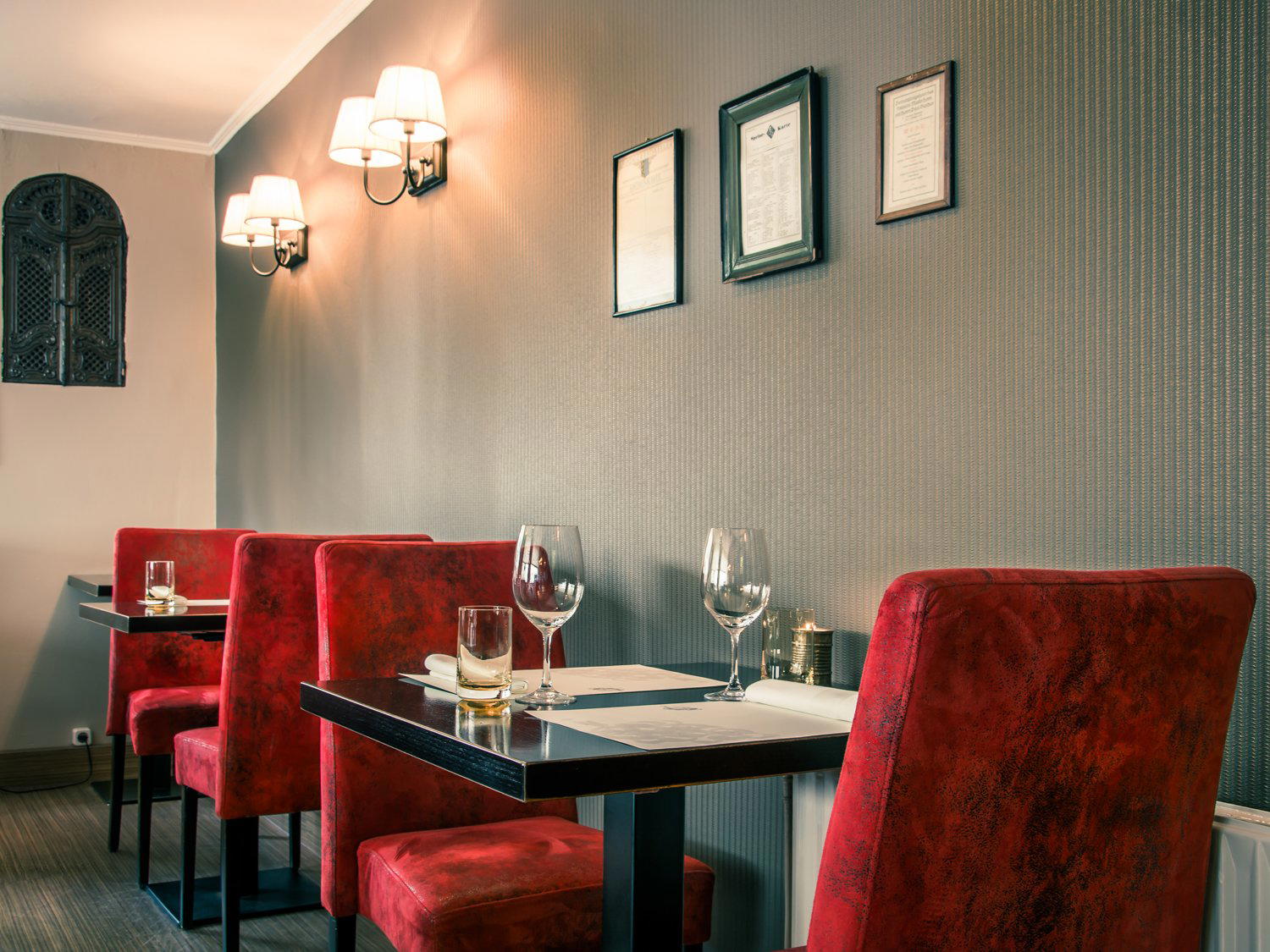
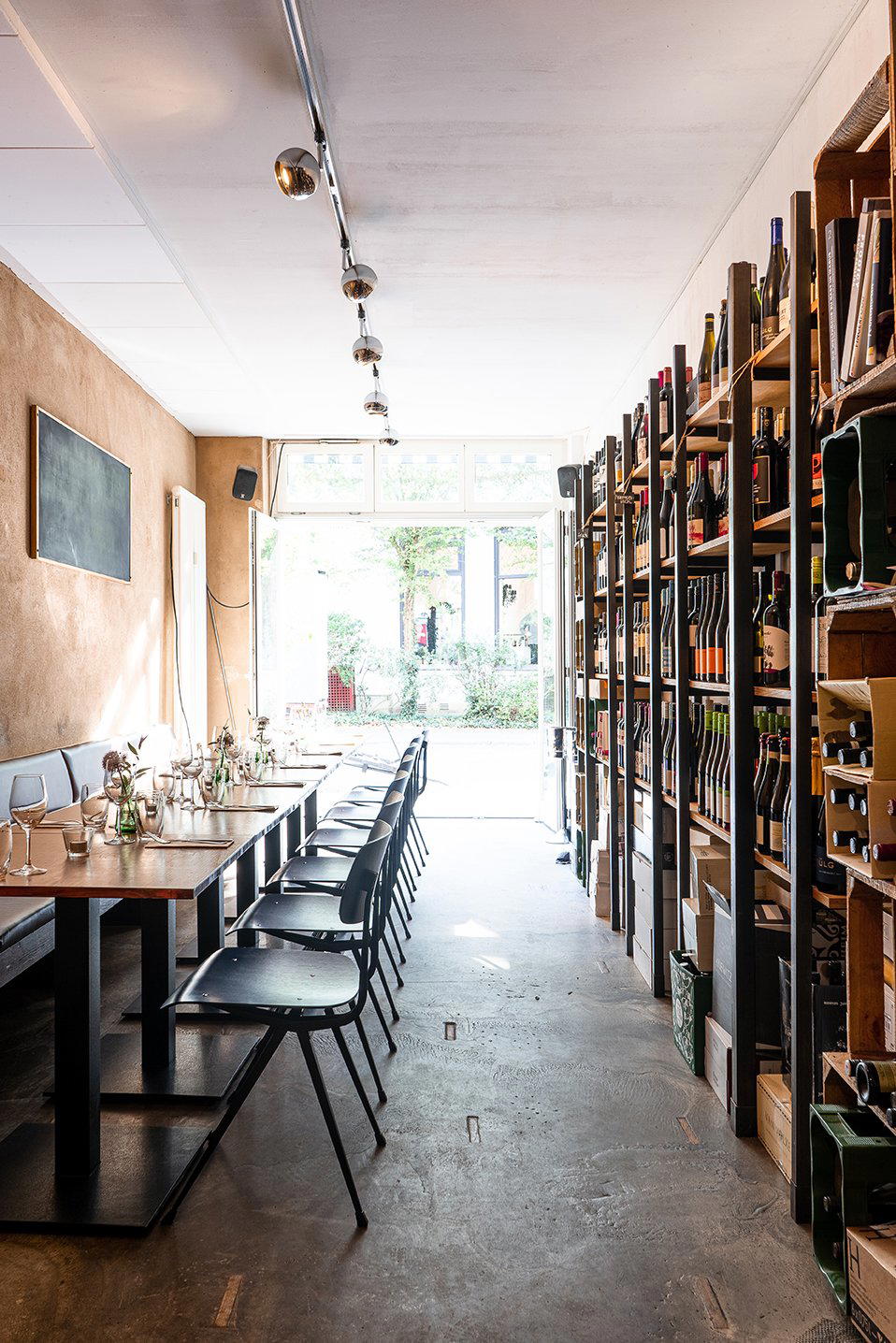
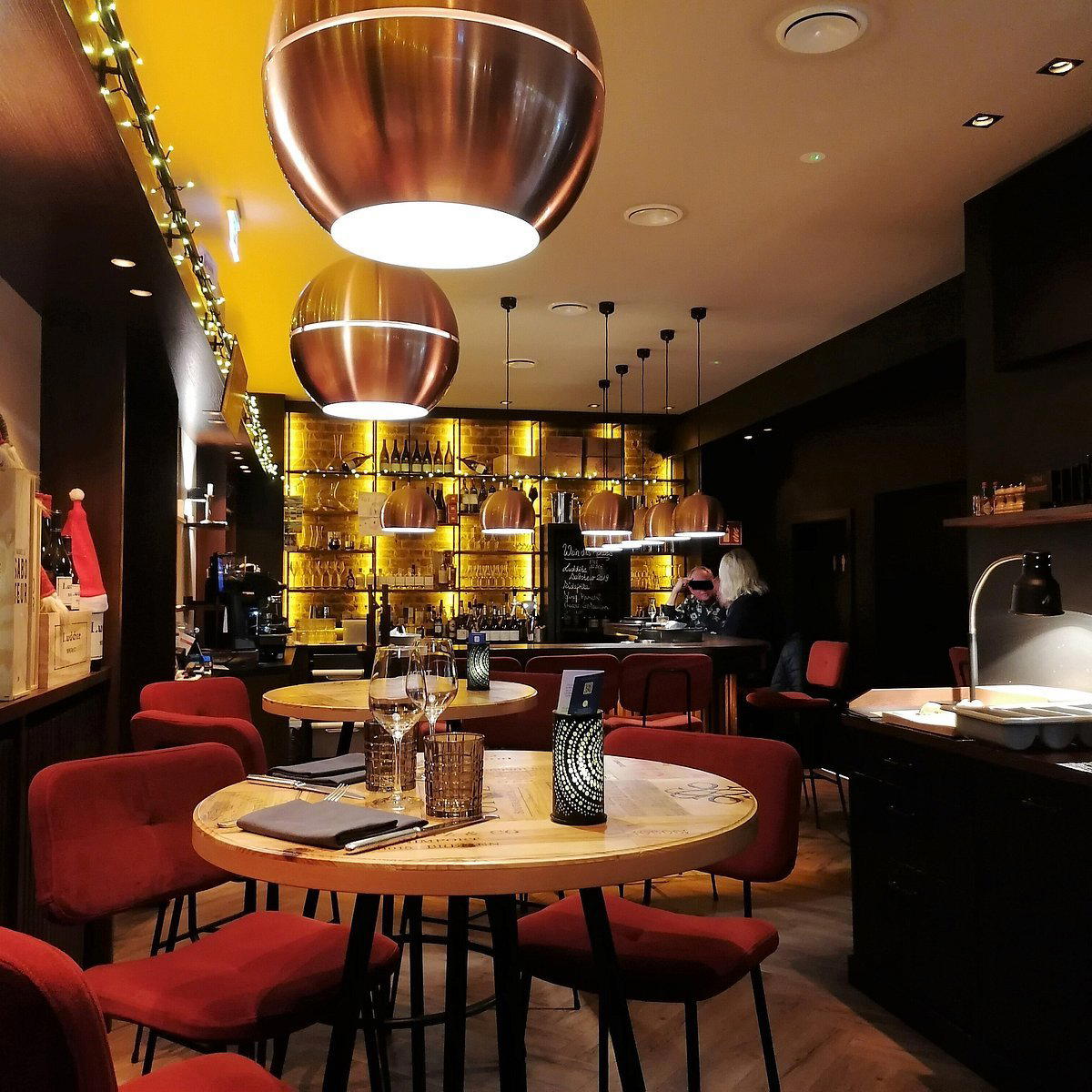
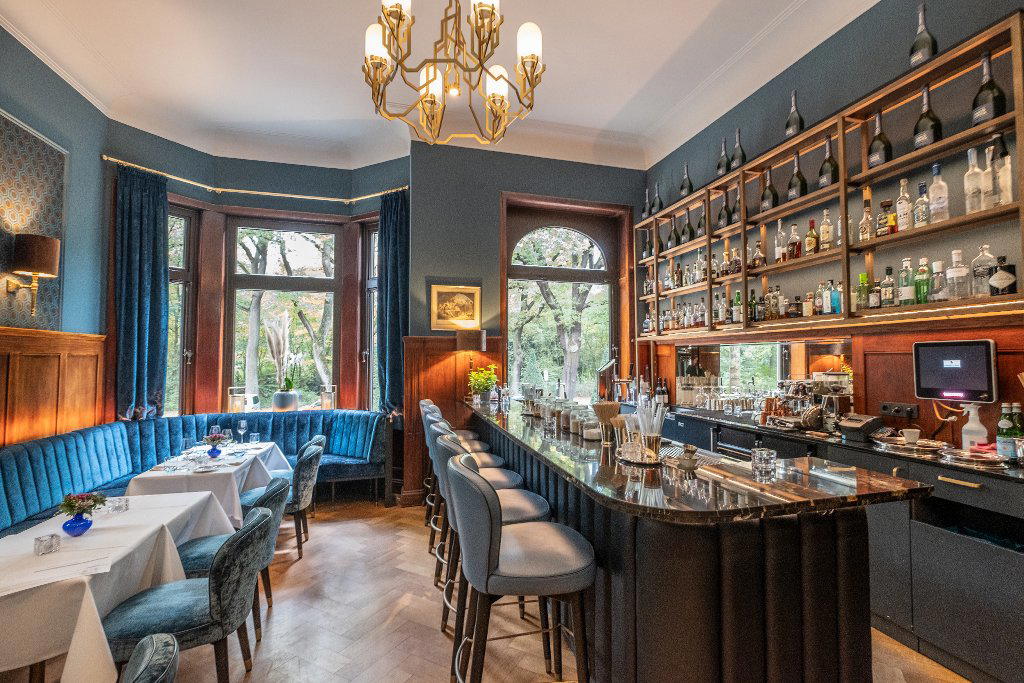
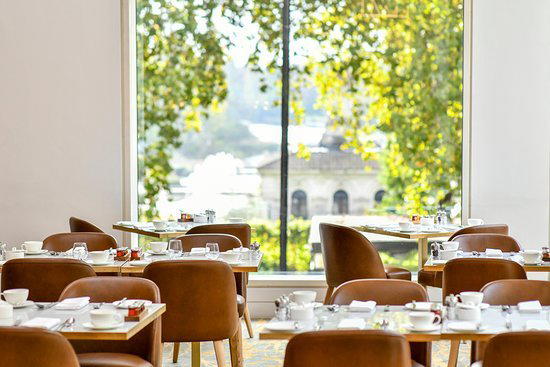
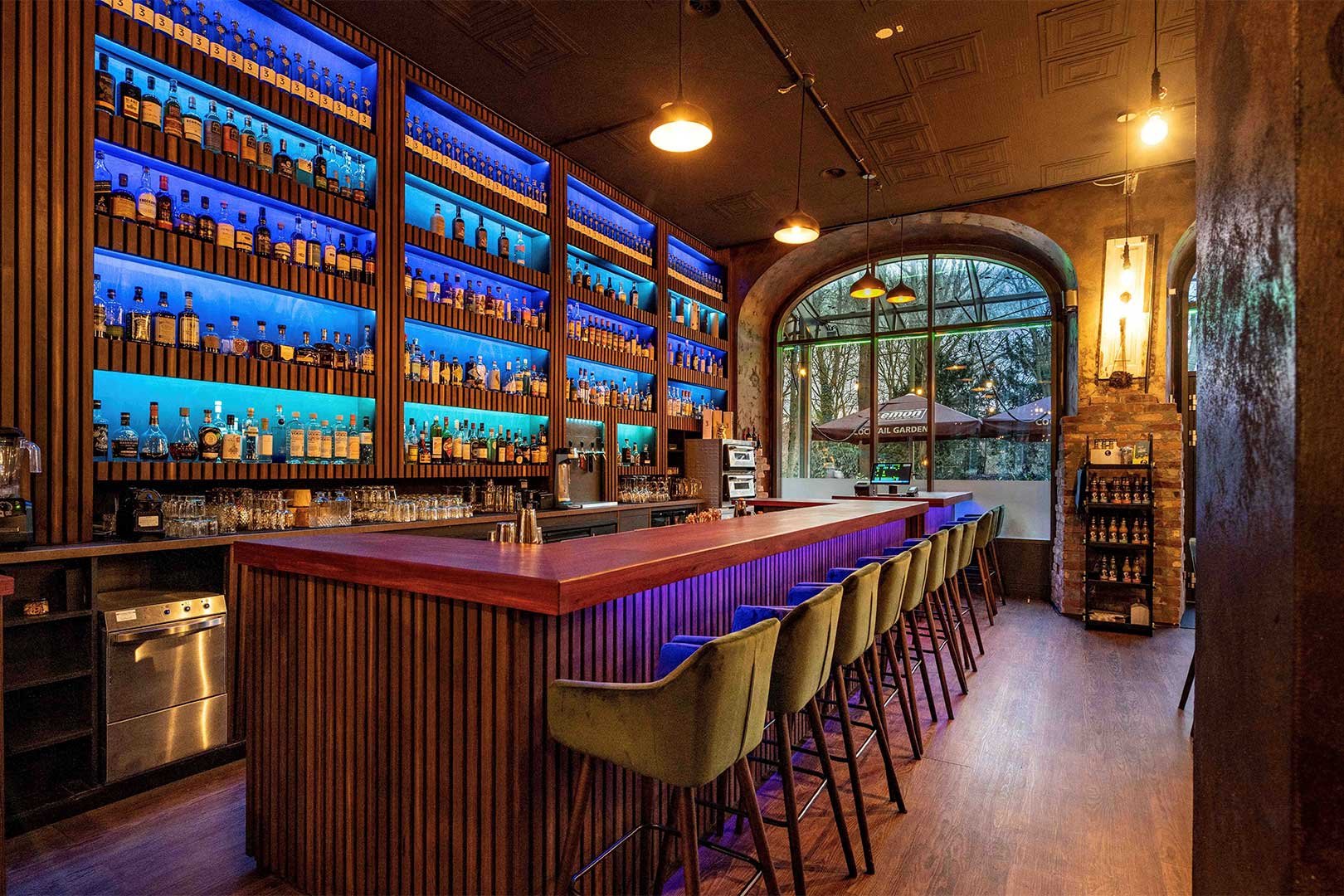
The physical environment at Al Pappagallo does something that few mid-tier Italian rooms in German cities manage: it creates genuine atmosphere without theatrical intervention. The winter garden brings in natural light through much of the day, which changes the mood of a long lunch versus an evening booking in ways that theatrically dark dining rooms cannot. The courtyard terrace, accessed from the restaurant and discreetly enclosed within an inner courtyard, functions as a seasonal extension that feels removed from the street. This matters in a city like Bremen, where the restaurant density in Peterswerder is lower than in, say, the Schnoor district, and where a sense of arrival at somewhere quietly considered carries weight.
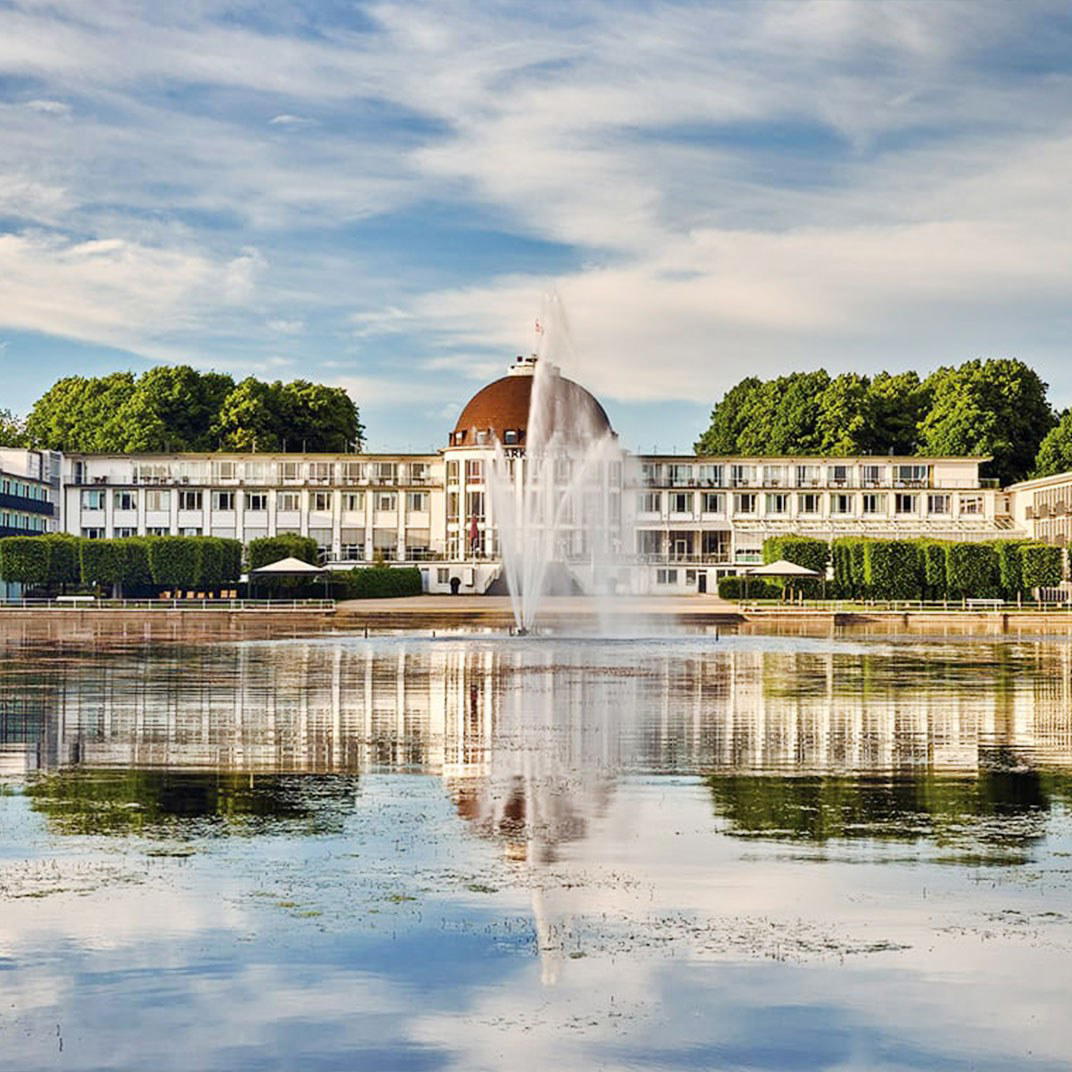
For visitors comparing across Bremen's formal dining options, the spatial experience at Al Pappagallo sits in a different register from the contemporary rooms at alto or the more polished hotel-dining setting of Park Restaurant. The Italian model here is one of warmth and accessibility, supported by a front-of-house team described in the Michelin notes as enthusiastic and attentive. The chef's own presence on the floor, moving between tables, reinforces the hands-on character of the operation: this is not a room managed by committee.
Classic Italian Cooking in the Context of Germany's Fine Dining Scene
Germany's top-tier restaurant culture is heavily weighted toward French-inflected modern European cooking and experimental tasting menus. The country's three-star rooms, including Aqua in Wolfsburg and Schwarzwaldstube in Baiersbronn, operate in a register far removed from the Italian classical tradition. Even two-star holders like Vendôme in Bergisch Gladbach and creative rooms like CODA Dessert Dining in Berlin point toward a German fine dining scene that prizes innovation and technical complexity above regional fidelity. Against that backdrop, a Michelin-recognised Italian room that commits to classic cooking rather than chasing the modernist mainstream represents a distinct editorial position in the market.
Outside Italy, the rooms that make the most credible case for classic Italian cooking with serious recognition tend to be in cities with the density and wealth to support that kind of kitchen at scale: London, New York, Hong Kong. 8 1/2 Otto e Mezzo Bombana in Hong Kong operates at the three-star end of that spectrum, while cenci in Kyoto shows what happens when Italian structural thinking meets Japanese ingredient culture. Bremen is not those cities, and Al Pappagallo is not operating at that level of resource or ambition. What it does is make a clear, honest argument for Italian food cooked properly, in a setting that rewards the visit, at a price tier that does not require significant advance financial planning.
On the Pasta
Michelin's Plate recognition for Al Pappagallo arrives with a specific call-out: the pasta is noted as a particular highlight. In the Italian regional tradition, this is a meaningful signal. Fresh pasta, particularly in the Emilian style, demands daily production, a feel for humidity and flour absorption, and a kitchen that treats it as a primary discipline rather than a supporting element. Rolled pasta in the bolognese or lasagne tradition, hand-shaped formats like tortellini or garganelli, and extruded forms each represent different skill sets. When Michelin singles out pasta at a restaurant, it is typically noting consistency and craft rather than novelty. That framing suits Al Pappagallo's classical approach: the value is in execution, not invention.
Planning a Visit
Al Pappagallo sits at Außer der Schleifmühle 73 in Bremen's 28203 postcode, within walking distance of the Peterswerder area and reachable by tram from the city centre. The price tier sits at €€€, which in the German context typically corresponds to a mid-to-upper-range dinner, above casual Italian but below the full tasting-menu formats at the highest recognition levels. For those building a broader Bremen itinerary, the full Bremen restaurants guide maps the city's dining options across categories; the Bremen hotels guide, bars guide, wineries guide, and experiences guide round out the planning picture. Booking in advance is advisable, particularly for terrace seats during spring and summer when the courtyard becomes the preferred option: outdoor tables at well-regarded city restaurants in Germany tend to fill faster than interior seats across the warmer months.
Fast Comparison
| Venue | Cuisine | Price | Awards |
|---|---|---|---|
| Al PappagalloThis venue — the venue you are viewing | Italian | €€€ | Not listed |
| Schwarzwaldstube | French, Classic French | €€€€ | Michelin 3 Star |
| Aqua | Contemporary German, Italian/Japanese, Creative | €€€€ | Michelin 3 Star |
| CODA Dessert Dining | Creative | €€€€ | Michelin 2 Star |
| Tantris | Modern French, French Contemporary | €€€€ | Michelin 2 Star |
| Vendôme | Modern European, Creative | €€€€ | Michelin 2 Star |
Recognition history
Dated appearances from independent guides and award organizations, with the underlying list record or original source where available.
Michelin Plate
Michelin
Michelin Plate
Michelin
Michelin Plate
Michelin
At a Glance
- Elegant
- Cozy
- Intimate
- Classic
- Date Night
- Business Dinner
- Special Occasion
- Open Kitchen
- Courtyard
- Garden
Current opening hours
- Monday
- 12–2:15 PM, 6–10:15 PM
- Tuesday
- 12–2:15 PM, 6–10:15 PM
- Wednesday
- 12–2:15 PM, 6–10:15 PM
- Thursday
- 12–2:15 PM, 6–10:15 PM
- Friday
- 12–2:15 PM, 6–10:15 PM
- Saturday
- 6–10:15 PM
- Sunday
- Closed
Hours can change for holidays and private events. Last verified .
Light-filled winter garden and beautiful courtyard create an elegant, welcoming atmosphere with attentive service.
Know Before You Go
- Getting there
- Außer d. Schleifmühle 73, 28203 Bremen, Germany