
One of Germany's most storied wine cellars, the Bremen Ratskeller sits beneath the city's historic Rathaus on Am Markt and has served wine continuously since 1405. The cellar specialises in German wines, with particular depth in Riesling and aged German reds, drawing visitors as much for the vaulted Gothic architecture as for what's in the glass. It occupies a category of its own among Bremen's dining and drinking venues.
Pearl is the En Primeur Club membership app — saves, bookings, and concierge access live there. Same editors, same standards.
- Address
- Am Markt, 28195 Bremen, Germany
- Phone
- +4949421321676
- Website
- ratskeller-bremen.de
- Directions
- Get directions
 Saves & bookings on Pearl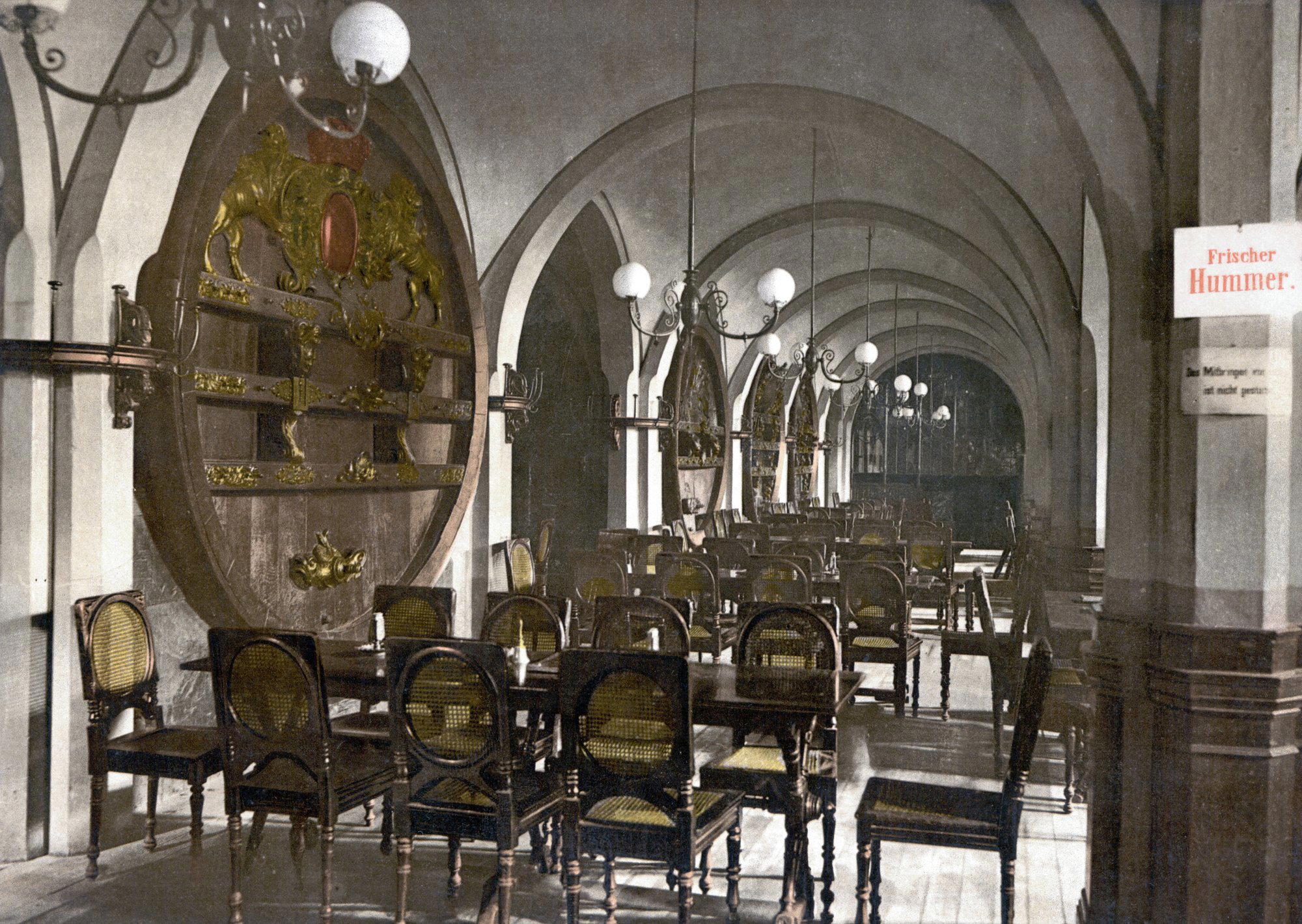
Six Centuries Below the Market Square
Beneath Bremen's UNESCO-listed Rathaus, the Ratskeller occupies a position that few drinking establishments anywhere in the world can claim with documentary evidence: continuous operation since 1405. The cellar is referenced in civic records stretching back to the early fifteenth century, making it one of the oldest wine restaurants in Germany and a functioning piece of the country's municipal and viticultural history. The vaulted Gothic stonework overhead is not a reconstruction or a themed interior, it is the original fabric of the building, and the weight of that context is felt the moment you descend the stone steps from Am Markt.
Germany's historic Ratskeller tradition, once common across Hanseatic cities, has thinned considerably over the centuries. Bremen's is one intact surviving example, which places it in a category that has no real comparable set in the city. For context on how Germany's highest-tier restaurant culture is evolving elsewhere in the country, see venues like Schwarzwaldstube in Baiersbronn or Aqua in Wolfsburg, the Ratskeller operates in a different register entirely, defined by heritage and wine depth rather than tasting-menu precision.
The Wine Cellar as Cultural Institution
The Ratskeller's significance within German wine culture predates the modern restaurant concept by several hundred years. Historically, Ratskeller cellars served as the civic wine stores of their respective cities, where the municipality held reserves of German wine for trade, taxation, and ceremonial use. Bremen's cellar retained this function well into the modern era and built a wine inventory around German-grown grapes at a time when German wine carried far more international prestige than it does today.
The particular focus on German Riesling, both in the cellar's depth of stock and in the wines poured at table, reflects a tradition that predates the category's current critical rehabilitation. Germany's leading Riesling producers, especially from the Mosel, Rheingau, and Nahe, have been part of this cellar's identity since long before those regions attracted the attention of international wine media. Where contemporary fine-dining restaurants such as JAN in Munich or Vendôme in Bergisch Gladbach build wine lists as curated supplements to a tasting menu, the Ratskeller inverts that logic: the wine is the primary text, and the food accompanies it.
The cellar also holds aged German wines that extend back generations, including barrel-aged rarities outside normal commercial circulation. This depth of stock is what separates the Ratskeller from any conventional restaurant wine list and positions it as a reference point for serious students of German wine history.
Architecture as Part of the Experience
The physical environment of the Ratskeller is inseparable from what makes it distinctive. The main hall is a sequence of low-lit vaulted chambers in brick and stone, with heavy wooden furniture and the kind of spatial stillness that comes from thick medieval walls. The Rose Cellar, accessible by arrangement, houses some of the rarest aged German wines and represents the cellar's deepest archive. Arriving at the venue from Am Markt, with the Rathaus facade above and the old market square extending outward, the approach itself is part of the encounter, this is a civic building that has faced the same square for six centuries.
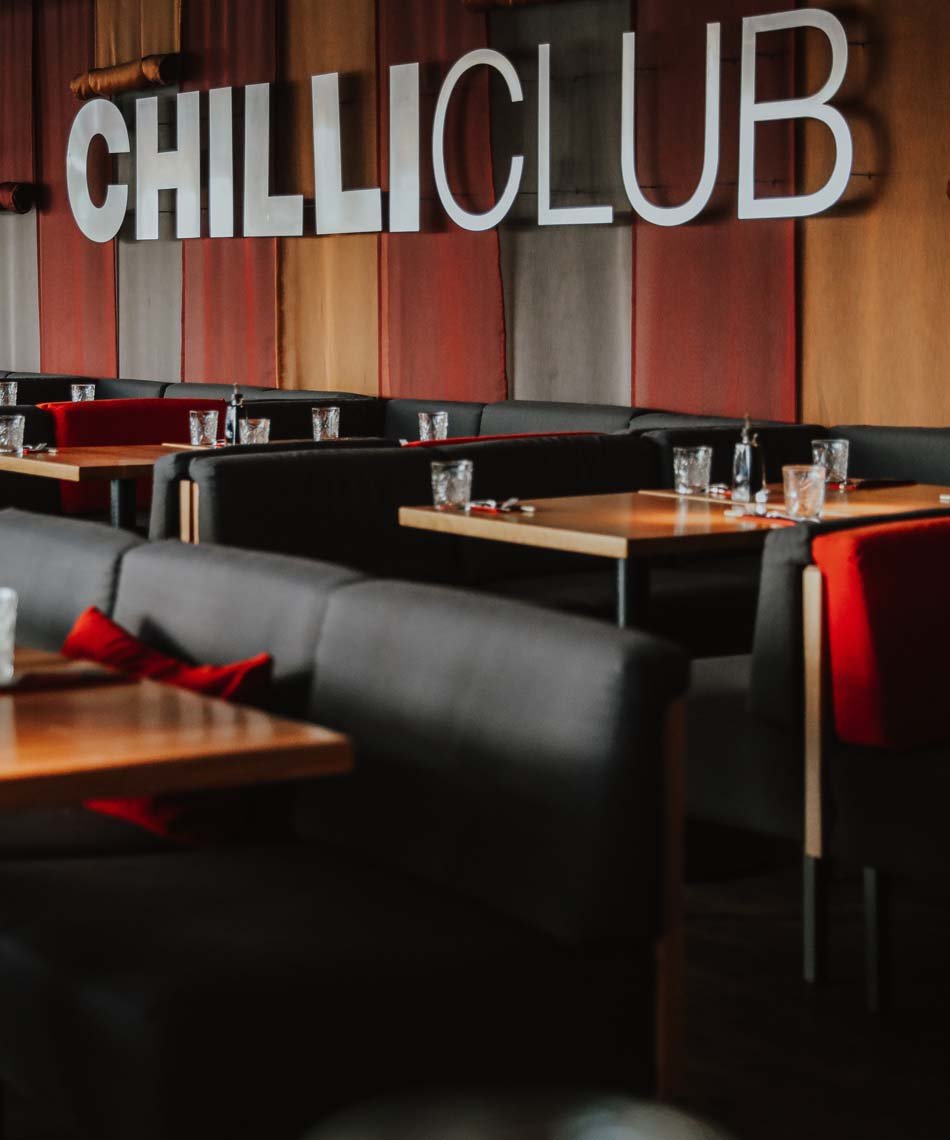
Within Bremen's dining scene, the Ratskeller occupies the heritage end of a market that also includes contemporary addresses such as alto and Al Pappagallo on the Italian side, as well as more casual options like Chapeau La Vache, CHILLI CLUB, and BLIXX Restaurant ATLANTIC Hotel Airport. None of those venues are competing for the same visitor or the same occasion. The Ratskeller functions as a standalone category, drawing people who have specifically come to Bremen to drink aged German wine in the building where German wine culture took formal institutional shape.
Food in Context
The kitchen serves German regional cuisine calibrated to complement the wine program rather than to compete for attention with it. Expect hearty, traditional preparations rooted in North German and broader Central European cooking, the kind of food that makes sense alongside a Spätburgunder from the Ahr or a mature Riesling Spätlese from the Mosel. This is not a venue in the lineage of Germany's fine-dining evolution, which you can trace through places like CODA Dessert Dining in Berlin or Victor's Fine Dining by christian bau in Perl. It occupies a more specific niche: the civic dining hall tradition, where the meal is a vehicle for understanding the wines rather than a separate act of culinary ambition.
That positioning is not a limitation, it is precisely the point. Visitors who arrive expecting a tasting-menu experience will have misread the venue. Those who arrive to drink deeply from a cellar that has been accumulating German wine for six centuries will find few equivalents in Europe. For broader northern German fine dining, Restaurant Haerlin in Hamburg offers a contrasting reference point less than two hours away.
Planning Your Visit
The Ratskeller is located directly beneath the Rathaus at Am Markt, 28195 Bremen.
A Pricing-First Comparison
Comparable venues nearby, for context on price, style, and recognition.
| Venue | Cuisine | Price | Awards | Notes |
|---|---|---|---|---|
| Bremen RatskellerThis venue — the venue you are viewing | Altstadt, Traditional Northern German | $$$ | Not listed | Not listed |
| BLIXX Restaurant ATLANTIC Hotel Airport | Not listed | $$ | Not listed | Bremen-Süd, International Cosmopolitan with German Influences |
| Wels | Not listed | $$$ | Not listed | Stadtgebiet Bremen, Modern German Fish & Game |
| CHILLI CLUB | Not listed | $$ | Not listed | Überseestadt, Asian Fusion with Sushi & Wok |
| Küche 13 | Not listed | $$ | Not listed | Viertel (Ostertor), Modern German Seasonal |
| Chapeau La Vache | Schwachhausen, Classic French Brasserie | $$$ | Michelin Plate | Not listed |
Recognition history
Dated appearances from independent guides and award organizations, with the underlying list record or original source where available.
Falstaff Restaurant - 87 Falstaff Points
Falstaff
Continue exploring
More in Bremen
Restaurants in Bremen
Browse all →
Bars in Bremen
Browse all →
Hotels in Bremen
Browse all →
At a Glance
- Historic
- Well Known
- Rustic
- Elegant
- Special Occasion
- Business Dinner
- Celebration
- Historic Building
- Wine Cellar
- Extensive Wine List
Current opening hours
- Monday
- 11 AM–12 AM
- Tuesday
- 11 AM–12 AM
- Wednesday
- 11 AM–12 AM
- Thursday
- 11 AM–12 AM
- Friday
- 11 AM–12 AM
- Saturday
- 11 AM–12 AM
- Sunday
- 11 AM–12 AM
Hours can change for holidays and private events. Last verified .
Rustic vaulted cellars with paneled walls, arched ceilings, heavy oak furniture, and cozy historic atmosphere.