Chie Chie's Pancit Batil Patung

On a quiet Makati side street, Chie Chie's Pancit Batil Patung carries a Michelin Plate (2026) for a dish most Metro Manila restaurants have never attempted: the knotted-noodle specialty of Cagayan de Oro, served in a setting that reads more neighbourhood canteen than destination dining room. It is one of the few places in the capital where regional Filipino noodle tradition holds the entire menu together.
Pearl is the En Primeur Club membership app — saves, bookings, and concierge access live there. Same editors, same standards.
- Address
- 1827 Dian St, Makati City, 1235 Metro Manila, Philippines
- Directions
- Get directions
 Saves & bookings on Pearl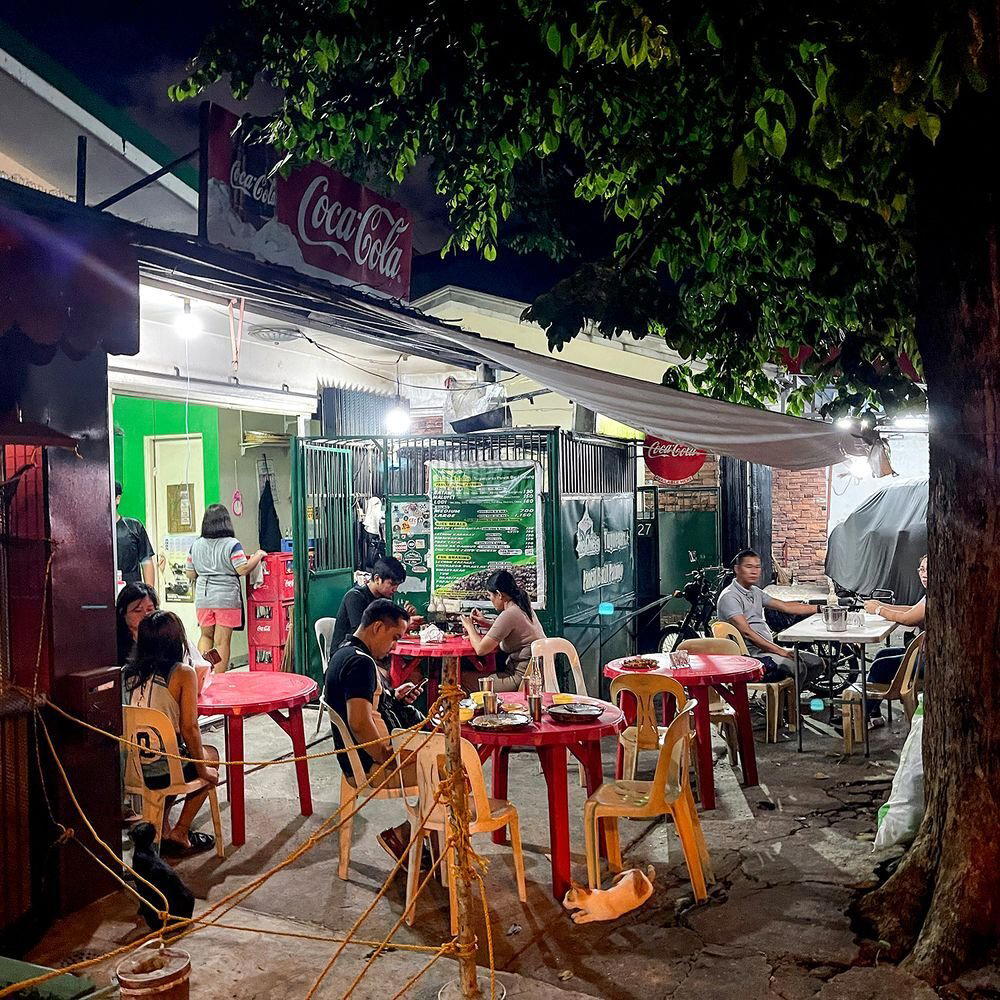
A Side Street, a Regional Dish, and a Michelin Plate
Dian Street in Makati does not announce itself. There are no valet stands, no glass facades catching the afternoon light, no queues stretching to the corner. The address at 1827 reads like dozens of others along this residential stretch of Makati City, where the gap between a family kitchen and a neighbourhood dining room has always been narrow. That compression of domestic and public space is not incidental to what Chie Chie's Pancit Batil Patung is. It is, in a meaningful sense, the point.
The Michelin Plate awarded in 2026 marks the restaurant as one worth the inspector's attention, placing it within the guide's broader acknowledgment of quality. In Metro Manila's current Michelin landscape, that designation carries weight: the guide's Philippine coverage is still young enough that a Plate represents a considered inclusion, not a participation ribbon. Hapag (Filipino) holds a full star for its tasting-menu interpretation of Filipino heritage ingredients; Kása Palma and Celera hold stars for their respective formats. Chie Chie's occupies a different register entirely: the specialist category, where the depth of a single regional preparation earns recognition rather than breadth of concept or tasting-menu ambition.
What Pancit Batil Patung Actually Is
Pancit batil patung is not a Manila dish. Its home is Cagayan, in the far north of Luzon, where fresh miki noodles are served in a meat-and-liver broth, topped with minced carabao or pork, and finished with a poached or half-cooked egg. The name encodes the technique: batil refers to the egg beaten into the broth on the side, patung to the toppings placed on leading. The combination produces a dish with distinct textural registers in a single bowl, and one that requires sourcing and preparation discipline to execute correctly. The broth is not a backdrop; it is the argument.
In Metro Manila, where the restaurant scene runs heavily toward fusion formats, contemporary Filipino tasting menus (see Helm and Inatô for two different takes on that mode), and international imports, the choice to anchor an entire operation to a single regional noodle dish from Cagayan is a deliberate editorial act. It is the kind of specificity that broader Filipino food culture has not always rewarded commercially, which makes its Michelin recognition the more instructive data point. For reference points at the further end of the global recognition spectrum, properties like Le Bernardin in New York City and Atomix in New York City demonstrate how deep specialisation within a culinary tradition can earn sustained critical attention, even when that specialisation narrows rather than broadens the menu.
The Space as an Argument
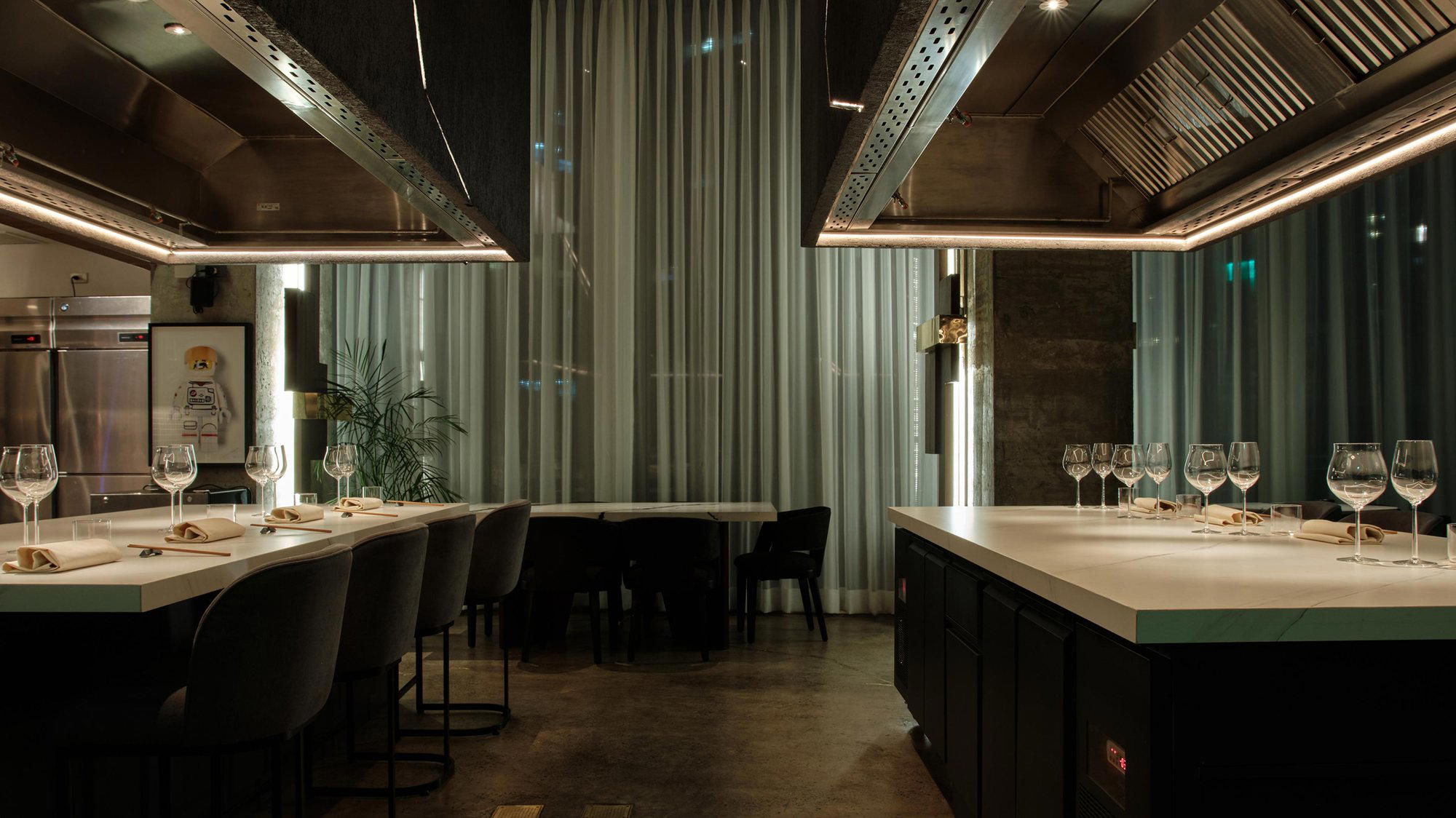
The architecture of a canteen-style dining room makes a statement about priority that a designed fine-dining interior cannot. When the room itself does not perform, everything that arrives at the table has to carry its own weight. In this category of Philippine dining, the physical container tends toward the functional: tiled floors, fluorescent or warm incandescent light, tables arranged for turnover rather than occasion. The meal happens in the foreground because there is no designed background competing with it.
This is the tradition that Chie Chie's occupies, and it places the restaurant in a comparable set quite different from the one suggested by Michelin proximity. The comparison is not with Gallery By Chele in Manila or Blackbird Makati. The relevant peers are the specialist provincial-dish houses across Metro Manila where the room's simplicity signals confidence rather than compromise. That confidence is the design argument, even when no designer was involved.
In broader Philippine dining culture, regional noodle specialists tend to operate in this mode. The bowl is the destination. The space is transport. What separates the recognised ones from the merely functional is consistency of broth and noodle quality across service periods, which is a production discipline that ambient design cannot substitute for.
Where It Sits in Makati's Current Scene
Makati in 2025 and 2026 holds more Michelin-recognised restaurants per square kilometre than any other district in Metro Manila. The starred tier pulls heavily toward contemporary Filipino tasting formats and European-trained technique. The Plate tier captures a wider spread: neighbourhood specialists, long-standing institutions, and single-dish operators with production standards that inspectors find worth noting. Chie Chie's belongs to the last group, which is especially interesting category precisely because it sits furthest from the starred tier's formal conventions.
For visitors building a broader Manila itinerary, the regional contrast is useful. Linamnam in Parañaque works a different corner of Philippine regional cooking; Asador Alfonso in Cavite and Abaseria Deli & Cafe in Cebu extend the regional picture further. Bolero in Taguig represents yet another mode. Together, these properties sketch a Philippine food scene that has never been reducible to a single format or geography, and Chie Chie's is one of the cleaner illustrations of that argument within Makati's own boundaries.
Recognition, Side-by-Side
Comparable venues nearby, for context on price, style, and recognition.
| Venue | Cuisine | Price | Awards | Notes |
|---|---|---|---|---|
| Chie Chie's Pancit Batil PatungThis venue — the venue you are viewing | Tuguegarao Pancit Batil Patung | $ | Michelin Plate | Not listed |
| Aida's Chicken | Bacolod-style Chicken Inasal | $$ | Michelin Plate | Makati |
| Manam at the Triangle | Modern Filipino | $$ | Bib Gourmand | Ayala Triangle |
| Papillon | Modern Southeast Asian | $$$ | Michelin Plate | Salcedo Village |
| Milky Way Cafe | Traditional Filipino & International | $$ | Not listed | Makati |
| Ayà | Dining | Not listed | Michelin Plate | Makati |
Recognition history
Dated appearances from independent guides and award organizations, with the underlying list record or original source where available.
Michelin Plate
Michelin

At a Glance
- Cozy
- Casual Hangout
- Standalone
Current opening hours
- Monday
- 7:30 AM–9:30 PM
- Tuesday
- 7:30 AM–9:30 PM
- Wednesday
- 7:30 AM–9:30 PM
- Thursday
- 7:30 AM–9:30 PM
- Friday
- 7:30 AM–9:30 PM
- Saturday
- 7:30 AM–9:30 PM
- Sunday
- 7:30 AM–9:30 PM
Hours can change for holidays and private events. Last verified .
Casual roadside stall shaded by a tree with a charming, friendly atmosphere.