Chicago Chefs Cook
Chicago Chefs Cook occupies a particular position in the city's fine-dining calendar: a format where the menu itself becomes the editorial statement. Located at 120 E Delaware Pl in the Gold Coast, it draws on the collective depth of Chicago's restaurant community to stage dinners that read less like a set menu and more like a referendum on where the city's cooking stands right now.
Pearl is the En Primeur Club membership app — saves, bookings, and concierge access live there. Same editors, same standards.
- Address
- 120 E Delaware Pl, Chicago, IL 60611
- Phone
- +17733439642
- Website
- opentable.com
- Directions
- Get directions
 Saves & bookings on Pearl
When the Menu Is the Argument
On East Delaware Place, in the Gold Coast corridor that connects Michigan Avenue's commercial density to the quieter residential blocks beyond, Chicago Chefs Cook stages something that most restaurants cannot: a dinner where the menu's structure is, itself, the point of view. The format pulls multiple chefs into a single service, which means the progression of courses carries an implicit editorial logic, not the vision of one kitchen, but a curated sequence that reflects how Chicago's broader cooking community thinks about a meal right now.
That structural decision separates this format from the standard tasting-menu model. At Alinea or Oriole, the menu is a singular authorial statement, one kitchen's logic from amuse to mignardise. Here, the architecture is collaborative, which means the seams between courses are as revealing as the courses themselves: where one chef's register ends and another's begins, how the temperature and tension of the meal shifts, whether the whole coheres or deliberately resists cohesion.
Menu Architecture as City Portrait
The multi-chef dinner format has precedent across American fine dining. Lazy Bear in San Francisco and Blue Hill at Stone Barns in Tarrytown each use collaborative or community-minded frameworks to shape their menus, though both resolve into a single guiding philosophy. The Chicago Chefs Cook model is more explicitly pluralist: the menu doesn't argue for one approach but holds multiple approaches in sequence, asking the guest to read the differences as content rather than inconsistency.
This is worth understanding before you book. Guests accustomed to the tight internal logic of a single-chef tasting menu, the kind of narrative continuity you find at Smyth or Next Restaurant, may find the multi-voice format deliberately disorienting. That disorientation is not a failure of execution. It is the format's argument: that Chicago's dining identity is not monolithic, and that a meal can function as evidence of that complexity.
Comparable charity-aligned or benefit-dinner formats at the national level, events associated with institutions like Le Bernardin in New York City or The French Laundry in Napa, tend to resolve into the host kitchen's aesthetic. The Chicago Chefs Cook approach holds the multiplicity rather than flattening it, which is the more demanding editorial decision.
Chicago's Collaborative Fine-Dining Circuit
Chicago has developed a specific culture around chef collaboration that distinguishes it from New York or Los Angeles. The city's fine-dining community is compact enough, and the industry social fabric tight enough, that cross-kitchen collaborations carry real weight. When chefs from Kasama or the city's contemporary American tier share a service, the resulting menu carries institutional memory: shared mentors, shared sourcing relationships, shared debates about what Chicago cooking should be doing.
That context is what gives the restaurant its authority beyond the individual dishes. The format functions as a kind of annual audit of where the city's cooking community has arrived, what techniques are still being worked through, what ingredient obsessions have consolidated, what the current generation of Chicago chefs considers worth serving to a room full of people paying close attention. Diners who follow the city's restaurant scene closely enough to track movements between kitchens will read the menu with a different level of resolution than first-time visitors, though neither group leaves without a clear sense of the city's current cooking priorities.
The Gold Coast Address and What It Signals
120 East Delaware Place puts this dinner inside a neighborhood that reads differently from the Fulton Market District or the West Loop blocks where many of Chicago's newer high-profile restaurants have anchored. The Gold Coast is older money, older infrastructure, and a dining geography that tends toward established formats rather than emerging ones. That address gives the format a degree of institutional distance from the trendier coordinates of the city's restaurant map, which, for a dinner that functions as a kind of civic statement about Chicago cooking, may be entirely appropriate.
For comparison: the Gold Coast's proximity to the Magnificent Mile puts it within easy reach of hotels and visitors, which means the restaurant draws a room that mixes serious local diners with well-travelled guests who may arrive with reference points from Providence in Los Angeles, Addison in San Diego, or Frasca Food and Wine in Boulder. That mix of local knowledge and outside reference is itself useful: it means the menu gets read against a wide range of benchmarks simultaneously.
Where This Sits in the Broader Format Conversation
Benefit dinners and chef-collective formats have proliferated across American fine dining over the past decade, and quality varies considerably. The formats that hold up are the ones where curation is treated as seriously as execution, where the sequence of chefs and courses reflects a considered argument rather than availability. Internationally, events like those associated with Atelier Moessmer Norbert Niederkofler in Brunico or Atomix in New York City demonstrate how tightly a multi-contributor format can be held together when curatorial logic is applied rigorously.
The restaurant operates at the serious end of this format category. The address, the participant roster drawn from the city's active fine-dining community, and the event's continued presence in Chicago's premium dining calendar all point to a format that has earned its place rather than coasted on novelty.
For travellers who have already worked through the fixed-address tasting-menu circuit, Emeril's in New Orleans or Single Thread Farm in Healdsburg among the broader American fine-dining calendar, the restaurant format offers something those kitchens cannot: a meal where the plurality of voices is the design, not the constraint.
Planning Your Visit
| Venue | Format | Price Tier | Booking Lead Time |
|---|---|---|---|
| The restaurant | Multi-chef collaborative dinner | Benefit/event pricing | Check current event schedule |
| Alinea | Single-kitchen tasting menu | $$$$ | Several months in advance |
| Smyth | Single-kitchen tasting menu | $$$$ | 4-8 weeks typical |
| Next Restaurant | Concept-rotating tasting menu | $$$$ | Ticket release dependent |
| Kasama | Omakase tasting menu | $$$$ | 4-6 weeks typical |
Recognition, Side-by-Side
Comparable venues nearby, for context on price, style, and recognition.
| Venue | Cuisine | Price | Notes |
|---|---|---|---|
| Chicago Chefs CookThis venue — the venue you are viewing | Midwest Seasonal Cuisine | Not listed | Not listed |
| Harry Caray's 7th Inning Stretch | American Comfort Food | $$ | Near North Side |
| Roots Handmade Pizza | Quad Cities-Style Pizza | $$ | Lincoln Square |
| Soule To Soule | Soul Food Tapas | $$ | West Town |
| Guinness Open Gate Brewery - Chicago | Modern Irish-American Gastropub | $$ | West Loop |
| Blue Door Farm Stand | Farm-to-Table American Cafe | $$ | Lincoln Park |
At a Glance
- Special Occasion
- Open Kitchen
- Local Sourcing
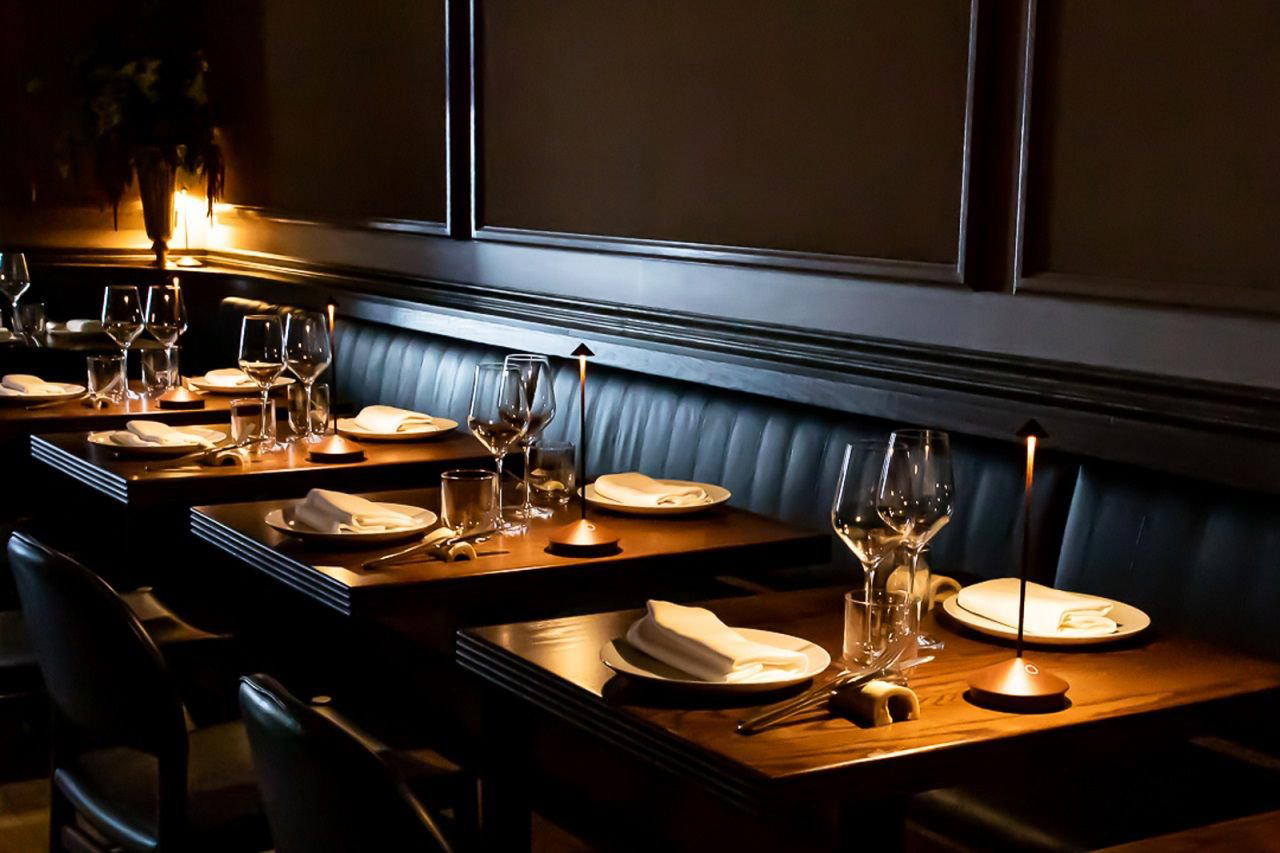
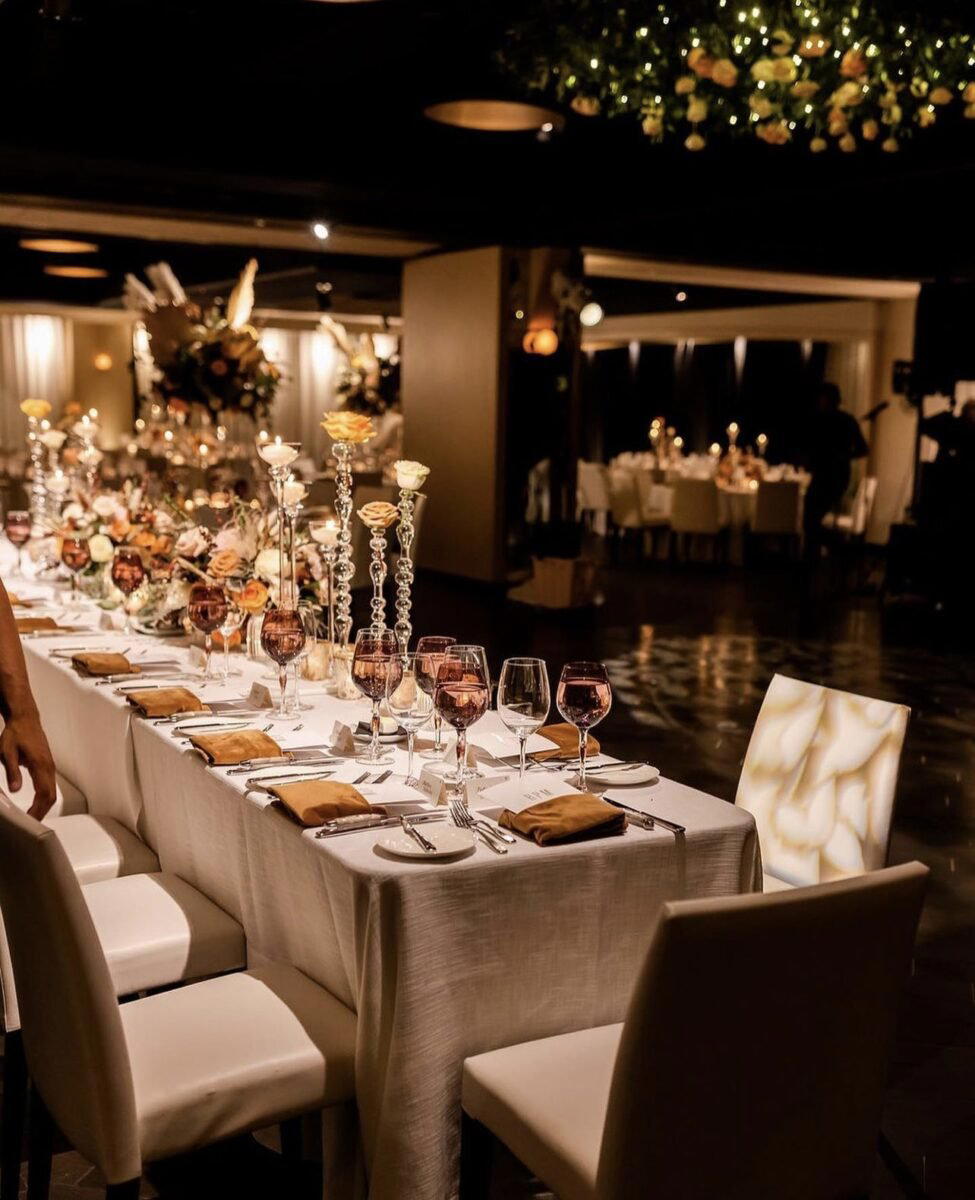
Event-based atmosphere focused on charity and community support.