Harry Caray's 7th Inning Stretch
Our verdict
The menu leans into classic American steakhouse and Italian-American staples, making it a consistent draw for visitors who want a sense of Chicago's sports culture alongside a sit-down meal.

Pearl is the En Primeur Club membership app, where members save venues, book tables and use the concierge.

The menu
What to order
- Holy Cow! Burger
- Harry Caray Burger
- Italian Beef Sandwich
Where Sports Memory Becomes a Dining Format
Chicago has long maintained a parallel track between its fine dining reputation and its sports-bar heritage. On one end of the spectrum, the city's progressive American kitchens, from Alinea to Smyth and Oriole, compete with the tasting-menu heavyweights you'd find at The French Laundry in Napa or Le Bernardin in New York City. On the other end, a category of restaurant exists that makes no claim to culinary innovation at all.
The concept draws on Harry Caray's status as the broadcaster most associated with Chicago Cubs baseball, a figure whose public persona, outsized glasses, enthusiastic calls, and seventh-inning rendition of "Take Me Out to the Ballgame," became shorthand for a certain era of Wrigley Field attendance. The restaurant uses that identity as its structural foundation, which shapes not just the decor but the way the entire menu is positioned and what kind of dining occasion the room is built to host.
How the Menu Architecture Defines the Experience
Sports-heritage restaurants frequently fall into one of two menu traps: they either overcomplicate things to signal culinary seriousness, or they offer bar-food minimalism that makes the room feel more like a lounge than a restaurant. Harry Caray's 7th Inning Stretch reads as a deliberate attempt to hold the middle ground by building around the Italian-American steakhouse format, a genre with genuine Chicago roots that lets a kitchen deliver crowd-pleasing familiarity without abandoning dinner-restaurant credibility.
That format matters because of what it signals to a guest before they sit down. A steakhouse-anchored menu communicates a set of expectations: cuts of beef as the organizing principle, pasta dishes as secondary lanes, appetizers that lean toward shareable rather than precious, and a dessert section that skews nostalgic. It is a menu structure that travels well across groups, managing the common challenge of a table where some guests want a proper dinner and others are primarily there for the atmosphere and a drink.
This positions the restaurant within a recognizable American category that has precedents across the country. The Italian-American steakhouse as a format has produced some of the more durable restaurant concepts in major cities, precisely because it asks relatively little of the guest in terms of food knowledge while still delivering enough variety to feel like a considered meal. Compare that to the menu architecture at Next Restaurant or Kasama, where the menu's construction is itself the editorial statement, and the difference in ambition and function becomes clear. Neither approach is wrong; they serve entirely different dining occasions. This is not a criticism so much as a geographic fact that shapes everything from the pacing of service to the assumption that many guests are experiencing the Harry Caray concept for the first time. Restaurants in this position, physically embedded in major retail complexes along heavily touristed stretches, tend to manage volume rather than cultivate return-visit regulars in the way that a neighborhood-anchored room would.
For a visitor to Chicago who wants to situate a meal in something locally specific, that context matters. The restaurant is not positioned to compete with the city's reservation-driven fine dining tier, a category that includes rooms like Smyth and draws comparisons to destinations such as Blue Hill at Stone Barns or Providence in Los Angeles. It competes instead for the visitor who wants a sit-down dinner that connects to Chicago's sports culture and doesn't require advance planning or a working knowledge of the city's dining scene.
That is a legitimate category, and the Magnificent Mile location serves it efficiently. The address is walkable from most Streeterville and Gold Coast hotels, accessible by the Red Line, and embedded in a shopping complex that generates its own foot traffic from mid-afternoon onward.
Sports-Heritage Dining as a Category Worth Understanding
The sports-heritage restaurant format has grown more sophisticated over the past two decades. Early versions often amounted to little more than signed memorabilia on the walls and deep-fryer menus. The more considered iterations, and Harry Caray's 7th Inning Stretch positions itself as one of them, treat the cultural identity as a front-of-house design commitment while investing enough in the kitchen to justify a dinner check rather than just a bar tab.
Across the United States, the venues that have sustained this format longest tend to be those attached to figures whose public personas are specific enough to give the room a point of view. The Harry Caray brand, also operating at the flagship River North location on W Kinzie Street, carries enough specificity to do that work. The seventh-inning stretch, as a baseball ritual, carries collective familiarity that extends well beyond Cubs fans, which broadens the concept's reach without diluting its Chicago identity.
For a traveler building a broader American dining itinerary, it's worth noting how this category sits relative to the full spectrum.enprimeurclub.com/restaurants/addison">Addison in San Diego, The Inn at Little Washington, or Lazy Bear in San Francisco. At the other are concepts that prioritize cultural memory and accessibility. Emeril's in New Orleans and Bacchanalia in Atlanta show how chef-branded concepts can hold both ambition and accessibility simultaneously, though their format differs considerably from the sports-heritage model.
Harry Caray's 7th Inning Stretch makes no claim to the former tier and is more honest for it. See our full Chicago restaurants guide for a mapped view of how Chicago's dining categories sit relative to each other, from the tasting-menu circuit to neighborhood-anchored rooms to the visitor-facing concepts on the Magnificent Mile.
Frequently asked questions
How do I find Harry Caray's 7th Inning Stretch?
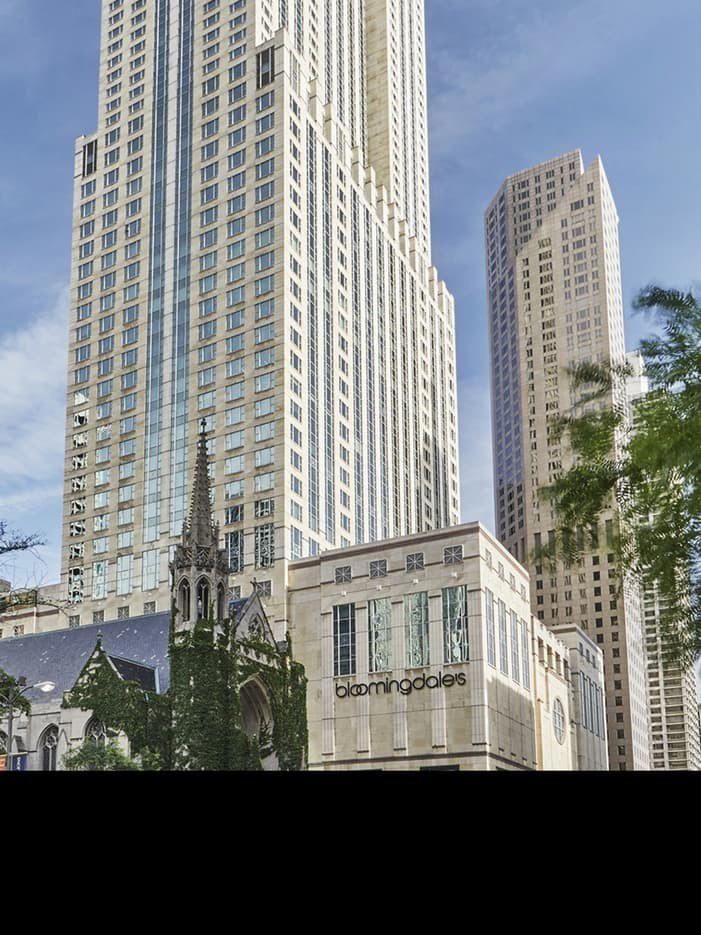
Harry Caray's 7th Inning Stretch is located at Water Tower Place, 835 N Michigan Ave, Chicago, IL 60611, Chicago.
How does Harry Caray's 7th Inning Stretch differ from other Chicago sports-heritage restaurants?
Most sports-heritage restaurants in Chicago rely on generic team affiliations and signed merchandise; Harry Caray's operates around a single, historically specific figure, Harry Caray himself, whose 16 seasons calling Cubs games at Wrigley Field gave the brand a documentary anchor most competitors lack. The Water Tower Place location at 835 N Michigan Ave extends that identity into the Magnificent Mile corridor, reaching a guest mix that skews toward visitors already oriented toward Chicago's cultural touchstones. The Italian-American steakhouse menu format also gives it more culinary definition than a typical sports bar.
What should I eat at Harry Caray's 7th Inning Stretch?
The Italian-American steakhouse format anchors the menu, so the most coherent ordering strategy leads with a steakhouse cut as the main event. Supporting dishes follow the Italian-American tradition that has defined the Harry Caray's brand across its Chicago locations. Avoid overcomplicating the order, the format rewards straightforward choices within its defined category.
Is Harry Caray's 7th Inning Stretch reservation-only?
The Water Tower Place location, at 835 N Michigan Ave, accommodates walk-ins, particularly during off-peak hours. Its position inside a high-traffic shopping complex on the Magnificent Mile means foot traffic is steady, so arriving early or during shoulder hours improves your odds without a booking. Reservations remain the more reliable option on weekends or during Cubs game days.
What has Harry Caray's 7th Inning Stretch built its reputation on?
The concept draws its identity directly from Harry Caray's decades as the voice of Cubs baseball, a public persona specific enough to carry a restaurant brand across multiple Chicago locations. That broadcasting legacy gives the dining room a coherent sports-heritage narrative rather than generic memorabilia-wall aesthetics. The Italian-American steakhouse menu provides the culinary framework that keeps the experience grounded in Chicago's broader dining tradition.
Booking and Cost Snapshot
Comparable venues nearby, for context on price, style, and recognition.
| Venue | Cuisine | Price | Notes |
|---|---|---|---|
| Harry Caray's 7th Inning StretchThis venue (the venue you are viewing) | American Comfort Food | $20–30 | Not listed |
| GEMINI | Classic American Bistro | $30–50 | Lincoln Park, Classic American Bistro |
| Carpenter Street | Elevated American Comfort Food | Not listed | West Loop, Polished American Comfort Food |
| Fatback | Artisan Sandwiches & Rotisserie | $10–20 | Loop, Artisan Sandwiches & Rotisserie |
| Punch Bowl Social | Modern American Gastropub | $30–50 | West Loop, Modern American Gastropub |
| The Silver Palm | American Railroad-Themed Dining | Not listed | River West, American Railroad-Themed Dining |
Continue exploring
More in Chicago
Restaurants in Chicago
All restaurants in Chicago →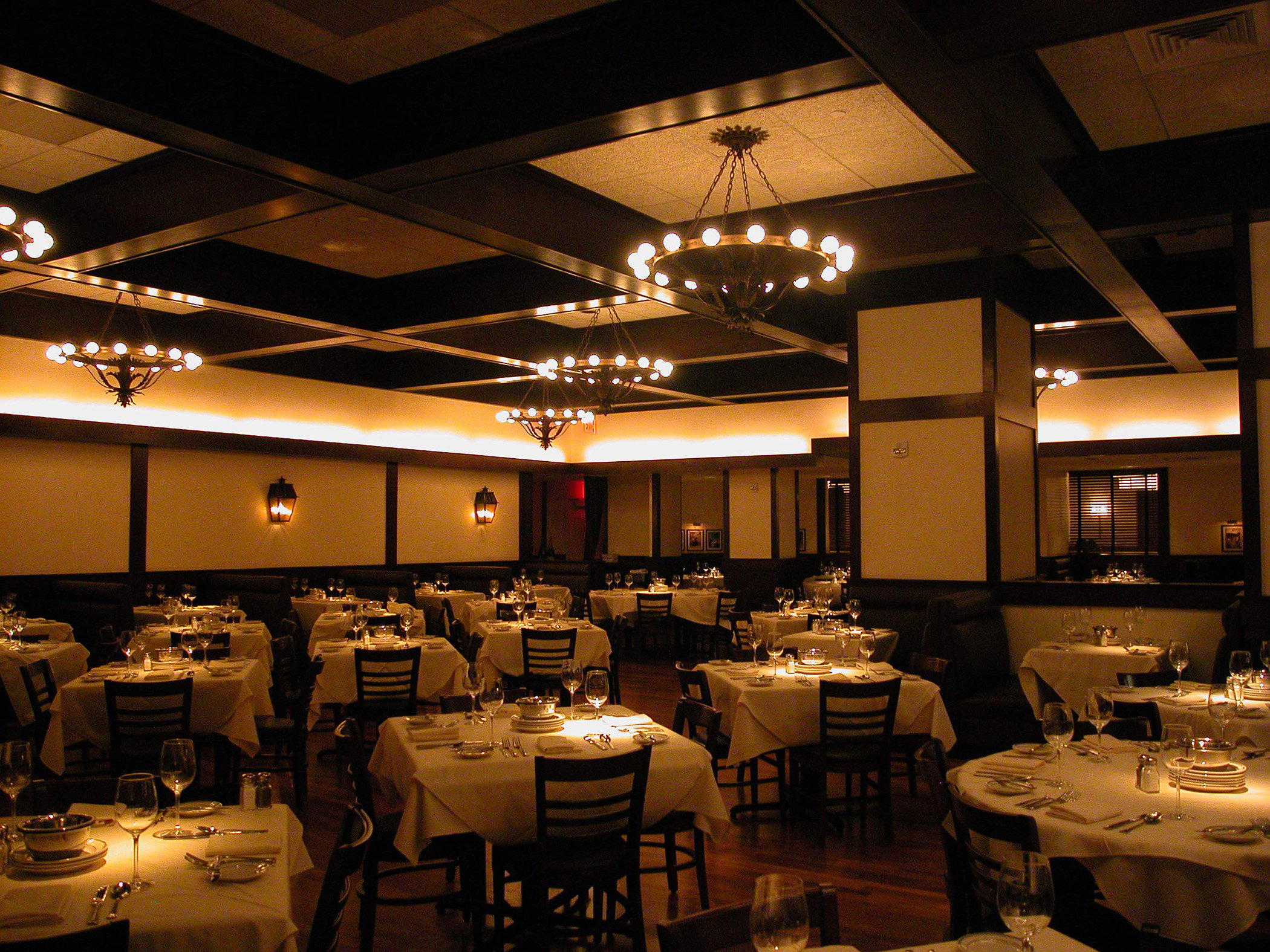
Details
- Lively
- Energetic
- Well Known
- Group Dining
- Casual Hangout
- Celebration
- Historic Building
- Private Dining
- Craft Cocktails
- Beer Program
- Local Sourcing
- A La Carte
- Craft Beer
- Cocktails
- Vegetarian Friendly
- Gluten Free Options
Current opening hours
- Monday
- 11 AM–7 PM
- Tuesday
- 11 AM–7 PM
- Wednesday
- 11 AM–7 PM
- Thursday
- 11 AM–7 PM
- Friday
- 11 AM–8 PM
- Saturday
- 11 AM–8 PM
- Sunday
- 12–6 PM
Hours can change for holidays and private events. Hours as of .
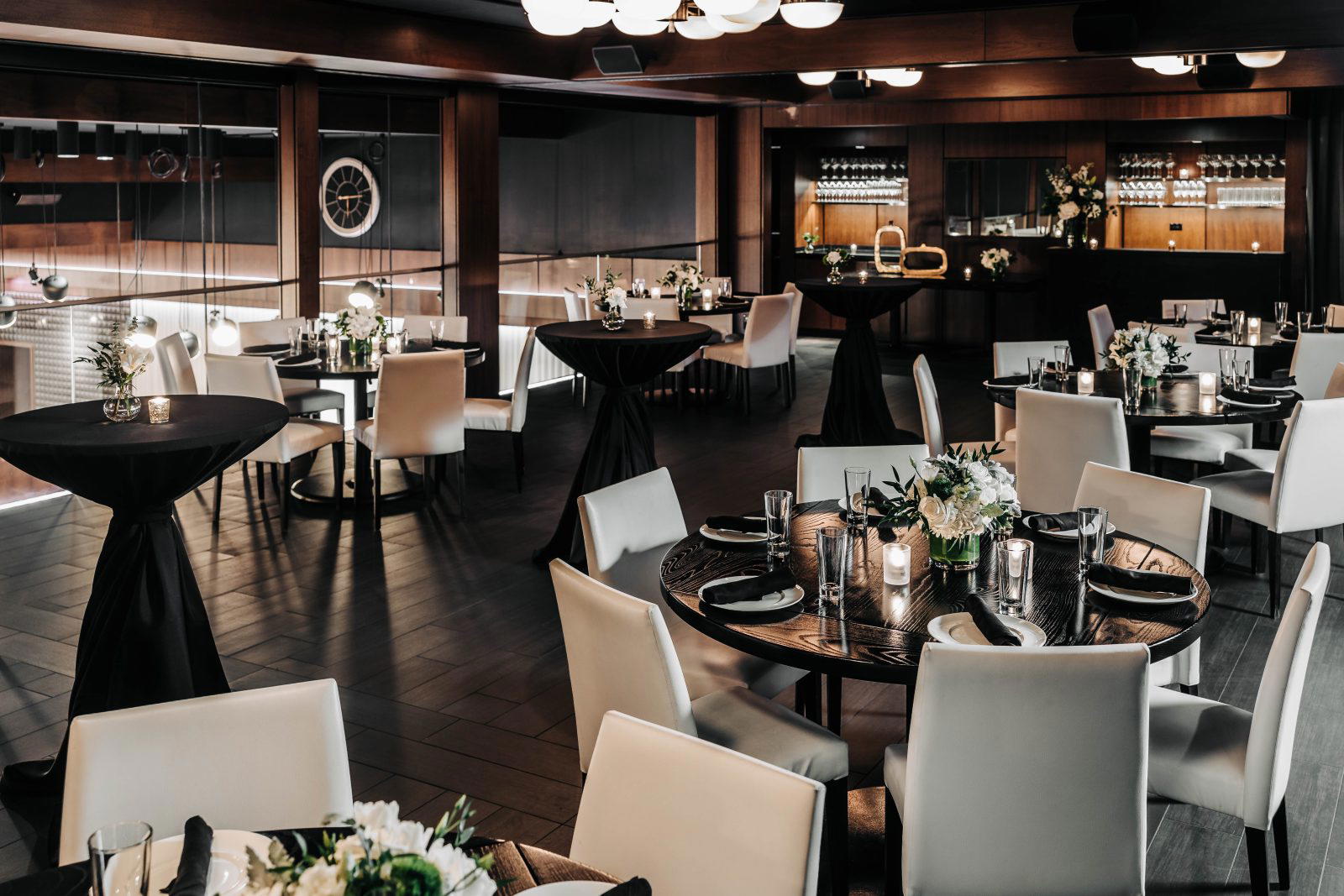
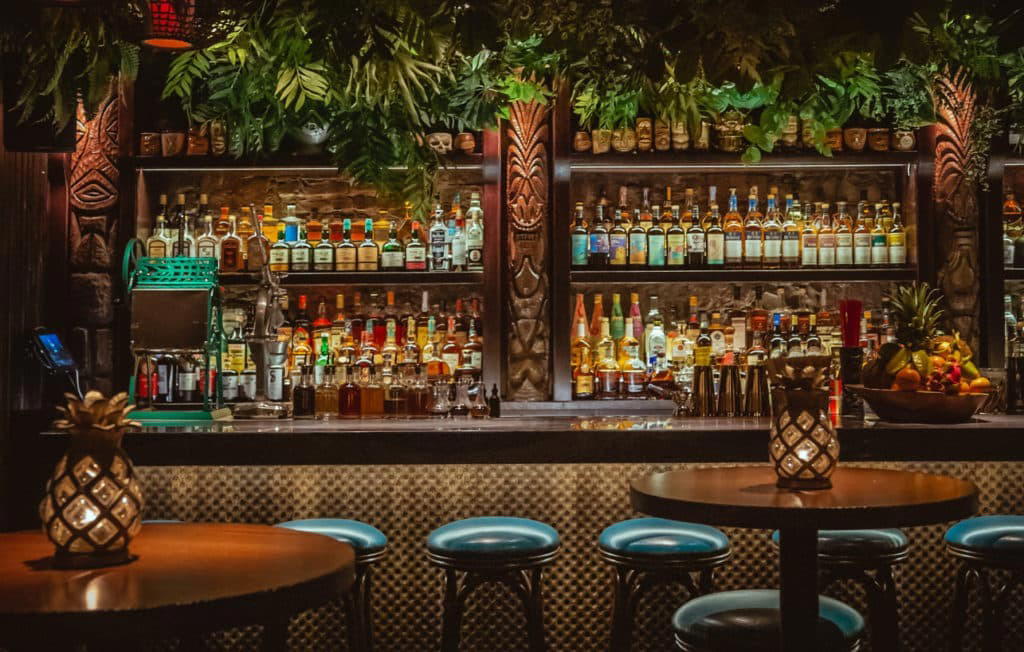
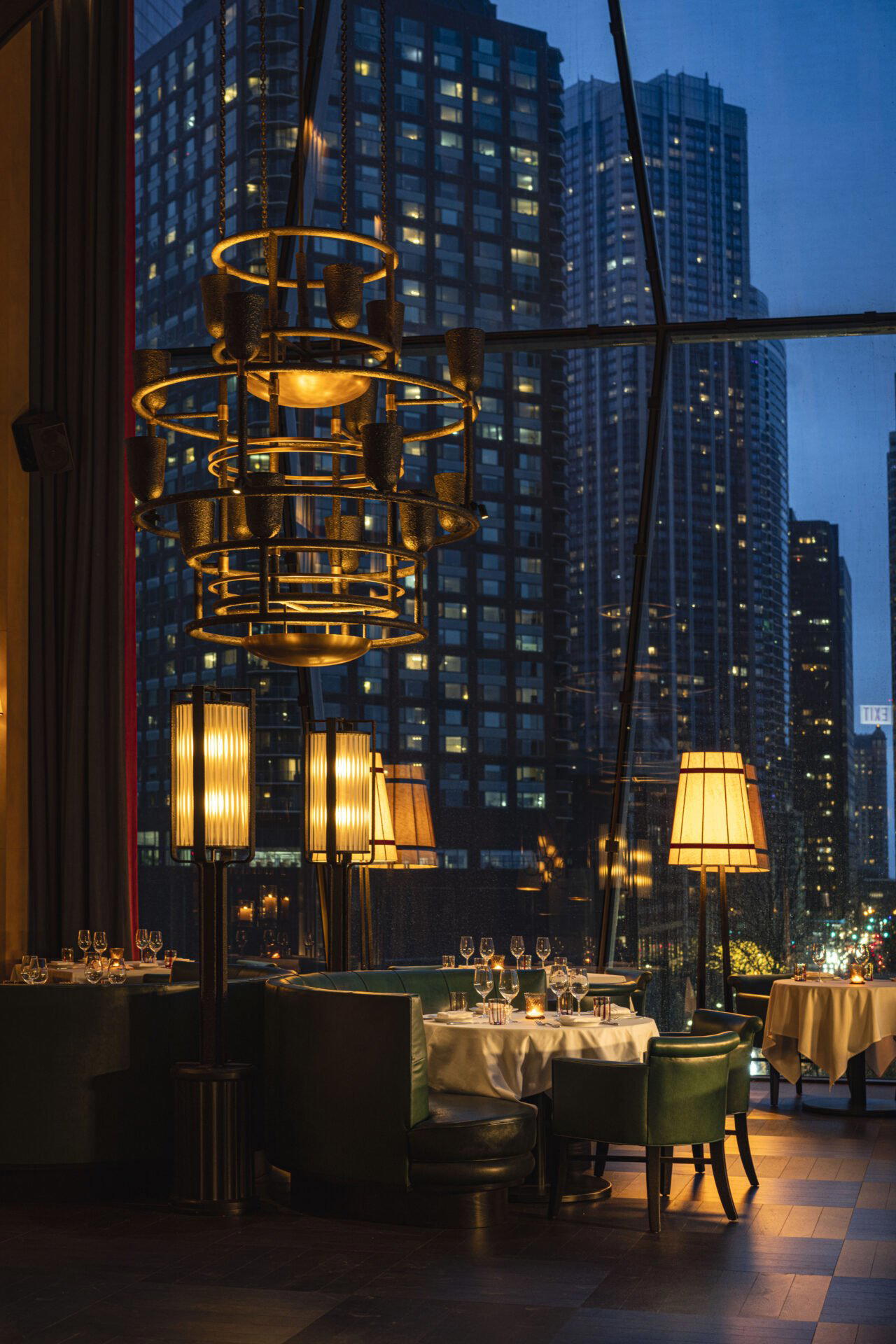
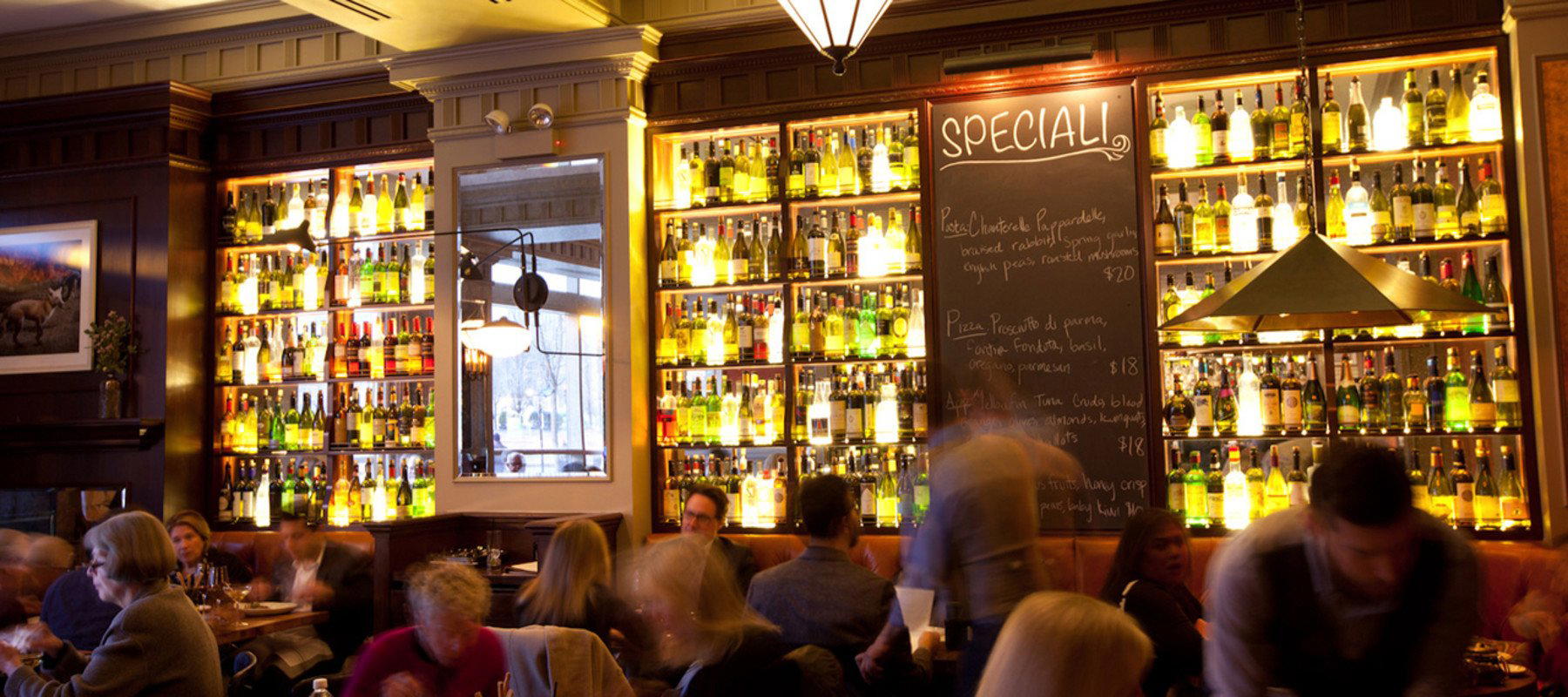
High-energy atmosphere filled with sports memorabilia, providing a lively and fun dining experience.