Roots Handmade Pizza
On Chicago's West Town stretch of Chicago Avenue, Roots Handmade Pizza occupies a slot in the city's deep-dish and tavern-style pizza conversation that rewards closer inspection. The kitchen works within a neighborhood tradition that predates the craft pizza wave, and the address at 1924 W Chicago Ave places it squarely in a residential corridor where locals eat rather than tourists hunt. A useful reference point for understanding how Chicago's pizza culture distributes itself beyond the obvious downtown anchors.
Pearl is the En Primeur Club membership app — saves, bookings, and concierge access live there. Same editors, same standards.
- Address
- 1924 W Chicago Ave, Chicago, IL 60622
- Phone
- +17736454949
- Website
- rootspizza.com
- Directions
- Get directions
 Saves & bookings on Pearl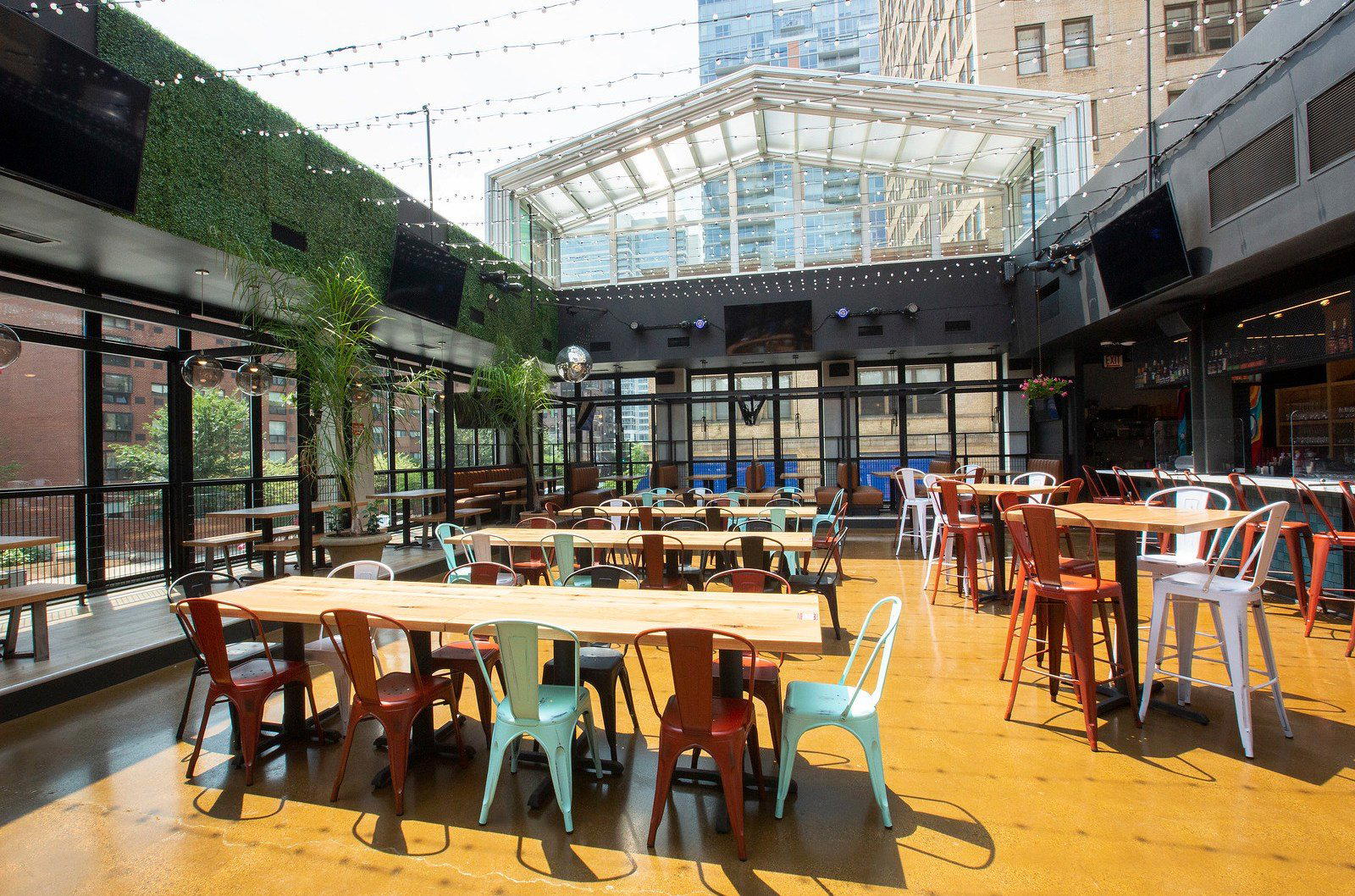
Where Chicago's Pizza Tradition Lives Off the Tourist Map
Chicago pizza divides along two fault lines that rarely get discussed with any precision: the deep-dish tourist circuit that runs through River North and the Loop, and the tavern-style, neighborhood-rooted operations that serve the city's actual residents across Wicker Park, Ukrainian Village, and West Town. Roots Handmade Pizza at 1924 W Chicago Ave sits in the second category, on a stretch of Chicago Avenue that has more in common with a working residential corridor than a dining destination. That distinction matters when you're trying to understand what kind of pizza culture the city actually sustains beyond the venues that appear on every aggregator list.
The handmade designation in the name signals something worth paying attention to. In a city where pizza production has industrialized at the volume end and fetishized technique at the premium end, a kitchen that leads with craft as its central identity is making a specific competitive claim. Chicago's pizza scene has always rewarded that kind of positioning when it's backed by consistent execution, and the West Town address gives Roots a neighborhood anchoring that the downtown operations simply cannot replicate.
The West Town Context
West Town and its adjacent Ukrainian Village corridor represent one of Chicago's more interesting culinary micro-zones. The neighborhood has enough density and income diversity to support serious restaurants without the performative pressure of the Fulton Market District a few blocks east, where venues compete on concept and spectacle. On Chicago Avenue itself, the character is more direct: places succeed because locals return, not because out-of-towners are directed there by a concierge.
That neighborhood loyalty dynamic shapes everything about how a place like Roots operates. For a traveler trying to understand Chicago's food culture beyond its fine-dining icons, this is the kind of address that fills in the actual picture.
Chicago's restaurant range doesn't begin and end at the progressive American and contemporary fine dining tier represented by Next Restaurant or the Filipino tasting menu format of Kasama. The city's culinary identity was built on neighborhood institutions, and pizza is where that history is most legible. Understanding where Roots sits in that longer story requires knowing that Chicago's tavern-style pizza, with its thin, cracker-crisp crust cut into squares rather than wedges, has its own canon that runs parallel to and largely independent of the deep-dish narrative that dominates outside perception.
What the Handmade Framing Actually Means
The language of handmade production has become sufficiently widespread across the restaurant industry that it risks meaning nothing. In the pizza category specifically, it tends to signal dough made in-house from scratch, attention to fermentation time, and sourcing choices that favor quality ingredients over volume efficiency.
What the framing does establish is a competitive positioning that differs from both the mass-market pizza chains operating in the same price band and the refined wood-fired concepts that have proliferated in Chicago's more trend-forward neighborhoods. A handmade neighborhood pizza operation in West Town is making an argument about value and craft simultaneously, which is a harder balance to sustain than either end of the spectrum alone.
For context, the craft pizza wave that reshaped American urban dining over the past fifteen years drew influence from Neapolitan tradition, Californian ingredient sourcing, and in Chicago's case, a local tavern-style heritage that predates all of it. Venues that have successfully threaded those influences without losing their neighborhood identity have tended to build particularly durable followings. The comparison is instructive even at a distance: Lazy Bear in San Francisco and Blue Hill at Stone Barns in Tarrytown both demonstrate how a defined craft identity, rooted in a specific place and tradition, compounds into institutional credibility over time. The mechanism works at every price point.
Drinks and the Neighborhood Pizza Pairing Question
The editorial angle on wine and beverage lists at neighborhood pizza operations is worth addressing directly, because it exposes a genuine gap in how food media covers the category. While the sommelier-driven cellar programs at venues like Le Bernardin in New York City, Providence in Los Angeles, or Addison in San Diego receive detailed critical attention, the beverage programs at neighborhood pizza institutions are rarely examined with the same seriousness, despite the fact that pizza is one of the more demanding foods to pair correctly.
The acidity in tomato sauce, the fat content in cheese, and the char character in crust require wines with enough structure and freshness to stay coherent across multiple slices. Southern Italian varietals, particularly Aglianico and Nero d'Avola, handle that challenge well, as does a well-made Lambrusco for tables that want something lower in alcohol. Chicago's better neighborhood pizza spots have quietly developed beer lists that do similar work, with pilsners and session lagers offering the carbonation and bitterness that cuts through cheese weight more cleanly than many mid-weight reds.
What it does suggest is that any serious neighborhood pizza operation on Chicago's West Side is making beverage decisions that reflect the same value proposition as the food: affordable, unpretentious, and calibrated for repeat visits rather than occasion dining. That's a different curatorial logic than what drives the cellar programs at The French Laundry in Napa or 8½ Otto e Mezzo Bombana in Hong Kong, but it's no less intentional when executed well.
Planning Your Visit
Roots Handmade Pizza is located at 1924 W Chicago Ave in Chicago's West Town neighborhood. Reservations are recommended. Dress: Casual. Budget: About $25 per person. For a broader map of where Roots fits within Chicago's dining range, from neighborhood institutions to the city's most formally recognized restaurants, see our full Chicago restaurants guide.
What It’s Closest To
Comparable venues nearby, for context on price, style, and recognition.
| Venue | Cuisine | Price | Notes |
|---|---|---|---|
| Roots Handmade PizzaThis venue — the venue you are viewing | Quad Cities-Style Pizza | $$ | Not listed |
| Windy City Sweets | Gourmet Candy & Handmade Chocolates | $$ | Lake View East |
| Grant Park Bistro | American Bistro | $$ | Downtown / The Loop |
| Sanders BBQ Prime | Texas-Style BBQ | $$ | Beverly |
| Tiny Tapp & Tiny Café | Contemporary American Riverside Café | $$ | Theater District |
| Land & Lake Kitchen | Polished American Classics | $$ | Theater District |








At a Glance
- Cozy
- Lively
- Rustic
- Casual Hangout
- Family
- Group Dining
- Open Kitchen
- Beer Program
- Local Sourcing
Current opening hours
- Monday
- Closed
- Tuesday
- Closed
- Wednesday
- 11 AM–9 PM
- Thursday
- 11 AM–9 PM
- Friday
- 11 AM–9 PM
- Saturday
- 11 AM–9 PM
- Sunday
- 11 AM–9 PM
Hours can change for holidays and private events. Last verified .
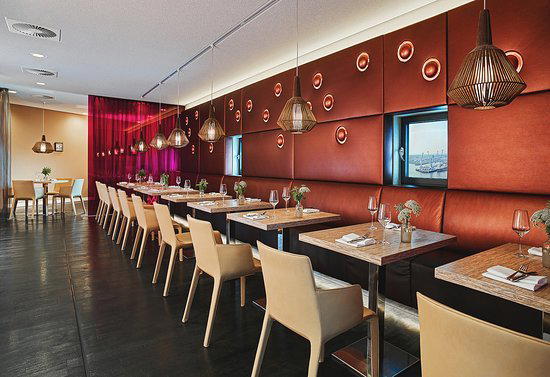
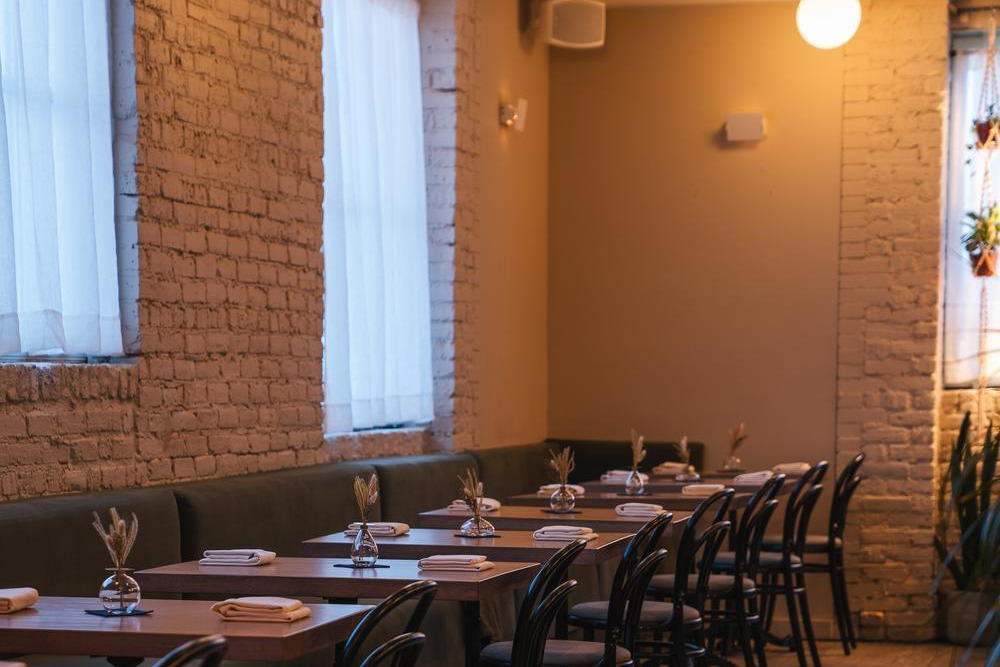
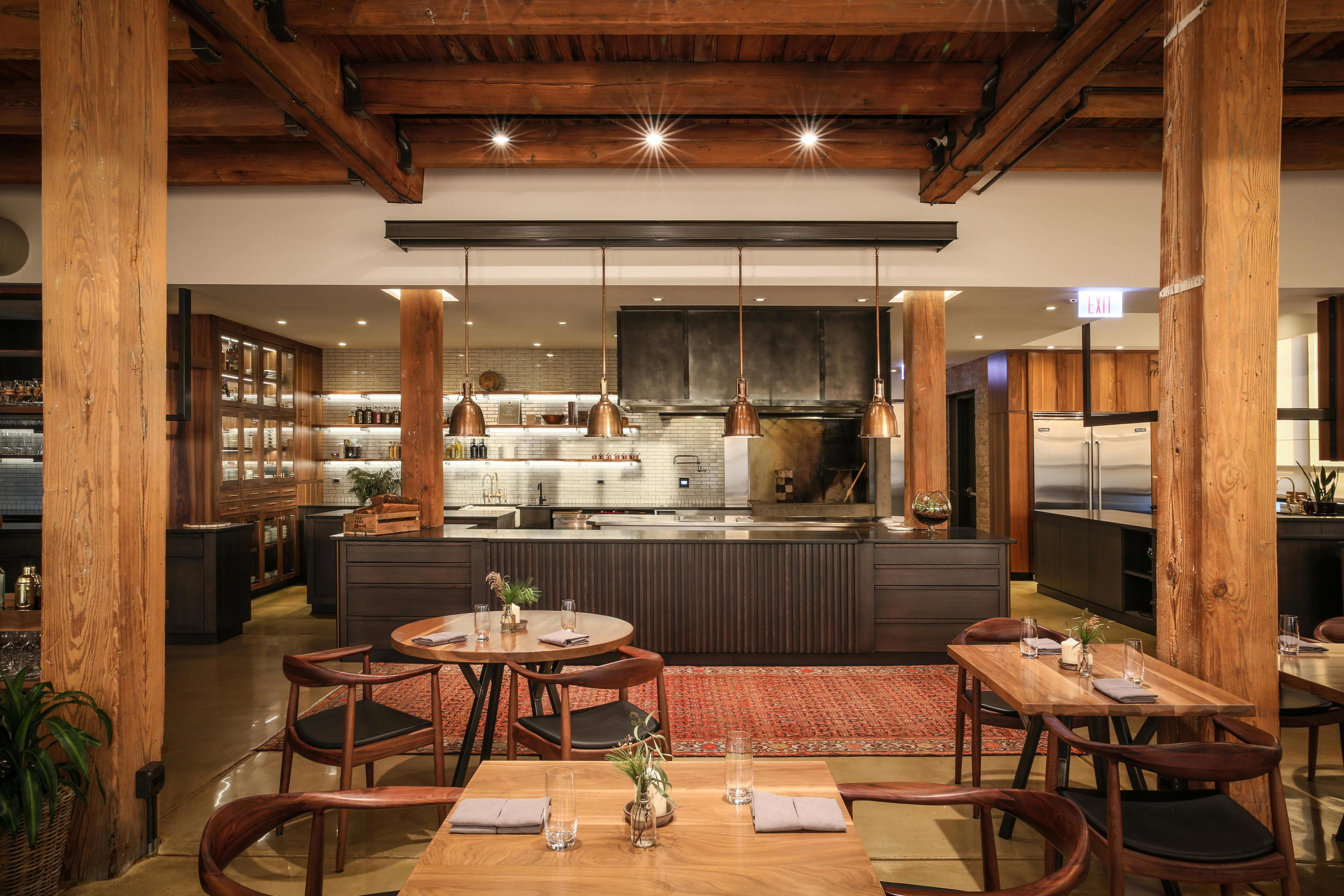
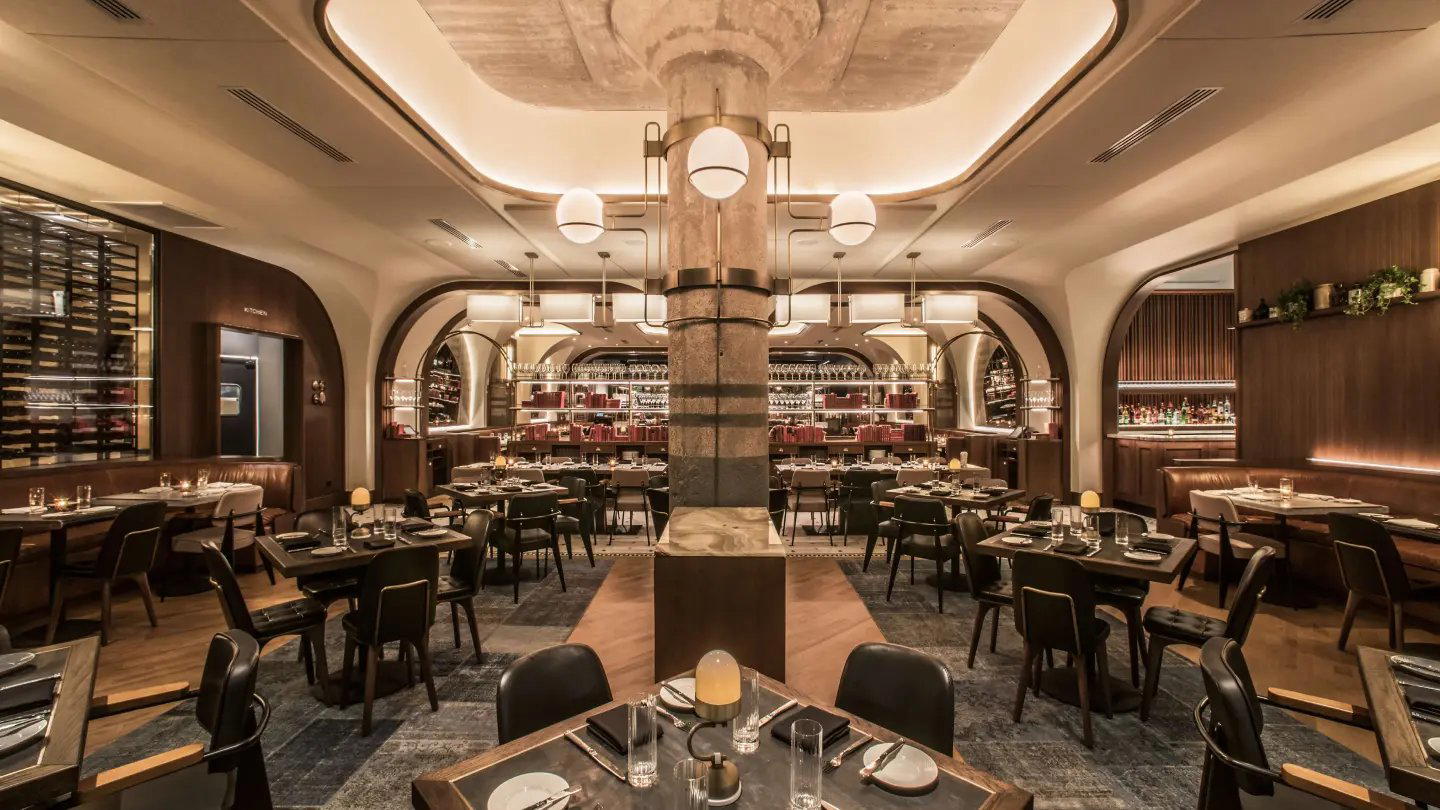
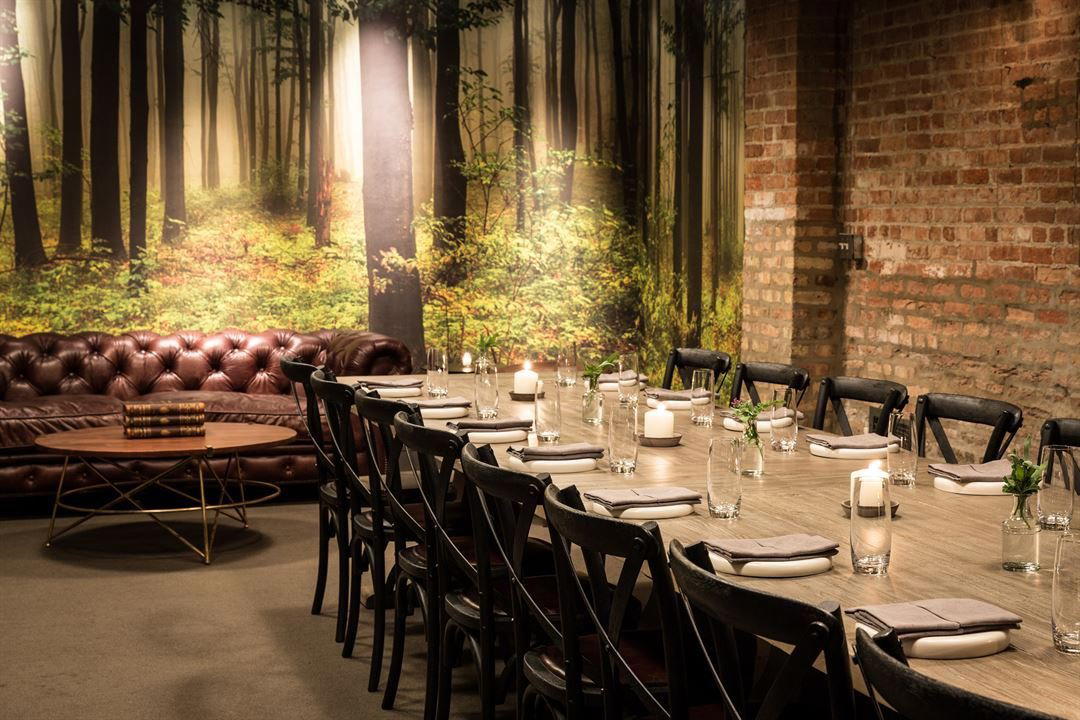
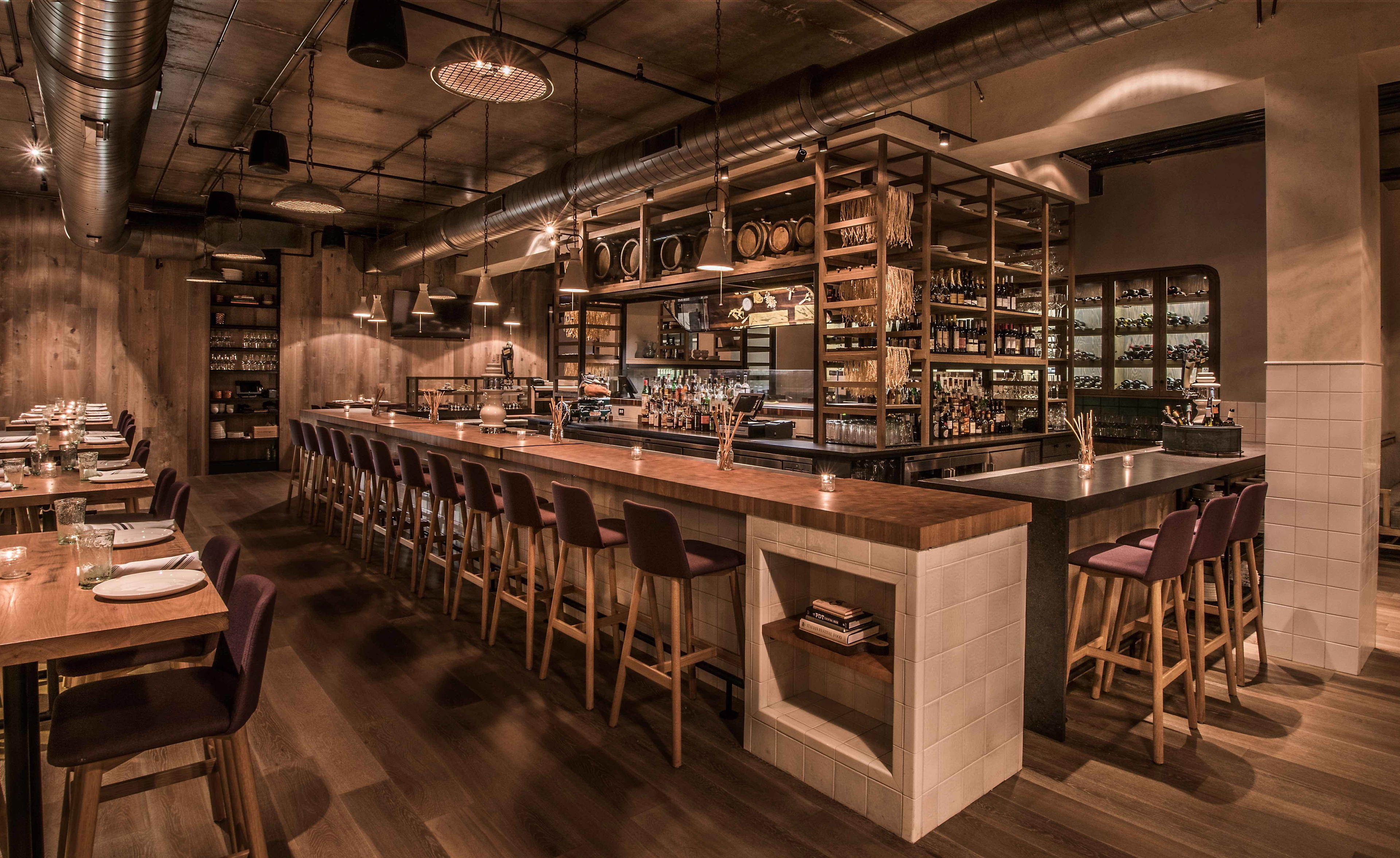
Comfortable and casual atmosphere with an observation window to the pizza kitchen, friendly service, and a great beer selection.