Blue Door Farm Stand
Blue Door Farm Stand at 2010 N Halsted Street sits inside Lincoln Park's dense residential grid, where Chicago's farm-to-table conversation meets a neighborhood format built for regulars rather than tourists. The address places it within walking distance of the North Side's most contested dining corridor, making it a useful reference point for how the city's ingredient-driven casual tier operates outside the downtown spotlight.
Pearl is the En Primeur Club membership app — saves, bookings, and concierge access live there. Same editors, same standards.
- Address
- 2010 N Halsted St, Chicago, IL 60614
- Phone
- +1 773 935 2583
- Website
- bluedoorfarmstand.com
- Directions
- Get directions
 Saves & bookings on Pearl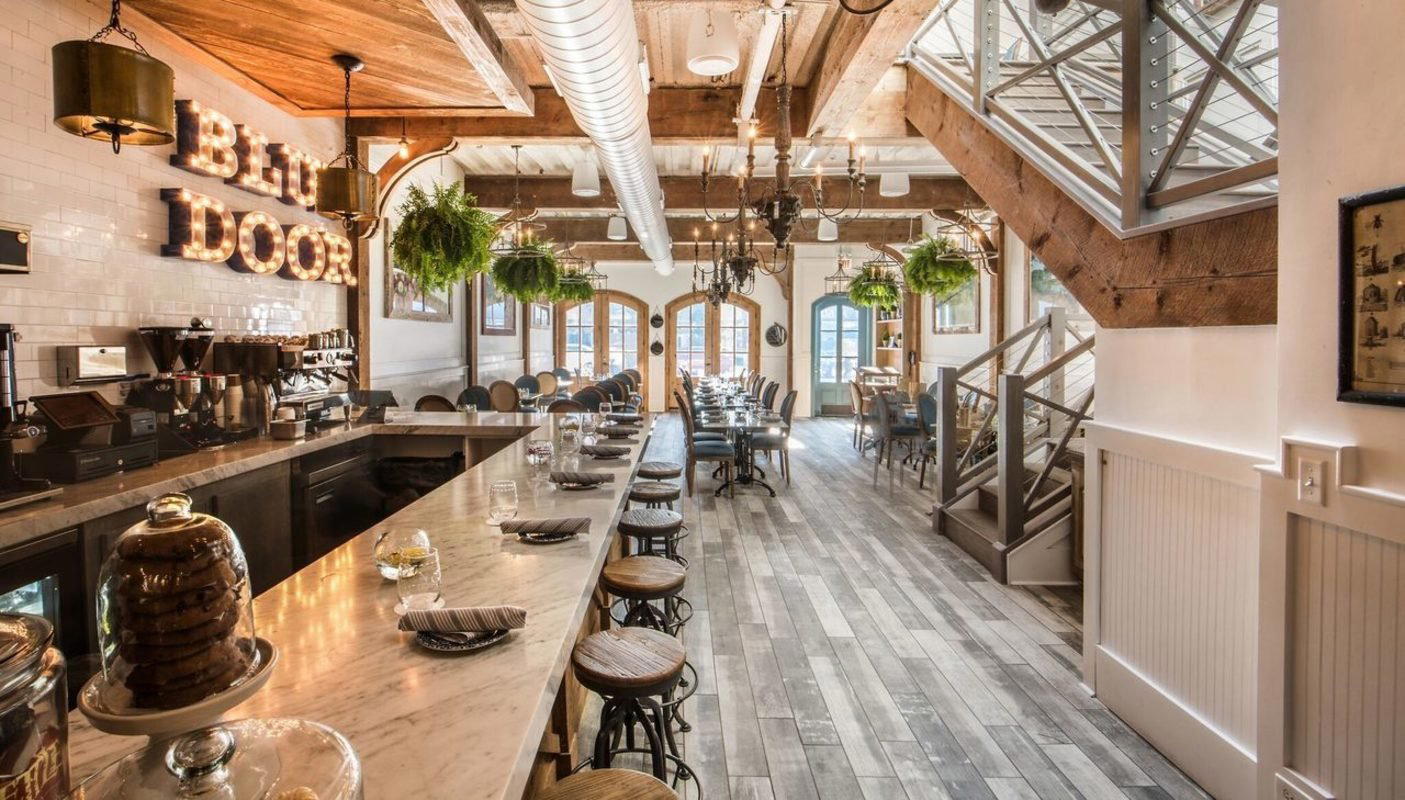
Lincoln Park's Ingredient-First Counter Culture
Blue Door Farm Stand is a restaurant in Chicago's Lincoln Park neighborhood, at 2010 N Halsted St. Chicago's North Side has long been the city's most active laboratory for casual-format, ingredient-led dining. While the downtown and West Loop corridors host the flagship tasting-menu operations, Alinea, Smyth, and Oriole among them, Lincoln Park absorbs a different current: the neighborhood stand, the market-adjacent counter, the kind of spot that trades spectacle for consistency. Blue Door Farm Stand at 2010 N Halsted Street sits inside that current. Halsted between Armitage and Fullerton is a stretch where the residential density is high enough that a venue lives or dies on repeat visits rather than destination traffic, and the farm-stand format is a deliberate signal about priorities.
Where the Midwest's Larder Meets Imported Discipline
The broader editorial conversation about American farm-to-table dining has matured considerably since the early 2010s. What began as a sourcing claim, local, seasonal, farmer-named, has fractured into two distinct camps. One camp retained the marketing language while quietly standardizing its supply chains. The other doubled down on technique, importing the precision of European-trained culinary discipline to apply against genuinely regional raw material. The venues that matter in 2025 tend to sit in the second camp, where the point is not merely that an ingredient is local but that it is handled with craft to reveal something the industrial supply chain routinely erases.
Illinois and the surrounding Midwest states produce a growing-season calendar that rewards this approach. Summer brassicas, heirloom corn varieties, Great Lakes freshwater fish, and the concentrated root vegetables of late autumn give a kitchen real material to work with. The farm-stand format, as it has evolved in cities like Chicago, Portland, and the Bay Area, is a way of anchoring a menu to that calendar in a visible way, a daily edit rather than a fixed document. Nationally, places like Blue Hill at Stone Barns in Tarrytown and Single Thread Farm in Healdsburg have set the benchmark for this intersection at the high end. The Chicago version tends to be more compressed in format and price, reflecting a city where the casual tier carries culinary ambition without the tasting-menu apparatus.
The Lincoln Park Context
Understanding Blue Door Farm Stand means understanding the neighborhood it operates in. Lincoln Park is not the West Loop, where Kasama and Next Restaurant compete for a city-wide and tourist audience. It is a residential neighborhood with a daytime economy built around the park, the zoo, the university, and the transit corridors. Halsted Street here functions as a neighborhood high street. The dining venues that succeed long-term on this stretch do so because they become part of the fabric of daily life for the people who live within a ten-minute walk. A farm stand format is particularly well-suited to that dynamic: it implies accessibility in format and price, a rotating selection that rewards regular visits, and a morning or midday presence that the tasting-menu tier cannot occupy.
The surrounding blocks offer enough complementary options that a Lincoln Park itinerary can be built around the area rather than a single venue.
The Farm-Stand Format as Culinary Position
The farm-stand category in American urban dining is more sophisticated than the name implies. At one end of the spectrum, it describes a simple retail-adjacent counter with prepared foods. At the other end, it describes a format that applies genuine culinary technique to ingredients sourced at near-farm proximity, with the retail framing functioning as a transparency device rather than a limitation. The comparison set in that second tier includes venues like Lazy Bear in San Francisco and Emeril's in New Orleans, which have used format and sourcing as statements about regional identity.
In Chicago, the tension between European technique and Midwestern raw material has been one of the defining preoccupations of serious cooking for two decades. The city's most decorated kitchens, those with the Michelin acknowledgments and the 50 Best citations, have generally resolved that tension at the fine-dining level. What the farm-stand tier offers is a version of the same argument made accessible: French preserving techniques applied to Illinois stone fruit, Japanese knife discipline applied to Great Lakes walleye, and market-first menu planning applied to a Chicago autumn. That is the editorial logic behind venues in this category, and it is the frame through which Blue Door Farm Stand is best understood.
For international reference, the closest European parallel is the format popularized around market halls in Lyon and Barcelona, where the produce vendor and the prepared-food counter exist in dialogue, and the implicit contract with the customer is that what arrived this morning will be on the plate by noon. American cities adopted that format later and adapted it differently, but the underlying logic, ingredient primacy, visible supply chain, and calendar-driven selection are consistent. Venues like Atelier Moessmer Norbert Niederkofler in Brunico represent the European apex of this ingredient-rooted philosophy applied at fine-dining scale; the farm-stand format in cities like Chicago is a democratic iteration of the same conviction.
Planning a Visit
The restaurant is recommended for reservations, and current hours are Mon: 11 AM-9 PM; Tue: 11 AM-9 PM; Wed: 11 AM-9 PM; Thu: 11 AM-9 PM; Fri: 11 AM-9 PM; Sat: 10 AM-9 PM; Sun: 10 AM-9 PM. The address, 2010 N Halsted Street, Chicago, IL 60614, is confirmed. Lincoln Park venues in this format category generally operate on morning-through-afternoon schedules tied to food preparation and retail cycles, though this varies. Walk-in formats are the norm for farm-stand operations rather than reservation systems, which makes timing flexibility an asset. Visiting during the Illinois growing season, roughly May through October, aligns leading with the premise of a calendar-driven menu; winter visits shift the ingredient palette toward root vegetables, preserved goods, and cold-weather brassicas, which carry their own culinary logic but represent a different expression of the format.
Those building a multi-stop Chicago itinerary might use Blue Door as the daytime anchor of a North Side afternoon, pairing it with an evening reservation at one of the city's more formal operations. Nearby fine-dining alternatives worth benchmarking against the casual tier include the progressive American format of Smyth or the tasting-menu discipline of Oriole. For readers accustomed to farm-driven fine dining in other American cities, The French Laundry in Napa, Providence in Los Angeles, or Addison in San Diego, the Chicago farm-stand tier offers a useful contrast: the same sourcing ambition, compressed into a format built for the rhythm of a residential neighborhood rather than a special occasion.
Peers in This Market
Comparable venues nearby, for context on price, style, and recognition.
| Venue | Cuisine | Price | Notes |
|---|---|---|---|
| Blue Door Farm StandThis venue — the venue you are viewing | Farm-to-Table American Cafe | $$ | Not listed |
| Harry Caray's 7th Inning Stretch | American Comfort Food | $$ | Near North Side |
| Fatback | Artisan Sandwiches & Rotisserie | $$ | Loop |
| Community Tavern | Contemporary American with Pan-Asian Influences | $$ | Portage Park |
| Oak and Honey | New American Bistro | $$ | Lakeview / East Lakeview |
| Guinness Open Gate Brewery - Chicago | Modern Irish-American Gastropub | $$ | West Loop |
Continue exploring
More in Chicago
Restaurants in Chicago
Browse all →
At a Glance
- Rustic
- Cozy
- Casual
- Intimate
- Brunch
- Date Night
- Family
- Casual Hangout
- Special Occasion
- Open Kitchen
- Private Dining
- Standalone
- Beer Program
- Farm To Table
- Local Sourcing
Current opening hours
- Monday
- 11 AM–9 PM
- Tuesday
- 11 AM–9 PM
- Wednesday
- 11 AM–9 PM
- Thursday
- 11 AM–9 PM
- Friday
- 11 AM–9 PM
- Saturday
- 10 AM–9 PM
- Sunday
- 10 AM–9 PM
Hours can change for holidays and private events. Last verified .
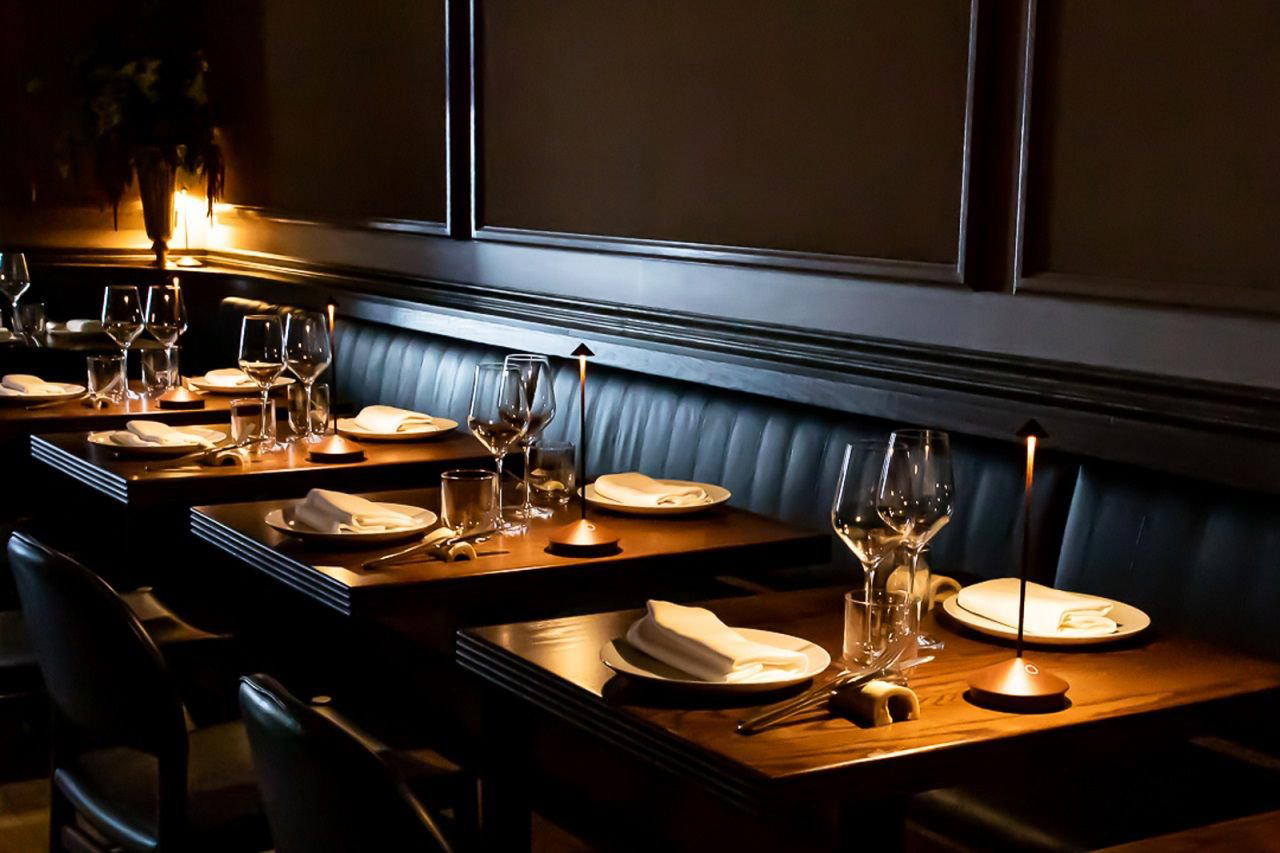
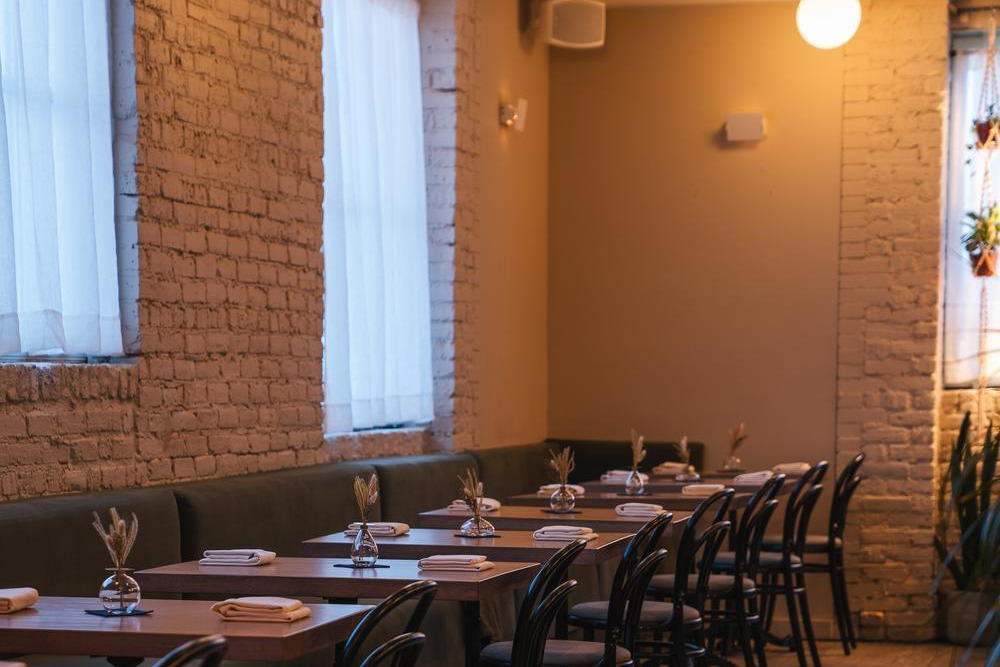
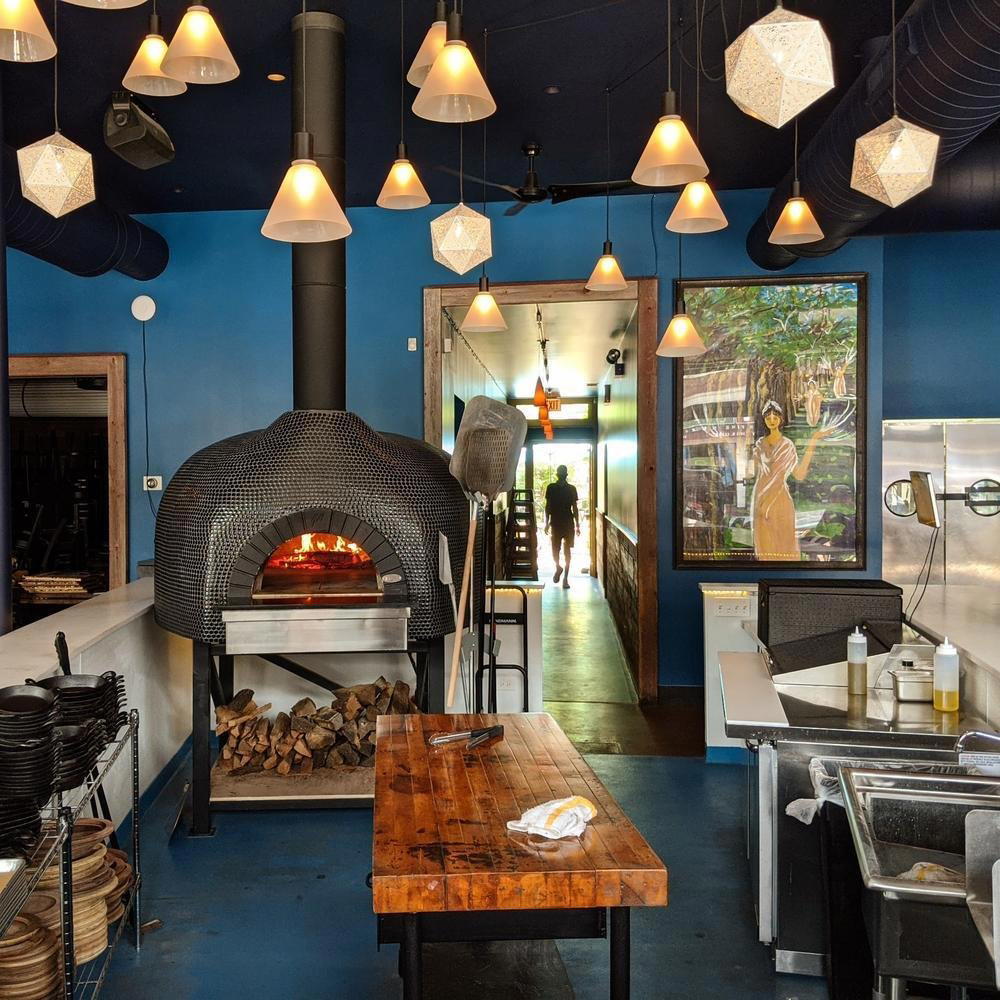
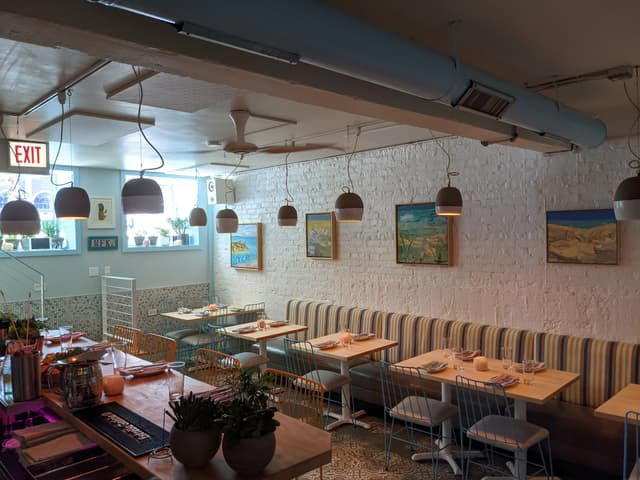
Warm, sunny, and welcoming with rustic farmhouse decor including plants and watering cans, brightened by a large skylight, creating an open and airy dining space.