Jozsa Corner
Our verdict
Jozsa Corner occupies a storied address on Second Avenue in Pittsburgh's Hazelwood neighborhood, where the working-class dining tradition of the Mon Valley has long shaped what and how people eat. It sits in a part of the city that sees few destination-driven visitors, which makes the experience more grounded in local rhythms than in culinary tourism. For readers oriented toward place as much as plate, that context is the point.
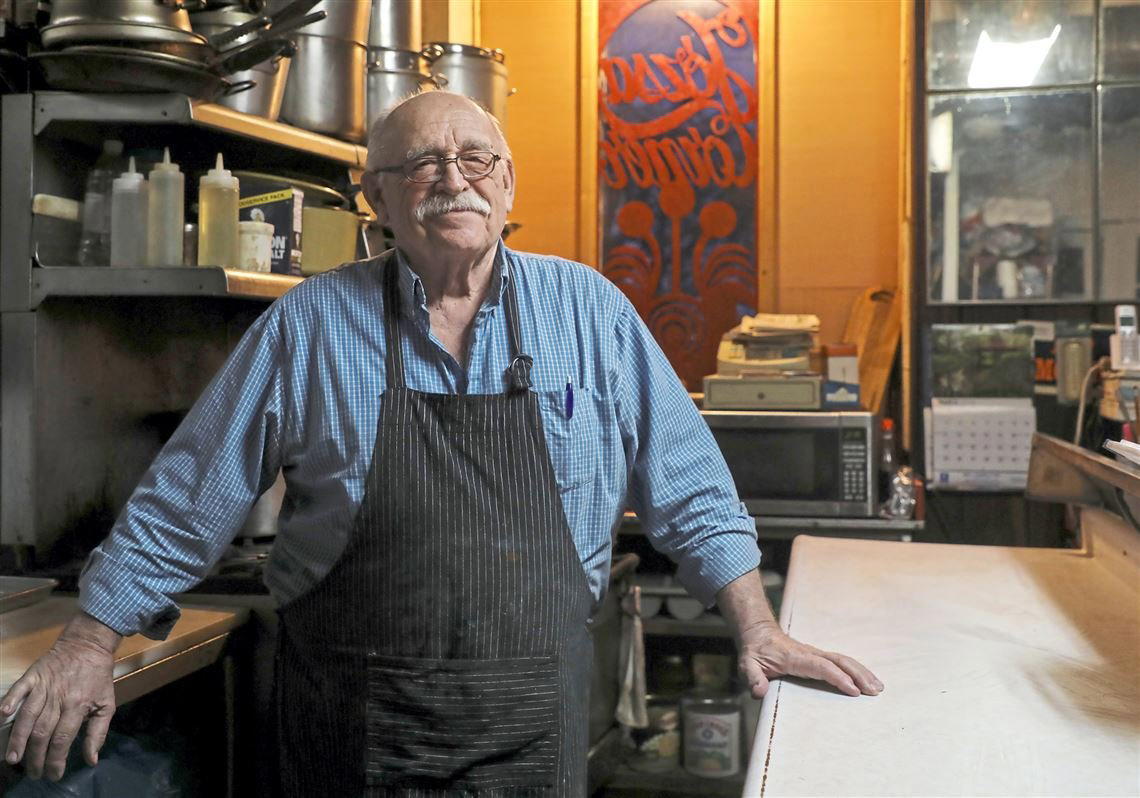
The menu
What to order
- Paprikás csirke
- Lángos
- Transylvanian goulash
Second Avenue and the Weight of Neighborhood
Pittsburgh's dining conversation tends to concentrate in Lawrenceville, the Strip District, and downtown corridors where reservation demand and press attention cluster. Hazelwood, the South Side Slopes-adjacent neighborhood where Jozsa Corner sits at 4800 Second Ave, operates at a different register entirely. The Mon Valley stretches along this part of the city with an industrial character that never fully receded, and the establishments that have lasted here did so by serving the community directly rather than by cultivating an outside audience. Jozsa Corner is that kind of address. You don't arrive there because an algorithm sent you. You arrive because someone who knows Pittsburgh pointed you there.
That distinction matters more than it might seem. In a city where places like Altius command attention through hilltop views and polished presentations, and where Apteka in Polish Hill has built an audience around a deliberate plant-forward Eastern European program, Jozsa Corner represents a third mode: the neighborhood anchor that earns its place not through a defined concept but through duration and local trust. These are the spots that survive because they mean something to the people who live nearby, and they tend to resist easy categorization.
Hazelwood as Context
Understanding Jozsa Corner requires understanding Hazelwood, which is not a neighborhood that rewards superficial read-throughs. Its population declined sharply after the collapse of Pittsburgh's steel industry in the 1980s, and the physical fabric of Second Avenue reflects that arc: buildings that were busy during a different era, pockets of active commercial life alongside longer stretches of quiet. The kinds of venues that persisted through that contraction were not the ones chasing trends. They were the ones whose regulars kept coming because there was nowhere else they preferred to go.
That pattern is visible across American post-industrial cities. In neighborhoods where economic pressure ran high for decades, the establishments that survived tended to build loyalty through consistency, familiarity, and pricing that worked for working households. The contrast with Pittsburgh's current dining tier is instructive: at one end of the spectrum, tasting-menu formats and elaborate tasting programs at places like 1930 by Atria's; at the other, the neighborhood bar-restaurant hybrid that still functions as a social institution rather than a dining destination.
The Practical Situation
Venues that operate primarily for a local audience rarely invest in web infrastructure or reservation platforms. Visiting without calling ahead, or without local knowledge of when the kitchen is active, carries real risk of a wasted trip. If you are coming from central Pittsburgh, the drive down Second Avenue from the Birmingham Bridge takes roughly ten minutes depending on traffic, placing Hazelwood within easy reach of the South Side but meaningfully removed from the pedestrian dining clusters most visitors use.
The practical approach is to treat Jozsa Corner as a local inquiry rather than a bookable experience: ask someone from Hazelwood or the broader South Side when it makes sense to arrive, what to order if the menu is running in full, and whether the kitchen is operating the day you plan to visit. That kind of ground-level intelligence is how these places have always been navigated. It is also, frankly, part of what makes them interesting to readers who find the over-curated Pittsburgh dining circuit less compelling than the real thing.
For those building a broader Pittsburgh itinerary, the full Pittsburgh restaurants guide maps the city's dining in more navigable tiers. Elsewhere in the neighborhood-anchor category, Bakersfield Penn Ave and Alfabeto offer different takes on what Pittsburgh neighborhood dining looks like in its more contemporary form.
Placing Jozsa Corner in a Wider Frame
American cities are full of dining institutions that exist entirely outside the awards-and-recognition circuit. The restaurants that show up in James Beard semifinalist lists, or that earn placement alongside Le Bernardin in New York City, Lazy Bear in San Francisco, or The French Laundry in Napa, occupy a specific tier defined by media visibility as much as by quality. Below that tier, and largely invisible to it, sit thousands of places that local populations depend on and value without any formal recognition infrastructure. Jozsa Corner belongs to that second world.
That is not a criticism. Places like Smyth in Chicago, Providence in Los Angeles, or Addison in San Diego operate within systems built to surface and validate them. Jozsa Corner operates outside those systems entirely. The question for any reader considering a visit is whether they are oriented toward the kind of place that local knowledge is the only real entry point for, or whether they want a more structured experience. Both are legitimate choices. They are just different kinds of dining.
For Pittsburgh specifically, the gap between the nationally recognized tier and the neighborhood-level tier is wide. That gap is where some of the most honest eating happens in any American city, and Hazelwood is one of the parts of Pittsburgh where that gap is most visible. Blue Hill at Stone Barns in Tarrytown and Atelier Moessmer Norbert Niederkofler in Brunico represent the produced, concept-driven end of the restaurant spectrum; Jozsa Corner represents the opposite pole, where the concept is simply that this is the place the neighborhood has used for a long time.
Frequently asked questions
What kind of setting is Jozsa Corner?
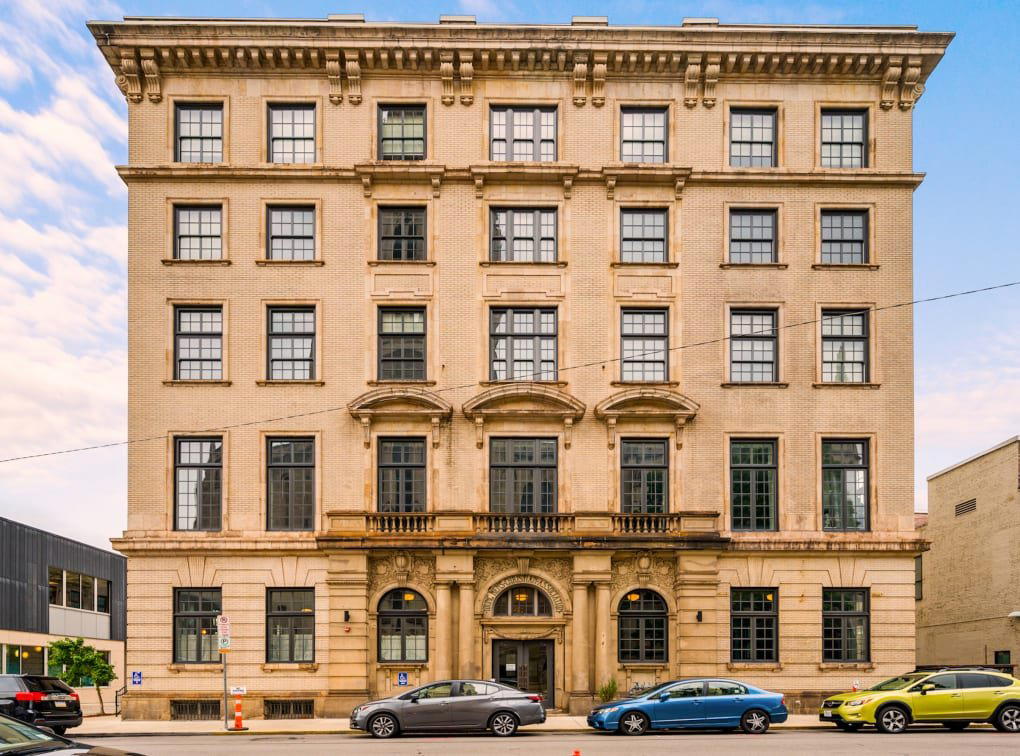
Jozsa Corner sits at 4800 Second Avenue in Hazelwood, one of Pittsburgh's working-class residential neighborhoods well removed from the Lawrenceville and Strip District press corridors. The setting reflects the neighborhood's character: a corner address serving a local community rather than a destination dining crowd. This is not a room designed for food photographers or expense-account dinners.
What's Jozsa Corner's location?
Jozsa Corner is located at 4800 Second Ave, Pittsburgh, PA 15207, Pittsburgh.
Is Jozsa Corner worth visiting if you're coming from outside Pittsburgh's central neighborhoods?
Jozsa Corner's address in Hazelwood places it roughly outside the radius most Pittsburgh visitors draw around downtown, Lawrenceville, or the Strip District. That distance is precisely the point: the restaurant exists within a neighborhood that has seen significant population decline and economic contraction, and its continued presence on Second Avenue is a form of institutional staying power that no James Beard nomination can replicate. For anyone interested in how American cities sustain dining culture outside the recognition circuit, the trip is worth it.
What's the must-try dish at Jozsa Corner?
If you're going, the honest approach is to ask what's on that day. Restaurants at this address in Hazelwood have historically run on regulars and word of mouth, not tasting menus.
The Short List
| Venue | Cuisine | Price | Awards |
|---|---|---|---|
| Jozsa CornerThis venue (the venue you are viewing) | Hungarian Home Cooking | Not listed | Not listed |
| Apteka | Vegan Eastern European | $30–50 | James Beard Award Semi Finalist · We're Smart World 3 Radishes |
| FET-FISK | Nordic-Appalachian Seafood | $50–100 | James Beard Award Semi Finalist · Bon Appétit The 20 Best New Restaurants #3 |
| El Burro Uno | West Coast Mexican Taqueria | $20–30 | Not listed |
| Franktuary (Lawrenceville) | Gourmet Hot Dogs with Regional Toppings | Not listed | Not listed |
| Grandma B's | Classic American Diner | $10–20 | Not listed |
Continue exploring
More in Pittsburgh
Restaurants in Pittsburgh
All restaurants in Pittsburgh →


Details
- Cozy
- Rustic
- Intimate
- Casual Hangout
- Special Occasion
- Historic Building
- Family Style
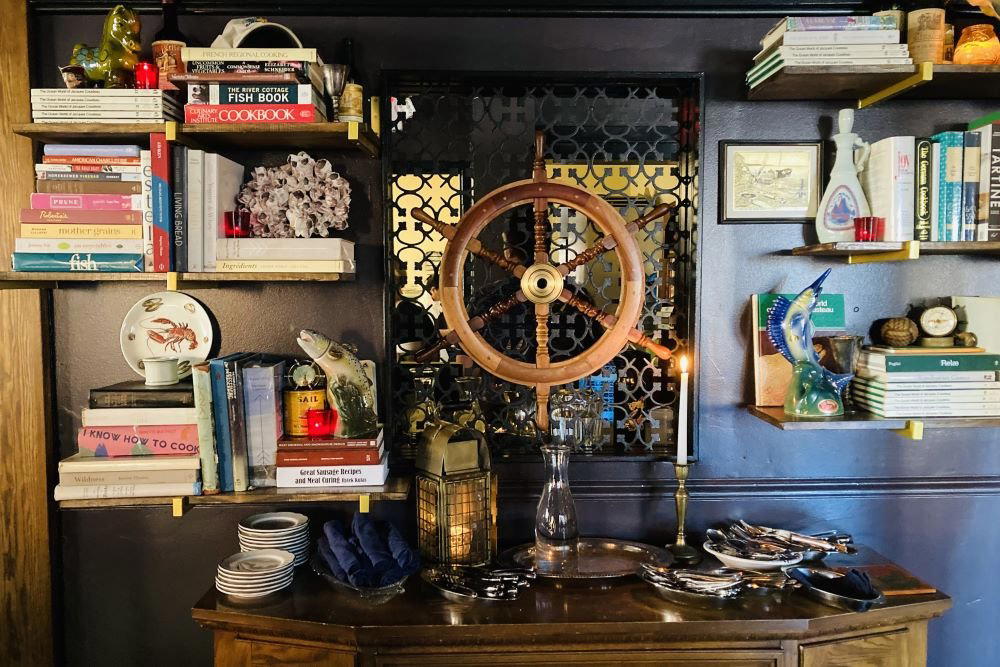
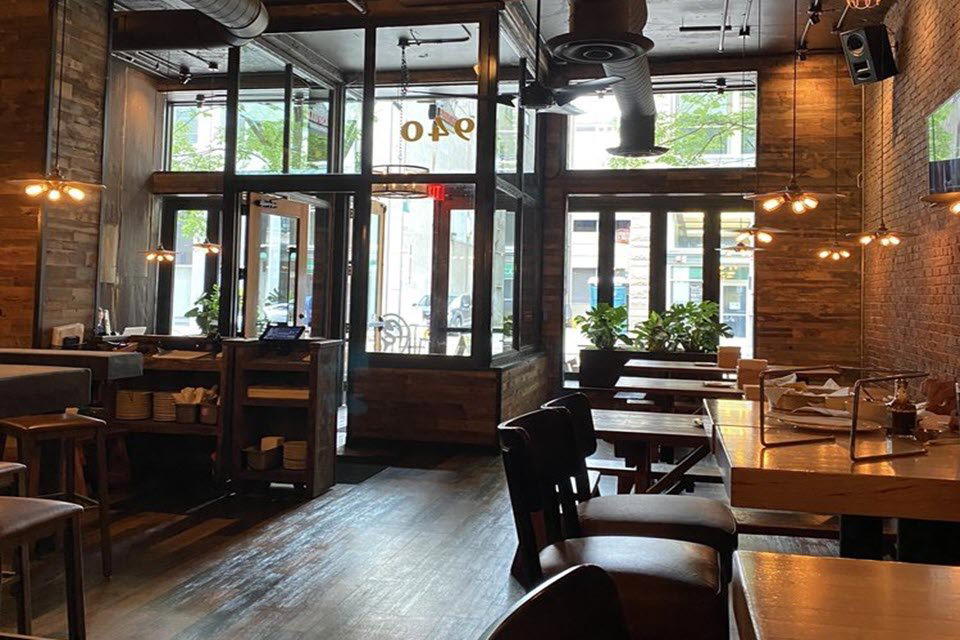
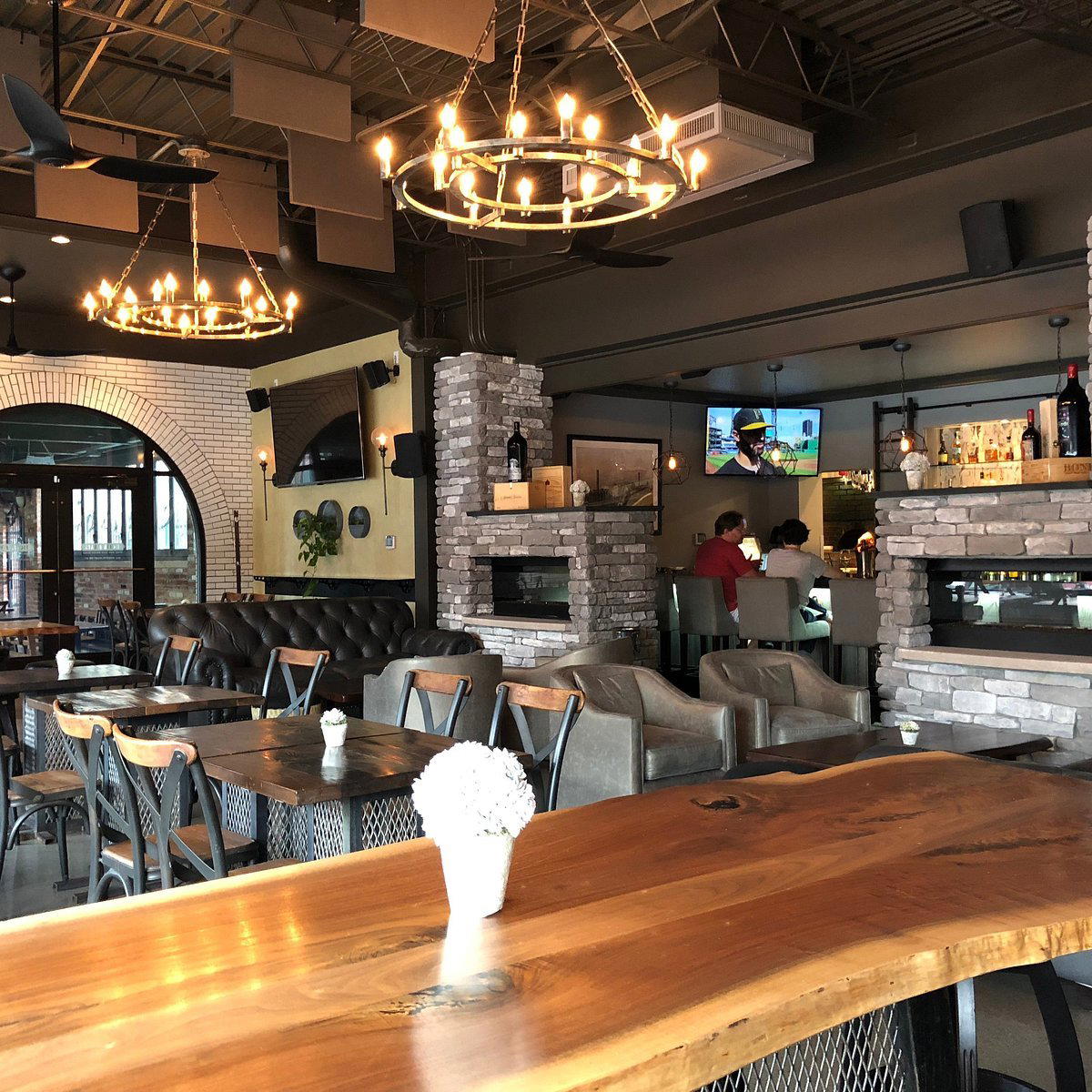
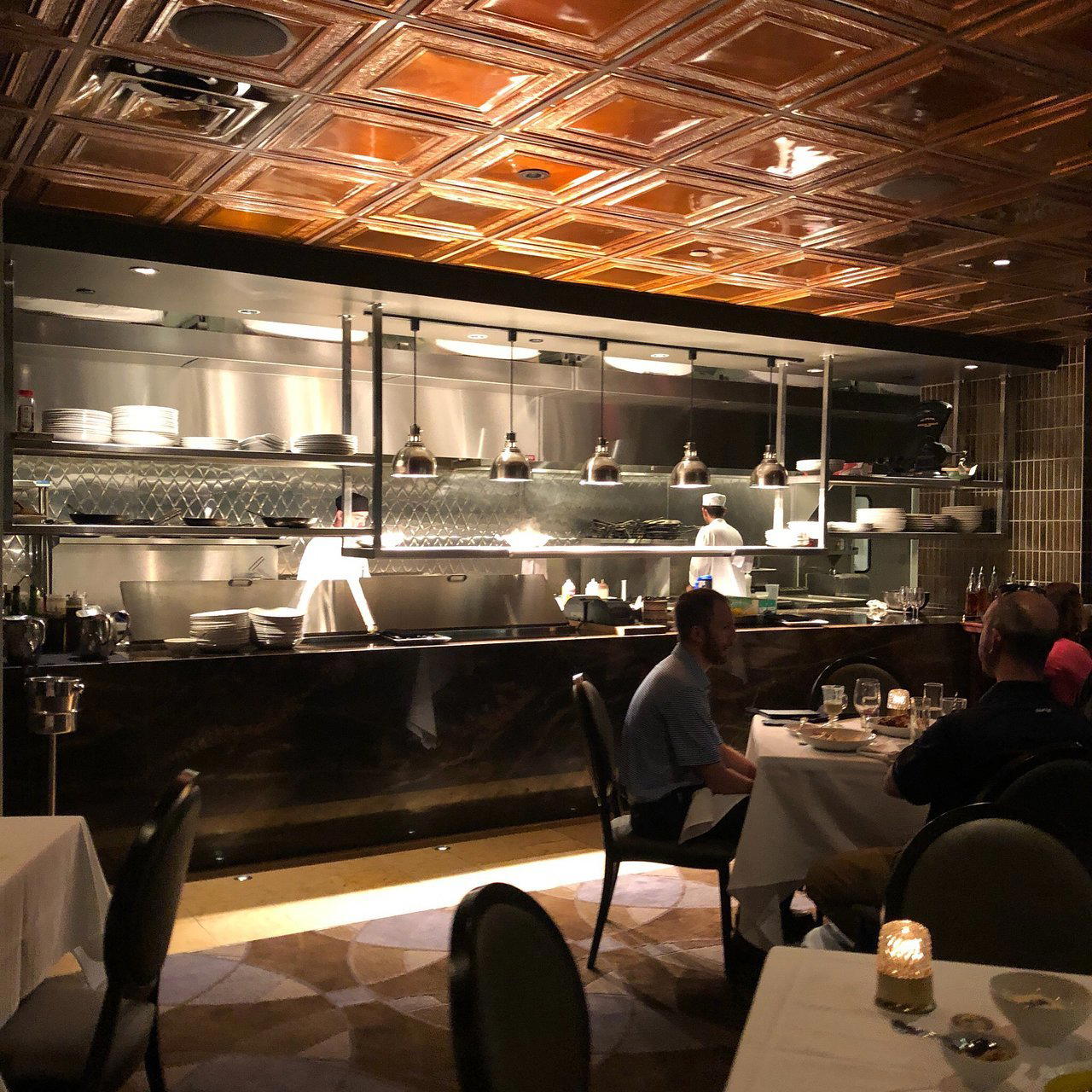
Nondescript, homey atmosphere with warm, friendly service evoking Hungarian country-style family dining.