Pasha Mediterranean Restaurant
Our verdict
Pasha Mediterranean Restaurant on Ivy Street in Pittsburgh's Shadyside neighborhood brings the layered cooking traditions of the Mediterranean basin to one of the city's most food-forward corridors. The kitchen draws on a broad regional palette — from Levantine spice work to North African grain cookery — positioning Pasha in a distinct tier from Pittsburgh's steakhouse and Italian-American mainstream. For visitors already tracking the city's more considered dining rooms, it belongs on the same itinerary.

Pearl is the En Primeur Club membership app — saves, bookings, and concierge access live there. Same editors, same standards.
- Address
- 808 Ivy St, Pittsburgh, PA 15232
- Phone
- (412) 688-7415
- Hours
- Mon–Thu 11 AM–10 PMFri–Sat 11 AM–11 PMSun 11 AM–10 PM
- Website
- pashacafe.net
- Directions
- Get directions
- Booking
- Book on the venue's website
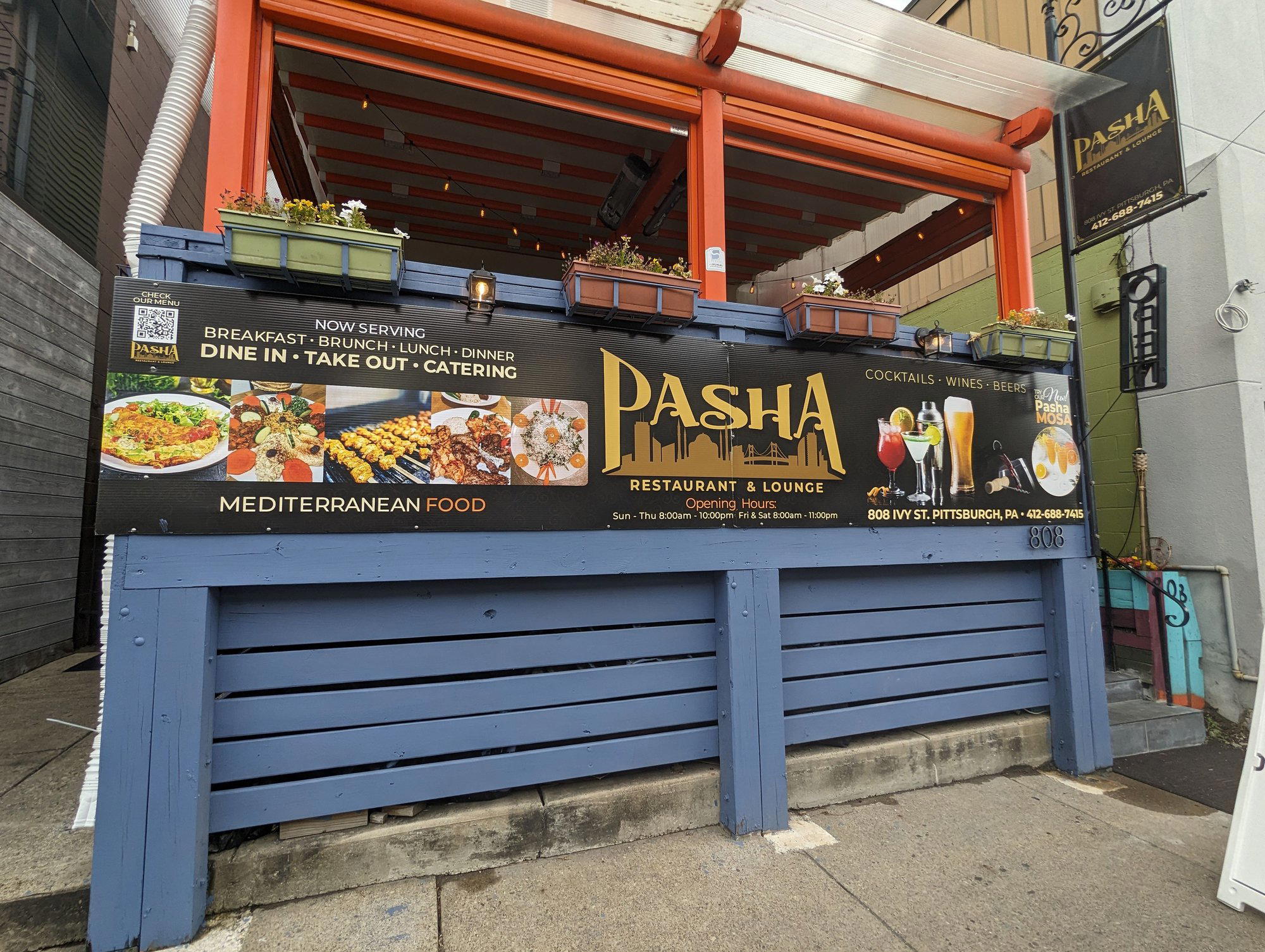
Where Ivy Street Meets the Mediterranean Table
Shadyside has long functioned as Pittsburgh's most reliably cosmopolitan dining corridor, a strip where the city's appetite for something beyond its rust-belt comfort defaults tends to concentrate. The stretch around Ivy Street draws residents from Squirrel Hill, Point Breeze, and the East End generally, and the restaurants here face a sharper peer test than most Pittsburgh neighborhoods impose. Pasha Mediterranean Restaurant, at 808 Ivy St, sits inside that more demanding context — a room that positions itself against the neighborhood's existing Italian and American formats rather than simply filling a gap.
Mediterranean cooking as a category has had an uneven run in American mid-sized cities. It arrives either as a catch-all hummus-and-pita format aimed at the health-conscious lunch crowd, or, less frequently, as something with genuine regional specificity — a kitchen that can distinguish between the herb-driven brightness of Lebanese mezze, the slow-braised depth of Moroccan tagine, and the seafood-forward restraint of the Turkish Aegean coast. The better versions of this cuisine require a team that coordinates across multiple traditions simultaneously, since no single cook typically carries fluency in all of them. That coordination question, how the kitchen and front-of-house read the room and steer guests through a geographically wide menu, is the central operational challenge for any serious Mediterranean restaurant in a city like Pittsburgh.
The Case for Team-Driven Mediterranean Service
In the high-end tier of American dining, the conversation about team dynamics tends to center on chef-sommelier pairings at tasting-menu restaurants. Places like Le Bernardin in New York City, Alinea in Chicago, or The French Laundry in Napa have built reputations partly on how seamlessly kitchen ambition and floor intelligence communicate with each other. But the team-dynamic question matters just as much, perhaps more, in a regional restaurant running a broad, multi-origin menu without the scaffolding of a fixed tasting format.
Mediterranean cuisine's width is both its draw and its service challenge. A diner approaching a menu that spans grilled octopus, slow-cooked lamb, phyllo-wrapped preparations, and grain-based salads with preserved citrus needs guidance that goes beyond reciting specials. Front-of-house staff at a restaurant like Pasha carry the interpretive load: they need to read whether a table wants to graze across many small plates or anchor around one or two larger preparations, and they need to know which wine or beverage pairings bridge dishes from different regional traditions without flattening the contrast between them. That kind of floor intelligence, when it works, is what separates a Mediterranean restaurant from a Mediterranean menu.
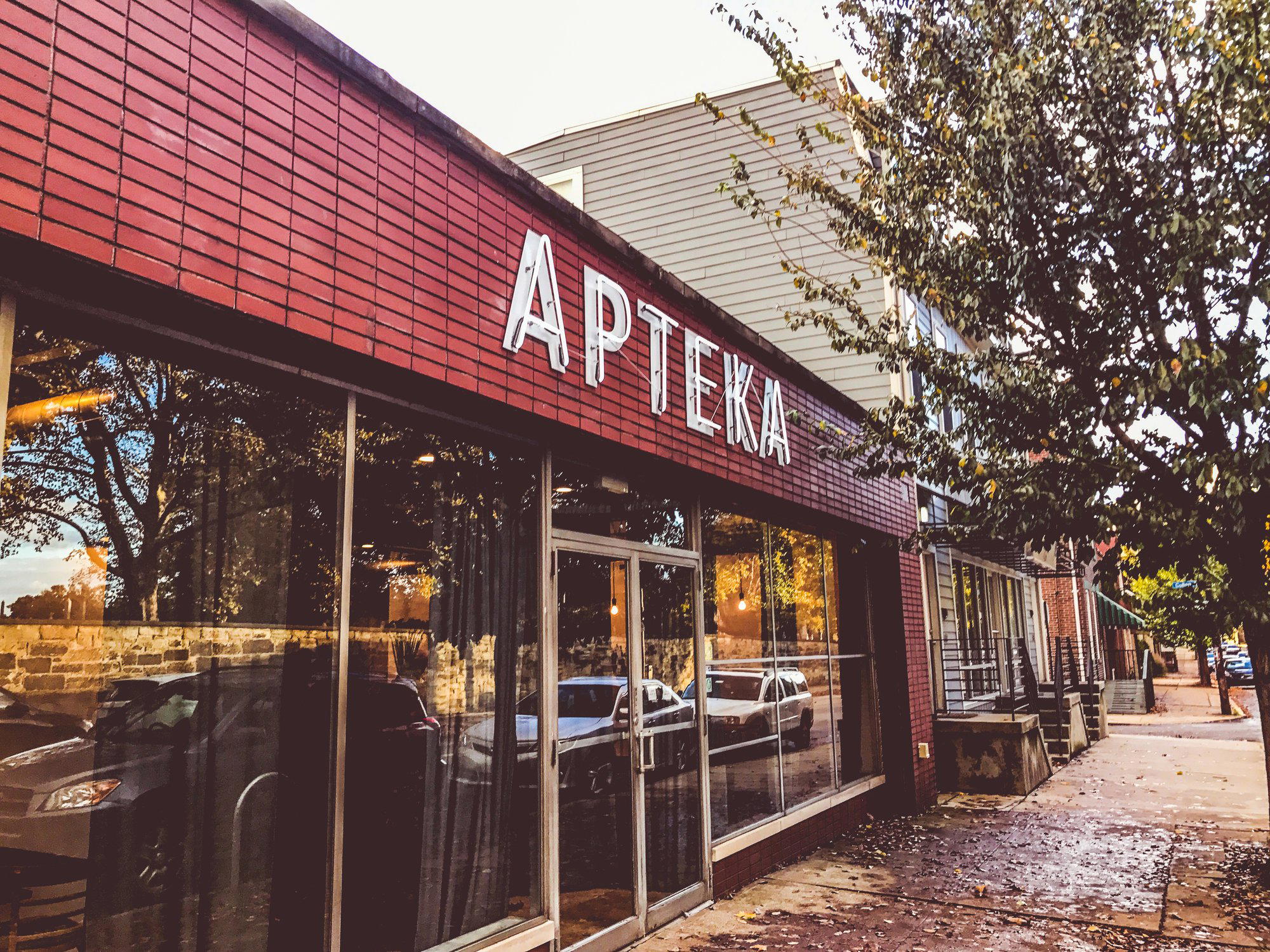
Pittsburgh's dining scene has matured considerably in the past decade, with kitchens like Apteka demonstrating that the city can support restaurants with genuine ideological and regional specificity. Altius has shown that formal service formats survive here. The question for a Mediterranean room in this market is whether the team can hold the menu's geographic breadth together in a way that feels considered rather than encyclopedic.
Mediterranean Cooking and the Pittsburgh Context
Pittsburgh's mainstream restaurant identity still skews toward red-sauce Italian-American, steakhouse formats, and the bar-food-adjacent comfort cooking that defines much of the Strip District and South Side. That mainstream is not without quality, 1930 by Atria's occupies a well-regarded position in the city's more formal dining tier, but it does mean that a Mediterranean restaurant operates in relative category isolation. There are few direct local competitors drawing the same crowd toward the same culinary tradition, which gives Pasha a clearer lane but also a narrower feedback loop for calibrating against peer standards.
That isolation can cut both ways. Without a cluster of comparable restaurants, a Mediterranean kitchen in Pittsburgh sets its own local benchmark. Guests are less likely to arrive with the comparative frame they might bring to a sushi counter in a city with ten serious omakase options, or a French bistro in a neighborhood saturated with them. The upside is that a kitchen with genuine command of its source material, quality olive oils, properly aged cheeses, spice blends that reflect actual regional sourcing rather than generic Mediterranean seasoning, reads as a step-change rather than a marginal improvement over nearby options. Restaurants like Alfabeto have shown that Pittsburgh diners will track down specificity when they find it.
Reading the Menu Across the Mediterranean Basin
The Mediterranean basin as a culinary territory spans roughly 21 countries and several distinct regional cooking traditions that share some structural logic, olive oil, legumes, preserved vegetables, flatbreads, abundant fresh herbs, while diverging sharply on spice profiles, protein preparations, and the role of dairy. A restaurant operating under the Mediterranean label is making an implicit claim about how much of that range it can handle. The most disciplined versions of this format treat the menu as a curated selection from specific sub-regions rather than a pan-Mediterranean sampling board, and they communicate that specificity through the way dishes are named, described, and sequenced on the floor.
For comparison, the American restaurants that have most rigorously connected farm sourcing and regional specificity to service intelligence, places like Blue Hill at Stone Barns in Tarrytown or Single Thread Farm in Healdsburg, have succeeded in part because the front-of-house team carries the same depth of sourcing knowledge as the kitchen. Mediterranean cooking, with its reliance on preserved and fermented ingredients, high-quality fats, and region-specific grains, rewards the same approach. A sommelier or beverage director who understands that a Lebanese-inflected dish calls for a different pairing logic than a Sicilian-influenced preparation is adding real value to the experience.
Shadyside diners making decisions on a Thursday evening have a wider set of options than the neighborhood offered five years ago. Bakersfield Penn Ave has drawn consistent crowds toward its Tex-Mex format. The broader East End scene continues to add options across price tiers. Pasha holds its position by offering a cuisine type that remains genuinely underrepresented in the city at a serious level, in a corridor where the dinner decision is increasingly competitive.
Planning Your Visit
Pasha Mediterranean Restaurant is located at 808 Ivy St in Pittsburgh's Shadyside neighborhood, accessible by car with street parking typically available along Ivy Street and the surrounding blocks, and within reasonable distance of the 61A and 61C bus lines that run through the East End. For current hours, reservation availability, and menu details, the most reliable approach is to contact the restaurant directly or check their current listings, as operational specifics can shift seasonally. Pittsburgh's dining scene rewards advance planning on weekend evenings; Shadyside in particular draws a consistent crowd from across the East End on Fridays and Saturdays, and the neighborhood's walkability makes it a natural anchor for a longer evening that might extend to the area's bars or nearby spots. For a broader orientation to the city's restaurant options across neighborhoods and cuisine types, the EP Club Pittsburgh restaurants guide covers the full range of what the city is currently producing at a serious level.
Frequently asked questions
Where do I go for Pasha Mediterranean Restaurant?
Pasha Mediterranean Restaurant is located at 808 Ivy St, Pittsburgh, PA 15232, Pittsburgh.
How does Pasha Mediterranean Restaurant fit into Pittsburgh's Shadyside dining scene?
Shadyside functions as Pittsburgh's most consistently cosmopolitan dining corridor, where the city's appetite for international cooking has sustained a denser concentration of non-steakhouse, non-red-sauce options than most other Pittsburgh neighborhoods. Pasha at 808 Ivy St positions itself within that corridor as a Mediterranean-focused option in a city whose mainstream restaurant identity still skews toward comfort-adjacent formats. For Pittsburgh diners specifically seeking cooking that moves beyond the local default, Shadyside's Ivy Street address puts Pasha in the right zip code.
What should I eat at Pasha Mediterranean Restaurant?
Pasha draws from a culinary territory spanning roughly 21 countries, so the menu likely moves across regional traditions rather than fixating on one national cuisine. Look for dishes rooted in shared Mediterranean building blocks: olive oil, legumes, grilled proteins, and fresh herbs handled with regional specificity. The 808 Ivy St address puts it in Shadyside, a neighborhood where diners expect more than standard American-Italian fare, and Pasha appears to meet that expectation. For the most current menu details, check the venue's official channels.
What's the best way to book Pasha Mediterranean Restaurant?
Phone and online booking details are not currently listed in public directories for Pasha at 808 Ivy St, Pittsburgh, PA 15232. Your most reliable approach is to search current reservation platforms such as OpenTable or Resy using the Shadyside location, or stop in directly during service hours. Given Shadyside's dining density and the restaurant's positioning in that corridor, reservations ahead of weekend service are a practical precaution.
What's the defining dish or idea at Pasha Mediterranean Restaurant?
The defining idea at Pasha appears to be geographic breadth rather than a single-country focus: Mediterranean cooking interpreted across its full regional range, from North African spice logic to Levantine grain dishes to Eastern Aegean preparations. In Pittsburgh's dining context, where Italian-American and steakhouse formats dominate, that cross-basin approach gives Pasha a distinct position on the Shadyside corridor. The result is a menu that functions as a study in shared culinary architecture rather than a single signature centerpiece.
Is Pasha Mediterranean Restaurant allergy-friendly?
Mediterranean cooking in general relies heavily on olive oil, legumes, tree nuts, wheat, and dairy across different regional preparations, which means allergy considerations vary significantly dish by dish. Staff communication before arrival is the most dependable path to a safe meal at any restaurant operating across this breadth of culinary traditions.
In Context: Similar Options
Comparable venues nearby, for context on price, style, and recognition.
| Venue | Cuisine | Price | Notes |
|---|---|---|---|
| Pasha Mediterranean RestaurantThis venue — the venue you are viewing | Turkish Mediterranean | $20–30 | Not listed |
| Sausalido | New American & European Bistro | $30–50 | Bloomfield |
| The Porch | American Farm-to-Table with Wood-Fired Pizzas | $20–30 | Central Oakland |
| Jozsa Corner | Hungarian Home Cooking | Not listed | Hazelwood |
| Talia | Modern Italian Rosticceria | $30–50 | Central Business District |
| Nicky's Thai Kitchen | Traditional Thai Kitchen | $20–30 | Allegheny West |