LA Dolce Vita
Our verdict
LA Dolce Vita sits along the PA-837 corridor on Pittsburgh's South Side, occupying a position in the city's Italian dining tradition that rewards closer attention. The address places it outside the immediate downtown dining cluster, which tends to concentrate foot traffic and press coverage on a narrower set of venues. For readers oriented toward the broader Pittsburgh restaurant scene, our full Pittsburgh guide provides the surrounding context.

Pearl is the En Primeur Club membership app — saves, bookings, and concierge access live there. Same editors, same standards.
- Address
- 2104 PA-837, Pittsburgh, PA 15203
- Phone
- (412) 682-3310
- Hours
- Daily 4–9 PM
- Website
- ladolcevitapgh.com
- Directions
- Get directions
- Booking
- Book on OpenTable
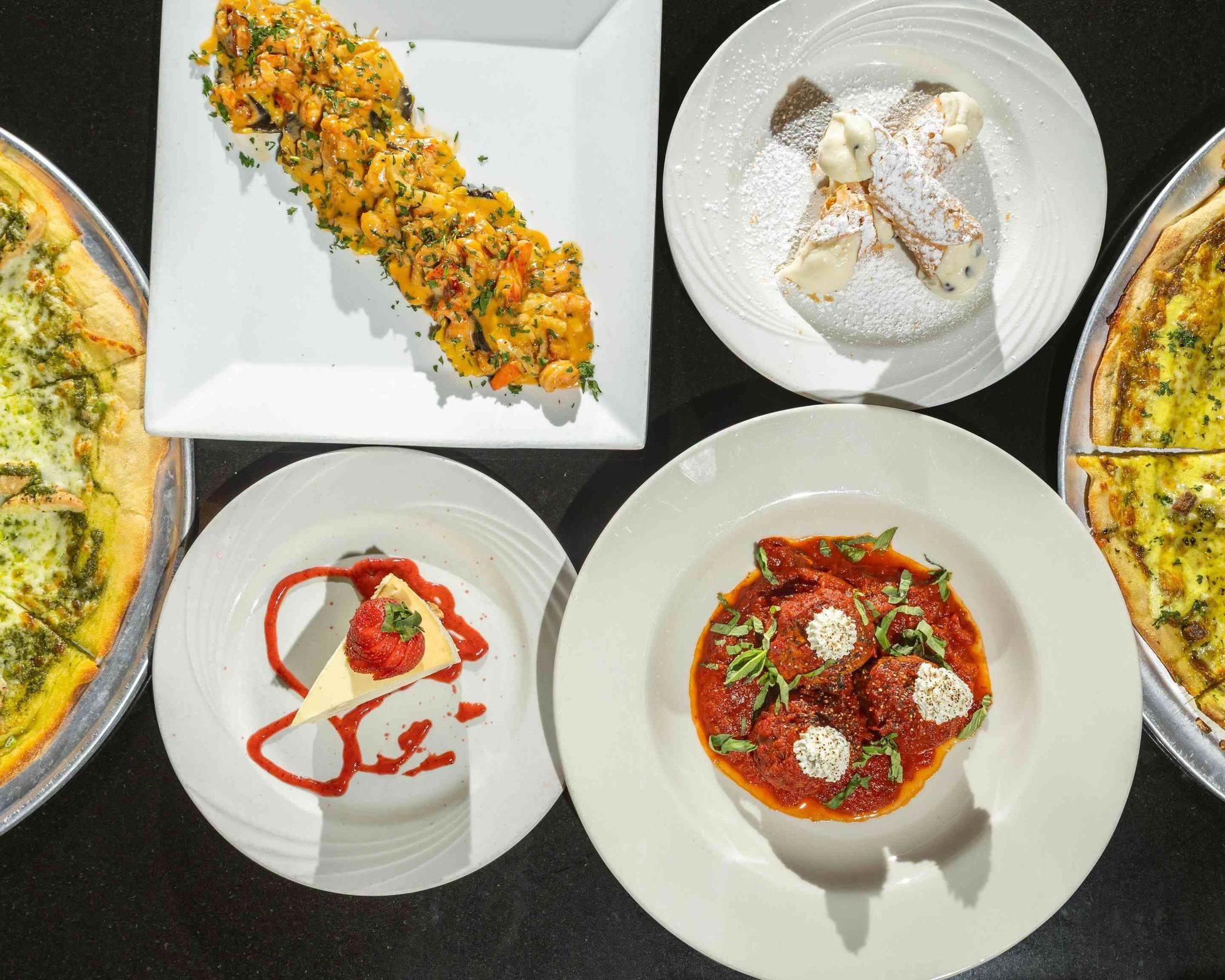
The menu
What to order
- Spaghetti and Meatballs
- Deconstructed Bolognese Lasagna
Pittsburgh's Italian Dining Tier and Where PA-837 Fits
Pittsburgh's relationship with Italian-American cooking runs deeper than most mid-sized American cities. The post-war immigration waves that shaped neighborhoods like Bloomfield, Oakland, and the South Side left behind a dining culture that has since stratified: red-sauce institutions that predate the food media era sit alongside newer, more European-inflected operations angling for a different kind of attention. LA Dolce Vita, addressed at 2104 PA-837, operates within the South Side corridor, a stretch that has evolved from its industrial-adjacent past into a mixed dining and hospitality strip that draws both neighborhood regulars and visitors crossing from the city center.
The South Side's dining character differs from Pittsburgh's more photographed precincts. Where the Strip District and East Liberty have accumulated the bulk of the city's recent press-friendly openings, the PA-837 corridor has remained more self-contained, sustaining venues on local loyalty rather than media cycles. That dynamic shapes what a restaurant like LA Dolce Vita is optimized for: consistency and familiarity over novelty signaling.
For context on how this fits into the wider Pittsburgh picture, our full Pittsburgh restaurants guide maps the city's dining geography across neighborhoods and price tiers.
The Collaboration Model in Italian-American Service
The editorial angle that matters most when assessing Italian and Italian-American restaurants in American cities is not the menu itself but the coordination between the people running it. The strongest dining rooms in this category operate through a legible division of labor: a kitchen that understands the difference between regional Italian technique and its American derivatives, a floor team that can read the table accurately, and, where wine is present, a service approach to the list that doesn't embarrass the food.
This team dynamic is what separates an Italian restaurant that sustains itself over years from one that opens with momentum and fades. Italian-American cooking in particular places unusual demands on the front-of-house: the cuisine carries strong familiarity expectations from guests, which means the floor staff must manage both the comfort of the known and the occasional surprise of something more considered. At restaurants like Alfabeto in Pittsburgh, that tension is navigated through a more modern Italian framework. At 1930 by Atria's, the approach leans into the heritage register with deliberate formality. LA Dolce Vita's PA-837 address places it in a different part of this spectrum, closer to the neighborhood anchor model than either of those comparators.
The collaborative structure matters because it determines the ceiling of the experience. A kitchen that executes reliably but is undermined by a floor team that doesn't understand pacing, or a wine program that defaults to safe pours without engagement, produces a dining room that feels competent but not considered. The inverse, a technically modest kitchen supported by service that genuinely guides the guest, can produce something more memorable than the food alone would suggest.
Situating the Experience Within Pittsburgh's Broader Italian Cohort
Pittsburgh's Italian dining options span a considerable range. At the more formal end, venues modeled on northern Italian restraint operate with set menus or prix-fixe structures that price against a national peer group. At the other end, neighborhood trattoria-style operations run on volume and regularity. The city hasn't yet produced an Italian restaurant that competes in the tier occupied by, say, Le Bernardin in New York City or the format discipline seen at Alinea in Chicago, but that's not the ambition driving most of the local Italian scene.
What Pittsburgh does have is a tradition of Italian-American cooking that functions as genuine community infrastructure, not culinary theater. That tradition is worth tracking separately from the destination-dining category occupied by venues like The French Laundry in Napa, Lazy Bear in San Francisco, or Single Thread Farm in Healdsburg. Those operations attract diners who travel specifically for the meal. Pittsburgh's South Side Italian restaurants attract diners who live within reach and return because the room works for them.
Other Pittsburgh venues address different parts of the dining map. Altius operates in the refined American format with city views. Apteka has built a following around Central European vegetarian cooking that occupies its own niche entirely. Bakersfield Penn Ave covers the casual end of the American market.
For comparison across the national Italian-American dining conversation, venues like Providence in Los Angeles, Addison in San Diego, Blue Hill at Stone Barns in Tarrytown, The Inn at Little Washington, Atomix in New York City, Emeril's in New Orleans, and 8 1/2 Otto e Mezzo Bombana in Hong Kong each show how different cities and formats resolve the tension between Italian cooking tradition and local appetite. Pittsburgh's version of that resolution is quieter and less mediated by critical infrastructure.
Planning a Visit: What the Address Tells You
The PA-837 address is logistically relevant. The South Side corridor runs along the Monongahela River, separated from downtown Pittsburgh by the river crossing. Visitors arriving from the city center will need to plan transit or parking, as the strip is not walkable from the major hotel cluster. The area itself is navigable by car, and the restaurant's position along the highway-adjacent route means parking is generally more accessible than in the denser neighborhoods to the north. Those combining a South Side dinner with other programming should note that the corridor's other venues tend to skew casual, so sequencing a meal at LA Dolce Vita with stops elsewhere in the area works better as a neighborhood evening than as part of a formal dining itinerary.
The PA-837 South Side location is fixed, but operational specifics at this tier of dining can shift seasonally or with staffing changes.
Frequently asked questions
Where is LA Dolce Vita in Pittsburgh?
LA Dolce Vita is located at 2104 PA-837, Pittsburgh, PA 15203, Pittsburgh.
Is LA Dolce Vita suitable for a group dinner in Pittsburgh?
Group dining specifics — private rooms, minimum spends, or large-party policies — are not confirmed for LA Dolce Vita at 2104 PA-837. That said, Italian-American restaurants in Pittsburgh's South Side have historically accommodated family-style and celebratory dining as a core part of the neighbourhood's post-war Italian community tradition. Contacting the venue directly before bringing a larger party is the clearest path to confirmed logistics.
What's the best thing to order at LA Dolce Vita?
Italian-American kitchens along Pittsburgh's South Side corridor tend to anchor their menus around house-made pasta and regional meat preparations — a pattern consistent with the dining cohort along PA-837. Your server is the most reliable guide to what's freshest that day.
Do they take walk-ins at LA Dolce Vita?
The South Side location along the Monongahela corridor draws a steady local crowd, particularly on weekend evenings, which typically puts pressure on seating across the neighbourhood's Italian dining options.
Cost Snapshot
Comparable venues nearby, for context on price, style, and recognition.
| Venue | Cuisine | Price | Notes |
|---|---|---|---|
| LA Dolce VitaThis venue — the venue you are viewing | Traditional Italian Trattoria | $30–50 | Not listed |
| Pizzaiolo Primo Market Square | Not listed | Not listed | Central Business District, Authentic Neapolitan Pizza & Pasta |
| Girasole | Authentic Italian | $30–50 | Shadyside, Authentic Italian |
| The Aperitivo Club | Italian Aperitivo & Cocktails | $30–50 | Downtown, Italian Aperitivo & Cocktails |
| Alfabeto | Northern Italian | Not listed | North Side, Northern Italian |
| Mercurio's O'Hara | Authentic Neapolitan Pizza & Artisan Gelato | $20–30 | O'Hara, Authentic Neapolitan Pizza & Artisan Gelato |
Continue exploring
More in Pittsburgh
Restaurants in Pittsburgh
Browse all →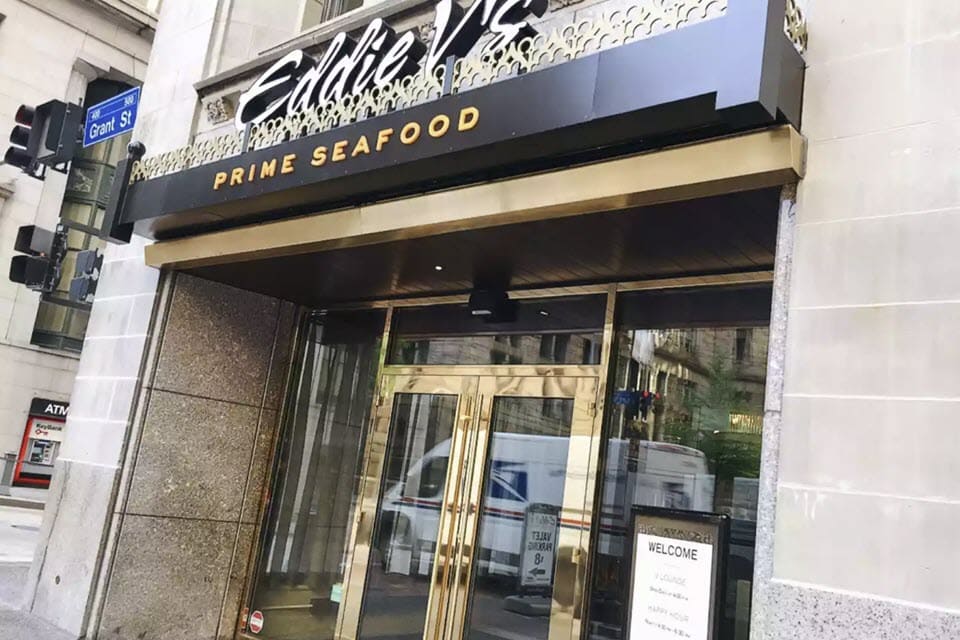
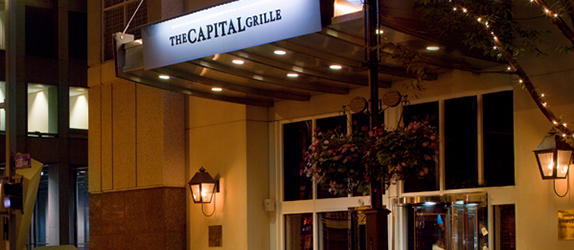
Bars in Pittsburgh
Browse all →
Details
- Cozy
- Classic
- Romantic
- Date Night
- Family
- Group Dining
- Casual Hangout
- Standalone
- Natural Wine
- Local Sourcing
- A La Carte
- Italian Wine
Current opening hours
- Monday
- 4–9 PM
- Tuesday
- 4–9 PM
- Wednesday
- 4–9 PM
- Thursday
- 4–9 PM
- Friday
- 4–9 PM
- Saturday
- 4–9 PM
- Sunday
- 4–9 PM
Hours can change for holidays and private events. Last verified .
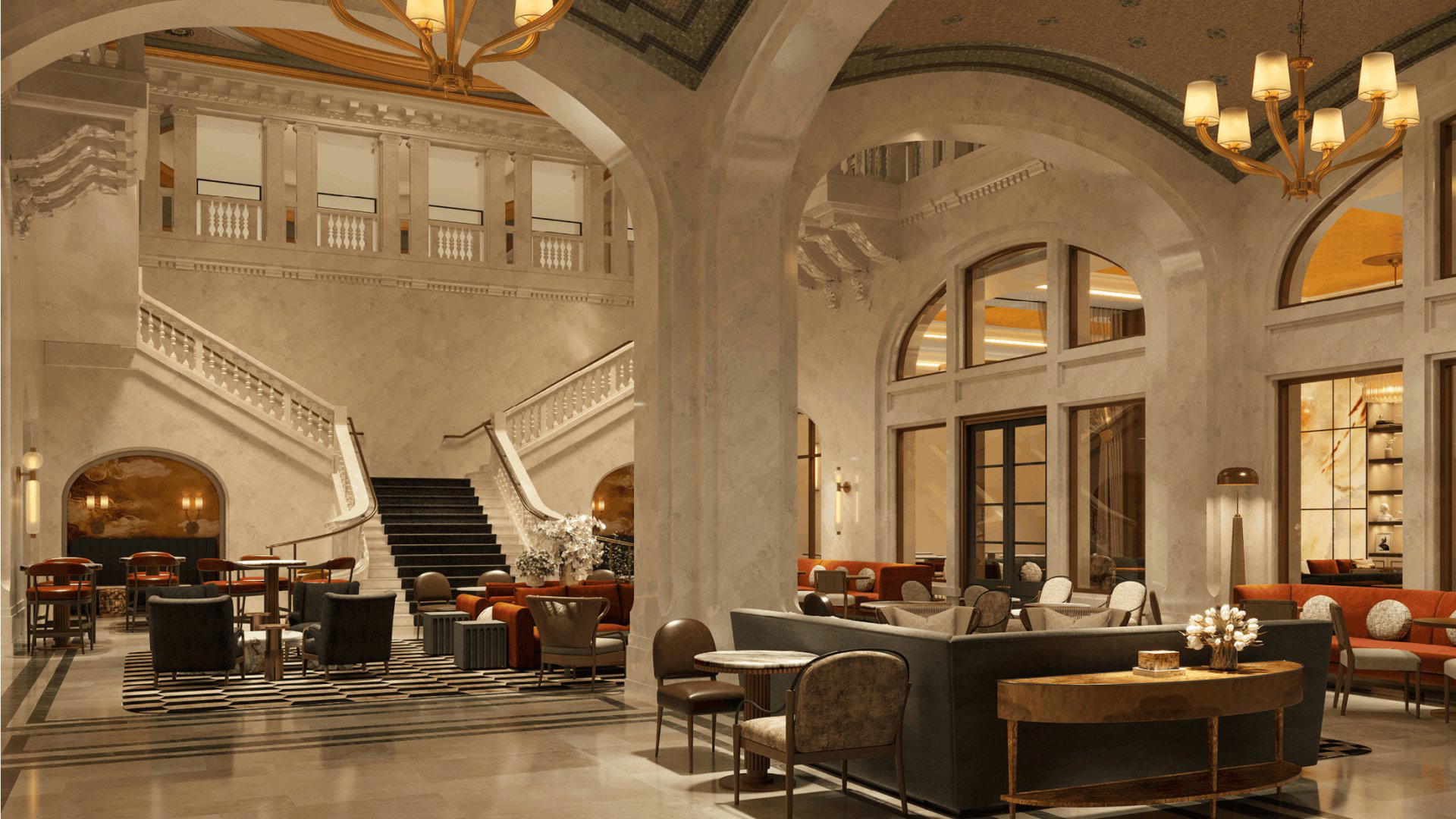
Warm and inviting atmosphere with moderate noise levels, designed for family dinners, romantic evenings, and gatherings with friends.